Rare 1946 Dime Errors (List & Pictures)
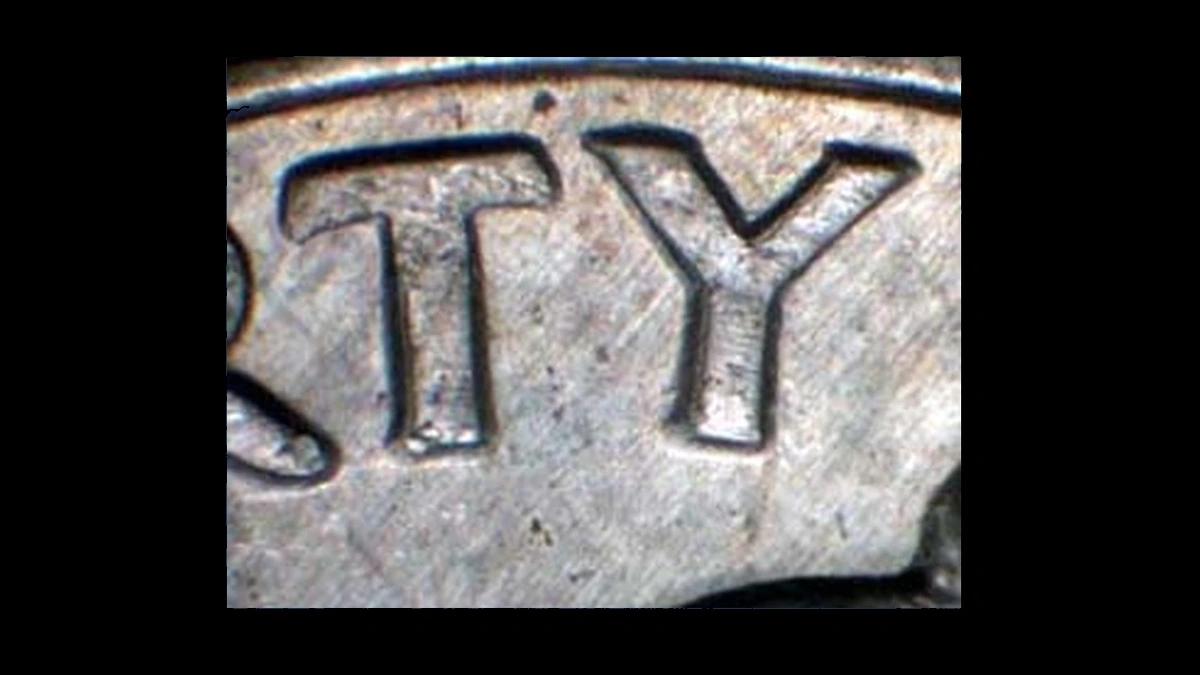
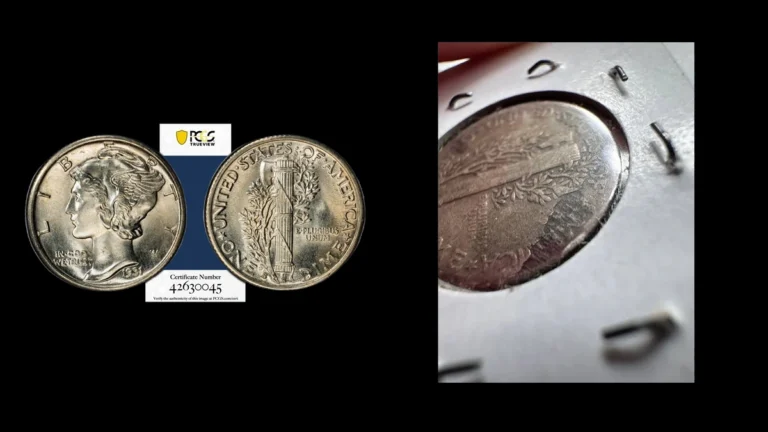
The small letter beside the torch can identify either a normal punch style or a repeated impression on a 1946 dime. Supplied estimates for 1946 dime errors and varieties range from $10 to $3,000.
A San Francisco doubled-reverse and repunched-S combination graded MS68 Full Bands sold for $2,760 in June 2020. Identify the mint letter first, then compare the broader design and any change to the blank’s shape.
Philadelphia, Denver, and San Francisco produced silver circulation dimes in 1946. There were no regular Proof issues that year.
| Observation | Identification | Estimated value |
|---|---|---|
| S ends lack projecting tips | Sans Serif S style | $10–$200 |
| Another D or S outline | Repunched mint mark | $15–$350 |
| Repeated design, sometimes with S/S | Doubled die combinations | $20–$3,000 |
| Altered front with a sharper reverse | Struck through a die cap | $75–$750 |
| Complete design inside a wide border | Broadstrike | $25–$300 |
| Straight missing segment and spread metal | Clip with broadstrike | $50–$500 |
| Oval original disk | Elliptical blank | $50–$500 |
| Small struck area beside a bare crescent | Off-center strike | $50–$800 |
1. 1946 Dime The S Has Blunt Ends: Sans Serif Mint-Mark Style Error
The recognized FS-504 Sans Serif S lacks the projecting tips called serifs. It is a mint-letter style rather than a broken die or an extra punch impression.
How to Identify
Locate S to the lower left of the torch and compare its full shape with an attributed FS-504 and the other normal S styles. The curve and proportions matter as well as the ends.
Wear or blocked detail can hide ordinary tips. Inspect any extra raised outline separately, since a second S impression is a different feature from the shape of one original letter.
What It’s Worth
$10–$200 is the supplied estimate across worn and ordinary unworn identified examples. Clarity of the punch style and overall preservation affect the comparison.
The range values a recognized variety, not a supposed broken-tool error. A worn letter with flattened tips does not automatically qualify.
2. 1946 Dime Earlier Letter Strokes Survive beside D or S: Repunched Mint Mark Error
Hand-punching the mint letter into a die more than once could preserve displaced strokes from earlier impressions. Catalogs list numerous Denver and San Francisco patterns, including some with three or more impressions.
How to Identify
Read the actual letter beside the torch base and trace additional curves or uprights that could belong to the same letter. Philadelphia’s normally empty mint-mark area is not a repunching error.
Match the complete pattern with the correct mint and overlap direction. Similar upper traces can still belong to different varieties, and a flat strike-doubling shelf is not another punched letter.
What It’s Worth
$15–$350 is the estimate for identified minor RPMs in ordinary conditions. Strong recognizable remnants on attractive surfaces are easier to appreciate than worn traces.
Some S repunchings share a coin with reverse doubling. Such combinations need a whole-coin comparison rather than the addition of two maximum prices.
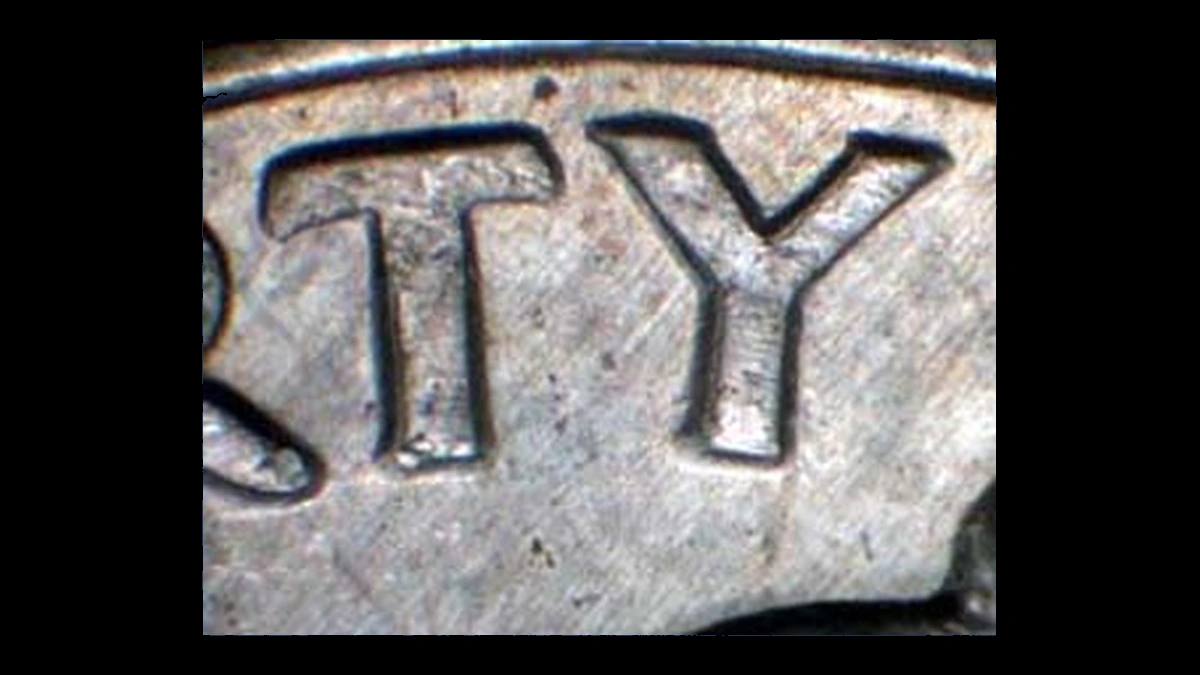
3. 1946 Dime Design Details Repeat beyond the Mint Letter: Doubled Die Combinations Error
All three mints have cataloged 1946 doubled dies, with different front or reverse patterns. Some San Francisco reverse varieties also carry a repunched S.
The FS-501 and FS-502 San Francisco combinations need separate matches. Their shared category does not make their diagnostic positions interchangeable.
How to Identify
Establish the mint, then compare the reported date, JS, LIBERTY, motto, or reverse features for that specific variety. Consistent rounded repetition across several points is more persuasive than one thick letter.
For San Francisco FS-502, compare the lower-right extra S and reverse doubling strongest toward the left in the motto and adjacent design. Use separate references for FS-501 rather than transferring those positions.
What It’s Worth
$20–$3,000 is the estimated range across minor patterns and exceptional combinations. A San Francisco FS-501 graded MS68 Full Bands sold for $2,760 in June 2020.
A separate Philadelphia FS-101 front-and-back doubled dime graded MS64 has a PCGS-recorded eBay result of $750 in March 2021. Full Bands describes sharp torch-band separation rather than an additional error.
4. 1946 Dime A Covering Alters the Front Impression: Struck through a Die Cap Error
The reported NGC MS67 Full Bands example was struck through a cap attached to the obverse die. It is the underlying dime that received the altered impression, not the trapped cap itself.
The auction title also uses “clad,” which conflicts with the normal silver composition of 1946 dimes. That word alone cannot establish a wrong-metal error.
How to Identify
Check the full label and auction photographs, then compare the altered front with the clearer reverse. Seek surviving design within the affected area rather than assuming a blank-looking portrait was originally absent.
Scratches or polishing can reveal later removal of finished detail. Keep the holder intact and resolve the conflicting composition wording through evidence rather than adding another error claim.
What It’s Worth
$75–$750 is the estimate for an authenticated comparable cap-blocked dime. The cataloged MS67 Full Bands example sold for $84 in July 2021.
High preservation and strong torch bands describe condition alongside the error. They do not settle the inconsistent title wording.
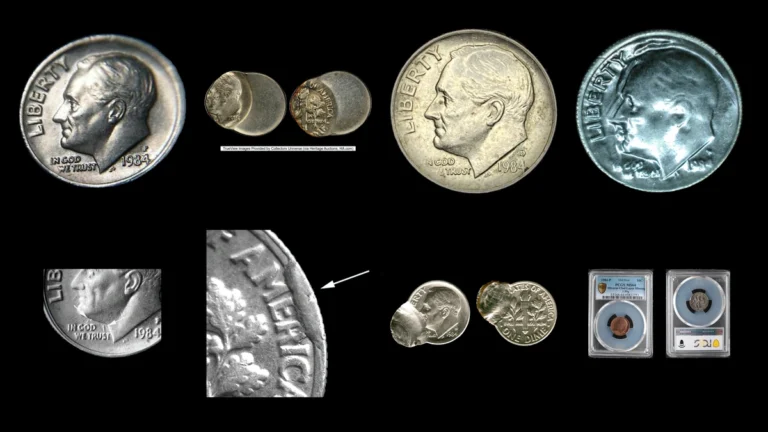
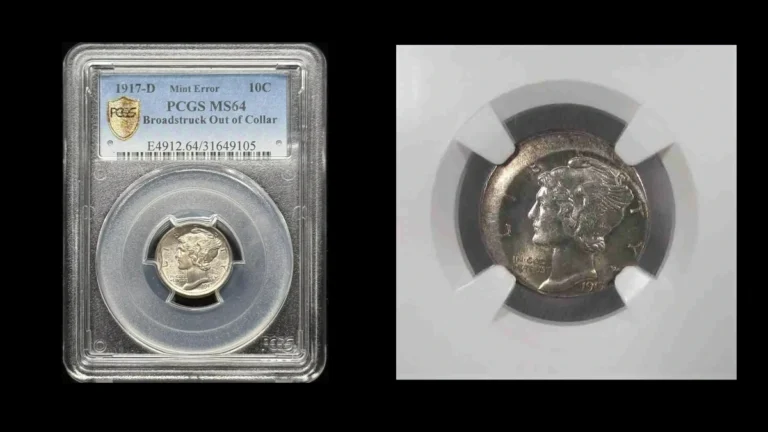
5. 1946 Dime Extra Metal Surrounds All the Lettering: Broadstrike Error
The Philadelphia NGC MS66 Full Bands example has an expanded outline around a complete design. A separate San Francisco coin is an uncentered broadstrike described as nearly cent-sized and graded ANACS AU50 with cleaning.
The collar failed to restrain the blank’s metal normally. Uneven placement within that spread metal does not automatically make the strike off center.
How to Identify
Trace all outer lettering on both faces to establish that the intended design remains. Compare several widths with the normal approximately 17.9-millimeter dime diameter.
The San Francisco near-cent-size description is approximate rather than a measured diameter. Inspect the border and design for original formation, keeping cleaning scratches separate from the cause of expansion.
What It’s Worth
$25–$300 is the estimate for comparable simple broadstrikes. The Philadelphia MS66 Full Bands coin sold for $99 on July 15, 2021.
The cleaned San Francisco AU50 piece needs its own condition comparison. A larger outline does not remove wear or altered surfaces from the assessment.
6. 1946 Dime A Straight Gap Accompanies the Wide Border: Clipped Broadstrike Error
A documented San Francisco dime combines a 20% straight clip with a broadstrike and weighs 2.1 grams. The blank was already incomplete when the remaining metal spread during striking.
NGC assigned Uncirculated Details because of a front wheel mark. That mark is later damage, not a third minting error.
How to Identify
Inspect the straight gap’s junctions with the struck rim, then follow the remaining expanded outline. Missing metal and spread metal should explain different parts of one original event.
Look for later filing or cutting and document the date and S with the edge. Keep the wheel mark separate from the original clip and the Details designation separate from a problem-free numerical grade.
What It’s Worth
$50–$500 is the estimated range for comparable authenticated clipped broadstrikes. The 2.1-gram San Francisco combination sold for $109 on June 12, 2023.
The result covers one coin with two original defects and later damage. Cleaner surfaces may improve a comparison without making each feature a separate purchase.
7. 1946 Dime The Original Disk Is Oval: Elliptical Blank Error
A Philadelphia 1946 dime graded PCGS MS65 was cataloged on an elliptical blank. Its narrow sides leave less room for the outer design than a normal round disk.
How to Identify
Use straight-on photographs of both faces before judging the shape, because a tilted round coin can look oval. Follow the lettering to the narrow original boundary.
Inspect the whole edge for filing, cutting, or squeezing of a finished dime. The published description provides no actual weight for the auction specimen.
A normal silver dime weighs 2.50 grams, but that is a reference standard rather than this coin’s measurement. Record actual values only for a loose candidate without squeezing the edge.
What It’s Worth
$50–$500 is the supplied estimate for comparable authenticated elliptical blanks. The PCGS MS65 specimen sold for $89 on April 15, 2020.
Readable identity and an undisturbed boundary help show how the design formed. An oval coin made by later trimming or pressure does not qualify.
8. 1946 Dime Most of the Design Misses the Blank: Reported Off-Center Strike Error
An auction listing describes an NGC MS65 1946 dime as 65% off center. The figure concerns displacement of the design rather than loss of 65% of the silver.
How to Identify
Read the surviving date before adopting the listing’s year. A generally silver-era Roosevelt design cannot identify an otherwise unreadable coin as 1946.
Compare incomplete designs on both faces with the original blank outline and inspect the bare metal for removed detail. An unstruck reverse mint-mark area cannot establish Philadelphia origin.
Match the actual example before applying the 65% description. A broadstrike retains its full design, while a misaligned die may shift only one face.
What It’s Worth
$50–$800 is the estimate for authenticated, identifiable 1946 off-center dimes. Readable dates and original surfaces remain important despite a dramatic crescent.
A 1967 clad dime struck 50% off center sold for $93 in January 2022. Its different date, metal, and displacement make it context rather than a sale of the 1946 report.
Conclusion
The 1946 dime’s mint letter can identify a normal S style, a repunched letter, or part of a more complex doubled-die combination. Keep those distinctions intact before applying a high-grade auction result.
For unusual outlines, determine whether the metal was incomplete, spread during striking, or missed the dies’ center. Preserve specimen-specific weights and condition problems, including the clipped broadstrike’s wheel mark and the cap-strike listing’s unresolved composition wording.