Rare 1884 Quarter Errors (List & Pictures)
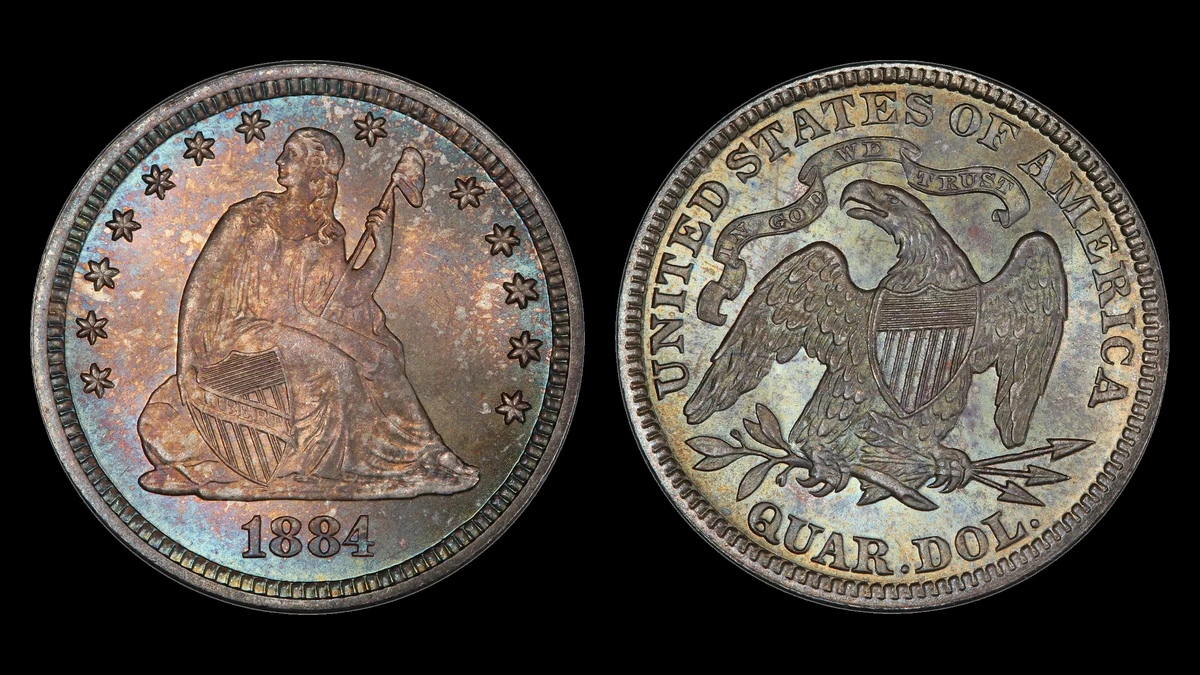
An 1884 Proof quarter sold for $4,320 in April 2023 without being identified as a die-crack error. For reported 1884 quarter errors, a confirmed crack supports a whole-coin estimate of $300–$5,000, with finish and preservation contributing much of the value.
This guide explains how to inspect the line before treating it as a manufacturing feature.
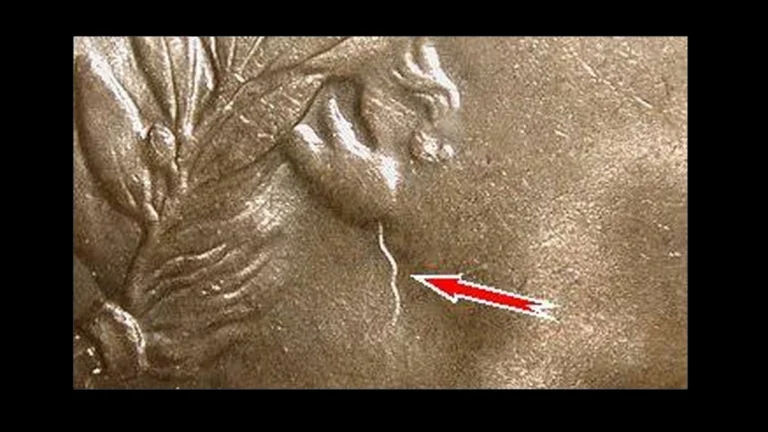
1884 Quarter Reported Die Crack Error
An owner’s report proposes a crack on an 1884 Liberty quarter. The supplied account does not establish a precise path, an authenticated variety, or whether the coin is an ordinary strike or Proof.
A genuine die crack is damage to the steel stamping tool. Silver entering its narrow opening during striking creates a raised ridge on the coin.
The coin itself need not be splitting. A recessed line through the silver would require a different explanation, including possible damage after manufacture.
How to Identify
Photograph the mark with light from opposite directions to reveal its height. Inspect its center as well as the bright edges, because a scratch can push up a narrow lip beside a trench.
Follow the complete route and note how it meets letters or portrait detail. Do not assign a path from another year’s crack or from the general error name.
Include full views of both faces with the date and denomination readable. Those photographs allow a specialist to connect the close-up to the actual coin and assess its finish.
Keep the surface untouched while inspecting it. If glare obscures the line, move the light rather than rubbing or tracing the mark with a tool.
What It’s Worth
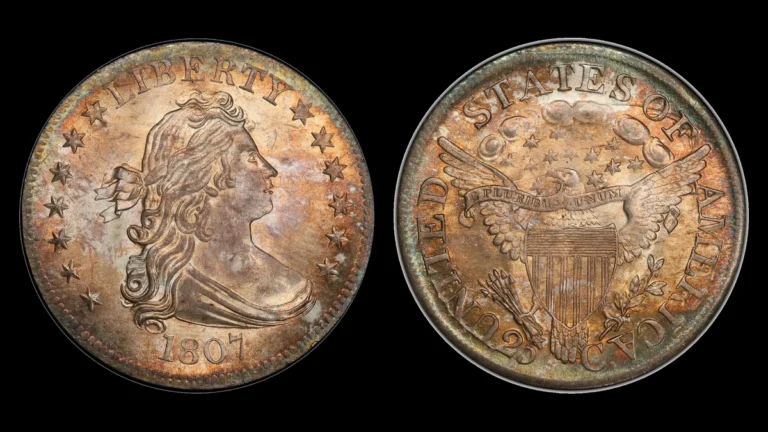
A working whole-coin estimate is $300–$5,000 once the issue, finish, and crack are confirmed. A small raised line may add little to the ordinary collector value of this scarce date.
NGC’s auction record lists a $4,320 Heritage sale on April 24, 2023, for a PCGS Proof 67 Cameo coin. The grade describes excellent preservation, while Cameo refers to frosted devices contrasting with reflective fields.
That sale is a condition comparison rather than a crack-error result. A lower-grade candidate cannot inherit the price merely because a line is visible.
Conclusion
The first question is whether the mark is an original raised ridge or a later cut with displaced metal. Its full shape and relationship to the surrounding design matter more than a suggestive close-up.
Then establish the coin’s finish and preservation before comparing values. The $300–$5,000 estimate concerns a complete authenticated 1884 quarter, and the high-grade Proof sale does not isolate any premium for a crack.