Rare 2014 Sacagawea Dollar Errors (List & Pictures)
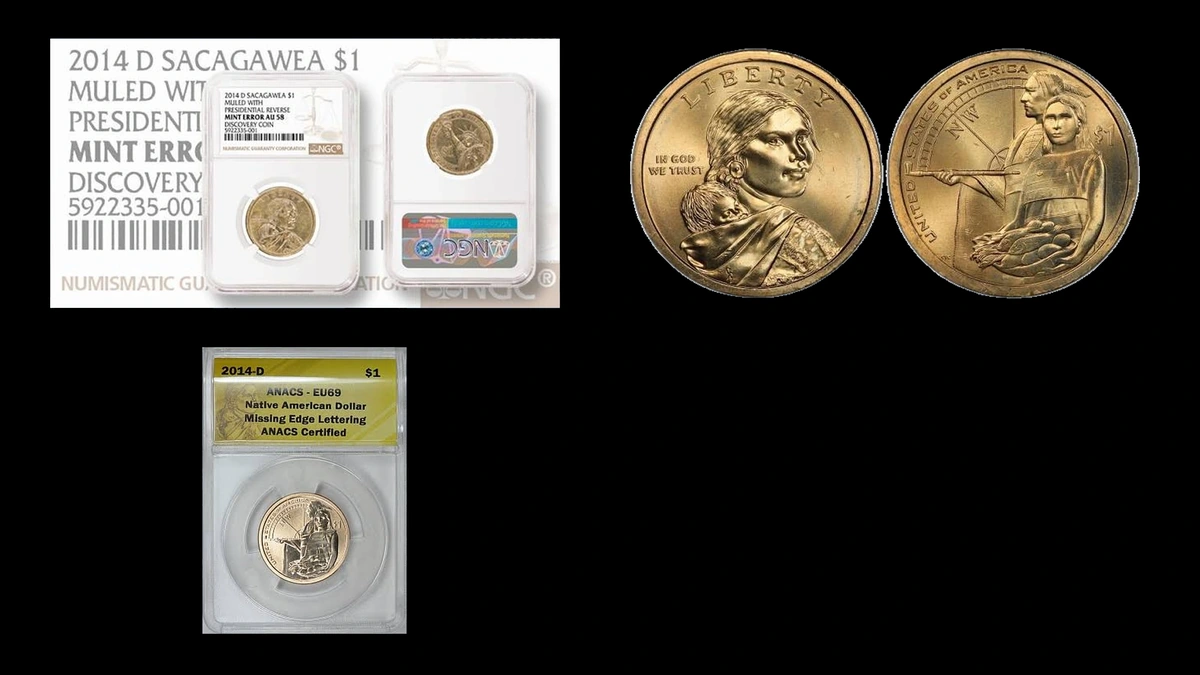
The 2014-D dollar pairing Sacagawea with the Statue of Liberty sold for $84,000 in April 2021. Estimated values for the 2014 Sacagawea dollar errors below span $25–$100,000.
Check the two face designs first, then inspect the edge and finish to distinguish an ordinary weak-letter coin from the special enhanced missing-lettering discovery.
| Clue | Issue to compare | Estimated range |
|---|---|---|
| Statue of Liberty paired with Sacagawea | 2014-D mule | $60,000–$100,000 |
| Shallow edge characters | Ordinary 2014-P weak lettering | $25–$350 |
| Entirely plain edge and enhanced finish | Special 2014-D Coin and Currency Set discovery | $10,000–$35,000 |
1. 2014 Dollar Sacagawea opposite the Statue of Liberty: mule Error
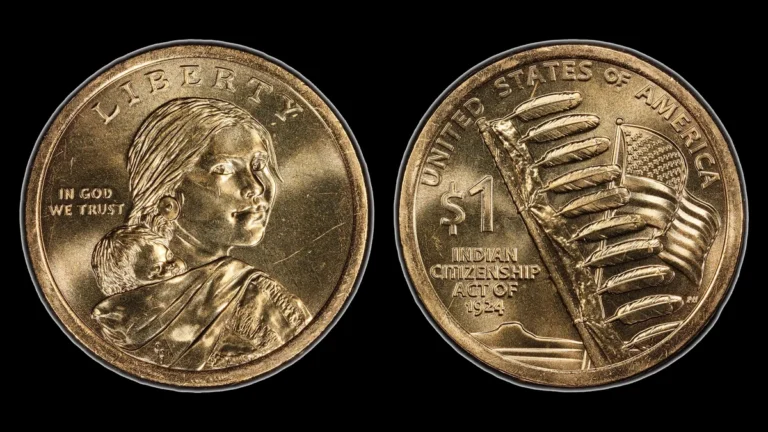
The normal 2014 Native American reverse is the Native Hospitality scene. On the documented mule, the Presidential dollar’s Statue of Liberty appears instead, opposite Sacagawea and her infant.
A mule results from dies intended for different designs being paired in the press. This is a wrong combination of faces, not doubled artwork on one face.
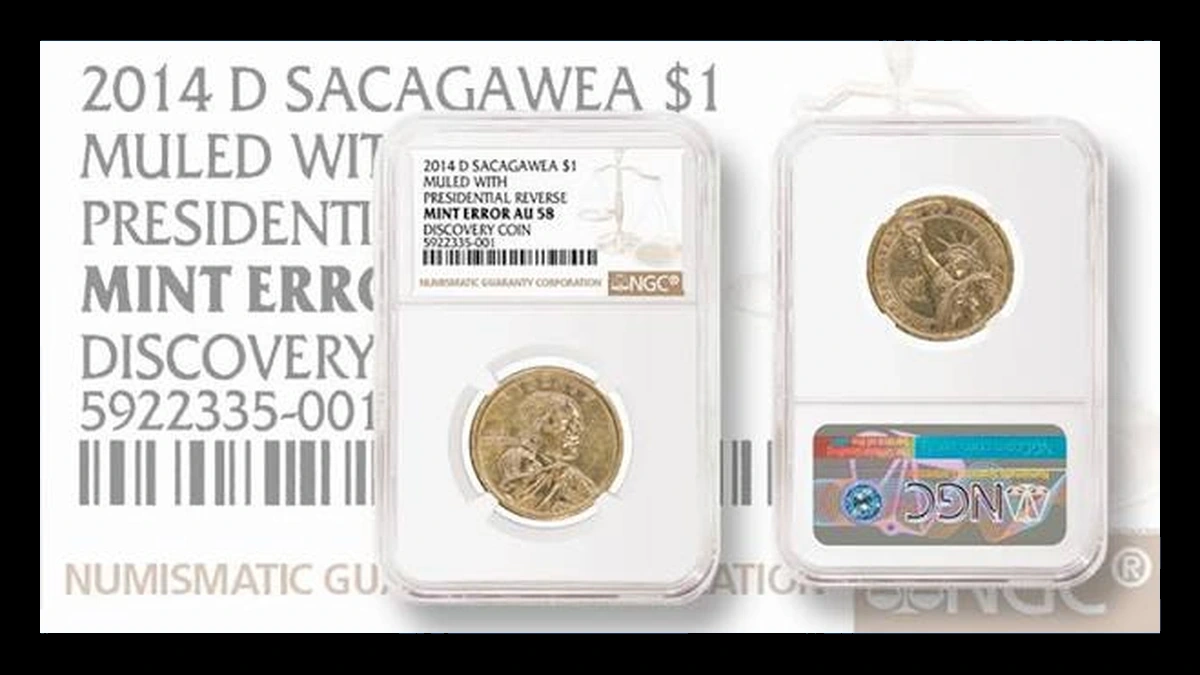
The discovery coin was found in a mixed bag of dollars in 2019 and certified by NGC as AU58. Its edge carries both 2014 and D.
How to Identify
Establish that both designs are on the same physical coin, then read the edge date and Denver letter. A separate photograph of each design without connecting evidence cannot establish the pairing.
Inspect the rim and edge for a seam suggesting joined coins, without scratching or prying at the metal. The two dollar series share normal specifications of about 8.10 grams and 26.5 millimeters, so correct measurements alone cannot authenticate the mule.
Compare the complete coin with the certified discovery and seek professional authentication of the original surfaces and design pairing.
What It’s Worth
A comparable authenticated piece has an estimated range of $60,000–$100,000. Discovery history and demand can outweigh small differences in wear at this level.
The NGC AU58 discovery sold for $84,000 on April 24, 2021. AU58 indicates slight circulation wear.
The price concerns this Sacagawea-and-Presidential combination. A Washington-quarter-and-eagle mule is a different pairing requiring its own comparison.
2. 2014 Dollar Faint edge words on an ordinary Philadelphia dollar: weak lettering Error
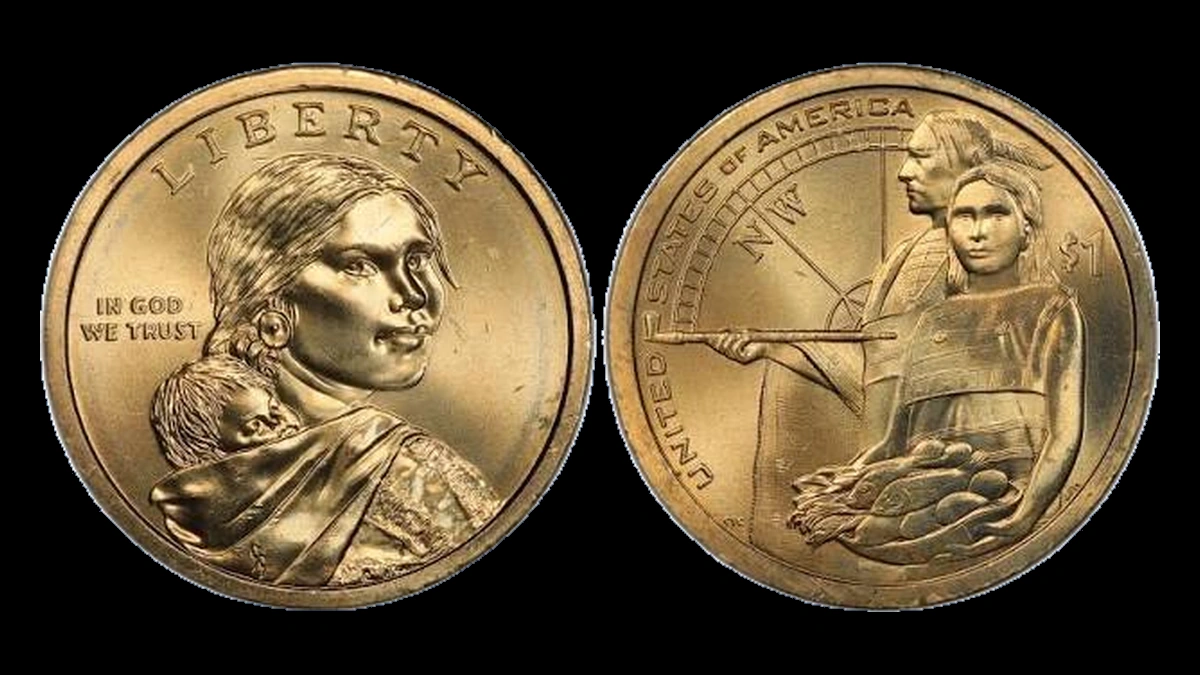
PCGS recognizes weak edge lettering on ordinary 2014-P Native Hospitality dollars. The recessed characters may have incomplete depth or partly missing strokes while remaining visible elsewhere around the edge.
Position A and Position B identify the two normal reading directions. The lettering’s weakness is the error; its direction alone is not.
How to Identify
Compare with an ordinary 2014-P coin using the same lighting and magnification. The enhanced Denver finish belongs to a different issue and is not the correct surface reference.
Follow the bottoms of recessed strokes from clear characters into weaker ones. Record any visible P together with the strongest-to-weakest transition.
Check for rubbing, rounded rims, or file marks that could have weakened the edge later. Full-face views help establish overall wear instead of leaving only an ambiguous close-up.
What It’s Worth
Properly identified ordinary Philadelphia examples have an estimated range of $25–$350. Both preservation and a convincing weak impression affect the comparison.
PCGS lists a Position B MS66 example at $225 on eBay in February 2018. The grade describes an unworn coin with relatively few marks.
3. 2014 Dollar A completely plain edge on the enhanced Denver issue Error
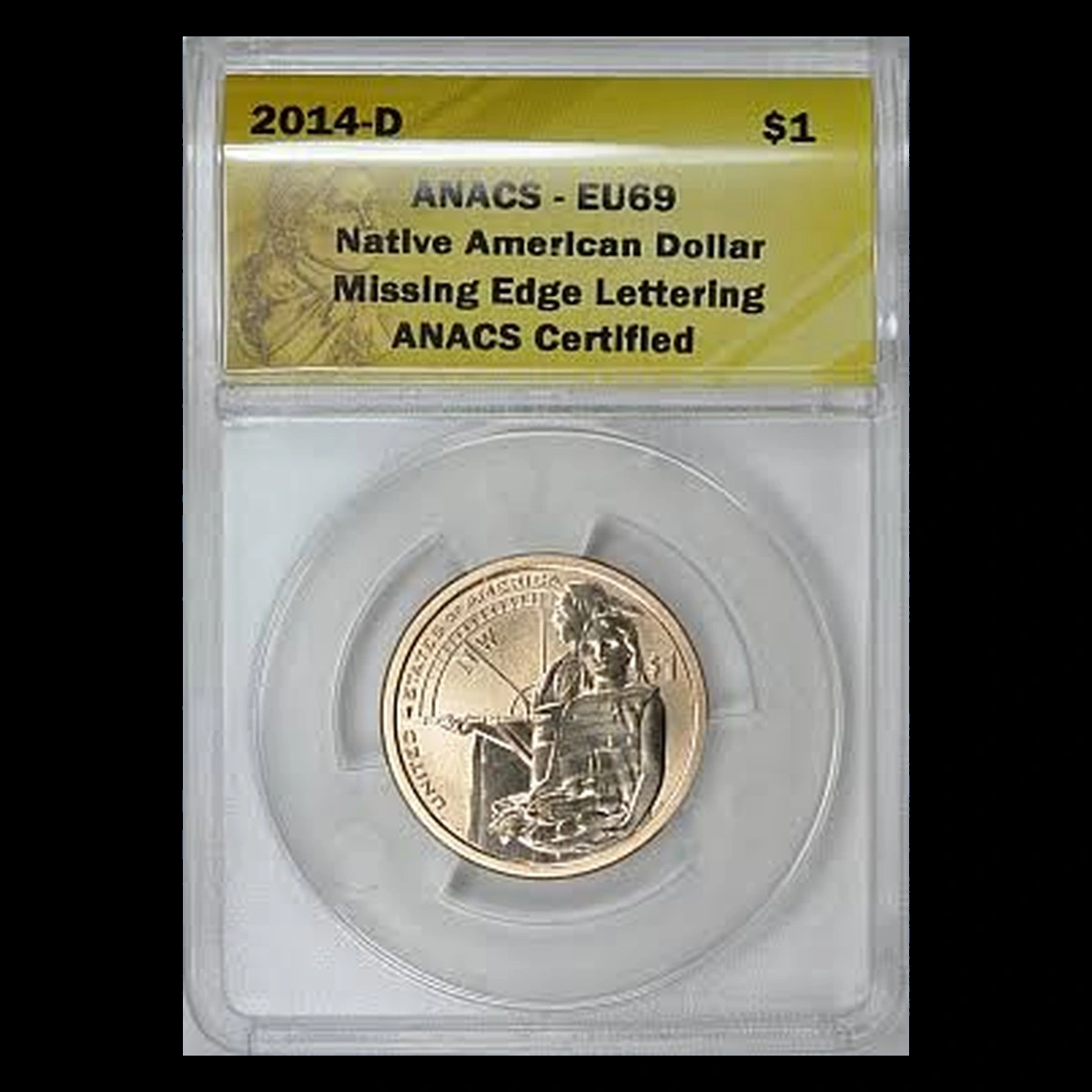
A special dollar from the 2014 Coin and Currency Set was discovered without any edge inscriptions. Its enhanced finish uses intentional contrasting textures that distinguish it from an ordinary Denver coin.
GreatCollections announced the discovery in January 2015 with an ANACS EU69 grade. The enhanced appearance is normal for this issue; the missing edge text is the error.
Since the mint letter and date are absent, the Denver attribution depends on identification of the special issue. It does not come from a visible D on the plain edge.
How to Identify
Preserve the holder and any original Coin and Currency Set packaging. Compare both faces with a normal enhanced 2014-D dollar to establish the intended contrasting textures.
Inspect the full circumference through overlapping views, searching for even shallow remnants of characters. A few letters hidden by glare would change the description from completely missing lettering.
Look for scraping or a reduced edge that could indicate removal after minting. Authentication must consider the finish, annual design, and original edge together.
What It’s Worth
The estimated range is $10,000–$35,000 for a comparable authenticated enhanced discovery, based on its unusual issue and reported market history.
The coin realized $12,934.90 on February 8, 2015, including the auction fee. Coin World also reported a $31,900 resale on February 15, 2015.
Those transactions concern the same discovery coin. Neither price should be applied to every ordinary dollar with a smooth-looking edge.
Conclusion
The three 2014 types require different evidence: a mismatched pair of designs, shallow edge impressions on an ordinary Philadelphia coin, or an entirely plain edge on the enhanced Denver issue. Their prices are correspondingly different.
Keep full-face photographs, complete edge views, certification, and special-set provenance together. Correct finish identification is essential before using the enhanced discovery’s sales as a comparison.