Rare 1795 Penny Errors (List & Pictures)
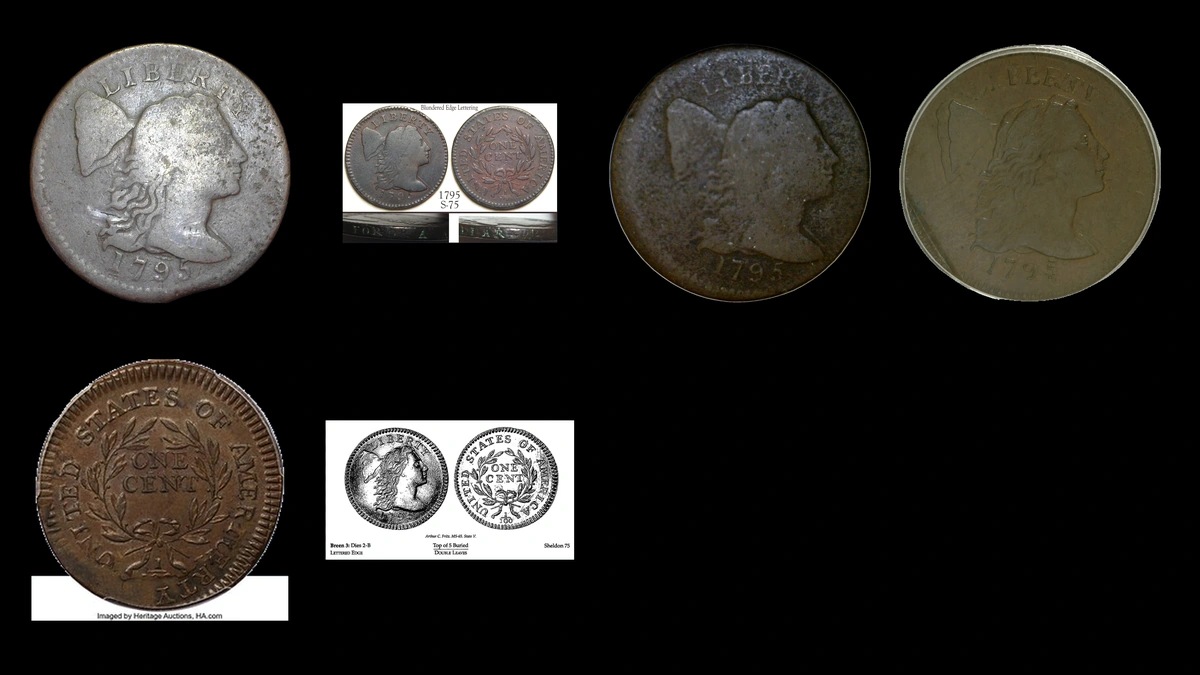
A cent design on a half-cent blank brought $28,000 before buyer fees in January 2026. Among 1795 penny errors, estimated whole-coin values span $300–$75,000, from modest die traces to rare wrong-blank and cross-year overstrikes.
Begin with the edge and body, then examine displaced or repeated designs. Full-size cents measure about 29 mm; the original lettered-edge standard was 13.48 grams, followed by a lighter 10.89-gram plain-edge type.
Both normal types belong to 1795, so a plain edge is not automatically an omission.
1. 1795 Penny The Cent Design Is Too Large for the Disc: Half-Cent Blank Error
The known PCGS Fine 12 example weighs 5.43 grams and retains enough of both cent designs to identify the S-76 die pair. Outer details extend beyond the small blank’s available space.
A disc intended for a half cent entered the cent press. The resulting piece remains a cent error, with chestnut-brown color and pitting that must be assessed separately.
How to Identify
Compare the portrait and ONE CENT design with a full-size cent, as well as with a normal half cent’s different designs. Small size alone cannot establish the wrong-blank strike.
Inspect the original edge for cutting or filing that reduced an ordinary cent afterward. The lost outer design should meet a naturally formed small blank, and a certified specimen should remain sealed.
What It’s Worth
Comparable authenticated examples have an estimated range of $20,000–$45,000. Rarity, visible cent design, and surface condition account for the whole value.
NumisBids records the January 2026 Heritage result at $28,000 before buyer fees. Fine 12 indicates substantial wear with important details still readable.
2. 1795 Penny A Curved or Straight Section Is Missing: Clipped Blank Error
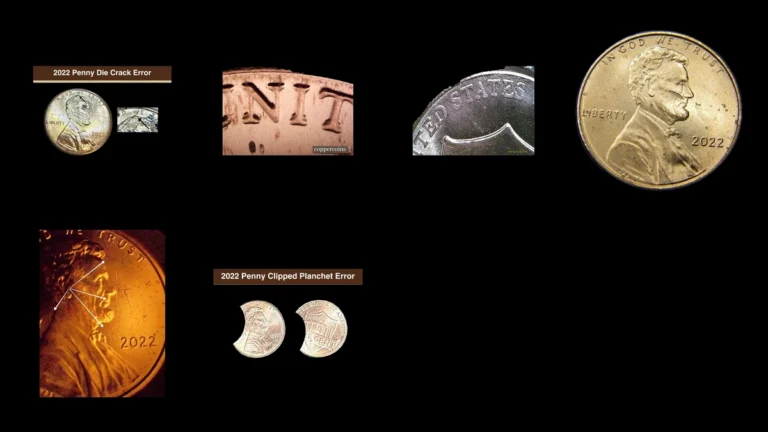
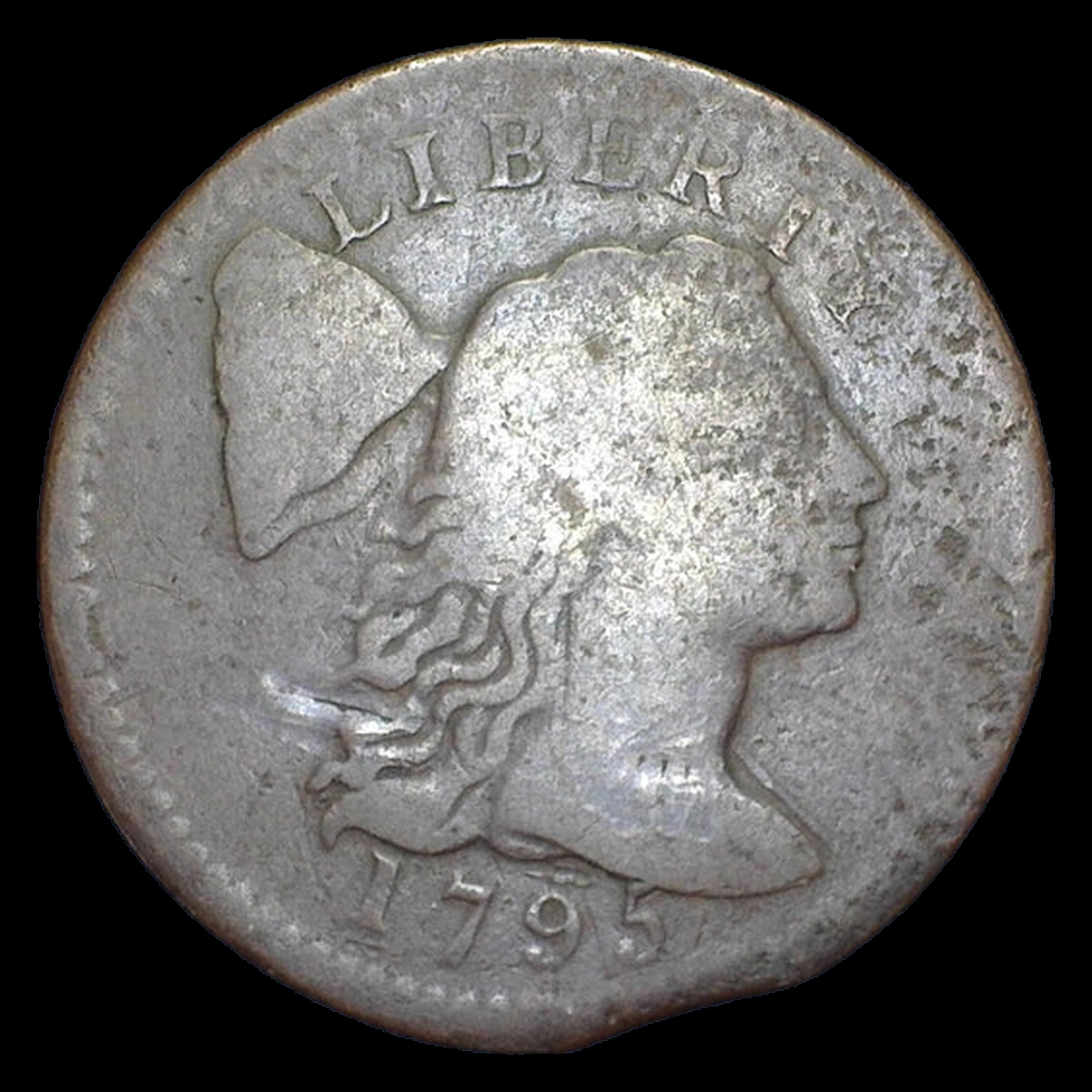
A cutting punch can overlap an earlier hole in the copper strip to produce a curved clip, or reach its end to leave a straight missing section. Both errors begin before the coin’s designs are struck.
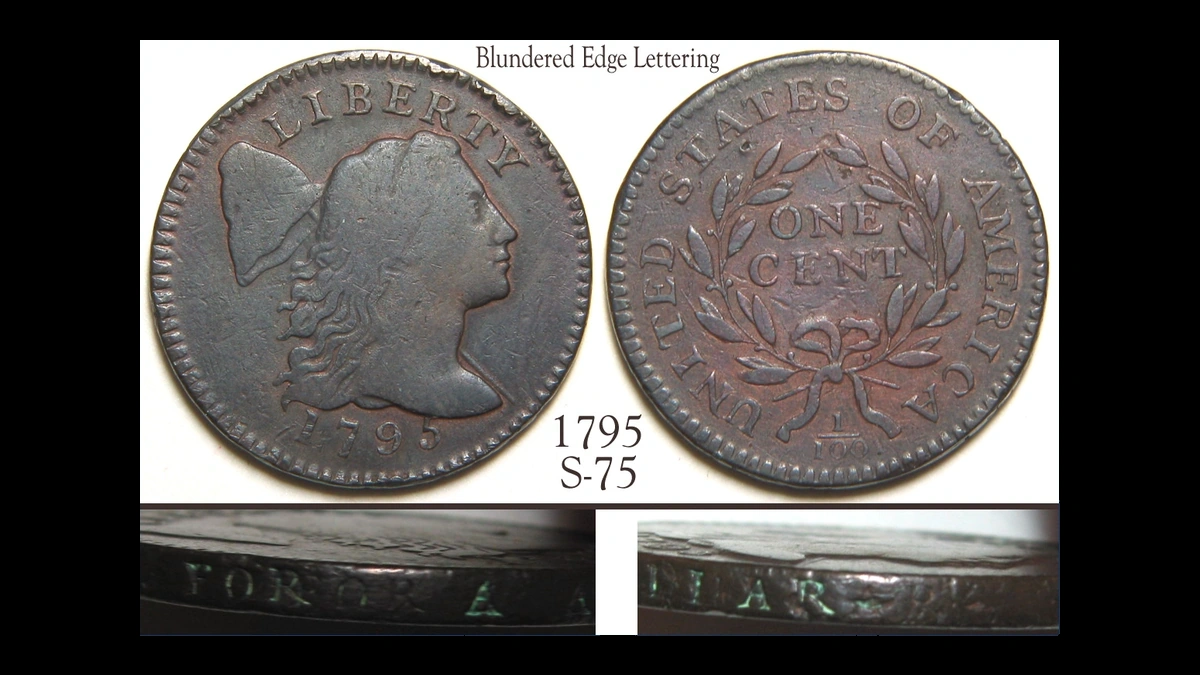
One lettered-edge S-75 carries part of A DOLLAR along its straight section. That wording demonstrates that the missing section existed before the edge lettering was applied.
How to Identify
Read a straight section for surviving original edge letters, then inspect its transition into the round edge. Saw marks, burrs, or fresh exposed metal favor a later cut.
For a curved clip, inspect the strike beside both endpoints. The absence of a modern-style weak spot opposite the gap is not sufficient to reject an early cent.
What It’s Worth
The estimated whole-coin range is $500–$10,000. Original edge words crossing a straight clip provide particularly useful evidence and collector interest.
A minor clip on an 1851 large cent sold for $159 in January 2022. Its much later date makes it a broad low-price comparison rather than a direct guide to a preserved 1795 example.
3. 1795 Penny The Edge Phrase Is Missing or Repeated: Edge-Lettering Error
The intended phrase on the heavy type is ONE HUNDRED FOR A DOLLAR. Recorded errors include an absent inscription, repeated letters, and wording that omits FOR.
Edge lettering was applied separately from the two face designs. Mistakes in that step could leave an unusual edge on an otherwise ordinary-looking coin.
How to Identify
Establish the variety and expected edge type before naming missing words. A reported S-75 omission weighs 12.14 grams after wear, but weight alone cannot distinguish it from every altered or worn example.
Read the complete circumference, including material outside any single photograph. Repeated letters should show distinct impressed outlines, while wear and scratches need different explanations.
Breen’s S-75 account records these forms. Normal lighter plain-edge coins must remain outside the omitted-lettering category.
What It’s Worth
Confirmed edge-word errors have an estimated range of $1,000–$20,000. Legibility, preservation, and the underlying variety determine the comparison.
The supplied $5,124 off-center and $6,900 double-strike records provide early-date value context only. Neither is an edge-lettering sale, and worn-away words do not qualify for the estimate.
4. 1795 Penny The Design Crowds the Right Border: Slight Off-Center Strike Error
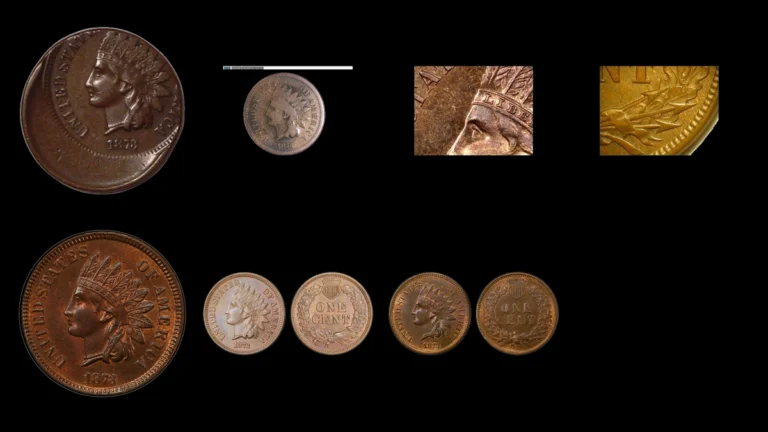
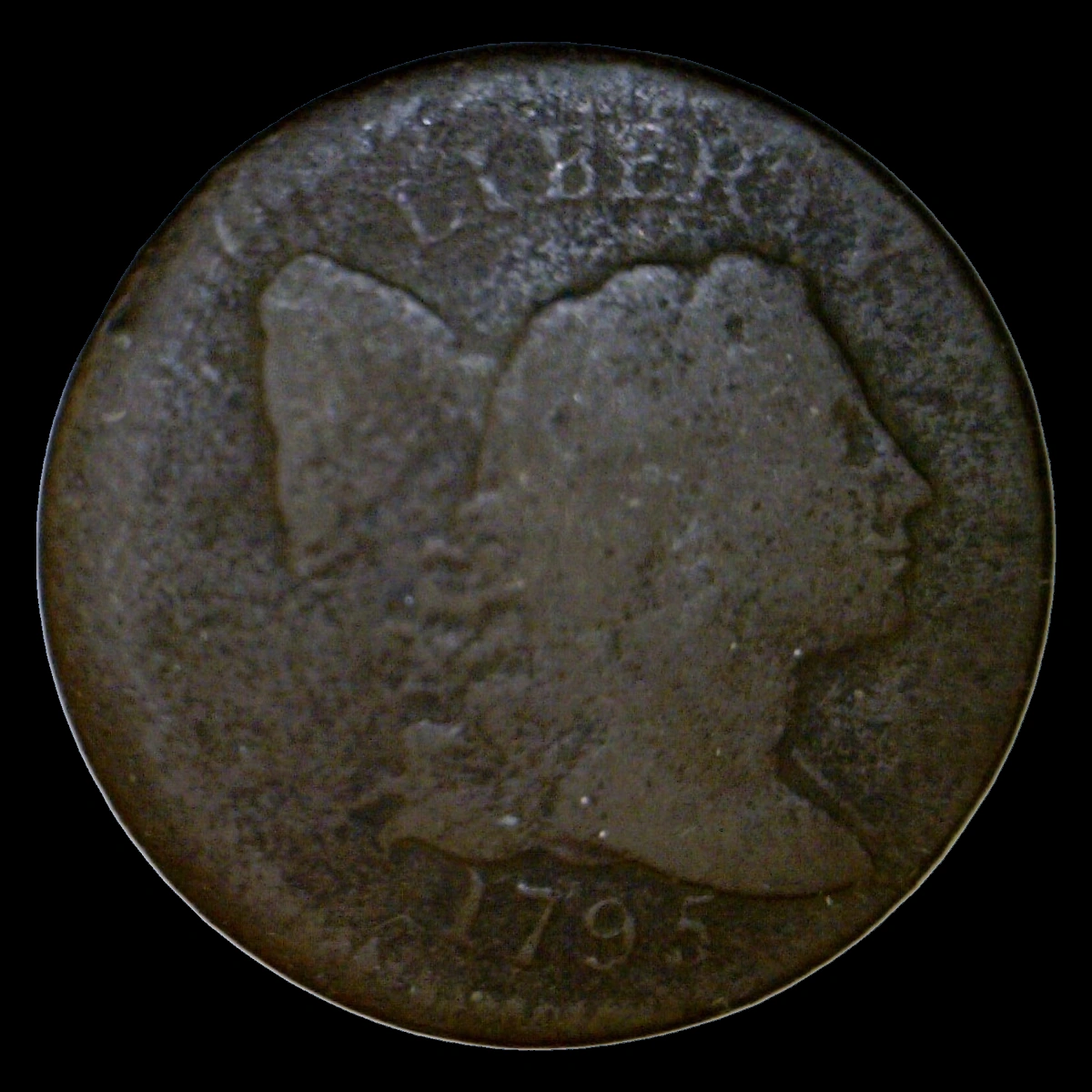
The plain-edge S-76b example shifts toward 3 o’clock, leaving wider border teeth near 9 o’clock. Its ANACS AU55 grade indicates light wear with much detail remaining.
This is a modest displacement rather than a dramatic empty crescent. Dark corrosion near the neck is a separate later surface problem.
How to Identify
Compare the right and left borders with the date upright, then check both faces against the same blank position. Edge filing or a shift confined to one die can produce a different imbalance.
Match the particular small shift and inspect the neck separately from the struck details. This plain-edge type uses the lighter 10.89-gram standard.
What It’s Worth
Comparable slight shifts have an estimated whole-coin range of $700–$12,000. The documented AU55 example sold for $5,124 on August 31, 2026.
Its preserved design and original issue contribute substantially to that result. A larger shift does not remove the need to compare readable date, surfaces, and condition.
5. 1795 Penny Two Dates or a Smooth Overlap Mark Survive: Repeated Strikes and Indents Error
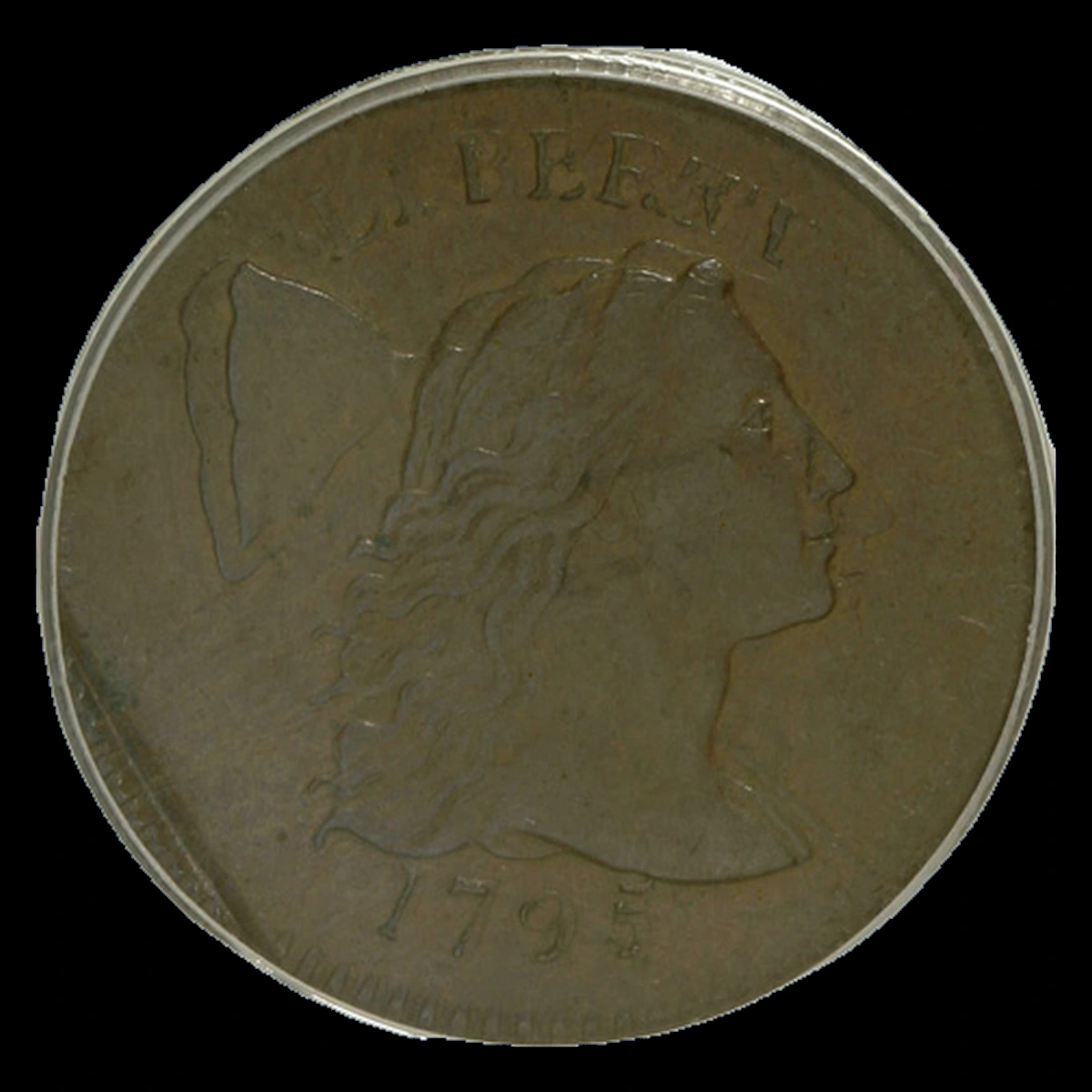
A recorded S-75 double strike has two dates and one impression about halfway off the disc. Another plain-edge coin combines repeated striking with a smooth indent from an overlapping blank.
The second disc blocked part of the design and pressed into the coin. A plain indent differs from a brockage because it need not carry a reversed design.
How to Identify
Locate each date and trace the portrait that belongs to it before proposing a sequence. A small repeated numeral does not establish two full strikes.
Study any depressed area for smooth overlap rather than mirror lettering, and inspect its edge for later hammer damage. Photographs of both faces help identify where one strike obscured another.
What It’s Worth
The estimated range is $1,500–$25,000 for clear repeated designs and combined effects. Several features on one coin receive a single valuation.
Mint Error News reproduced a $6,900 result in 2009 for a plain-edge PCGS AU55 cent with double striking and an indent. That result belongs to the complete combination.
6. 1795 Penny One Face Has a Sunken Backward Design: Brockage Error
A struck coin trapped against a new blank can press its raised design into the fresh copper. The new piece then has a normal face opposite a recessed mirror copy.
The historical 1795 brockage has a grooved edge and a later hole. Neither the usual plain-edge description nor an undamaged weight should be imposed on that specimen.
How to Identify
Check that lettering is backward and below the surface, with a normal raised design on the opposite face. Coins squeezed together after minting can show crushing or disturbed details on both sides.
Assess the hole separately from the striking error. Removed copper changes weight and cannot be used to argue that this piece began on a wrong blank.
What It’s Worth
The estimated range is $2,000–$35,000, from damaged examples to clear attractive brockages. A hole can sharply reduce value even when the error is genuine.
A 1798 large cent graded PCGS AU50 brought a reported $27,600 with a strong mirror image. Its different year and condition prevent treating that figure as a sale of the damaged 1795 example.
7. 1795 Penny Pieces of 1794 Appear on the Back: Cross-Year Overstrike Error
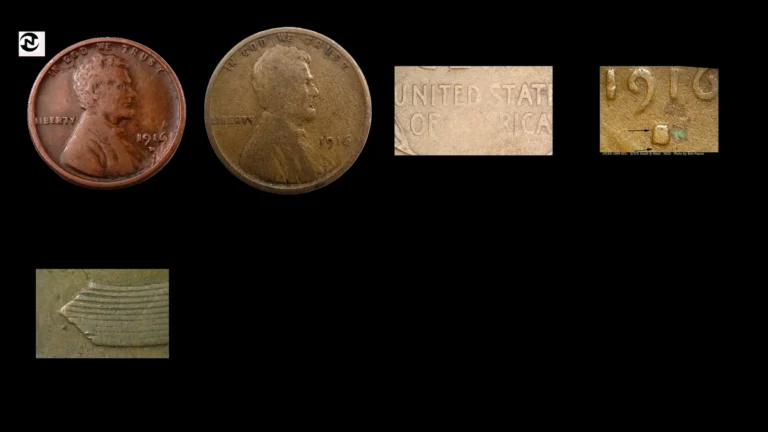
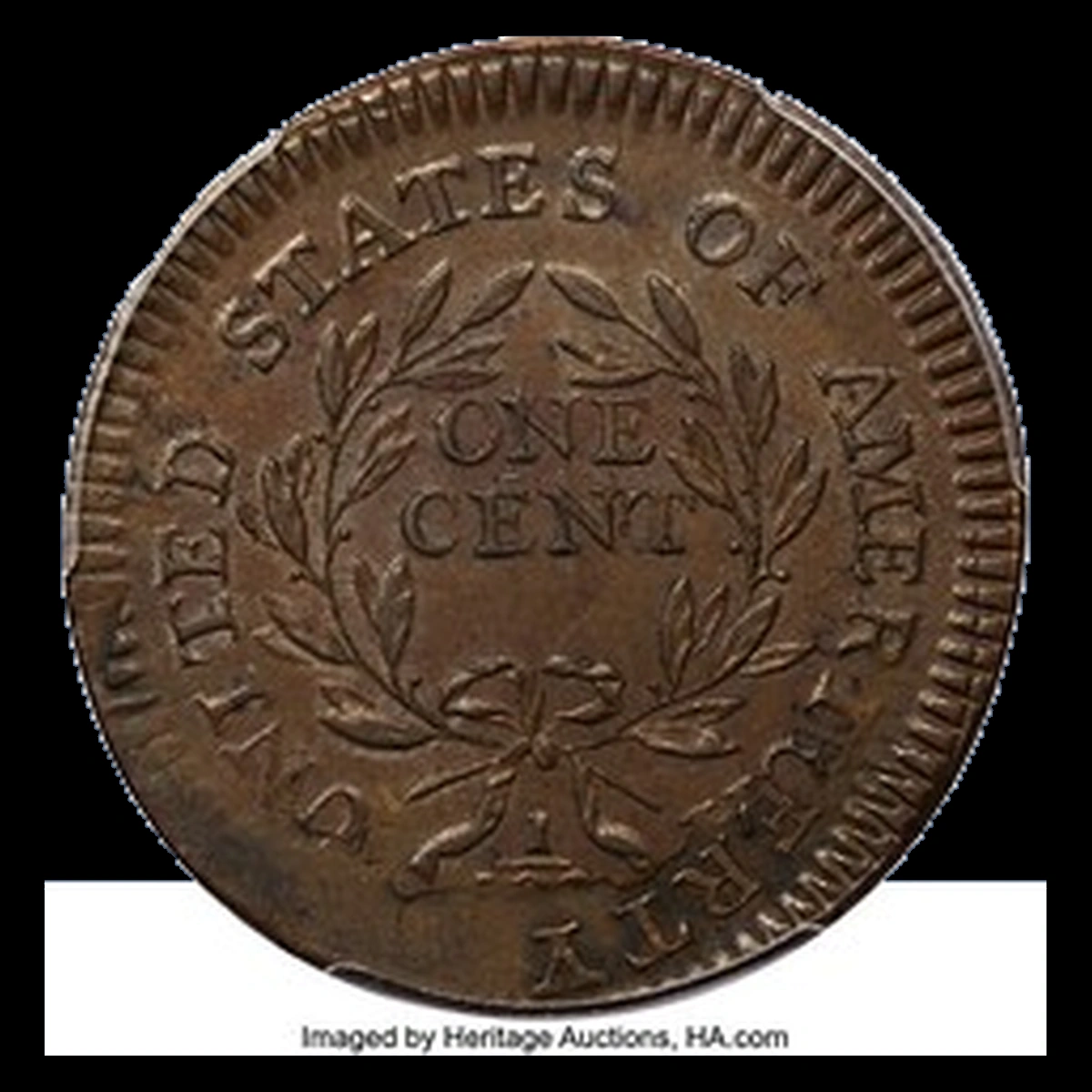
Remnants of 7, 9, and 4 lie between UNITED’s D, the first S of STATES, and the rim. They belong to an earlier 1794 cent that received a new 1795 design.
The PCGS AU58+ example weighs 13.6 grams. Its first strike was slightly off center and the later one centered, explaining how parts of the old date survived on the back.
How to Identify
Begin where an ordinary 1795 reverse would have no date and compare the older fragments with the 1794 S-71 design. Isolated numeral-like scratches do not establish the prior coin.
The heavier recorded weight fits comparison with the earlier 13.48-gram standard, but the design relationship must also agree. The published auction description explains the earlier off-center and later centered impressions.
What It’s Worth
The estimated range is $25,000–$75,000. This editorial estimate is not a claimed realized price for the AU58+ example.
The $28,000 pre-fee result for the 1795 half-cent-blank error provides context for another major early error. On the overstrike, clarity of the old date and the complete coin’s preservation are central.
8. 1795 Penny A Patch Interrupts ONE CENT: Struck Through Debris Error
The recorded S-75 effect around ONE CENT can resemble peeled copper. Its described cause is material stuck to the reverse die, blocking part of the strike.
The material is not identified. A flat patch does not specifically prove grease, and an actual loose copper layer belongs to a different diagnosis.
How to Identify
Compare the impression boundary with the surrounding letters under light from two directions. A distinct interrupted design is more useful than general roughness across both faces.
Check for a lifting layer without scraping or probing. Scattered corrosion pits do not establish debris on the die, even when they occupy the same broad area.
What It’s Worth
Authenticated examples have an estimated range of $400–$7,500. Wear, clarity, and surface damage are included in that whole-coin assessment.
An 1843 large cent with a thread impression was offered for $890, an asking price rather than a sale. That later issue gives broad context without identifying the material on S-75.
9. 1795 Penny A Raised Line Links the Date and Bust: Die Cracks Error
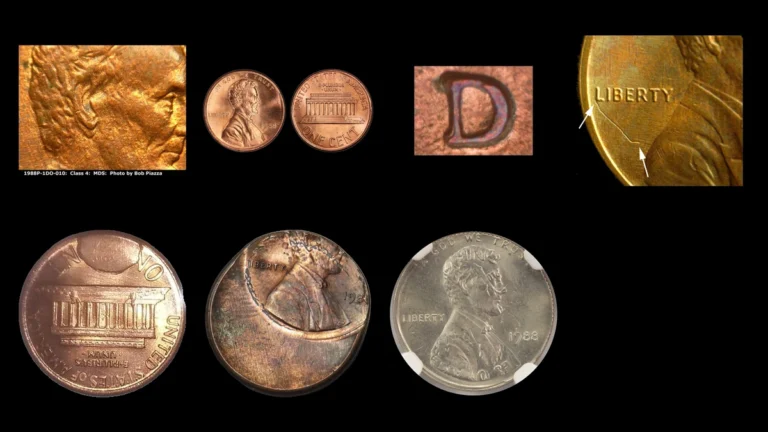
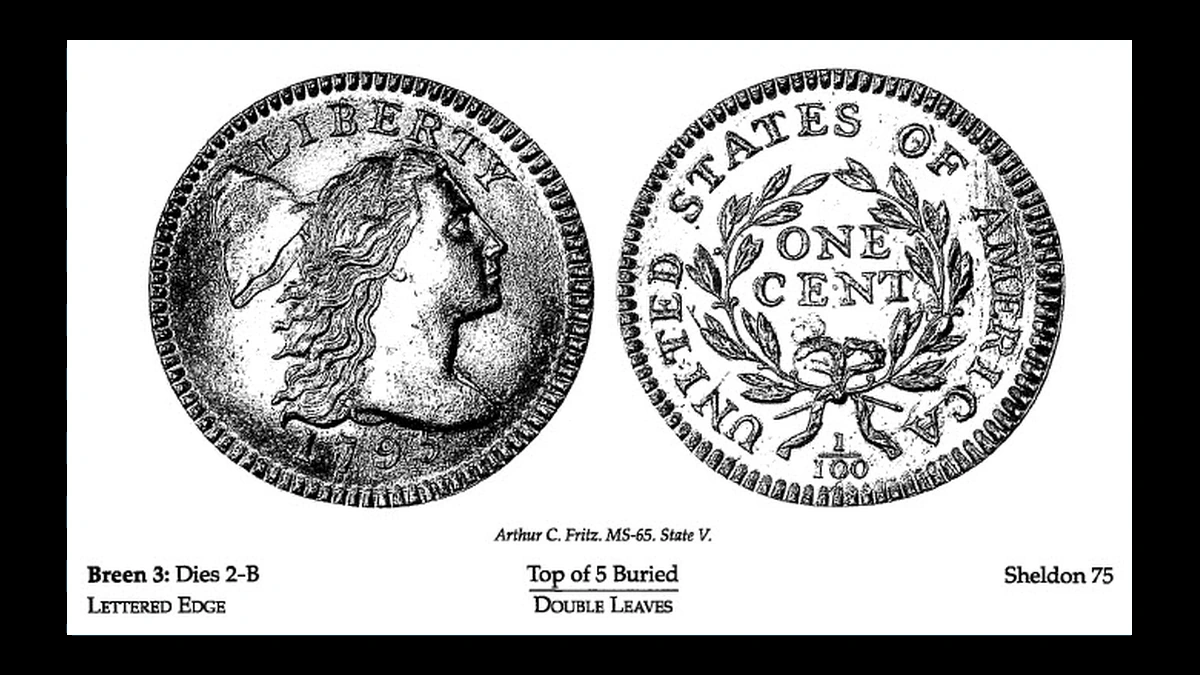
The known S-75 route begins at the rim between 9 and 5, touches the top of 9, and reaches the bust. Other reported lines cross LIBERTY or reverse AME.
Cracks in the steel die fill with copper during striking and leave raised ridges. Their routes are identification details, not separate full design impressions.
How to Identify
Follow the actual path under side lighting and compare it with the matching S-75 photograph. The line’s center should rise rather than cut into the metal.
A scratch crossing a digit does not qualify from location alone. Do not test height with a sharp point.
What It’s Worth
Worn through lightly worn examples have an estimated range of $300–$6,000. Most of the value concerns the complete early cent and its preservation.
The lightly worn 1795 off-center coin’s $5,124 result in 2026 is a same-year comparison for a different error. It does not establish a crack premium at that amount.
10. 1795 Penny Faint Extra Shapes Lie below STATES OF: Clashed Dies Error
Some S-75 cents show transferred traces below S and O on the reverse. The dies contacted each other without a copper blank, leaving marks that appeared on later coins.
Repeated contact can create stronger or overlapping traces. It does not mean each affected penny received multiple strikes.
How to Identify
Compare a normal reverse first so ordinary wreath and lettering details are not mistaken for additions. Then trace the unwanted shapes below S and O against the documented pattern.
Full repeated letter outlines require consideration of another strike. A complete recessed mirror portrait is also different from these faint die-clash traces.
What It’s Worth
Recognizable clashes have an estimated whole-coin range of $300–$6,000 across worn and lightly worn examples. Condition and the underlying issue account for much of that amount.
The $5,124 2026 off-center sale supplies same-year context, not a transaction isolating faint clash marks. Multiple related die features on one cent still receive one valuation.
Conclusion
The edge and weight are especially useful starting points for 1795 because heavy lettered-edge and lighter plain-edge cents are both normal. Missing words, a small blank, or an older date must be established within the correct type.
Keep the holed brockage, half-cent-blank strike, and cross-year overstrike tied to their own evidence. Large estimates reflect rare complete coins, while cracks, clashes, and condition problems should be assessed without stacking separate maximum prices.