Rare 1802 Dime Errors (List & Pictures)
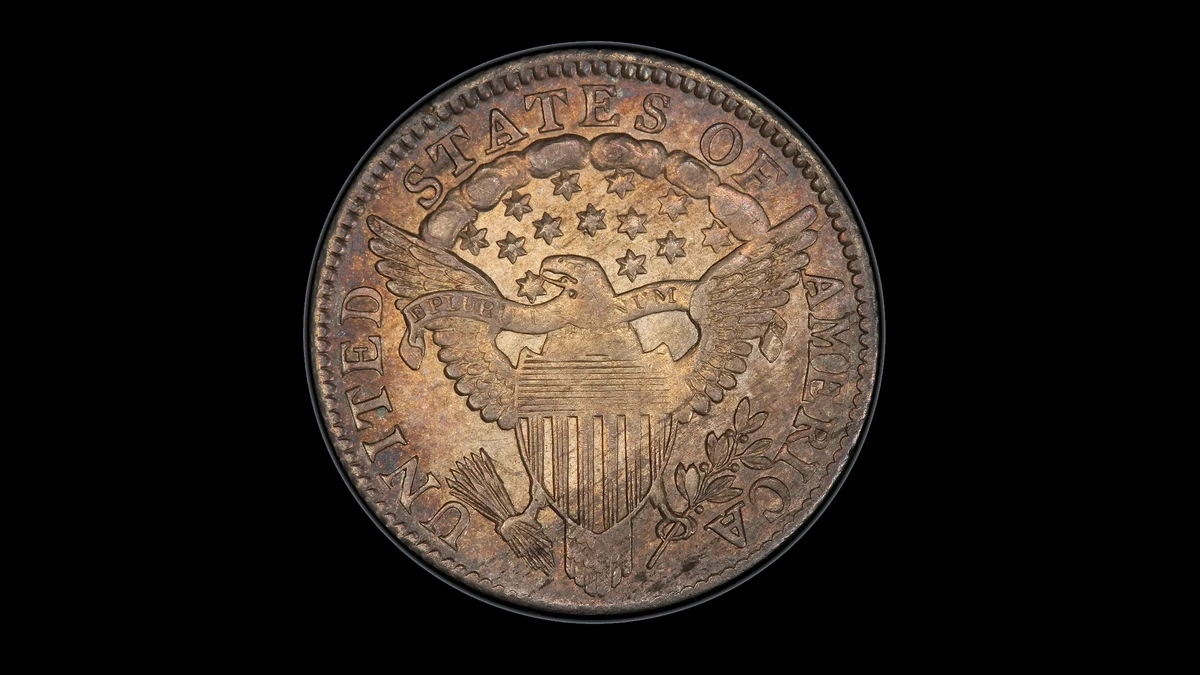
Three different features can share one early dime: an eight-pointed star, faint transferred design, and a branching crack network. A single NGC AU55 example carrying these 1802 Draped Bust Dime errors sold for $24,150 in July 2008.
Estimated whole-coin values for collectible worn JR-2 examples run about $2,000–$30,000. Check the star and reverse cracks first, then turn to Liberty for the fainter clash traces.
1. 1802 Dime The Second Reverse Star Has Eight Points: Recut Star Error
The JR-2 reverse has eight points on its second star instead of the intended six. Workers recut the star while preparing the die, the steel tool that would stamp the design.
The changed outline then repeated on coins made with that tool. It did not require the coins themselves to receive an extra blow.
How to Identify
Locate the second star using a clear JR-2 reference and count the points under magnification. Follow every point back into the same star rather than counting a nearby scratch or reflection.
Compare the surrounding reverse design as well. Fresh cuts could suggest later carving, while a tiny crop may hide that the star belongs to a different early dime.
A normal 1802 dime began around 2.70 grams and 19.8 mm in roughly 89.2% silver alloy. Wear affects weight, and the grooved edge should be checked for filing or repairs.
What It’s Worth
$2,000–$30,000 is a whole-coin estimate for collectible worn JR-2 examples with readable detail. The lightly worn AU55’s $24,150 sale includes its early date, variety, condition, and all the features on it.
The star is therefore an identification clue, not a separate $24,150 object. Original surfaces and remaining detail strongly affect a comparable coin’s value.
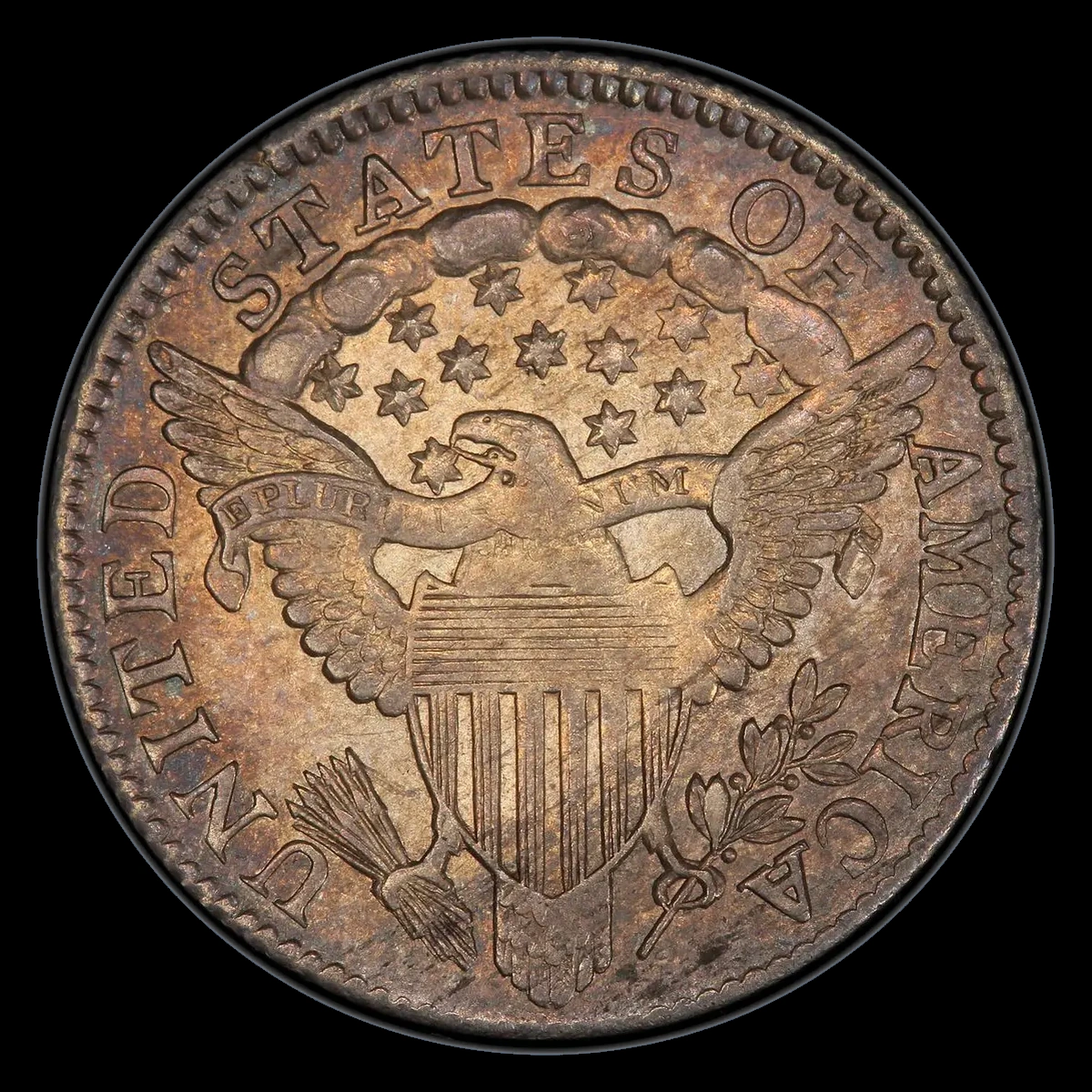
2. 1802 Dime Branching Lines Meet a Triangular Rim Patch: Shattered Reverse Error
Raised cracks spread across the right half of the eagle side on the later JR-2 die stage. A line reaches a small triangular patch at the rim below the right wingtip.
These features formed as the die broke during use and silver filled the openings. The star’s extra points came from earlier die preparation, so their cause is separate even when both appear on one coin.
How to Identify
Keep the right wingtip, branching lines, and edge visible together. Follow the raised route into the triangular patch and confirm that the patch actually meets the rim.
A crushed border can look raised from one angle without matching the crack network. Side and edge photographs help reveal impact damage or fresh tool marks.
Check the whole crack pattern rather than identifying it from one surviving corner. Heavy wear can erase some fine branches even when a larger rim feature remains.
What It’s Worth
$3,000–$30,000 is an estimated whole-coin range for worn JR-2 dimes with this later pattern. Clear cracks, a visible rim break, and original surfaces support stronger appeal.
The $24,150 AU55 result already includes this broken reverse. It should not be added to the same coin’s star or clash valuation.
3. 1802 Dime Faint Unwanted Shapes Surround Liberty’s Bust: Die Clash Error
The known JR-2 coin has subtle traces above and below the bust, including near the throat. They are pieces of the opposite design rather than a second complete Liberty portrait.
The two dies hit without a blank between them and acquired marks from each other. Later coins could pick up those traces, an effect called a die clash.
How to Identify
Use low light to inspect the bust and throat, then compare the stray shapes with the opposite design. Their position should make sense on the matched reference coin.
A random scratch in the same area is not enough. A raised crack also has a different cause, so do not treat every visible line as transferred design.
These clash traces may be much less obvious than the reverse breaks. Keep photographs of the entire coin alongside any enlarged detail.
What It’s Worth
$2,000–$30,000 is the working whole-coin range for worn examples with matching evidence. The July 2008 Heritage record at $24,150 concerns the same AU55 JR-2 throughout this guide.
The scarce date and preservation explain much of the price. Faint clash traces can add little by themselves and should not be counted as another complete-coin premium.
Conclusion
Count the star points, trace the reverse branches, and compare the faint shapes around Liberty separately. Each feature records a different change to the tools, even though one dime can preserve all three.
The documented $24,150 result represents one lightly worn coin. Use the estimated range to compare complete JR-2 dimes with similar surfaces and wear, rather than adding a full price for each mark.