Rare 1831 Dime Errors (List & Pictures)
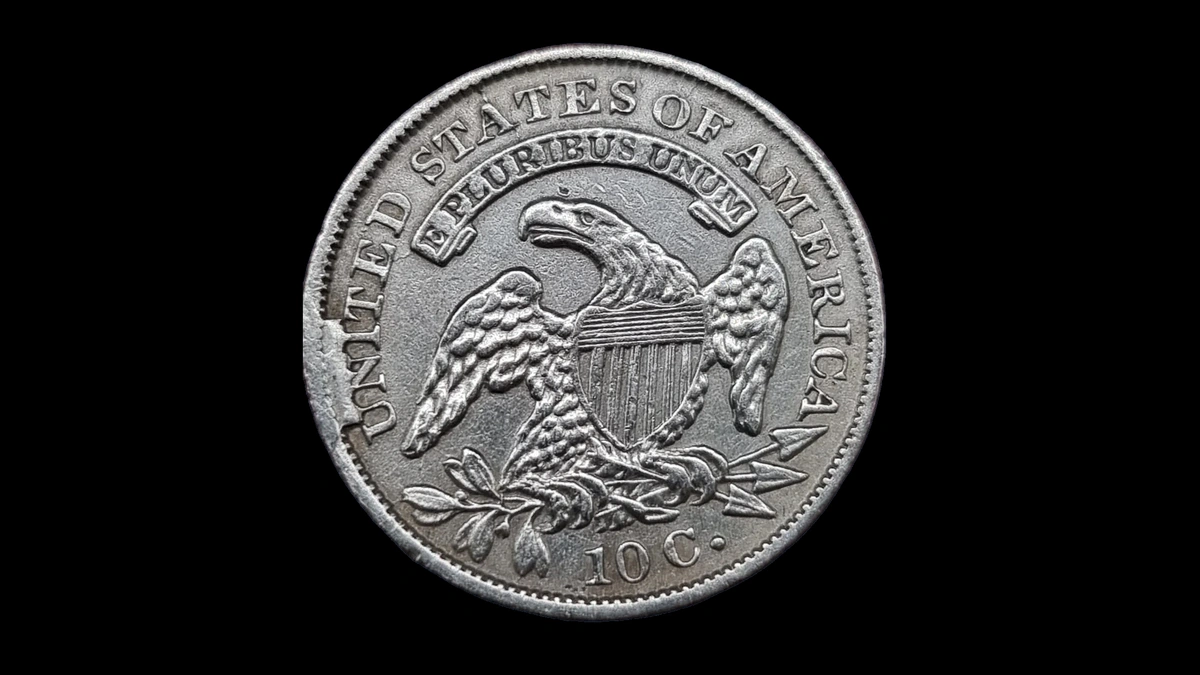
Readable letters inside a raised rim patch can help explain certain 1831 dime errors. These retained cuds and die breaks have estimated whole-coin values of $200–$12,000, with a documented example bringing $8,812.50 in July 2013.
Use the patch’s boundary, surviving design, and position to decide what deserves closer examination.
1831 Dime Letters survive inside a raised rim patch: Retained Cuds and Die Breaks Error
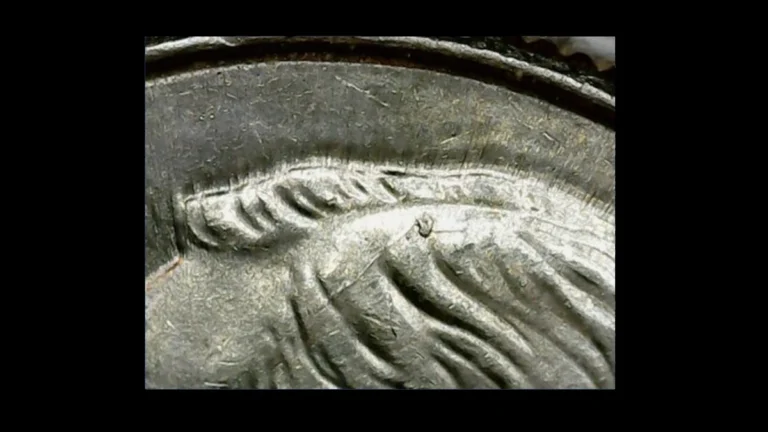
Begin where the unusual area meets the rim, rather than with the letters inside it. On an 1831 Capped Bust dime, a small change in surface height can mark the outline of a broken section of the die, the steel tool that stamps the design.
A fragment that remains in the tool can continue to leave lettering on the coin even after it shifts. The resulting rim-connected feature is called a retained cud.
A missing fragment produces a different result: metal moves into the opening during the strike and leaves a raised patch. Both outcomes belong to the same broad family of die breaks, but preserved detail can help explain whether the fragment remained in place.
How to Identify
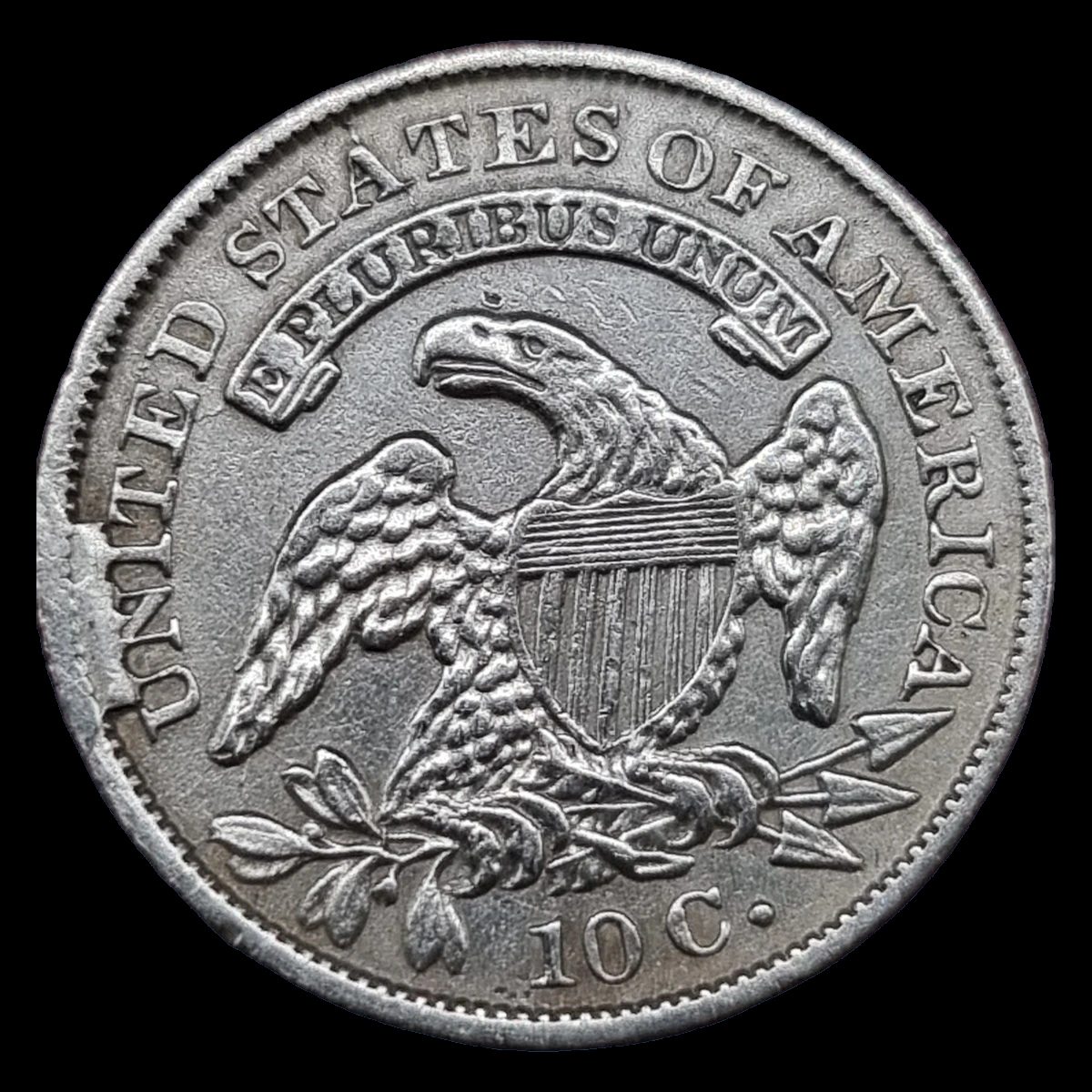
Turn the coin beneath a low light and trace the entire outline with a 10× magnifier. Look for a step between the affected area and the neighboring surface, including a connection to the rim.
Then inspect any letters or stars within that outline. Their survival is compatible with a retained fragment and should not automatically disqualify the coin.
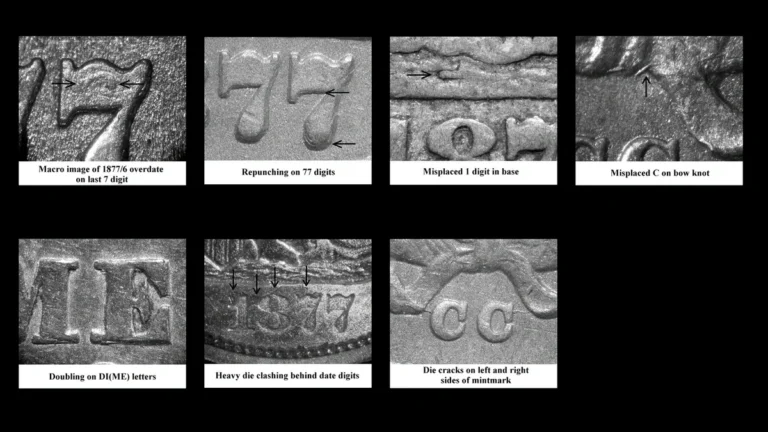
Reported locations include ER, TED, and UNI on the reverse, plus stars 2–3 on the obverse. These locations describe separate 1831 examples; one coin does not need to display every break.
The John Reich Collectors Society’s die-break photographs provide comparison material for location and shape. Select the dime examples carefully, because half dimes on the same page are a different denomination.
Examine the surrounding rim and grooved edge for evidence of a blow or attached metal. An isolated lump without a convincing boundary and die-break pattern needs more investigation before receiving a retained-cud label.
If the coin is safely accessible, its original specifications of approximately 2.70 grams and 18.5 millimeters provide a basic identity check. Measurements support the examination but cannot establish how the patch formed.
What It’s Worth
The supplied estimate is $200–$12,000 for the whole coin. Grade, preservation, and the visibility of the break all contribute to that range.
A JR-5 example with a retained cud above UNI realized $8,812.50 in July 2013. PCGS graded it MS65, indicating an unworn coin with relatively few marks, and it carried CAC approval following a separate quality review.
That result concerns a well-preserved coin with a particular break, not a fixed payment for any raised patch. A worn example or a much less visible feature should not inherit the same price.
For ordinary-date context, an 1831 dime graded AU50 sold for $492 in July 2025. Its light wear and lack of a documented cud make it a condition comparison, not another error sale.
Conclusion
A convincing retained cud combines a rim connection, a distinct boundary, and design detail consistent with a broken die fragment that stayed in position. Readable letters can be part of the evidence.
Match the affected location to the correct dime example before considering price. The $200–$12,000 estimate includes the value of the underlying coin, so condition remains important even when the break is clear.