Rare 1818 Penny Errors (List & Pictures)
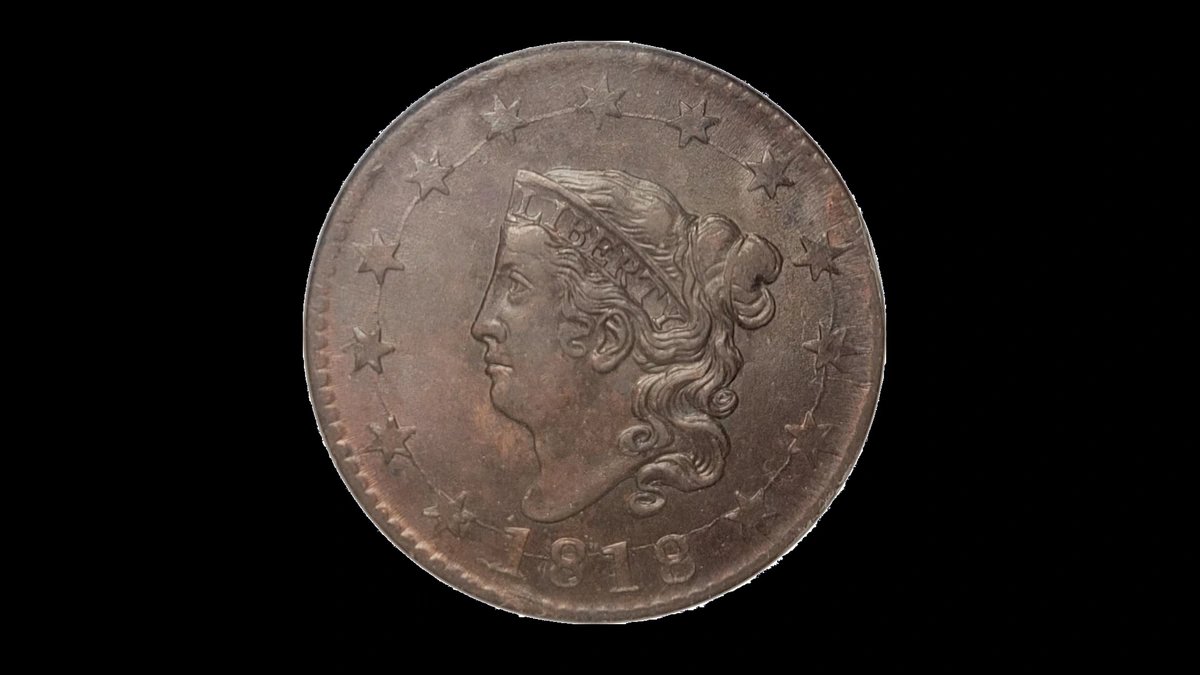
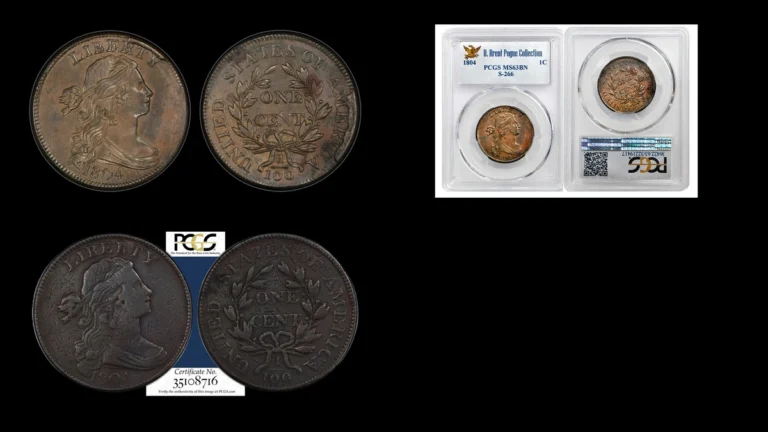
Two prices for the same remarkable cent show why condition matters: its circular die cracks accompanied sales of $9,400 in January 2013 and $8,700 in August 2020. The copper was exceptionally well preserved.
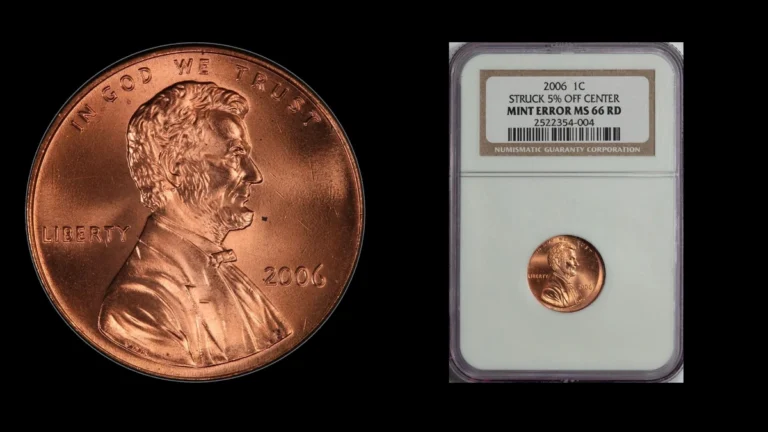
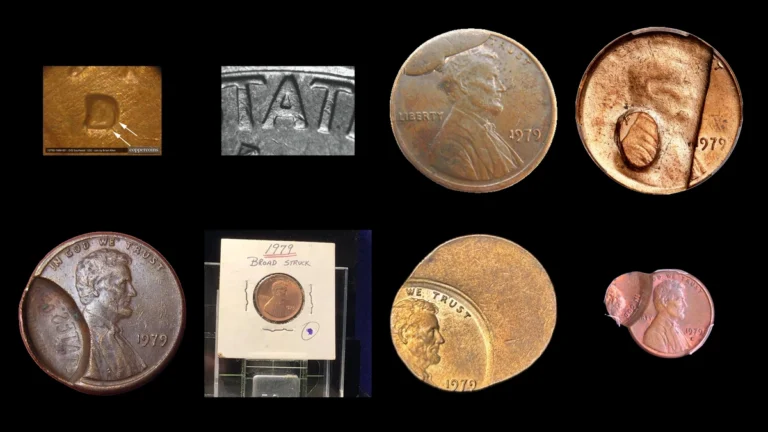
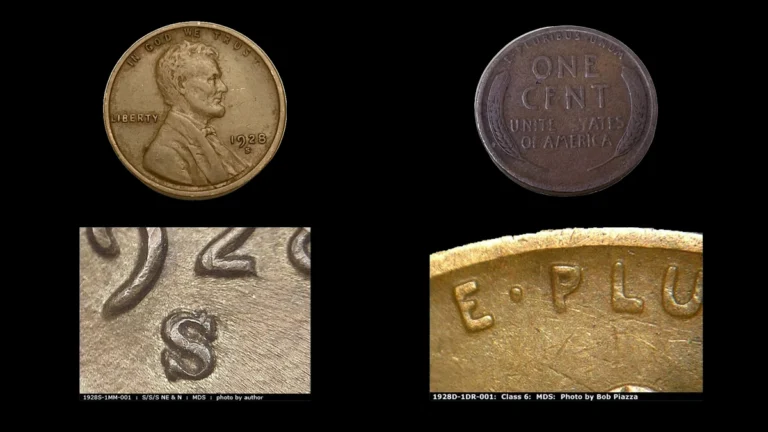
The 1818 penny errors below have estimated whole-coin values of $30–$10,000. Compare the outline, overlapping designs, and surface relief to distinguish a clipped blank, repeated striking, peeling copper, and damage in the dies.
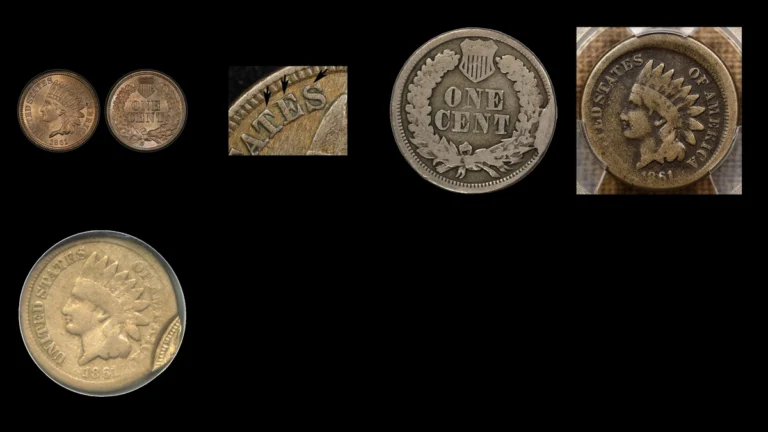
1. 1818 Penny A Section of the Disc Is Absent: Clipped Planchet Error
A collector’s reported 1818 large cent has a missing edge section attributed to an incomplete blank. The report supplies neither the gap’s direction nor a measured percentage.
If copper was absent before striking, the design formed against an already incomplete outline. A later cut can create a similar silhouette, so the meeting point between the design and gap matters more than shape alone.
How to Identify
Photograph the date, Liberty, and ONE CENT with the full outline before enlarging the opening. These features identify the large Coronet, also called Matron Head, cent being examined.
Follow both ends of the gap for saw marks or filing that cuts through finished details. Weakness in the opposite rim can support an original clip, although wear may obscure it on early copper.
An intact 1818 cent began near 10.89 grams and roughly 28–29 millimeters, with a plain edge. Both a clip and later cutting can lower its weight, so measurements alone cannot establish when metal disappeared.
What It’s Worth
$30–$250 for worn genuine clips and $250–$800 for clearer examples with better surfaces are the supplied estimates. These figures include the value of the complete surviving 1818 cent.
An unworn 1852 clipped large cent sold for $384 in June 2024. That is a different-date comparison, not a result for the collector’s 1818 example.
2. 1818 Penny Intact Copper Lies Beside a Displaced Design: Off-Center Strike Error
The cataloged 1818 off-center cent has a design shifted about 30% toward 2:30, between the top and right with Liberty upright. A substantial unstruck area remains because the blank was not properly centered under the dies.
ANACS graded the coin G6 for heavy wear. A cut across Liberty’s face is additional damage that occurred after the displaced strike.
How to Identify
Find the date and compare the boundary between struck and unstruck metal on both faces. Both should explain the same misplaced blank; keep the full outline visible rather than cropping around the portrait.
Inspect the unused copper for grinding or faint remnants of removed lettering, and check the edge for trimming. The cut across Liberty’s face belongs in the condition description, not in the explanation of where the dies missed the blank.
What It’s Worth
$200–$800 for worn dated examples and $800–$4,000 for sharper, attractive coins are the estimates. The older catalog set a $395 minimum bid for the damaged G6 example, which does not establish a completed sale.
A 30% off-center cent attributed to 1808 realized $6,462.50 in February 2018. Its lighter wear and different year make it a higher comparison, not a price for this cut and heavily worn 1818 coin.
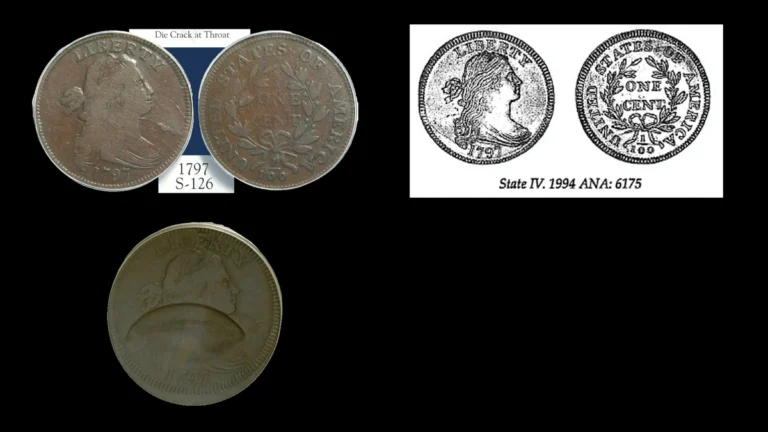
3. 1818 Penny Earlier Details Survive Nearly Upside Down: Double Strike Error
The recorded 1818 double strike stayed centered but turned substantially between impressions. The first design is nearly inverted relative to the final one, leaving parts of an earlier hair curl and reverse lettering visible.
Heritage suggested that the coin may have returned to the press later rather than receiving immediately consecutive blows. That is a proposed sequence, not proof of exactly when the second strike occurred.
How to Identify
On the front, locate the earlier lowest hair curl inside the fourth and fifth stars. On the reverse, an older E from ONE survives between the later O in ONE and E in CENT.
Trace both remnants as parts of a substantially turned first design. The earlier date is not visible, so demanding two readable dates would reject the documented example for the wrong reason.
The final reverse also sits about 30 degrees counterclockwise after a controlled top-to-bottom flip. That smaller front-to-back rotation is separate from the nearly upside-down relationship between the two strikes.
What It’s Worth
$350–$1,500 for readable worn or surface-impaired double strikes and $1,500–$5,000 for strong, attractive examples are the estimates. The recorded coin brought $546.25 in January 2005.
NCS described detail consistent with light wear but noted improper cleaning. The recognizable sequence contributes interest while the altered surface remains relevant to value.
4. 1818 Penny Ridges Circle the Stars or Meet the Rim: Die Cracks and Cuds Error
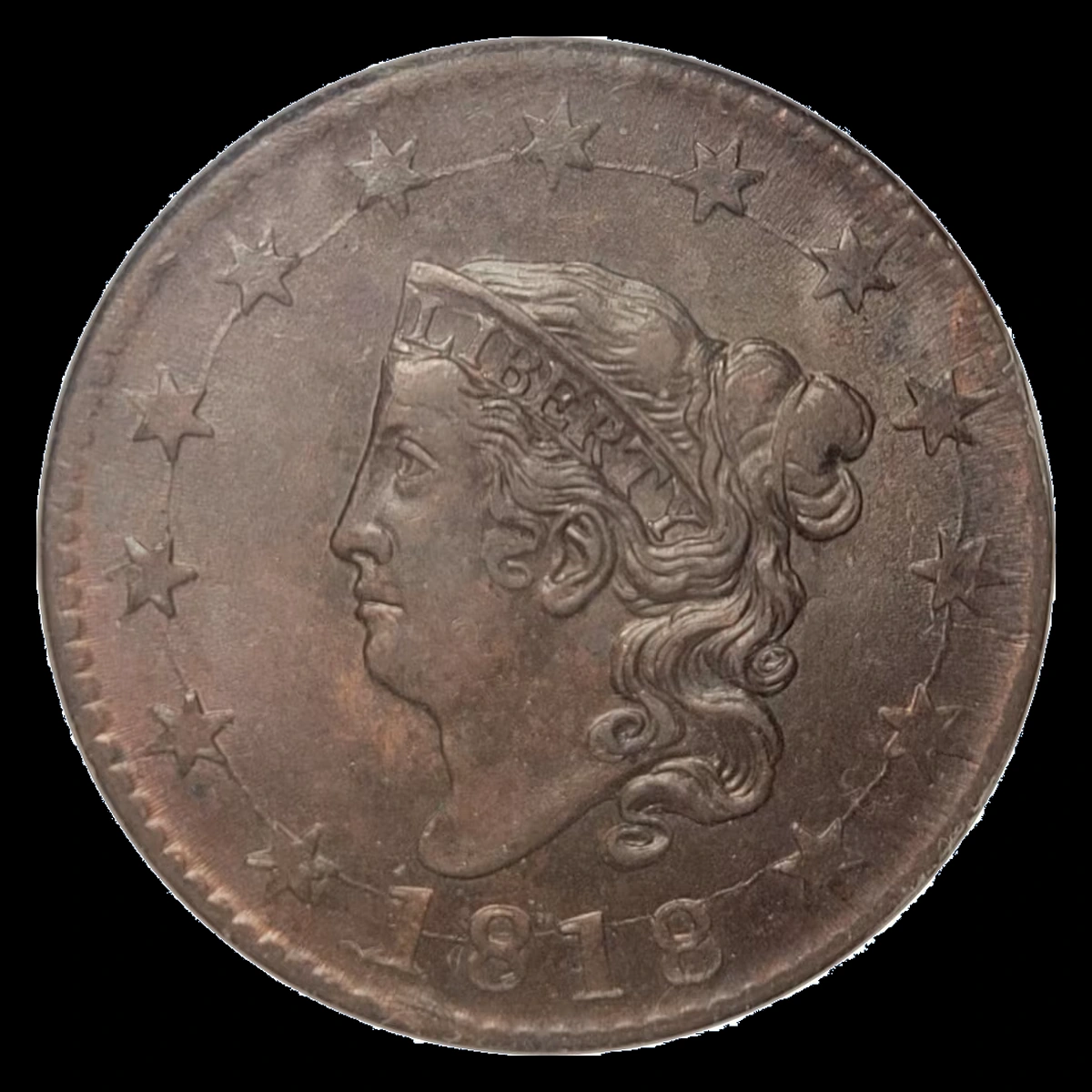
Some 1818 cents show circular raised cracks around the front date and stars. Other examples have a reverse crack near UNI or a broad raised rim break above NITED.
These features come from copper entering damaged areas of the die. Thin openings leave ridges, while a missing section at the die’s edge can create a rim-connected patch called a cud.
How to Identify
Choose the pattern visible on the actual coin rather than combining every reported break. The N-10 circular-crack example differs from the N-2 reverse cud that reaches across NITED and nearly to the next S.
A separate front-cud report extends from star two to between stars four and five. Neither the N-10 nor the N-2 example must also have that front patch.
Inspect raised areas for added solder, seams, or a rim impact that pushed copper onto the face. A true cud joins the rim; a raised interior patch needs a different description.
What It’s Worth
$30–$300 for ordinary worn crack examples, $300–$1,500 for appealing larger breaks, and $1,500–$10,000 for exceptionally preserved whole coins are the supplied ranges. The upper category reflects preservation as well as the visible die damage.
The PCGS MS66 Brown N-10 with circular cracks sold for $9,400 in January 2013 and $8,700 in August 2020. These auction records concern the same exceptionally preserved coin, not two different cracked cents.
5. 1818 Penny A Shallow Copper Flake at the Chin: Lamination Error
The 2022 Early American Coppers catalog describes a shallow lamination at Liberty’s chin on an N-10 cent. A weak layer in the original copper separated, creating a local flaw rather than a line cut into a finished coin.
PCGS graded that example MS62 Red and Brown, indicating unworn detail with marks and some original copper color. The catalog nevertheless questioned its color and also noted fine scratches over ONE on the reverse.
How to Identify
Examine the chin with light close to the surface and look for separation within the copper. A smooth worn high point or a scratch does not establish a layered flaw.
Leave any attached flake undisturbed and keep a certified coin in its holder. Record the reverse scratches separately rather than assuming that a shallow front feature has the same origin.
What It’s Worth
$50–$300 for worn cents with clear laminations and $300–$1,200 for sharper examples are the estimates. No realized price is supplied for the chin-flaw specimen.
An 1841 large cent with a front lamination sold for $564 in December 2021. Its different date provides context, while the 1818 catalog’s color concern remains part of assessing that individual coin despite its holder grade.
Conclusion
Several features can coexist on an 1818 cent, but they should still be described individually. The older design on a double strike, the final reverse rotation, and later cleaning explain different parts of the same object’s history.
Keep condition central when comparing prices, especially for exceptionally preserved copper. Preserve fragile layers and photograph complete faces so that missing metal, original striking effects, and subsequent damage remain distinguishable.