Rare 1846 Quarter Errors (List & Pictures)
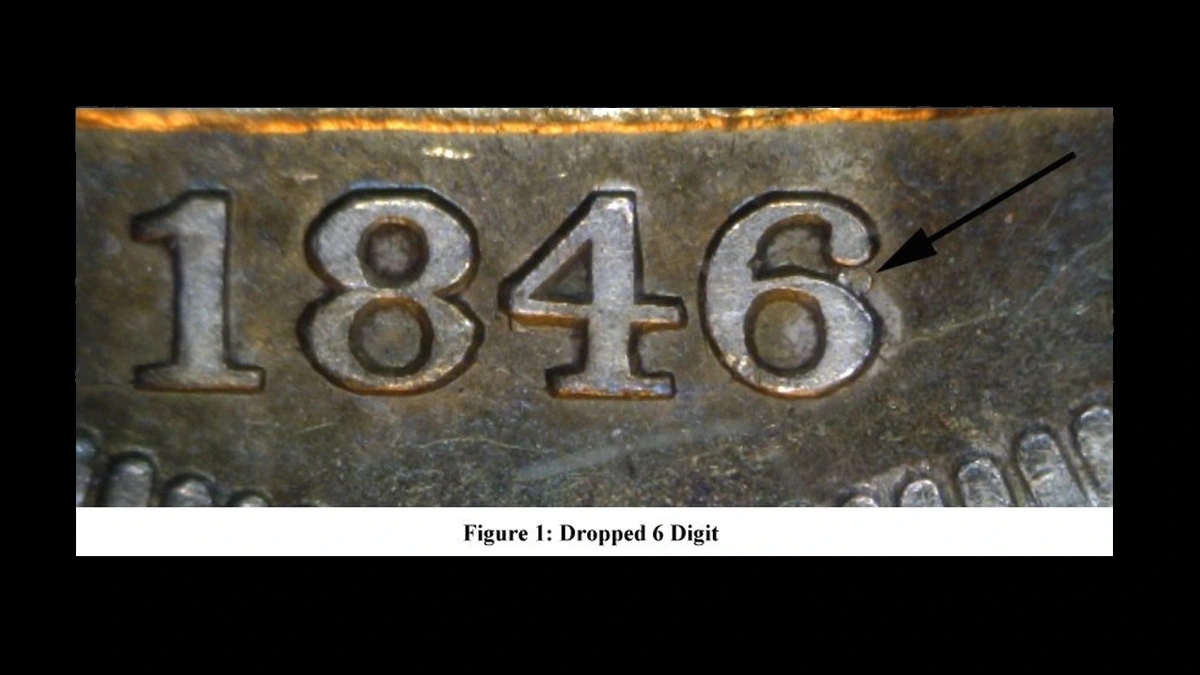
An 1846 repunched-date quarter graded MS65 sold for $9,106.25 in December 2014. Estimated whole-coin values in this 1846 Liberty Seated quarter errors guide span $50–$15,000.
Find the extra rounded tip inside the final 6, then compare raised crack routes and any reported rim break as separate die features.
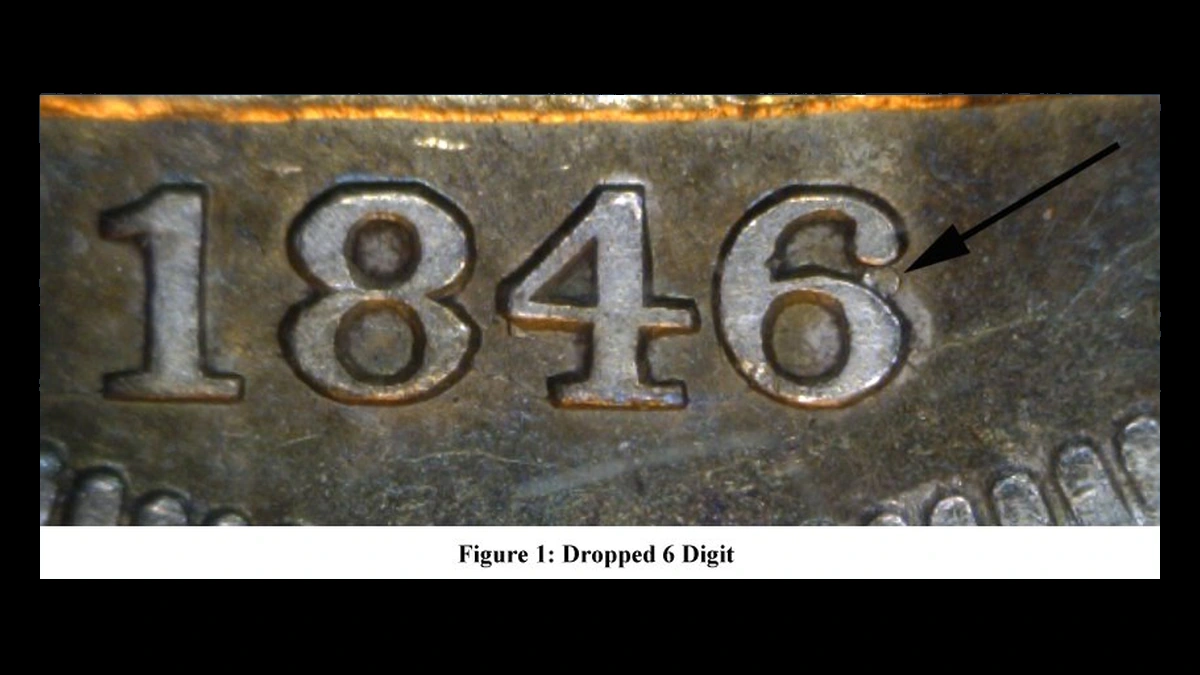
1846 Quarter A second rounded tip sits inside 6: repunched date Error
Between the normal rounded tip of 6 and its lower loop, a smaller extra tip can survive. It records an earlier, lower placement of the date punch.
The worker corrected the date in the die, the steel tool used to stamp the quarter. Part of the first impression remained and appeared on later coins.
The identified variety is Briggs 2-D. That catalog name refers to a die pair rather than a grade or another error to count.
The extra shape belongs to an earlier 6. It does not mean the finished quarter received two complete strikes.
How to Identify
Locate the normal upper tip and lower loop before searching between them. Compare the arrangement with an ordinary 6 and a clear Briggs 2-D date photograph.
Use about 10× magnification and slowly change the light. The smaller remnant should keep its rounded shape in the known lower position rather than move like a reflection.
Dirt or metal pushed into the opening by a dent can obscure the comparison. Inspect the surrounding surface and the relationship of all three visible parts.
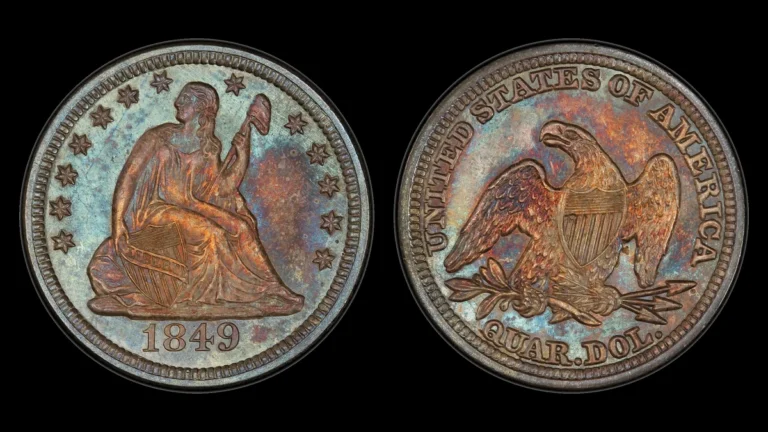
Keep the complete date and eagle-and-shield reverse in the photograph set. Another denomination dated 1846 is not a substitute for this quarter’s pattern.
What It’s Worth
Identified examples have an estimated whole-coin range of $100–$15,000 from worn through well-preserved unworn condition.
The PCGS MS65 Briggs 2-D sold for $9,106.25 on December 4, 2014. Its grade describes an attractive unworn quarter with relatively few marks.
The clear extra tip helps identify the variety. It does not make a heavily worn specimen equivalent to that auction coin’s preservation.
1846 Quarter Raised lines or a border lump: die cracks and rim breaks Error
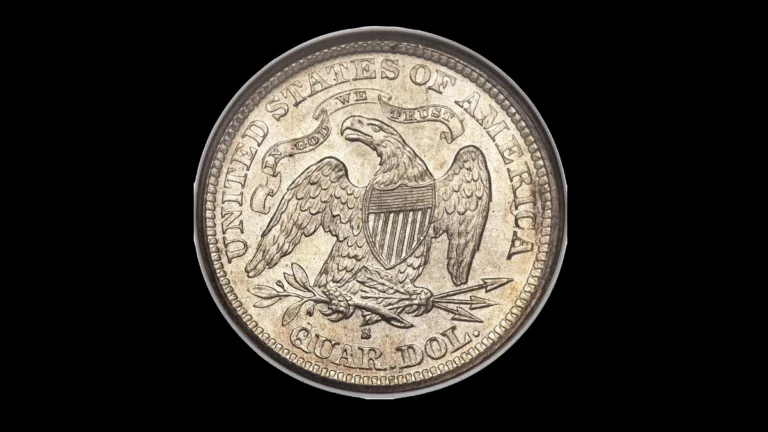
An auctioned 1846 quarter has reverse cracks near the eagle’s beak, wing, AMERICA, and arrows. A separate front description follows the date area toward Liberty’s foot.
Silver filled cracks in the dies and formed raised ridges on the coin. These lines differ from scratches cut into the finished silver.
Another listing reports a reverse cud without an exact position. A cud is a raised mass joining the rim, formed where a piece of the die’s edge broke away.
How to Identify
For the cataloged reverse cracks, inspect below the beak toward the wing and around ME and R in AMERICA. Another path runs from the upper arrowheads toward the period after the denomination.
Use a separate reference for the front date-base-to-foot route. Combining different examples would create a pattern the sources do not establish on one coin.
Side lighting should show a ridge above the surface. A deep scrape may also push metal beside its cut, so compare the route and surrounding design together.
For a possible cud, inspect where the raised mass joins the edge and replaces normal detail. A rim blow or added solder can imitate extra metal without recording a broken die.
No clock position is supplied for the reported reverse cud. Its actual boundary must be checked rather than assigned from an unrelated photograph.
What It’s Worth
Circulated examples across this crack-and-break group are estimated at $50–$1,500.
No exact transaction was supplied for the reported cud or these crack descriptions. A fine crack may add little to an ordinary 1846 quarter’s value.
Larger original breaks can attract more interest, but heavy wear, cleaning, and deep scratches still affect the full coin. The largest defect is not automatically the most valuable example.
Conclusion
The extra tip of 6 identifies repeated date-punch work, while raised reverse routes or a rim mass identify damage to a die. Each requires its own location and surface-height comparison.
The $9,106.25 sale belongs to the highly preserved Briggs 2-D quarter. Use the actual coin’s wear and surfaces for valuation, and retain the unspecified location of the separate reverse-cud report until a matching specimen is examined.