Rare 1967 Quarter Errors (List & Pictures)
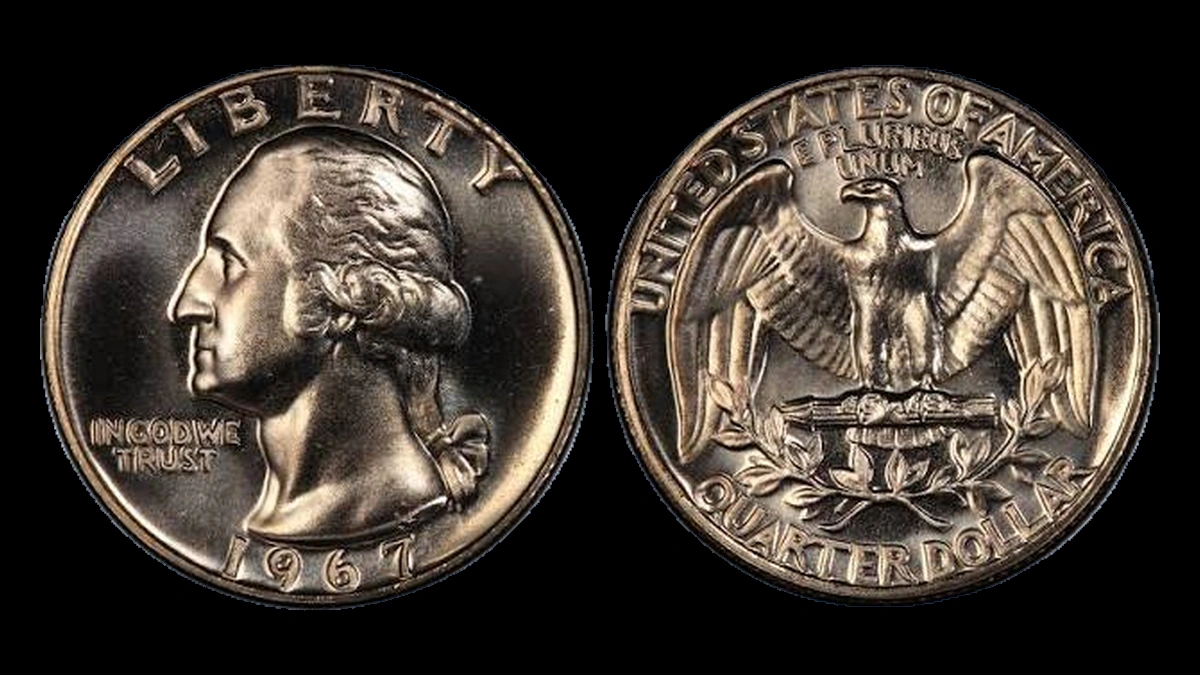
A normal 1967 quarter has no mintmark and contains clad metal, whether made for circulation or a Special Mint Set. Among genuine 1967 quarter errors, a cent-planchet example sold for $2,115 in September 2013.
Estimated values span $20–$15,000, with the upper range reserved for authenticated silver-planchet quarters. Work from fixed design patterns to missing layers and altered outlines, keeping paired pieces and compound errors together in each valuation.
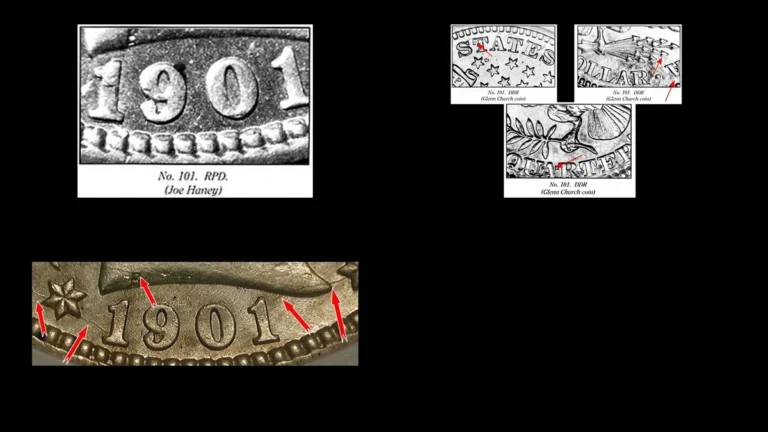
1. 1967 Quarter Repeated Lettering on Either Face: Doubled Dies Error
The supplied listings distinguish five front and five reverse patterns, some of which occur together. Duplication belongs to the die itself, rather than recording another blow to the individual coin.
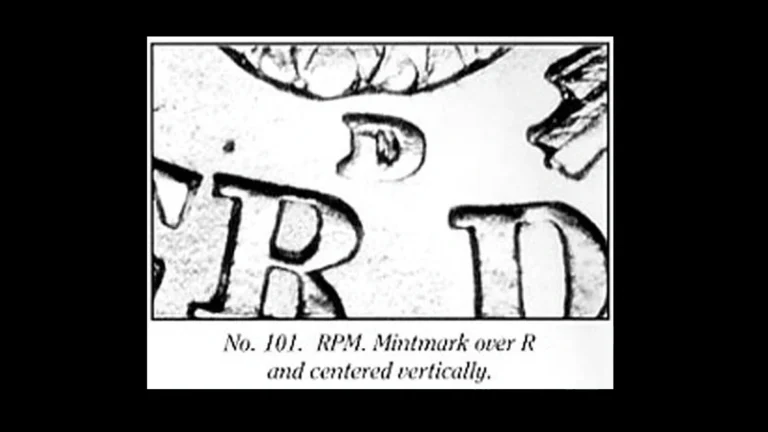
Special Mint Set, or SMS, FS-101 affects front lettering and portrait details. SMS FS-801 concerns the reverse denomination and branches, while other varieties have different positions and directions.
How to Identify
For FS-101, compare LIBERTY, the motto, date, and eyelid; for FS-801, begin with QUARTER DOLLAR and the branches. A large raised mark beneath LIBERTY’s L near brow height supports the latter attribution.
The illustrated variety listings separate smaller patterns such as WDDO-003 and WDDO-004, both affecting LIBERTY but with different nearby markers. Match one complete pattern and do not assign SMS status without evidence of the collector issue.
What It’s Worth
$20–$1,000 is an estimate across identified varieties and conditions. PCGS records SMS FS-101 in SP68 at $431 in September 2016, while its SMS FS-801 record lists SP67 at $224 in June 2019; both are reported eBay results.
2. 1967 Quarter A Distinct Raised Front Patch: Die Break Error
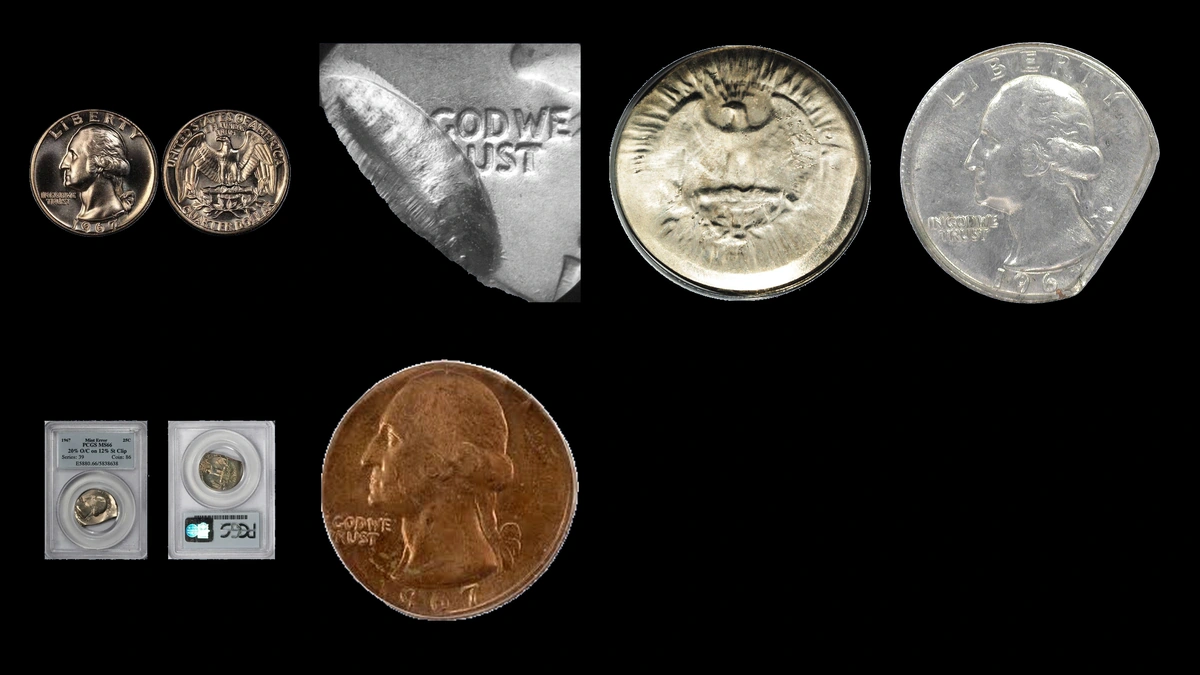
A certified NGC MS65 quarter carries the die-break identification WQC-67-1A. Its raised area formed when coin metal entered a space left by broken steel in the die.
How to Identify
Compare the entire outline with an actual WQC-67-1A photograph, using nearby letters and portrait details to hold the position. A similar lump elsewhere does not establish that variety.
Inspect the boundary for a seam, different texture, or loose added material. A rim impact can also push metal inward, often flattening the rim and disturbing adjacent detail.
What It’s Worth
$50–$750 is estimated for identified front die breaks of differing size and preservation. The WQC-67-1A in NGC MS65 sold for $372 in December 2022, a price specific to that named example.
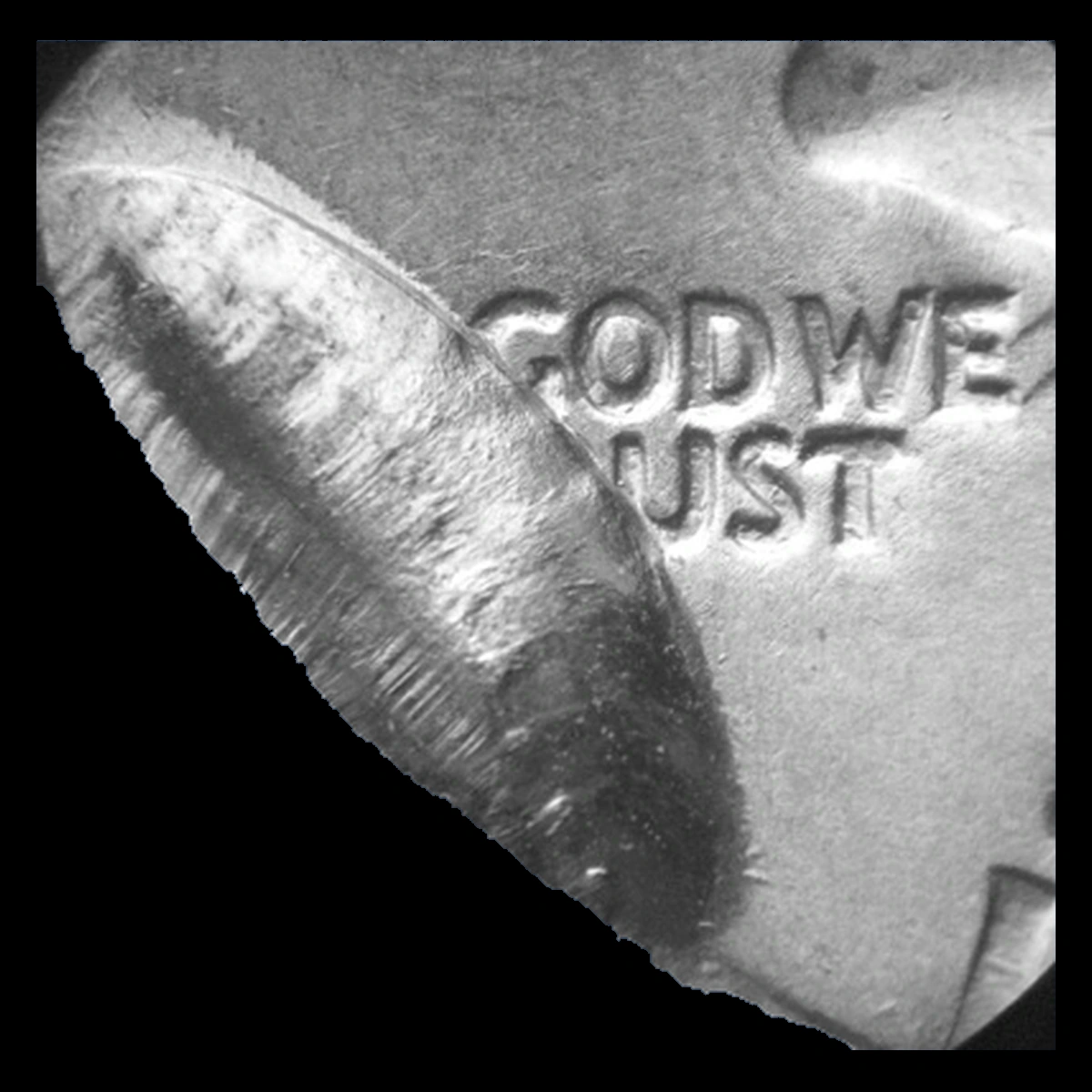
3. 1967 Quarter Eagle Traces and a Toothed Mark near the Motto: Die Clash Combination Error
ADC-25c-1967-01 records two misplaced clashes and a shifted front die. Transferred shapes include wing outlines beside WE, feathers behind the hair ribbon, and parts of Washington’s face near the reverse eagle.
The dies transferred design when they contacted without a blank between them. A separate toothed impression beside IN GOD WE TRUST records contact with another struck coin’s edge.
How to Identify
On the reverse, inspect below and left of the beak for the neck and chin outline, and above and left of the arrow tips for the nose trace. Compare these with the front feather and wing shapes as a related group.
Examine the impression beside the motto separately for repeated edge teeth. A smooth hollow or one random scratch cannot establish the full named combination.
What It’s Worth
$20–$300 is an estimated whole-coin range for a clearly matched example. The clashes, displaced die, and edge contact are combined observations rather than independent maximum premiums to add together.
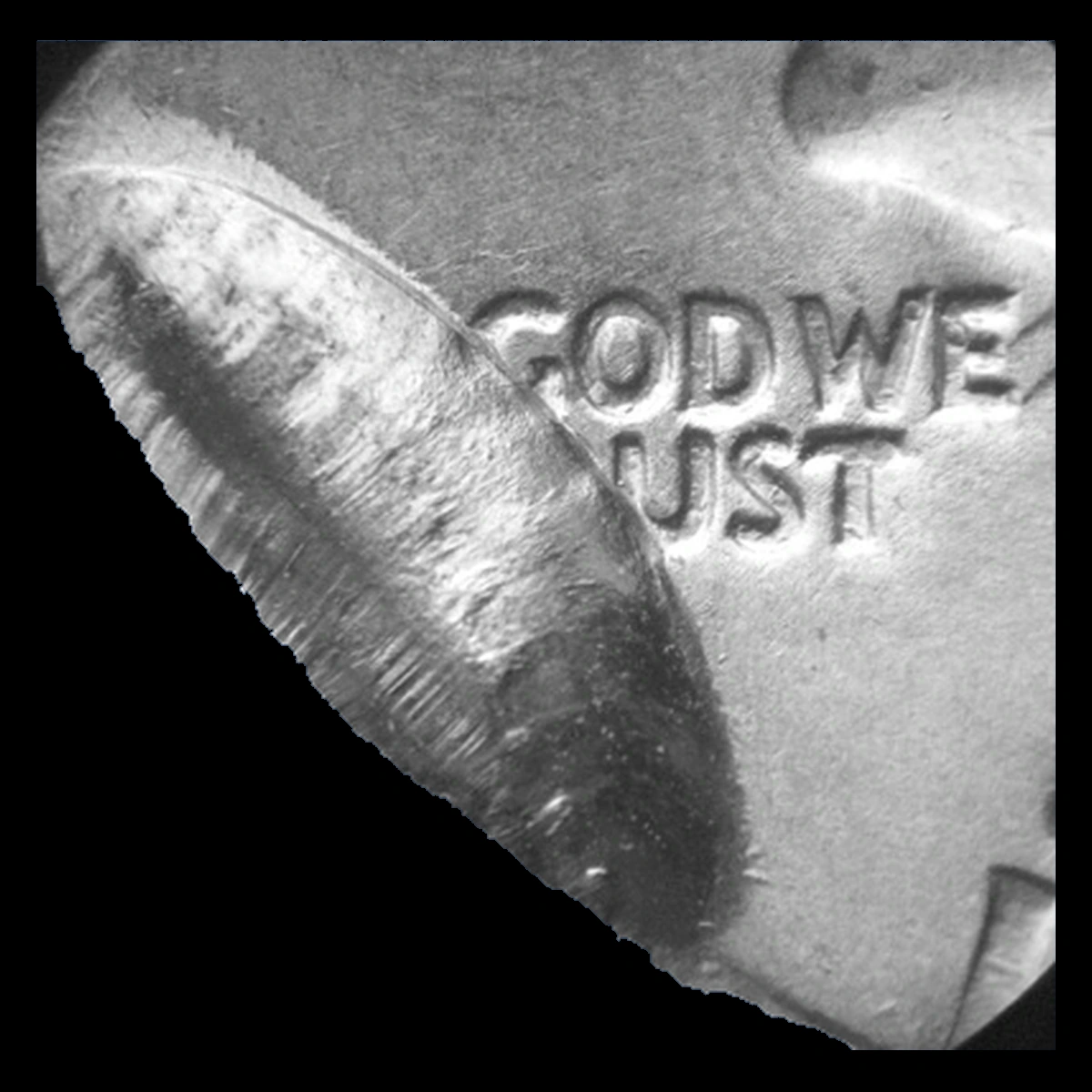
4. 1967 Quarter A Narrow Groove or a Broad Blocked Area: Struck Through Material Error
An ANACS MS65 SMS quarter has a thread strike-through, while a separate ordinary NGC MS64 has a much larger obstruction on the eagle side. The material responsible for the larger patch is not identified.
How to Identify
Follow a thread-shaped path through the affected design and confirm that it is recessed. Check for sharply sliced detail or displaced metal that could instead indicate a later scratch.
For the broader reverse patch, inspect its boundary with clear feathers and lettering without guessing grease or another specific substance. SMS is a collector finish and should not be relabeled as a regular Proof.
What It’s Worth
$30–$600 is estimated across genuine thread and broader strike-through examples. A 1976 quarter struck through cloth in NGC MS66 brought $881.25 in January 2017, but its distinct fabric pattern and different grade make it a separate comparison.
5. 1967 Quarter A Soft, Distorted Image: Reported Capped-Die Strike Error
A coin stuck to a die can form a cap that obstructs later blanks. Coins struck beneath that covering may receive a weakened or distorted design.
This mechanism is reported for 1967 without a particular certified example established in the year report. The affected coin must be distinguished from the cap itself and from ordinary weakness.
How to Identify
Compare the two faces for a pattern in which one design is blocked while the opposite die still makes clearer detail. Look for smoothly weakened or stretched design rather than scratches removing already formed high points.
Wood-like streaks and uneven color do not establish cap obstruction. Wear, flattening, and chemical attack need to be separated from the proposed strike mechanism.
What It’s Worth
$150–$1,200 is a conditional estimate for an authenticated capped-die strike. A merely worn or streaky quarter does not receive that range without evidence explaining the blocked design.
6. 1967 Quarter Copper across Washington’s Face: Missing Front Clad Layer Error
The documented NGC MS63 example weighs 4.7 grams and lacks the pale outer layer on its front. That loss exposes the copper center rather than merely changing the surface’s color.
A normal clad quarter weighs 5.67 grams. Its copper edge stripe is expected, unlike exposure across a face where an outer layer should remain.
How to Identify
Follow the surviving cladding around the edge and compare it with the exposed front. Record a loose candidate’s weight independently, leaving a sealed certified specimen in its holder.
Look for scraping, heavy corrosion, or an added coating that could explain the appearance differently. A low weight and brown face need to agree with an actually absent layer, not substitute for that evidence.
What It’s Worth
$50–$500 is an estimate for comparable missing-layer quarters. The 4.7-gram NGC MS63 sold for $139 in December 2022, with its unworn but marked surfaces part of the comparison.
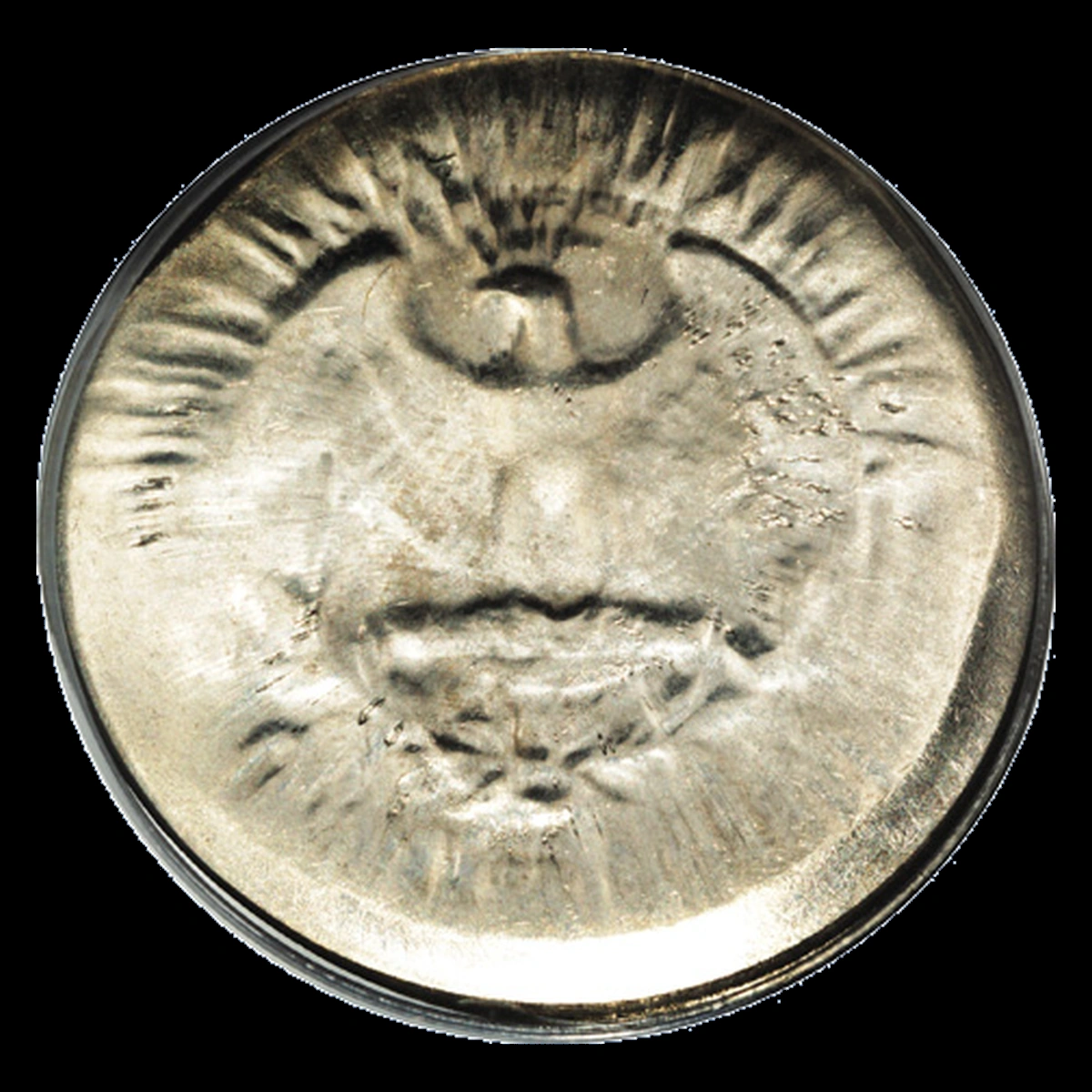
7. 1967 Quarter A Broadstruck Quarter and a Mirrored Sheet: Mated Pair Error
The main coin has an expanded outline and a weak eagle side. A thin companion clad sheet carries a recessed mirror image of that reverse, called a brockage.
The pieces apparently entered the press together and interfered with normal collar restraint. The sheet has no date of its own; its matching relationship with the quarter establishes the connection to 1967.
How to Identify
Compare the sheet’s recessed image with the quarter’s weak reverse at the same scale. Several corresponding details should explain the shared striking event, not simply a general resemblance between two wide objects.
Inspect the expanded lettering and the outlines without trying to fit the pieces together. Keep certified pieces sealed so their fragile original surfaces remain intact.
What It’s Worth
$1,000–$3,000 is estimated for the complete authenticated pair. It sold for $1,638.75 in April 2008 with the quarter graded PCGS MS64 and the separate clad sheet MS62.
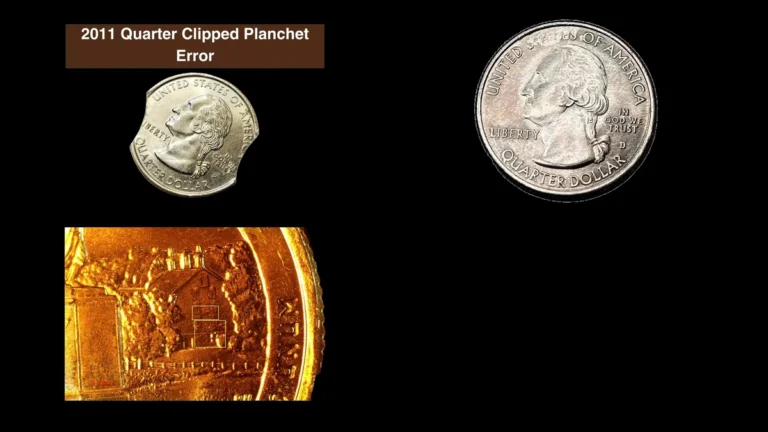
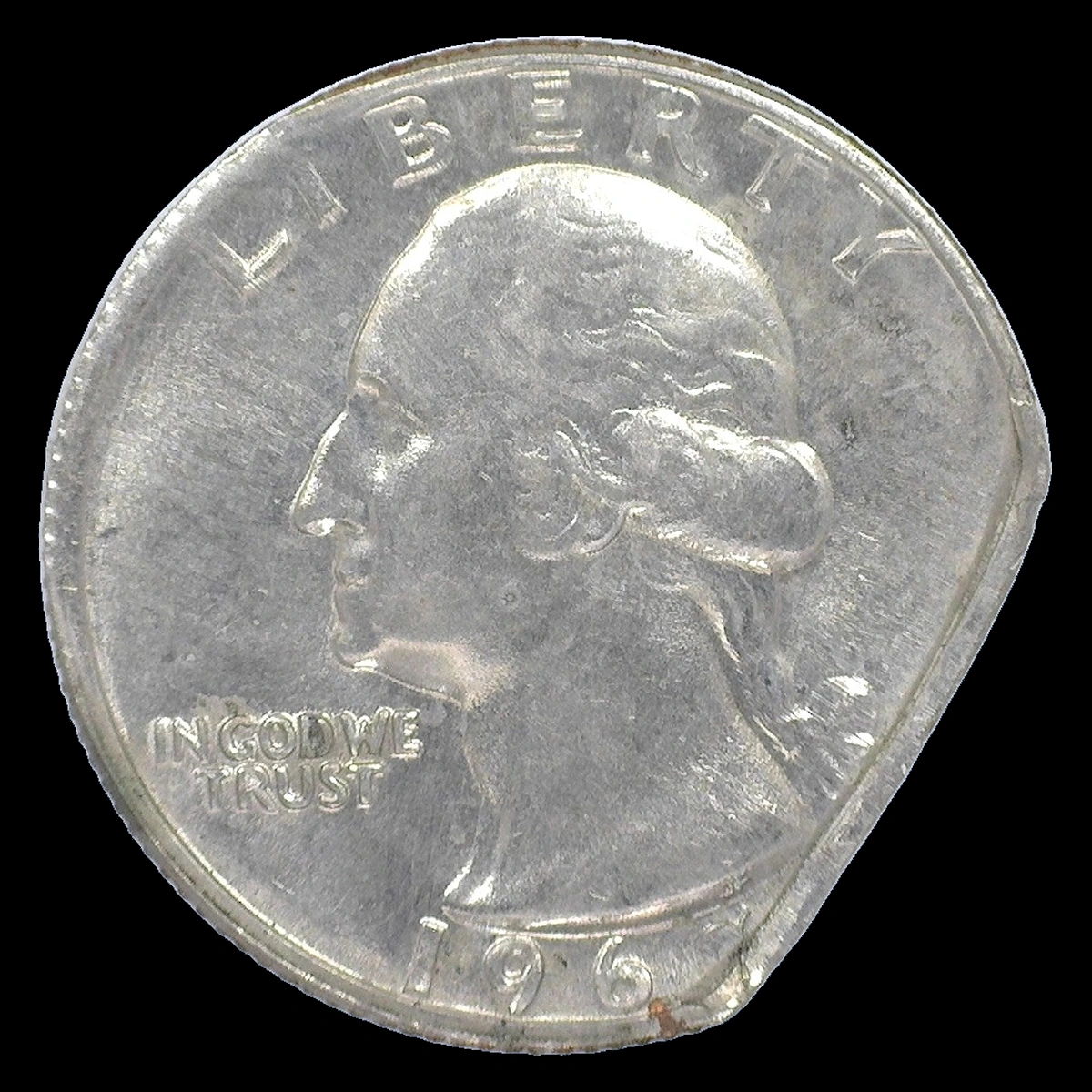
8. 1967 Quarter Missing Segments or an Oval Outline: Clips and Collar Combinations Error
Documented examples include straight, double curved, and triple clips, plus an elliptical blank. Some also have broadstriking or a partial collar, which leaves a step where only part of the edge was restrained.
A 21% straight-end clip was struck on a Type One blank that had not received a raised rim before striking. Type One identifies blank preparation, not a separate 1967 design.
How to Identify
Trace the complete outline and inspect each boundary for naturally formed detail rather than filing through a finished coin. A side view is needed to establish a partial-collar step.
The documented straight clip and ellipse each weigh 4.4 grams but are different shapes, while a separate straight-clip partial-collar coin weighs 3.2 grams. An oval outline does not by itself establish that the blank gradually tapers in thickness.
What It’s Worth
$20–$800 is an estimate across these original blank and collar combinations. Separate July 2021 NGC-graded sales were $79 for a straight clip, $144 for double curved clips, and $84 for a triple-clip partial-collar coin.
In the same sale, a PCGS MS64 ellipse brought $74 and a PCGS MS65 45% clip with broadstriking brought $94. Multiple features on any one piece remain part of that coin’s price.
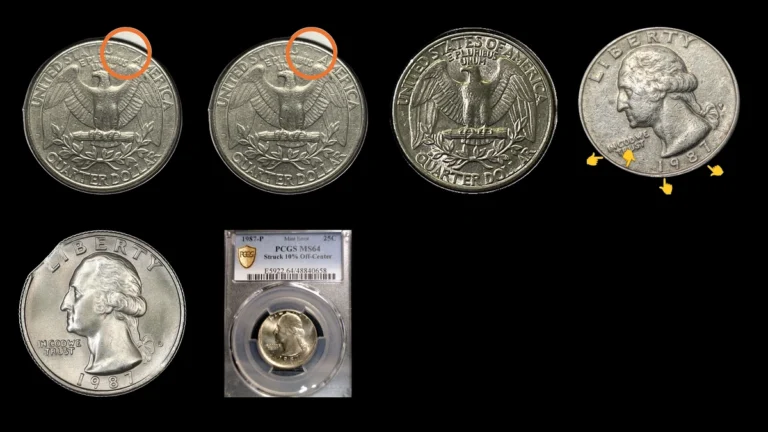
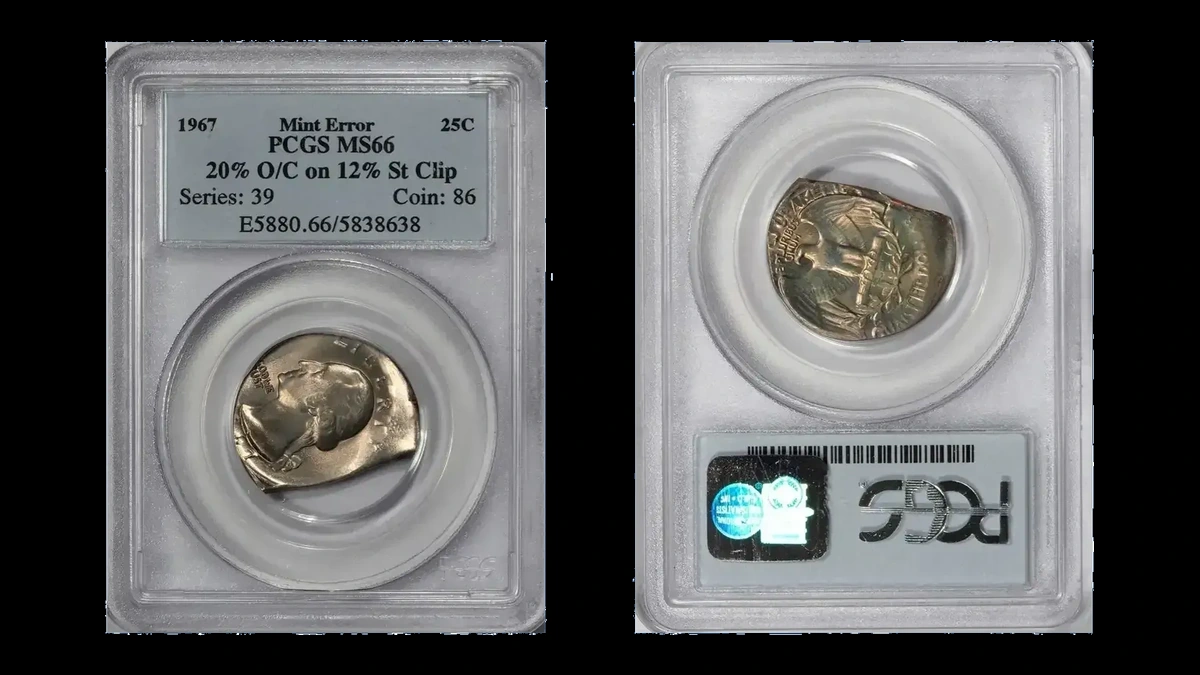
9. 1967 Quarter A Bare Area beside Missing Design: Off-Center Strike Error
An off-center blank sits partly beyond the dies, so some intended design misses the metal and another area remains unstruck. The 1967 reports specify no common direction or percentage for this category.
How to Identify
Compare both faces before judging the shift. A displaced Washington with a centered eagle may concern one misaligned die instead of a blank that was out of position.
Inspect the untouched-looking area for sanding grooves or flattened letter remnants. Read the date within the surviving strike and photograph where design meets bare metal on both sides.
What It’s Worth
$25–$400 is an estimate for an identifiable 1967 off-center quarter. A later 1988-P in ANACS MS63, struck 30% off center, sold for $109 in January 2022.
10. 1967 Quarter Unusual Size or Composition: Wrong Planchet Error
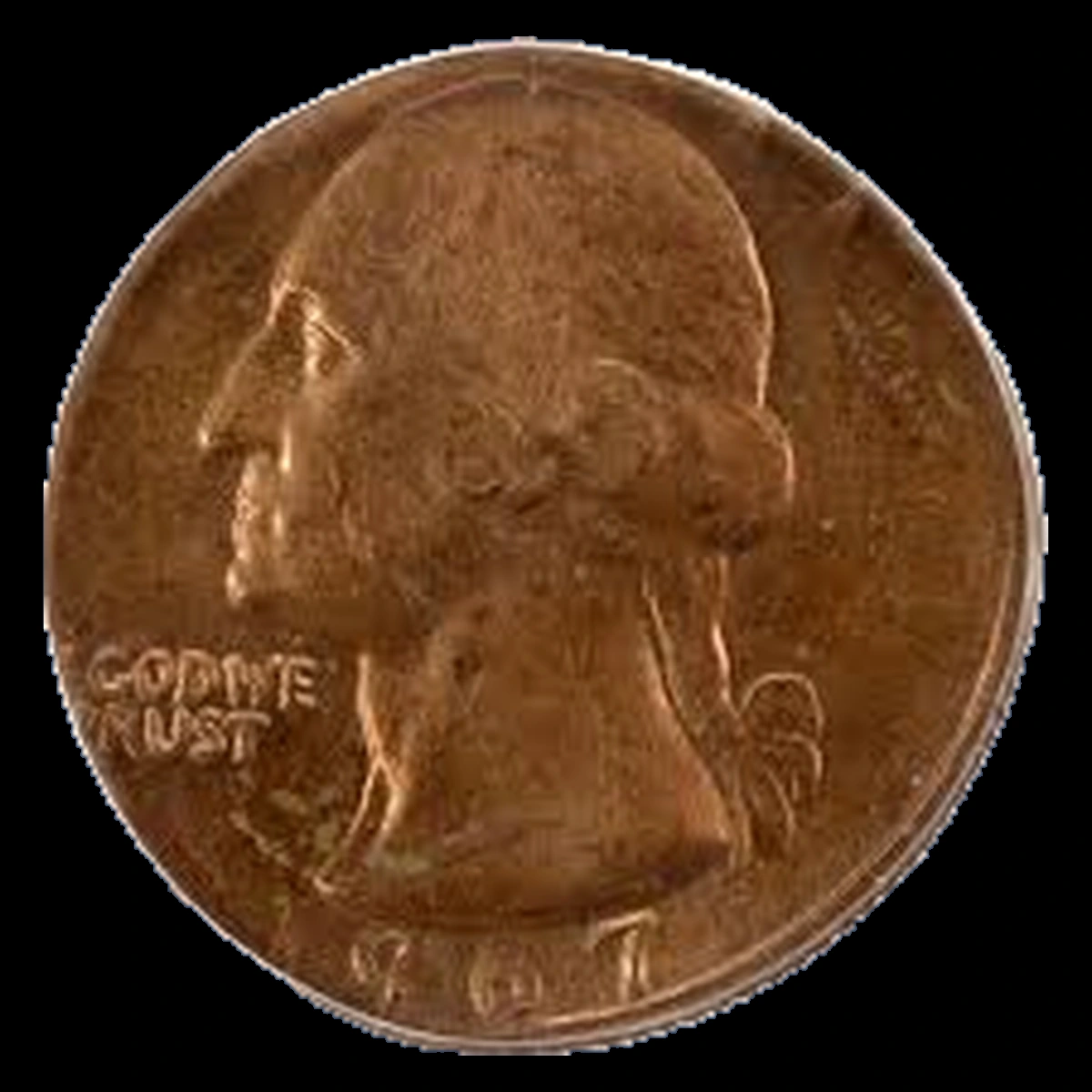
Documented quarters were struck on cent, nickel, and clad dime blanks, each giving the quarter design a different amount of space. A separate error used an older 90% silver quarter blank, although silver is not a normal 1967 circulation or SMS option.
One cent-planchet quarter also received two strikes and weighs 3.1 grams; another cent-planchet specimen is recorded at 3.2 grams. The silver example is ANACS AU58 Details with cleaning noted.
How to Identify
Match the quarter design to the metal and surviving date instead of relying on color. The nickel-planchet AU50 has displaced detail and distorted RTY, while cent examples can stretch partial date digits toward the edge.
Starting standards are 3.11 grams and 19.05 millimeters for a period cent, 5 grams and 21.21 millimeters for a nickel, and 2.268 grams and 17.91 millimeters for a clad dime. Final widths can change during striking, and the double-struck cent specimen also needs two coherent impressions.
An older silver quarter blank has a 6.25-gram standard and 90% silver composition. Use nondestructive alloy testing for a convincing candidate, since color or sound alone cannot establish it.
What It’s Worth
$150–$3,000 is estimated for authenticated cent, nickel, and dime planchets, while confirmed silver-planchet quarters are estimated at $5,000–$15,000. The cleaned silver listing supplies no disclosed sale price.
The PCGS MS65 cent-planchet example brought $2,115 in September 2013. A separate twice-struck cent-planchet coin sold for $1,560 in December 2022.
Conclusion
The absence of a mintmark tells you nothing unusual about a 1967 quarter. A useful identification comes from a matched design pattern, an original metal boundary, or a coherent relationship between striking features.
Preserve distinctions between ordinary and SMS finishes, between different wrong blanks, and between a single coin and its matching companion sheet. Each measurement and sale belongs to a specific object or pair, not to every similar-looking quarter.