Rare 1856 Quarter Errors (List & Pictures)
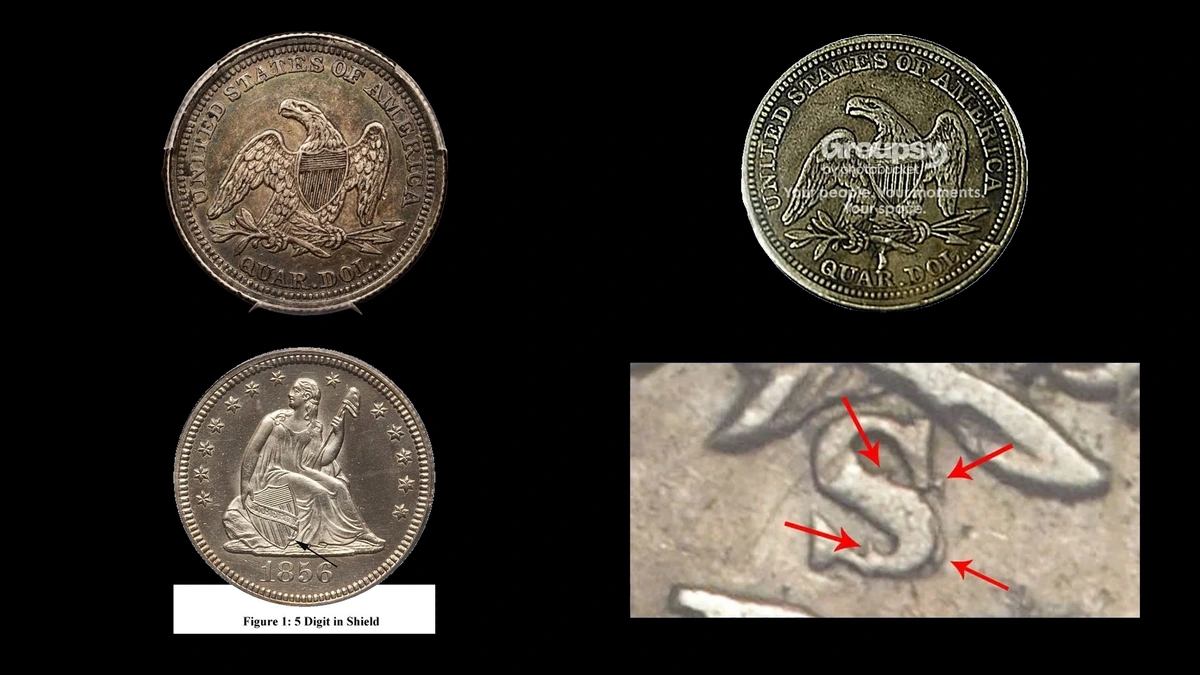
The highest supplied sale among 1856 quarter errors is $39,100 for a Large S over Small S example in August 2007. That price reflects a scarce San Francisco variety in AU58 condition, with only slight wear.
Estimated whole-coin values across the categories below range from $40–$40,000. Begin at the rim, then compare the numeral and mintmark features with references for the correct die variety.
| Visible clue | Identification | Estimated value |
|---|---|---|
| Two levels on the edge | Partial collar strike | $300–$1,500 |
| Uneven reverse border | Misaligned reverse die | $40–$500 |
| Extra numeral in or near design | Misplaced or repunched date | $50–$3,000 |
| Repeated outline at 6 | Reported doubled obverse die | $75–$1,200 |
| Small S below larger S | FS-501 repunched mintmark | $500–$40,000 |
1. 1856 Quarter A Step Around the Side: Partial Collar Strike Error
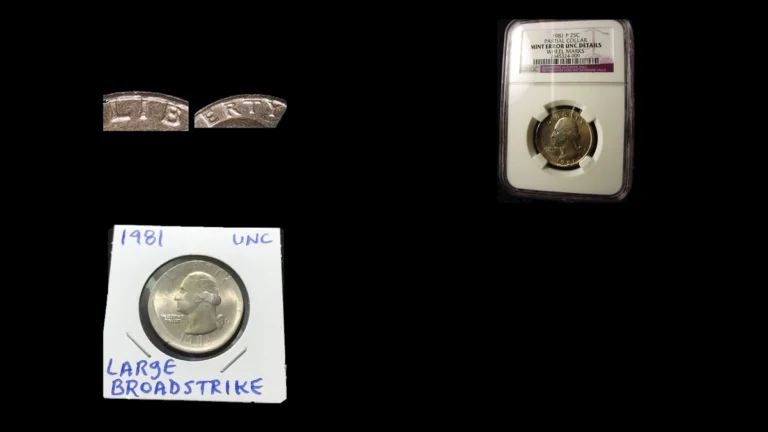
A side view can reveal a band of normal grooves beside a smooth band that has spread outward. This stepped profile is often called a railroad rim.
The collar is the ring that restrains the blank’s width during striking. If it encloses only part of the blank’s thickness, the exposed portion can expand beyond the part held inside the ring.
How to Identify
Photographs of the faces alone may miss the decisive transition between grooved and smooth metal. Examine an edge view and relate the step to the outlines visible from the front and back.
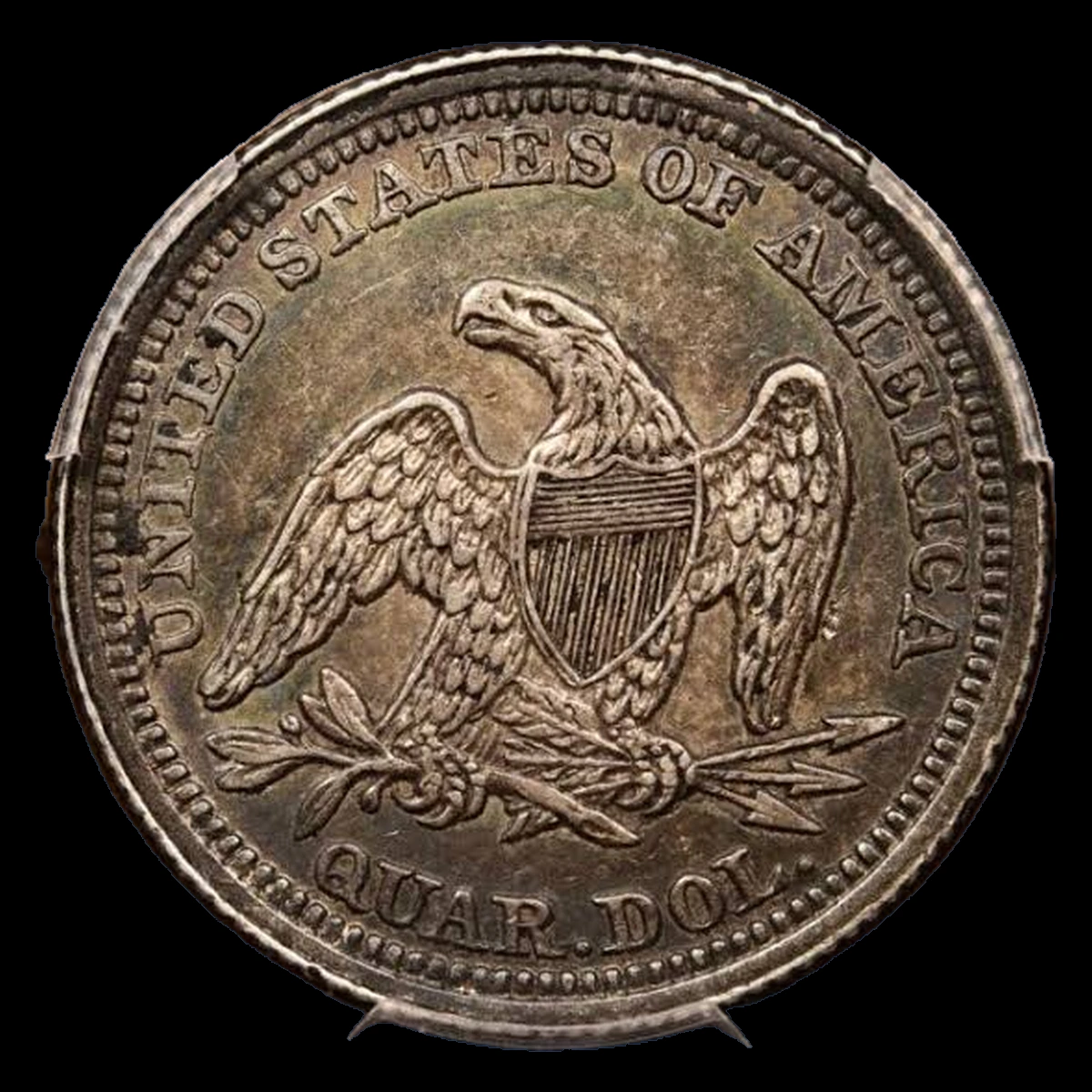
David Kahn described a Philadelphia example in PCGS XF45 whose front was wider while its back retained normal diameter and a high, sharp rim. Those details belong to that specimen and explain why its two face views look different.
The normal diameter is about 24.3 millimeters, but do not open a sealed holder or squeeze the edge to obtain a measurement. Flattened grooves and tool marks can indicate later rim damage rather than an original partial collar strike.
What It’s Worth
$300–$1,500 is the supplied estimate for circulated through attractive examples with a clear stepped edge. A clean transition between the two bands makes the error easier to demonstrate.
The PCGS XF45 Philadelphia example was offered for $650. This is a dealer’s asking price, not a documented completed sale.
XF45 indicates wear with much design detail remaining. Heavy damage to the edge can obscure the feature even when the face details remain readable.
2. 1856 Quarter A Narrow Border on One Side of the Back: Misaligned Reverse Die Error
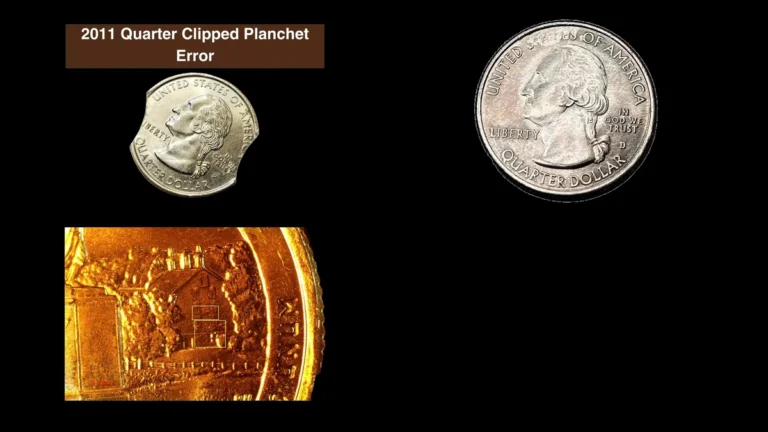
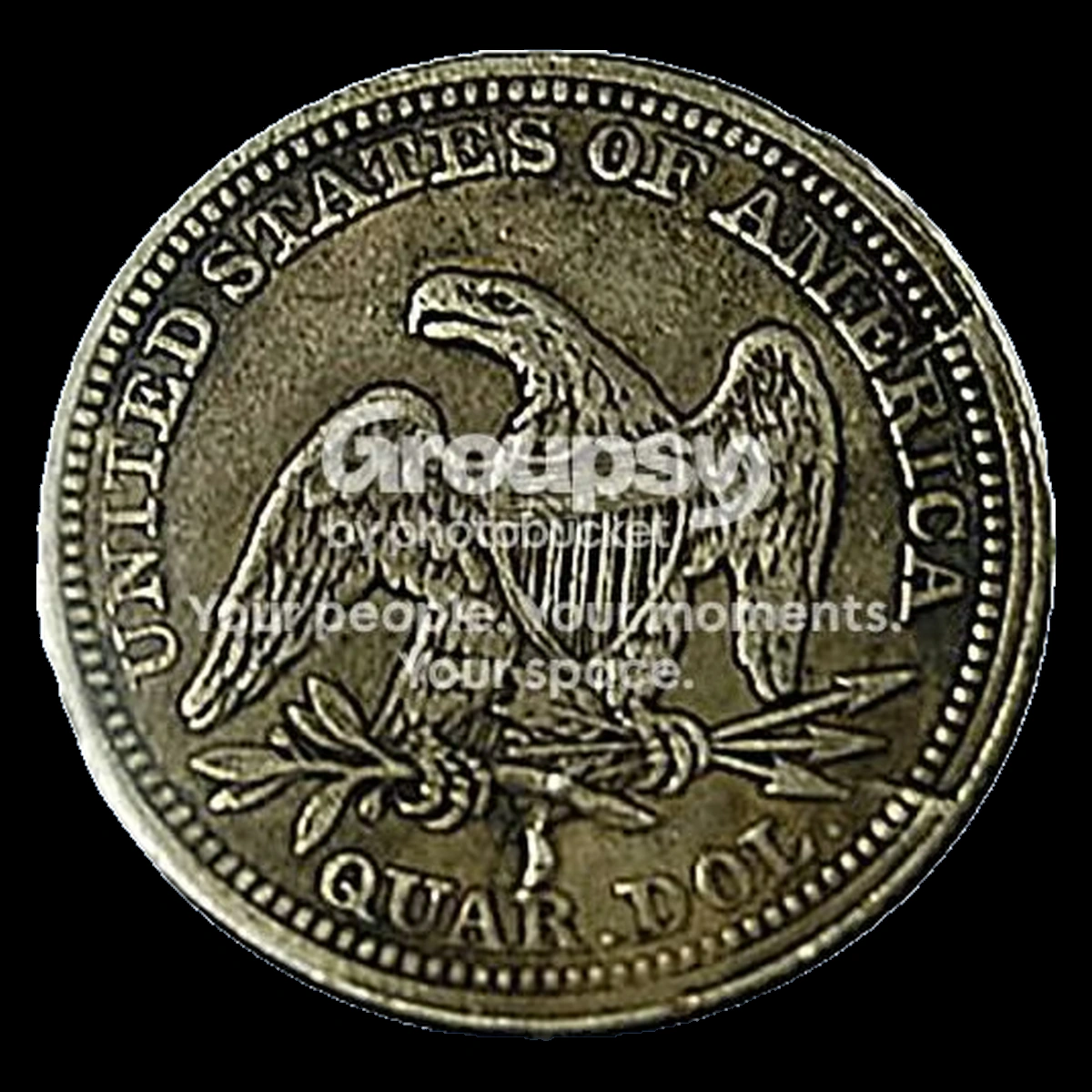
A reverse design that sits closer to one edge than the other can result from a die being positioned out of line. The front may remain better centered because the shift involves one stamping tool.
In a discussion of an 1856 quarter, specialist Fred Weinberg identified slight reverse-die misalignment. Other marks on that coin received conflicting interpretations and should not be treated as established additional errors.
How to Identify
Take straight-on photographs with both complete rims visible. A tilted view or cropped border can create the impression of a displaced design.
Compare the distance from the reverse lettering to the rim around the whole coin, then check the front at corresponding positions. One shifted design on an intact circular blank supports die misalignment.
An unstruck crescent with displaced designs on both faces points toward an off-center strike instead. Filing and flattened metal may also change border width after manufacture, so inspect the narrow area’s surface.
What It’s Worth
$40–$500 is the supplied estimate for a small confirmed shift on an ordinary Philadelphia example. Most of the total may come from the underlying date and condition.
The specialist discussion supplies an identification, not a completed transaction. A scarcer mintmarked issue would need its own normal-value comparison.
3. 1856 Quarter A Numeral in Liberty’s Clothing or Beside the Date: Misplaced and Repunched Digits Error
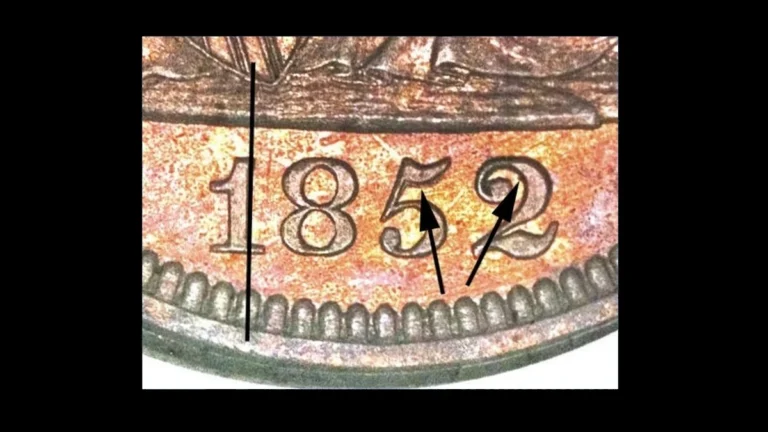
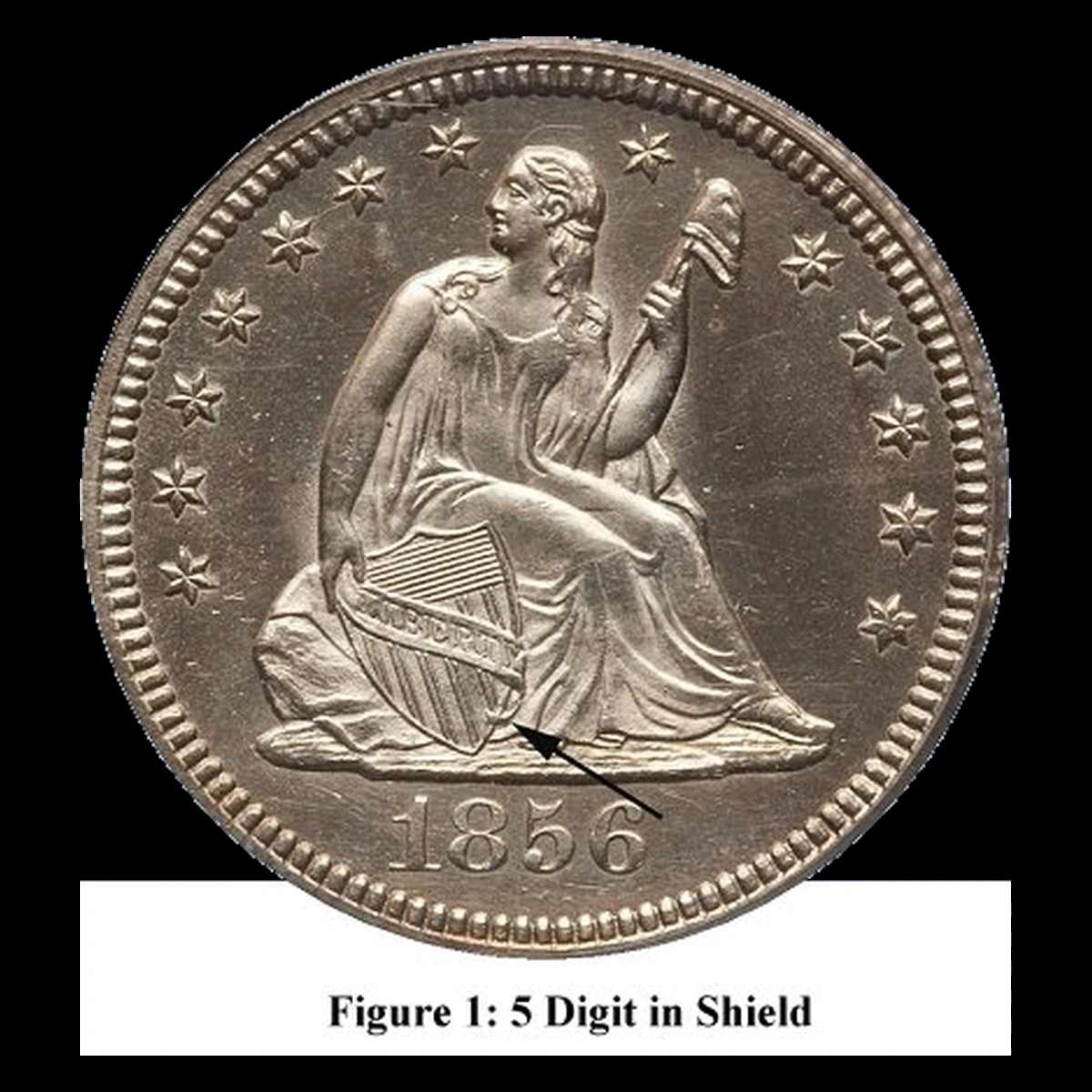
Date-punch remnants can appear well above the date on Philadelphia 1856 quarters. Reported varieties include the top of a 5 in the shield, a 1 in Liberty’s gown, and a possible loop of 6 in the rock.
These positions belong to separate die varieties. Related hand-punching mistakes also left an earlier 6 beside the final numeral at the normal date position.
How to Identify
Identify the location first, then select a reference for that specific variety. A shield remnant cannot be established from a photograph showing a mark in the gown or rock.
Use about 10× magnification to follow the suspected straight stroke or loop together with the surrounding design. An ordinary gown fold or curved scratch can resemble part of a numeral when viewed in isolation.
The 1856 misplaced-date study documents the different reported positions. A match should place the same shaped remnant at the same point on another coin from that die.
For a repunched 6 at the normal date, compare the earlier outline alongside the final digit. Do not borrow the identity of a remote misplaced numeral or the separately reported doubled obverse.
What It’s Worth
$50–$3,000 is the supplied whole-coin estimate for confirmed date-punch varieties. The particular variety matters: the more familiar gown mark need not command the same price as the scarce shield example.
Sharp remnants and attractive surfaces help preserve the evidence. Several traces on one coin should be assessed together rather than treated as independent prices to add.
4. 1856 Quarter An Additional Outline at the 6: Reported Doubled Die Obverse Error
A reported Philadelphia doubled front die provides another reason to examine the 6. A doubled die carries repeated design detail in the tool itself and can transfer that pattern during a single strike.
Greg Johnson lists this front separately from hand-repunched 6 varieties. Their similar appearance at the date does not make the names interchangeable.
How to Identify
Obtain a comparison explicitly identified as the reported doubled obverse before assigning the label. The supplied description makes the 6 the starting point but does not establish extra lines at the face, stars, or shield as diagnostics.
Trace the upper curve, inner opening, and lower loop of the numeral. The repeated shape should match the reference in placement and contour, rather than merely making the digit look broad.
A flat shelf may come from movement during striking, while a scratch can cross both the numeral and surrounding field. If the reference does not resolve the difference from repunching, retain a provisional description and seek a Seated-quarter specialist’s die comparison.
What It’s Worth
$75–$1,200 is the supplied estimate for a confirmed example of this reported doubled obverse. It covers circulated through better-preserved coins with identifiable extra detail.
No completed 1856 doubled-die sale is provided. Heavy date wear, scratches, or aggressive cleaning can reduce both the clarity of the attribution and the coin’s appeal.
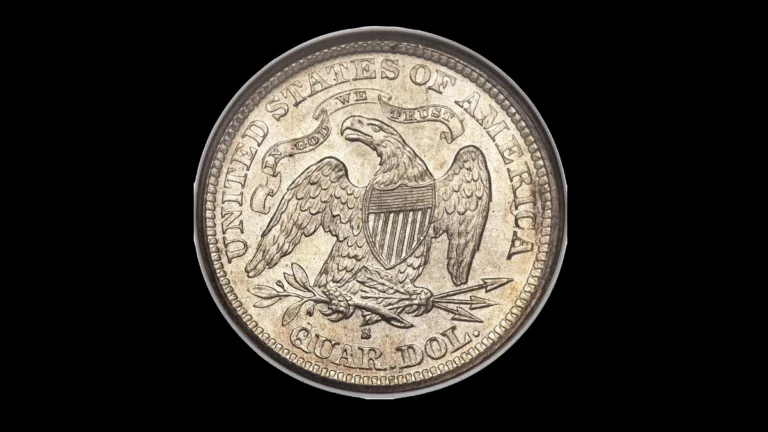
5. 1856 Quarter Two Sizes of S Below the Eagle: Large S Over Small S Error
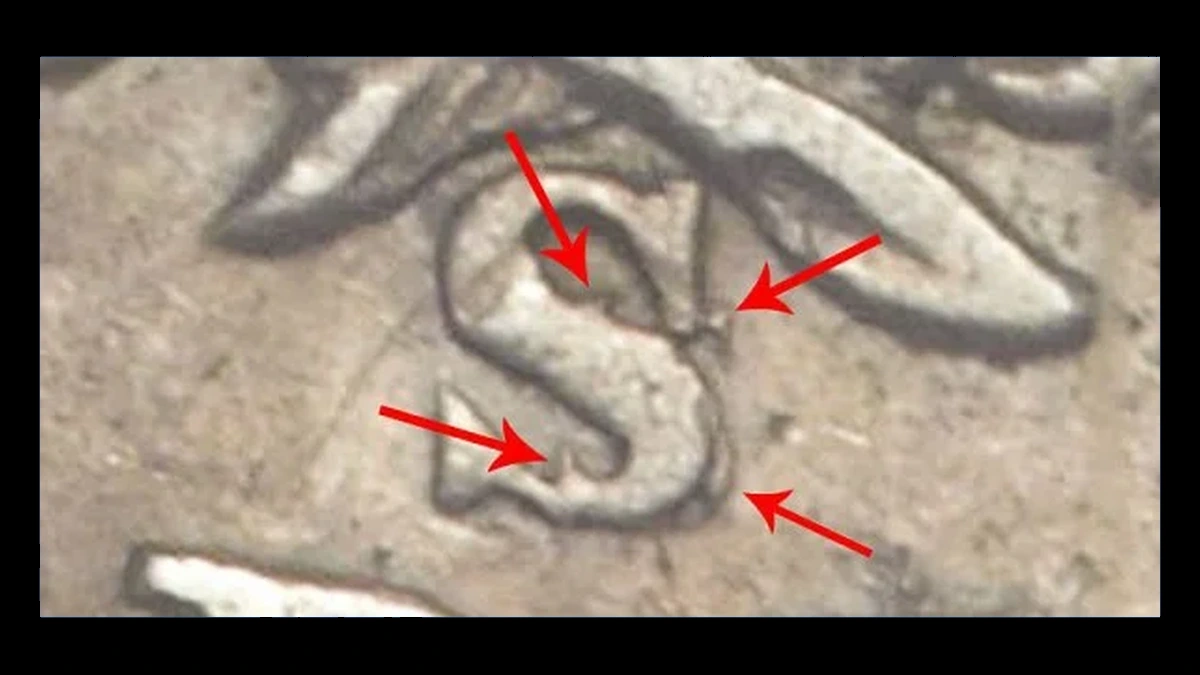
The final large S partly covers an earlier small S, leaving portions of the smaller letter visible underneath and to the right. Large S over Small S and FS-501 name the same repunched-mintmark variety.
The mintmark was entered more than once during die preparation. Each coin struck from that die could inherit the overlapping letter shapes without undergoing a second strike itself.
How to Identify
Keep the full reverse available while enlarging the S below the eagle. Locate the smaller letter’s surviving curves beneath and to the right of the larger one.
Compare the junctions between the two impressions with an authenticated FS-501 example. Measuring the outside width alone cannot distinguish the variety from a single flattened or worn S.
Added metal, scratches, and a flat shelf beside the letter can create misleading extra edges. If wear obscures the smaller S, obtain an expert match before treating the mintmark as the valuable variety.
What It’s Worth
$500–$40,000 is the supplied estimate for worn examples through exceptional lightly worn pieces. The scarce San Francisco issue, visible smaller letter, and preservation all contribute to the whole-coin value.
PCGS records an AU58 Large S over Small S example at $39,100 in August 2007. AU58 means only slight wear, so the result is not a fixed premium attached to any coin with a thick S.
Conclusion
The rim, date area, and mintmark each offer a different route into identifying an 1856 quarter. Use a side view for a partial collar, both faces for misalignment, and a variety-specific reference for extra numeral or letter strokes.
Keep the reported doubled 6 separate from hand-repunched dates, and do not combine misplaced digits from different examples. Price comparisons become useful only after mint, feature, and condition agree with the coin being examined.