Rare 1873 Nickel Errors (List & Pictures)
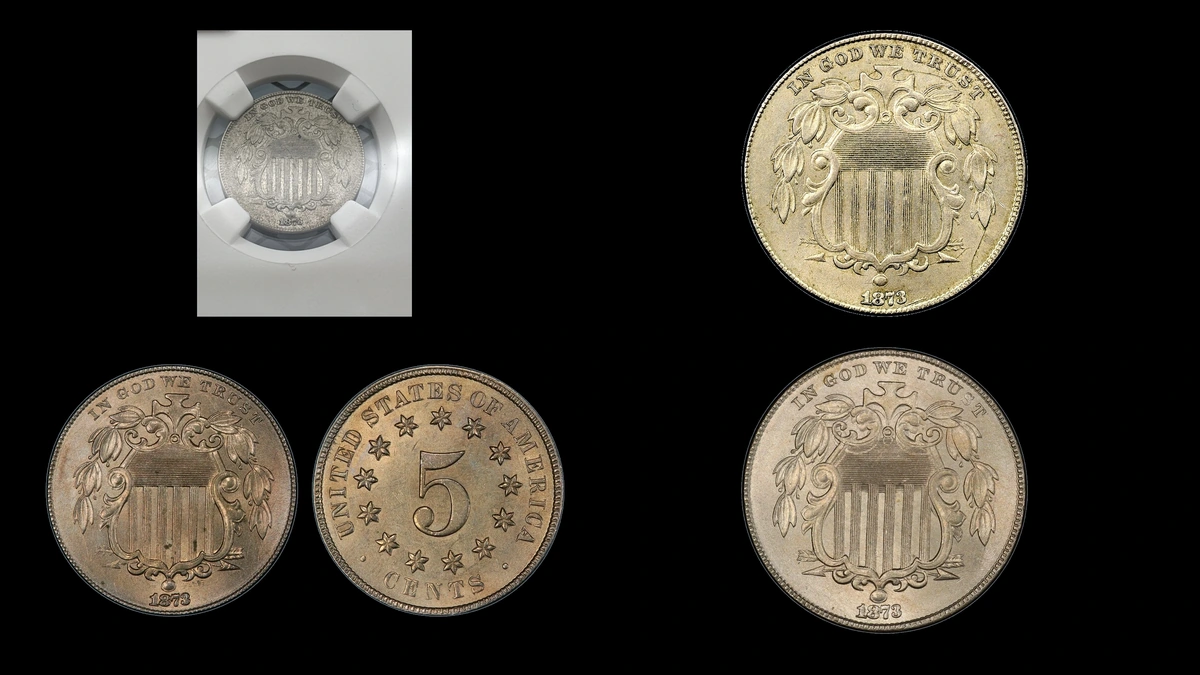
Open 3 and Closed 3 are normal date styles, so they do not by themselves identify 1873 Shield Nickel errors. A much more dramatic mismatch—a nickel design on a cent blank—brought $21,600 in May 2022.
Estimated whole-coin values below span $30–$30,000. Check the metal and alignment first, then choose the correct date style when comparing extra numeral strokes, doubled contours, and die cracks.
1. 1873 Nickel A Copper-Colored Disc Carries the Shield: Cent Planchet Error
The wrong blank entered the nickel press on the documented Open 3 example. Its Shield design was struck onto a bronze blank intended for an Indian Head cent.
NGC graded the coin MS64 Red and Brown. MS64 describes unworn preservation with marks, while Red and Brown describes the remaining copper color.
How to Identify
A normal Shield nickel weighs 5 grams and measures 20.5 millimeters. A contemporary bronze cent blank starts near 3.11 grams and 19.05 millimeters, although striking can alter its outline.
Those are standard blank figures, not published measurements of the auctioned specimen. Use the candidate’s recorded measurements and metal identification rather than assuming the standard is its exact weight.
Inspect the edge and crowded design for natural striking on a smaller disc. An applied copper coating or chemical color change does not establish the wrong blank, and an intentional copper pattern is a separate category.
What It’s Worth
An independently confirmed example has an estimated whole-coin range of $8,000–$30,000. Metal identification, readable design, and preservation are essential to that comparison.
The Open 3 NGC MS64 Red and Brown coin brought $21,600 at Heritage in May 2022. Its uncommon blank and unworn condition place it far above a typical small die feature.
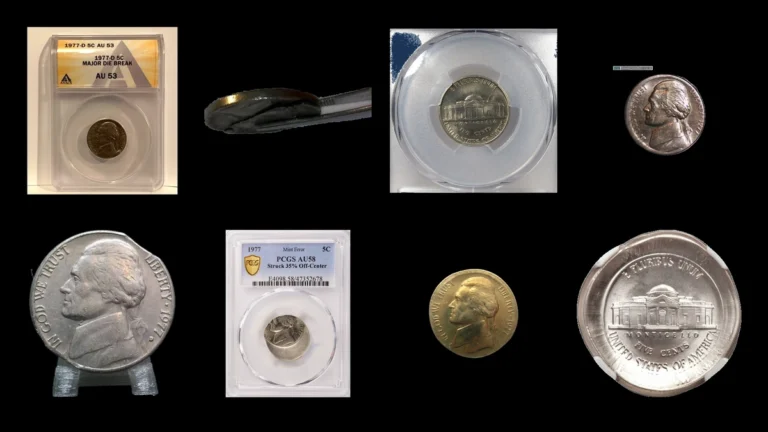
2. 1873 Nickel Bare Metal Borders an Incomplete Strike: Unconfirmed Off-Center Report Error
The year guide includes off-center strikes, but a clearly identified 1873 Shield nickel specimen still needs confirmation. No percentage or direction can be assigned from that general report.
A true off-center blank leaves both designs displaced relative to the same disc. A one-sided uneven border can instead involve a misaligned die.
How to Identify
Start with a full photograph showing the readable year and Shield nickel design. A cent dated 1873 or a nickel from another year cannot establish this reported type.
Compare the untouched area and missing design on both faces. Their boundaries should explain a single misplaced blank, without grinding or cuts that removed completed details later.
What It’s Worth
A confirmed dated example with substantial displacement has a conditional estimated value of $500–$5,000. This is a mechanism-based estimate, not a claim of a documented 1873 sale.
A small offset on a worn coin would compare below a dramatic attractive example. Lost date detail, corrosion, and later alteration make the comparison less secure.
3. 1873 Nickel The Reverse Finishes Nearly Upside Down: Rotated Dies Error
On a reported Open 3 coin, the reverse appears nearly inverted after the upright shield is flipped from top to bottom. The two dies were not aligned in their normal relationship.
The specialist description says nearly 180 degrees, rather than an exact measured angle. Neither face needs to look doubled for the orientation error to exist.
How to Identify
Hold the shield upright and turn the coin top to bottom without turning it sideways. Repeat the motion and record whether the reverse returns to the same nearly inverted position.
A short video of the controlled flip is more informative than photographs that can be rotated independently. A holdered coin can be demonstrated within its holder.
What It’s Worth
A clearly demonstrated large rotation is estimated at $100–$1,500. Condition and undamaged original surfaces remain part of the whole-coin value.
No individual completed sale is assigned to the reported example. Independently turned photographs cannot support the same identification or price comparison as a repeatable physical flip.
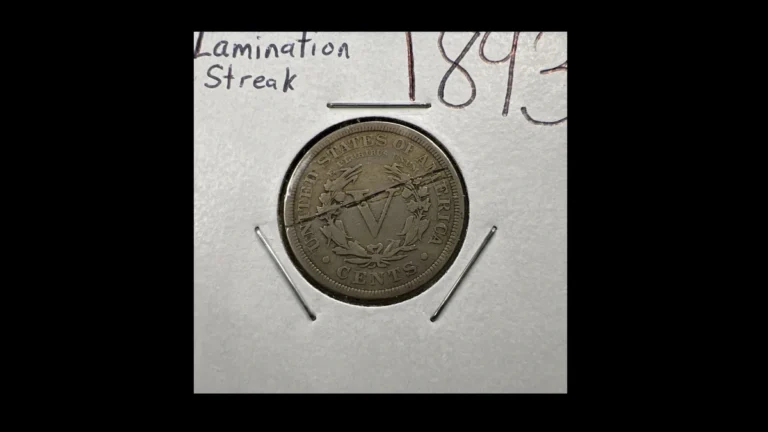
4. 1873 Nickel A Thin Flap Separates from the Surface: Lamination Error
A weak seam inside the alloy can open into peeling metal. Shield nickels are copper-nickel throughout, so a lamination is not an outer plated layer coming off a different core.
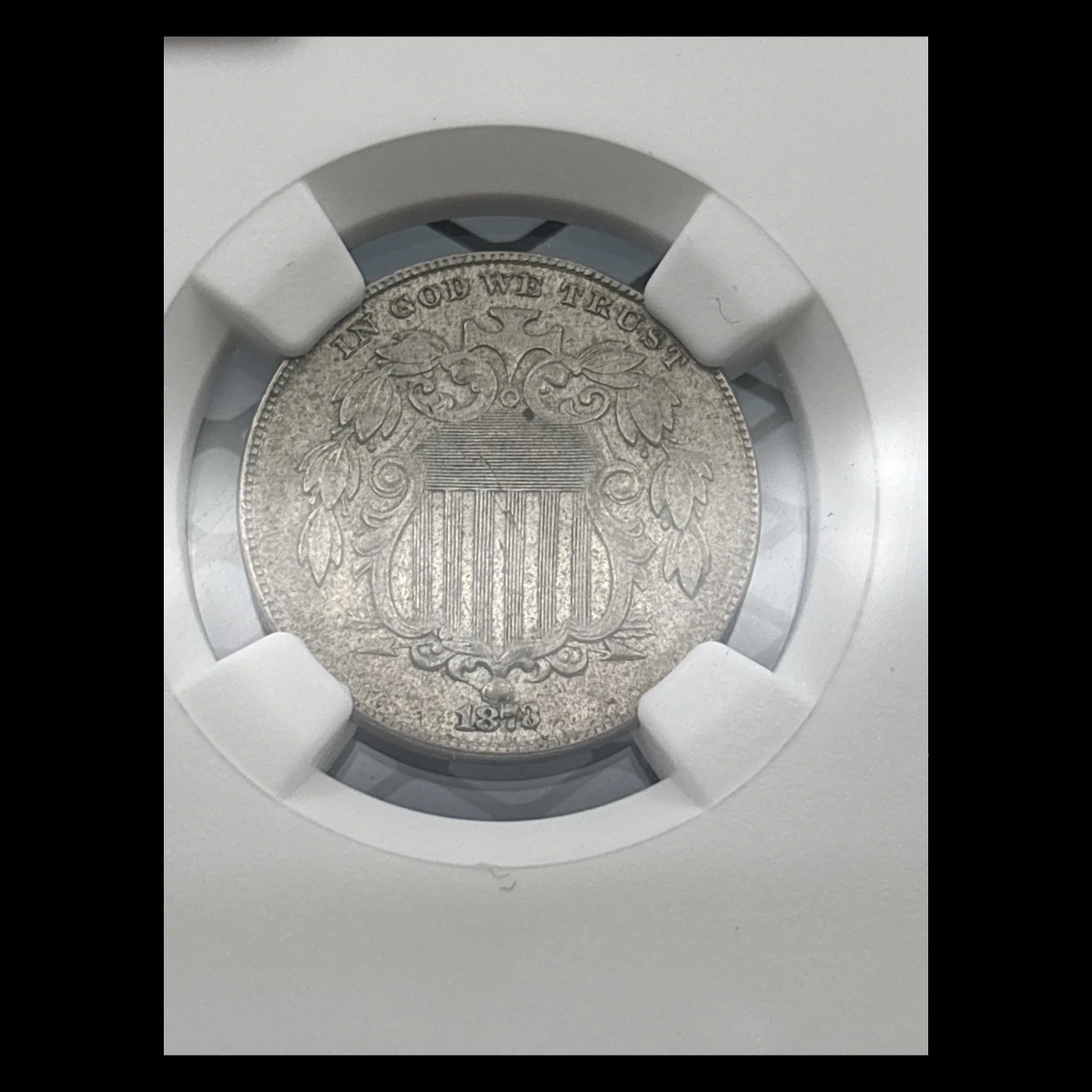
A seller lists an Open 3 NGC MS62 coin with lamination, a repunched date, and a die crack. The text does not establish the lamination’s precise location.
How to Identify
Photograph any attached flap without lifting it, including the shallow opening and nearby design. The connection helps explain separation within the original metal.
A fresh scrape may cut through adjacent detail, while a die crack leaves a solid raised ridge rather than a peeling sheet. Color change alone establishes neither one.
What It’s Worth
Genuine 1873 laminations are estimated at $40–$1,200, depending on the extent and the coin’s preservation. Small flaws on worn pieces generally compare lower.
The Open 3 MS62 seller listing asks $990. That is an asking price for a coin with several reported features, not a completed lamination sale or a separate date-variety price.
5. 1873 Nickel Raised Lines Cross Leaves or Reach the Rim: Die Crack and Reported Cud Error
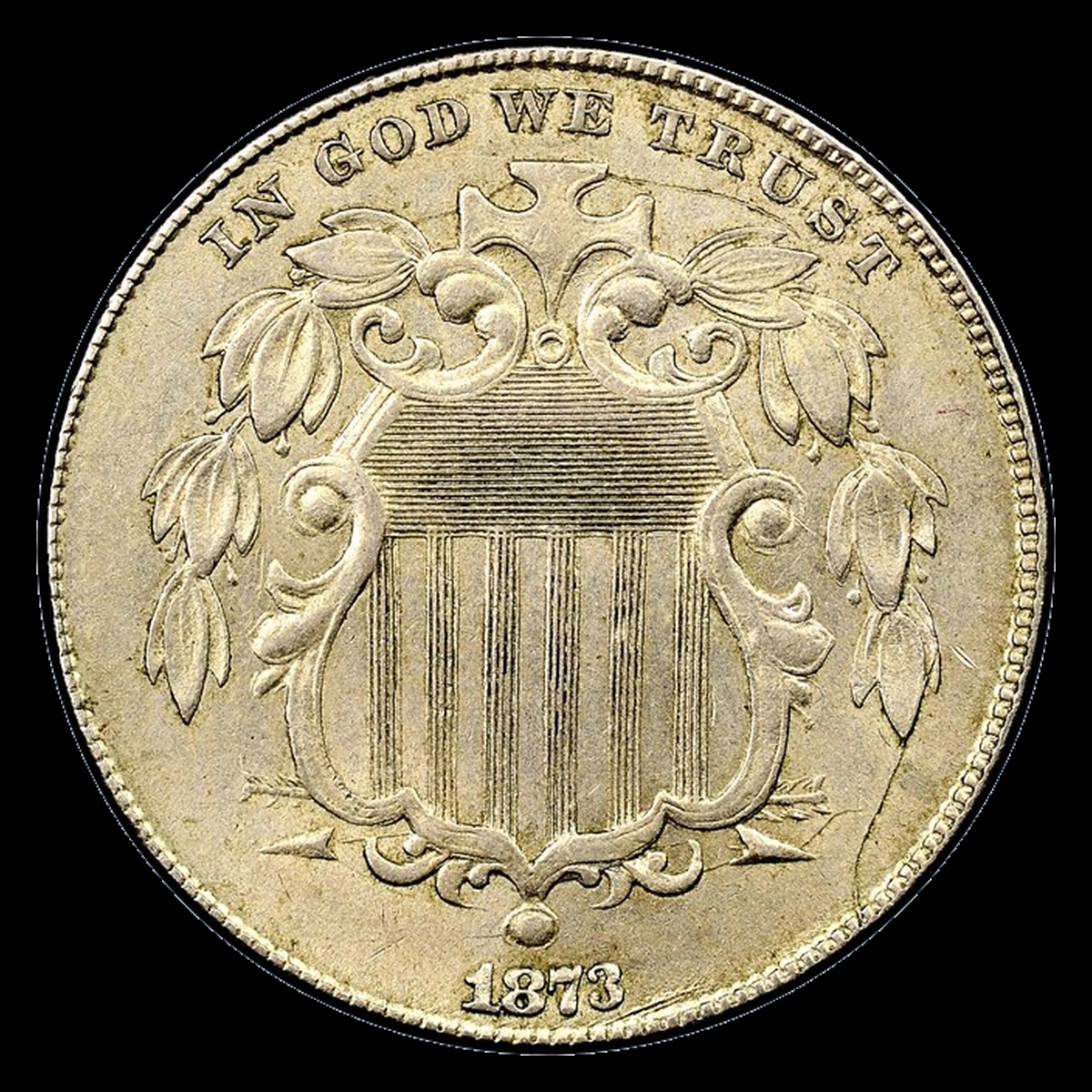
Cracks in the die can leave raised threads across the coin when metal enters the tool’s openings. Closed 3 reports include paths near the cross, leaves, arrows, and edge, while separate Open 3 examples have other routes.
A larger missing part at the die edge can produce a rim-connected cud. A specific 1873 cud still needs confirmation, and known thin cracks do not establish that larger break.
How to Identify
Use side light to inspect whether a line is raised or cut into the metal. The Shield Nickel Varieties catalog records several paths, including lower-left leaf to arrow and upper-right arrow toward the edge on separate Closed 3 examples.
A reported line from W toward the first left leaf was identified as a scratch. Its straight appearance should not be used as proof of a cracked die.
For a proposed cud, document raised metal connected to the rim and replacing the normal design. An interior lump or several nearby cracks is insufficient.
What It’s Worth
Ordinary examples with clear cracks are estimated at $30–$700. A confirmed large rim cud would have a separate conditional estimate of $250–$1,000.
Much of the spread reflects grade and underlying coin value. Small cracks on worn surfaces can add very little, while the unconfirmed cud report must not be treated as a recorded sale.
6. 1873 Nickel Numeral Fragments Sit outside the Date: Misplaced Date Error
One Open 3 variety has the top bar of an extra 1 projecting to the left of the small ball below the shield. The date punch touched the wrong position in the die.
A different example has digit remnants among the rim teeth beneath the date and also carries a doubled design. These are distinct locations, with separate features on the second coin.
How to Identify
Find the small ball first and examine its left side for the extra top of 1. Keep the complete date visible to establish the Open 3 comparison.
For the other pattern, inspect the tiny lower rim teeth instead. A match requires the remnant’s numeral shape and exact location, rather than a jagged line or unexplained bump.
What It’s Worth
Identifiable misplaced-date examples are estimated at $75–$1,000. The small extra digit needs to remain recognizable within the coin’s overall condition.
A specimen with both misplaced digits and doubled design is one combined object. The highest estimates for its separate features should not be added as if buying two coins.
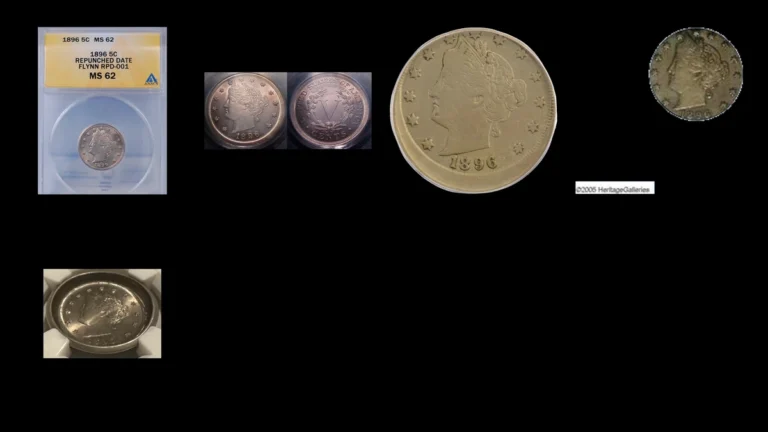
7. 1873 Nickel Earlier Numeral Strokes Border the Date: Repunched Date Error
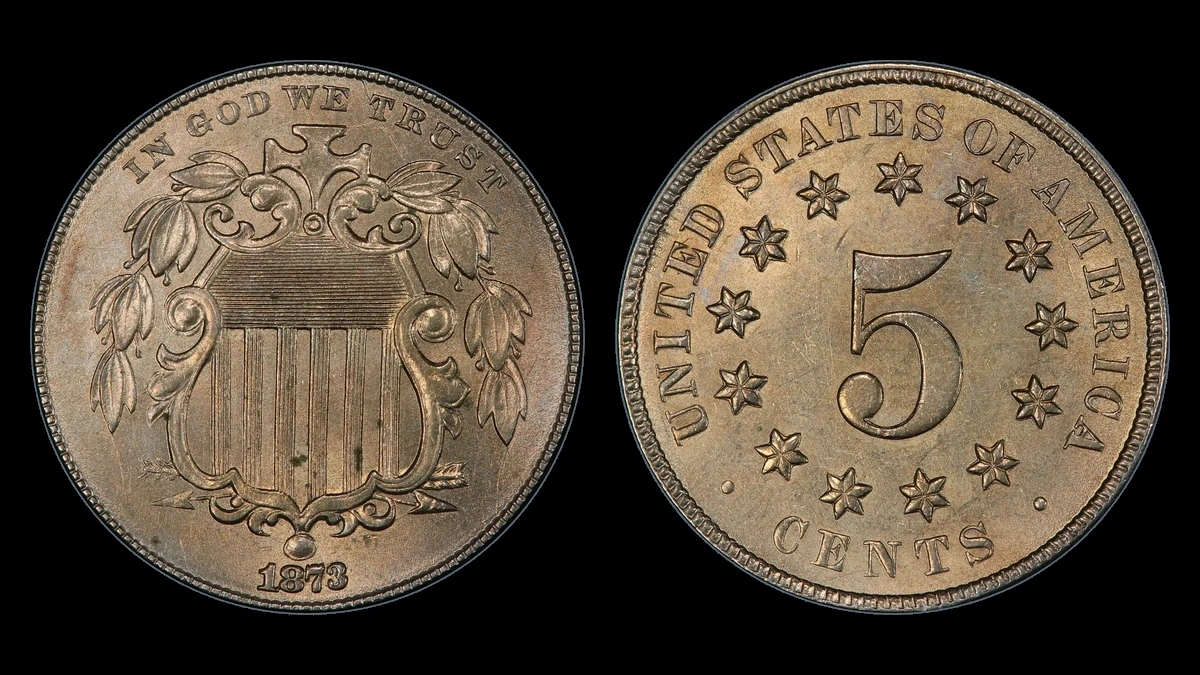
A repeated date punch can leave small curves or strokes beside the final digits. Closed 3 examples include lower traces beneath 1 or several numerals.
Among Open 3 varieties, a larger date punched over a smaller date leaves parts of the smaller numerals visible. These patterns do not repeat the entire shield design.
How to Identify
Choose the normal Open 3 or Closed 3 style before comparing extra detail. All 1873 Proofs have Closed 3 dates, but that style alone does not identify a Proof.
For a larger-over-smaller pattern, trace recognizable parts of the smaller digits beneath the final date. Lower marks on one Closed 3 variety cannot identify an Open 3 coin.
A crack-like lump inside 3 is not enough to establish a date ending in an earlier 2. A claimed overdate needs actual numeral-shaped evidence rather than an irregular raised spot.
What It’s Worth
Recognizable repunched dates are estimated at $50–$1,500. Bold surviving strokes and original surfaces compare better than obscure worn remnants.
The $990 MS62 seller request in the lamination section concerns one coin with several features. It is neither a completed sale nor an independent amount for the repunched date.
8. 1873 Nickel The Cross, Ring, or Shield Has Repeated Contours: Doubled Die Error
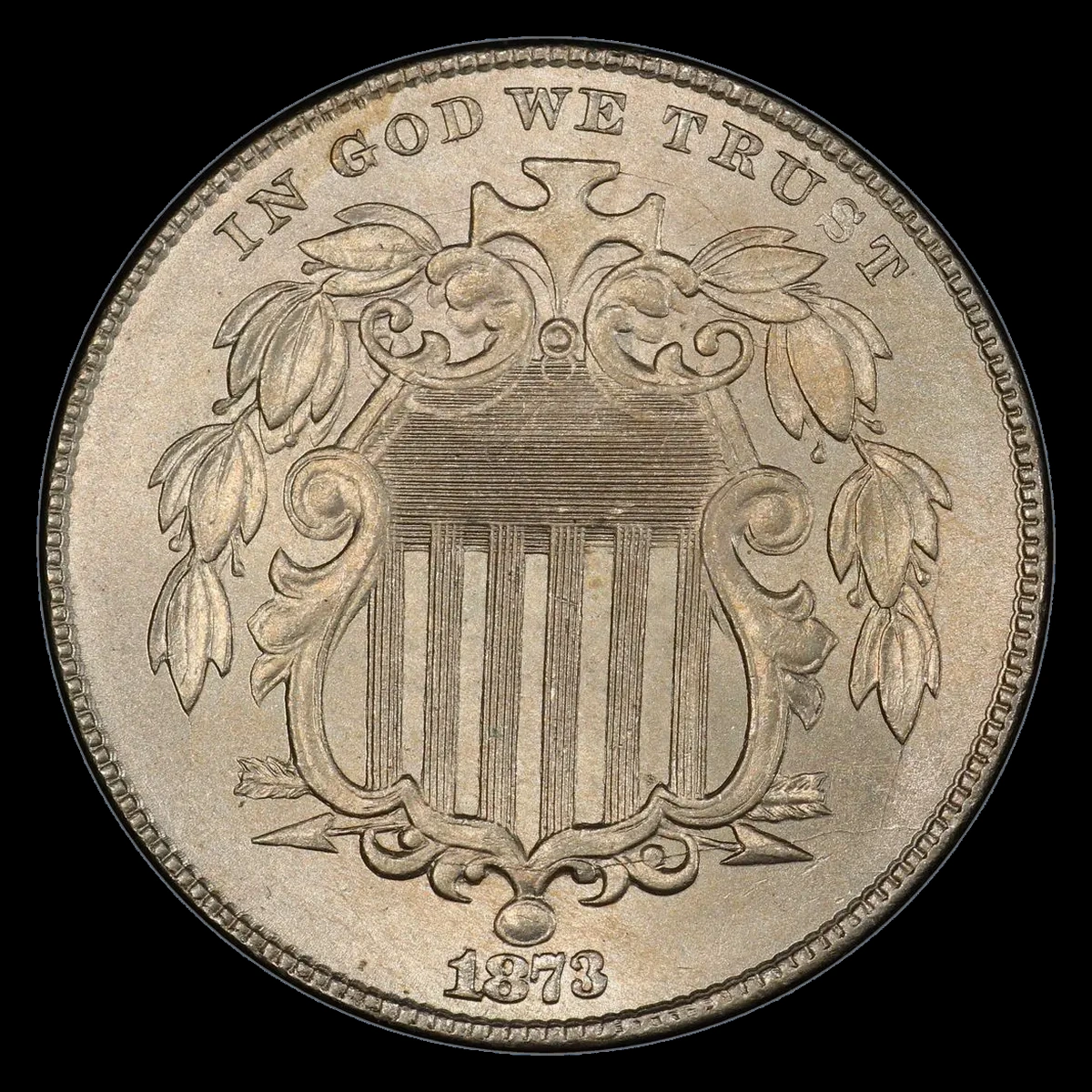
The Open 3 discovery described by NGC has strong repetition at the cross and small ring above the shield. An earlier design impression lies toward the lower-right, with extra outlines continuing into the shield and nearby leaves.
The separate Closed 3 FS-102 variety has its own strong shield doubling. Repetition was built into each die during preparation, rather than requiring two blows on the finished coin.
How to Identify
Use the NGC discovery photographs to compare the Open 3 cross and ring together. Follow the lower-right repeated contours into adjacent features.
For Closed 3 FS-102, select an image of that specific shield pattern. Flat shelves or one thick leaf cannot replace the correct multi-feature match.
What It’s Worth
Documented doubled designs are estimated at $150–$3,500. Strength, variety, grade, and surfaces guide the comparison.
A Closed 3 FS-102 graded PCGS MS64 with CAC approval sold for $2,880 in March 2021. That result belongs to the Closed 3 coin, not to NGC’s separate Open 3 discovery.
Conclusion
On an 1873 Shield nickel, the normal date style comes before the variety match. Extra digits near the ball, repunched numeral edges, doubled shield contours, and raised crack lines each require their own evidence.
The cent-blank sale anchors the high end of these very different comparisons. Keep the unconfirmed off-center and cud reports conditional, and distinguish a seller’s request from an actual transaction when assessing a coin with several features.