Rare 1897 Dime Errors (List & Pictures)
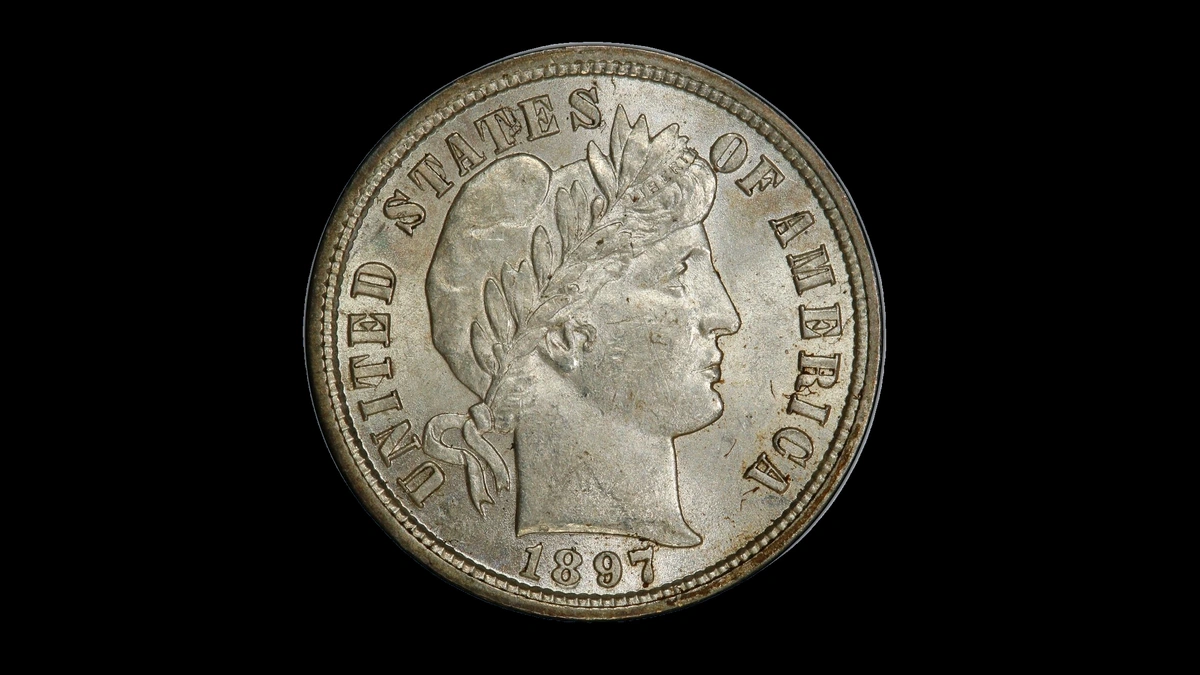
A small extra date stroke and a step around the edge record different kinds of 1897 Barber Dime errors. Four groups appear below, with estimated whole-coin values of $30–$2,000.
The documented 12% off-center dime sold for $517.50 in January 2005. Start with the date, inspect any missing edge metal, and then compare the edge levels and centering of both faces.
| Clue | Type | Estimated range |
|---|---|---|
| Earlier numeral remnants | Repunched date | $30–$900 |
| Small missing edge section | Rim clip | $40–$400 |
| Two edge levels | Partial-collar strike | $250–$1,000 |
| Bare margin and lost design | Off-center strike | $250–$2,000 |
A normal dime starts at 2.50 grams and about 17.9 mm, with grooves around its edge. Use recorded measurements for sealed examples and allow for wear on loose coins.
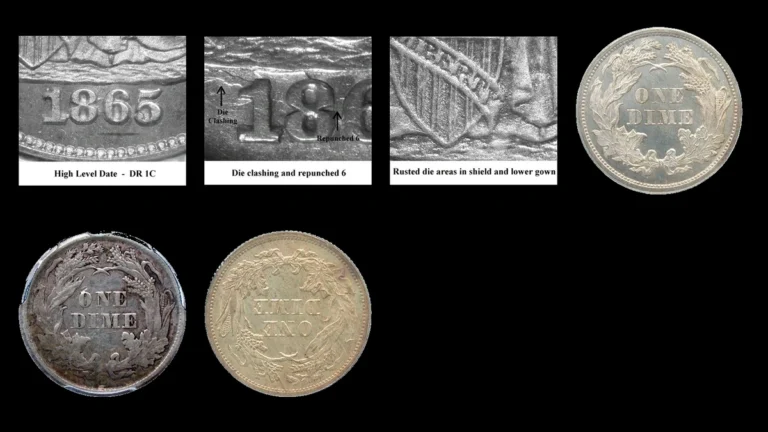
1. 1897 Dime Raised Number Pieces Remain beside the Date: Repunched Date Error
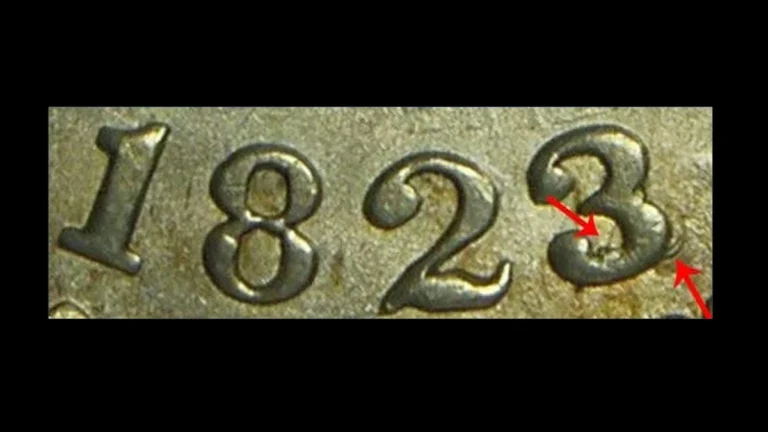
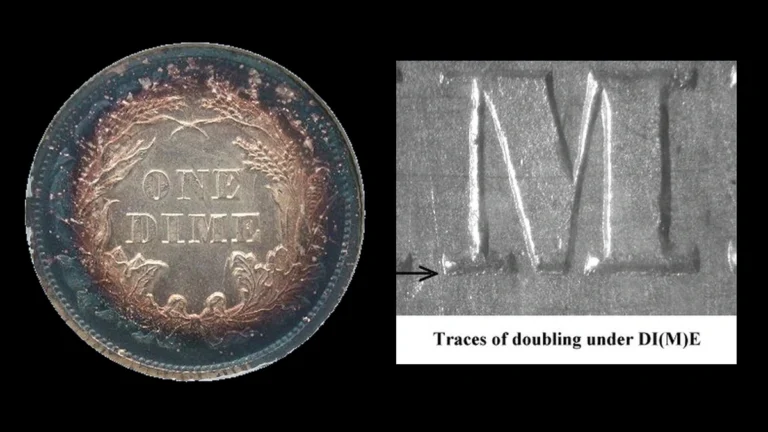
PCGS lists Philadelphia varieties FS-301, FS-302, and FS-303. Each has its own arrangement of earlier date fragments left by a repositioned punch in the die.
The die carried both the final numbers and the surviving pieces before striking. The three catalog numbers do not mean a coin received three blows.
How to Identify
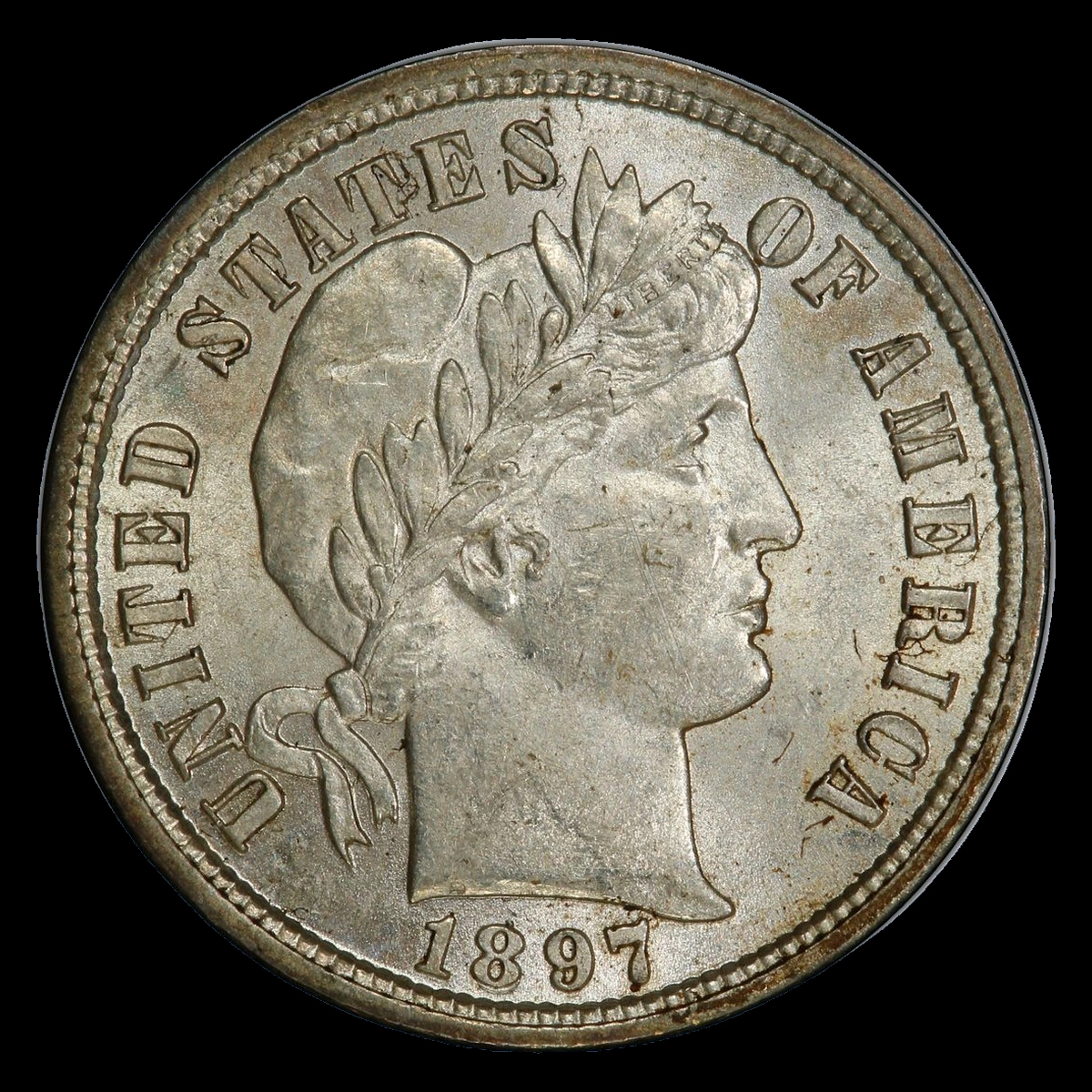
Examine the full date before choosing a reference such as PCGS FS-301. Each extra raised stroke should fit the same numeral shape and position as that one pattern.
Do not combine a fragment from FS-301 with another from FS-302 to manufacture a match. A scratch or flat shelf has a different form from the earlier raised digit.
Confirm the Philadelphia reverse without O or S beneath the wreath. Keep both faces with the date close-up so the underlying coin remains identifiable.
What It’s Worth
$30–$900 is an estimated range from readable worn coins through attractive lower-grade unworn examples. Clear original fragments and good surfaces can support stronger interest.
An 1899-O with a repunched mintmark in AU Details sold for $115 in May 2023. That different-year letter variety is broad context, not a sale of these 1897 date patterns.
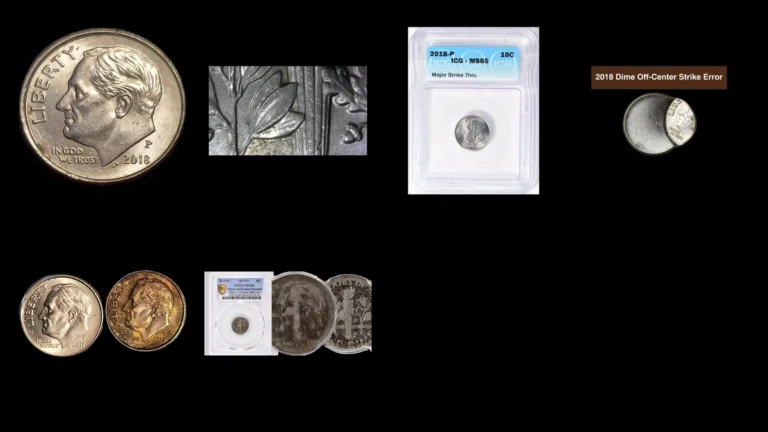
2. 1897 Dime A Small Part of the Rim Is Missing: Clip Error
The recorded Philadelphia clip is ANACS VF35 and weighs 2.43 grams. That is below a normal dime’s starting weight, but wear or a later cut can also reduce weight.
A genuine clipped blank was incomplete before the press gave it a design. The strike shaped the remaining metal around the gap.
How to Identify
Look at both ends of the opening under magnification. Original design should meet the boundary without saw marks or a freshly cut finished rim.
Check the opposite rim for possible weakness and inspect the surviving edge grooves. The recorded 2.43 grams supports the specific coin’s description rather than proving every light dime has a clip.
What It’s Worth
$40–$400 is an estimated range for worn through attractive lightly worn clips. The VF35 auction entry identifies the coin without supplying a sale result used here.
An undated clipped silver dime blank sold for $59 in March 2025. Because it was unstruck, it is a related metal-flaw comparison rather than a dated 1897 transaction.
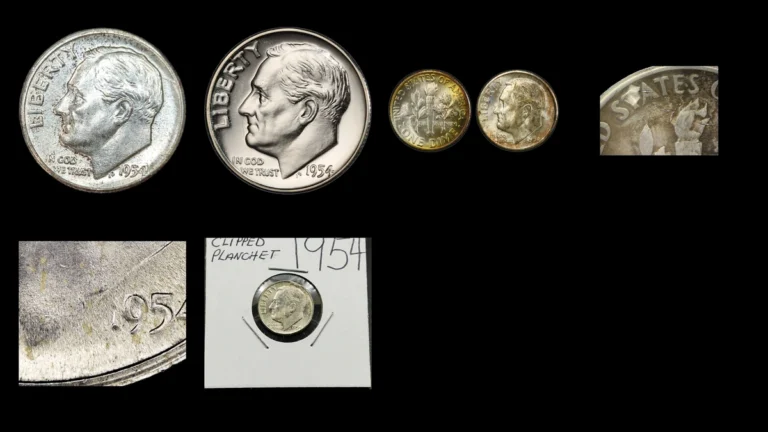
3. 1897 Dime A Step Separates Two Edge Levels: Partial-Collar Strike Error
Only part of the blank met the collar, the ring that controls width and makes the edge grooves. The unsupported part spread farther, creating the stepped edge often called a railroad rim.
Northeast Numismatics lists an NGC MS62 example. The source does not give a clock position for its step.
How to Identify
View the edge from several angles and follow the transition between normally grooved metal and the expanded level. Both should belong to the original strike.
Filing can also create a shelf but may cut through grooves or leave tool marks. Check the faces for jewelry-mount damage or later pressure before accepting the edge shape.
What It’s Worth
$250–$1,000 is an estimated range for attractive worn through lower-grade unworn examples. The dealer’s MS62 is offered at $575.
That figure is an asking price rather than a completed sale. A clear natural step and undamaged surfaces make a stronger comparison than a faint edge change on a damaged coin.
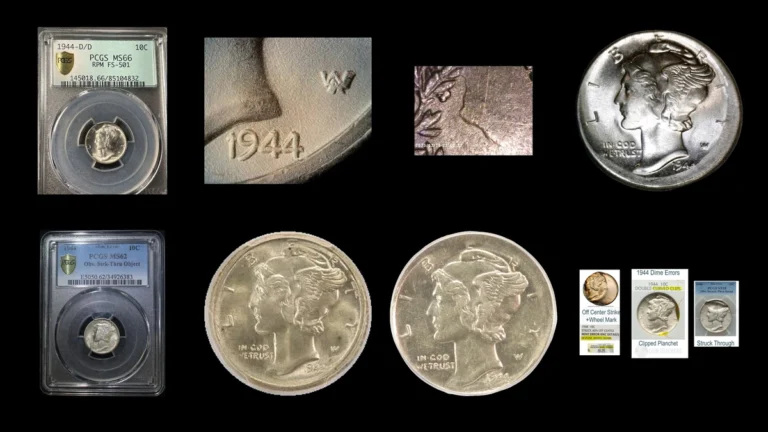
4. 1897 Dime The Design Shifts toward Three O’Clock: Off-Center Strike Error
The auctioned AU53 has a 12% shift toward three o’clock and retains a readable date. Its blank was misplaced, leaving some design beyond the metal and a bare area on the other side.
A separate historical report describes a 15% shift in the same direction. Sharing a direction does not establish that both descriptions refer to one specimen.
How to Identify
Compare the incomplete designs and untouched margin on both faces. If only one face is displaced, a misaligned die may be the better explanation.
The AU53 catalog notes extra relief at the bases of right-side letters caused by metal movement during the strike. That local effect is not a separate doubled-die variety.
Keep the date, bare margin, and surviving edge together in photographs. Inspect for filing or flattening that would alter the original relationship.
What It’s Worth
$250–$2,000 is an estimated range for readable-date examples from circulated through lower-grade unworn condition. The 12% AU53 sold for $517.50 on January 15, 2005.
A different 1902 off-center dime in ANACS AU50 brought $561.20 in June 2026. Neither sale assigns a price to the separate 15% report.
Conclusion
Read the date pattern as one complete variety, then use the edge to distinguish missing metal from a collar-made step. Off-centering needs corresponding design loss and bare metal on both faces.
Keep the VF35 clip, MS62 dealer offer, and AU53 auction sale attached to their own specimens. Their measurements, condition, and price records cannot be combined into one imagined coin.