Rare 2015 Penny Errors (List & Pictures)
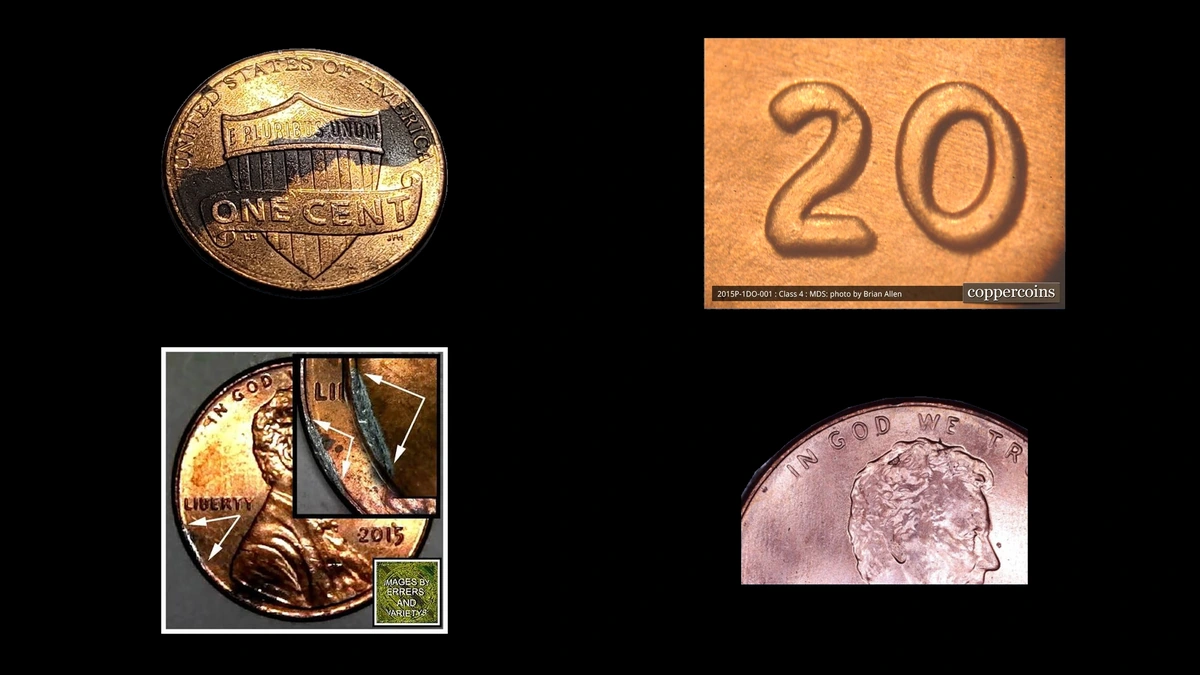
Silver-gray color is a starting clue on a 2015 penny, not an identification. It could expose the zinc beneath its copper coating, while a genuine dime blank would have a different metal structure.
The estimated whole-coin values for these 2015 penny errors span $2–$2,000. An older 1981-D cent on a dime blank sold for $372 in September 2025; the sections below explain which physical features make that comparison relevant.
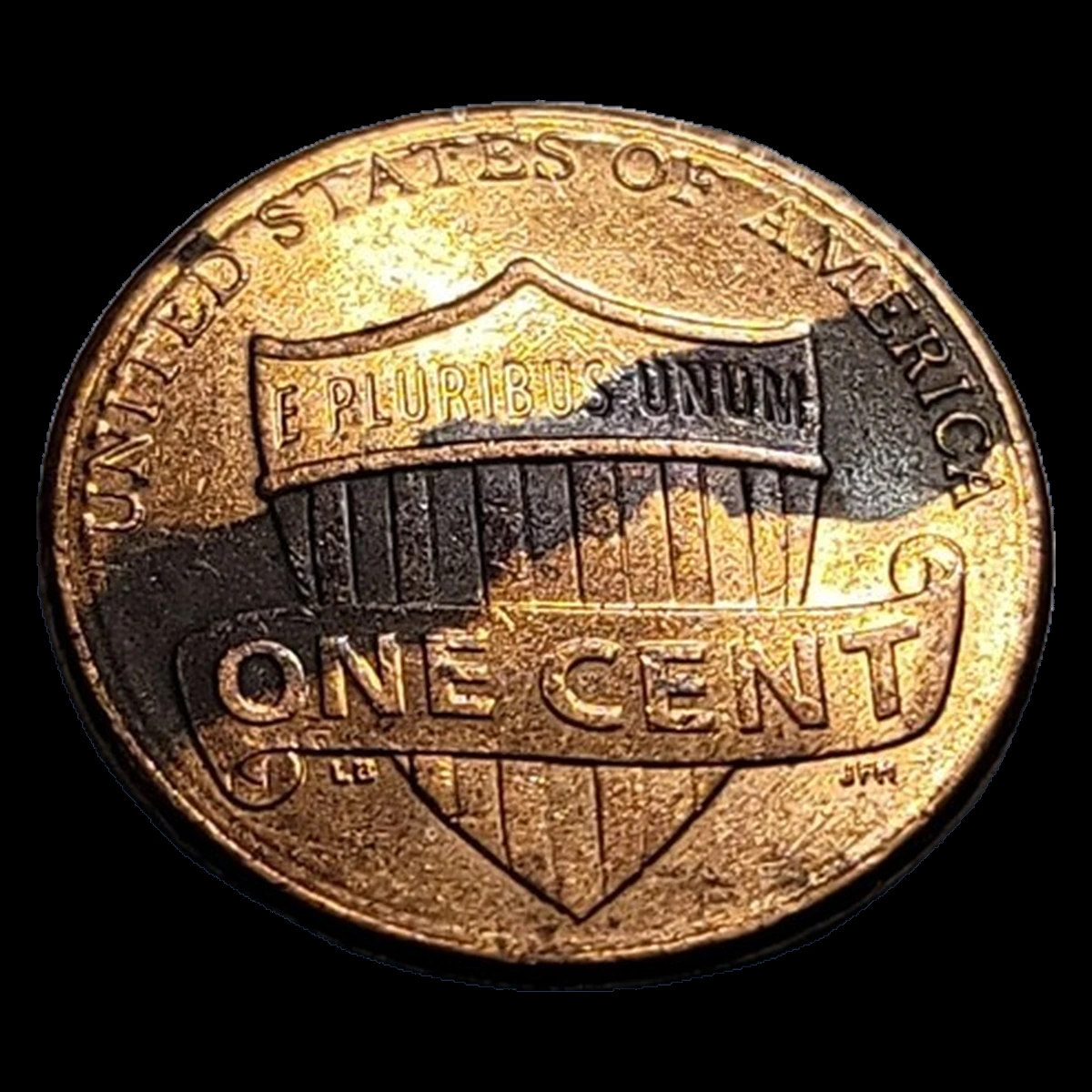
1. 2015 Penny Copper Lifts from a Gray Center: Plating Separation Error
The reported 2015-D defect involves a thin copper coating separating from the zinc beneath it. Some descriptions call it lamination, although that word also describes internal splits in older solid-alloy coins.
For this penny, examine the outer coating first. Scraping, chemicals, and corrosion can also expose the same gray center after the coin leaves the Mint.
How to Identify
Leave a loose flap attached and inspect its boundary under angled light. The attachment and nearby surface are useful evidence that prying would destroy.
Look for scraped grooves, powdery corrosion, or damage extending beyond the bare zinc. A genuine production-related separation must be distinguished from those later causes.
A normal cent weighs 2.50 grams and measures 19.05 millimeters, with a smooth edge. Because only a thin layer is involved, a weight near normal does not rule out separation, while a large loss suggests another problem too.
What It’s Worth
$10–$150 is the estimated range after the separation is identified as a production defect. Small confirmed breaks fit nearer the lower end.
A larger clear defect with sharp surrounding design may attract more interest. No specific 2015-D sale is supplied, and ordinary peeling from corrosion does not automatically qualify.
2. 2015 Penny Dark Color Covers an Otherwise Unusual Surface: Reported Annealing Error
Annealing means heating metal during production to change how it behaves. The reported 2015 category names that manufacturing cause rather than one particular color.
A finished penny can also darken through fire, chemicals, or environmental exposure. Color photographs alone cannot establish when the change occurred.
How to Identify
Compare the candidate with a normal 2015 cent under neutral light, including both faces and the edge. Check rough areas for flaking, crusts, and other signs of later exposure.
Ordinary measurements can help reveal additional damage, but they cannot prove why a surface changed color. Keep it unpolished so the original evidence remains available.
The useful identification is a professional written diagnosis naming a production-related annealing error. “Discolored” alone is an observation, not the same conclusion.
What It’s Worth
$30–$250 is the comparison estimate for a professionally confirmed production-related annealing error. Intact surfaces and a strong visible effect support the higher portion.
No 2015 auction result is assigned to this range. A dark stain without that diagnosis normally adds no corresponding mint-error premium.
3. 2015 Penny Lincoln’s Design Is on a Smaller Metal Blank: Reported Dime-Planchet Error
A cent struck on a dime blank combines Lincoln’s design with a smaller piece of layered dime metal. Some outer lettering may never fit on the blank.
The 2015 error list describes a Philadelphia example without an independently confirmed sale supplied here. This concerns an unstruck blank, not a cent design struck over a finished dime.
How to Identify
Compare weight and width with the dime-blank standards of about 2.268 grams and 17.9 millimeters. The cent standards are 2.50 grams and 19.05 millimeters, although striking on the wrong blank can spread its outline.
Inspect the edge for the dime’s layered construction. Do not require finished dime grooves, because an unstruck blank has not already received a dime’s complete edge treatment.
A stripped penny exposes gray zinc instead of the dime’s metal layers. Filing, corrosion, or removed copper must be ruled out before unusual size or color supports the wrong-blank claim.
What It’s Worth
$300–$2,000 is the estimate for an authenticated 2015 cent on an identified dime blank. It is not a claimed sale range for confirmed 2015 examples.
The 1981-D dime-blank cent sold for $372 in September 2025. Its older Memorial reverse and known blank make it a comparison, while a stripped ordinary zinc cent does not qualify.
4. 2015 Penny Letters or Shield Details Have Extra Edges: Doubled Die Error
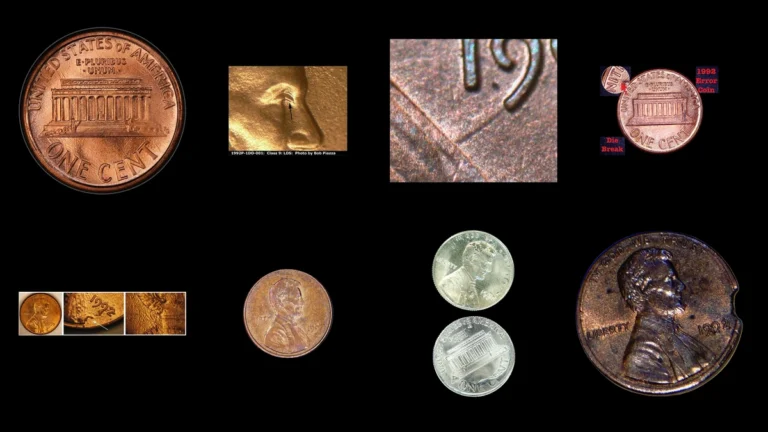
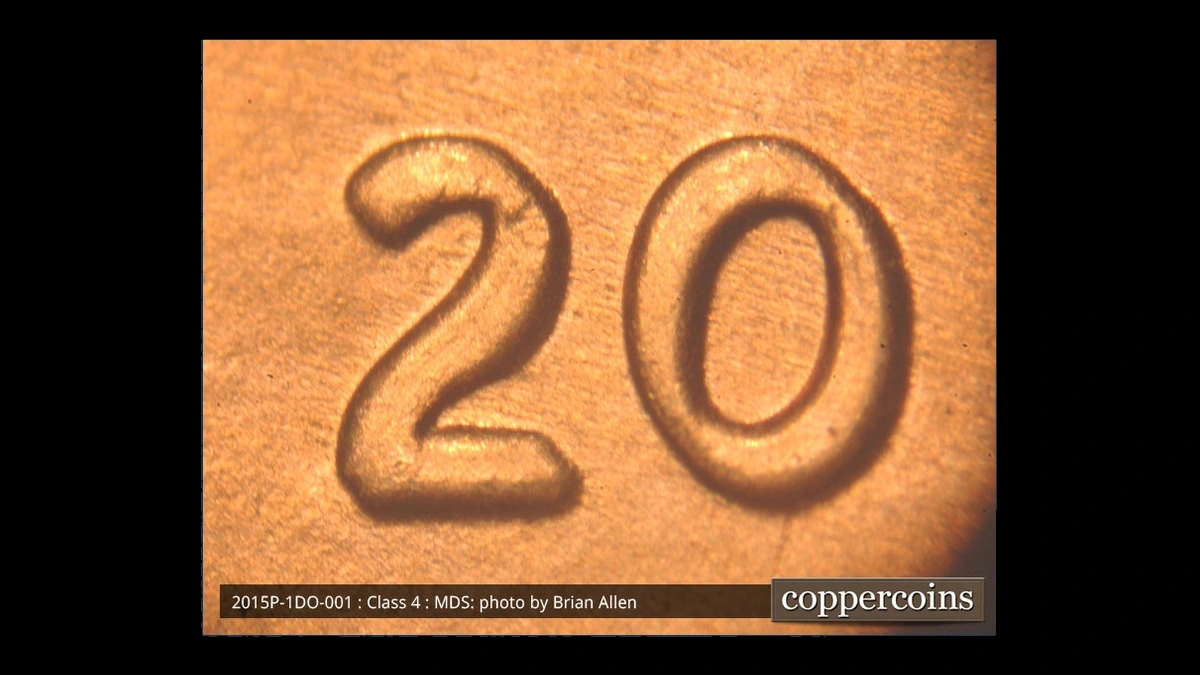
The 2015 front reports concern the date and LIBERTY, while reverse reports mention shield lines and ONE CENT. A repeated feature on one face does not establish doubling on the other.
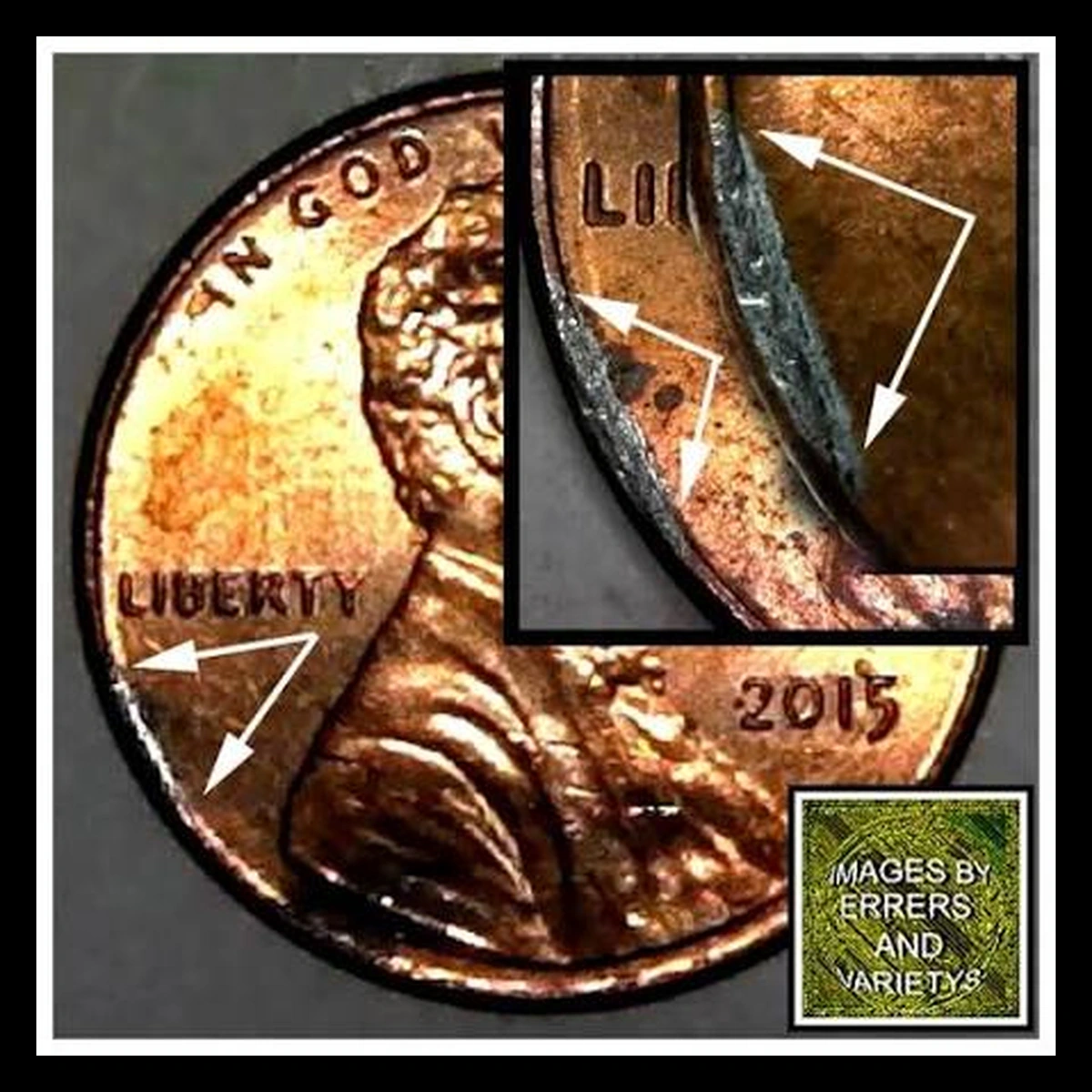
A doubled die carries the repeated design before it strikes the coin. Movement during striking can instead leave a flat shelf, and split copper plating can expose a bright border that only looks doubled.
How to Identify
Change the light and follow the shape of the extra detail rather than its brightness. An actual second contour remains in the metal when a reflection moves.
Inspect the date and LIBERTY separately from the reverse words and shield. Match the precise pattern to a confirmed example from the same variety.
A low flat ledge that reduces the original letter differs from rounded repeated relief. Gray zinc visible beside torn copper is also a coating clue, not proof of a doubled design.
What It’s Worth
$10–$50 is the estimate for a clearly identified minor doubled die. Stronger separation on an attractive unworn coin can support about $50–$150.
The upper range is based on comparable modern cents rather than a documented 2015 auction result. An enlarged bright edge needs identifiable repeated shape before it receives the same comparison.
5. 2015 Penny Lincoln’s Traces Appear on the Shield Side: Die Clash Error
The reported 2015-D clash concerns faint pieces of the opposite design on the reverse. It does not require the coin itself to have been struck twice.
The two dies met without a blank between them and picked up contact marks. Later coins could receive those incomplete traces along with their normal design.
How to Identify
Locate the extra lines on a full reverse photograph before trying to name their shape. Compare them with Lincoln’s design and the way the opposing tools face each other.
A recognizable fragment in a matching position is stronger evidence than several stray marks. A deeply pressed backward impression can also result from someone squeezing finished coins together.
Inspect the nearby surface for damage from such later pressure. The clash explanation must fit both shape and placement.
What It’s Worth
$5–$30 is the estimate for a faint but identifiable clash. More visible examples with readily recognized traces may fit $30–$100.
These are working comparisons with modern cent clashes, without a recorded sale of the reported 2015-D. Random scratches or later pressed marks do not belong in the same range.
6. 2015 Penny Sharp Details Surround a Weak Patch: Struck-Through Error
Material between a blank and die can prevent one area from receiving the design normally. Soft material may blur detail, while something firmer can leave a more distinct impression.
The reported 2015 category does not establish every blocking object. A groove alone cannot show that a wire was present.
How to Identify
Compare the patch with Lincoln’s high points and nearby lettering. Broad wear across exposed areas is different from a local interruption among sharper original details.
Study the boundary for cuts or pushed-up metal from a later gouge. A preserved shape can help identify an obstruction, but an indistinct mark should remain broadly described.
Normal weight is compatible with a blocked strike because the blank need not lose metal. Measurements support the coin’s identity without determining the object that made the impression.
What It’s Worth
$10–$300 is the estimate from modest blocked detail to a large clear impression. Shape, depth, preservation, and how much original design survives affect its appeal.
A 2021-D penny described as struck through grease sold for $84 in September 2025. That later Shield-cent result is a comparison, not a sale of the reported 2015 example.
7. 2015 Penny Raised Lines, BIE, or a Rim Lump Appear: Die Cracks and Cuds Error
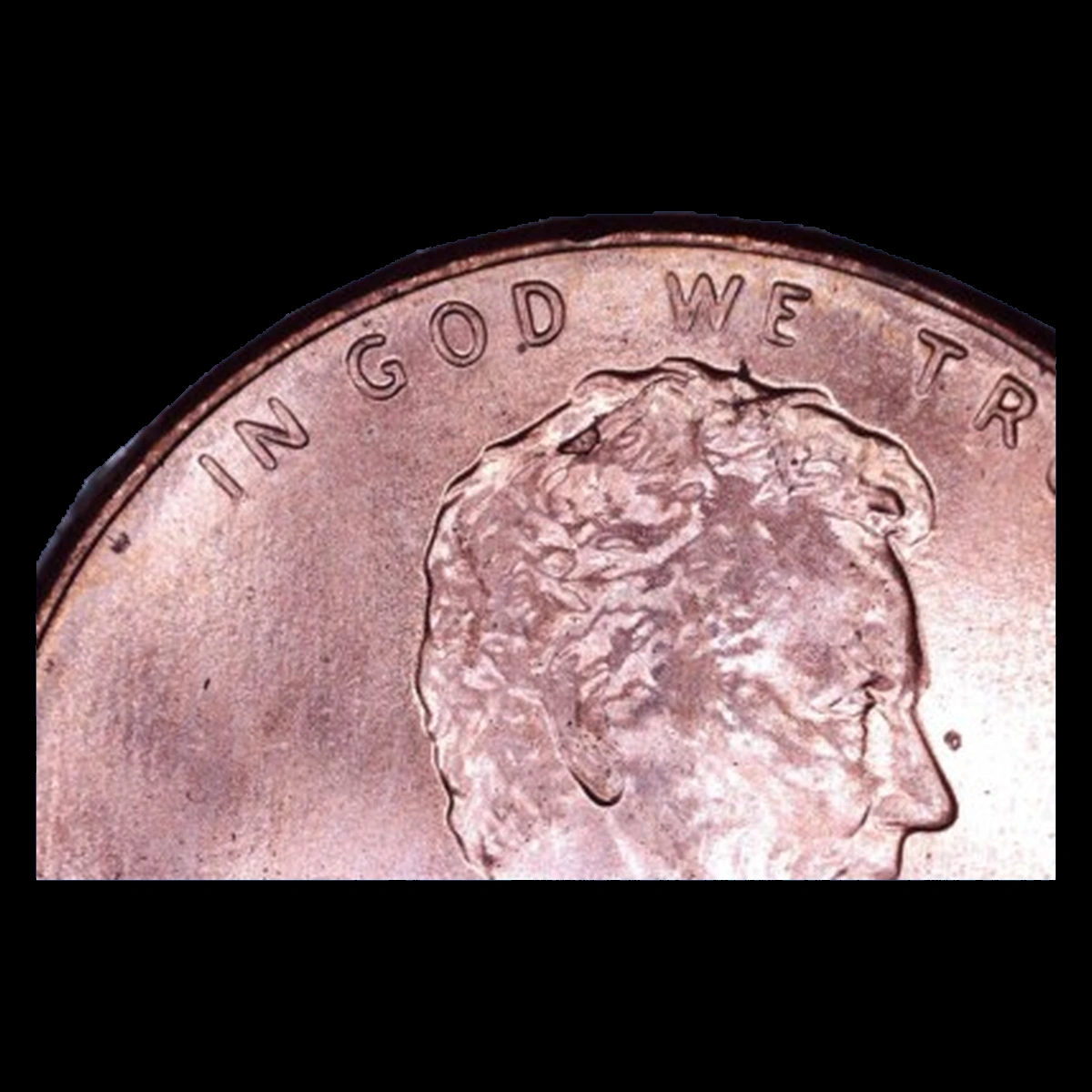
A damaged die can leave a raised line where its steel cracked or a bump where a small piece broke away. Between B and E of LIBERTY, an I-like bump is called BIE.
A larger break connected to the rim is called a cud, including the reported 2015-D category. An isolated interior blob does not become a cud simply because it is large.
How to Identify
Use side lighting to distinguish a solid raised feature from a recessed scratch. For BIE, inspect whether the extra bar is part of the original struck metal rather than dirt.
For a cud, follow the patch all the way to the rim and check where it replaces normal design. Impacts or added material can create raised areas with different boundaries.
Keep the feature’s actual shape in the description: line, interior bump, or rim-connected break. The names describe different stages of die damage.
What It’s Worth
$2–$50 is the estimate for small cracks and BIE chips. Clear rim-connected cuds can fit about $50–$400.
A 2021-D retained-cud cent brought $186 in September 2025, when the broken die piece was still partly in place. The supplied Heritage results provide context for a larger break, not a price record for every tiny 2015 chip.
8. 2015 Penny A Wider Border Surrounds Complete Design: Broadstrike Error
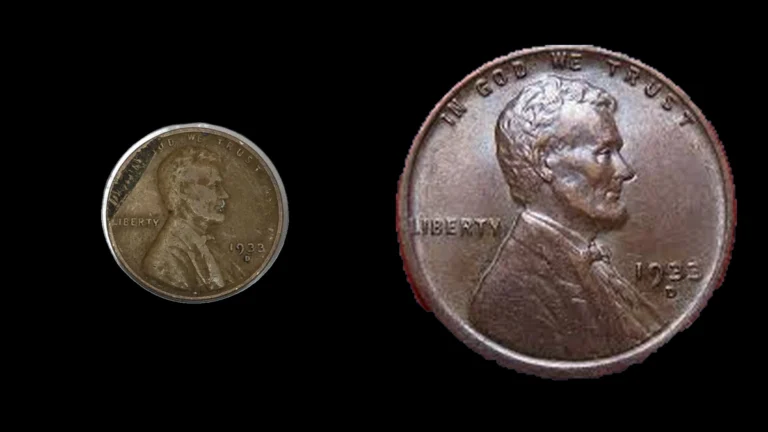
The collar normally limits the blank’s outward spread. If the coin is struck without that restraint, its outline can become wider and uneven.
A broadstrike retains the full intended design even when it is not perfectly centered. Later flattening can also increase width, but damages a design that was already finished.
How to Identify
Measure several widths against 19.05 millimeters, then trace the date, outer lettering, and shield. The complete design should stay within the naturally expanded border.
Check the high points and edge for scraping, crushing, or pressure marks. A smooth edge is ordinary for pennies and does not prove a collar problem.
The full blank can remain near 2.50 grams despite its larger diameter. Weight and width are useful together with the original striking evidence.
What It’s Worth
$20–$300 is the estimate for a genuine 2015 broadstrike. Modest spread on a worn coin fits nearer the lower end than a bold clean example.
No named 2015 sale is supplied for this range. Enlarging a penny after minting does not create the same collector value.
9. 2015 Penny Both Designs Miss Part of the Blank: Off-Center Strike Error
The reported 2015-D has displaced design beside an unstruck crescent. The blank sat too far to one side when the dies came together.
The report supplies no exact percentage or direction. Those details need to be observed on the actual coin rather than borrowed from another offset example.
How to Identify
Read 2015 and D, then turn the coin over to compare the corresponding shield-side displacement. A centered back behind one uneven front border suggests a different die-position issue.
Trace the boundary between struck and blank metal. The plain area should retain original surface rather than show filing that removed finished design.
Keep the whole outline in the photographs and allow for spreading when measuring. The date, mint, missing design, and blank crescent should all belong to the same specimen.
What It’s Worth
$20–$100 is the estimate for small clear offsets. Larger attractive shifts with a readable date may fit about $100–$500.
The ranges compare modern cent striking errors, without assigning an auction result or measured percentage to the reported 2015-D. Remaining date detail and original surfaces matter alongside the size of the shift.
Conclusion
On a 2015 penny, check the metal structure before treating gray color as evidence of a wrong blank. Thin copper separation and layered dime metal are different physical features.
For design errors, match the repeated or transferred shape, and distinguish naturally spread metal from an off-center blank. The useful price comparison is the one that fits the entire coin’s cause, condition, and surviving detail.