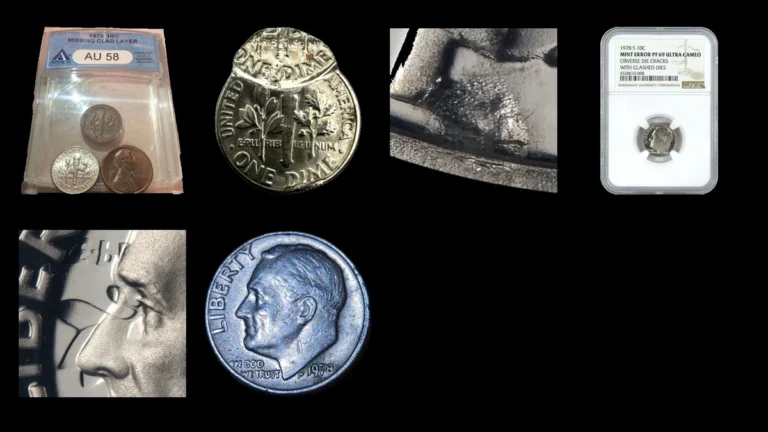
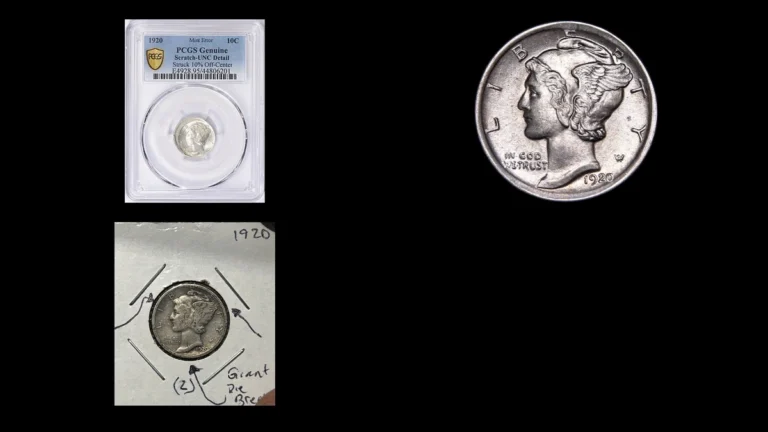
Rare 1936 Dime Errors (List & Pictures)
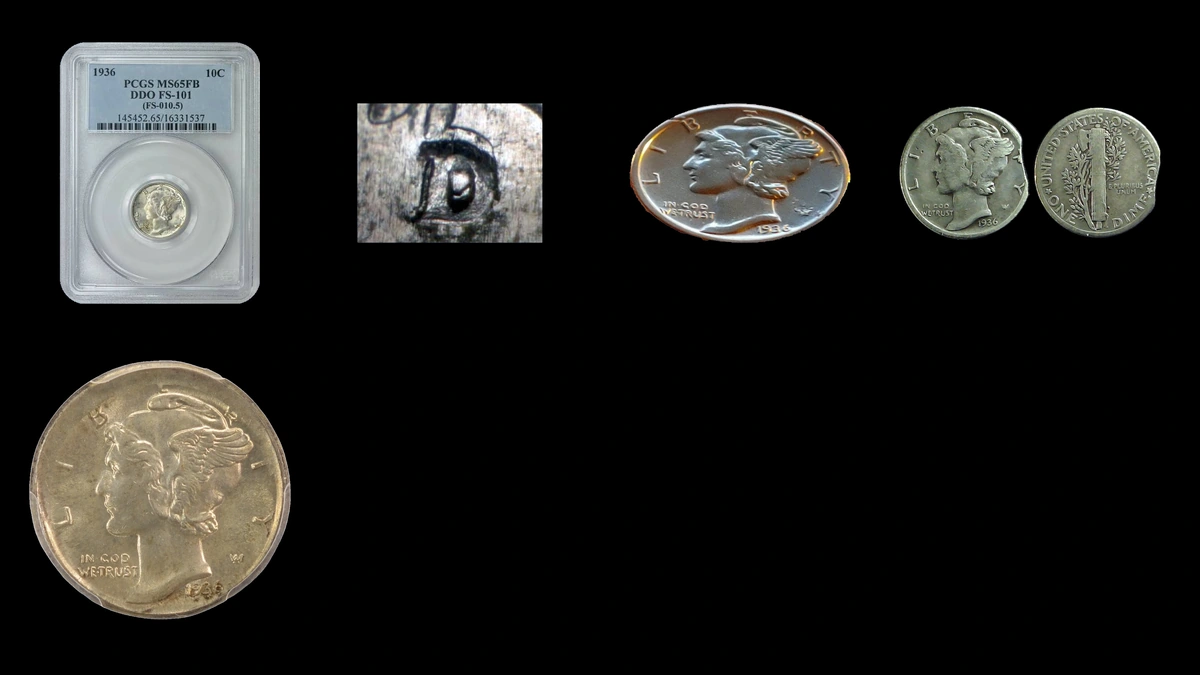
AW near Liberty’s neck is the designer’s initials, while a D or S mintmark belongs on the reverse. Knowing those locations helps when examining 1936 dime errors, including doubled designs and repunched mint letters.
Estimated values run from $10–$2,000. A documented 20% off-center dime realized $345 in February 2005; begin with the small design details, then examine the silver, edge, and position of the whole image.
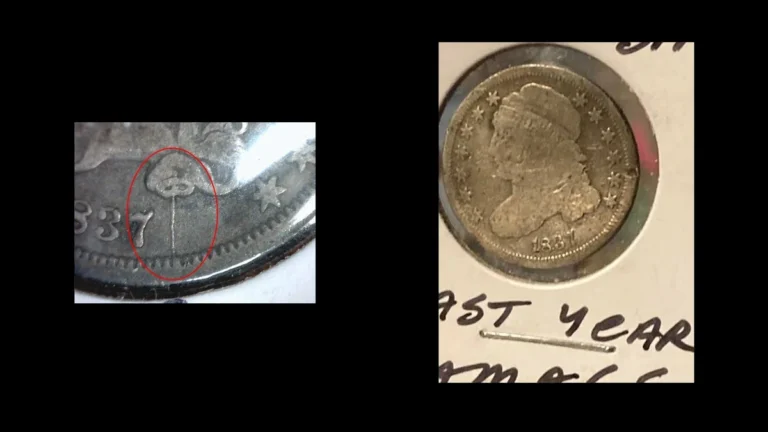
1. 1936 Dime Extra Outlines on the Date, Motto, or AW: Doubled Die Error
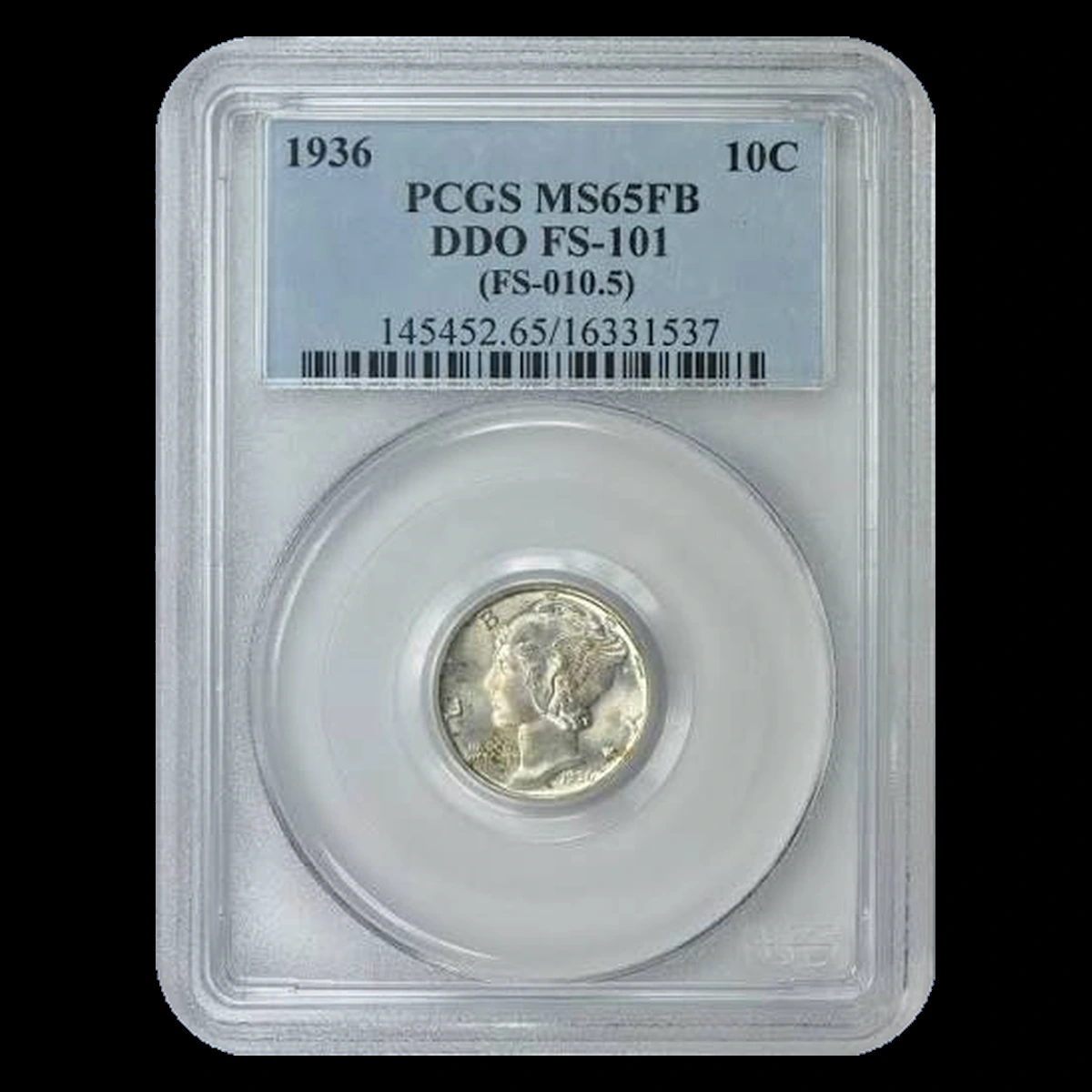
Philadelphia FS-101 affects the date, IN GOD WE TRUST, and AW. Other Philadelphia varieties have their own patterns, and Denver also has cataloged front doubling.
A doubled die carries repeated design in the steel tool before striking. Certain Denver dies pair that front duplication with a separately repunched reverse mintmark.
How to Identify
Use the 1936 Mercury dime reference photographs to match several areas rather than one thick digit. FS-101 needs the date, motto, and initials compared together before small die markers can support it.
Denver WDDO-001 pairs lower-9 doubling with an upward repunched D, while WDDO-002 has a different date pattern paired with a D repeated to the right. Keep these two combinations separate and inspect each mintmark independently.
What It’s Worth
$25–$1,500 is an estimated range across identified Philadelphia and Denver varieties in different conditions. Full Bands describes sharply formed reverse bands, not an extra error to add to a doubled-die price.
2. 1936 Dime A Second D or S Impression: Repunched Mintmark Error
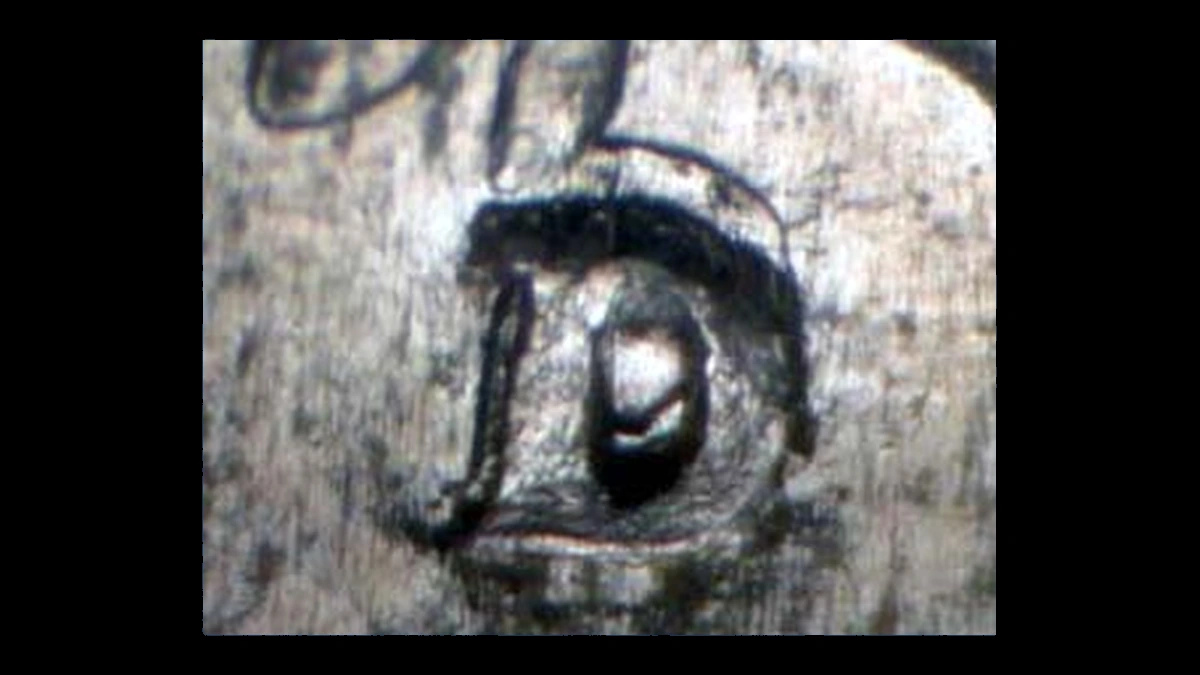
Mint letters were hand-punched into the dies, and a repeated punch could leave overlapping letter remnants. Denver FS-501 has extra D detail above and left of the main mintmark.
Other Denver patterns show lower, sideways, or tilted remnants. A San Francisco report also names repunching without specifying one S pattern or direction.
How to Identify
Find the mintmark at the lower left of the reverse rods, keeping that side upright. For FS-501, compare the shape of the raised remnants above and left with actual portions of another D.
A direction alone cannot identify every Denver variety, and an S needs a San Francisco reference. Flat mechanical-doubling shelves, scratches, and unrelated lumps are different from coherent extra letter strokes.
What It’s Worth
$15–$600 is a working estimate for correctly attributed repunched mintmarks. Clear overlapping letters and preserved surfaces make a better comparison than an indistinct worn mintmark with a seller’s D/D or S/S label.
3. 1936 Dime Unexpected Traces near the Eye and Lips: Die Clash Error
A Philadelphia variety is cataloged with clash marks around Liberty’s eye and lips at a particular stage of die use. The same die also produced a minor doubled date, but the two features have different causes.
Clash marks can develop when the dies contact one another without a blank between them. Later coins receive traces transferred from the opposing design.
How to Identify
Compare full-size photographs of both faces and ask which reverse shapes could explain the front traces under normal alignment. Avoid turning a tiny isolated crop freely until a scratch resembles something meaningful.
Follow several related marks under changing light and photograph the date separately. A matching doubled date does not turn every nearby line into a clash, and neither feature establishes two strikes of the coin itself.
What It’s Worth
$20–$400 is estimated for ordinary-grade Philadelphia examples with identifiable clashing. The associated doubled date belongs to the same coin, so two maximum estimates should not be added together.
4. 1936 Dime Raised Ridges or a Wing-Tip Lump: Die Cracks and Chip Error
Philadelphia reports include a crack from the upper rim into the head and a separate lower-left-rim-to-portrait route. A different die has a small wing-tip chip above the T in LIBERTY.
A Denver crack descends from the final T of TRUST toward the rim. Each route belongs to its own die and stage of wear, not one required network of lines.
How to Identify
Use the specified letters as landmarks, then inspect the mark’s center under side lighting. Metal that entered a die crack forms a ridge, while a scratch may have raised lips beside a recessed cut.
For the chip, confirm that extra metal at the wing tip belongs to the struck surface rather than a deposit over it. Match the correct mint and route before using a photograph as evidence.
What It’s Worth
$10–$150 is estimated for small genuine cracks and wing-tip chips on ordinary-grade coins. Some affected dies also have doubling or repunched letters, so assess the entire attributed coin rather than treating every mark as an independent premium.
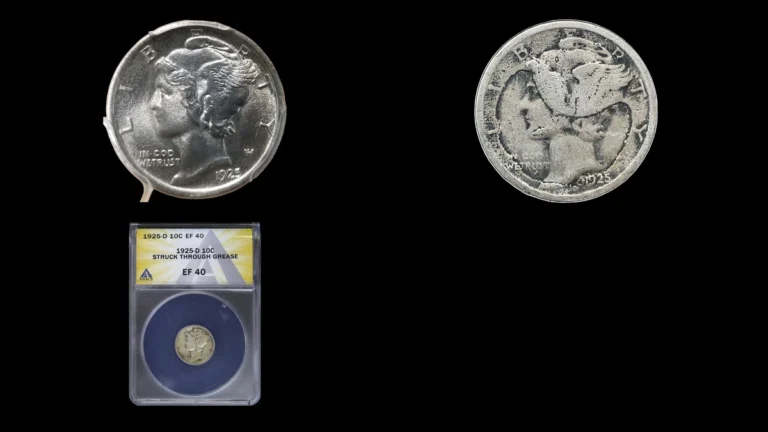
5. 1936 Dime A Peeling Layer of Silver Alloy: Lamination Error
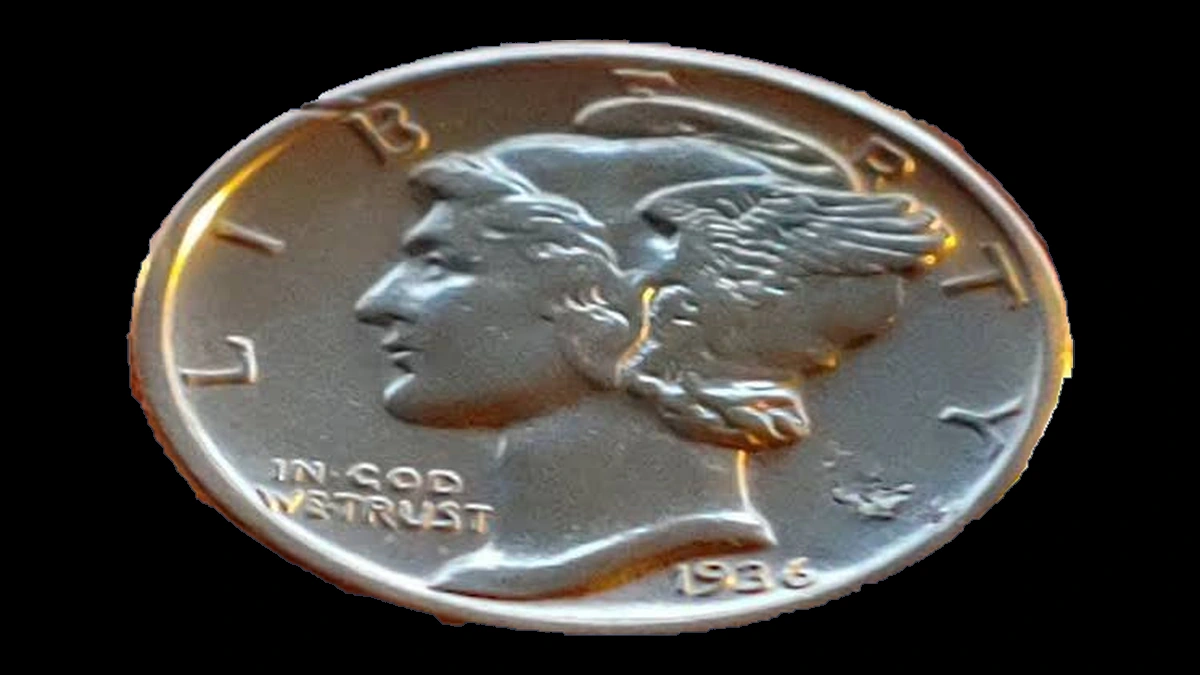
Year guides and a seller listing report surface lamination without fixing the mint or affected area. A weak layer in the metal may lift as a thin flap or leave a patch after the fragment separates.
A normal 1936 dime contains 90% silver mixed with copper throughout. It does not have the separate copper-nickel coverings found on modern clad dimes.
How to Identify
Follow the boundary under angled light and see how the original design meets the thin separation. Leave an attached flap in place instead of lifting it to search underneath.
Inspect nearby areas for corrosion, polishing, or a scraped channel that could explain later damage. Both-face photographs should preserve the date and reverse mintmark area along with the defect.
What It’s Worth
$15–$300 is a conditional estimate for confirmed lamination on an ordinary circulated or modestly unworn dime. An intact peeling boundary is more informative than a vague rough patch with no established cause.
6. 1936 Dime A Gap in the Outline: Clipped Planchet Error
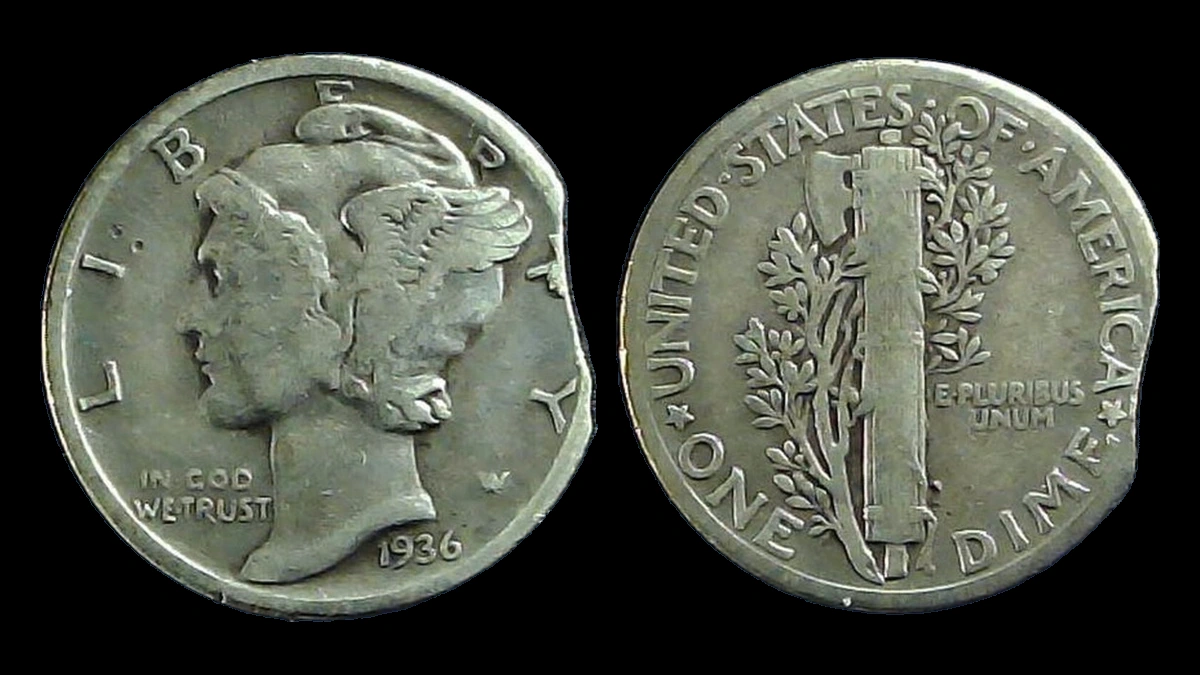
GreatCollections listed a 1936 Mercury dime with a clip in ANACS XF40. The blank was incomplete before striking, but the supplied listing text does not establish a curved shape or a particular clock position.
How to Identify
Inspect how the rim approaches both ends of the gap, then examine the exposed thickness from the side. Saw tracks or filing through finished details can reveal later cutting.
Opposite-rim weakness can support a clip when present but is not required in every example. Use the actual coin’s outline and keep the readable date in view rather than assigning a familiar curved shape by assumption.
What It’s Worth
$25–$350 is an estimate for identified clips in circulated through modestly unworn condition. The XF40 record indicates wear with much design still visible, but no sale amount is supplied for that example.
7. 1936 Dime A Complete Design within Spread Metal: Broadstrike Error
A broadstrike occurs when the collar fails to restrain the blank during striking. The collar is the ring that normally controls the edge and diameter.
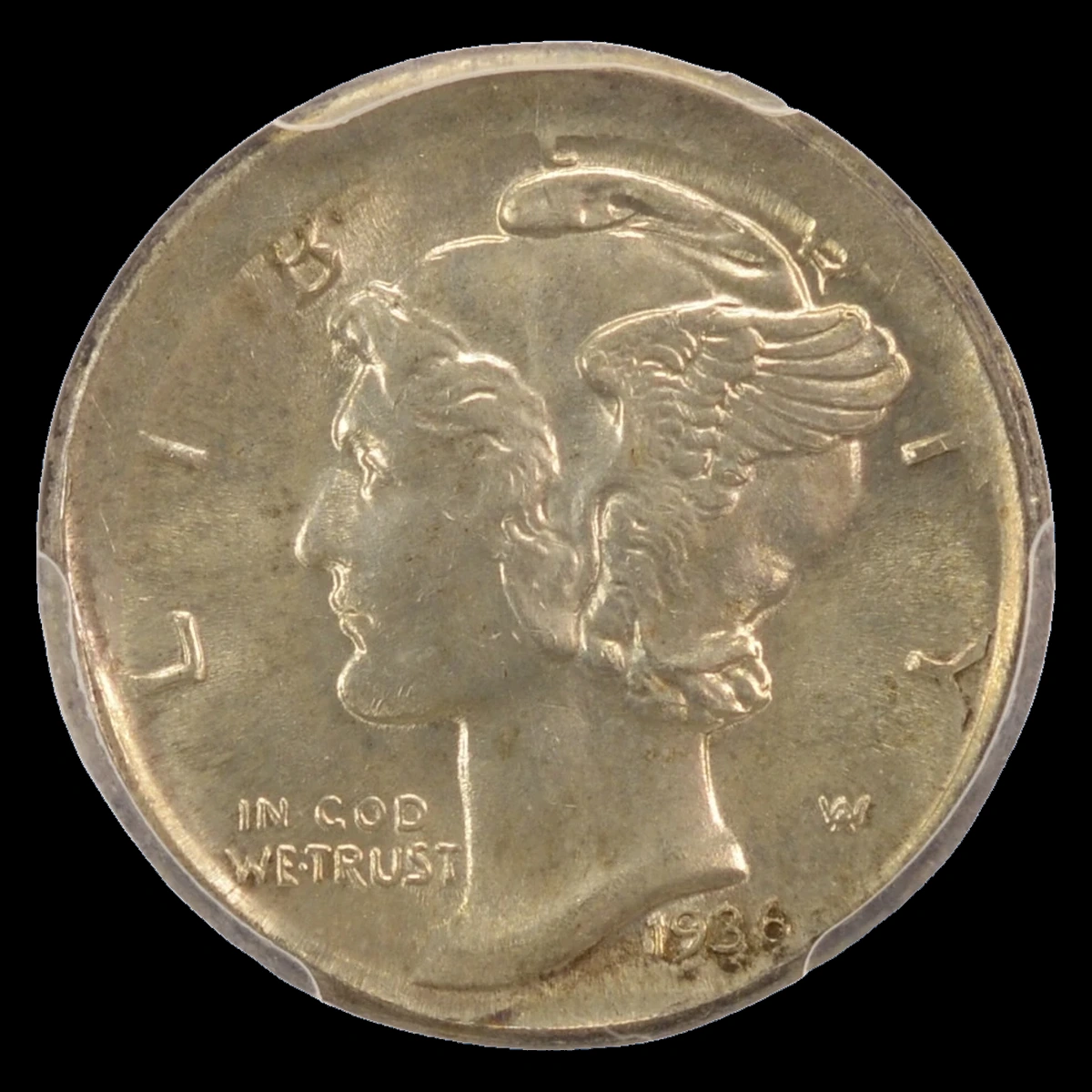
Sullivan Numismatics lists a PCGS MS64 example, while a separate auction record describes an MS62. Those are different unworn coins whose actual expansion and surfaces need individual comparisons.
How to Identify
Trace all outer lettering and date digits to confirm that the intended design fits on the metal. An incomplete design beside an untouched crescent points to an off-center strike instead.
A normal Mercury dime is about 17.9 millimeters across, but extra width alone proves little. Inspect the portrait, letters, and edge for natural spreading rather than crushed detail from later pressure.
What It’s Worth
$75–$750 is estimated across genuine broadstrikes with different expansion and preservation. A 1946 Roosevelt broadstrike in MS66 Full Bands sold for $99 in July 2021, a different-design silver-dime comparison rather than the price of Sullivan’s coin.
8. 1936 Dime The Image Moves toward 10 O’Clock: Off-Center Strike Error
The documented PCGS MS61 dime was struck 20% off center toward the upper left, or 10 o’clock. Part of the image missed the blank, leaving original unstruck metal beside the surviving design.
How to Identify
Read the year and follow the boundary between struck and untouched metal on both faces. Their positions should agree with one misplaced blank rather than a die shifted on only one side.
Inspect the crescent for grinding tracks or remnants of erased lettering. The documented direction and percentage describe this specimen, not every 1936 off-center dime.
What It’s Worth
$150–$2,000 is an estimated range for authenticated examples with varying displacement and preservation. The 20% PCGS MS61 sold for $345 on February 26, 2005.
The upper estimate requires a stronger overall comparison than merely sharing the error name. Readable identity and untouched surfaces remain important even on a dramatic shift.
Conclusion
Use the correct face and mint when studying a 1936 Mercury dime: AW belongs to the designer, while repunched D and S varieties concern the reverse mintmark. A doubled date and a clash can coexist without having the same cause.
For larger defects, compare the actual metal boundary and surviving design. Keep specific crack routes, clip shapes, and off-center percentages attached to their documented specimens instead of transferring them to every unusual dime.