Rare 1982 Nickel Errors (List & Pictures)
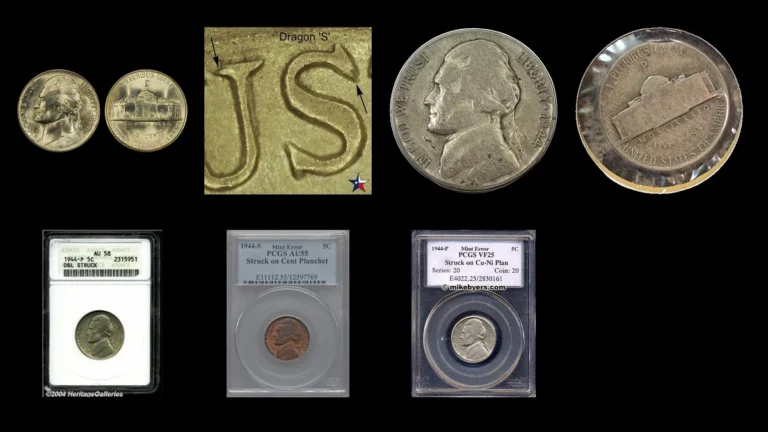
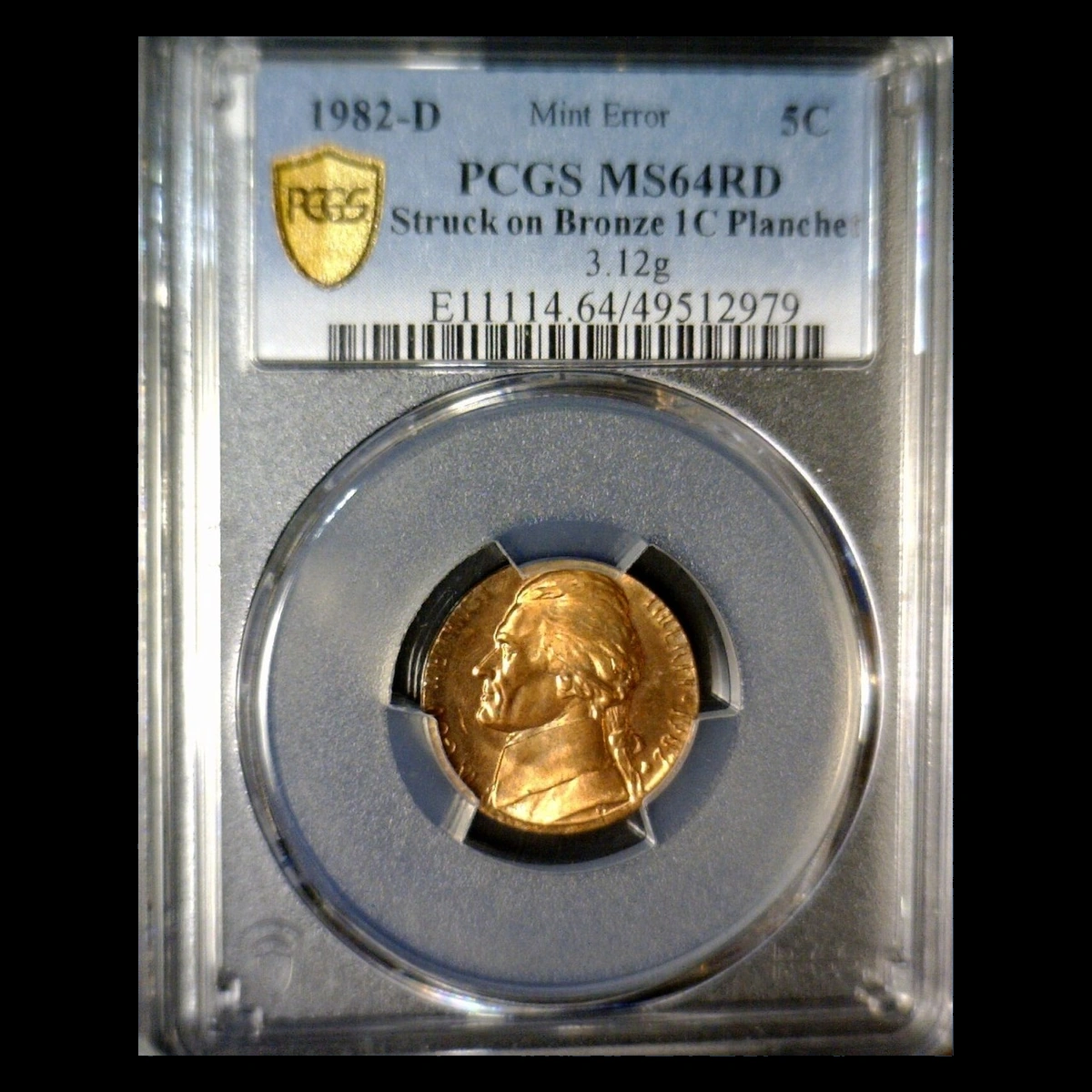
The weight of one brown coin helps explain an unusual entry among 1982 Jefferson Nickel errors: a Denver nickel struck twice on a copper cent blank. It weighed 3.07 grams and brought $632.50 in January 2009.
Estimated values for the five categories here run from $5–$1,500. Start with the metal and placement of the design, then examine raised patches or missing detail to find the comparison that fits.
1. 1982 Nickel Brown Metal Carries Two Nickel Impressions: Cent-Blank Double Strike Error
A smaller copper blank can explain cropped nickel lettering, while overlapping design positions reveal an additional strike. The recorded 1982-D coin combines both features and was graded NGC MS64 Brown.
The blank was intended for a cent but received Jefferson’s design twice. It was not an already finished Lincoln cent being struck with a second denomination.
How to Identify
The documented coin weighs 3.07 grams, close to the older copper-cent standard of 3.11 grams. Both copper and copper-plated zinc cents were made in 1982, so the lighter 2.5-gram zinc standard would be the wrong requirement for this specimen.
A normal nickel weighs 5 grams and measures 21.21 millimeters, with a plain edge; a cent blank begins at 19.05 millimeters. The smaller blank may spread during striking, so use its outline together with its metal and surviving design.
Trace the overlapping nickel details and check the edge for coating or later alteration. Brown color alone cannot establish either a cent blank or a genuine second blow.
What It’s Worth
A comparable authenticated combination is estimated at $400–$1,500. The NGC MS64 Brown example sold for $632.50 on January 11, 2009.
The price covers one coin with two production mistakes. It should not be calculated by adding the full value of a separate wrong-blank coin to a separate double strike.
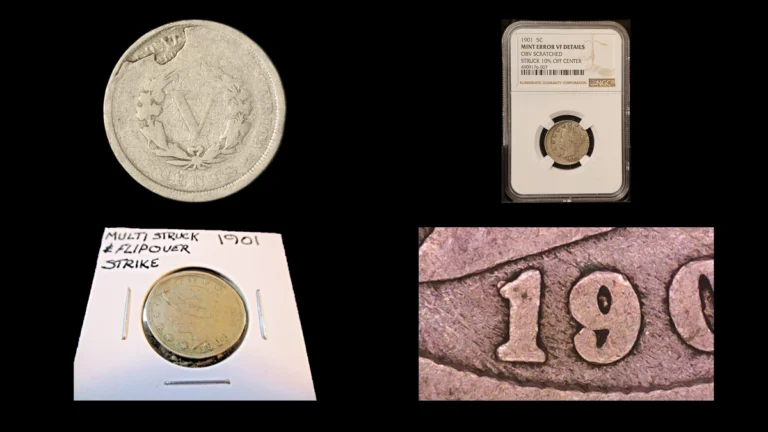
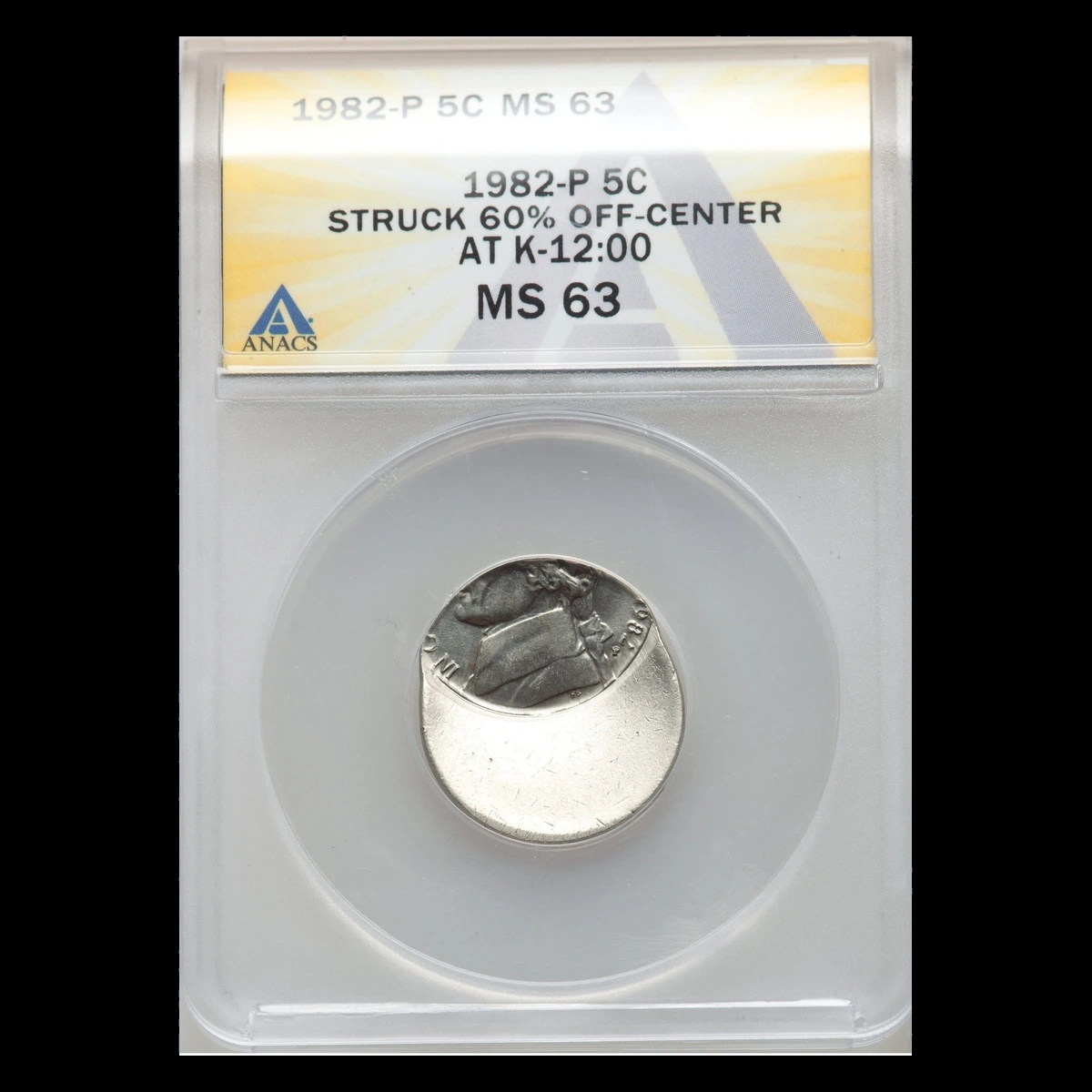
2. 1982 Nickel Most of the Disc Has No Design: Off-Center Strike Error
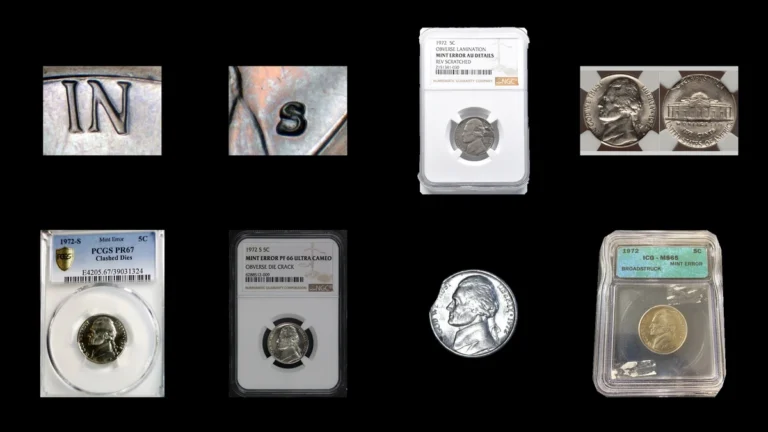
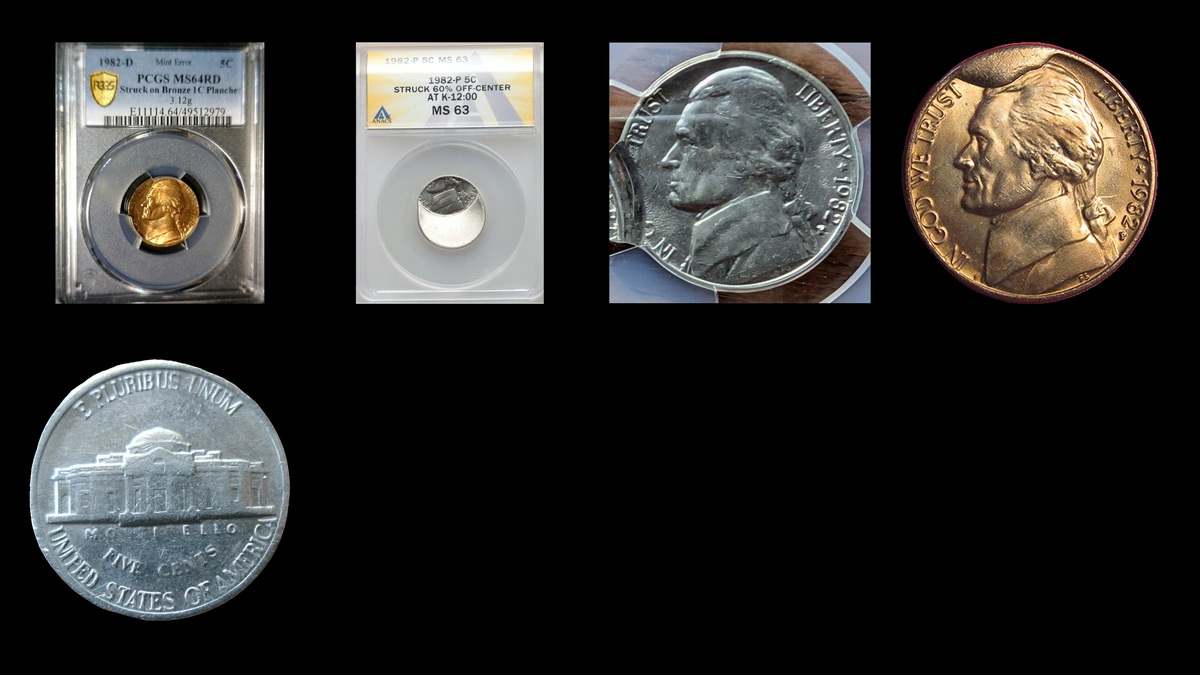
A reported Philadelphia example was struck 70% off center toward 11 o’clock and graded ANACS MS64. Its dramatic appearance comes from much of the blank remaining outside the dies, the tools that stamp the design.
The missing design does not mean that 70% of the metal was removed. A broad area of solid, unused metal remains beside the struck portion.
How to Identify
Find the surviving date and P before using a 1982 Philadelphia comparison. A severe displacement can remove much of the identifying design.
Turn the coin over and check that the division between struck and untouched metal makes sense on both faces. An uneven border confined to one face is not the same evidence.
Inspect the boundary for scraped-away letters or a newly flattened patch. A genuine unused area was outside the striking tools, rather than worked smooth after the coin was made.
What It’s Worth
Genuine dated examples are estimated at $40–$400. No individual completed sale is assigned to the reported 70% ANACS MS64 coin.
A 1999-D nickel struck 65% off center brought $75 in September 2024. That other-year comparison illustrates why a dramatic displacement alone does not guarantee a high price.
Readable identity and preservation remain important. A smaller offset with a clear date can be easier to compare than a much larger one lacking essential details.
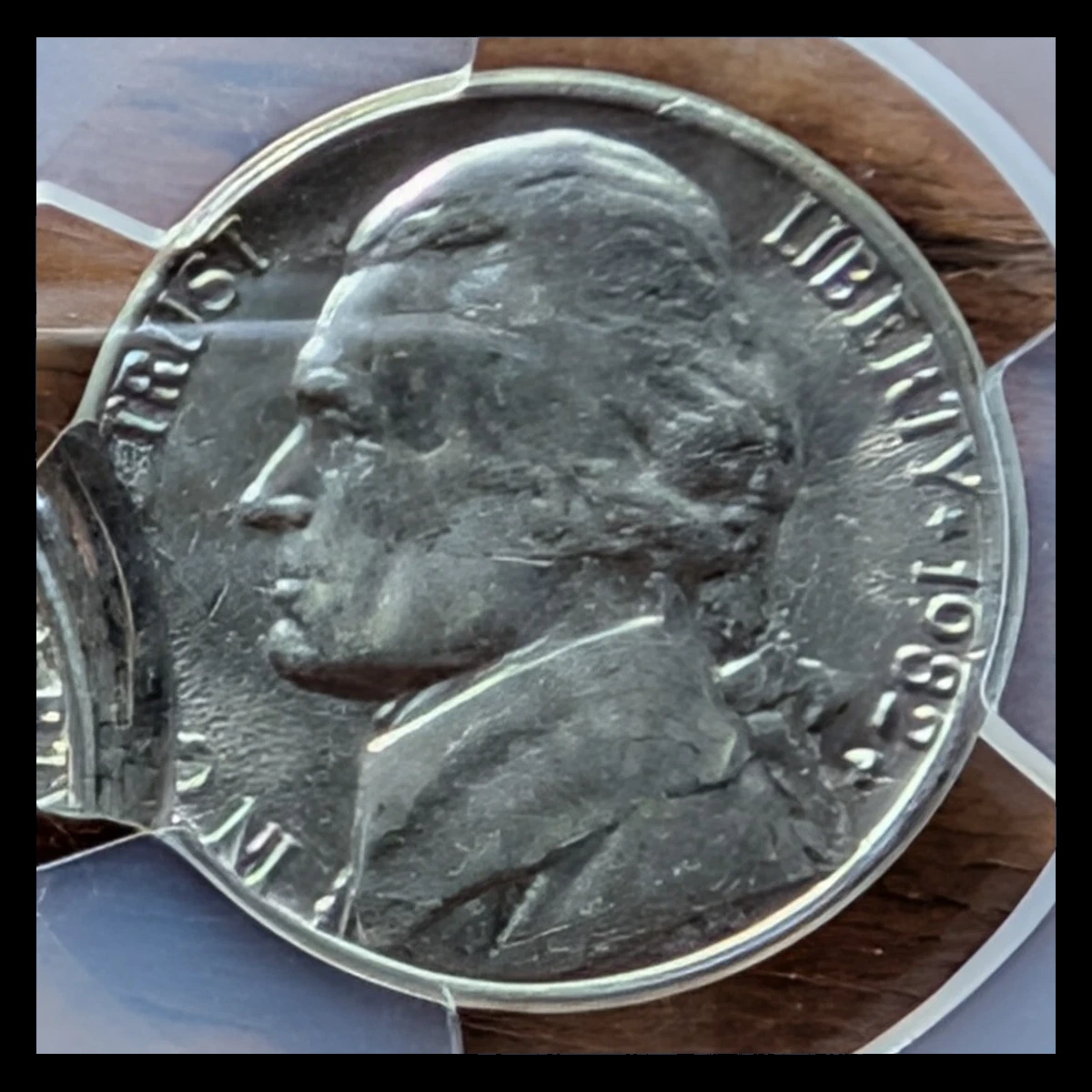
3. 1982 Nickel A Second Design Crosses the First: Double Strike Error
The ordinary-metal Philadelphia double strike is a different coin from the Denver copper example. It was listed through GreatCollections in an ANACS AU55 holder, indicating light wear.
Its second strike landed off center after the coin failed to leave the press. The supplied report does not give a fixed percentage or angle.
How to Identify
Locate a recognizable second portrait or word and follow it across the earlier design. Where the blows overlap, later detail may flatten or obscure the first impression.
Check both faces for a coherent striking sequence. Scratches resembling a letter or thin shelves beside existing lettering do not establish another full strike.
Keep the P and date visible in the photographs. The actual arrangement of repeated detail identifies the comparison more reliably than a generally distorted outline.
What It’s Worth
Comparable Philadelphia double strikes are estimated at $100–$600. No individual sale is adopted for the ANACS AU55 listing.
A 1986-D nickel whose second strike was 70% off center brought $253 in June 2008. That percentage belongs to the comparison coin and must not be transferred to the 1982 example.
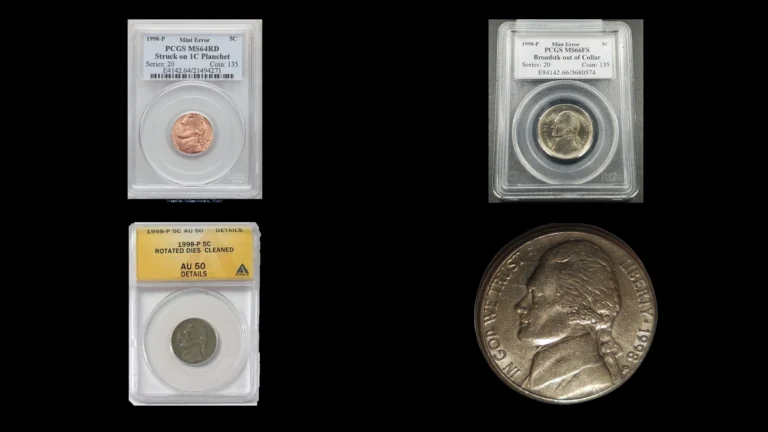
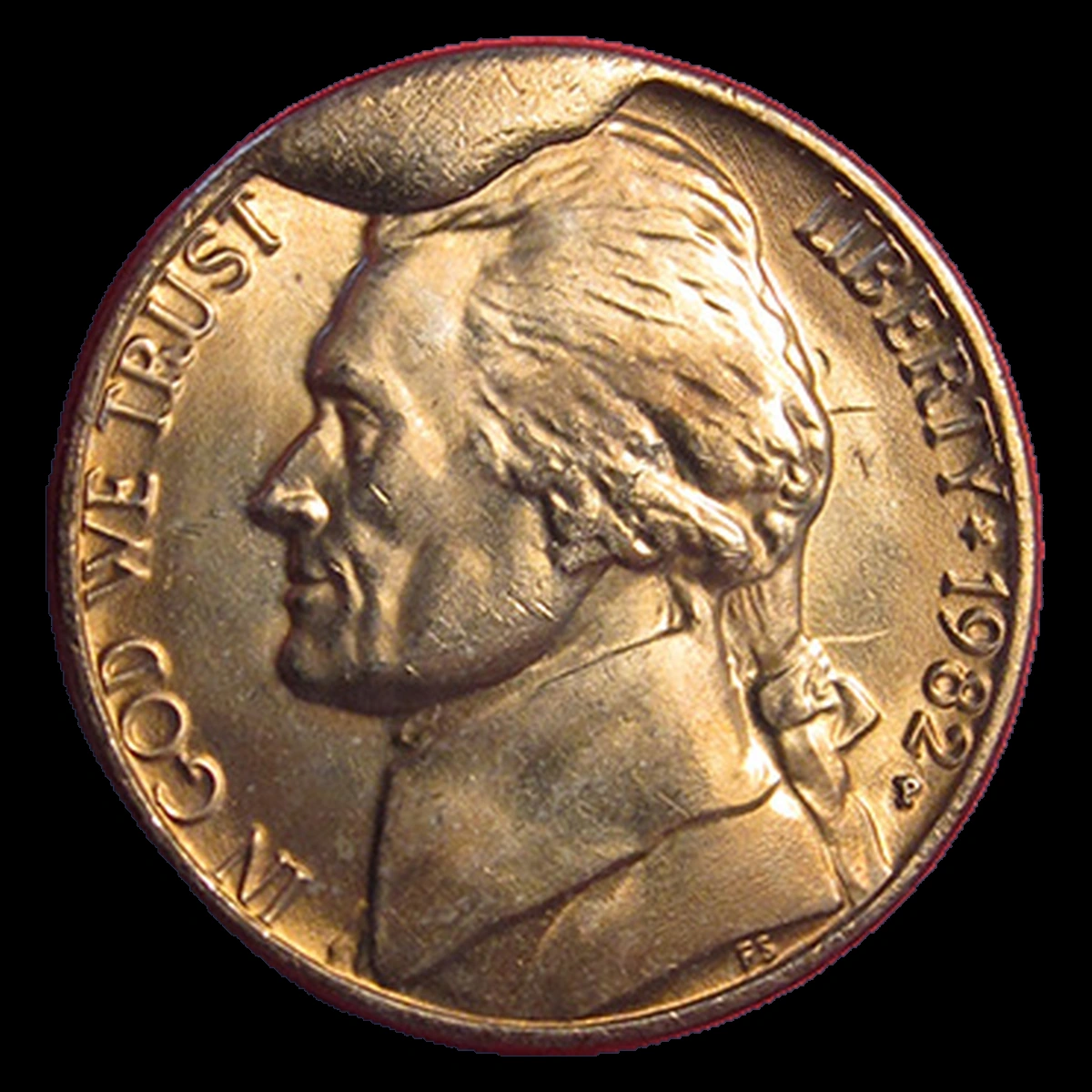
4. 1982 Nickel Raised Metal Replaces Design at the Rim: Cud Error
A cud begins when part of the die edge breaks away. During the next strike, coin metal enters that opening and forms a raised patch connected to the rim.
The documented 1982-P example was graded PCGS MS65. Its written auction description identifies a cud without specifying a clock position.
How to Identify
Follow the raised patch into the rim and note where normal design disappears beneath it. A small isolated bump inside the design does not meet the same description.
Inspect the adjacent edge for an impact and the patch for a seam around added material. A rim blow or solder can create raised metal after the original strike.
The missing piece belongs to the die, not the coin. A cud therefore does not require a matching chunk of metal to be absent from the nickel.
What It’s Worth
Comparable genuine 1982 cuds are estimated at $20–$300. The PCGS MS65 Philadelphia example sold for $84 on August 26, 2021.
A larger clearly formed break may attract more interest than a tiny patch, with condition affecting the comparison. The recorded price should not be assigned to an attached object or a crushed rim.
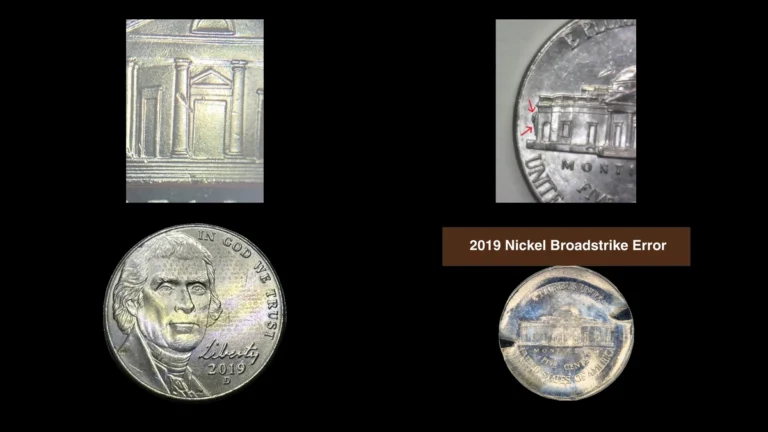
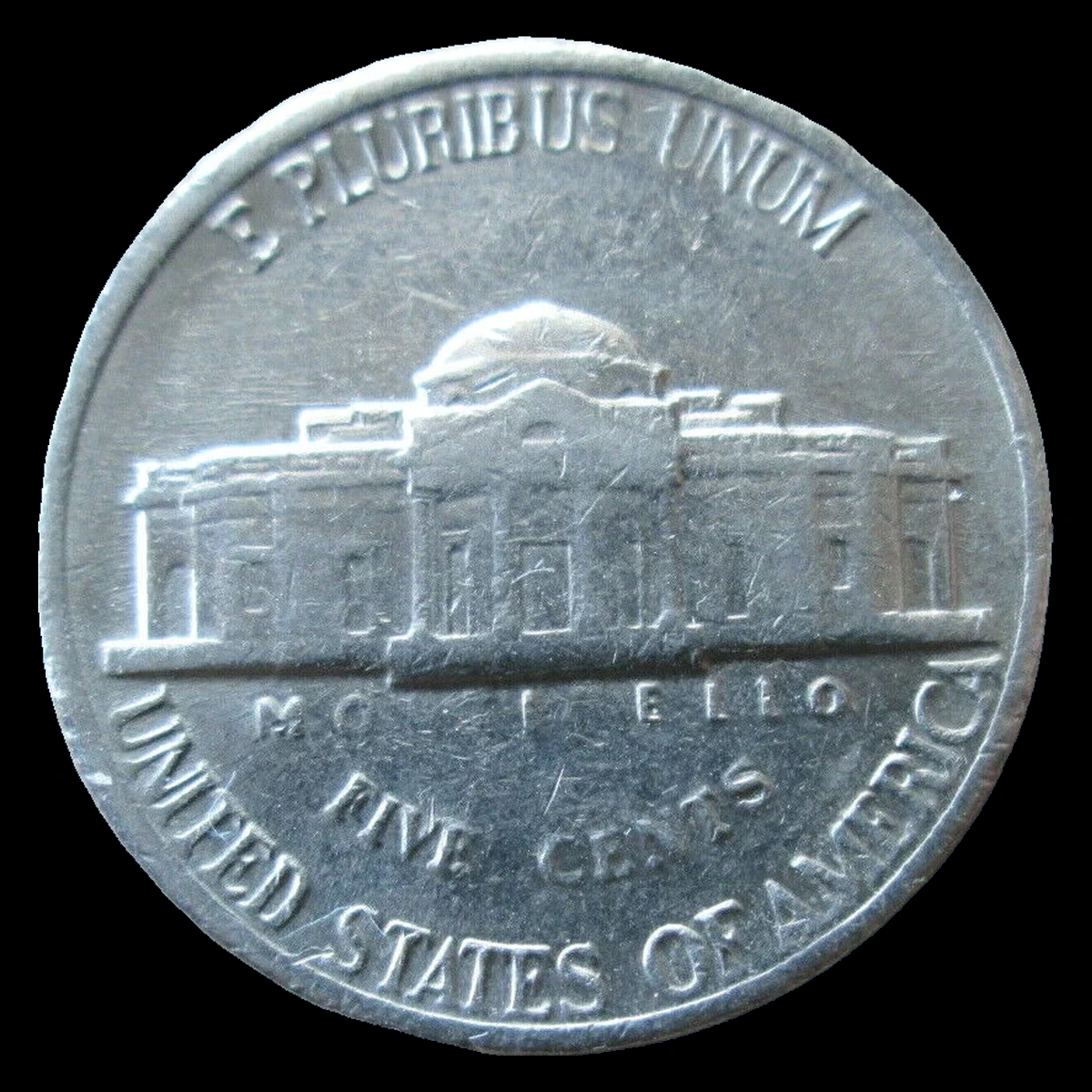
5. 1982 Nickel A Local Letter or Patch Is Weak: Struck Through or Filled Die Error
Grease or debris can prevent part of a die’s design from reaching the blank. The resulting coin may have weak or absent detail beside otherwise normal lettering.
The reported 1982 category does not establish one mint, letter, or obstructing substance. A smooth patch alone cannot identify what was in the press.
How to Identify
Compare the affected patch with nearby exposed high points. Widespread flattening may reflect circulation wear instead of a local blockage.
Under a magnifier, examine where sharp neighboring detail gives way to the interruption. Scratches or disturbed metal can reveal polishing or other later removal.
Include the whole word and nearby normal design in the image. A tightly cropped blank-looking spot removes the context needed to judge the explanation.
What It’s Worth
Small genuine blocked areas are estimated at $5–$40; larger distinctive strike-throughs at roughly $40–$200. These ranges require evidence of an original striking obstruction.
A 2000 Philadelphia struck-through nickel sold for $84 in February 2015. It supplies related-date context without naming a substance on a 1982 candidate.
Conclusion
The five categories ask different questions about a 1982 nickel: what metal entered the press, where it sat, how many blows landed, and whether a die broke or became blocked. The visible evidence should answer the relevant question before a price is chosen.
Keep the Denver copper-blank double strike separate from the Philadelphia ordinary-metal example. Clear photographs of both faces and the edge preserve the distinctions that matter most.