Rare 1895 Nickel Errors (List & Pictures)
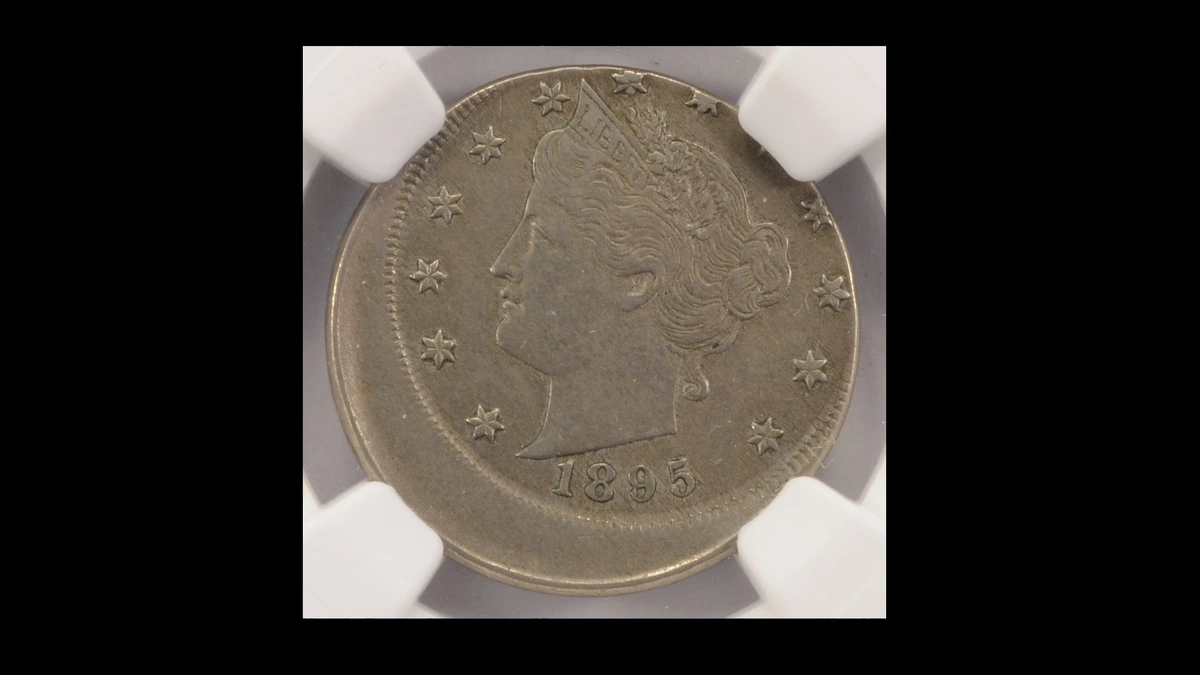
The word “doubled” can hide a big difference on an old nickel. An extra date curve is a small die detail, while a multiply struck 1895 coin sold for $78,000 in December 2022.
The 1895 nickel errors below range from an estimated $10–$80,000. Use the size and position of the extra detail to choose the right category before comparing prices.
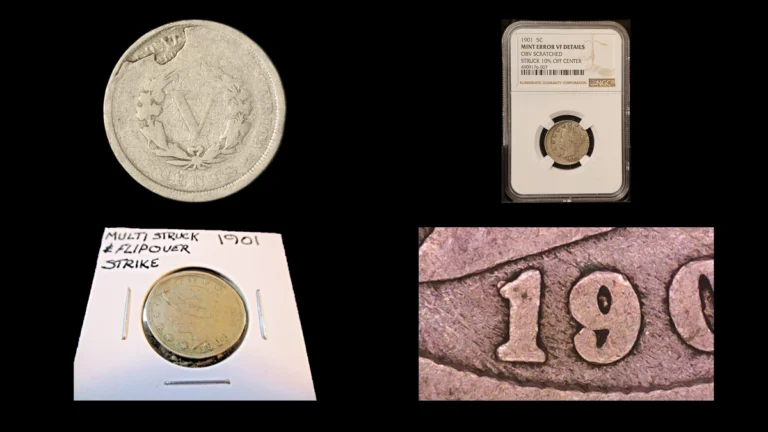
1. 1895 Nickel Large Overlapping Designs: Multiple Strikes Error
If you can follow more than one portrait or group of letters, the coin may have received several strikes. A later blow can flatten an earlier image while leaving parts of it exposed.
That is what makes this category different from a tiny extra stroke in the date. The repeated details cover separate positions on the coin, rather than only a small part of one numeral.
How to Identify
Photograph both faces and try to join the surviving fragments into earlier designs. A portrait edge, nearby lettering, and part of a rim may all belong to the same earlier strike.
Where two images overlap, look for one pressing across or flattening the other. These crossings help reveal the order in which the designs were made.
Do not count every stray letter as a separate strike. The supplied description confirms multiple strikes on the notable 1895 example without establishing an exact count.
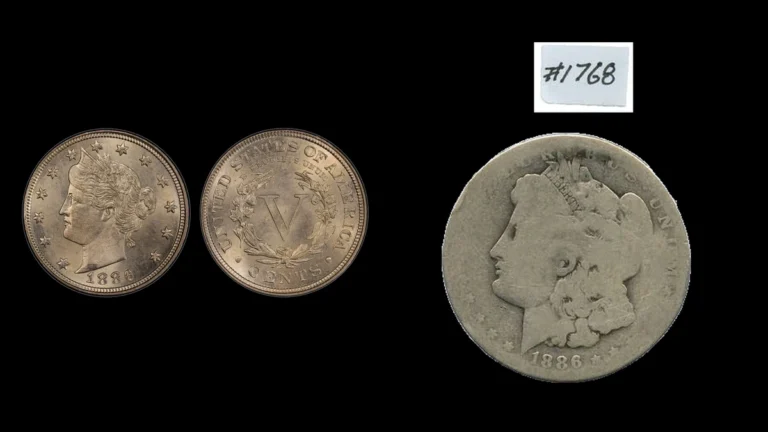
A normal Liberty nickel weighs about 5 grams and measures 21.2 millimeters across. Repeated strikes can change its outline, so an unusual shape should be studied together with the overlapping designs.
What It’s Worth
$1,000–$80,000 is a broad estimated range for genuine multiple strikes. The highest end is reserved for exceptional coins, far above a worn piece with only modest visible repetition.
NGC reports a $78,000 Heritage sale for a multiply struck 1895 Liberty nickel in December 2022. That result includes the buyer’s premium.
The distance between the images, preserved surfaces, and readable date all influence appeal. The record price does not apply to every coin advertised as doubled.
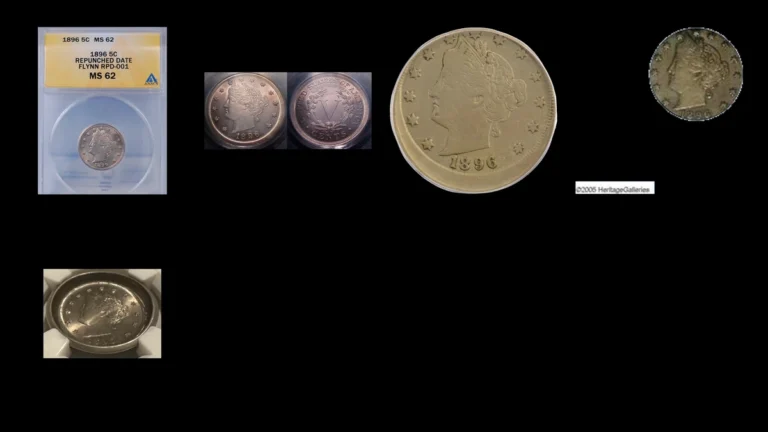
2. 1895 Nickel One Shifted Design Beside Blank Metal: Off-Center Strike Error
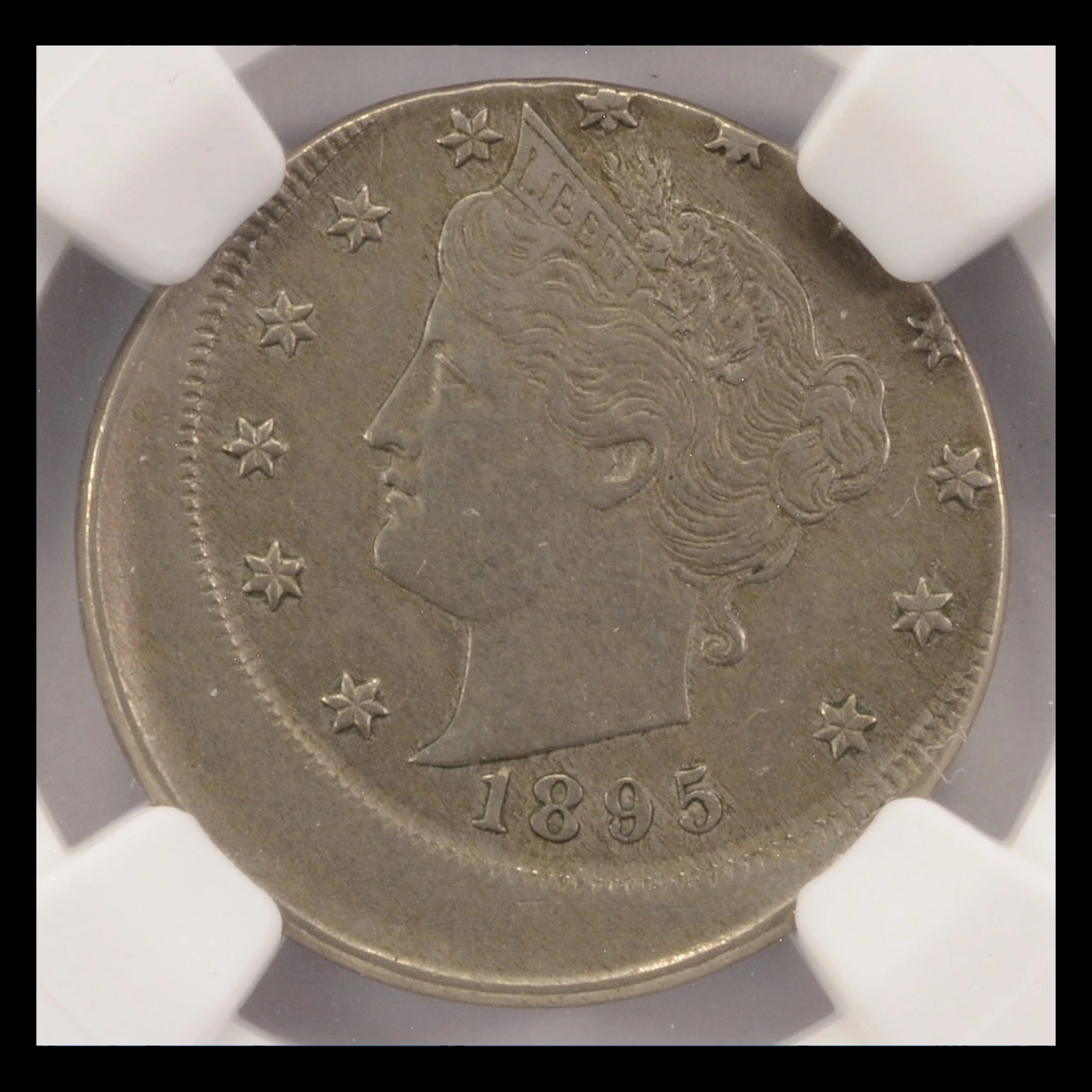
A single design can miss the middle of the blank without producing another image. When the blank sits out of place, part of the design falls beyond the metal and an untouched area remains opposite it.
A listed 1895 example is 15% off center toward 1 o’clock. A separate auction-catalog example shows a smaller 5% shift.
How to Identify
Locate the boundary between stamped detail and untouched metal on both sides. The missing parts of the design should fit the blank’s displaced position.
If only one face is shifted, the problem may be a misaligned die. A die is one of the steel tools that stamps the coin.
Inspect the bare area for grinding or filing that removed a finished design. Genuine untouched metal should not have the worked surface left by those alterations.
The 15% example was graded NGC AU55, meaning light wear with much detail left. Its direction and grade should not be attached to the separate 5% coin.
What It’s Worth
$150–$1,500 is an estimated range for comparable 1895 off-center strikes. A clear date and an obvious shift can improve the appeal of a well-preserved coin.
The 15% AU55 coin was offered by a specialist dealer at $800. That is an asking price, while the separate 5% example appeared in a 2015 Stack’s Bowers catalog.
A larger shift can remove the date entirely. More displacement therefore does not always mean a better collectible.
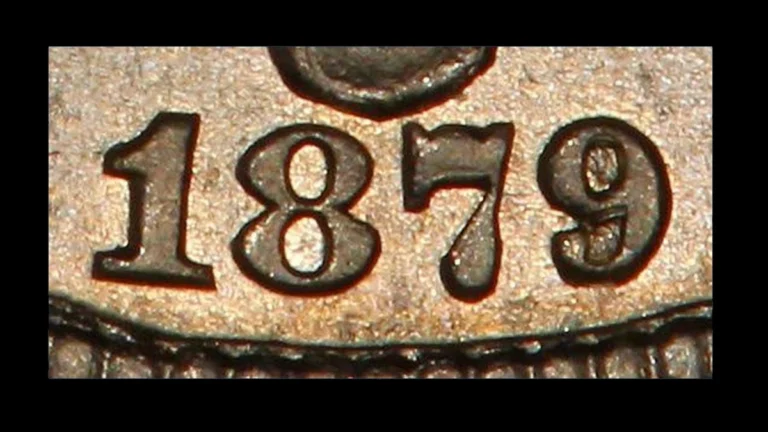
3. 1895 Nickel A Small Extra Numeral Outline: Repunched Date Error
A curved trace beside a number can come from an earlier placement of the date punch. Workers punched the date into the die, and a shifted repeat punch could leave both impressions.
The die then passed that small feature to the coins it struck. The finished nickel did not need to return for another blow.
How to Identify
Examine the complete date, then follow any extra trace around a numeral. Ask which part of a number the shape could represent.
A raised, connected curve is more useful than a single unexplained bump. A hit, worn edge, or flat shelf from mechanical doubling can make a number look untidy without repunching.
The supplied material does not establish one exact extra-digit position for this 1895 category. Match a candidate to a documented pattern before applying a specific variety name.
All 1895 Liberty nickels came from Philadelphia and have no mint letter. Look for Liberty on the front and the large V above CENTS on the back.
What It’s Worth
$20–$250 is an estimated range for a verified minor repunched date in worn through moderately marked unworn condition. Similar Liberty nickel date varieties provide the comparison.
This range is not a claimed 1895 auction record. Clear extra numeral shapes and better preservation can support a stronger price than a faint or heavily worn trace.
4. 1895 Nickel A Raised Line Across the Surface: Die Crack Error
A thin ridge can show where a die cracked. During striking, coin metal enters the narrow opening and forms a raised line.
The ridge may cross open space or continue through part of a letter. Its path follows the damaged tool rather than the intended design.
How to Identify
Light the line from each side and check whether it rises above the surface. A scratch usually has a groove, though displaced metal beside that groove can form a misleading ridge.
Inspect both sides of the line with a magnifier. A continuous raised feature without a cut alongside it better fits a cracked die.
A junction with a letter or rim can be especially useful in a photograph. Do not assume any particular crack location applies to all 1895 nickels.
What It’s Worth
$10–$100 is a working estimate for an ordinary collectible 1895 nickel with a genuine crack line. A short, faint ridge may add very little beyond the coin’s usual value.
A longer visible crack on a coin with readable detail can draw more interest. Heavy scratches or corrosion still affect the value of the complete coin.
Conclusion
First decide whether your 1895 nickel shows another large design, one displaced design, or only a small extra feature. Those observations separate multiple strikes, off-center strikes, and die details before price enters the discussion.
The estimated $10–$80,000 range includes very different kinds of coins. The $78,000 result belongs to an exceptional multiple strike, while minor cracks and date traces occupy much lower ranges.