Rare 1894 Nickel Errors (List & Pictures)
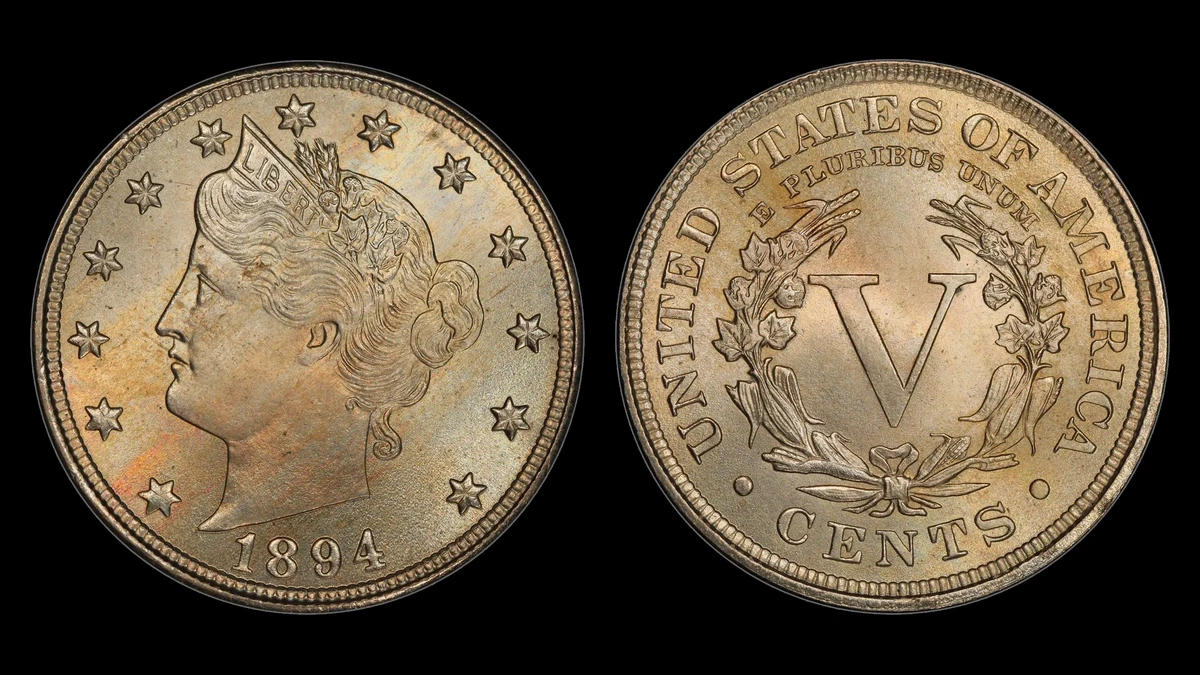
A mint-made mark does not always make a collector Proof more valuable. On 1894 Liberty nickels, a small fiber impression or peeling flake can matter less to the price than the coin’s original surfaces.
Estimated whole-coin values for 1894 nickel errors span $150–$6,000, and a double-struck example realized $3,220. Inspect the date, cheek, and metal surface first, then look for evidence of a separate second strike.
| What appears unusual | Explanation | Estimated whole-coin range |
|---|---|---|
| Extra strokes in the date | Repunched date on a Proof die | $200–$1,800 |
| Thin depressed cheek mark | Fiber strike-through | $150–$1,500 |
| Small separating flake | Lamination on a Proof | $150–$1,500 |
| Added impression near the edge | Double strike | $2,000–$6,000 |
1. 1894 Nickel A Date Digit Retains an Extra Stroke: Repunched Date Error
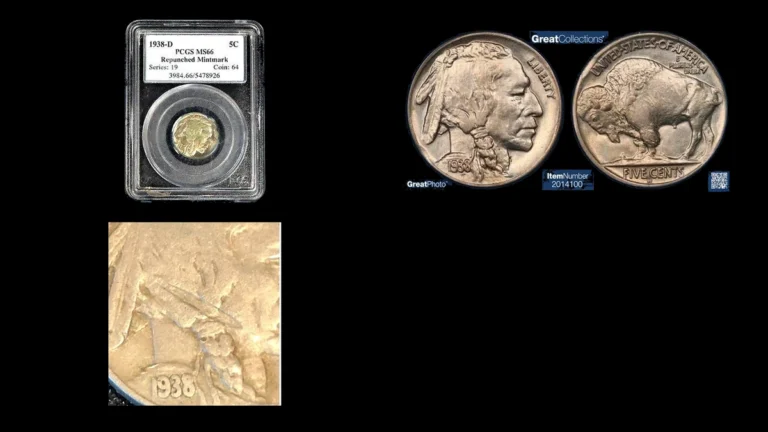
Slight date repunching is recorded on one obverse die used for 1894 Proofs. The date was punched into the die in more than one position, leaving a remnant that could transfer to each coin made with it.
How to Identify
Compare the complete date with an identified example and look for an extra stroke shaped like part of a numeral. The supplied description does not name a particular digit or direction, so those details should not be guessed.
Check suspected edges under changing light to separate raised metal from reflections or cuts. The attribution concerns a Proof, a specially made collector coin; a circulation nickel polished until shiny is a different object.
What It’s Worth
$200–$1,800 is an estimated whole-coin range for identified examples in ordinary collectible Proof grades. It includes the value of the Proof itself rather than assigning that entire amount to a slight extra stroke.
NGC’s 1894 Proof description records the repunching without giving an individual auction result. A convincing match and attractive surfaces provide a stronger basis for comparison than general thickness in the digits.
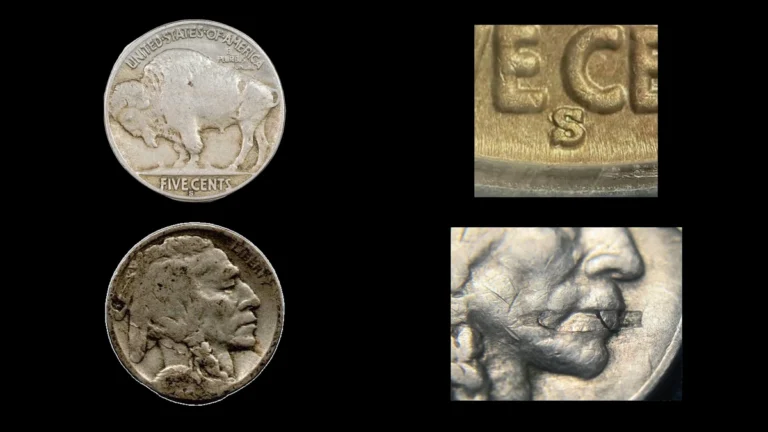
2. 1894 Nickel A Threadlike Depression Crosses the Cheek: Fiber Strike-Through Error
A cloth fiber left on a die can block a narrow strip of contact during the strike. The coin retains an impression of the fiber even after the material is gone.
NGC describes a prominent cheek example on its illustrated 1894 Proof. Collectors often call this a lint impression.
How to Identify
Follow the cheek mark under low light from opposite directions, checking whether it is a fixed depression. A fiber can leave an irregular threadlike trace, while cleaning often leaves groups of parallel scratches.
That distinction still requires comparison with the actual illustrated feature; not every solitary cheek line is lint. Loose material sitting on top of a finished coin also differs from an impression formed during striking.
Keep a graded Proof in its holder and avoid rubbing the reflective surfaces. A loose normal example has a plain edge, weighs about 5 grams, and measures 21.2 millimeters, but those measurements do not identify a fiber mark.
What It’s Worth
$150–$1,500 is an estimated whole-coin range for a genuine Proof with a confirmed cheek impression. The supplied material cites a normal NGC PR63 Proof auction comparison of $366 in March 2026, not a sale of the pictured lint-error specimen.
Much of the price belongs to the collector issue and its preservation. A prominent impression can reduce visual appeal, so its mint origin does not guarantee a premium.
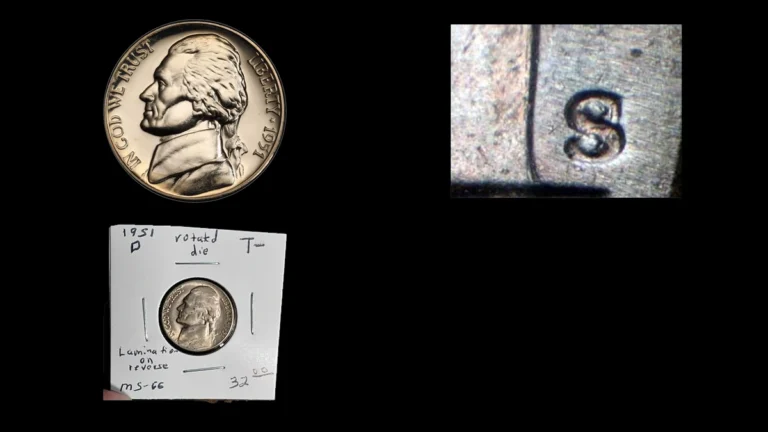
3. 1894 Nickel A Small Flake Opens within the Surface: Lamination Error
A weakness within the copper-nickel alloy can leave a thin retained fragment or a shallow area where metal has separated. NGC notes small laminations on multiple 1894 Proofs without one required location.
How to Identify
Locate the edge of the separating layer and inspect how it joins the original surface. This coin is alloy throughout, so the defect should not be described as a plated coating peeling off.
Leave attached metal untouched. A scratch can push up a narrow lip, but that differs from a thin sheet separating along an internal weakness.
A small flake may have almost no measurable effect on weight. Its visible layer boundary provides more useful evidence than an ordinary reading on a scale.
What It’s Worth
$150–$1,500 is an estimated whole-coin range for ordinary-grade Proofs with small genuine laminations. The normal PR63 comparison discussed above is a baseline for the collector coin, not a measured lamination premium.
Preservation and eye appeal often outweigh the novelty of a tiny flake. Buyers seeking smooth Proof surfaces may value a conspicuous separation less favorably.
4. 1894 Nickel A Second Design Appears near Seven O’Clock: Double Strike Error
The recorded PCGS MS60 specimen received a normal first strike and another blow after moving almost out of the striking area. That second strike was 90% off-center, with its surviving impression near seven o’clock when the initial design is upright.
How to Identify
Find recognizable second-strike details on both faces and trace their relationship to the original design. Both dies impressed the coin during the later blow, rather than another blank blocking one face.
A weak patch or close doubling beside one letter cannot explain this widely separated second position. Compare the outline and overlapping relief with the recorded specimen, checking the edge for signs of later squeezing.
The 90% figure describes the offset of the second strike. It does not mean that 90% of the coin’s metal is missing.
What It’s Worth
$2,000–$6,000 is an estimated range for comparable authenticated 1894 double strikes. The PCGS MS60 example sold for $3,220 at Heritage on May 30, 2008.
MS60 denotes an unworn coin that can still have noticeable marks. Its price reflects both the unusual striking sequence and the preservation of the entire coin.
Conclusion
Examine the shape of an 1894 nickel’s unusual feature before deciding how it formed: an extra date stroke, a depressed fiber trace, and a separating flake tell different stories. Their prices also depend heavily on the underlying Proof.
The double strike requires a different inspection, following a second design across both faces. Preserve original surfaces and attached flakes so the evidence remains available for an accurate comparison.