Rare 2009 Half Dollar Errors (List & Pictures)
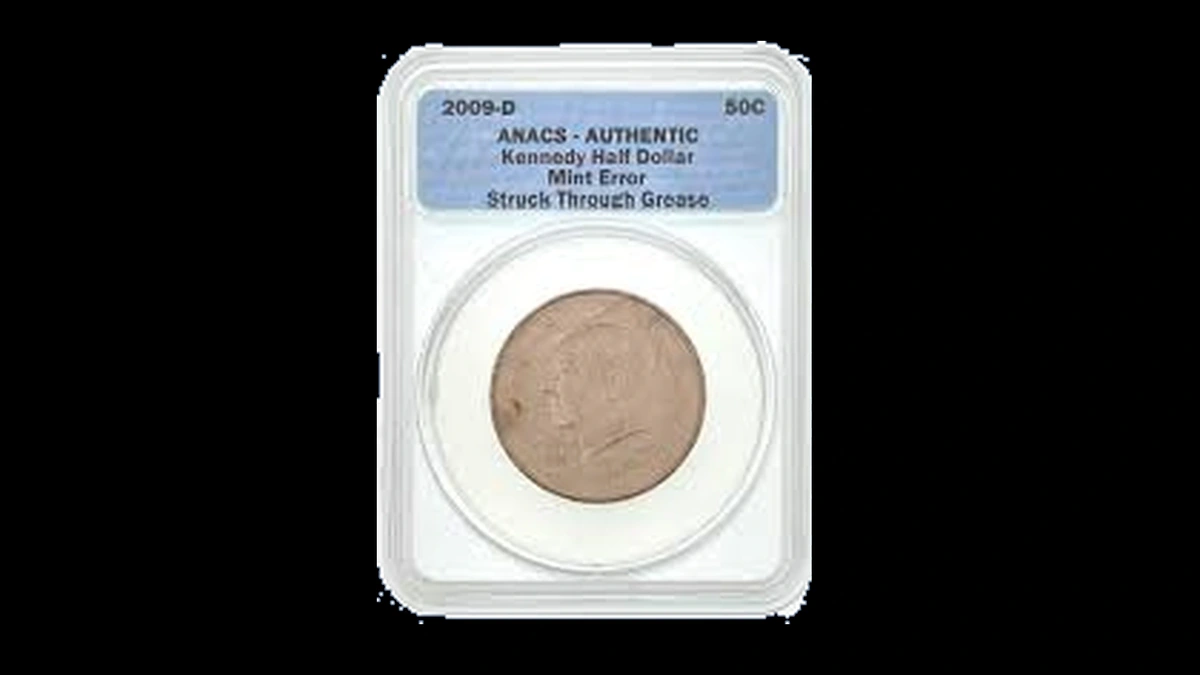
Reported 2009 half dollar errors require checking whether metal is absent, a layer is missing, or the design was blocked during striking. Estimated values of $20–$500 rely on other-year comparisons and an error guide.
The highest supplied sale is $432 for a 1974-D missing-layer coin in March 2023, not a 2009 transaction. Examine the outline and metal first, then inspect weak or depressed design areas.
| Observation | Useful evidence | Error category | Estimated value |
|---|---|---|---|
| A section missing at the edge | Both faces and exposed edge | Clipped planchet | $25–$200 |
| Copper across a face | Weight and layer structure | Missing clad layer | $100–$500 |
| Weak or interrupted details | Boundary with intact design | Struck through material | $20–$300 |
| A blank-shaped hollow | Depression and opposite face | Indent | $150–$400 |
A normal copper-nickel clad half dollar weighs 11.34 grams and measures approximately 30.6 mm across. The 90% silver collector Proof is a different issue weighing 12.50 grams; both the production type and metal matter when interpreting measurements.
1. 2009 Half Dollar A Gap in the Coin’s Outline: Clipped Planchet Error
Inspect the edge before concentrating on missing lettering. A clip removes part of the metal disc itself, so the gap should be evident from either face.
Blanks are punched from metal strip before they receive a design. A punch overlapping an earlier hole can create a curved clip, while the strip’s end can produce a differently shaped missing section.
The supplied 2009 report does not name a particular coin or mint. It records the category rather than establishing an individual specimen.
How to Identify
Trace the gap from front to back and inspect the exposed edge under magnification. Saw lines, sharp burrs, or crushed borders can indicate cutting or impact after striking.
The rim opposite a genuine clip may be weak because the incomplete blank formed unevenly. That opposite weakness supports the explanation but does not authenticate a clip on its own.
Weigh the coin and relate the loss to the size of the missing section. An undamaged span may still measure the normal diameter, so a normal reading in one direction does not rule out a clip.
What It’s Worth
Estimated range: $25–$200, covering small through more noticeable clips. Larger visible losses and appealing surfaces can place a confirmed example higher within that range.
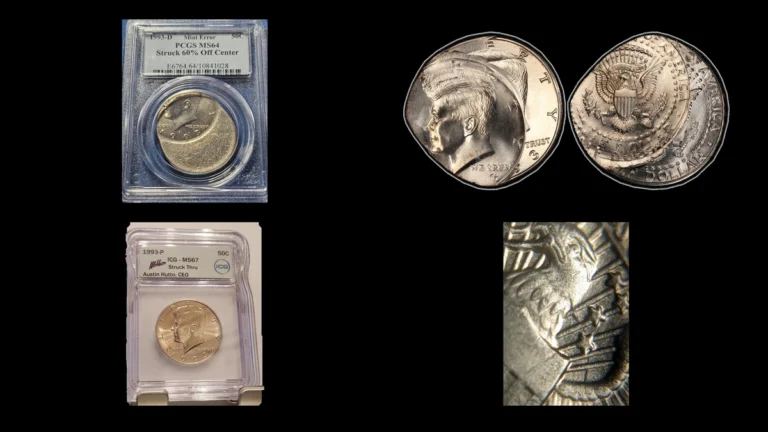
A 1993-D curved-clip Kennedy graded ANACS MS64 sold for $34.74 including fees at Pristine Auction in August 2025. Its different date must remain part of the comparison.
A small clip on a worn coin needs a modest condition match. No supplied transaction establishes a 2009-specific result.
2. 2009 Half Dollar A Copper-Colored Face With Reduced Weight: Missing Clad Layer Error
A visible copper stripe around a normal clad half’s edge is expected. Copper across an entire face calls for closer examination of the two silver-gray outer layers.
If an outer layer separates before striking, the design can be impressed into the copper center beneath it. “Clad” simply means layered metal.
The opposite face may retain its normal outer layer while the coin weighs less. This explanation concerns the clad issue, not the 90% silver Proof.
How to Identify
Compare the weight with the clad standard and follow the copper face into the edge. A genuine absent layer should make sense across the face, edge structure, and weight together.
Brown staining changes appearance without proving a missing layer. Chemical treatment may also alter color or remove metal, so inspect the stamped surfaces for evidence of later disturbance.
Examine the surviving layer on the opposite face and check the edge for filing. A photograph of one brown side alone cannot resolve the cause.
What It’s Worth
Estimated range: $100–$500 for a genuine 2009 missing-layer example. Remaining original surfaces, damage, and how much layer is absent influence the comparison.
A 1974-D missing its front outer layer brought $432 at Heritage in March 2023. The NGC MS64 coin weighed 9.34 grams.
That result concerns another year and supplies broad price context. A normally layered coin that has merely turned brown does not share the error’s valuation.
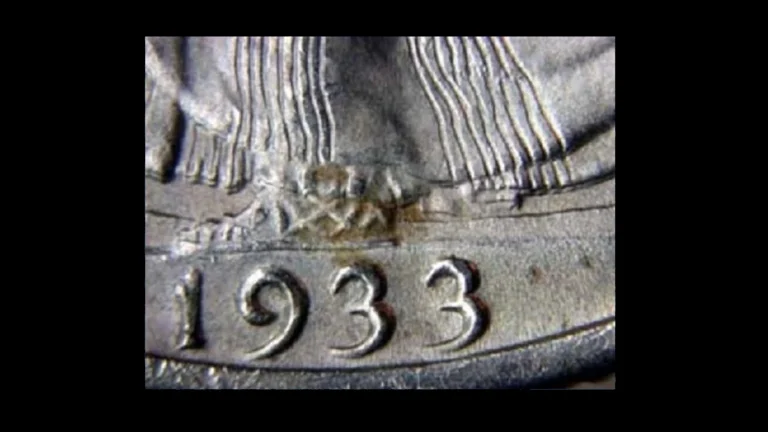
3. 2009 Half Dollar A Design That Fades in One Area: Struck-Through Error
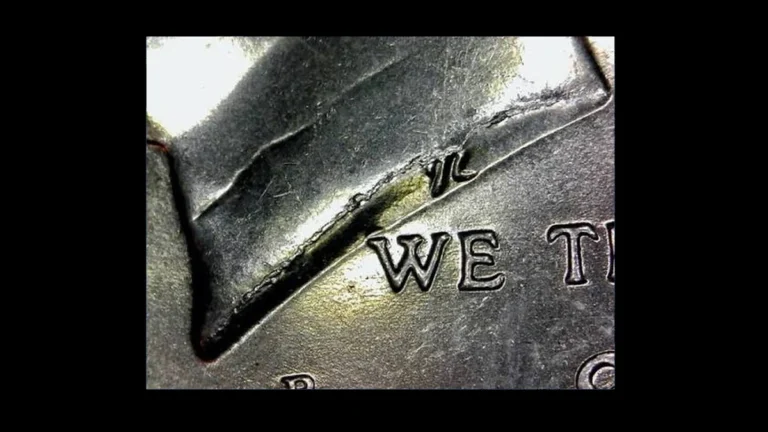
Where nearby letters remain sharp but one patch is weak, compare the missing detail with a normal 2009 half. An obstruction during striking may have prevented that portion of the design from forming.
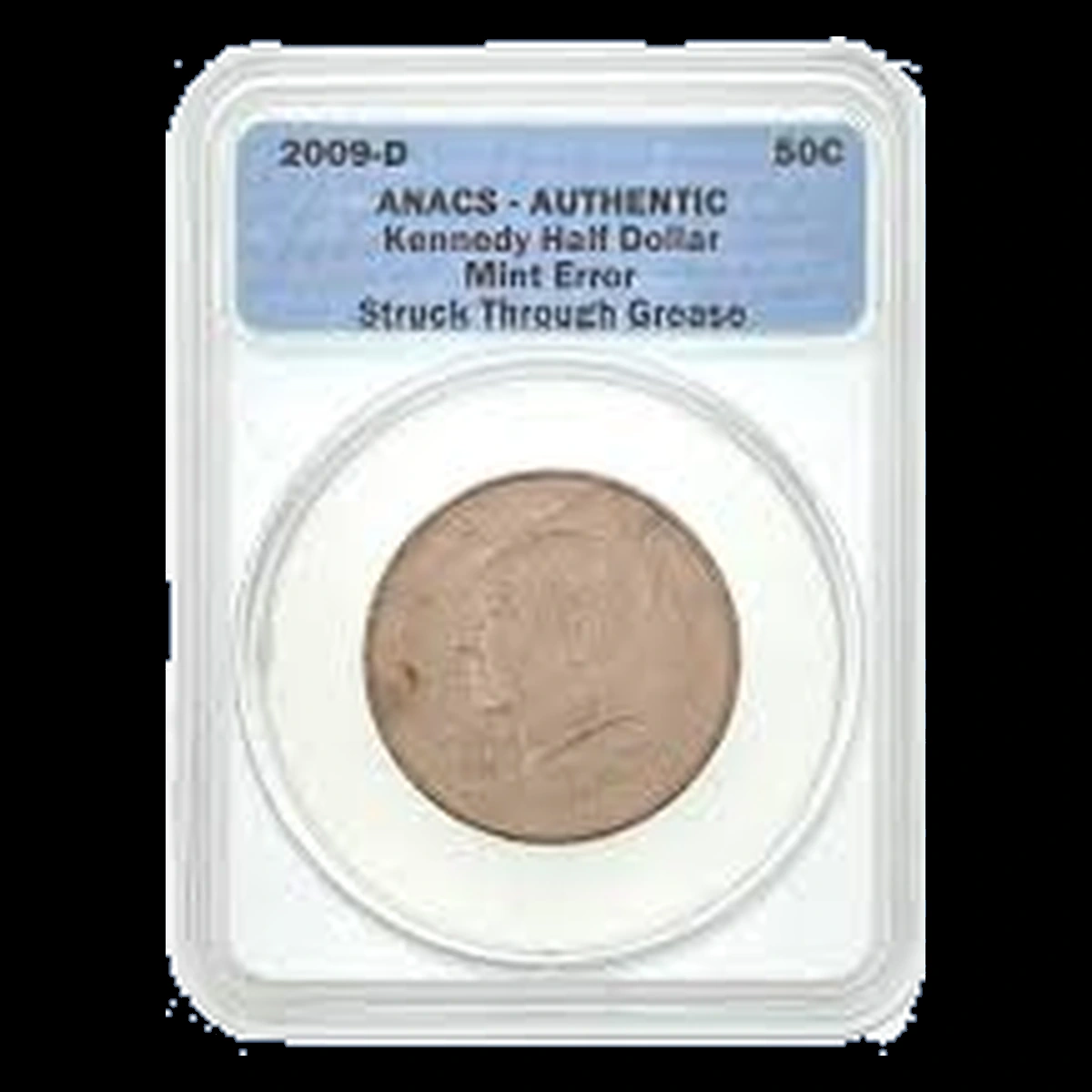
Grease can occupy recesses in the die, the steel stamping tool. A solid object between die and blank can instead leave its own depression.
The 2009 error listing reports struck-through errors without identifying a mint, specimen, or obstructing material. The appearance alone should not be used to name an unsupported object.
How to Identify
Find the boundary where intact design meets the affected area. Low lighting helps show whether the surface has been struck weakly or removed afterward.
Grinding may leave parallel scratches, while circulation wear also flattens exposed high points elsewhere. Compare those possibilities with the condition of the surrounding design.
A solid obstruction can leave a depression with original surface inside; grease may leave absent detail without a deep hollow. Neither observation alone identifies exactly what was caught in the press.
What It’s Worth
Estimated range: $20–$300. Small grease-related losses sit nearer the lower end, while obvious obstruction impressions with attractive surrounding detail can draw more interest.
A 1989-P Kennedy with grease-blocked detail sold for $36 at Heritage in March 2023, graded ANACS MS63. That unworn example had noticeable marks and belongs to an earlier date.
The broad range covers very different appearances. Match the amount and clarity of the interrupted design before treating a comparison as relevant.
4. 2009 Half Dollar A Curved Hollow Without a Copied Design: Indent Error
A blank-shaped depression suggests a more specific obstruction: a second blank partly overlapping the coin during the strike. The upper disc blocks and presses into the lower one, creating an indent.
The hollow may follow the upper blank’s curved edge and lack the normal design. If a struck coin instead transfers a sunken backward image, that copied image is called a brockage.
How to Identify
Inspect the interior before judging the curve. A plain indent should not carry a reversed copy of another coin’s lettering or portrait.
At the boundary, look for a design interrupted during manufacture. A later impact may crush letters that had already formed instead of leaving the pattern of a blocked strike.
Photograph the corresponding area on the other face and inspect for tool marks. The depression must fit the complete striking evidence, not merely resemble a rounded dent.
What It’s Worth
Estimated range: $150–$400 from the clad Kennedy indent guide. The range covers varying affected areas on lightly worn through unworn examples.
The source is the January 2025 Mint Error News price guide, not a recorded 2009 auction. A broad, clearly shaped indent is generally easier to appreciate than a small rim depression, with preservation also affecting value.
Conclusion
Start with the physical metal, then assess the interrupted design. Both faces, the edge, and measured weight can reveal differences that a single close-up hides.
The $20–$500 estimates use other Kennedy dates and an indent guide rather than documented 2009 sales. Keep the reported status of individual categories clear and require evidence of manufacture before naming a clipped, missing-layer, struck-through, or indented coin.