Rare 2018 Penny Errors (List & Pictures)
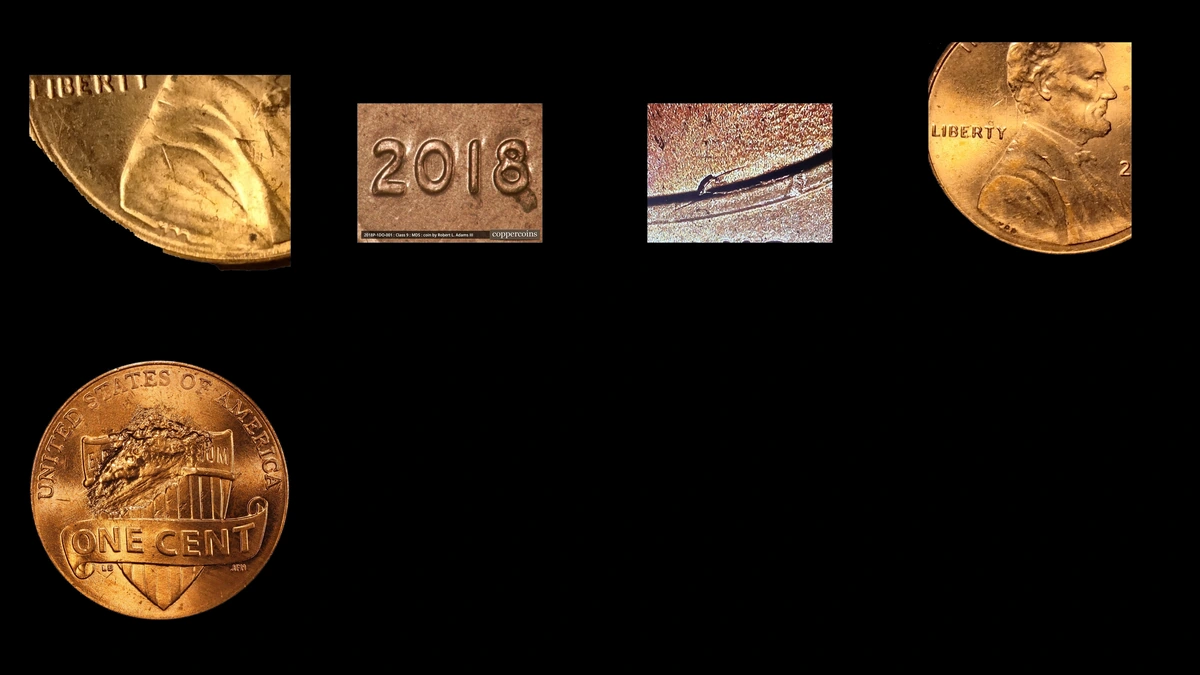
No P below the date and a smooth edge are normal on a Philadelphia 2018 penny. More useful clues are repeated design, an altered outline, a raised die mark, or an original change in the copper coating.
The estimated ranges for these 2018 penny errors span $2–$2,000. An older 1981-D cent on a dime blank sold for $372 in September 2025, but that comparison does not establish a wrong-blank discovery dated 2018.
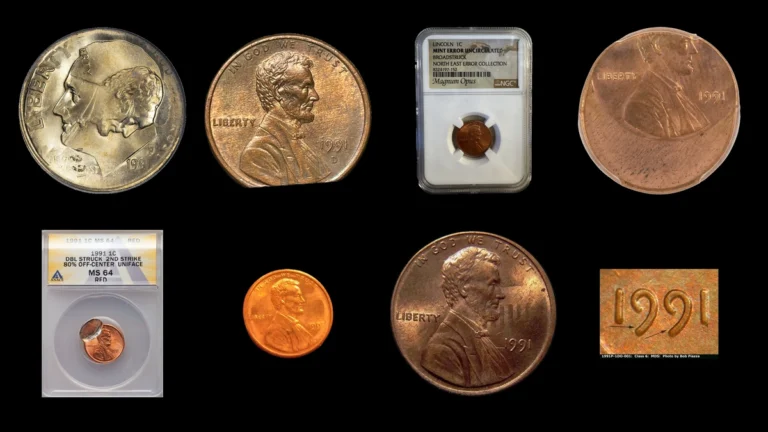
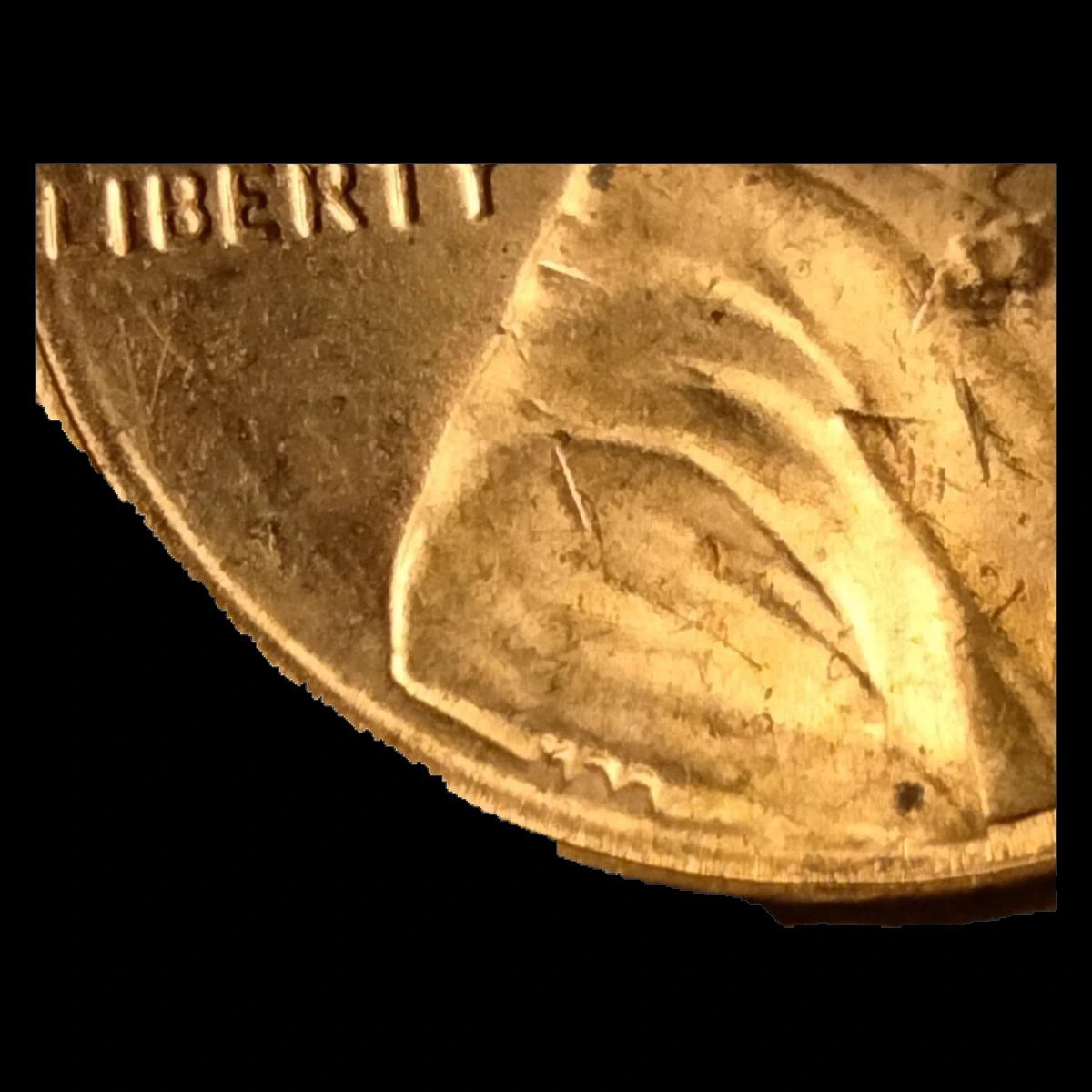
1. 2018 Penny The Front Border Shifts More than the Back: Misaligned Die Error
A die is the tool that stamps one face of a coin. If it moves sideways, its design can crowd one edge while the opposite design remains more nearly centered.
The 2018 reports concern front-side movement around Lincoln and VDB. Some also describe a struck-through mark on the same coin, which needs a separate explanation.
How to Identify
Take straight-on photographs of both faces at the same scale. A tilted camera can exaggerate a wide border.
Compare the distance from the outer design to the rim all around each face. A mostly one-sided shift points toward a moved die rather than a blank misplaced beneath both tools.
Inspect the crowded portrait and VDB area for later filing or rim damage. Small misalignments usually keep most of the design, though a severe one can push details off the edge.
What It’s Worth
$2–$20 is the estimate for small clear one-face shifts. Stronger examples visibly affecting the border can fit about $20–$75.
These compare minor modern Lincoln misalignments rather than a named 2018 auction result. If another error shares the coin, do not add two complete whole-coin ranges.
2. 2018 Penny The Date, Ear, or Initials Show Extra Detail: Doubled Designs Error
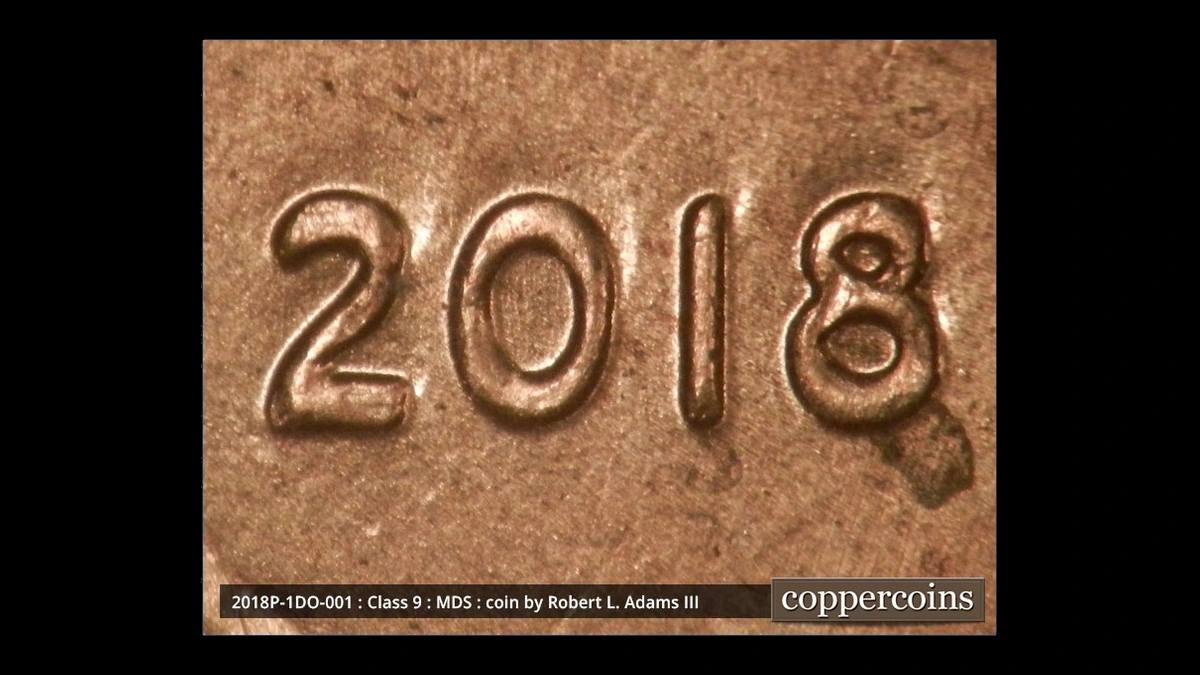
The first reported Philadelphia doubled-die cent of 2018 had extra thickness in its date numerals and other details. Coin World described it in November 2018.
Later Denver reports include an extra-looking ear outline, while separate accounts mention VDB and light thickening at the reverse LB initials. These are different patterns, not one set of features expected on every coin.
How to Identify
Read the mintmark and select the affected face before choosing a reference. The absence of P is normal for the Philadelphia issue.
Compare the date pattern for the early Philadelphia front report. A Denver ear, a VDB feature, or reverse LB thickening requires its own matching photograph.
Repeated design begins on the tool and does not mean the coin was struck twice. A low flat shelf from movement during striking also needs to be separated from the actual extra thickness or contours.
What It’s Worth
$5–$30 is the estimate for minor identified doubling, with about $30–$100 for stronger attractive examples. These are comparisons with small modern Shield-cent varieties.
The early discovery report establishes a Philadelphia pattern without supplying a price for every later claim. An ear nickname or indistinct thick edge does not by itself justify the upper estimate.
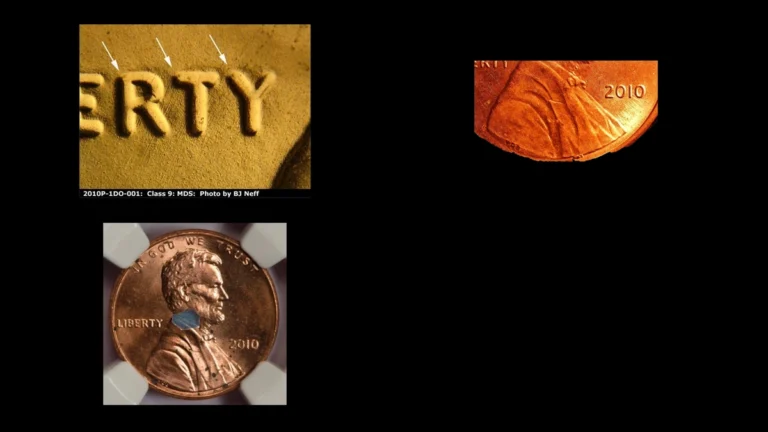
3. 2018 Penny A Bar, Ridge, or Cracked Area Stands Out: Die Chips and Retained Breaks Error
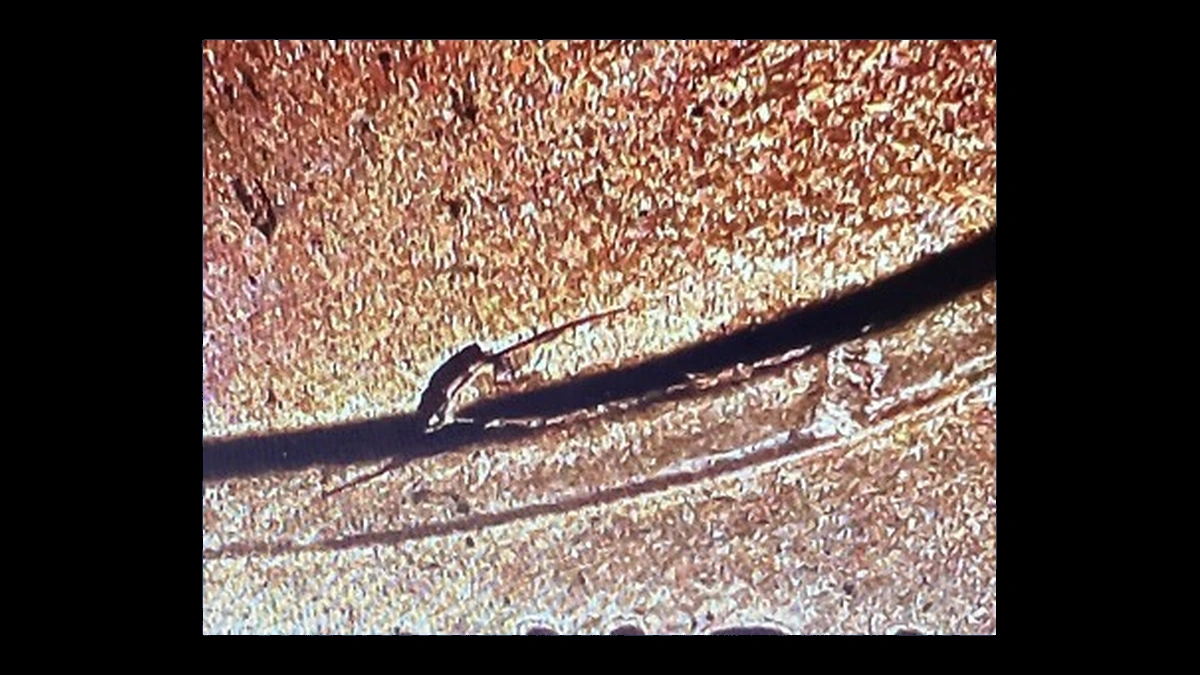
A BIE bar sits between B and E in LIBERTY, while separate reports describe shield or ONE CENT bumps and head-to-rim ridges nicknamed Spiked Head. These can result from small openings in a damaged die.
A larger cracked section may remain in the tool, leaving a bordered area that still carries design. Reports using PreCud or retained-break names must be matched individually rather than treated as one specimen.
How to Identify
Decide whether the feature is a small bump, a solid bar, a ridge, or a larger bounded area. A raised line from a tool crack differs from a cut in the finished penny.
For a retained break, find a cracked boundary enclosing surviving design near the rim. One line alone does not prove that a section of the die moved.
A featureless rim-connected mound can represent a different stage after a piece fell away. Do not press a bump to test it, because fragile plating blisters can imitate raised metal.
What It’s Worth
$2–$50 is the estimate for minor chips and short cracks. Clearer retained rim breaks can fit about $50–$400.
A 2021-D retained-cud Shield cent sold for $186 in September 2025 at PCGS MS64 Red. That unworn, copper-red different-year coin compares the larger break, not every tiny 2018 BIE bar.
4. 2018 Penny A Piece of the Shield Appears behind Lincoln: Die Clash Error
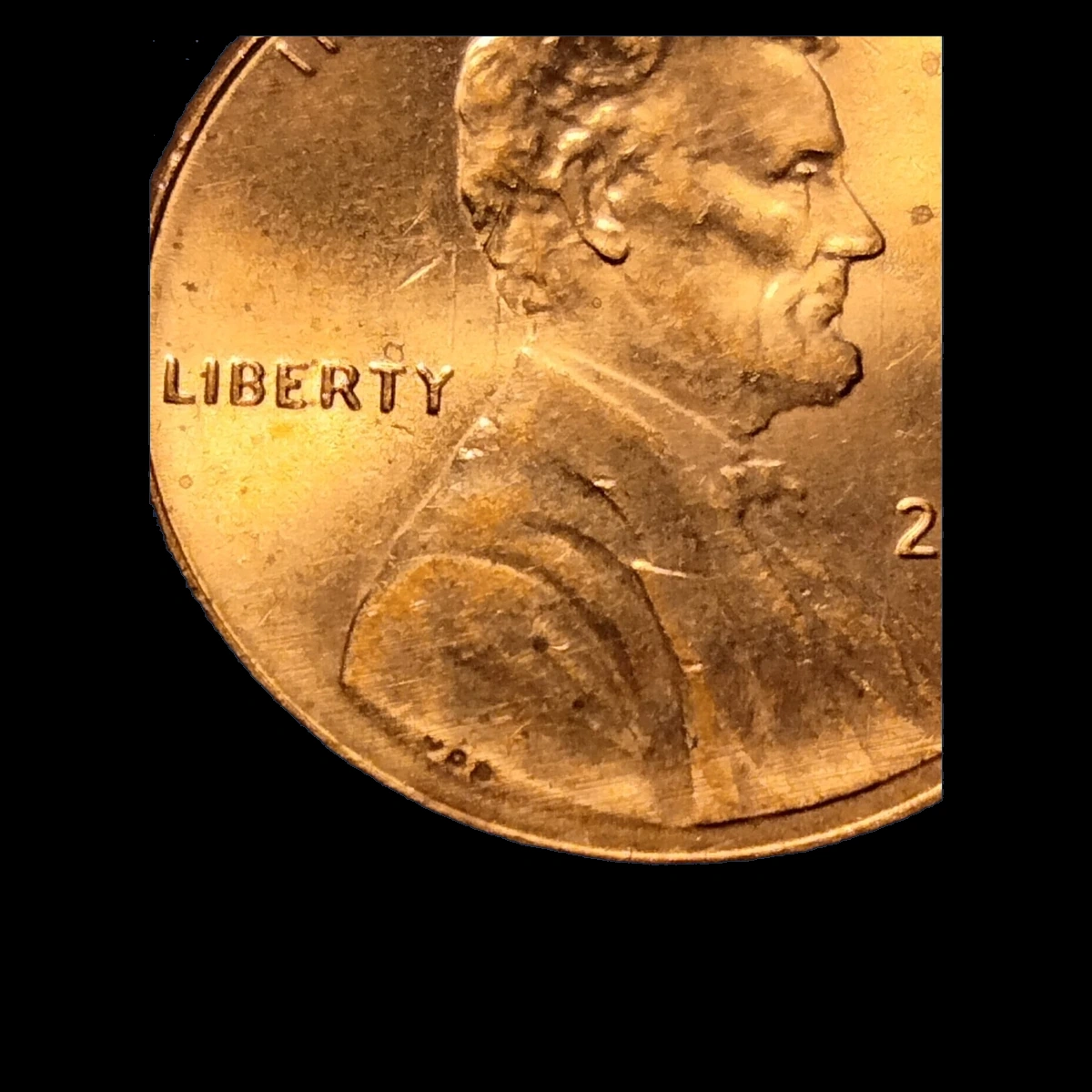
Reported 2018 traces near Lincoln’s neck or shoulder resemble parts of the shield. Other reports concern unusual shapes in the reverse’s open areas.
The dies can meet without a blank between them and pick up marks from the opposite design. Later coins then show those transferred traces.
How to Identify
Compare the suspected front-side lines with a clear shield image and locate a real matching fragment. Its position must make sense for contact between the tools.
Do not connect distant scratches simply because they point in similar directions. Plating wrinkles and polishing lines can also look parallel without reproducing the opposite design.
Move the light slowly and keep the whole face beside the close-up. A clear geometric match is stronger evidence than an unfamiliar faint shape alone.
What It’s Worth
$10–$50 is the estimate for faint recognizable clashes. More obvious transferred design on attractive coins can fit about $50–$150.
No exact 2018 auction result is supplied for the reported neck or shoulder traces. Wear and damaged coating can reduce the visibility that makes a clash interesting.
5. 2018 Penny One Patch Is Weak or Impressed: Struck-Through Error
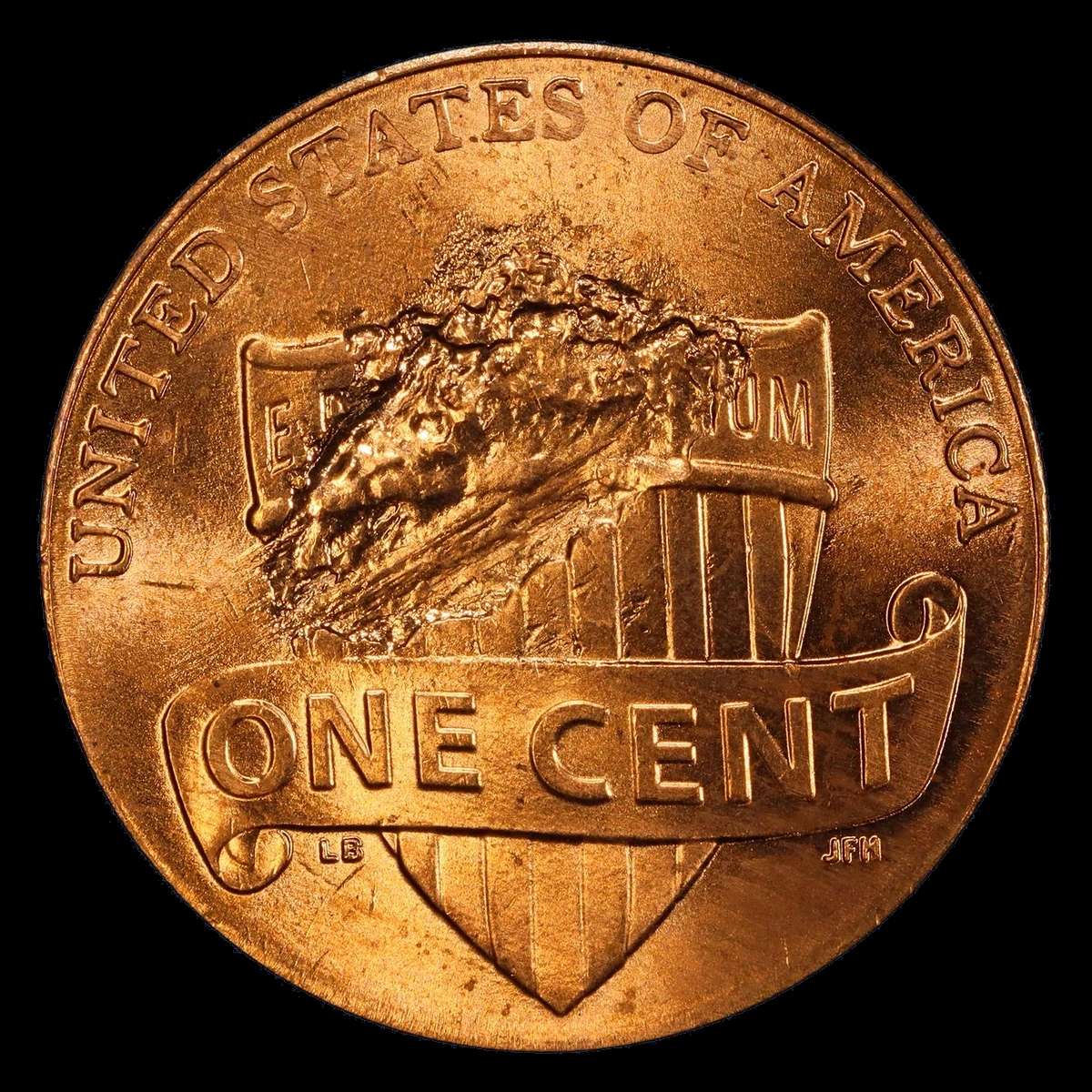
Reports describe weak forehead, nose, chin, or shield details where material may have blocked the die. A solid object can leave a sharper impression than grease.
The supplied descriptions do not identify every material or location. Missing detail alone can also come from wear, a weak strike, or later damage.
How to Identify
Start with the clear design beside the affected area. Ordinary wear usually affects exposed high points beyond one local blocked patch.
Follow where the normal detail fades or meets the impression. Scraping after minting can cut through finished features and push metal aside.
Record both faces and keep any accompanying misalignment separate in the explanation. A vague mark should not be assigned to wire, cloth, or another material without supporting evidence.
What It’s Worth
$5–$40 is the estimate for small clear grease-related weak areas. Stronger or more sharply shaped impressions can fit about $40–$200.
A 2021-D grease strike-through sold for $84 in September 2025 at PCGS MS64 Red. That other-year result provides context without pricing each reported 2018 face mark.
6. 2018 Penny Gray Zinc Shows through the Copper: Missing Plating Error
The reported 2018 example has copper missing from the front. A modern penny is a zinc blank with a thin copper coating, rather than the thicker bonded-layer construction of a dime.
The label alone does not establish when the copper disappeared. It could be absent before striking, split during striking, or be damaged after the coin entered circulation.
How to Identify
Inspect both faces and the edge under matching light. The copper-to-zinc boundary should show real material structure rather than a color difference created by the photograph.
Look for pits, abrasion, or chemical roughness that can explain later loss. Compare original design and texture across the boundary with an authenticated plating-error example.
A standard cent weighs 2.50 grams and measures 19.05 millimeters, with a smooth edge. The coating is thin enough that a small loss may barely change weight; scratching or chemical testing would damage useful evidence.
What It’s Worth
$10–$50 is the estimate for a small genuine original plating defect. More extensive original missing copper on an attractive coin can fit about $50–$400.
No sale is supplied for the reported 2018 front-side example. Chemically stripped cents do not receive this mint-error premium simply because the surface has turned gray.
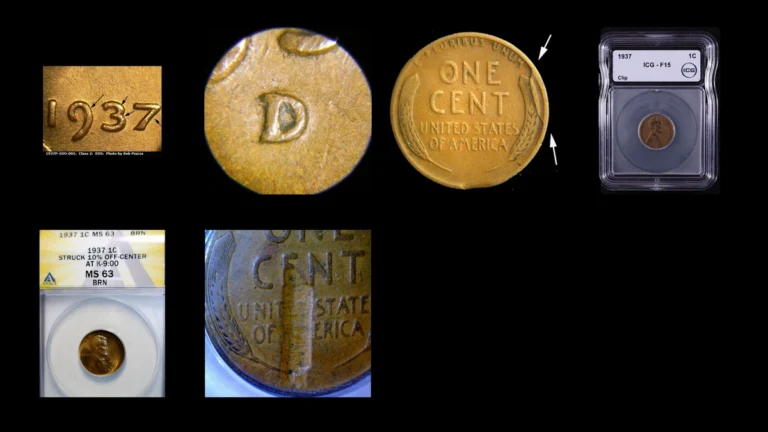
7. 2018 Penny The Full Design Sits inside Extra Width: Broadstrike Error
A penny’s smooth edge is normal, so it cannot diagnose a broadstrike. The important change is original metal spreading beyond the usual width while retaining the full design.
The collar normally restrains that spread during striking. The 2018 reports list collar failure without one fixed mint or expansion direction.
How to Identify
Measure several directions against the standard 19.05 millimeters and trace the outer lettering on both sides. All the intended design should remain within the enlarged outline.
Spreading can preserve nearly the original weight because metal moves rather than disappears. That does not rule out later flattening, which can also widen a penny.
Check for crushed lettering, flattened portrait detail, and pressure marks on the smooth edge. Natural striking evidence is needed beyond a large measurement.
What It’s Worth
$40–$150 is the estimate for modest genuine spreading. Stronger expansion on clean unworn examples can fit about $150–$350.
These are modern Lincoln broadstrike comparisons, not a supplied sale of a named 2018 coin. A normal smooth edge or later flattened cent does not qualify.
8. 2018 Penny A Plain Crescent Borders Lost Design: Off-Center Strike Error
A misplaced blank may receive only part of Lincoln’s design, leaving original bare metal beside the struck area. Both faces should reflect the same displaced blank.
The year guides give no certified mint, direction, or exact percentage for a particular 2018 example. General percentage bands should not be turned into specimen details.
How to Identify
Keep a fully readable 2018 date in the record. A guess from a partial final digit is not enough to establish the year.
Compare the incomplete designs on both faces, then inspect the boundary for grinding. An unstruck surface differs from finished detail removed later.
If only one face shifts, use the misaligned-die check. The plain crescent is still metal, so a missing section of the edge also needs a different explanation.
What It’s Worth
$15–$75 is the estimate for modest genuine readable-date shifts. Stronger attractive offsets can fit about $75–$500.
The figures compare other modern Lincoln errors rather than a recorded 2018 percentage or mint. A large shift can lose the date, and a fixed price per percentage point would ignore that difference.
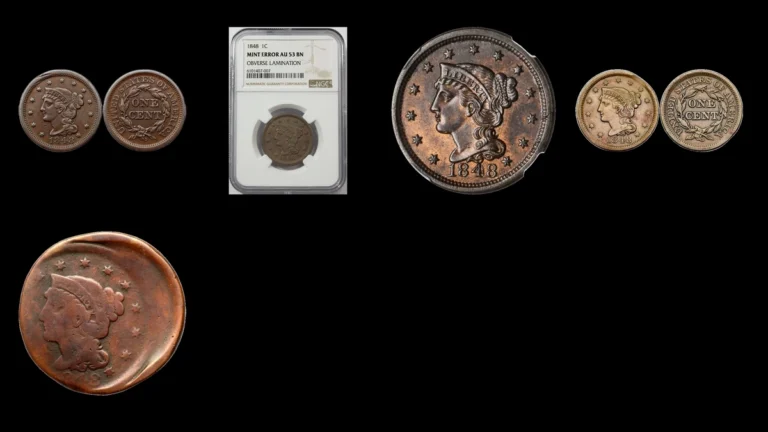
9. 2018 Penny Measurements Suggest a Different Blank: Reported Wrong-Planchet Error
A planchet is a prepared blank that receives the coin design. A wrong-planchet error means Lincoln’s design was struck on a blank intended for something else.
The supplied 2018 listing discusses the possibility without an identified confirmed example. It does not establish a 2018 cent struck on an old copper blank.
How to Identify
Check the scale with an ordinary coin, then record weight and diameter. Dirt, coatings, and a faulty scale can produce misleading readings.
Inspect the edge and outer lettering for filing or trimming. A genuinely smaller blank may never have received some outer design, unlike a completed coin cut down later.
Gray color can come from exposed zinc or added plating, so metal identification needs more than a photograph. Even the cent included in the 2018 silver collector set remains copper-plated zinc.
The proposed blank should explain composition, size, weight, and original striking features together. One unusual measurement cannot establish the whole case.
What It’s Worth
$300–$2,000 is the conditional estimate for an authenticated 2018 example on an identified wrong blank. No confirmed 2018 sale is claimed.
An 1981-D cent on a clad dime blank sold for $372 in September 2025 at PCGS MS62. That older coin has a different reverse and a known blank, making it a comparison rather than proof of a 2018 discovery.
Conclusion
Use the actual change on your 2018 penny to choose the next check. One shifted face, an extra outline, a retained cracked area, and exposed zinc each need different evidence.
Keep normal features out of the error category: a plain edge, no Philadelphia mintmark, and the standard collector-set cent are expected. For the reported wrong-blank possibility, the complete physical evidence must agree before its conditional price range is useful.