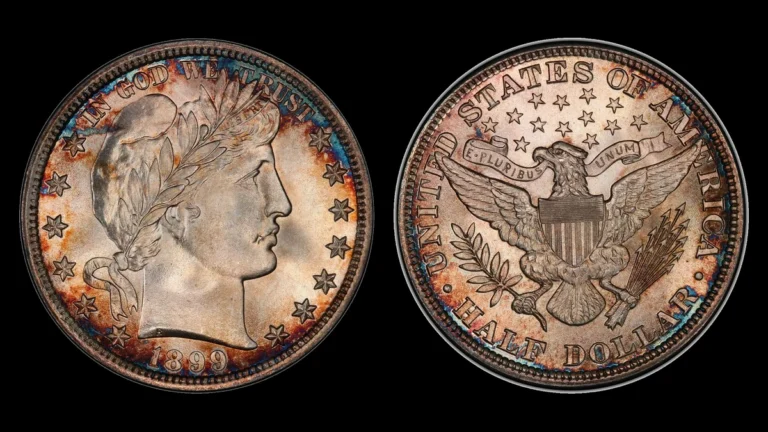
Rare 1910 Half Dollar Errors (List & Pictures)
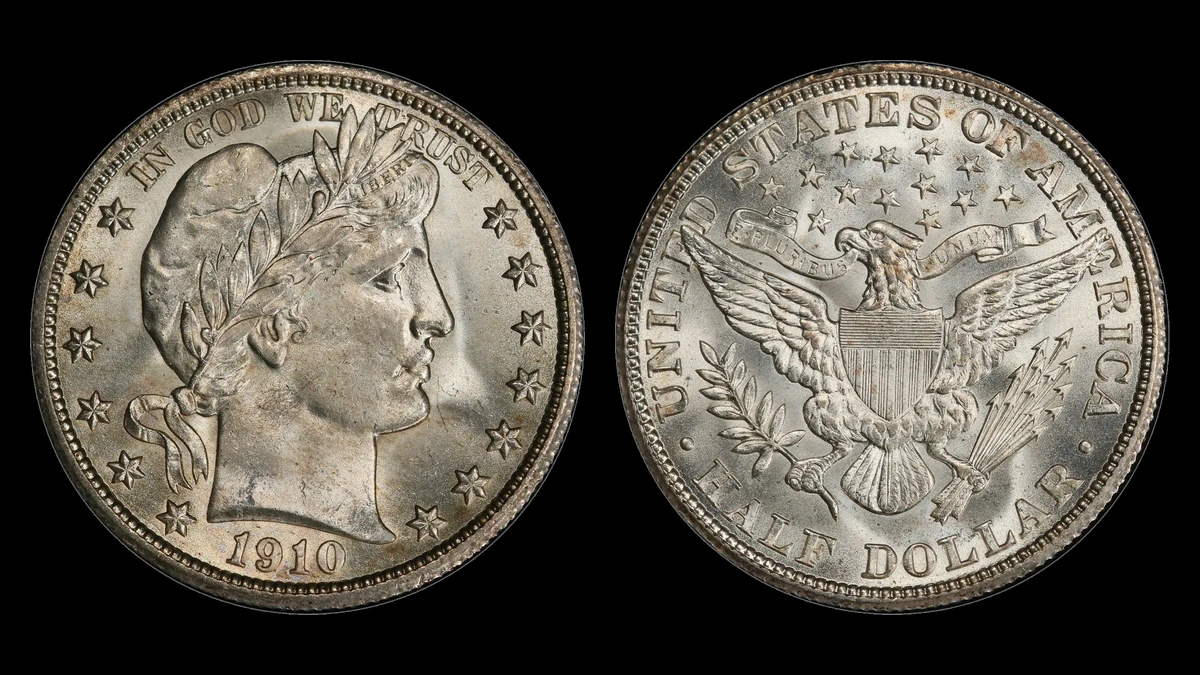
The listed S/S variety makes 1910 half dollar errors a close-up search: you are looking for an earlier mintmark below the final S. Confirmed worn examples have an estimated range of $100–$400.
A regular VF30 1910-S sold for $186 in October 2025, providing a comparison for the date rather than the error. Establish the denomination and lower S outline before using that price.
1910 Half Dollar An Earlier S Hides Below the Mintmark: Repunched Mintmark Error
Find the space beneath the eagle’s tail, where the San Francisco S sits above the denomination. The reported variety preserves a second, lower curve here, described by collectors as S/S south.
This is a useful distinction from a damaged S: the extra curve belongs to an earlier punch position. It was retained in the steel die used to stamp the coin after the mintmark punch was applied again in a slightly different spot.
How to Identify
Begin with a view wide enough to include HALF DOLLAR and the eagle. This prevents a close-up of a 1910-S cent or another denomination from being mistaken for a reference to this half-dollar variety.
Under a 10× magnifier, study the area directly below the S. Try to follow a coherent piece of an earlier letter through the overlapping metal.
Side lighting can help reveal the curve, but repeat the inspection with the light moved. A shadow changes with the lamp; the actual outline stays in the same place.
A lumpy edge may result from corrosion, while a hit may push metal outward from the letter. A flat step beside the S can also come from movement during striking, so extra thickness by itself is inconclusive.
The Barber Coin Collectors’ Society lists the 1910-S variety, although no survey respondent reported owning it. That absence of reports neither proves that no examples exist nor supplies a reliable survival count.
For this reported variety, a specialist’s comparison with a documented half-dollar example is especially useful. Keep photographs of the whole coin as well as the mintmark so that the date, denomination, and surrounding surface remain available for review.
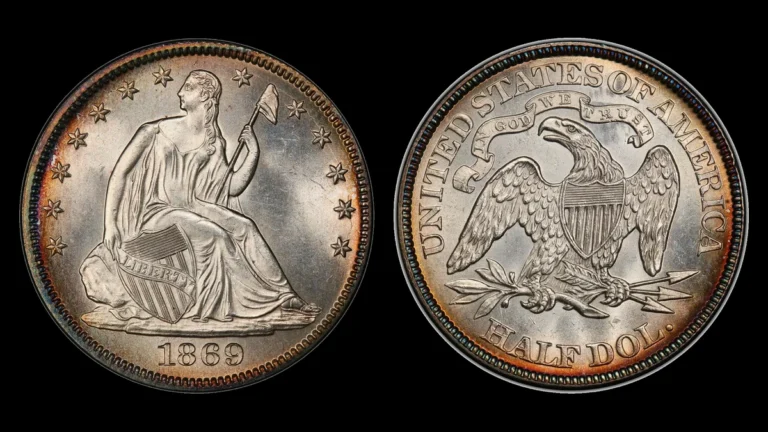
Basic measurements offer a separate check: an unworn Barber half weighs about 12.50 grams and measures 30.6 mm, with a grooved edge. A worn example may weigh less without having a mint error.
What It’s Worth
Estimated range: $100–$400 for confirmed examples in Very Fine through Extremely Fine condition. These are circulated coins that retain useful design detail.
The October 2025 comparison involved a regular 1910-S in PCGS VF30, auctioned for $186. It helps show the value already present in the date and mint, but it was not recorded as an S/S sale.
The supplied evidence also includes a $69 result for a 1942-D/D half in March 2024. That different-year repunched mintmark offers another comparison, without establishing the market price of this 1910 variety.
There is no direct 1910-S/S transaction in those two results. Clear evidence of the extra letter, remaining detail, and the quality of the surfaces are therefore more useful than treating either number as an exact price.
Conclusion
The reported 1910-S/S asks you to find an earlier letter beneath the S, then verify its shape against the correct denomination. A rough mintmark alone leaves that identification unresolved.
Its estimated $100–$400 range is for confirmed circulated examples, while the $186 regular-coin sale is only a condition comparison. The survey’s zero ownership reports should also remain separate from any claim about how many coins survive.