Rare 1853 Half Dollar Errors (List & Pictures)
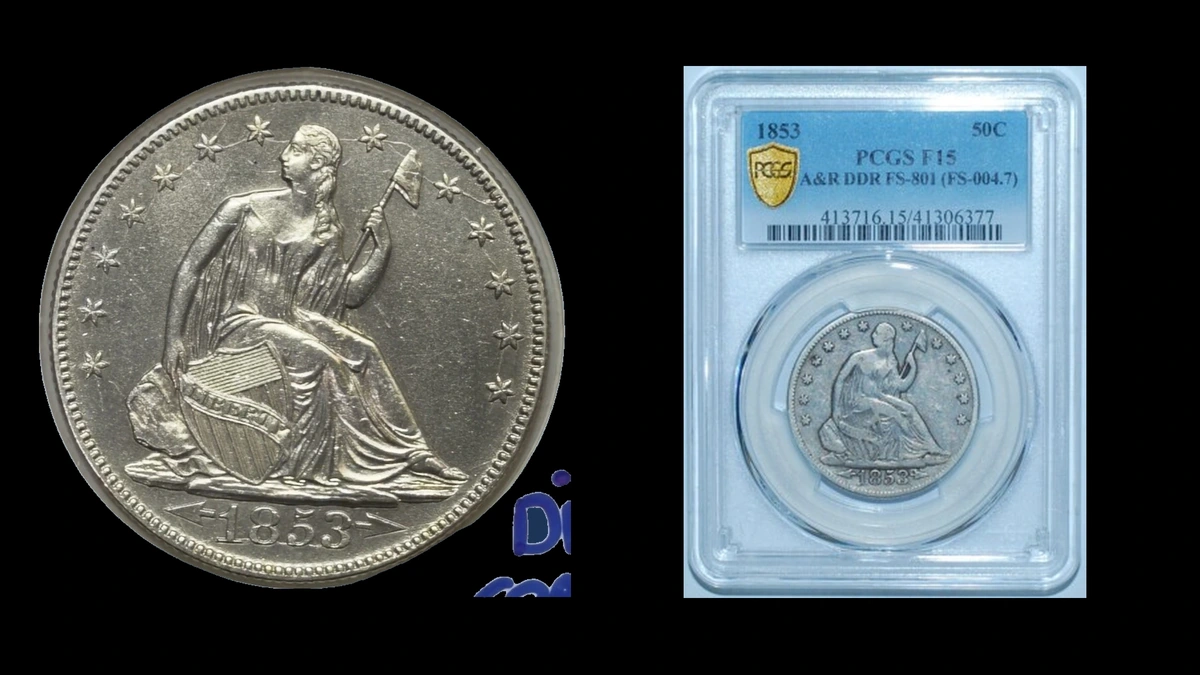
Arrows beside the date and rays around the eagle belong on an 1853 half dollar. Knowing those normal features makes the unusual ones easier to judge.
The 1853 half dollar errors below have estimated comparisons of $500–$16,000 at the stated grades. A PCGS MS65 doubled-reverse FS-802 sold for $14,030 at Heritage in September 2026.
Look beyond the intended arrows and rays for missing metal, raised cracks, transferred shapes, or repeated letters.
| Area to check | Feature | Estimated comparison |
|---|---|---|
| Outside edge | Clipped blank | $600–$2,000 |
| Rock, arrow, and date bases | Reported die crack | $800–$1,500 around AU58 |
| Unexpected shapes on either face | Die clash | $2,500–$4,500 around MS63–MS64 |
| HALF DOL on the reverse | Doubled die FS-802 | $500–$1,200 lightly worn; $12,000–$16,000 near MS65 |
A normal unworn Arrows and Rays half weighs 12.44 grams and measures about 30.6 millimeters across, with a grooved edge. Record the mint from the actual coin instead of assuming it from an incomplete listing.
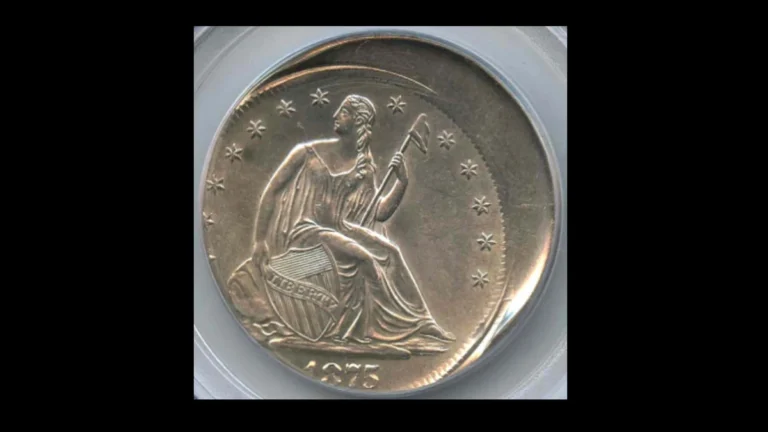
1. 1853 Half Dollar A Missing Section Near the Lower Edge: Clipped Planchet Error
A Fred Weinberg catalog from 1984 describes an 1853 Arrows and Rays half with a clip near seven o’clock. Both sides were graded AU55, indicating light wear, but the description did not identify the mint.
A genuine clip begins with an incomplete blank cut from the metal strip. The coin receives its design afterward, so the missing boundary must fit that sequence.
How to Identify
Hold the date upright and inspect the seven-o’clock gap on the documented example. Include the nearby design and border teeth in the close-up.
Look for saw marks, filing, or edge grooves cut off by a later tool. A weak rim opposite the missing piece can support a genuine clip, though it may not be obvious on every coin.
Weigh a loose coin and measure its remaining round portion against the normal specifications above. Lower weight alone cannot rule out a cut made after minting.
What It’s Worth
Estimated range: $600–$2,000 for a genuine circulated through lightly worn Arrows and Rays clip. The reprinted 1984 catalog offered its AU55 example for $600.
That was a historical asking price. A regular ANACS AU58 sold for $1,140 in December 2025, providing newer context for the underlying coin rather than a sale of the clipped specimen.
Clip size, edge formation, and condition still matter. An old rarity claim does not establish the current value by itself.
2. 1853 Half Dollar A Raised Path Beneath the Date: Die Crack Error
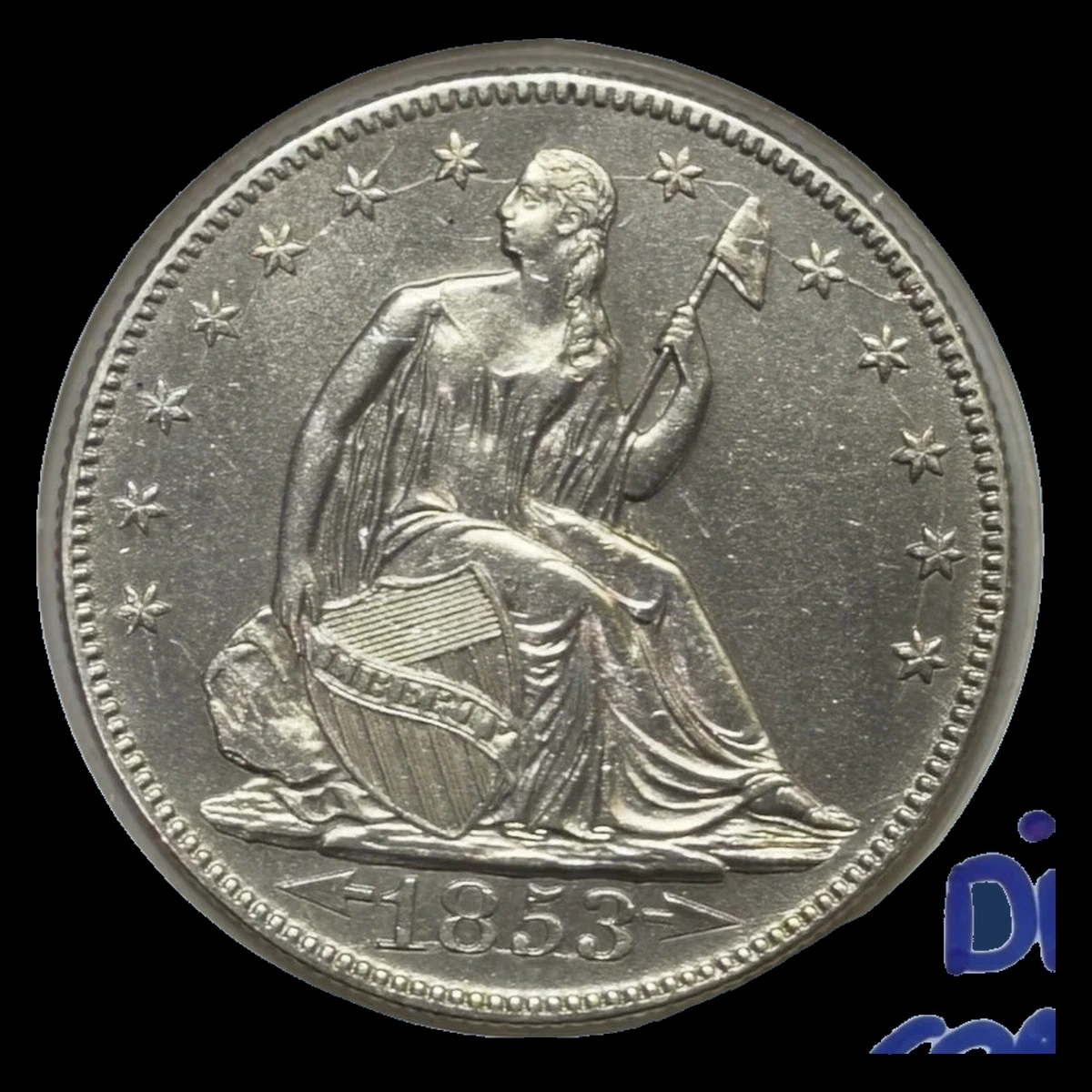
An owner describes a line running from the rock through an arrow and along the bottoms of the date digits on a Philadelphia half. The coin carries a PCGS AU58 grade.
The grade and the owner’s crack description are separate evidence. The description is not a separate PCGS opinion identifying the error.
A die crack can produce this kind of ridge when silver enters a fracture in the steel stamping tool. A later scratch usually cuts into the surface instead.
How to Identify
Follow the complete rock-to-arrow-to-date route with a 10× magnifier. One bright spot beneath a digit is not enough to match the report.
Change the lamp angle to see whether the line rises above the surrounding silver. Keep the arrows and the whole date visible as landmarks.
The reported example is Philadelphia, with no mintmark. Confirm that point before comparing a similar line on a branch-mint coin.
What It’s Worth
Estimated range: $800–$1,500 for a lightly worn example comparable to the reported AU58. Original shine and clean surfaces contribute heavily at this level.
The regular ANACS AU58 sale at $1,140 in December 2025 is a whole-coin condition comparison. It was not a sale of the owner’s cracked example.
3. 1853 Half Dollar Shapes Beyond the Normal Rays: Clashed Dies Error
Account for the intended rays around the eagle before calling an extra line a clash. A true clash should relate to a design feature from the opposite face.
The dies can mark each other when they meet without a blank between them. Later coins may then show those transferred shapes in unexpected places.
PCGS lists a clashed Philadelphia Arrows and Rays variety. A random scratch or ordinary ray does not establish that identification.
How to Identify
Place a normal 1853 half beside the candidate and identify which lines belong to the design. Then compare any extra shape with the opposite face.
Inspect both sides under changing light with a magnifier. A transferred design pattern is more informative than several unrelated straight lines.
Use a confirmed clashed example for the final shape comparison and verify the absence of a Philadelphia mintmark. Do not infer a clash from the number of rays alone.
What It’s Worth
Estimated range: $2,500–$4,500 for an unworn example around MS63–MS64 with clear clash marks. These grades allow different amounts of surface marks despite no circulation wear.
A regular PCGS MS64 sold for $3,737.50 at Heritage in April 2010. That older result compares the whole coin in similar condition, not a separately measured clash premium.
Worn coins require lower-grade comparisons. Clear transferred shapes may interest specialists, but they do not erase differences in preservation.
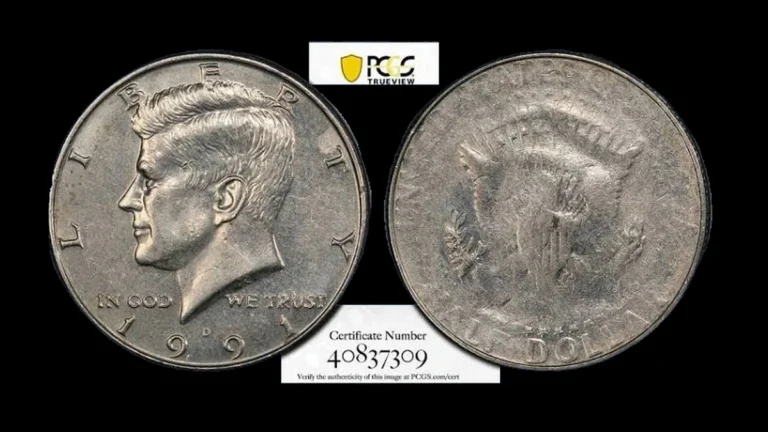
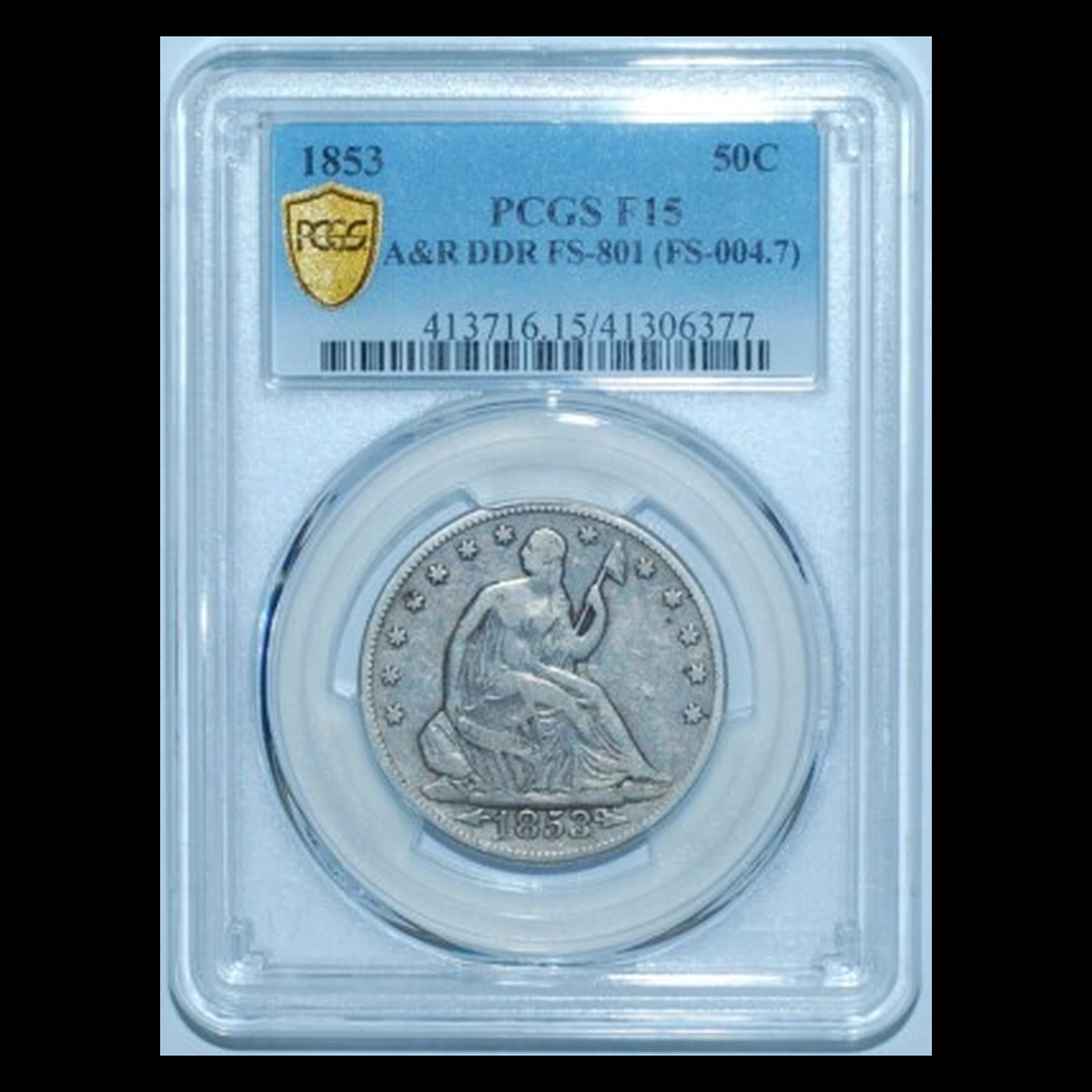
4. 1853 Half Dollar Paired Outlines in HALF DOL: Doubled Die Reverse Error
On FS-802, some letters in HALF DOL show a second outline. The doubled design was already in the die before it struck the coin.
Slightly misaligned design impressions during die preparation can create that repeated detail. Several doubled-reverse varieties exist for 1853, so their identifying marks need not be identical.
How to Identify
Keep the complete letters below the eagle visible and compare them with the FS-802 reference pictures. Match each actual extra outline rather than judging general thickness.
Move the light to rule out glare and inspect the height of the detail. A low flat shelf from movement during striking differs from rounded doubled outlines.
Confirm the normal arrows, rays, and lack of a mintmark. Other doubled varieties need their own matching photographs rather than the FS-802 pattern.
What It’s Worth
Estimated range: $500–$1,200 for lightly worn examples. A PCGS AU58 FS-802 brought $990 in April 2025.
A much better-preserved PCGS MS65 FS-802 sold for $14,030 at Heritage in September 2026. It supports a separate estimate of $12,000–$16,000 near that high unworn grade.
The recorded results illustrate the importance of condition. Visible doubling on a worn coin does not give it the MS65 price.
Conclusion
Recognize the normal arrows and rays first, then use the edge and lettering landmarks to investigate what is different. Raised crack paths, missing metal, opposite-design traces, and paired letters need separate checks.
The $500–$16,000 comparison span covers very different conditions. Keep the grade with each figure, especially when comparing a lightly worn doubled die with the exceptional MS65 sale.