Rare 1867 Half Dollar Errors (List & Pictures)
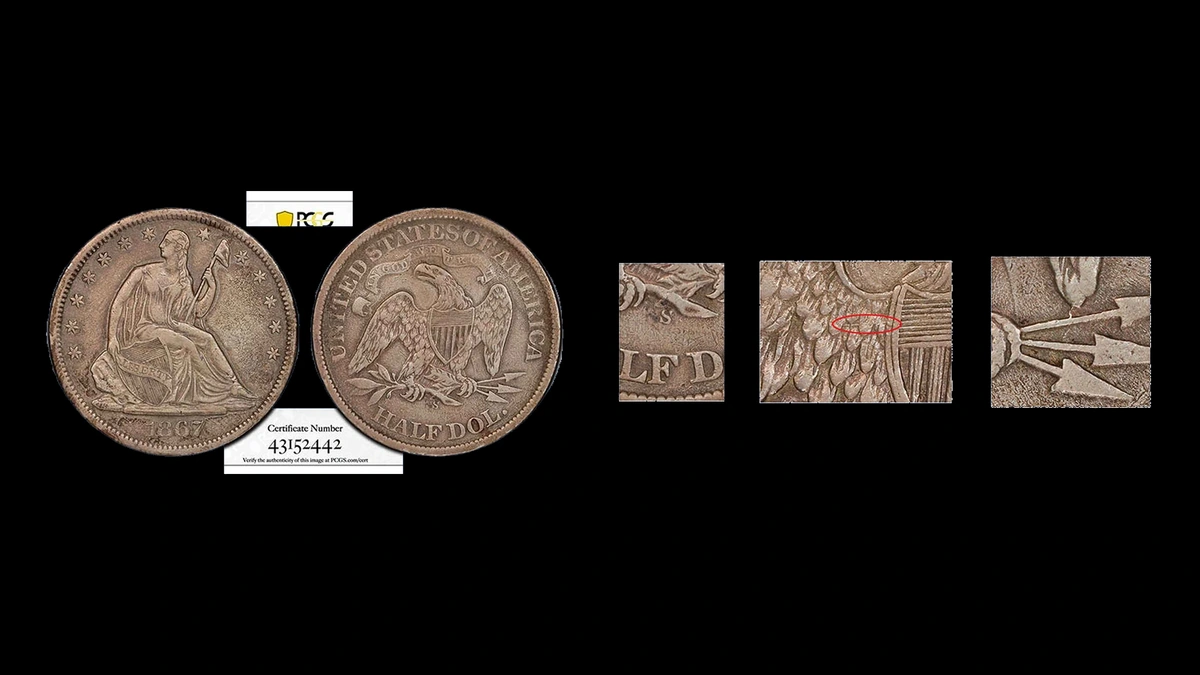
The date, motto, and small S offer several starting points for identifying 1867 half dollar errors. Whole-coin values range from an estimated $150 for some worn examples to $5,875, paid in 2013 for an uncirculated repunched-mintmark half graded PCGS MS64.
Inspect the perimeter before moving through the date, Liberty’s figure, and the reverse lettering. Small extra lines can identify a variety, but the coin’s mint and condition still explain much of its price.
| Visible feature | Category | Value context |
|---|---|---|
| Curved rim gap | Clipped planchet | $400–$1,600 estimated |
| Extra date fragment | Repunched or misplaced date | $350–$1,500 estimated |
| Ridge near foot or lettering | Die crack | $150–$800 estimated |
| Unexpected design curves | Die clash | $250–$1,000 estimated |
| Line across wing or words | Die gouge | $200–$900 estimated |
| Extra motto outlines | Doubled die reverse | $500–$2,500 estimated |
| Second curve beside S | Repunched mintmark | $300–$1,200 circulated; $5,875 MS64 sale |
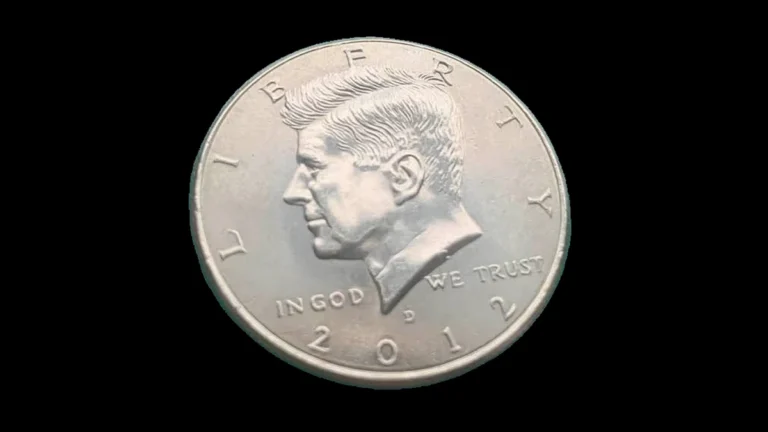
The original weight standard is 12.44 grams, with a diameter near 30.6 millimeters and a grooved edge. Allow for circulation wear when weighing an old half, and distinguish Philadelphia coins without a mintmark from San Francisco coins with an S below the eagle.
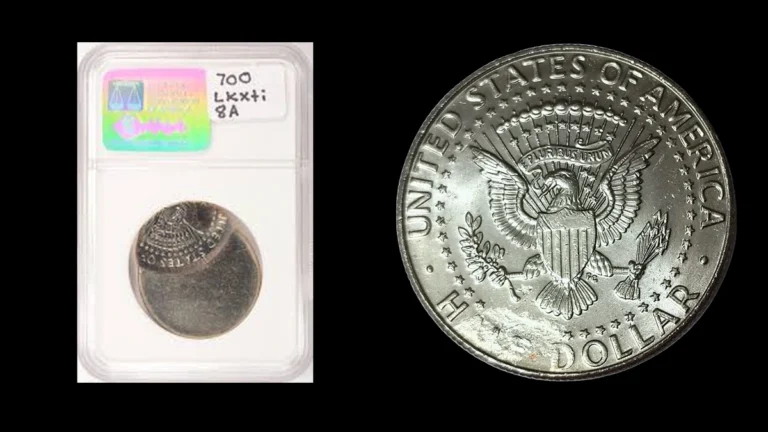
1. 1867 Half Dollar A curved gap around ten o’clock: Clipped planchet Error
A documented Philadelphia half has a curved missing section near ten o’clock. Its blank was incomplete before striking, consistent with the blanking punch overlapping an earlier hole in the metal strip.
How to Identify
Examine how the struck rim and design approach both ends of the gap. Original transitions are more persuasive than a curve alone, since a later cut can imitate the outline.
Check the missing section from the edge for saw marks or filing. A weak area on the opposite rim, called the Blakesley effect, may support a genuine clip, though it is not always equally visible.
A clip should reduce the coin’s weight because metal is absent. The reported coin has no mintmark and was graded NGC Unc Details, meaning it retains uncirculated detail but has a problem preventing a normal numerical grade.
What It’s Worth
The supplied estimate is $400–$1,600 across circulated and Unc Details examples, with surface problems and wear important to the comparison. The documented NGC curved-clip auction ended in September 2023, but its public page does not disclose the result.
An 1832 Capped Bust half with a minor blank flaw sold for $263.25 in July 2025. That lower-grade coin belongs to another series and cannot set the price of the better-detailed 1867 clip.
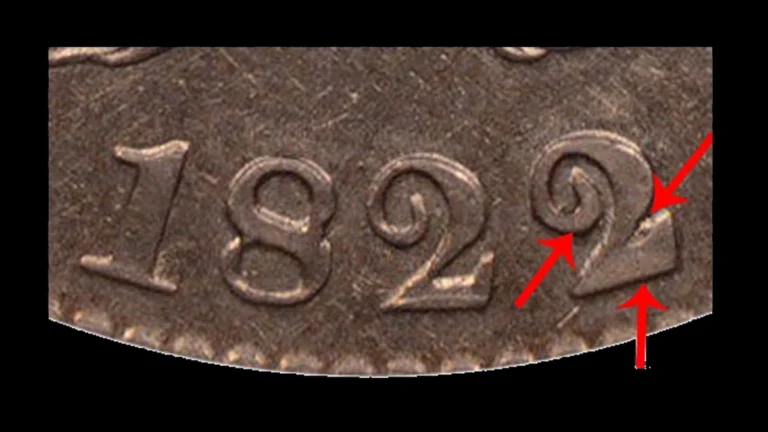
2. 1867 Half Dollar A stray digit below the date or extra numeral edges: Date-punching varieties Error
The space beneath 1867 deserves a close look on Philadelphia halves: a reported misplaced 6 sits among the tooth-like inner border marks, called dentils. Other Philadelphia examples show repunching at 67, while San Francisco reports involve 186 or the 1.
These features came from the date being entered into the die by hand. A shifted or misplaced punch could leave part of an earlier impression visible on the finished coin.
How to Identify
First establish the mint, then compare the relevant digits instead of expecting all four to be doubled. The published Philadelphia listing places the extra 6 in the dentils without identifying a particular border tooth.
A surviving curve or stroke should make sense as part of a numeral. Scratches, thick digit edges, and random raised marks need not come from a second date impression.
What It’s Worth
Clear date-punching varieties on circulated coins are estimated at $350–$1,500. Philadelphia and San Francisco examples need separate comparisons because their underlying coin values differ.
An uncirculated 1865 half with lightly repunched 1 and 5, graded PCGS MS64, brought $3,360 in January 2025. Its higher condition and different date prevent treating that result as a sale of the 1867 misplaced 6.
3. 1867 Half Dollar A raised trail near Liberty’s foot or AMERICA: Die cracks Error
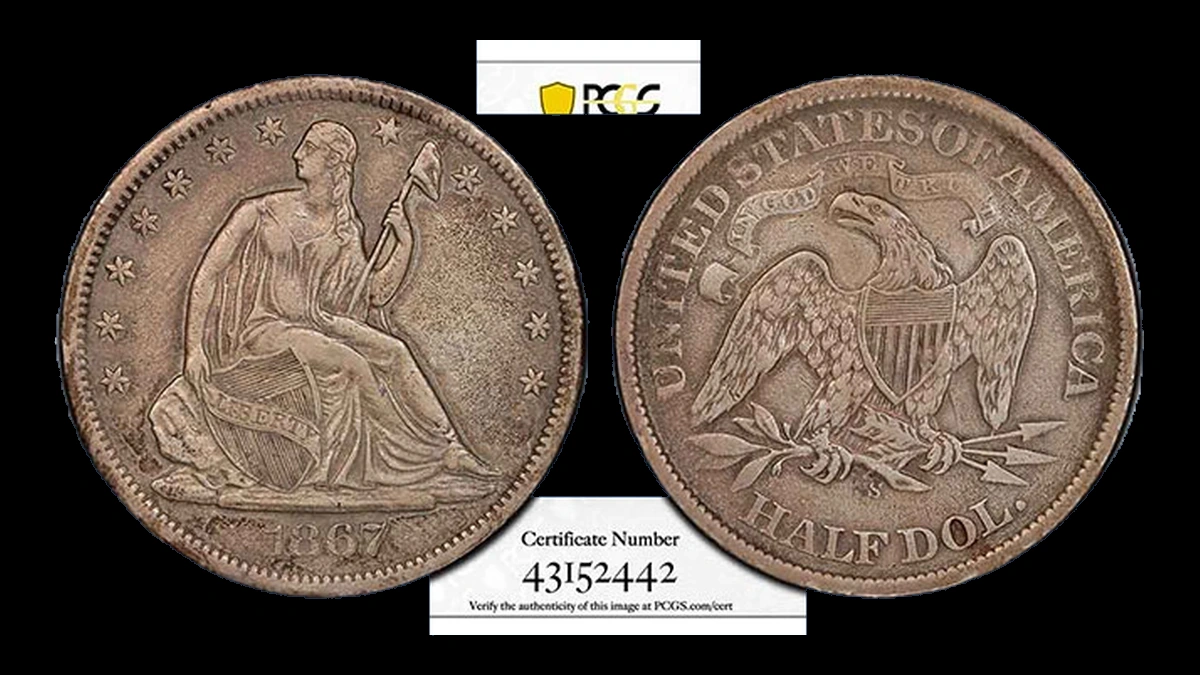
One reported 1867-S crack lies near Liberty’s foot; another reverse path passes from C in AMERICA through A toward the area above the arrowheads. These occur on separate examples and should not be combined into one required set of marks.
A crack in the die creates an opening that fills during striking. On the coin, the result is a raised ridge.
How to Identify
Locate the named landmarks and follow the entire line with angled light. Its surface should stand above the neighboring metal rather than form the channel of a scratch.
Do not connect unrelated nicks to manufacture a matching path. A broad area replacing design also requires a different description from a thin crack.
What It’s Worth
Circulated examples with a clear crack are estimated around $150–$800 as complete coins. A faint ridge may contribute little compared with date, mint, wear, and surface quality.
Ordinary 1867-S halves graded XF40, or extremely fine, appeared in sold listings at $275 and $295 in April 2026. An AU50 coin with CAC approval sold for $675 in March 2025, but those figures are condition comparisons rather than sales attributed to these cracks.
4. 1867 Half Dollar Extra curves around Liberty or the eagle: Clashed dies Error
Unexpected outlines beside Liberty’s arm, hand, or rock seat can be remnants of the reverse design. Reported reverse traces also occur around the motto scroll, wing, or shield.
When the dies meet without a blank between them, parts of their designs can mark the opposing tool. Later coins then carry those transferred traces.
How to Identify
Use photographs of both faces to determine which opposite-side feature could account for each curve. Its position and shape should agree with the way the dies faced one another in the press.
A few fine random lines are insufficient evidence. Follow enough of the suspected outline to distinguish a recognizable design fragment from scratches or polishing lines.
What It’s Worth
Clear clashes on circulated 1867-S halves have estimated whole-coin values of $250–$1,000. Better surfaces help the often faint outlines remain visible.
Ordinary 1867-S sold listings include $591.01 for PCGS AU53 in November 2025 and $875 for PCGS AU55 in January 2025. These about-uncirculated comparisons help explain the underlying coin value; they do not establish a fixed added clash premium.
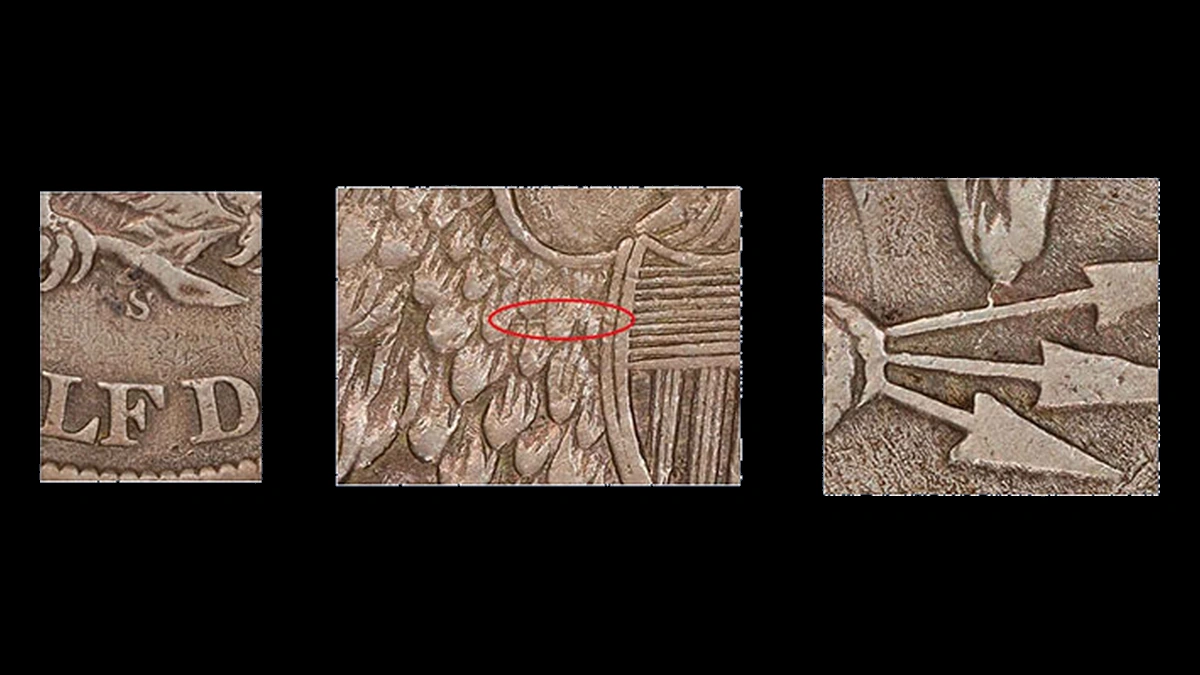
5. 1867 Half Dollar An added line across a wing or UNITED STATES: Die gouges Error
A horizontal raised line crossing the eagle’s left wing toward the shield identifies one reported 1867-S die gouge. A separate example has a line from the final D in UNITED through the first S in STATES.
Although a gouge is a cut, here the cut was in the die. Metal filling it during striking left a raised line on the coin.
How to Identify
Trace whichever of the two paths is present, using the wing and shield or the named letters as anchors. Neither specimen needs to carry both marks.
A scratch made directly on the coin has an incuse center, sometimes bordered by pushed-up metal. A branching ridge may instead be a die crack, so the line’s complete route is important for attribution.
What It’s Worth
The supplied range is $200–$900 for circulated examples with a clearly matched gouge. A readily visible mark on attractive surfaces can be more appealing than a faint trace obscured by wear.
No separate realized price is established for either line. Sales of ordinary San Francisco halves in extremely fine and about-uncirculated condition provide context, but do not measure the gouge’s added value.
6. 1867 Half Dollar Repeated lettering in the motto: Doubled die reverse Error
Concentrate on the motto above the eagle for the recorded 1867-S doubled reverse. Bill Bugert’s reference identifies doubling in that area and notes that the reverse die was paired with more than one obverse die.
The extra outlines originated in manufacture of the reverse die itself. Different-looking fronts therefore do not necessarily rule out the same doubled motto.
How to Identify
Compare the motto’s added letter edges with a clear reference photograph. Broadly thick feathers or a flat shelf caused by movement during striking are not substitutes for the recorded letter shapes.
Move the light to distinguish actual raised contours from reflection. Confirm the small S below the eagle; a Philadelphia proof should not receive this identity merely because it also carries a motto.
What It’s Worth
Comparable identified examples are estimated at $500–$2,500. Collected marketplace records include a PCGS XF45 doubled reverse at $543.67 in July 2023 and an NGC AU58 at $2,374.99 in November 2024.
These are records for coins in different grades, not a single standardized error price. Their spread shows how strongly preservation can affect a coin carrying the same reverse feature.
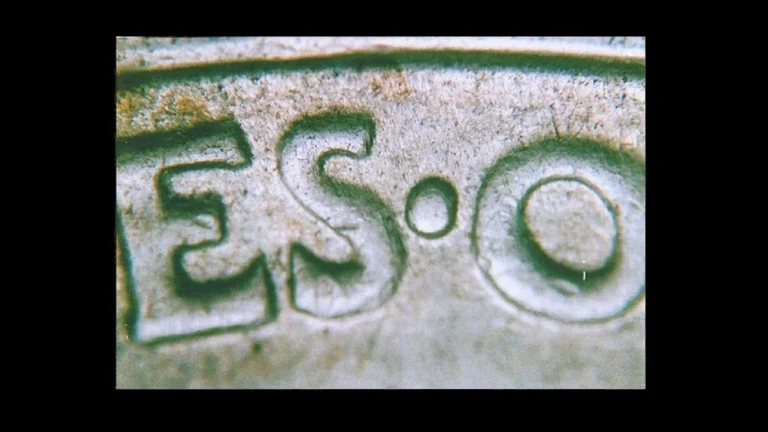
7. 1867 Half Dollar Another small curve beside the S: Repunched mintmark Error
The S beneath the eagle can preserve a fragment of an earlier mintmark impression. Workers entered that letter separately into the die, and a shift between punches could leave a second curve beside the final S.
How to Identify
Compare the extra curve with the cataloged PCGS MS64 example. A large or irregular S alone does not establish repunching.
The earlier impression may appear stronger on coins struck before the die became worn. Check the surrounding surface for scratches or damage that distort the letter without forming a genuine second S fragment.
What It’s Worth
Circulated examples are estimated around $300–$1,200, while similarly attractive MS64 coins have a comparison range of $4,500–$5,875. An NGC AU55 sold listing recorded $842 in April 2023.
The PCGS MS64 repunched-mintmark half brought $5,875 at Stack’s Bowers in 2013. That result includes the value of a scarce unworn coin and should not be interpreted as a $5,875 premium for the extra curve alone.
Conclusion
An 1867 half offers several kinds of extra lines: cracks, gouges, clash traces, and repeated punched details. Identify the line’s shape and location before deciding which process produced it.
Keep Philadelphia and San Francisco comparisons separate, and account for wear and surface problems before estimating an error premium. A well-matched small feature on a scarce, attractive coin can matter more to value than a larger mark on a heavily worn example.