Rare 1858 Dime Errors (List & Pictures)
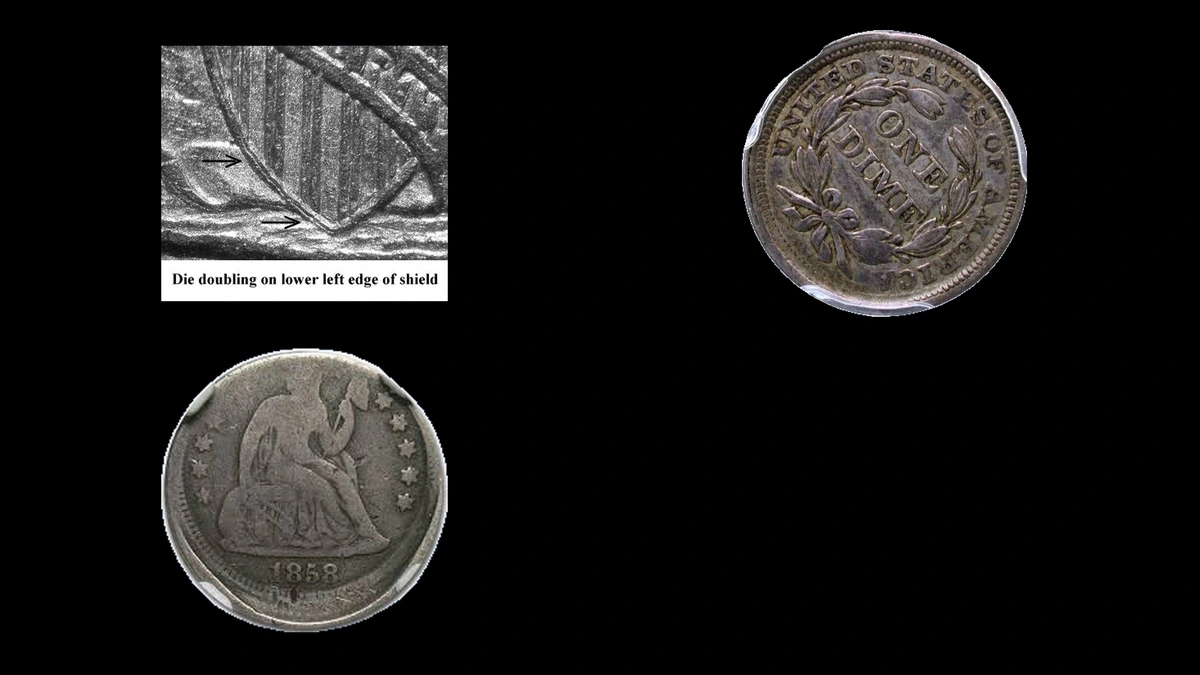
A photograph can show a doubled star but hide a rotated reverse. These 1858 Liberty Seated Dime errors need different checks, with estimated whole-coin values of $30–$1,500.
The supplied sale comparison is a different-year 1857 dime, 5% off center, at $184 in 2005. Begin with the small design clues, then use complete views or a controlled flip for the errors affecting the whole coin.
| Clue | Type | Estimated range |
|---|---|---|
| Extra star and shield outlines | F-107 doubled die | $100–$1,500 |
| Faint shapes near the wreath | F-102 clash | $30–$250 |
| Unspecified original metal defect | Reported blank flaw | $75–$500 |
| Back tilted left | Rotated dies | $100–$700 |
| Bare margin beside lost design | Off-center strike | $200–$1,000 |
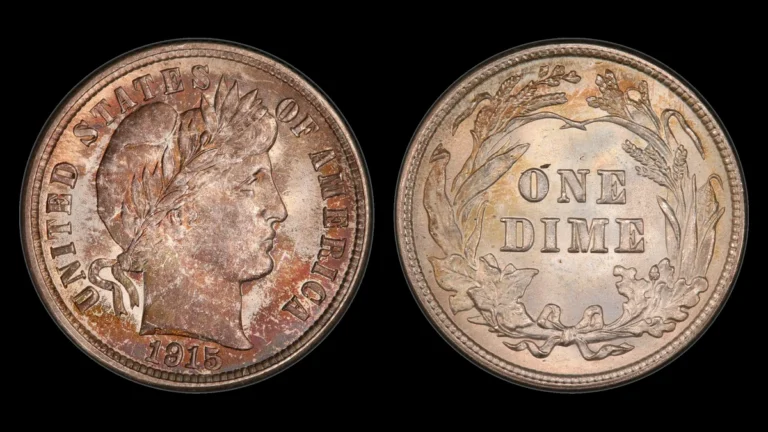
A normal dime of this year began near 2.49 grams and 17.9 mm, with a grooved edge. Check DIME on the reverse before measuring, since an 1858 half dime is a different denomination.
1. 1858 Dime Stars and Shield Edges Repeat: F-107 Doubled Die Error
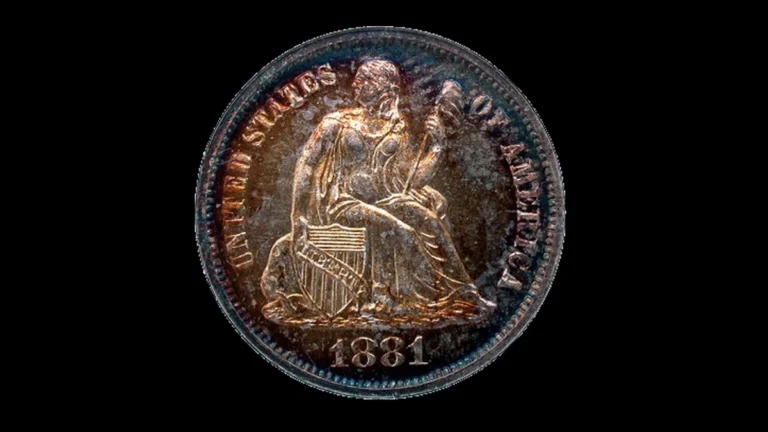
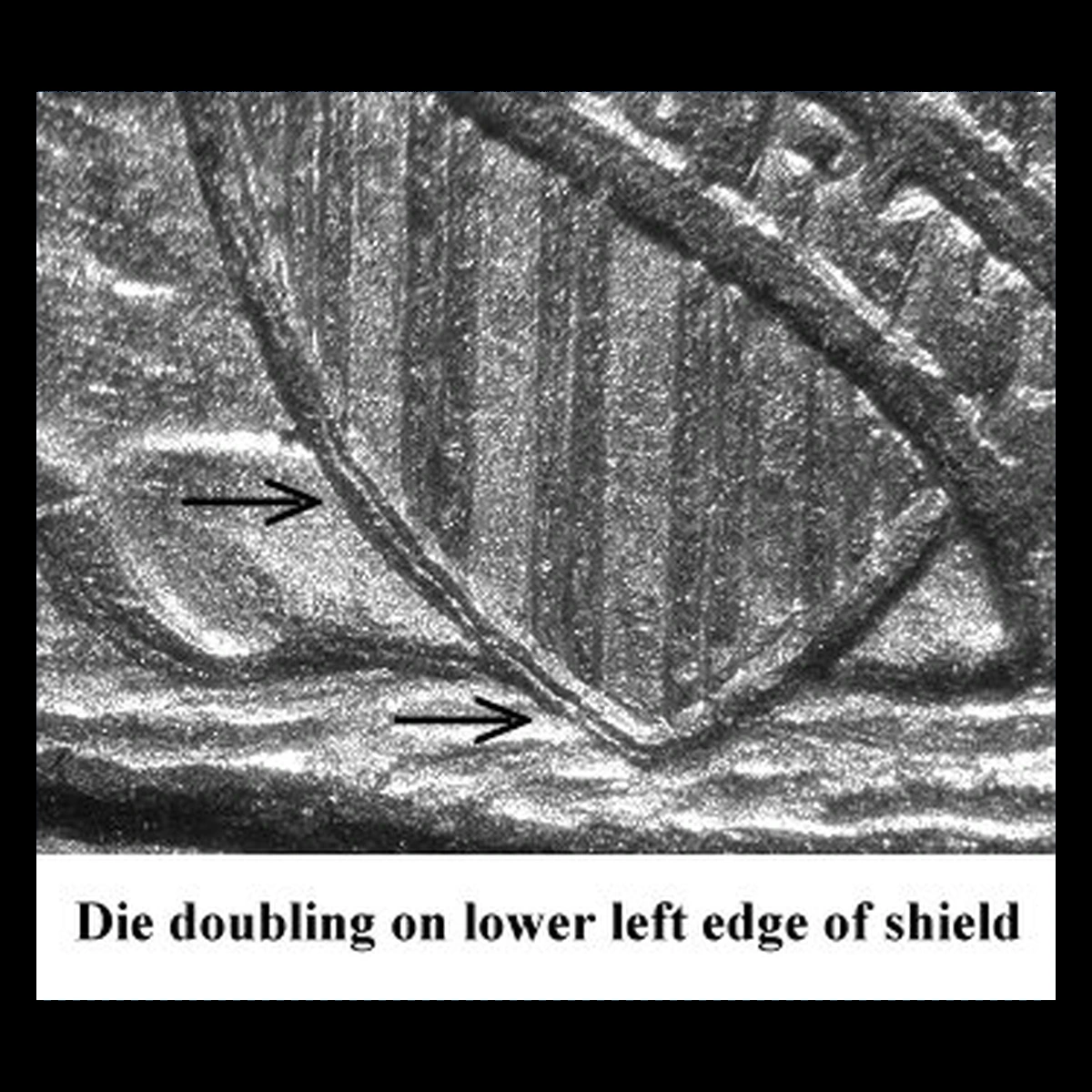
The Philadelphia F-107 has extra outlines on stars 1–5 and the shield. The lower-left shield edge and vertical lines provide useful places to inspect.
This repeated detail was already on the die before it made the coin. It does not require a second strike or an extra date punch to explain the star and shield pattern.
How to Identify
Use a complete front view to locate the first five stars, then enlarge those and the lower-left shield. Confirm more than one matching raised outline rather than one unusually thick star.
A flat shelf that narrows the main edge can come from movement during striking. On a better-preserved coin, compare the shield’s vertical lines as another check.
What It’s Worth
$100–$1,500 is an estimated range from worn through attractive unworn F-107 examples. A 2025 catalog describes an MS63 with doubled shield detail.
That cataloged example supplies a grade and visible feature, not a sale price used here. Clear star separation and preserved shield lines make the identification more useful than glare or thick-looking edges.
2. 1858 Dime Faint Opposite-Side Shapes Appear near the Wreath: Light Clash Error
The Philadelphia F-102 reference has light reverse clash traces. They formed after the dies struck one another without a blank and transferred unwanted fragments of their designs.
The recorded coin also has a weak head and breast on the front. Those are separate observations, not proof of what caused each reverse mark.
How to Identify
Move the light across the flat areas near the wreath and compare the faint marks with the F-102 reference. Look for a fragment related to Liberty’s design rather than expecting a complete extra portrait.
Check the medium-sized, downward-sloping date as part of the same coin match. Normal leaf veins, scratches, and front weakness do not replace recognizable transferred design.
What It’s Worth
$30–$250 is an estimated whole-coin range for worn through lightly worn examples with readable traces. Original surfaces help a faint feature remain visible.
No recorded sale is supplied for the reference coin. A higher grade alone cannot turn an unexplained reverse line into the correct clash.
3. 1858 Dime An Unusual Area Affects the Metal: Reported Blank Flaw Error
Bill Mackrides’s 2007 discovery report describes a blank flaw along with a 45-degree reverse rotation. It does not specify the metal defect’s shape or location.
A blank is the metal disc before striking. A clipped outline, a separating layer, and later damage leave different evidence, so the broad report should not be narrowed by guesswork.
How to Identify
Inspect photographs of both faces and the complete edge before choosing a specific defect name. At a gap, look for original struck boundaries; at a peel, look for a natural separation beneath the surface.
File marks or cuts through finished design point toward later damage. The flaw must be checked on the same discovery coin, rather than borrowed from an unrelated error image.
What It’s Worth
$75–$500 is an estimated range for a worn example with a clearly visible original blank defect. No transaction price is attached to the discovery report.
The same coin’s 45-degree rotation may also interest a buyer. Adding two full ranges would count its underlying date, condition, and surfaces twice.
4. 1858 Dime The Whole Reverse Leans Left: Rotated Dies Error
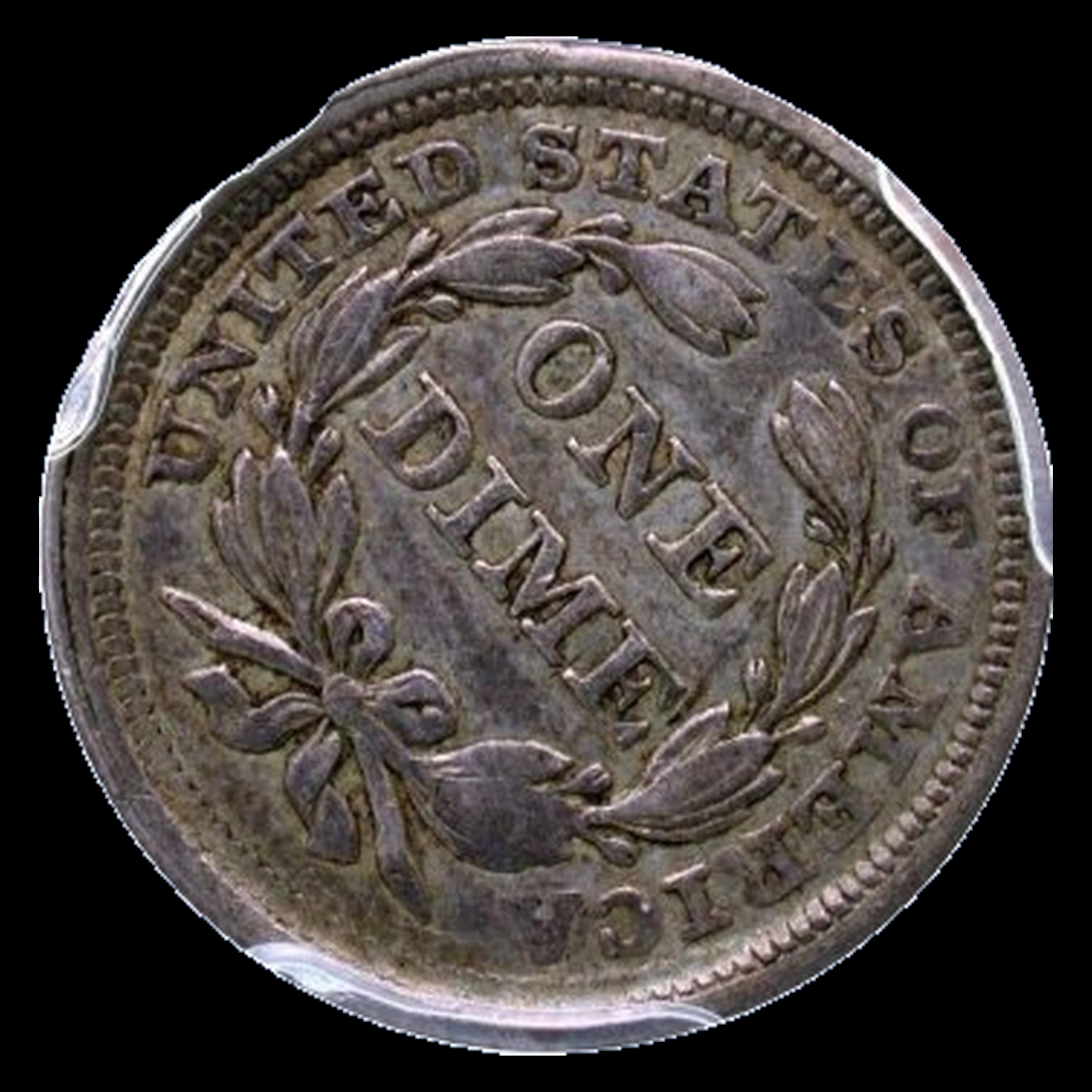
The specialist rotation reference records one coin about 45 degrees left and a separate example about 57 degrees left. Their wreath and lettering turn together relative to the front.
The 45-degree discovery is the one with the unspecified blank flaw. That combination does not describe every rotated 1858 dime.
How to Identify
Keep the coin from turning inside a transparent holder, set Liberty upright, and flip straight top to bottom. Repeat against a fixed line and measure the reverse’s consistent leftward tilt.
Do not straighten the back photograph before measuring its relationship to the front. Inspect the edge for seams that might indicate joined pieces rather than an original rotated strike.
What It’s Worth
$100–$700 is an estimated whole-coin range for clear rotations around 45–57 degrees in worn through lightly worn condition. The reference gives no auction prices for the two examples.
Attractive surfaces and a reliably demonstrated angle improve the comparison. Separately upright photographs cannot establish the same evidence.
5. 1858 Dime A Blank Margin Sits beside Missing Design: 10% Off-Center Strike Error
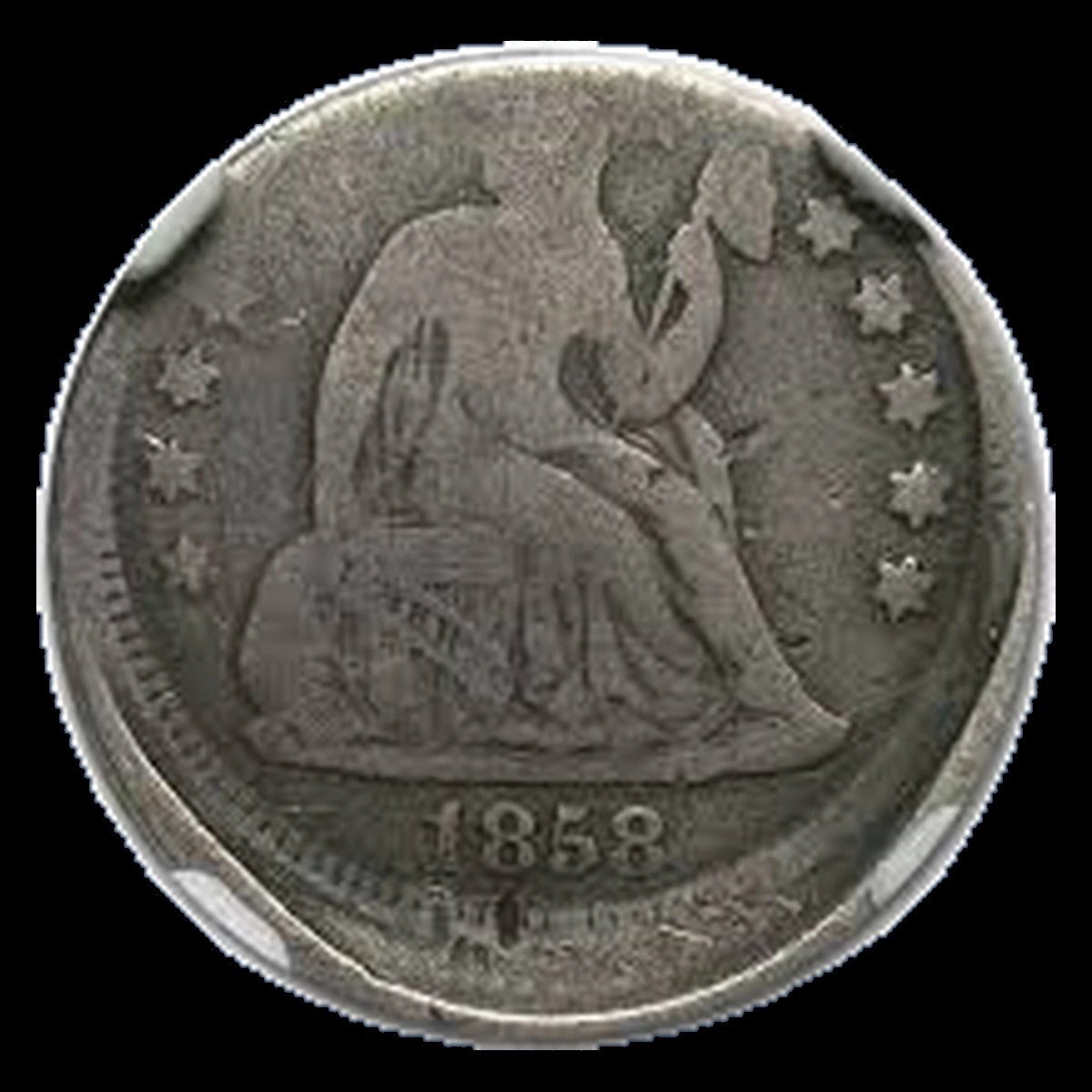
APMEX offered an 1858 dime graded NGC VG8 and identified as 10% off center. Its blank sat partly outside the dies, leaving some intended design beyond the metal and another area untouched.
The written listing does not state a shift direction. That must come from the actual specimen rather than a photograph of a different year.
How to Identify
Match the surviving date, struck-to-blank boundary, and grading label with the listed VG8 example. Both faces should fit the same displaced blank.
Check the bare area and surviving edge grooves for grinding or reshaping. A shifted rim on only one face needs a die-alignment explanation instead of an automatic off-center label.
What It’s Worth
$200–$1,000 is an estimated range for circulated 1858 dimes with roughly this displacement. A readable date and appealing surfaces can improve interest.
An 1857 dime only 5% off center in PCGS Good4 sold for $184 in 2005. That smaller shift on a more worn different-year coin is not a completed sale of the 1858 listing.
Conclusion
Use close detail for the doubled die and clash, full face and edge views for the blank flaw, and a repeatable flip for rotation. The off-center check needs both incomplete designs and original bare metal.
Keep the two rotation examples separate, including the discovery coin’s unspecified metal defect. A precise photograph is useful evidence, but it should not supply details that the record or actual coin does not show.