Rare 1926 Dime Errors (List & Pictures)
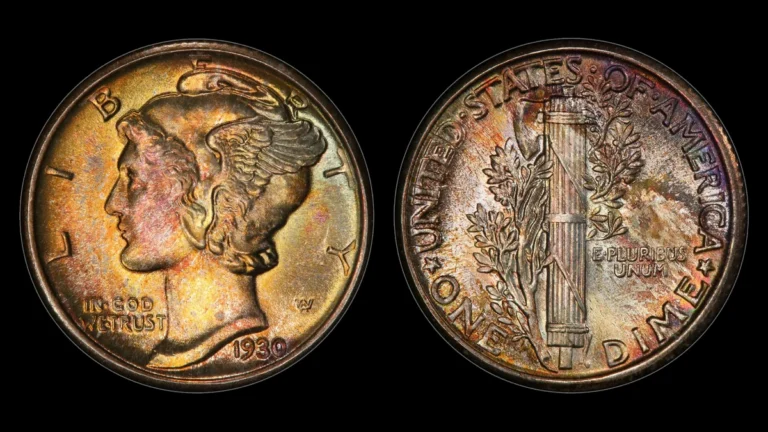
A double-struck 1926-S dime with two readable dates sold for $6,600 in August 2025. Estimated whole-coin values for 1926 Mercury dime errors span $15–$9,000.
Compare the overall outline and count the impressions before magnifying the letters or peeling metal. A normal silver Mercury dime weighs 2.50 grams and measures 17.9 millimeters; unusual strikes can alter its outline.
| First clue | Feature | Estimated whole-coin range |
|---|---|---|
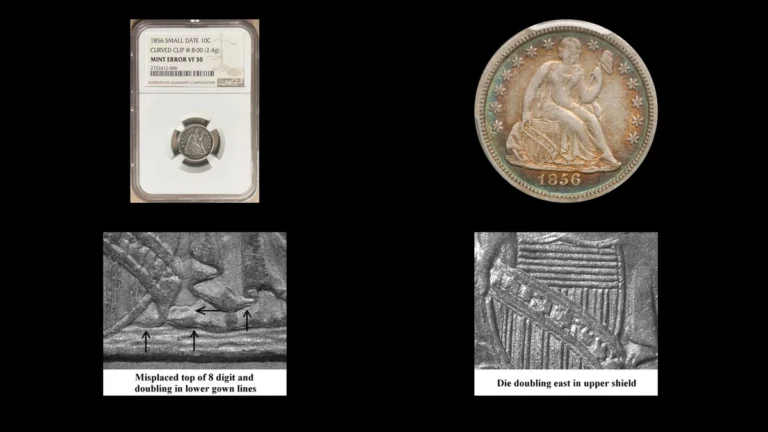
| Gap at the edge | Clipped planchet | $50–$350 |
| Expanded edge, complete design | Broadstrike | $200–$700 |
| One shifted impression | Off-center strike | $150–$1,500 |
| Two displaced dates | 1926-S double strike | $5,000–$9,000 |
| Repeated letters and feathers | Doubled die obverse | $2,000–$6,000 circulated |
| Thin lifting metal | Lamination | $15–$150 |
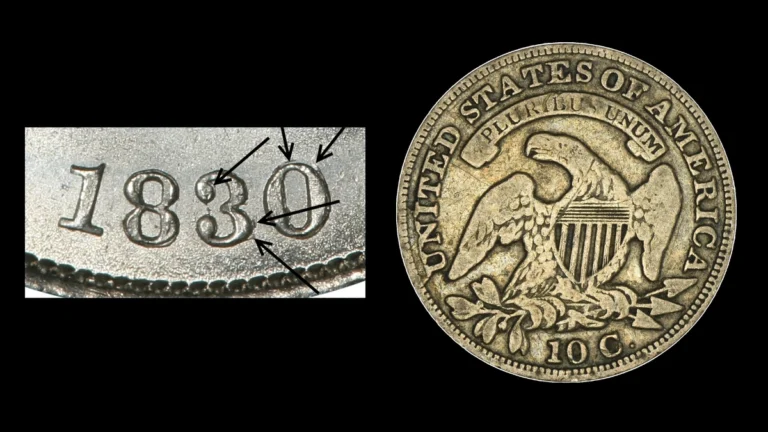
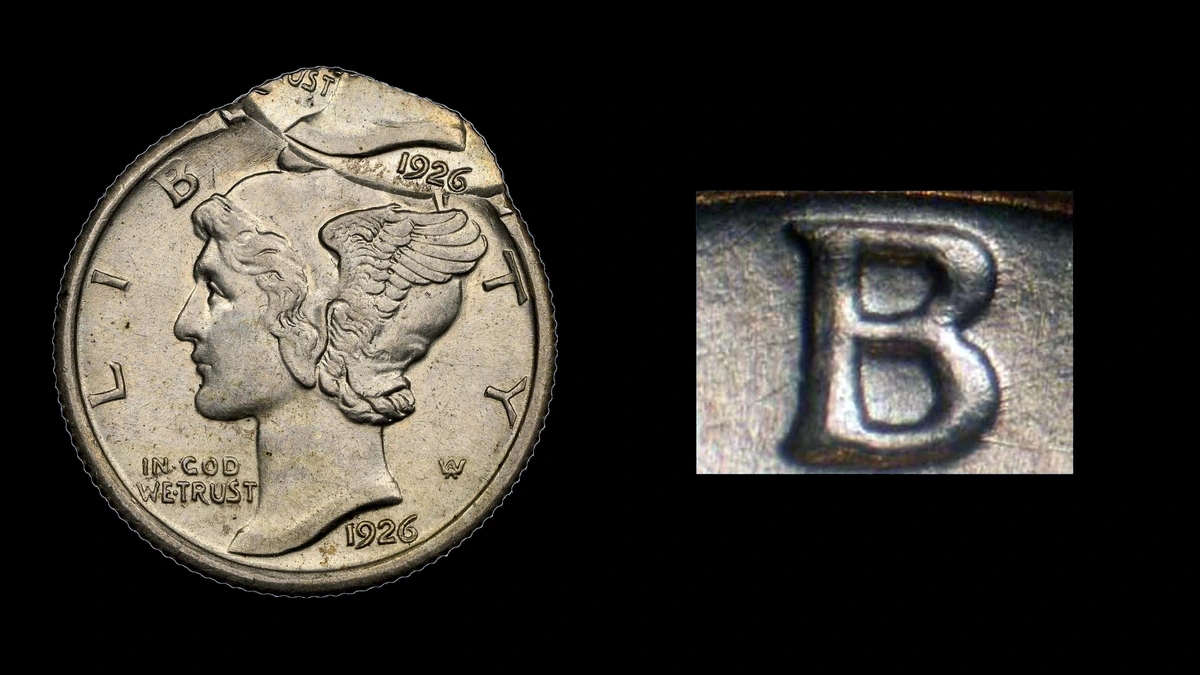
1. 1926 Dime A bite missing from the edge: clipped planchet Error
A genuine clip begins with an incomplete blank, rather than a finished coin being cut. The blank-cutting punch may overlap an earlier hole or reach the edge of the metal strip.
A seller described one Philadelphia 1926 dime as both clipped and laminated. Those are two unconfirmed claims about the same ungraded object, not two certified examples.
How to Identify
Examine both ends of the gap and the way struck metal meets its boundary. Sharp tool ridges or lettering abruptly cut after striking suggest later damage instead.
Follow surviving edge grooves toward the gap and inspect the opposite rim. Weakness opposite a clip can support the diagnosis, although it is not equally obvious on every example.
Measure across intact portions and compare weight with the normal standard. Missing metal can reduce weight, but a later cut can do so too.
What It’s Worth
The broader estimated whole-coin range is $50–$350, while the supplied guide places ordinary circulated curved clips around $75–$150. Clip size, date visibility, and preservation affect the comparison.
The seller’s Philadelphia coin was offered at $14 with offers accepted, not recorded as sold. Its separate lamination claim does not create a second full price to add to the same object.
2. 1926 Dime A wider coin with all its design: broadstrike Error
A broadstrike spreads outward because the collar—the ring controlling the coin’s width—fails to contain the metal during striking. The design can remain complete inside the expanded edge.
The supplied 1926 guide reports this category without identifying a certified specimen or mint. No particular expanded diameter is established for the year here.
How to Identify
Check the diameter and the entire design together. A broad-looking border alone does not establish that the coin spread beyond its normal width.
The same metal generally spreads rather than being removed, so a large weight loss requires another explanation. Examine the outer design for natural strike detail rather than lettering crushed by later hammering.
Inspect the edge, which may lack complete normal reeding. The date, portrait, lettering, and reverse should remain present, distinguishing a broadstrike from a strike that misses part of the blank.
What It’s Worth
Estimated whole-coin values are $200–$700 for circulated through attractive lower-grade unworn examples. The guide’s $200–$500 circulated range is the starting reference, not a documented auction result.
No specific 1926 broadstrike sale is supplied. Full Bands, a separate designation for clear reverse band detail, does not establish an error premium for an expanded coin.
3. 1926 Dime A single design beside plain metal: off-center strike Error
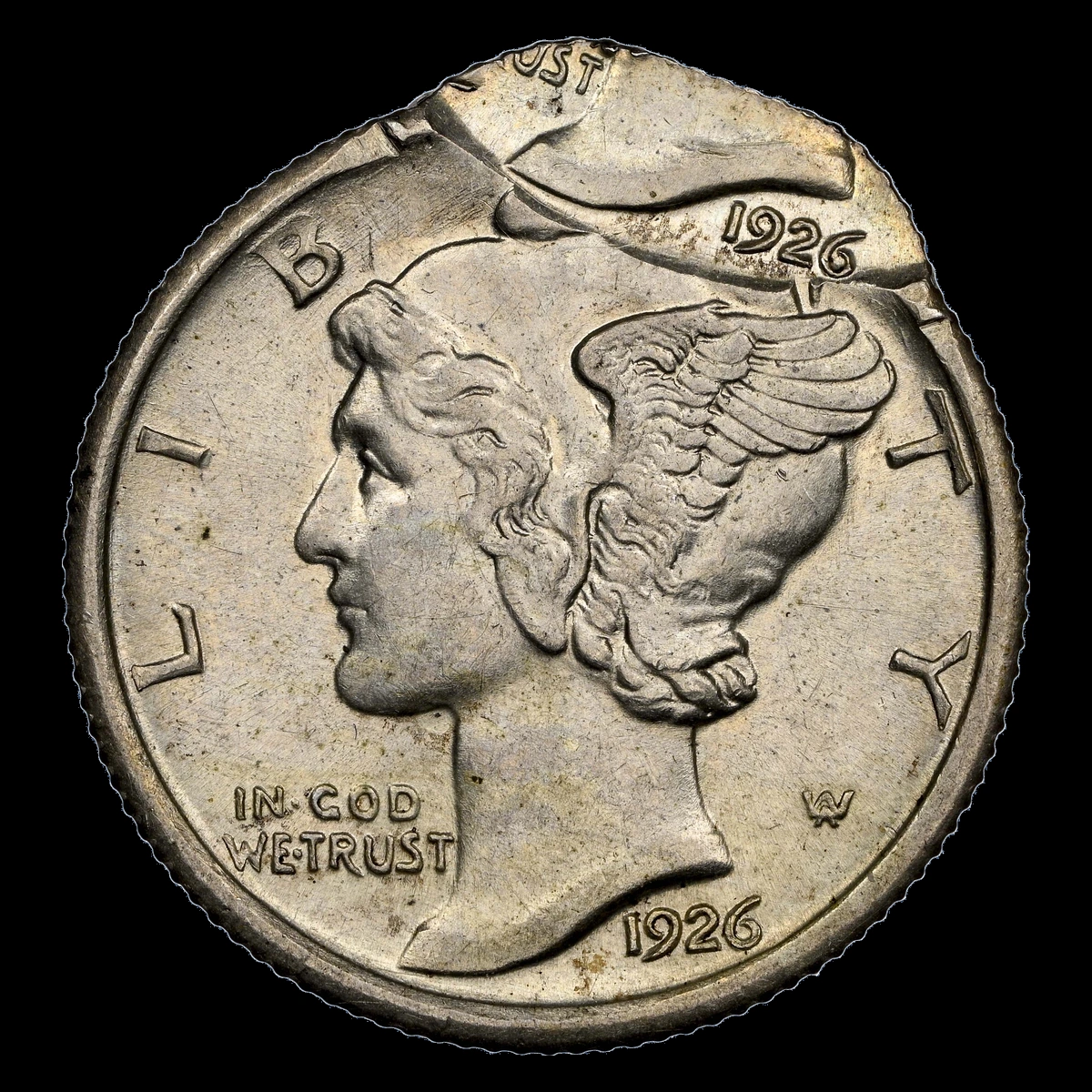
An off-center blank receives the design on only part of its surface. One side remains plain while part of the design extends beyond the opposite edge.
The reported single-strike category is separate from the San Francisco double strike below. A normal first impression and a second displaced date are not required on an ordinary off-center coin.
How to Identify
Count the visible impressions first, then examine the boundary between struck detail and the unstruck crescent. A single shifted date should not be described as two dates.
Check the reverse for the corresponding displacement. One centered face with an uneven border on the other can point to a misaligned die rather than an off-center blank.
Confirm that the date reads 1926 and record any surviving mintmark. Inspect the plain area for filing or polishing that could disguise later alteration.
What It’s Worth
Readable-date examples have an estimated whole-coin range of $150–$1,500 from circulated through lower-grade unworn condition. The supplied guide puts ordinary circulated pieces near $150–$400.
Greater displacement and better preservation may support stronger prices. The $6,600 San Francisco transaction concerns a double strike, so it is not a direct sale comparison for this simpler category.
4. 1926 Dime Two dates from separate blows: 1926-S double strike Error
The documented NGC AU55 dime received a normal first strike and then failed to leave the press. Its second strike landed about 80% off-center, leaving two dates and part of a repeated reverse design.
The second impression is near the upper edge, described around twelve o’clock or about one o’clock relative to the first design. No other blank blocked that blow.
How to Identify
Follow both dates and the overlap between the two impressions. Keep the S mintmark associated with the original design in view.
On the reverse, locate the partial second bundle of rods and check that its position corresponds with the later front strike. The Byers specimen photographs show this same certified coin.
Use full-coin views, since a closeup can hide how the two strikes fit together. For a sealed specimen, rely on available measurement records rather than opening its holder.
What It’s Worth
A comparable double strike has an estimated whole-coin range of $5,000–$9,000. Two readable dates, mint identity, surface quality, and the overlapping designs all contribute to the comparison.
The NGC AU55 sold for $6,600 at Heritage on August 28, 2025. AU55 indicates light wear.
The result values one complete San Francisco dime. It should neither be divided into separate prices for two impressions nor transferred to a single off-center strike.
5. 1926 Dime Split letters and repeated feathers: doubled die obverse Error
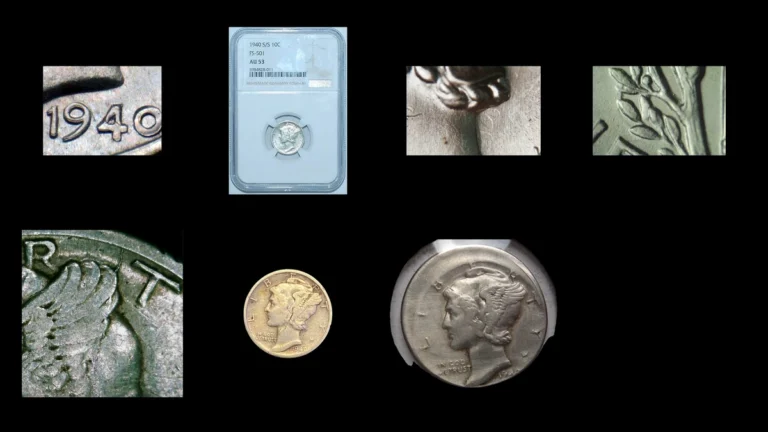
The Philadelphia doubled die has split upper corners on E in LIBERTY and an added outline below R. Repeated cap folds and wing feathers also extend downward.
These details were present in the die, so one strike could transfer them all. VP-001 and FS-101 are names for this same variety, rather than two different errors.
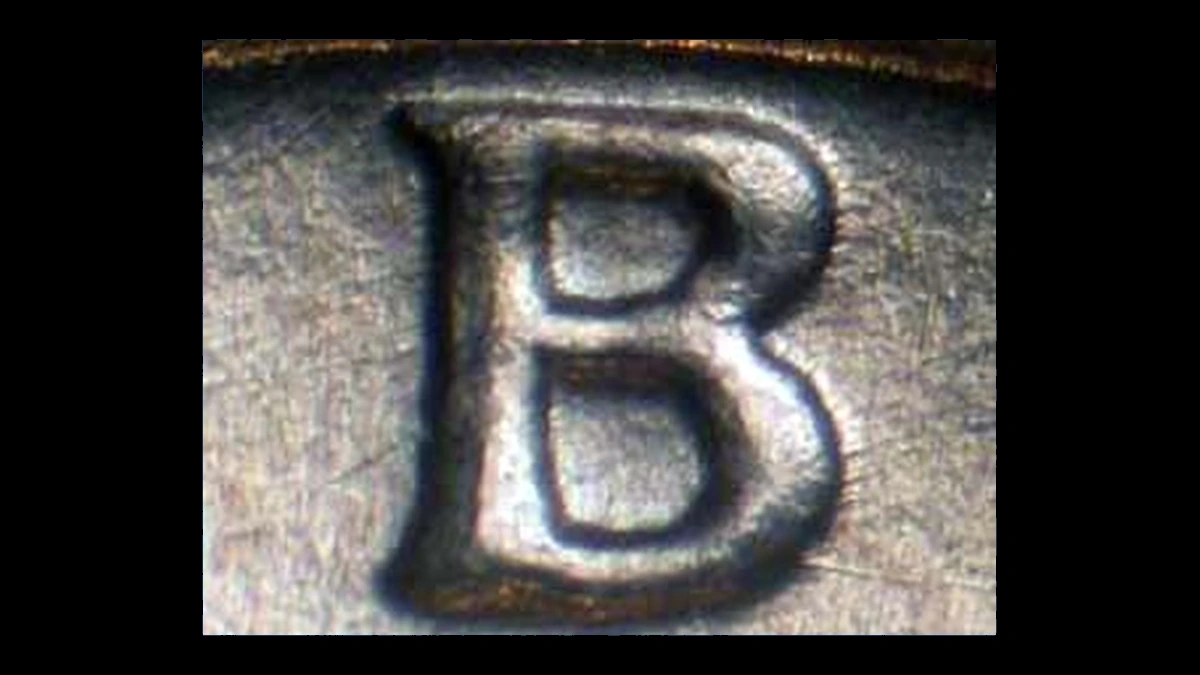
How to Identify
Begin with E and R, then compare the cap folds and feathers with NGC’s illustrated example. The repeated details should agree across the named areas.
NGC’s VF30 example demonstrates that useful diagnostics can survive circulation wear. Even so, a flat shelf or one bright edge does not reproduce the full pattern.
Confirm Philadelphia by the absence of a mintmark in a readable mintmark area. Small repeated contours in fixed locations differ from the two widely displaced dates of a double strike.
What It’s Worth
Confirmed circulated examples have an estimated whole-coin range of $2,000–$6,000. Reliable attribution and the surviving doubled details are especially important.
PriceCharting records report a PCGS CAC G6 at $2,495 in February 2025 and a VG8 at $2,972 in November 2025. These are reported marketplace transactions for heavily worn grades, not a complete auction price schedule.
Use the remaining diagnostics and surface quality alongside the grade. A number on its own cannot establish that a suspected example matches this valuable variety.
6. 1926 Dime A thin layer lifting from the face: lamination Error
Lamination occurs when the coin’s metal separates into a thin layer, potentially leaving an attached flap or shallow rough patch. It concerns the silver itself rather than a repeated design or displaced strike.
The seller-reported Philadelphia coin mentioned earlier was described as both laminated and clipped. Its face and edge require separate examination before either description is accepted.
How to Identify
Find a thin peeling boundary at the face defect without pulling at it. A missing edge does not by itself explain a layer lifting across the design.
Inspect for tool scratches, pushed-up metal, and corrosion that could suggest another cause. Leave any loose flake attached and record the area in clear photographs.
A clip and a lost layer can both reduce weight, so a light reading cannot establish either claim. The physical form of each defect remains the more useful evidence.
What It’s Worth
A circulated Philadelphia dime with genuine modest lamination has an estimated whole-coin range of $15–$150. A much larger or more dramatic peel would need another comparison.
The recorded seller listing asked $14 and allowed offers; it was not a completed transaction. The coin should be valued once, taking any confirmed edge flaw into account without adding two complete estimates together.
Conclusion
Start by deciding whether metal is missing, expanded, or struck more than once. Then inspect the fine details that distinguish a doubled die from damage and a thin metal separation from a scratch.
The documented double strike and reported doubled-die transactions provide stronger price evidence than a seller’s asking price. Keep the clipped-and-laminated listing together as one unconfirmed coin, and match every estimate to the actual feature.