Rare 1870 Dime Errors (List & Pictures)
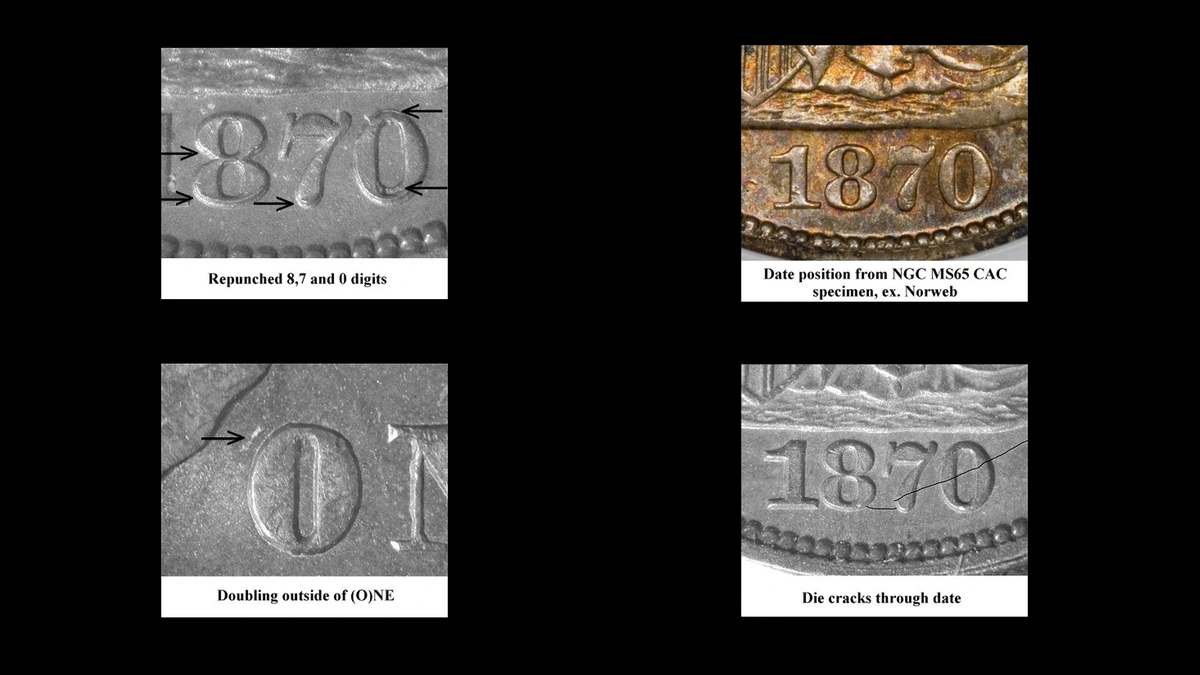
Two small numeral tops helped identify an 1870-S F-101 that sold for $8,225 in October 2015. The 1870 dime errors and die features below have estimated whole-coin values of $40–$15,000, including date varieties, cracks, metal separation, and displaced strikes.
Inspect inside and below the date, compare the reverse letters and lines, then assess any peeling metal or blank crescent.
| Starting point | Feature | Estimated range |
|---|---|---|
| Lower opening of 0 | Repunched date | $75–$3,000 |
| Rim teeth beneath date | San Francisco misplaced date | $100–$15,000 |
| O in ONE and D in DIME | Reported reverse doubling | $40–$2,500 |
| Ribbons, wreath, or date | Die cracks | $40–$7,500 by finish |
| Split or lifted surface | Lamination | $60–$2,800 |
| Shifted designs and blank margin | Off-center strike | $500–$4,000 |
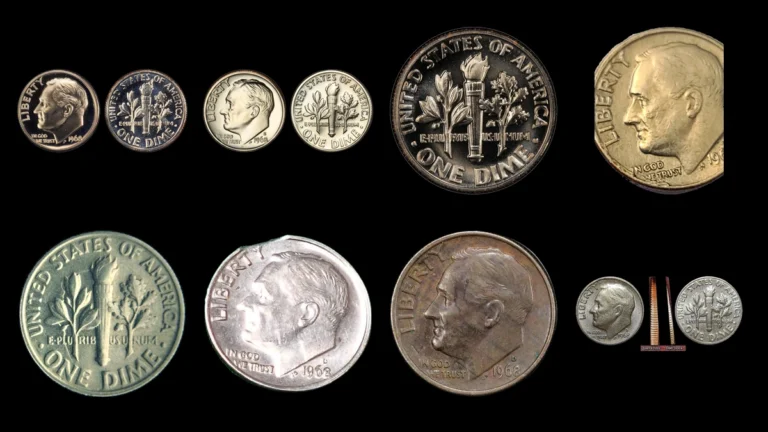
Normal 1870 dimes measure about 17.90 millimeters and originally weigh roughly 2.49 grams, with a grooved edge. Proofs share those basic measurements with regular strikes, so finish needs evidence from the complete coin.
1. 1870 Dime An Extra Stroke inside 0: Repunched Date Error
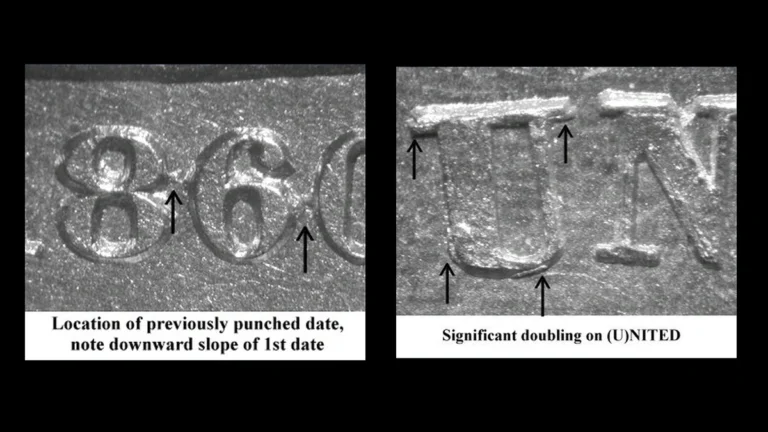
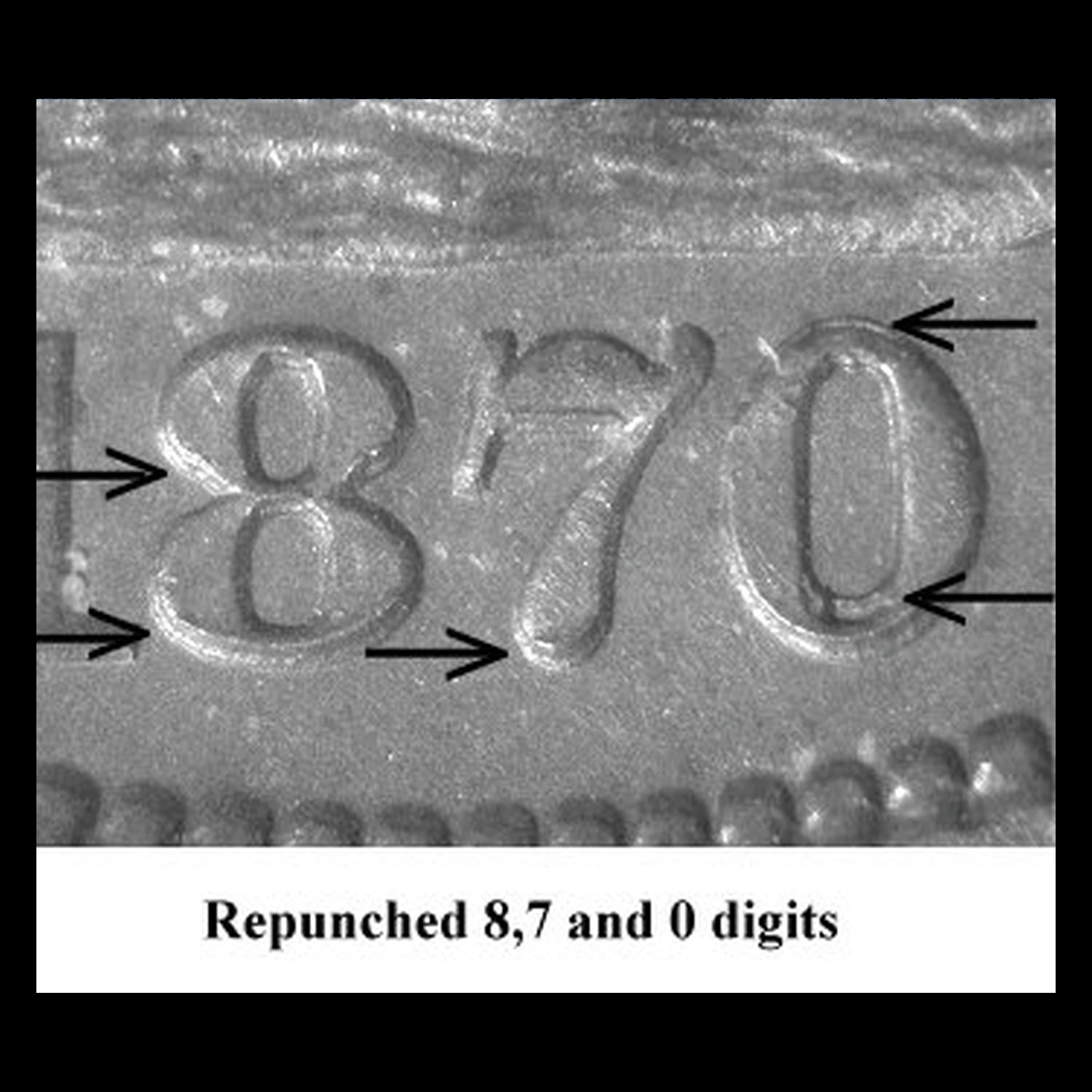
F-104 has an earlier numeral fragment inside the lower opening of 0, with additional pieces involving 8 and 7. The date punch entered the die more than once in slightly different positions.
The coin received those remnants from the already prepared tool. It did not need a second displaced strike to acquire the extra date shapes.
How to Identify
Begin inside the bottom of 0, following the Fortin variety list, then compare 7 and 8. Keep the full date and nearby rim in view to distinguish numeral pieces from a stray crack.
Look for raised remnants rather than a cut or shifting reflection. This Philadelphia pairing has no reverse mint letter.
What It’s Worth
Identified examples are estimated at $75–$3,000 from circulated through well-preserved condition. An NGC MS62 F-104 brought an indexed $336 at Heritage on February 6, 2022.
The sale directly concerns the variety but does not set its upper limit. MS62 allows noticeable marks despite no circulation wear, making surface quality relevant when comparing another coin.
2. 1870 Dime Tops of 8 and 7 among the Rim Teeth: Misplaced Date Error
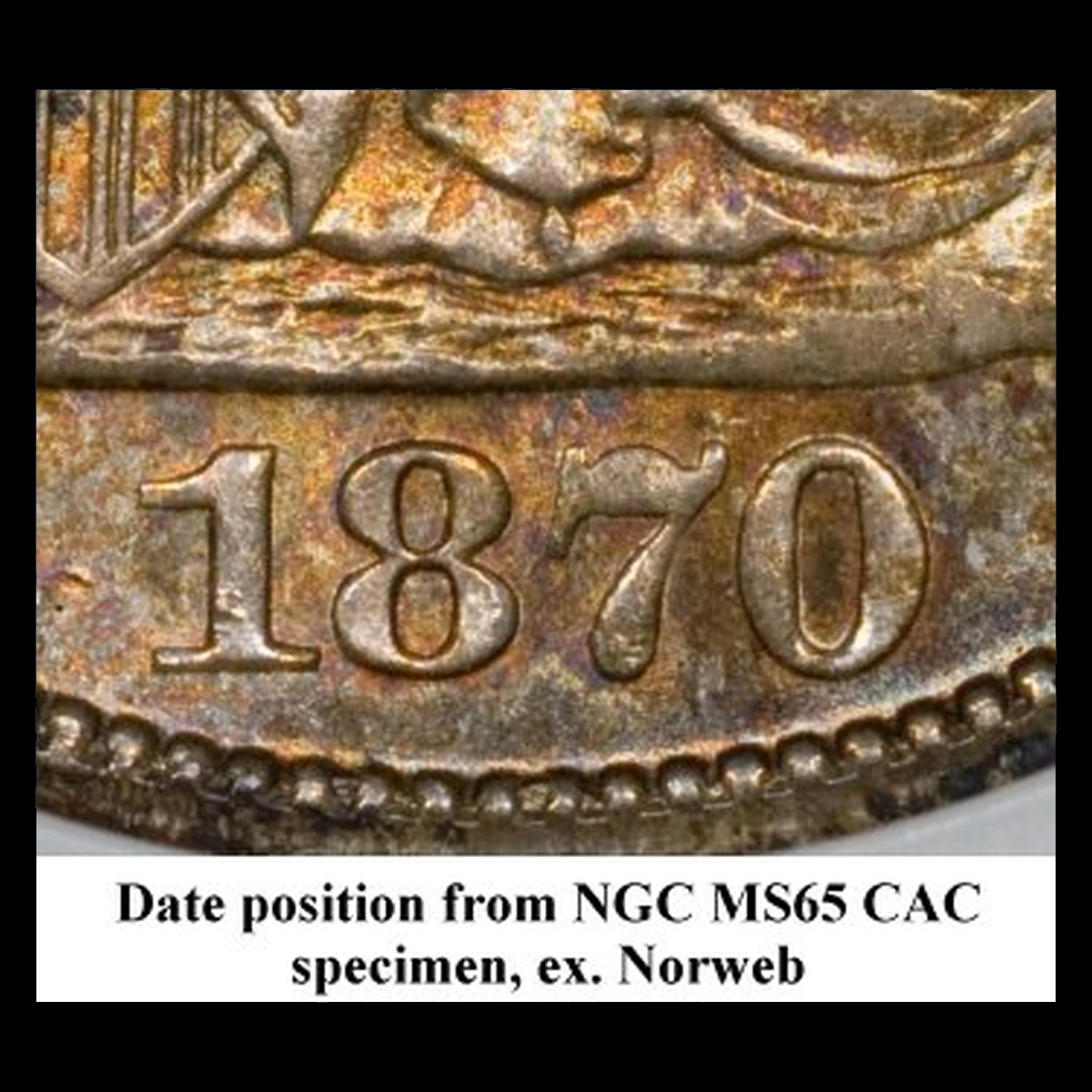
The San Francisco F-101 has small numeral tops below the main date rather than beside it. Date punches entered too low in the die, leaving parts of 8 and 7 among the rim teeth.
High-resolution photographs added to the specialist reference in 2013 clarified those shapes. A small S mintmark and some reverse words can be weak on the pairing, but weakness does not establish a missing mintmark die.
How to Identify
Trace the repeating rim teeth beneath the date and find the two interruptions that resemble number tops. Compare their curves and angles with F-101 instead of treating an odd damaged tooth as sufficient.
Turn to the reverse and search carefully for the small S. An inconspicuous letter should not be mistaken for proof of Philadelphia manufacture.
What It’s Worth
The whole-coin estimate is $100–$15,000 from heavily worn through especially attractive unworn examples. A PCGS MS65 F-101 with CAC approval sold for $8,225 in October 2015.
The scarce San Francisco issue and its preservation account for much of that price. It is not an $8,225 surcharge for two tiny numeral fragments.
3. 1870 Dime Extra Edges on O and D: Reported Reverse Doubling Error
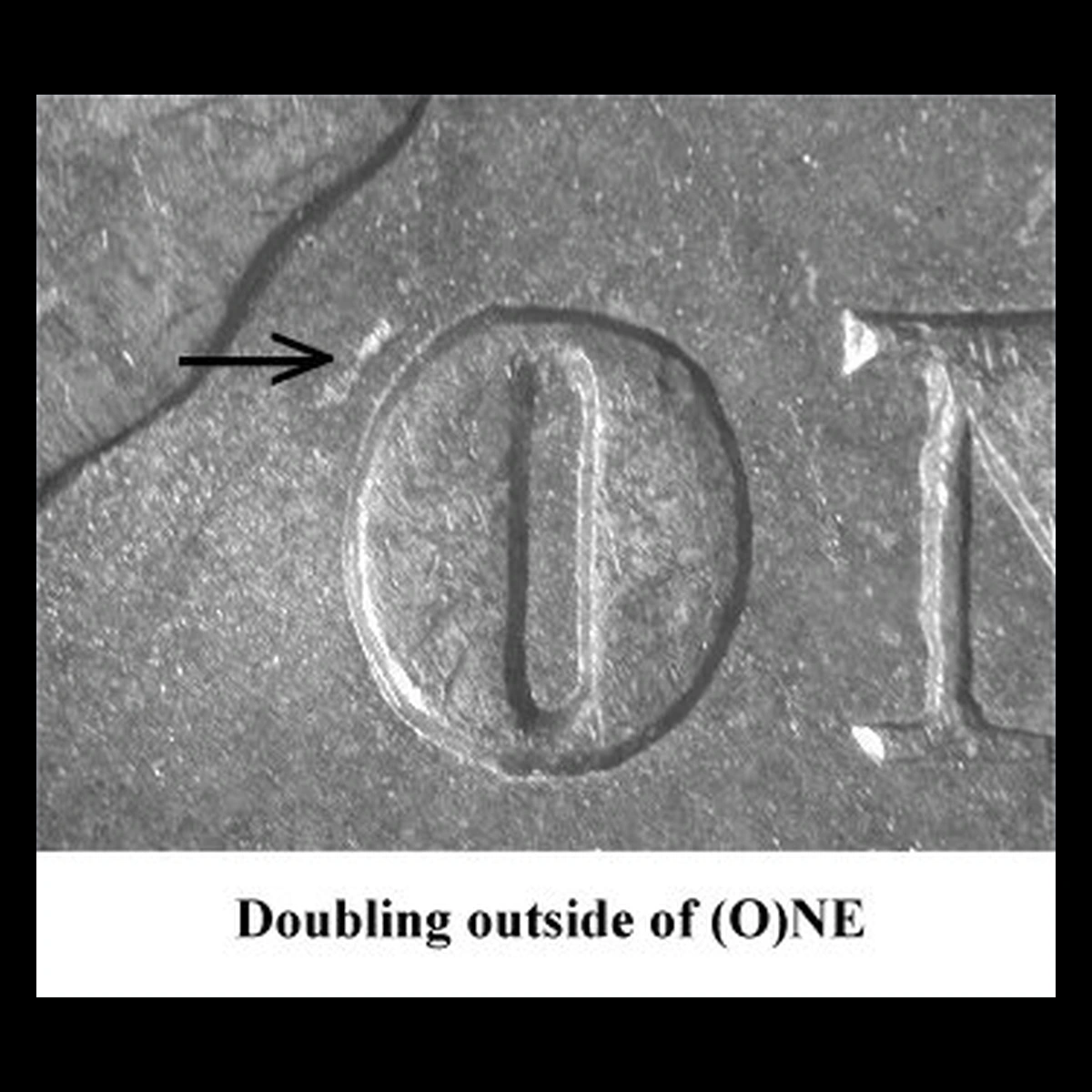
F-105 is described with doubling on O in ONE and D in DIME. The supplied catalog terminology does not establish exactly how the extra outlines formed.
A doubled die can produce rounded repeated contours, while movement during striking can leave a low shelf. The general word “doubling” does not resolve that difference.
How to Identify
Hold the coin still and move the light across both letters, comparing the extra edges with clear F-105 images. Note whether they are raised and rounded or flat and apparently reducing the main letter’s width.
A single bright border can come from glare or wear. Match both letters before applying a more specific description than the evidence supports.
What It’s Worth
Examples with the reported outlines are estimated at $40–$2,500 as whole coins. A general PCGS MS65 with CAC approval brought $2,392.88 at GreatCollections, but that was not a separately priced F-105 doubling sale.
Flat strike-related shelving does not justify assuming the premium of a rare doubled die. The underlying 1870 dime and its surfaces remain important.
4. 1870 Dime Raised Lines through Ribbons, Wreath, or Date: Die Cracks Error
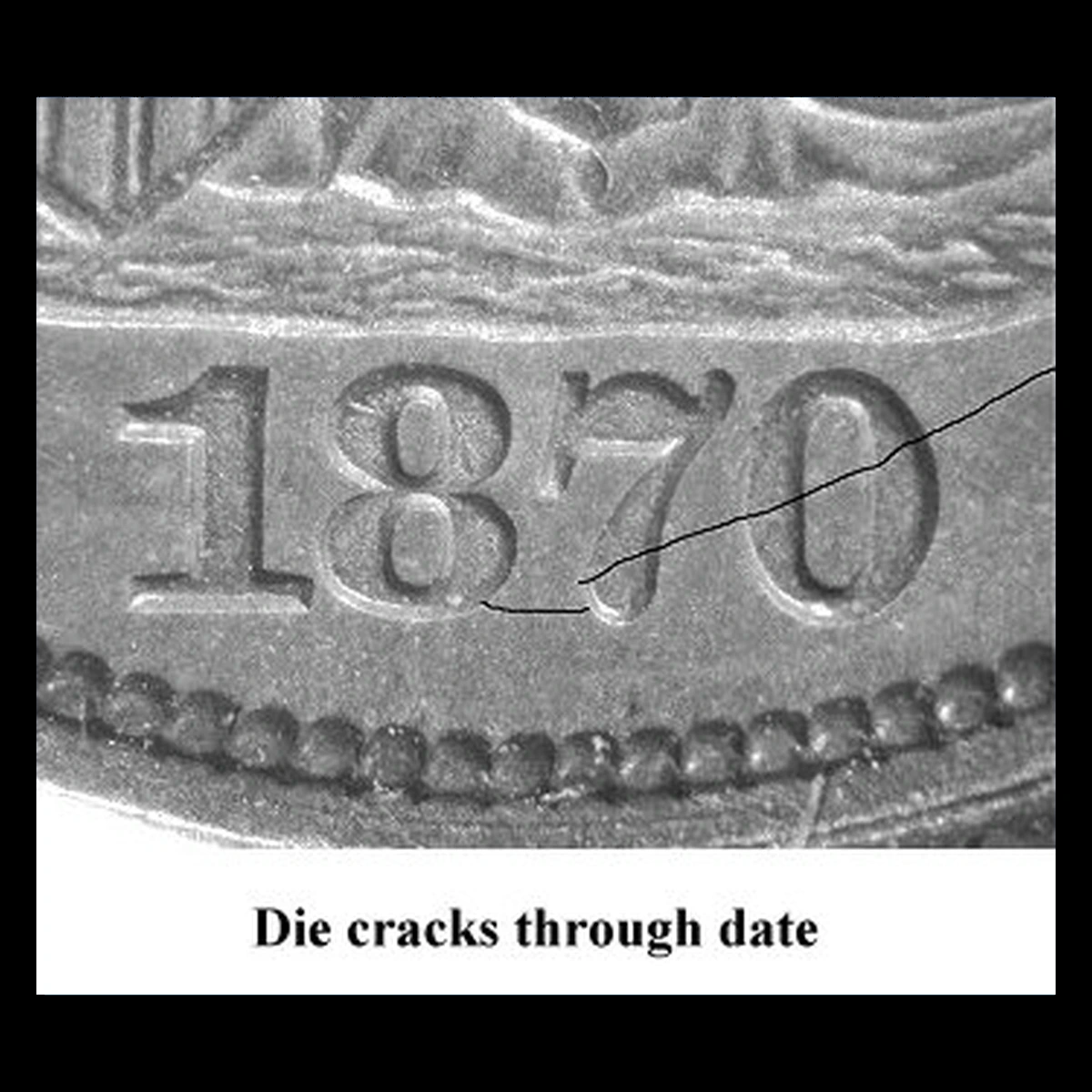
Different die pairings developed cracks in different locations. F-101 and F-103 Proofs and F-101a regular strikes have recorded reverse ribbon cracks, while F-104 has wreath cracking and F-106 a line through the date.
Silver filled a crack in the steel tool during striking and emerged as a raised ridge. These lines describe die failure, not cuts into the finished coin.
How to Identify
Select the reference for the actual pairing, then follow the line across nearby design under side lighting. A scratch may have raised edges but still cuts below the original surface.
Establish Proof status from the complete coin rather than a shiny patch or the presence of a shared crack. A normal-sized coin can belong to either finish.
What It’s Worth
Regular strikes are estimated at $40–$3,000, with Proofs around $500–$7,500. A PR67 sold for $7,200 in June 2024, reflecting a very well-preserved collector coin.
That result does not measure an independent crack premium. Exceptional surfaces and Proof quality can outweigh the price significance of a small die line.
5. 1870 Dime A Thin Flap or Surface Split: Lamination Error
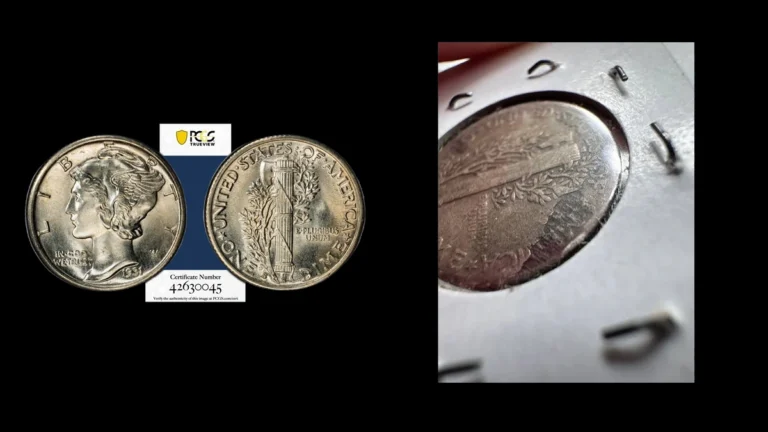
A lamination is separation within the silver alloy, sometimes leaving a thin flap or an area where metal detached. Its origin lies in the blank’s metal rather than an extra design engraved into the die.
The year guide names the category without supplying one specimen’s mint or location. A small peeling patch should not become a claim that the entire blank split in half.
How to Identify
Inspect the boundary for a thin layer continuing beneath the opening, and leave attached metal in place. A gouge can push up silver beside a cut, while scattered corrosion pits need another explanation.
Weight can remain near normal when a flap is still attached. If metal is missing, distinguish that loss from circulation wear and assess the actual surface structure.
What It’s Worth
Genuine examples are estimated at $60–$2,800, depending on condition and the nature of the separation. An 1893-O Barber dime with lamination, graded NGC MS63, sold for $381.88 in December 2014.
That comparison uses the same silver alloy but a different year and design. It is not a recorded 1870 lamination transaction.
6. 1870 Dime Designs Pushed to One Side: Off-Center Strike Error
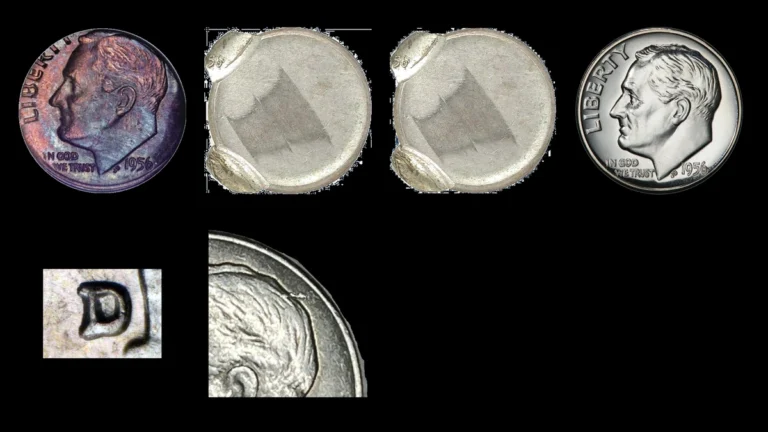
An incorrectly positioned blank can retain an untouched crescent while losing outer design beyond the opposite edge. Both dies act on that misplaced blank, so the displacement should be evident on both faces.
The supplied 1870 category has no fixed mint or percentage. Read the remaining date rather than filling in digits that never reached the blank.
How to Identify
Compare the original blank margins and design boundaries on the two sides. A lopsided border confined to one face can reflect a shifted die instead.
Inspect for abrasive marks from filing or polishing around a supposedly blank area. The striking displacement itself does not remove metal, although later wear or damage can reduce the weight.
What It’s Worth
Genuine readable-date examples are estimated at $500–$4,000. An 1864 Seated dime struck 10% off center sold for $720 as NGC Fair 2 in June 2025.
Its very heavy wear and different date limit the comparison. An 1870 candidate needs its own assessment of displacement, identity, surfaces, and remaining detail.
Conclusion
Inside the date, below the date, and around the reverse letters are three different places to look for 1870 varieties. Cracks, alloy separation, and off-center strikes require broader surface or outline checks.
Keep the mint and finish attached to every attribution, avoid a more specific doubling diagnosis than the evidence supports, and compare the whole coin’s preservation before assigning value to its unusual feature.