Rare 2012 Penny Errors (List & Pictures)
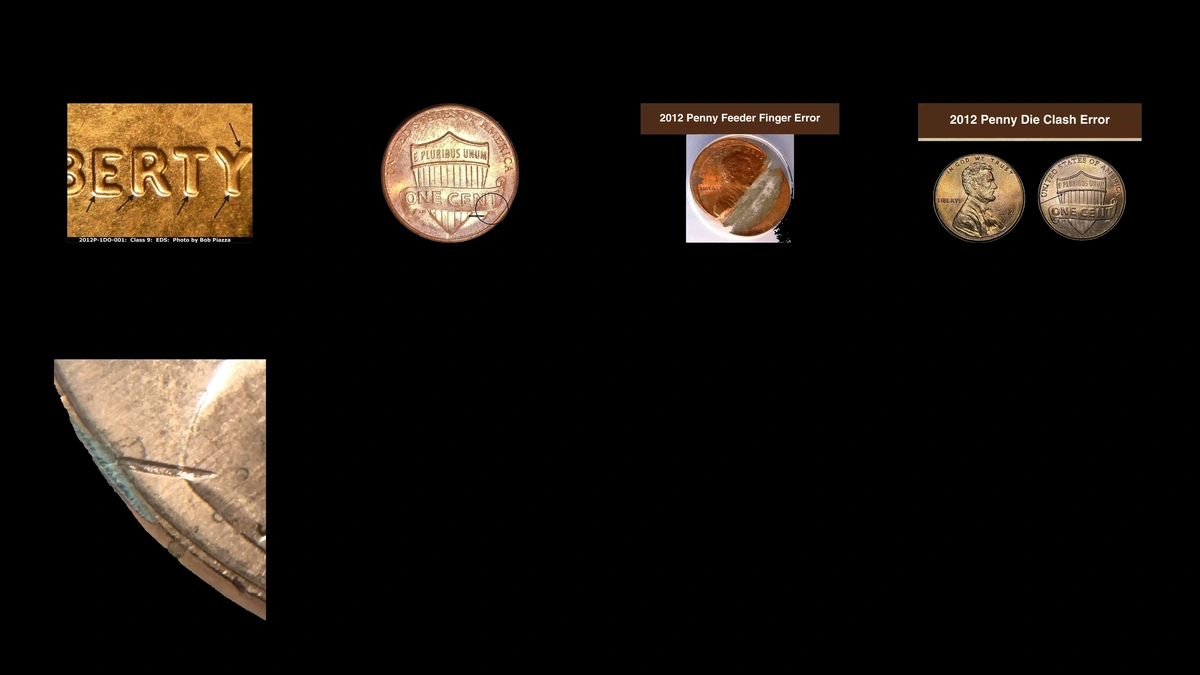
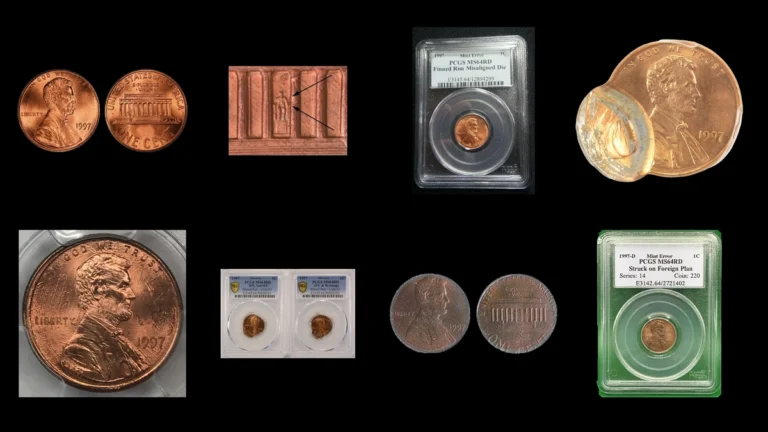
A front view cannot explain every odd-looking penny. For a raised rim burr or a partial-collar step, turning the coin sideways can reveal the important feature.
These 2012 penny errors have estimated whole-coin values of $2–$2,000. An older 1981-D cent on a dime blank brought $372 in September 2025, providing context for the highest conditional category; start with the edge, then examine the design and metal.
| Visible change | First distinction |
|---|---|
| Projection or step at the rim | Rim burr versus partial collar or later damage |
| Gap, extra width, or plain crescent | Clipped blank, broadstrike, or off-center strike |
| Extra lettering or raised marks | Doubling, die breaks, or reported tool contact |
| Unexpected design trace or depression | Clash versus strike-through |
| Different metal or measurements | Verified wrong blank versus alteration |
1. 2012 Penny A Small Projection Rises from the Front Rim: Rim Burr Error
A listed Philadelphia 2012 cent has a front-rim burr identified as a Mint error. The same specimen also has front-side damage, which is a separate condition problem.
NGC labeled it Uncirculated Details, meaning no circulation wear but an issue affecting condition. The label does not turn that later damage into another minting error.
How to Identify
Read both parts of the grading description and inspect the rim sideways. The small projection’s attachment is more informative than an overhead view alone.
A fresh dent or bent edge can produce a later burr-like shape. Do not straighten or pull off the projection, since its undisturbed boundary helps distinguish the causes.
The exact location must come from the specimen. Keep a certified coin sealed and use its photographs and recorded details.
What It’s Worth
$10–$100 is the estimate for an identified mint-made rim burr on a modern cent. Visibility, size, and additional damage affect the comparison.
The 2012 listing ended in July 2026 with its final amount hidden. Its $20 starting bid was not a selling price, and its damaged front differs from an otherwise clean example.
2. 2012 Penny The Edge Changes Level: Partial Collar Error
A reported 2012-D partial-collar cent is described as MS64, an unworn grade with some marks. Its edge is the useful place to look.
The collar is the ring that controls outward metal flow during striking. If only part of the blank sits within it, the held portion and the freely spreading portion can form different edge levels.
How to Identify
Compare a side view with a normal penny at the same height. A real step should separate the restrained and expanded metal.
Two circles visible on the face are not enough. Rolling or squeezing a finished edge can also produce a double-looking border.
Pennies normally have smooth edges, so missing grooves prove nothing. Their standard weight is 2.50 grams and diameter 19.05 millimeters; uneven spread can change the outline while retaining the full blank.
What It’s Worth
$15–$200 is the estimate for a genuine 2012-D partial-collar strike. A visible edge step with attractive surfaces makes the error easier to appreciate.
The reported MS64 grade supplies condition information rather than a sale amount. Comparable modern collar errors inform the range.
3. 2012 Penny The Rim Stops at a Missing Section: Clipped Blank Error
An incomplete blank can still pass through the press and receive Lincoln’s design. Its gap may result from the cutting punch overlapping an earlier hole or reaching an unsuitable edge of the metal strip.
The 2012 report does not fix a shape or percentage for one specimen. Those details belong to the actual coin being examined.
How to Identify
Inspect both places where the intact rim meets the opening. The neighboring design should have formed around a gap that already existed.
Tool cuts through finished detail suggest later removal. Weakness on the opposite rim can help support a clip, but its absence does not decide the issue alone.
Measure an intact span and weigh the surviving metal. Filing also lowers weight, so the original-looking boundary remains essential.
What It’s Worth
$15–$250 is the estimate for genuine 2012 clips, with size, preservation, and surviving identity affecting their appeal. More missing metal is not always better if it removes the date.
A 2021 Shield cent with a 5% straight clip sold for $114 in September 2025 at MS64 Red. It is a different-year comparison, not proof of that same shape or percentage in 2012.
4. 2012 Penny Complete Design Sits within a Wide Border: Broadstrike Error
A Philadelphia 2012 broadstrike is reported in MS64 condition. Without normal collar restraint, its blank spread outward around the intended design.
The full design can remain on the coin even if it is not perfectly centered within the new outline. A smooth edge and no Philadelphia mintmark are normal features, not separate errors.
How to Identify
Follow the outside lettering on both faces to see whether it remains complete. Missing design beside a plain crescent calls for an off-center comparison instead.
Measure several widths, then examine the portrait and letters for crushing or pressure marks. Later hammering can make a coin wider without creating a broadstrike.
The useful combination is natural outward spread and intact struck detail. Extra diameter alone is less persuasive.
What It’s Worth
$20–$80 is the estimate for modest expansion. A wider, visually stronger example with clean original detail may fit about $80–$350.
No recorded sale amount accompanies the reported 2012 MS64. A heavily damaged wide coin may appeal less than a smaller but clearly original broadstrike.
5. 2012 Penny A Large Plain Crescent Borders Missing Design: Off-Center Strike Error
The reported 2012-D is about 35% off-center and described as MS63, meaning unworn with noticeable marks. The blank sat substantially outside the dies when struck.
The offset amount and grade describe different things. Neither supplies a clock direction, which must be observed on the actual specimen.
How to Identify
Keep the whole outline visible and find both 2012 and D. Turn the coin over to check the corresponding incomplete design beside original bare metal.
An uneven front rim with a normally centered reverse may reflect one misplaced die. A genuine displaced blank affects the two faces together.
Inspect the plain area and edge for cutting or grinding. The blank crescent must be intact metal that did not receive the design, not a finished surface erased later.
What It’s Worth
$20–$100 is the estimate for small offsets, with about $100–$500 for stronger attractive readable-date examples. The reported 35% piece belongs to the more visible group.
Its MS63 description does not establish one exact selling price. Surface marks, edge damage, and loss of identifying digits can all change the comparison.
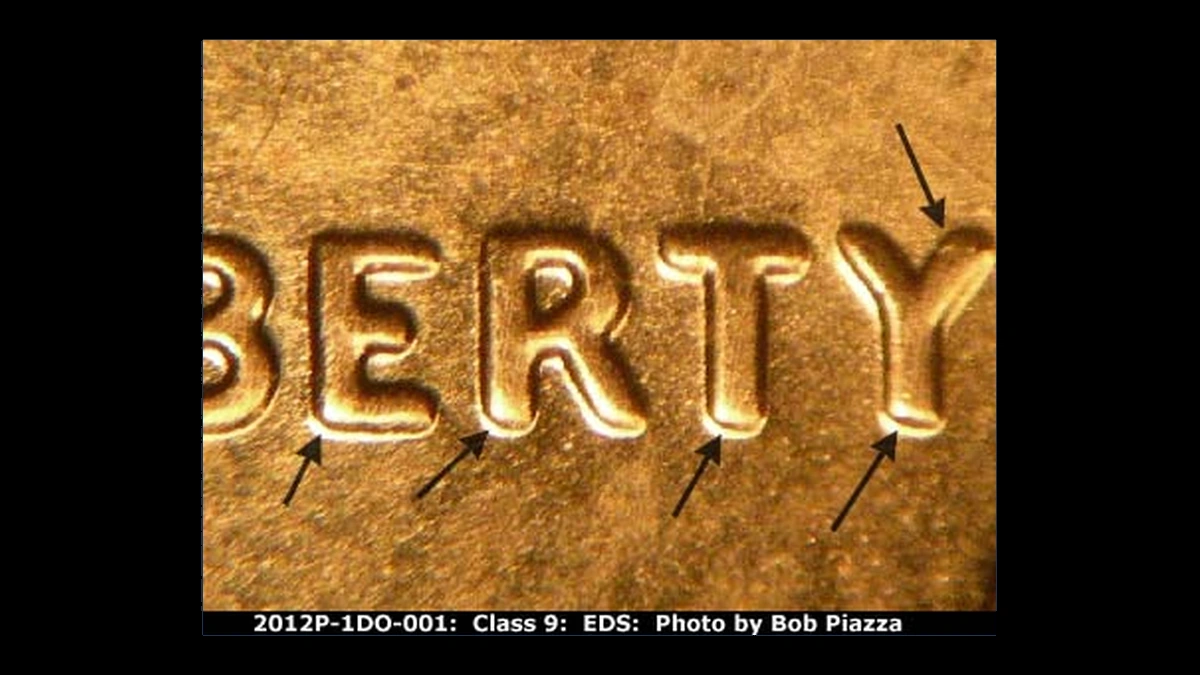
6. 2012 Penny Letter Edges Grow Thicker: Doubled Die Error
Front reports include thicker LIBERTY letters on Philadelphia cents. A separate reverse variety has added thickness along the lower edges of OF AMERICA, increasing toward the right, and on JFM.
The repeated detail began on the die, the tool used to stamp the coin. Front and reverse patterns need separate checks rather than assuming both from one thick letter.
How to Identify
For the reverse, follow OF AMERICA from left to right and inspect JFM against Wexler’s published comparison. For the front, use the matching LIBERTY reference.
Change the lighting to separate a real metal contour from a bright edge. General swelling from a worn tool or a weak strike can look thick without matching the variety.
The blank normally keeps its ordinary dimensions. Measurements establish the coin type, while the repeated shapes establish the doubling.
What It’s Worth
$5–$40 is the estimate for minor identified doubling. Clearer examples with attractive surfaces can fit about $40–$150.
These compare modest modern cent varieties without claiming a completed sale for either reported 2012 pattern. A single thick-looking letter is not enough to select the high end.
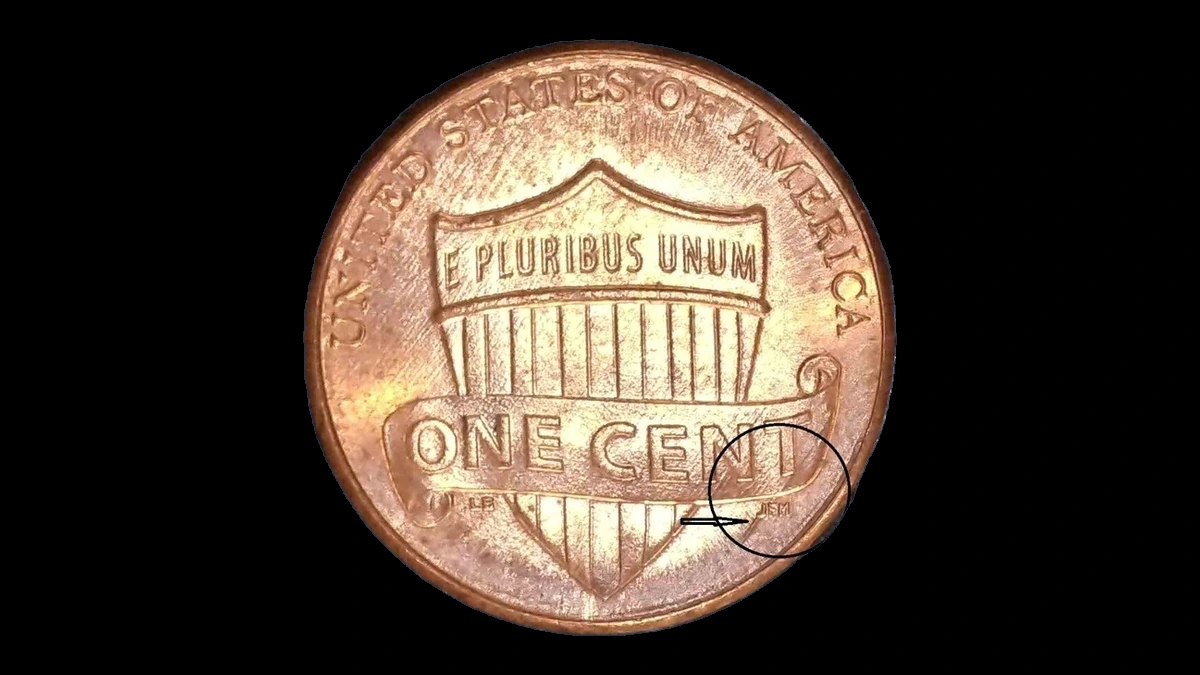
7. 2012 Penny Raised Metal Forms BIE or a Larger Break: Die Cracks and Cuds Error
A 2012-D BIE report concerns an I-shaped bump between B and E in LIBERTY. Larger Philadelphia reports include a rim-connected cud and a retained break.
A cud forms where a piece of the die edge is missing. In a retained break, the damaged piece remains partly in place and can still stamp some design.
How to Identify
For BIE, find the solid raised feature in the actual gap between B and E. Dirt and copper-plating bubbles can imitate a small bump.
For a larger feature, trace its boundary to the rim and inspect the surviving design inside it. Those details distinguish a retained section from a featureless patch left by missing steel.
A crack normally leaves a raised line, while a scratch cuts downward. Do not identify the stage of a break by size alone.
What It’s Worth
$2–$50 is the estimate for small cracks and BIE chips. Larger retained breaks or rim-connected cuds may fit about $50–$400.
A 2021-D retained-cud Shield cent sold for $186 in September 2025. That later coin supports a larger-break comparison, not a price for every small 2012 bump.
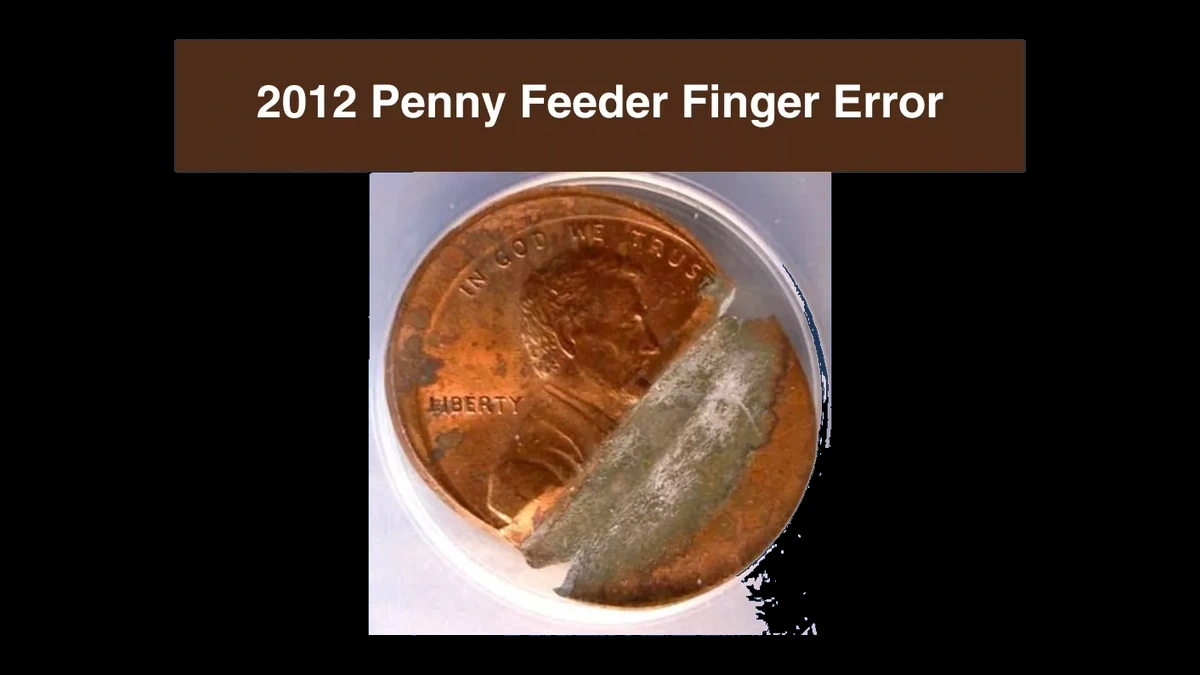
8. 2012 Penny Parallel Marks Cross the Surface: Reported Feeder-Finger Marks Error
A feeder finger moves blanks into position, and some 2012 reports connect parallel marks with that equipment. The name does not establish how every mark formed.
Contact damage to a die can leave raised lines on later coins. A part trapped directly during striking can leave an impression instead, while ordinary rubbing creates another kind of mark.
How to Identify
Tilt the coin beneath one light and decide whether each line rises from the struck surface or cuts into it. The two forms call for different explanations.
Follow the marks across nearby lettering and note where they start and end. A later scratch can cut through completed design and disturb metal beside it.
Record both faces and any related edge damage. Parallel spacing or a seller’s nickname does not demonstrate a specific machine part.
What It’s Worth
$10–$150 is the conditional estimate after the marks are identified as a Mint production error. Clear prominent features are more useful to collectors than faint unexplained lines.
The range compares minor tool-contact and strike-through errors, without a confirmed 2012 feeder-finger sale. The identification should explain the actual mechanism.
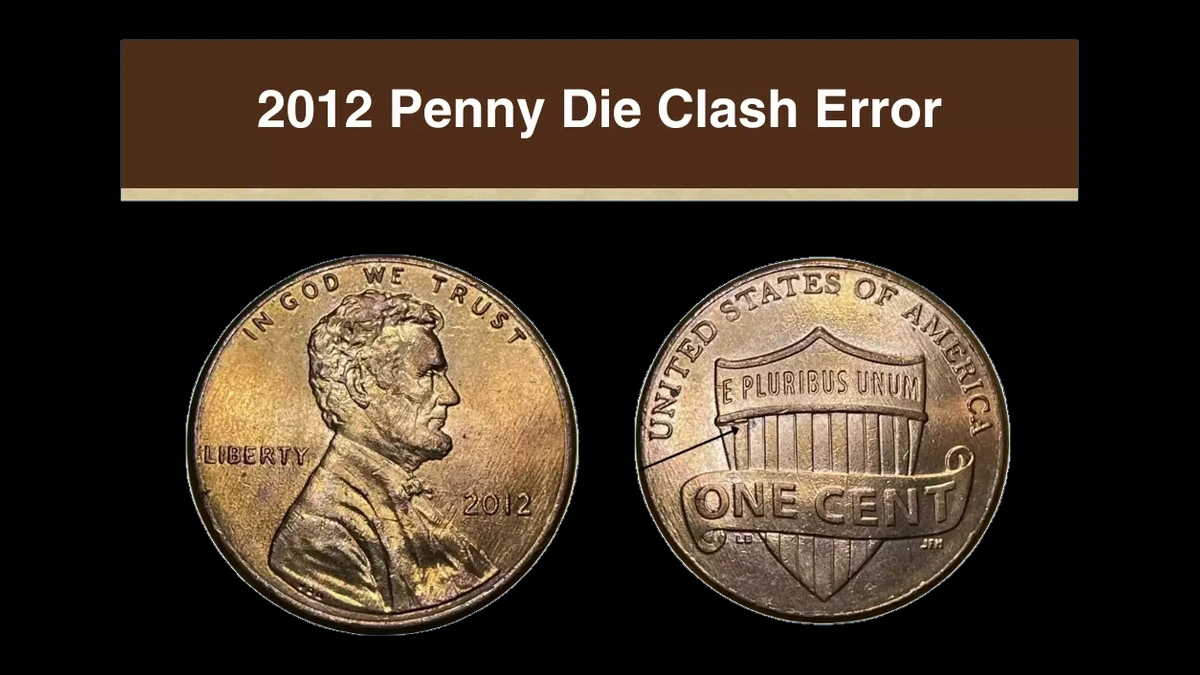
9. 2012 Penny A Fragment of the Other Design Appears: Die Clash Error
When the dies touch without a blank between them, each can pick up pieces of the opposite design. Coins made afterward may carry those unwanted traces beside the ordinary portrait or shield.
Clashes are reported for 2012 without one universal position. Scratches and lines left by polishing a die require different explanations.
How to Identify
Trace the suspected fragment in a full-face photograph and compare its curve with the opposite design. The shapes must fit the relationship between the two tools.
Several random scratches do not become a clash merely because they overlap. A mark copied from a polished tool is also not automatically an opposite-design transfer.
Use a close-up to show the actual matching contour, with enough surrounding design to preserve its position. A recognizable fragment is more informative than an isolated unexplained line.
What It’s Worth
$5–$100 is the estimate for recognizable clashes, from faint examples to clear traces on clean unworn cents. It compares similar modern Lincoln errors.
No named 2012 auction result is supplied. An asking price alone does not establish an error premium when the lines cannot be separated from ordinary scratches.
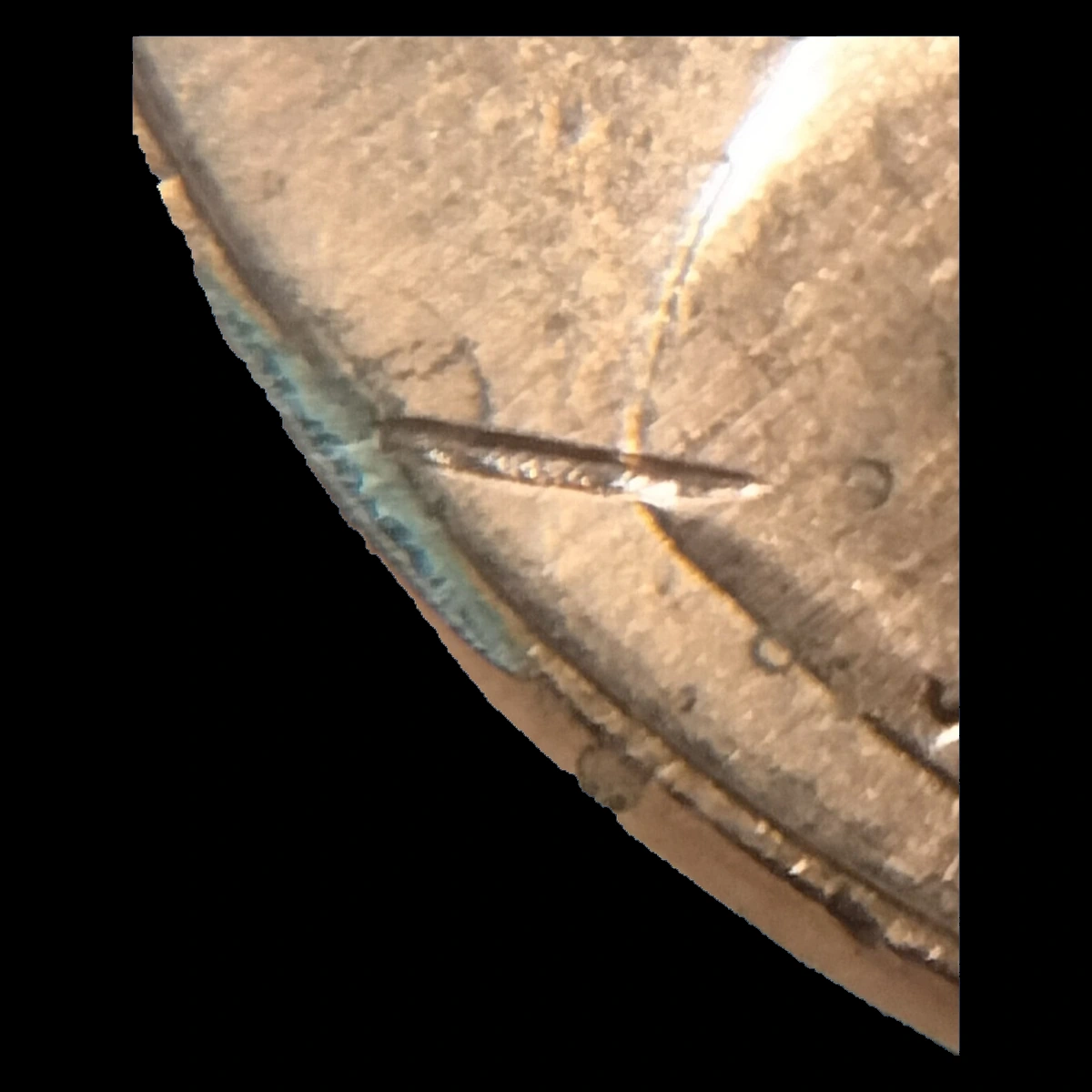
10. 2012 Penny A Hollow Interrupts the Front Design: Struck-Through Error
The reported 2012-D front-side example is described as MS64. Material between the blank and die blocked part of the design and left a local impression.
The description does not identify the object or one fixed location. Wire or fabric should only be named when the preserved shape supports it.
How to Identify
Follow a letter or portrait detail into the depression. A blocked strike can interrupt it while leaving sharper original design nearby.
A gouge made later may cut through finished detail and push metal beside the channel. Corrosion often leaves rougher irregular surfaces.
Inspect both faces so opposing damage is not overlooked. The local impression and its boundary are more useful than simply noting that some detail is missing.
What It’s Worth
$10–$60 is the estimate for smaller blocked areas, while a larger distinctive impression can fit about $60–$300. The visible feature and surfaces determine the closer comparison.
A 2021-D grease strike-through brought $84 in September 2025 in the supplied Heritage results. That later sale does not establish the material involved in the 2012-D mark.
11. 2012 Penny The Blank’s Metal or Size Does Not Fit: Reported Wrong-Blank Error
A wrong-planchet strike puts Lincoln’s design on a prepared blank intended for another coin. Its weight, composition, size, or surviving outer lettering may differ.
The supplied 2012 category does not identify a confirmed blank type or mint. Gray color alone cannot establish a dime blank because removing copper from an ordinary cent exposes zinc.
How to Identify
Record weight and width before proposing a metal. Compare those readings with a specific blank only after there is evidence for its identity.
Inspect the edge construction for stripped coating, filing, or corrosion. Those changes can reduce an ordinary cent’s measurements after it was struck.
The original design, metal, and dimensions must support the same explanation. For a sealed certified example, use the grading service’s findings rather than opening the holder.
What It’s Worth
$300–$2,000 is the conditional estimate for an authenticated 2012 wrong-blank strike, depending on the identified metal and surviving design. It does not price a merely light or silver-colored cent.
An older 1981-D on a clad dime blank sold for $372 in September 2025. Its known blank and different reverse make it a comparison, not evidence of a 2012 dime-blank specimen.
Conclusion
A side view can separate a projecting burr from a partial-collar step, while a full outline distinguishes a clip, broadstrike, and off-center strike. Keep those physical differences ahead of the error label.
For small features, match the exact repeated or transferred design and separate it from damage. The highest conditional range needs an identified wrong blank, with the coin’s metal and measurements supporting the same conclusion.