Rare 2009 Penny Errors (List & Pictures)
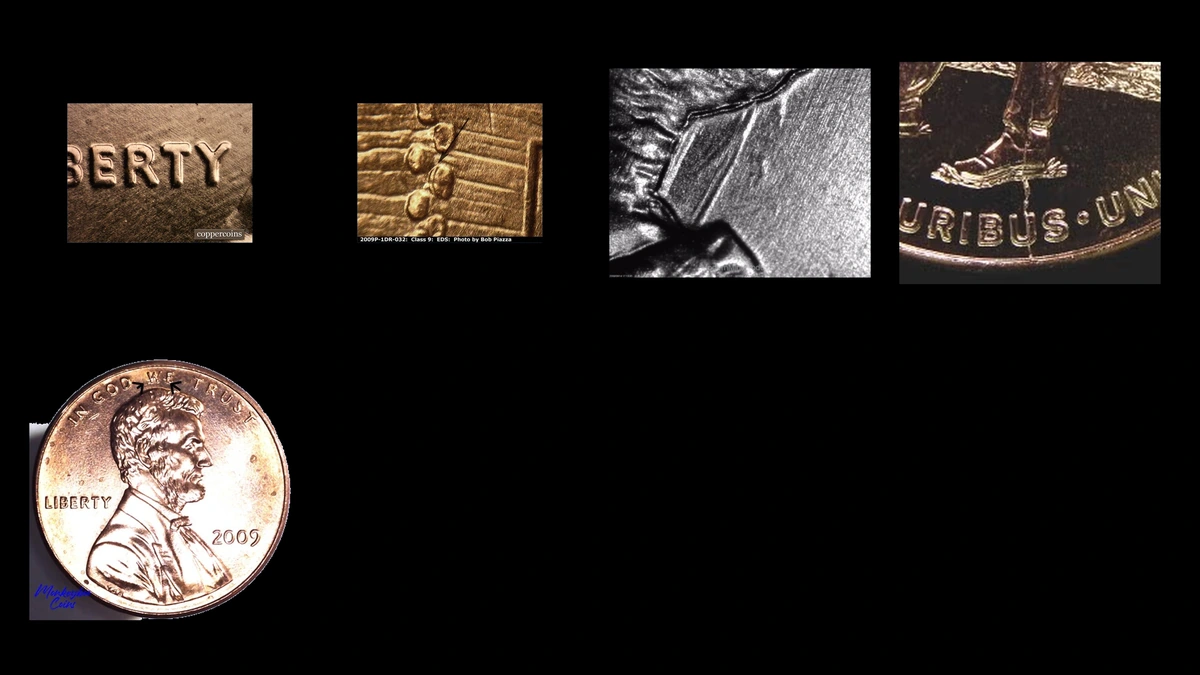
Wexler’s catalog records a $2,600 sale in July 2009 for a 2009-S Proof doubled reverse with an extra-finger feature. Estimated values across 2009 penny errors range from $5–$3,000.
Identify the back design and finish before examining the unusual mark. The four Bicentennial reverses show a log cabin, Lincoln reading, the Illinois State Capitol, and the unfinished U.S. Capitol; each needs its own comparisons.
| Where to look | Error group | Estimated value |
|---|---|---|
| Ear, cheek, front letters | Doubled front design | $5–$125 |
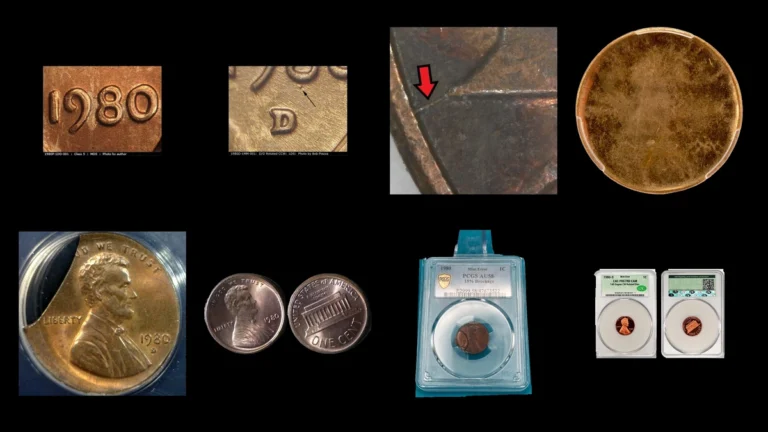
| Hand, book, logs, buildings | Doubled reverse | $5–$3,000 |
| Unfamiliar portrait-side outline | Die clash | $15–$600 |
| Boot or other raised line | Die crack | $5–$350 |
| Raised straight or parallel marks | Die gouge or scrape ridges | $10–$550 |
| Thick patch touching rim | Cud | $20–$300 |
| Loose surface flap | Plating or metal separation | $10–$400 |
| Missing edge section | Clipped blank | $15–$150 |
| Widened complete design | Broadstrike | $30–$650 |
| Different centering on two faces | Misaligned die | $10–$700 |
| Plain crescent and partial design | Off-center strike | $25–$850 |
| Two displaced impressions | Off-center double strike | $150–$1,500 |
| Metal wrong for the version | Wrong blank | $150–$2,000 |
Ordinary 2009 cents use copper-plated zinc and normally weigh 2.50 grams. Satin-finish set cents and Proofs use 95% copper and normally weigh 3.11 grams; both versions measure 19.05 mm and have smooth edges.
1. 2009 Penny An Extra Curve at the Ear: Doubled Front Design Error
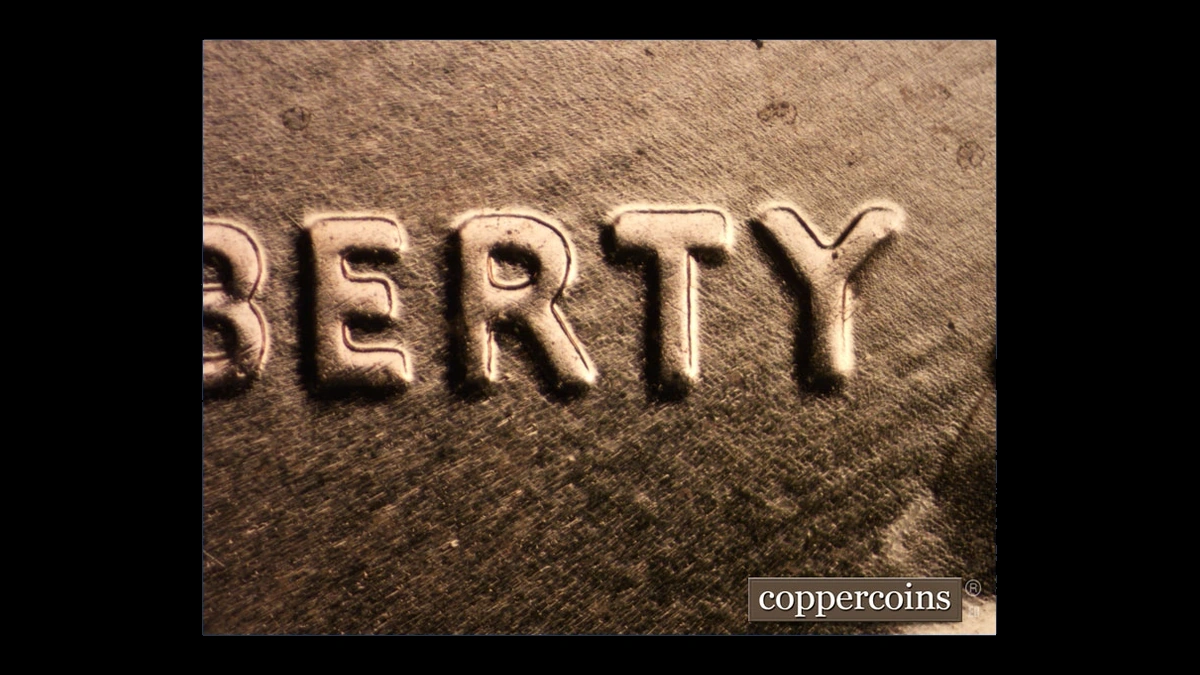
A small repeated earlobe, cheek line, or letter corner can identify a doubled front design. The stamping tool, called a die, carries the repeated detail before it touches the coin.
How to Identify
Match the reverse scene and mint first, even though all four issues share Lincoln’s portrait. A reported Philadelphia log-cabin variety has an extra earlobe, while other patterns may be strongest in LIBERTY.
Use magnification to follow the exact second contour. Flat ledges created by movement during striking are different from a repeated design in the die.
What It’s Worth
A matched 2009 front-side doubled die has an estimated value of $5–$125. Stronger separation and attractive surfaces support the upper end.
The supplied year guide suggests $75–$125 for a certified MS64 example. That is a guide estimate, not an auction result for every front variety.
2. 2009 Penny Extra Fingers or Building Detail: Doubled Reverse Error
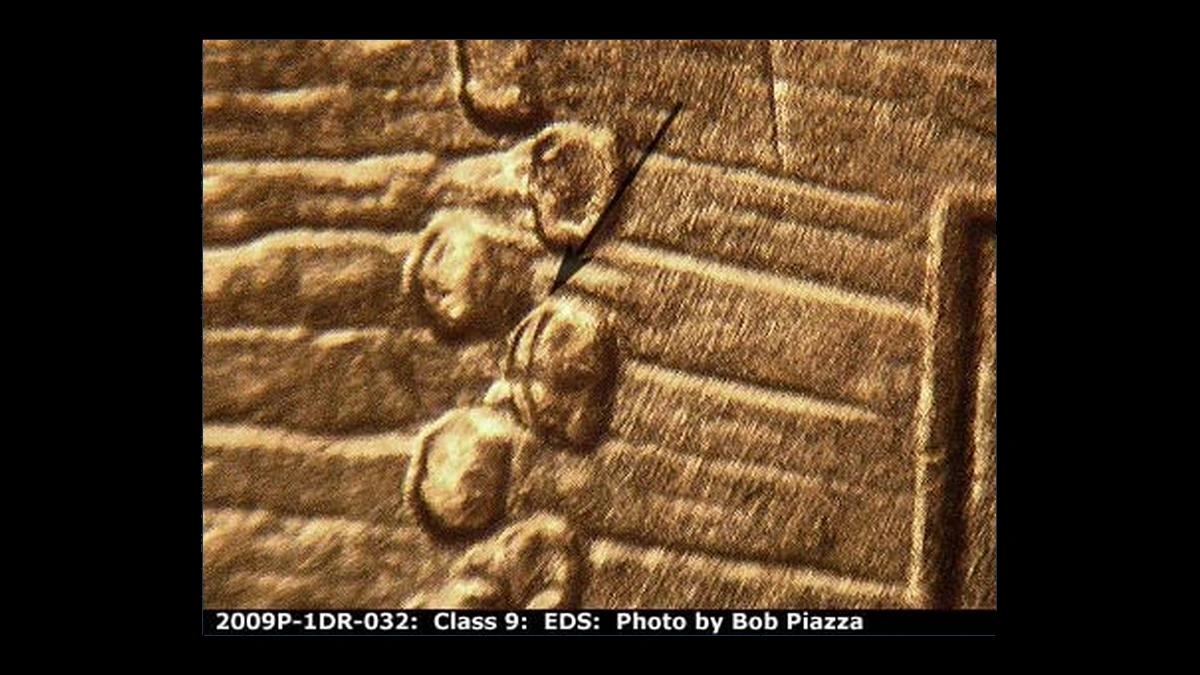
The reading design can show extra detail beside Lincoln’s hand or book. Other varieties repeat cabin log ends, Professional Life window detail, or parts of the unfinished Capitol.
These features come from different doubled dies. An extra finger on one version does not identify all the others.
How to Identify
On a reading-design cent, compare the extra finger’s size, position, and connection to the book. For the other scenes, examine the specific cataloged log, window, or wall detail.
Wexler’s S Proof varieties show why the finish and mint must accompany the pattern match. In variety descriptions, SF means satin finish, not San Francisco.
What It’s Worth
Estimated values span $5–$3,000 across minor reverse varieties and exceptional collector examples. This is not one standard price for any apparent extra finger.
A Formative Years FS-802 graded MS67 Red sold for $823.50 in May 2026. Wexler separately records $2,600 in July 2009 for S Proof WDDR-001, a historical Proof result that should not be applied to ordinary circulation varieties.
3. 2009 Penny A Reverse Shape Beside Lincoln: Die Clash Error
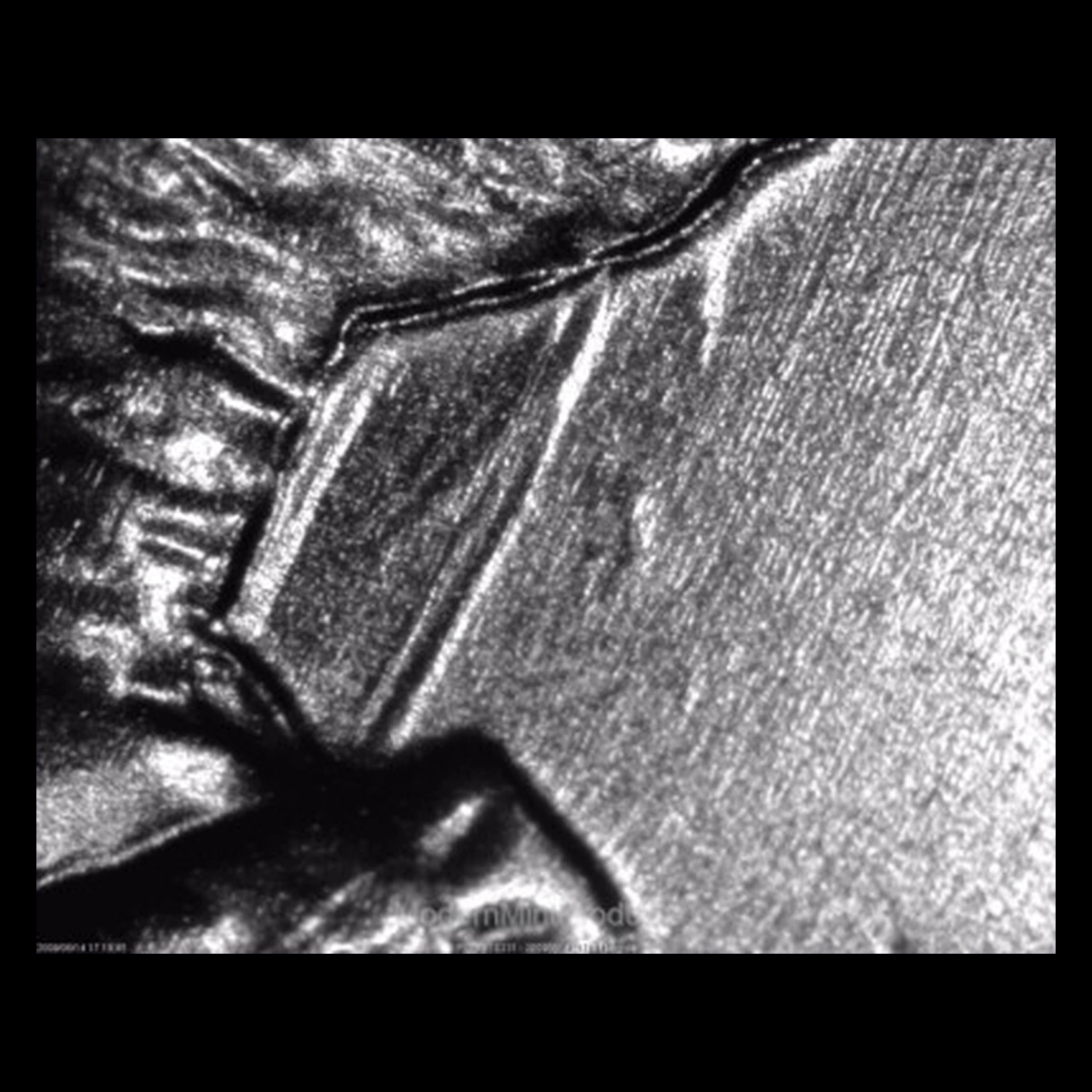
On the reported Philadelphia reading-design clash, an unfamiliar front-side outline may relate to the figure, book, or log on the reverse. Contact between dies without a blank can leave marks that transfer to later coins.
How to Identify
Compare the suspected trace with the correct reading-design reverse. A cabin outline cannot explain a clash on a coin that carries a different scene.
Follow the actual mark under changing light rather than forcing unrelated scratches into a recognizable picture. Do not use a rule that every clash mark must be sunken; shape and position provide the more useful comparison.
What It’s Worth
An identified 2009 reading-design clash has an estimated value of $15–$600. Recognizable transferred detail is more appealing than a vague line.
The guide reports $615 for a Philadelphia MS60 example, an unworn coin with substantial marks. Its original sale is not established in the supplied material, so treat that amount as a reported guide comparison.
4. 2009 Penny A Ridge Through the Boot or Design: Die Crack Error
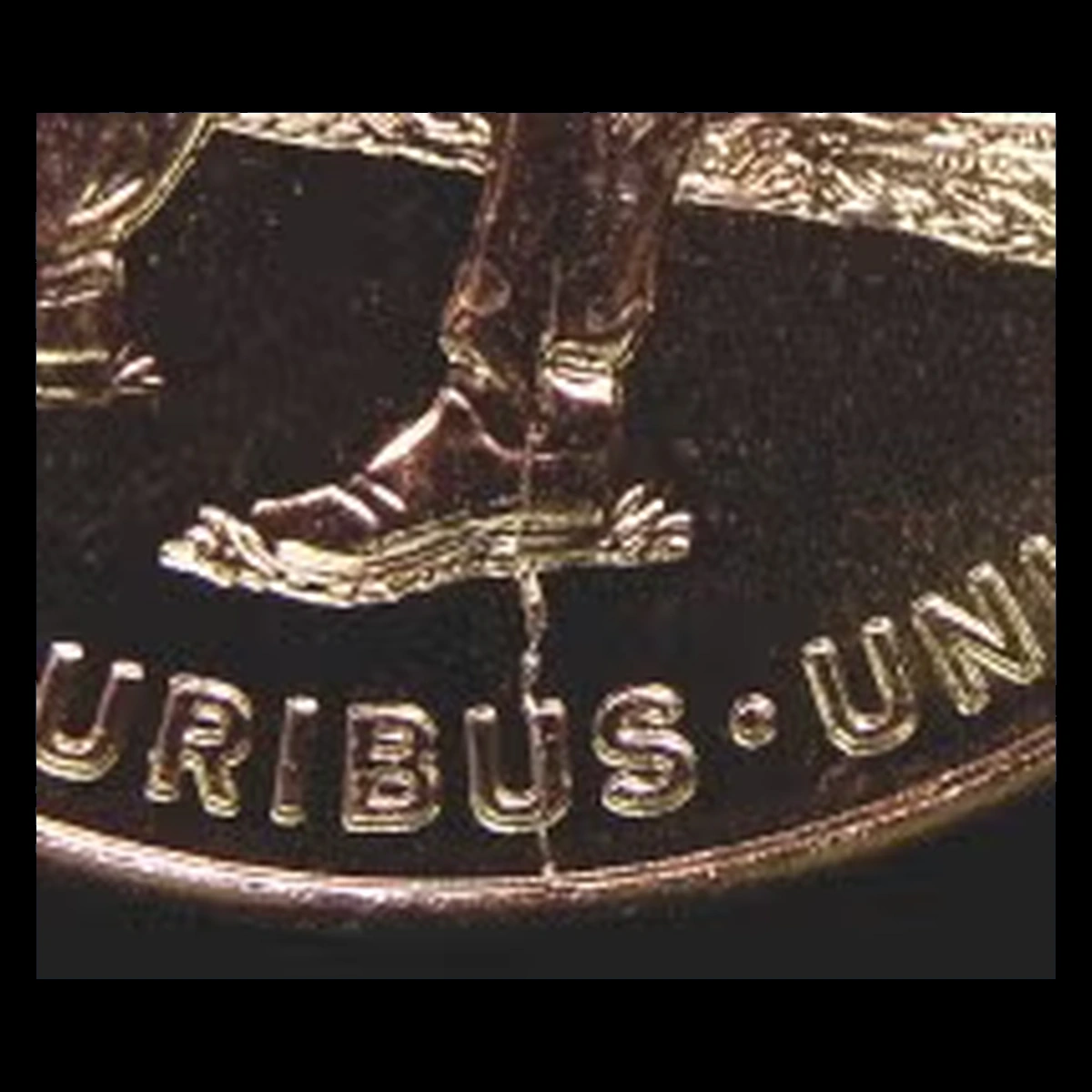
A crack in the stamping tool can fill with metal and leave a raised line on the cent. Reports include the boot on the reading design and a separate Philadelphia log-cabin example with cracks on both faces.
How to Identify
Trace the ridge beyond its first visible point and check how it crosses nearby detail. On the two-sided cabin report, examine each face separately rather than expecting equal paths or thickness.
A raised tool-crack line differs from a scratch or an actual split through the coin. Sleeve and mallet-area lines also need their own comparisons instead of borrowing the boot description.
What It’s Worth
Identified 2009 die cracks have an estimated value of $5–$350. Small lines usually add modest amounts, while stronger visible cracks can attract more interest.
The guide reports $630 for the two-sided log-cabin example, but no original sale is established here. That reported high does not set the price of an ordinary boot crack.
5. 2009 Penny Straight or Parallel Raised Marks: Die Gouges and Scrape Ridges Error
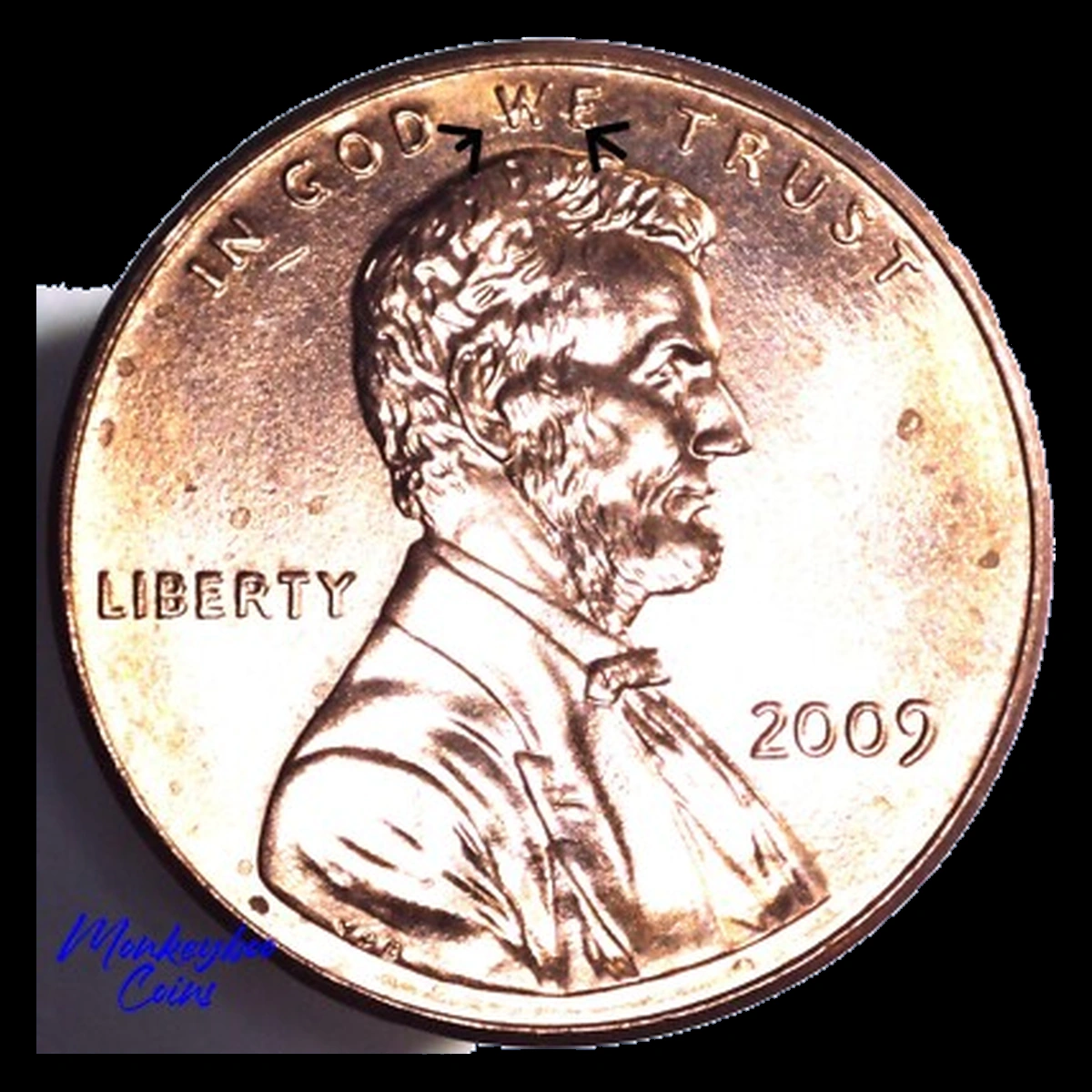
A groove scratched into a die can become a raised line on the coins it strikes. Parallel ridges may reflect a machine part scraping the tool, rather than an object being pressed directly into the coin.
How to Identify
Separate the Denver Presidency front-gouge report from the Philadelphia Professional Life feeder-related report. The supplied descriptions do not establish a precise path across Lincoln or a building.
Use side lighting to check whether each line rises from the surface or is a later cut with pushed-up edges. A matching pattern on another coin supports a mark carried by the die, though parallel lines alone cannot identify which machine part caused it.
What It’s Worth
Genuine 2009 die gouges or scrape ridges have an estimated value of $10–$550. Size, visibility, and original surfaces affect the comparison.
The guide reports $520 for the Denver gouge and $710 for the separate Philadelphia feeder-related example. Neither description is independently matched to an original auction lot here, and they should not be combined into one specimen.
6. 2009 Penny A Thick Patch Joins the Rim: Cud Error
A cud forms when a rim-connected piece of a die breaks away. Metal fills the resulting gap, leaving a raised area where the tool can no longer form the normal design.
How to Identify
Follow the patch to the rim and check that it replaces design rather than covers it with metal pushed over by an impact. A single thin line reaching the edge is not enough.
Weakness on the opposite face can support the diagnosis, though it varies with the break. The 2009 report supplies no fixed mint, reverse scene, size, or location for this category.
What It’s Worth
A genuine 2009 cud has an estimated value of $20–$300. A larger clear patch with a preserved date and recognizable scene may be more attractive than a small worn one.
This is a working estimate rather than a confirmed 2009 auction price. Later edge damage does not acquire the same value merely by producing a raised lump.
7. 2009 Penny A Flap Lifts from the Surface: Plating or Metal Separation Error
A reported 2009-D reading-design cent has a front-side separation described as lamination. On an ordinary plated cent, that term needs care: peeling thin copper and a deeper split in the blank are different defects.
How to Identify
Leave the flap attached and examine its thickness and the exposed surface beneath it. Check the D and reading reverse so the report stays tied to the correct copper-plated zinc issue.
Corrosion can lift copper after minting, often leaving rough zinc or deposits. Scraping, punctures, and a bubble beneath intact copper also need to be distinguished from the reported separation.
What It’s Worth
A confirmed mint-made 2009 separation has an estimated value of $10–$400. A clear original peel with surrounding design preserved is generally more useful than an uncertain damaged spot.
The guide reports $410 for a Denver reading-design example graded MS60. That reported amount is not an independently established auction result and does not apply to ordinary zinc corrosion.
8. 2009 Penny A Curved Piece Is Missing: Clipped Blank Error
A blank punched too close to an earlier hole in the metal strip can lack a curved section before striking. Both reading-design and log-cabin clips are reported, without fixed mintmarks or clip positions.
How to Identify
Inspect how the rim and struck design meet the missing area. Weakness at the opposite rim can help support a clip, but that clue need not be equally visible on every genuine example.
Look for saw marks, filing, or a freshly squeezed edge that would explain later removal. Compare weight with the correct ordinary or collector version; low weight by itself cannot distinguish a clip from a later cut.
What It’s Worth
A genuine 2009 clipped cent has an estimated value of $15–$150. A readable date, recognizable reverse scene, and attractive remaining surface help the comparison.
Year guides place many collectible clips around $20–$75. These are guide ranges rather than named sales, and a high grade cannot make a later cut into a mint error.
9. 2009 Penny Full Designs Inside a Wider Outline: Broadstrike Error
The reported Denver Presidency broadstrike shows the unfinished Capitol on a coin that spread beyond normal limits. The collar, a ring around the blank, did not provide its usual restraint during striking.
How to Identify
Compare the width in several directions, then follow the complete designs on both faces. Uneven expansion can be genuine, so perfect roundness is not required.
Crushing after minting can also widen a cent while flattening high points and disturbing the surface. A smooth edge alone proves nothing because it is normal on all four designs.
What It’s Worth
A genuine 2009 broadstrike has an estimated value of $30–$650. Clear spreading and preserved struck detail generally support more interest.
The guide reports $650 for a 2009-D Presidency example graded MS65. Its original auction record is not established here, so the figure remains a reported comparison.
10. 2009 Penny One Face Sits Differently: Misaligned Die Error
A die shifted sideways can make one border wider and the opposite border narrower. The other face may remain centered, distinguishing die misalignment from a blank displaced between both tools.
How to Identify
Photograph each face straight on to avoid a false impression from camera tilt. Compare the design centers with the actual outline, including any detail near the narrow border.
The reports concern an ordinary Denver Presidency cent and a separate S Proof with an unspecified reverse scene. A sideways shift differs from rotation, which changes the direction the design points.
What It’s Worth
The estimated range for 2009 die misalignment is $10–$700. Ordinary small shifts generally fit $10–$300, while a stronger confirmed Proof error may justify a broader comparison.
The guide reports $620 for the Denver Presidency example in MS65. That figure is not a completed sale for the separate S Proof, whose normal weight and finish also differ.
11. 2009 Penny An Empty Crescent Beside the Scene: Off-Center Strike Error
A blank partly outside the dies can retain unstruck metal beside incomplete designs. Reports include a Philadelphia Professional Life cent around 30% off center and a separate log-cabin example without a stated percentage.
How to Identify
Read the 2009 date on the portrait side before identifying the reverse scene. The cabin’s 1809 inscription marks Lincoln’s birth year and is not the coin’s minting date.
Both faces should show incomplete impressions beside original plain metal. A ground-down design is different, and a fragment of one building should not be assigned to another Bicentennial scene without enough surviving detail.
What It’s Worth
A genuine 2009 off-center cent has an estimated value of $25–$850. Retaining the date and enough reverse design to identify the issue can strengthen collector interest.
The guide reports $812 for the Philadelphia Professional Life example described as MS63 and about 30% off center. Neither that percentage nor that reported price belongs automatically to the cabin example.
12. 2009 Penny Two Displaced Impressions: Off-Center Double Strike Error
A cent that moves and receives another strike can show overlapping sets of letters or design. An off-center second strike may leave enough of the first impression to explain the sequence.
How to Identify
Trace one surviving design before following the second and examine how the later blow reshaped the metal. A pressed-on copy made after minting can leave a mirrored impression or other damage.
No specific mint, reverse scene, or displacement is established in the supplied report. The normal special striking process used for Proofs is not itself an accidental displaced double strike.
What It’s Worth
An authenticated 2009 off-center double strike has an estimated value of $150–$1,500. Distinct impressions, a readable date, and good preservation improve its appeal.
This is a type-based estimate without a confirmed 2009 sale. The actual coin must establish which of the four scenes and which production version received the repeated strikes.
13. 2009 Penny Metal That Does Not Fit the Version: Wrong Blank Error
A 3.11-gram 2009 cent is not automatically an error. The Mint described its satin-finish set cents as 95% copper, and Proof cents also use the heavier copper composition.
How to Identify
Establish whether the coin is ordinary, satin finish, or Proof before deciding that its blank is wrong. A heavy Philadelphia or Denver cent can be a normal collector issue.
The supplied reports do not authenticate a specific donor denomination. Accurate measurements, nondestructive metal analysis, and examination of the finish are needed; do not file the edge or assign a dime blank from a generic list.
What It’s Worth
A provisional estimate of $150–$2,000 applies only to a confirmed wrong-blank error of this general kind. The actual blank and intended production version would determine a closer comparison.
No particular 2009 wrong-blank specimen or sale is established by that range. Normal 3.11-gram collector cents receive no error premium simply for their weight.
Conclusion
For 2009, the reverse scene and production finish are part of identification, not optional details. They determine which extra-finger photograph fits and whether a heavier copper coin is entirely normal.
Several supplied prices are guide reports whose original sales are not established. Keep those separate from the documented variety sale, and protect loose flaps and irregular edges while recording the date, mint, finish, and actual feature.