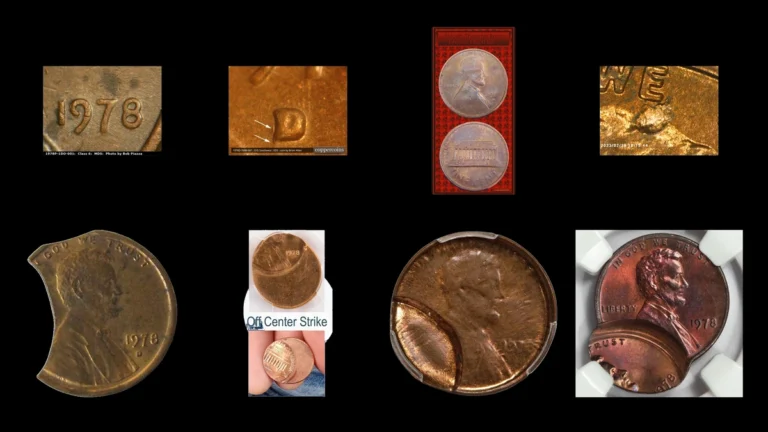
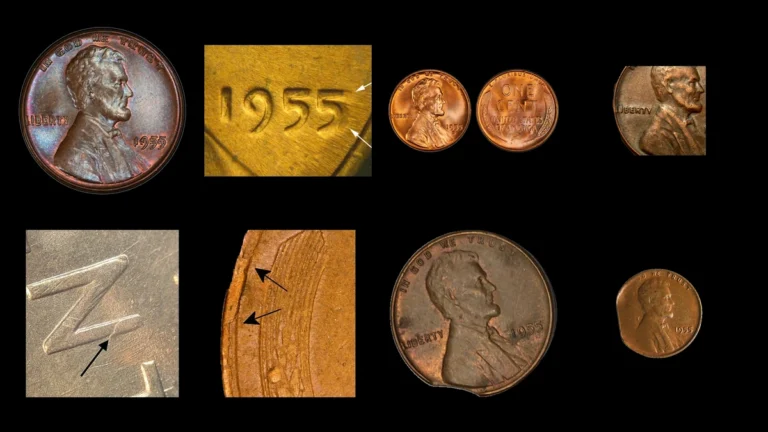
Rare 2016 Penny Errors (List & Pictures)
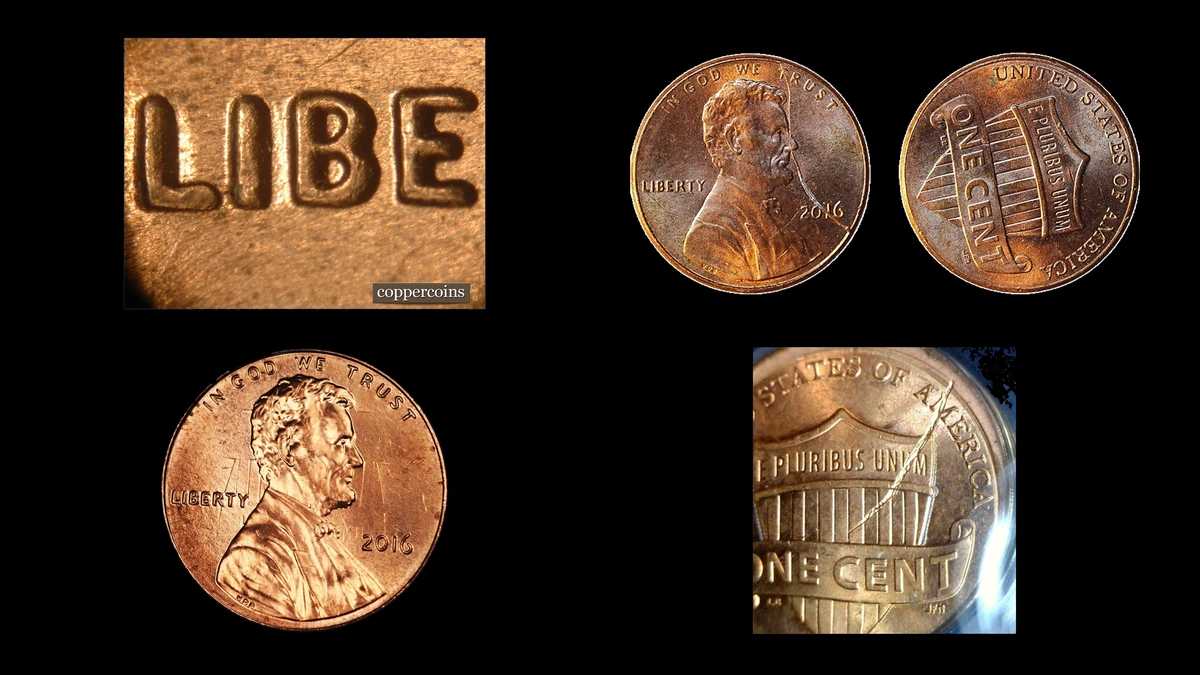
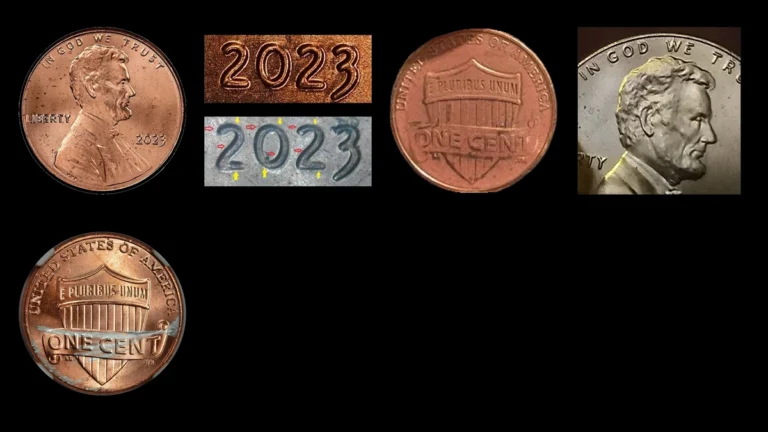
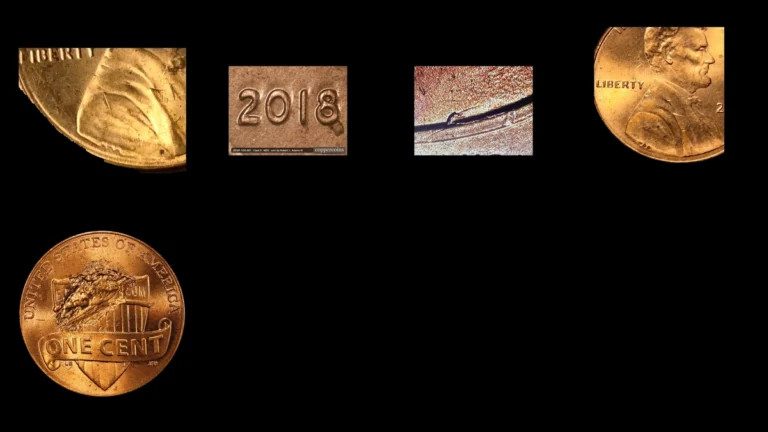
Some 2016 penny errors change a small letter outline; others alter the edge or the relationship between the two faces. Twelve groups below have estimated values of $2–$800.
The highest supplied completed comparison is $228 for a 2017-D struck-through cent, sold in March 2025, rather than a 2016 transaction. Inspect the date and portrait, test the documented break-and-rotation combination, then examine surfaces and the outline.
| Feature to examine | Possible category | Estimated value |
|---|---|---|
| Unusual D outline or position | Unconfirmed mintmark claim | $5–$100 if established |
| Extra portrait or shield detail | Doubled designs | $5–$200 |
| Raised bar, crack, or rim patch | BIE, die cracks, or cuds | $2–$400 |
| Stepped front and rotated reverse | Retained cud with rotation | $150–$800 |
| Opposite-design contour | Clashed dies | $10–$150 |
| Interrupted hair or shield detail | Struck-through | $5–$300 |
| Loose copper flap | Plating separation | $10–$400 |
| Gray metal without normal coating | Missing plating | $25–$500 |
| Step along the edge | Partial collar | $15–$200 |
| Complete designs on a wider blank | Broadstrike | $20–$350 |
| Part of the outline absent | Clipped planchet | $15–$250 |
| Unstamped crescent of metal | Off-center strike | $15–$500 |
The standard coin has a zinc center beneath thin copper plating, a 2.50 g weight, a 19.05 mm diameter, and a smooth edge. Use accessible measurements as supporting evidence, keeping sealed coins in their holders and consulting their records instead.
1. 2016 Penny A D that looks misplaced or doubled: Unusual Mintmark Claims Error
View the date, mintmark, and lower portrait together before deciding that D occupies an abnormal position. A sideways shift of the entire design differs from a change confined to the letter.
By 2016, mintmarks were incorporated into the design used to create working dies, rather than individually hand-punched into each die. The older repunched-mintmark explanation therefore does not fit a supposed extra D on this date.
How to Identify
Photograph a normal 2016-D beside the candidate from directly above and compare the complete letter outline. Look for disturbed surface or an attachment around D without scraping it.
Philadelphia cents of this year normally have no P on the coin. A seller’s P abbreviation identifies the mint and does not describe a missing letter.
What It’s Worth
$5–$100 is a conditional estimate only if a specific mint-made design abnormality is established. The supplied claim provides neither an identified variety nor an original sale for comparison.
An ordinary D, an added letter, or photographic distortion does not qualify. A matching original design difference must come before an error premium.
2. 2016 Penny Additional eye, bow-tie, or shield contours: Doubled Designs Error
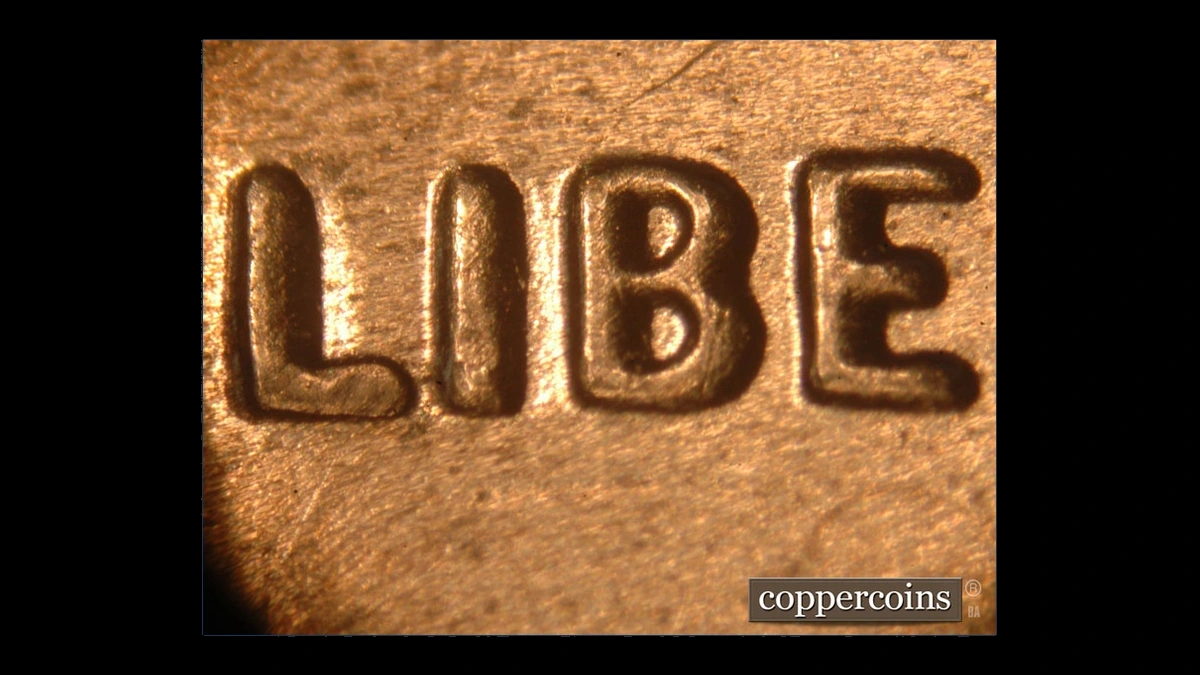
Move upward from the date to inspect the reported eye and bow-tie areas on Philadelphia obverses. Separate reverse reports include extra thickness around the small LB initials.
A doubled die carries repeated detail in the tool before striking. These are separate patterns, not features that every 2016 coin must show together.
How to Identify
Select a comparison from the same mint and face, then trace the actual repeated contour. Philadelphia’s ordinary 2016 issue has no mint letter below the date.
Angle the light to distinguish a rounded second design edge from a lower flat shelf caused during the strike. Split copper plating may expose zinc along a normal detail without duplicating it.
What It’s Worth
$5–$40 is estimated for matched minor varieties, with approximately $40–$200 for clearer repeated shapes on well-preserved coins. The figures use modern Lincoln comparisons rather than famous older doubled-die prices.
No single auction amount is supplied for the obverse and reverse reports. Assess any features together on the actual coin instead of assigning a full coin price to each thick letter.
3. 2016 Penny A bar in LIBERTY or raised reverse metal: BIE, Die Cracks, and Cuds Error
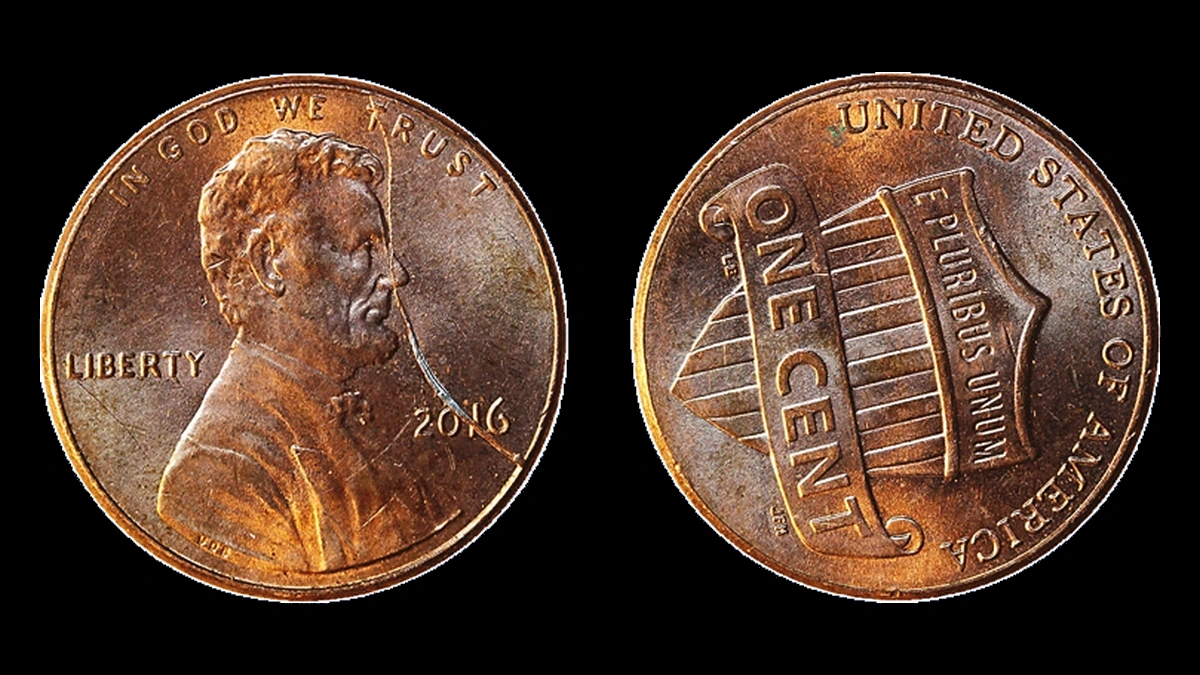
A raised bar between B and E gives the BIE appearance reported on both Philadelphia and Denver cents. Metal fills a small opening left in the die and reproduces it as an added feature.
Narrow die splits produce ridges, while larger missing edge sections can leave rim-connected cuds. Denver reports include a shield-side crack and a separate cud.
How to Identify
Check the exact B-to-E gap for a BIE, and trace reverse lines beyond the shield’s intended stripes. A scratch sinks into the surface rather than rising from it.
A larger blob needs a connection to the rim before it is called a cud. Inspect its copper skin for blistering or added material without pressing the feature.
What It’s Worth
$2–$50 is estimated for small BIE bars and fine cracks, with about $50–$400 for larger clear rim breaks. The whole specimen’s appearance and condition determine the useful comparison.
A 2021-D retained-cud cent brought $186 in September 2025, but its die fragment stayed partly in place. It is a related break type rather than a direct price for every 2016 bump.
4. 2016 Penny A stepped right side and turned shield: Retained Cud with Rotated Reverse Error
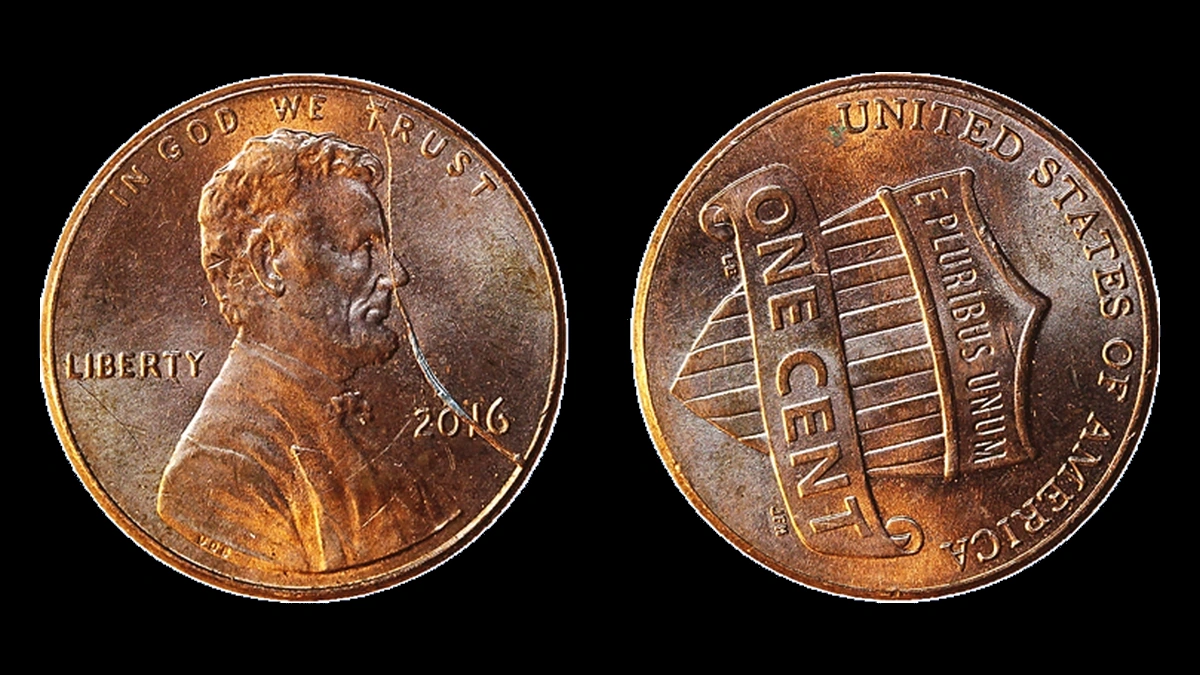
The documented combination coin has a retained cud covering approximately the right quarter of its front. The broken die section remained in place sufficiently to stamp detail, but a step and sideways mismatch cross the first T in TRUST and the date’s 1.
Its reverse is described as rotated 95 degrees counterclockwise relative to the portrait. Mike Diamond’s examination did not establish which die rotated.
How to Identify
Compare the displaced detail across T and 1 with the illustrated examination of the 2016 coin. A simple raised line does not establish the same retained section and movement.
For orientation, hold Lincoln upright and flip the top downward around a fixed left-to-right axis without twisting. A normal shield finishes upright, while a repeatable tilt shows the abnormal relative angle.
Practice with an ordinary cent and preserve the complete front and back in the record. Rotating a photograph can imitate a turned reverse without changing the coin.
What It’s Worth
$150–$800 is estimated for an authenticated combination with clear retained detail and a large rotation. The two features contribute to one whole-coin appraisal.
The 2021-D retained-cud sale at $186 supplies a related September 2025 reference. It does not price the 2016 combination or establish a matching rotation on the later coin.
5. 2016 Penny A fragment of the opposite design: Clashed Dies Error
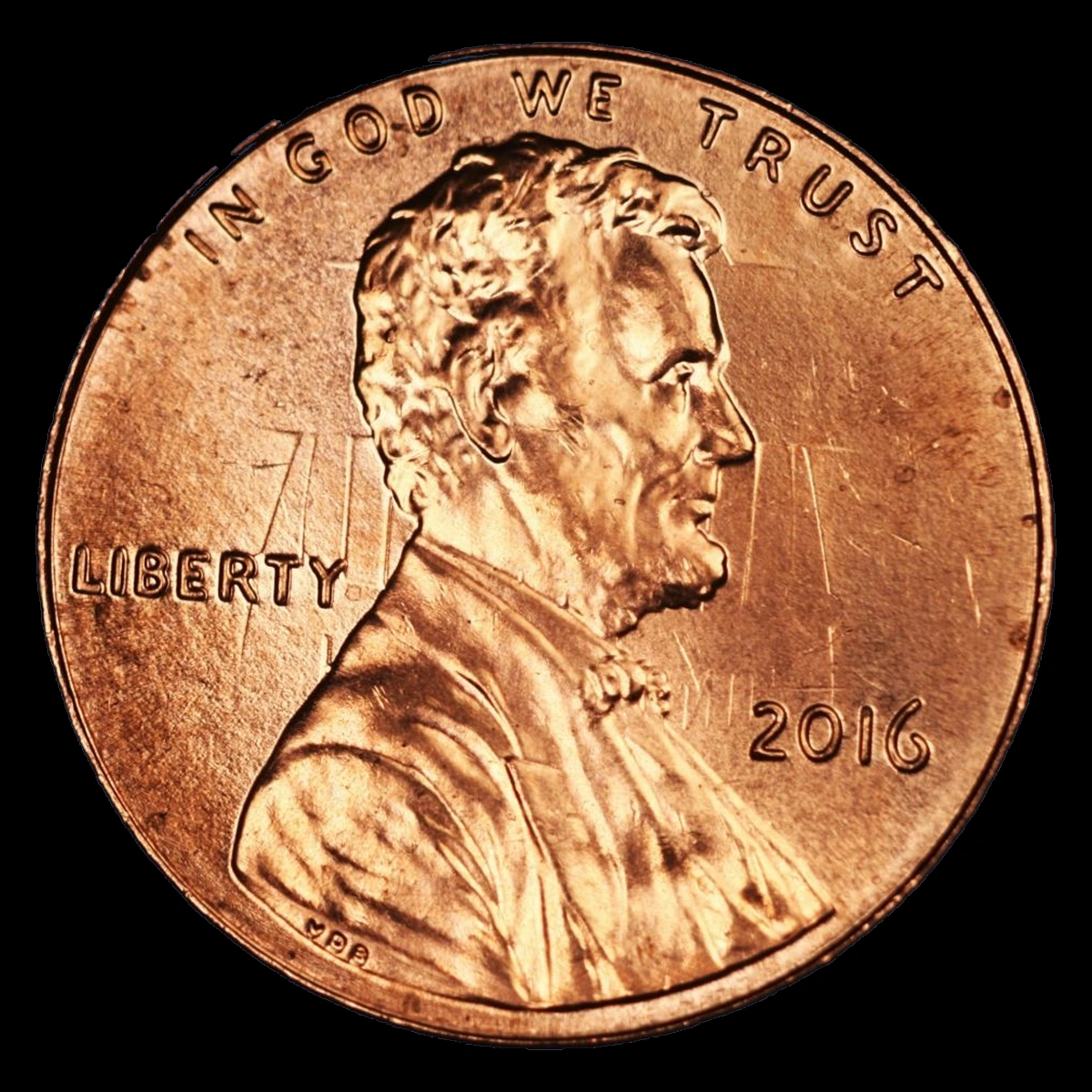
A line that resembles a shield fragment near Lincoln may record contact between the two dies. Without a blank separating them, the tools can mark each other and reproduce the marks on later coins.
The supplied Philadelphia clash report does not establish one fixed diagnostic position. Each contour needs comparison with the actual opposite design.
How to Identify
Identify the possible source of the extra curve on a normal front or back photograph. Shape and position should fit together rather than relying on a resemblance under one lighting angle.
Polishing lines, scratches, and wrinkles in the copper coating can also cross the background. Check for pressure damage from two finished coins pressed together later.
What It’s Worth
$10–$150 is estimated for recognizable clashes, with clear transferred shapes on appealing surfaces supporting the stronger amounts. The range is not a recovered sale for the reported Philadelphia coin.
Wear and scratches can make a genuine trace harder to see. Several unexplained lines do not become more valuable through a dramatic name.
6. 2016 Penny Hair or shield detail interrupted locally: Struck-Through Error
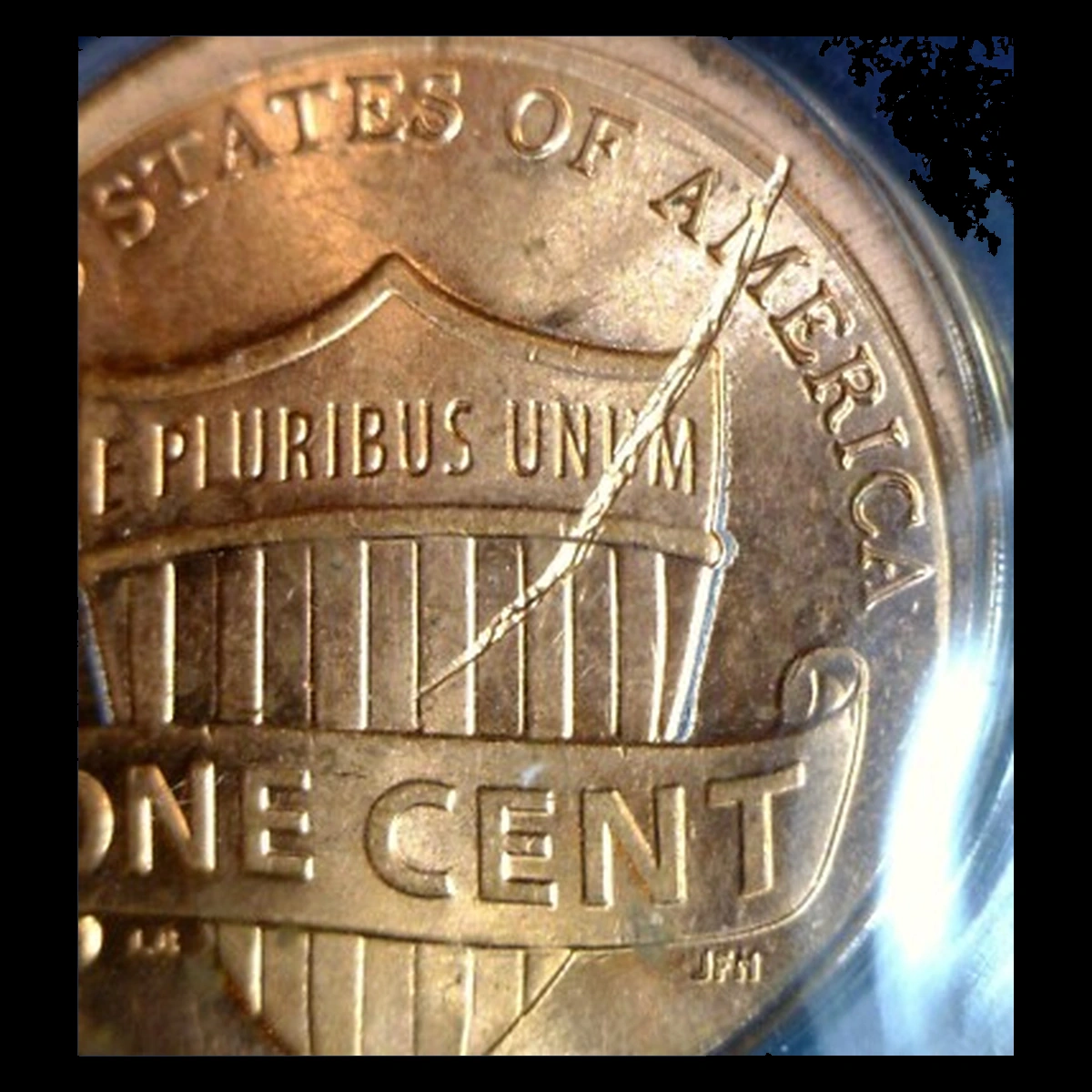
Examine the edge of a weak patch to see how it interrupts the design. Material between a blank and die can block detail, with a soft substance leaving weakness or a firmer object making an impression.
The reports do not assign one mint or material to all 2016 examples. Blurred hair does not prove grease, and an isolated line does not identify wire.
How to Identify
Trace the transition from clear lettering or portrait detail into the affected area. Scraping may cross completed design, while corrosion can erase detail and roughen the surrounding metal.
Compare the high points for ordinary wear and inspect both faces. Describe the visible impression before proposing a particular obstruction.
What It’s Worth
$5–$300 is estimated for small blocked regions through larger, clear impressions. A distinctive shape generally provides a stronger comparison than a slight unexplained patch.
A 2017-D obverse struck-through cent graded MS65 Red sold for $228 in March 2025. That unworn copper-red coin is a different-year transaction, not a sale assigned to the 2016 reports.
7. 2016 Penny A copper flap lifting from zinc: Peeling Plating Error
Follow any loose copper to its remaining attachment. The Philadelphia report concerns peeling on both faces, with a separate Denver seller report.
The cent’s thin coating differs from the thick bonded layers of a dime. Failure of attachment can separate it, but later corrosion or chemicals can create similar lifting.
How to Identify
Inspect the boundary and neighboring struck detail for corrosion or scraping. Keep the flap in place because enlarging the opening would remove evidence of how it separated.
Check both faces and the smooth edge for treatment beyond the obvious patch. Thin copper loss may barely change the weight, so a near-normal reading does not establish the timing.
What It’s Worth
$10–$400 is estimated for confirmed original separation. Small areas generally fall lower than extensive, well-preserved defects.
No completed sale is supplied for either the Philadelphia report or Denver listing. The amount of gray zinc exposed cannot distinguish valuable original separation from extensive chemical damage.
8. 2016 Penny Gray metal where copper was absent: Missing Copper Plating Error
A Philadelphia report describes one face lacking copper rather than an entirely unplated coin. If the covering was absent before striking, zinc could receive the design directly.
This is a different description from an attached copper flap peeling away. Both can look gray, as can later stripping of a normal finished cent.
How to Identify
Examine original struck texture across the transition between zinc and remaining copper. Sharp detail should be assessed alongside any pitting, abrasion, or rubbed high points.
Inspect the edge as well as the face, since later removal can expose zinc in several places. A subtle weight change on a basic scale cannot resolve the cause by itself.
What It’s Worth
$25–$500 is the estimate when the missing coating is confirmed as mint-made. Extent, preservation, and evidence of original production determine the comparison.
No transaction is supplied for the reported Philadelphia piece. A mostly gray face does not automatically represent the most valuable form, especially if chemicals or abrasion explain it.
9. 2016 Penny A change of level along the side: Partial-Collar Strike Error
Turn the cent edge-on to inspect a suspected step. The collar normally restrains outward flow, but partial contact can hold one part of the thickness while another spreads farther.
The reported Denver example carries an MS60 description, indicating an unworn coin with noticeable marks. That grade does not establish the edge structure without examining it.
How to Identify
Photograph the side from several angles to show the boundary between restrained and expanded metal. Two apparent circles in a top view do not establish a real step.
Check for rolled-in metal or repeated impacts from later handling. Cents normally have smooth edges, so the absence of grooves has no special significance here.
What It’s Worth
$15–$200 is estimated for a genuine collar-produced edge step. Clear separation of the two levels on original surfaces makes a stronger comparison than a faint border line.
The source’s MS60 description is condition information rather than a sale price. The range uses other modern collar errors, excluding steps created by later rolling or squeezing.
10. 2016 Penny Complete designs inside an expanded outline: Broadstrike Error
When the collar does not contain the blank normally, expansion can create a wide border around complete designs. Lincoln and the shield need not be perfectly centered within that extra metal.
A Philadelphia 2016 example is reported as MS62, an unworn grade allowing noticeable marks. Its lack of a mint letter is normal for Philadelphia that year.
How to Identify
Follow the outside words on both faces and confirm that their intended design remains on the metal. Measure several spans to assess the spread rather than judging scale from an enlarged image.
Inspect high points and letters for crushing from later flattening. Natural outward flow during striking needs to account for the wider coin and its surviving detail together.
What It’s Worth
$20–$350 is estimated from modest broadstrikes to stronger visual examples. Clean, original letters help demonstrate the expanded outline.
The reported MS62 coin has no verified sale amount supplied. Extra width produced by hammering a finished penny does not receive this mint-error appraisal.
11. 2016 Penny Metal missing from the outline: Clipped Planchet Error
A planchet is the prepared blank before striking. An overlapping blank cut can leave a curved clip, while cutting at a strip edge can create a straighter missing boundary.
The 2016 report establishes the category without fixing its mint or clip shape. Those details must remain specific to the coin being examined.
How to Identify
Inspect how original struck detail meets the gap at both ends. Sawing and filing leave evidence of later removal, even though they also reduce weight.
Measure an intact span rather than across the missing part. A weak rim opposite the gap can support the attribution, but a faint or absent effect does not automatically reject it.
What It’s Worth
$15–$250 is the estimate for genuine 2016 clips. A readable date, convincing original opening, and attractive surfaces improve the comparison.
A 2021 Shield cent with a five-percent straight clip sold for $114 in September 2025, described as MS64 Red. That later coin does not establish either a straight shape or five-percent loss for the 2016 report.
12. 2016 Penny Original plain metal beside incomplete designs: Off-Center Strike Error
The reported Philadelphia example is described as approximately fifteen percent off center and graded MS65. Part of its blank lay outside the dies, leaving plain metal beside designs that did not fully fit.
The grade indicates an unworn coin with relatively few marks. It does not establish a displacement direction or transaction amount.
How to Identify
Locate the 2016 date and assess whether the mintmark area survives before assigning Philadelphia. Compare both faces so the same misplaced blank explains their missing design.
A centered reverse with only the front shifted suggests another alignment issue. Inspect the plain area for grinding or polishing that could have removed a finished design later.
What It’s Worth
$15–$100 is estimated for modest date-visible shifts, with approximately $100–$500 for more dramatic attractive examples. The surviving date and condition matter alongside displacement.
A 2006 cent struck four percent off center brought $39 in March 2025. That older Memorial design and smaller shift do not fix the value of the reported fifteen-percent 2016 coin.
Conclusion
The retained-cud and rotation example demonstrates why one photograph or one feature may not tell the whole story. Inspect both faces and the edge while keeping the specific mint, finish, and reported evidence attached to the correct specimen.
The $2–$800 estimates cover very different observations. Establish the original cause of an unusual mintmark, gray surface, raised patch, or changed outline before using the corresponding error range.