Rare 1994 Penny Errors (List & Pictures)
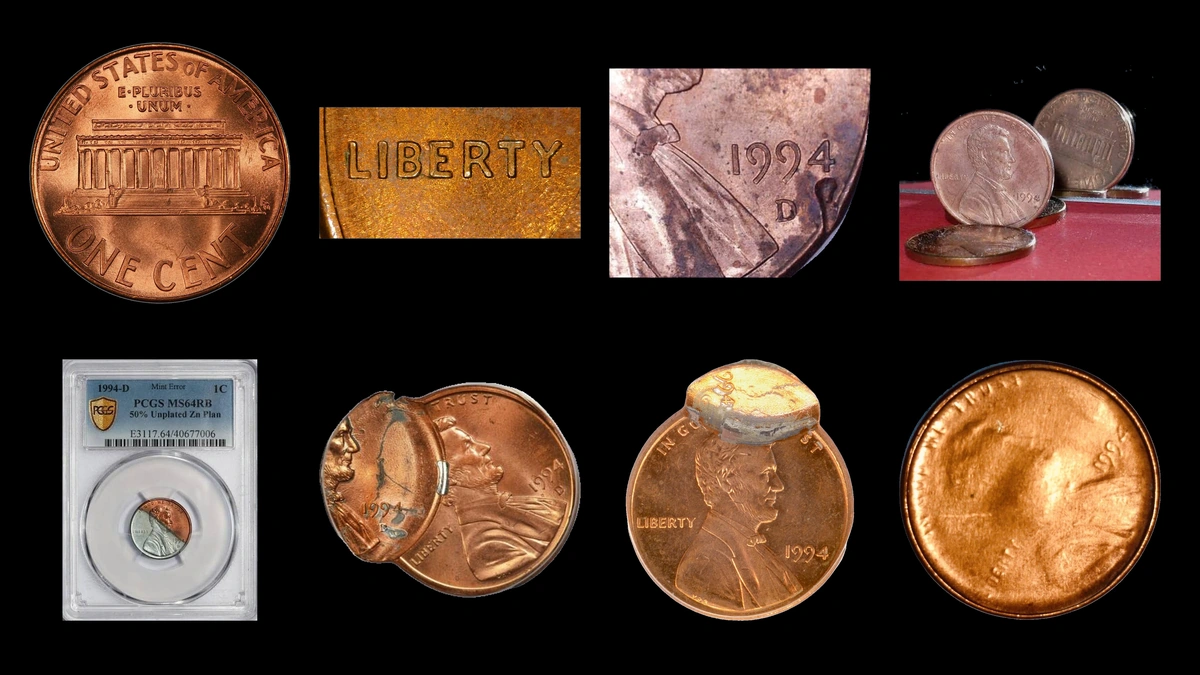
A back turned nearly upside down and a second coin’s date are very different clues on 1994 penny errors. One cent struck over a 1993 dime sold for $3,120 in June 2024.
The ranges below run from $2–$4,000, beginning with small details you can inspect under a magnifier. Before comparing prices, decide whether the change belongs to the design, the surface, or the way the coin was struck.
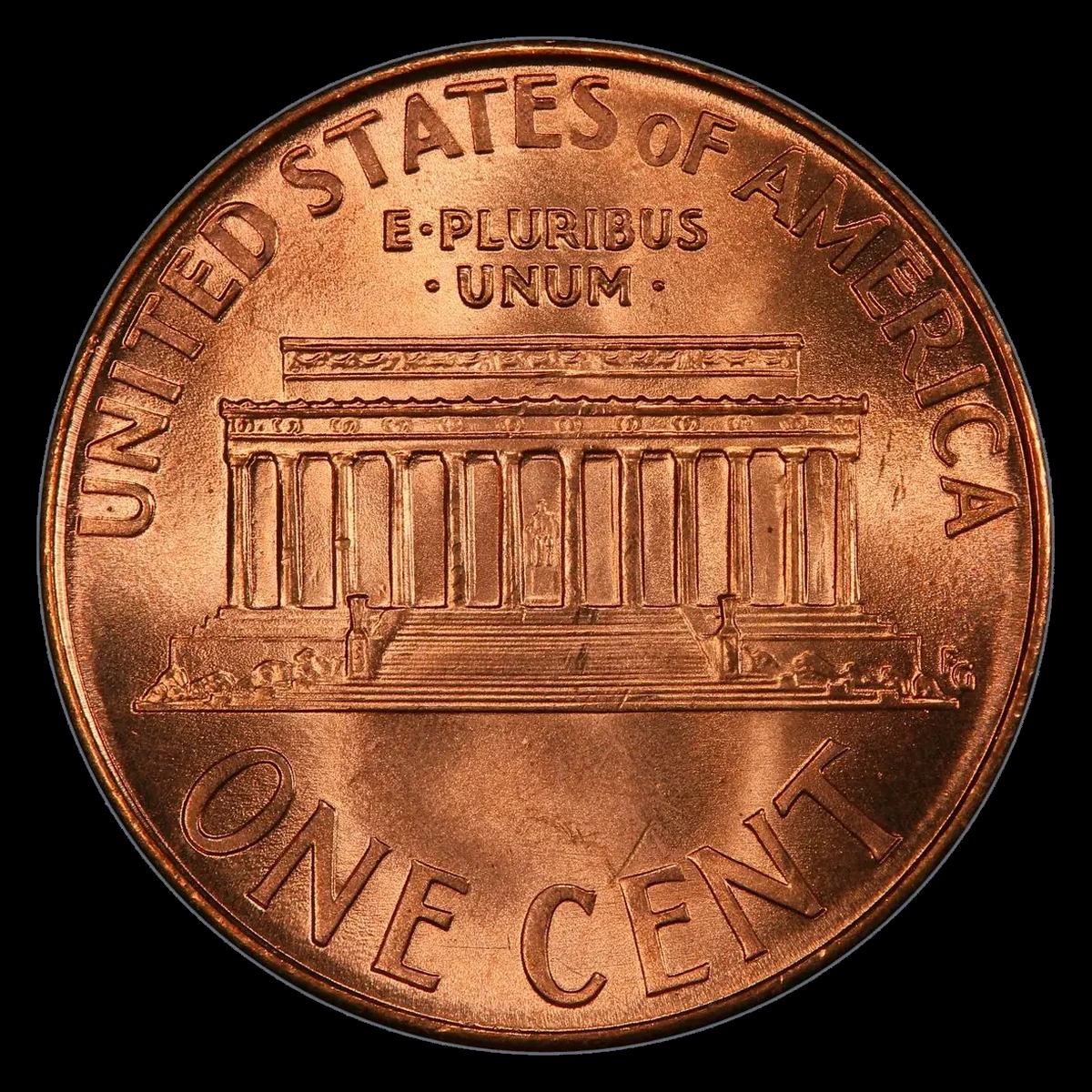
1. 1994 Penny The Memorial Has Extra Column Lines: Doubled Reverse Error
Look among the Memorial’s last three columns on the right. The Philadelphia FS-801 variety adds column-like detail in these openings.
The repeated shapes were already on the die before it struck the penny. “Reverse” means the back, and FS-801 is the variety’s name rather than a condition grade.
How to Identify
Count the columns from the left, then inspect the right-hand gaps beside the matching variety photographs. The extra lines should repeat parts of the building.
Scratches crossing the columns, damaged copper plating, and flat shelves beside details are different effects. Do not search for an extra ear or doubled front lettering to establish this back variety.
What It’s Worth
$20–$2,000 is the estimated range for authenticated examples in different condition. Most worn pieces fall well below the price of a superb unworn coin.
A PCGS MS67 Red example sold for $1,560 in February 2020. Its preservation and remaining copper-red color help explain that result.
2. 1994 Penny An Extra “I” Fills a Letter Gap: BIE Chip Error
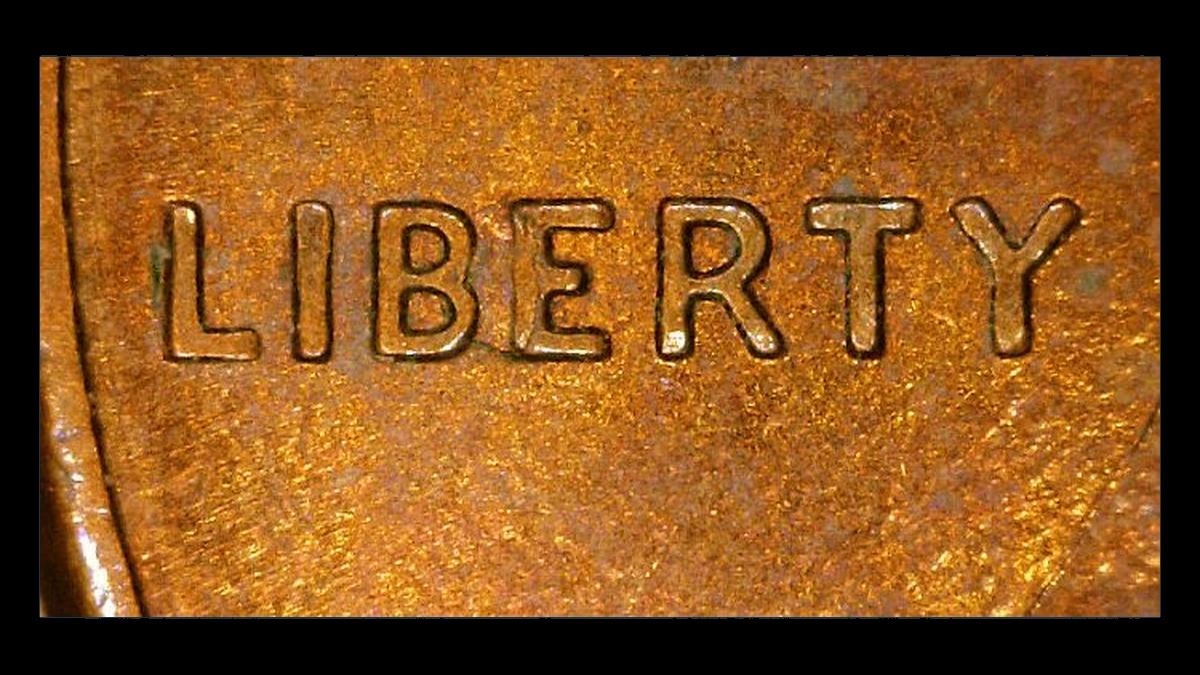
A raised bar between B and E in LIBERTY can look like an added letter. It formed when a small piece broke from the die and penny metal filled the resulting space.
A 1994 BIE is reported without a specific mint assigned. Check each candidate’s own mintmark area instead of assuming the report describes a Denver coin.
How to Identify
Focus on the B–E gap and move a light across the raised feature. The bar should belong to the original metal, rather than glue, dirt, or a thin copper bubble.
An interior chip is also different from a large break joined to the rim. Its position within LIBERTY is what gives a BIE its nickname.
What It’s Worth
$2–$75 is a working estimate for a small identified BIE. Clear shape and an attractive surface support the stronger end.
No exact 1994 auction result is supplied for this report. A tiny worn lump may add very little collector value.
3. 1994 Penny Outer Letters Fade Beside a Sharper Center: Grease-Filled Design Error
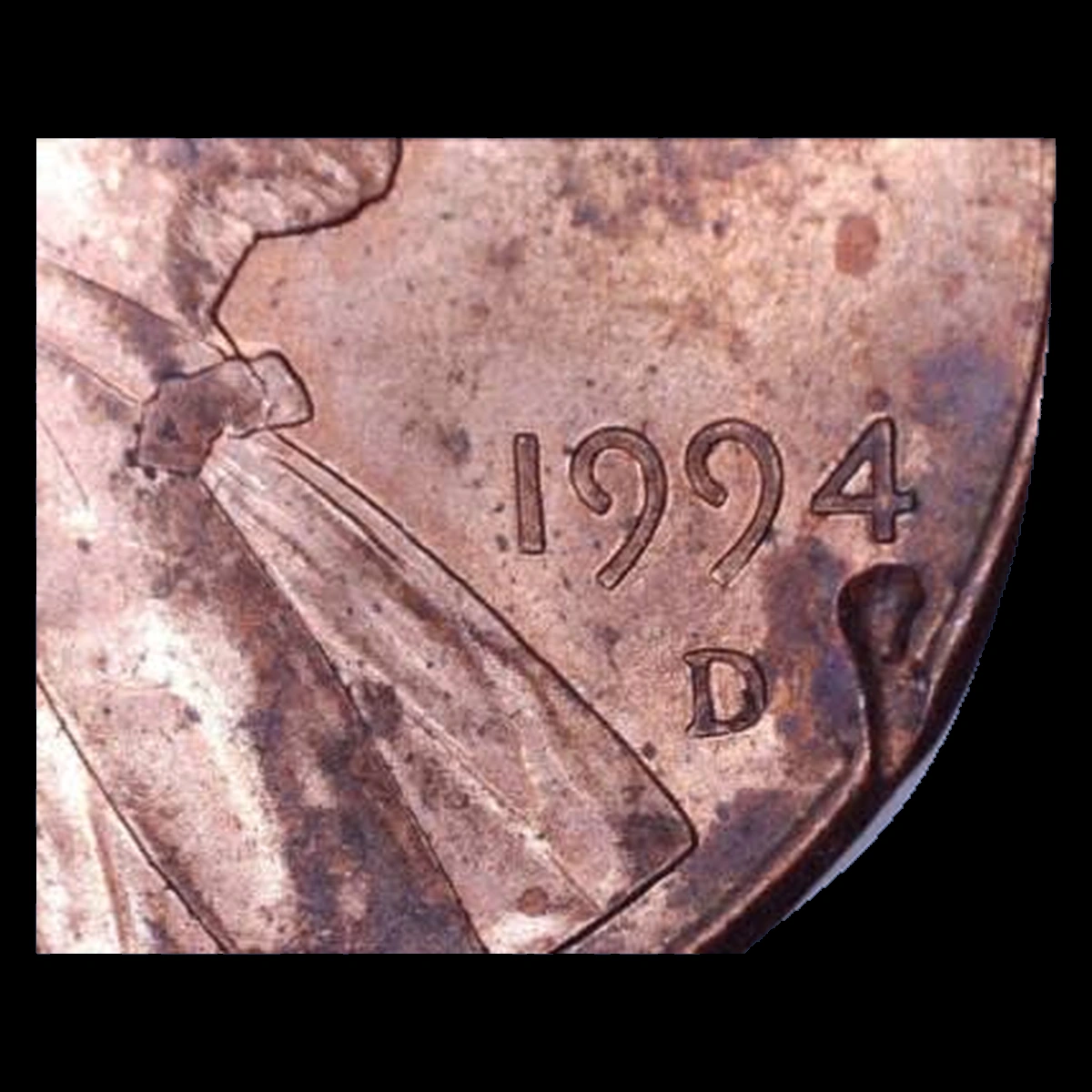
A cataloged 1994 grease struck-through cent has weaker detail toward its border. Material filled parts of the die and blocked the design from reaching the coin.
The ANACS MS60 Red example can resemble a very lightly struck test piece. Its recorded explanation is grease-filled detail, not a press test.
How to Identify
Compare the center and outer letters, then examine the weak areas for original surface texture. Polishing lines or scraped metal may show that detail was removed afterward.
Wear and low striking pressure can also soften a design. A missing word alone does not prove grease or justify calling the penny an experimental strike.
What It’s Worth
$5–$200 is the estimate for confirmed grease-filled examples. A broad, visible contrast between strong and blocked detail can be more desirable than one faint letter.
A 2021-D grease struck-through cent brought $84 in September 2025. That later Shield-cent sale supplies context without adding a test-coin premium to the 1994 piece.
4. 1994 Penny The Back Turns the Wrong Way: Rotated Dies Error
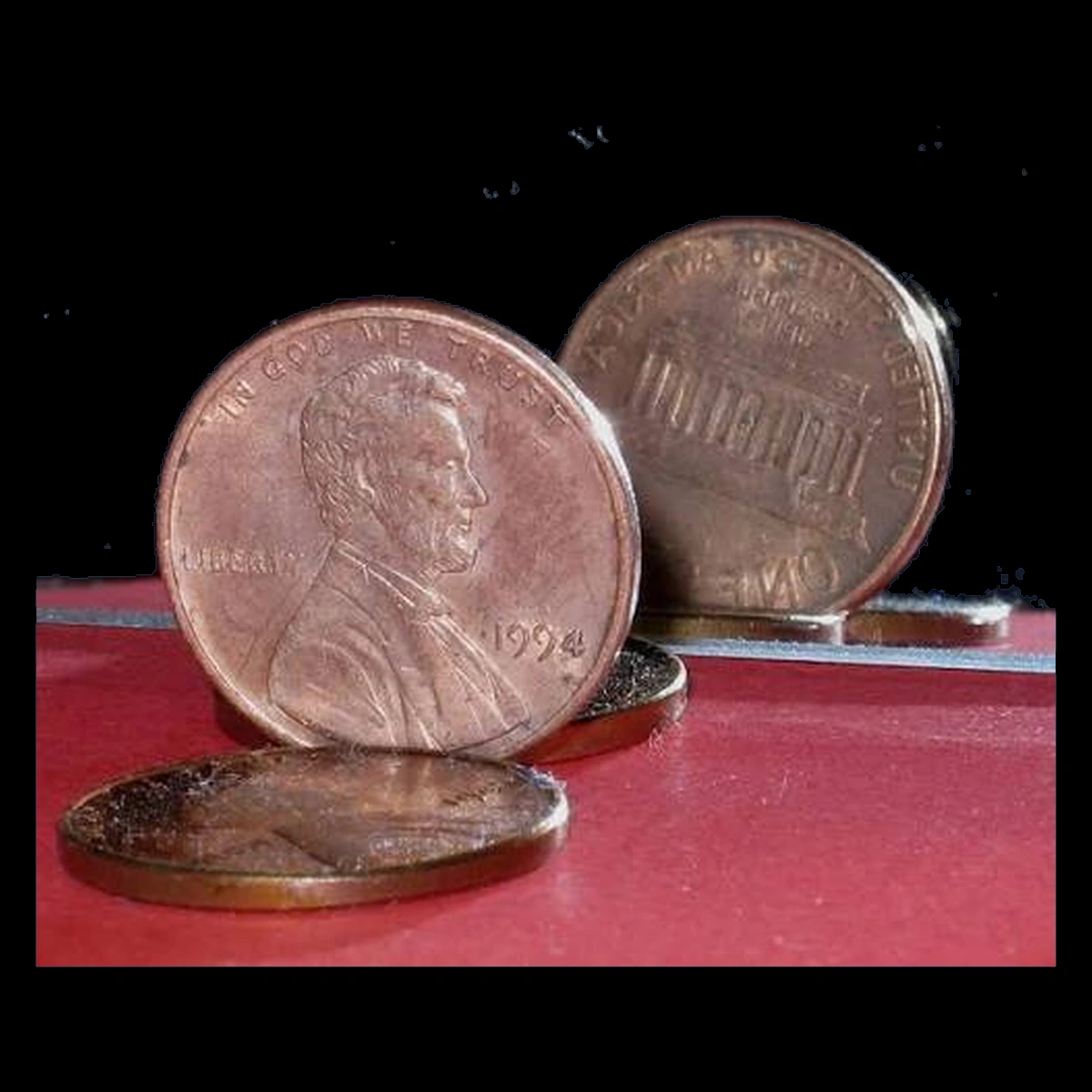
A listed 1994 PCGS MS64 Red cent has a 165-degree clockwise rotation between its faces. The dies’ alignment was wrong, even though the portrait and building may otherwise look ordinary.
How to Identify
Hold Lincoln upright and flip the coin from top to bottom without adding a sideways turn. On a normally aligned United States penny, the Memorial should finish upright.
Practice with an ordinary cent, then photograph the candidate with its orientation preserved. Two images that have been rotated independently cannot demonstrate the error.
Check the edge for a seam that could reveal an assembled novelty. A repeatable turn on one intact coin is the relevant evidence.
What It’s Worth
$50–$400 is the estimated range for a confirmed large rotation. A clear, well-documented angle is more useful to collectors than a slight tilt.
The supplied 165-degree listing has no realized sale price used here. Its MS64 Red grade describes condition and color, not the size of the rotation.
5. 1994 Penny The Copper Coat Is Partly or Fully Absent: Unplated Blank Error
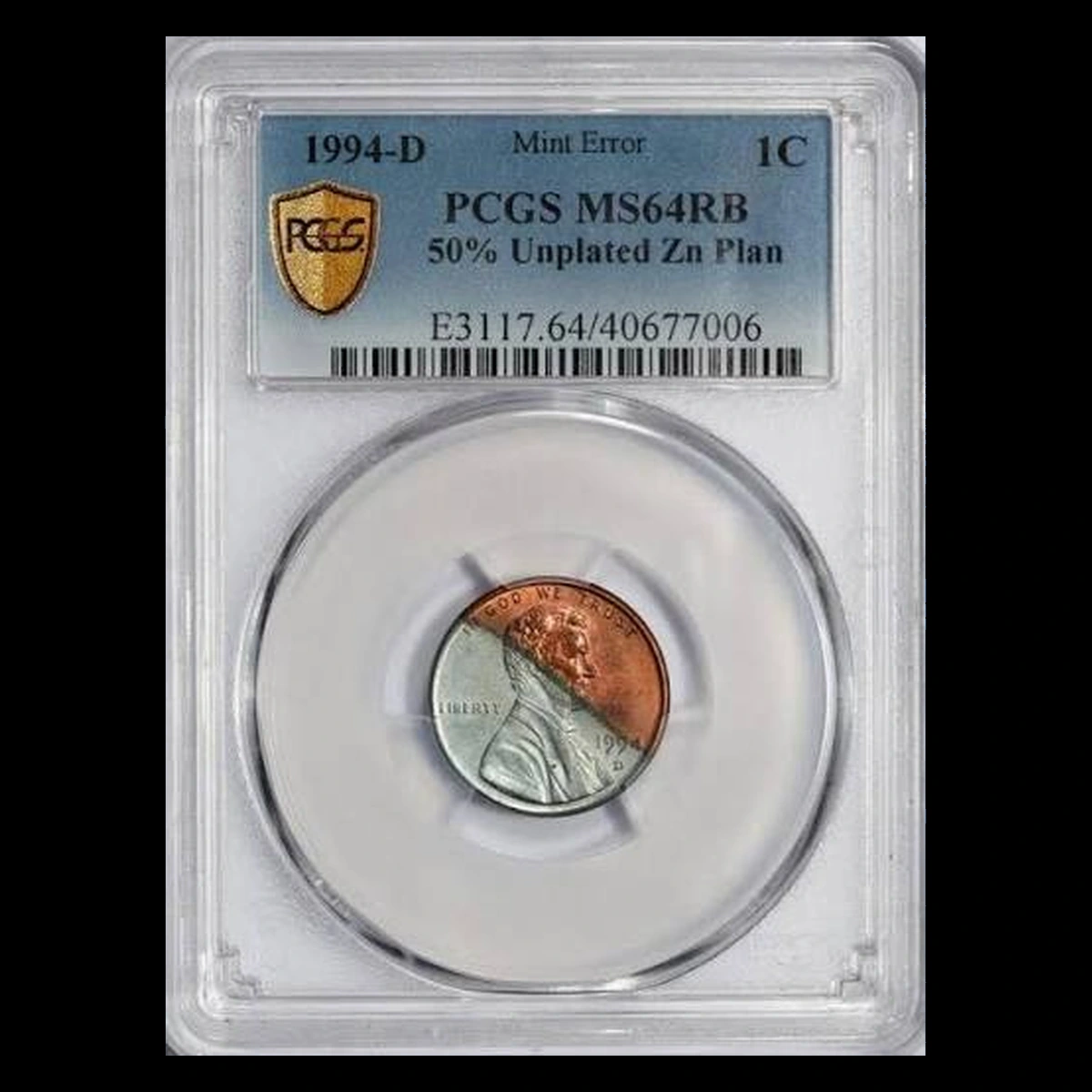
A 1994 cent normally hides gray zinc beneath a thin copper coating. If some or all of that coating is absent before striking, the finished penny can show gray areas.
The records include a Philadelphia unplated coin, a Denver unplated coin, and a separate Denver example described as about 60% unplated.
How to Identify
On a partial example, compare the fine struck details across the copper-to-zinc boundary. A fully gray candidate needs its open surfaces and lettering checked for pitting or chemical attack.
A normal cent is about 2.50 grams and 19.05 millimeters across. A slightly low weight cannot distinguish copper missing before striking from copper removed later.
What It’s Worth
$50–$700 is the estimate for genuine original missing plating. The preserved surface matters more than a percentage by itself.
The Philadelphia NGC MS65 sold for $99 on October 24, 2018. A different 1995 MS67 unplated cent brought $660 in January 2023; that is a stronger-grade comparison, not a later sale of the 1994 coin.
6. 1994 Penny A Plain Crescent Borders Missing Design: Off-Center Strike Error
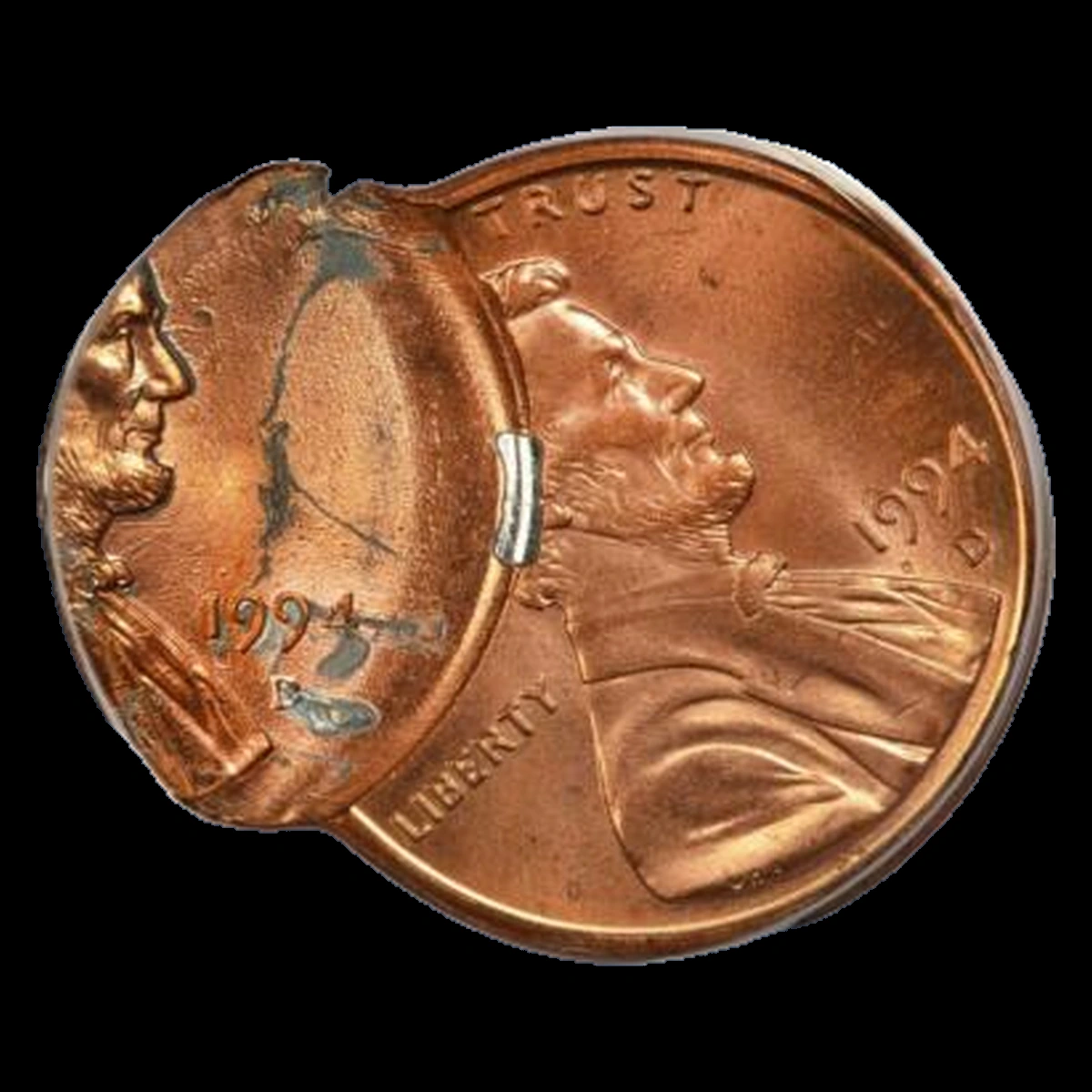
A blank partly outside the dies receives an incomplete picture while another area remains plain. The 1994 records include substantial Philadelphia and Denver shifts, with one report around 45% off center.
How to Identify
Read the surviving date and any D, then compare the loss of design on both faces. The direction and percentage must fit the individual coin.
An off-center strike leaves unstruck metal; it does not require a clipped-out piece. Grinding or cutting after minting can change a surface but will not reproduce the original striking boundary.
What It’s Worth
$20–$500 is the range for small shifts through stronger dated examples. A large plain area is less appealing if the coin’s identity cannot be read.
A 2006 cent only 4% off center sold for $39 in March 2025. That modest error illustrates the lower end rather than directly pricing the larger 1994 pieces.
7. 1994 Penny More Than One Cent Design Is Visible: Multiple Strikes Error
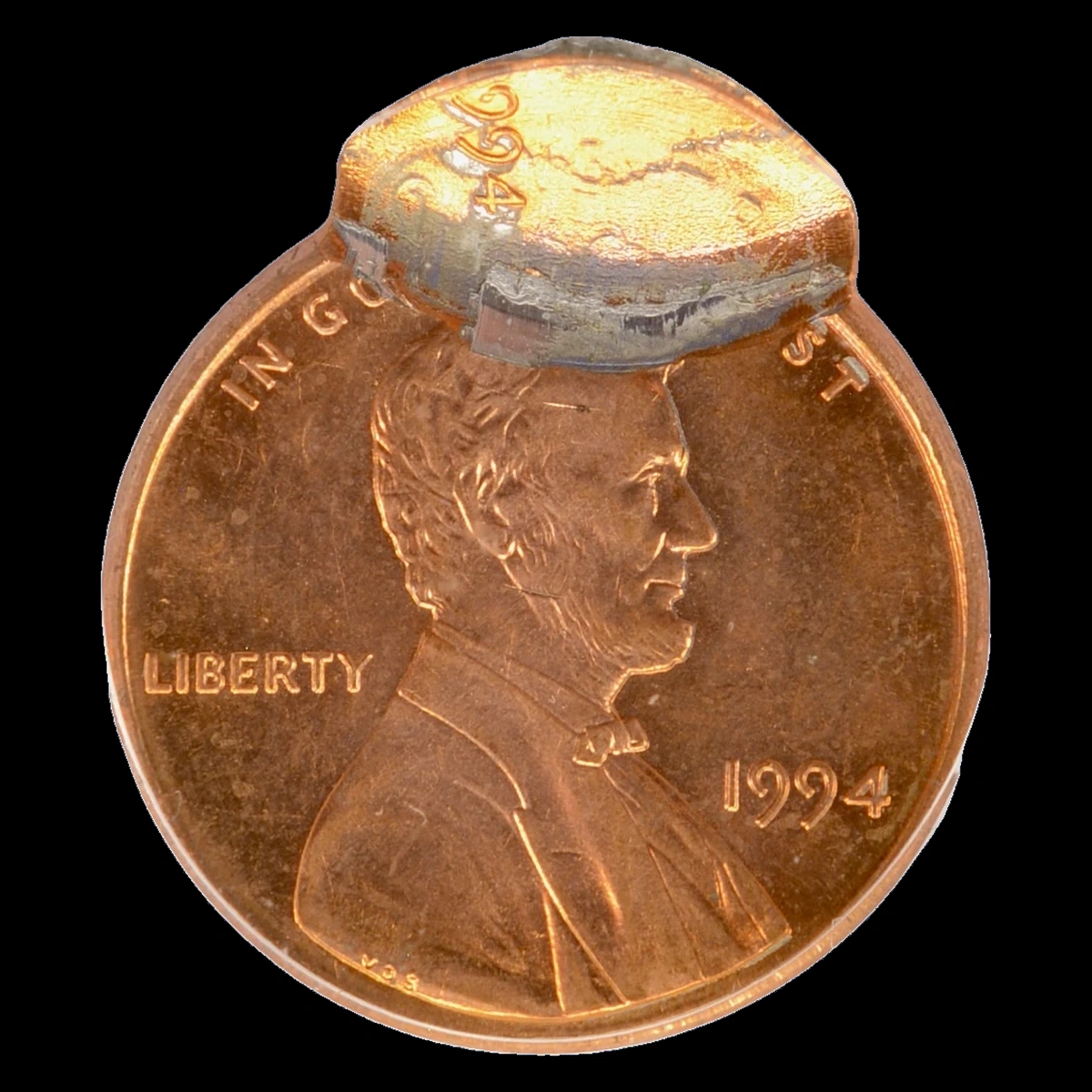
A coin that stays in or returns to the press can receive another design impression. Recorded 1994 pieces include shifted second strikes, a triple strike, and repeated strikes accompanied by outward spread.
A Denver specimen received a second blow about 75% off center with one face blocked. Those particular details belong to that coin, not every 1994 double strike.
How to Identify
Locate a recognizable part of each design position, such as a date, portrait, or run of letters. Compare both faces before deciding how the coin moved.
Where a face was blocked, distinguish design that never formed from design scraped away later. A few flat doubled edges cannot establish an exact strike count.
What It’s Worth
$50–$1,000 is the estimate for identified repeated strikes. Clear, readable overlaps usually have more appeal than heavily flattened, confusing detail.
A 1987 double strike showing two full dates sold for $408 in June 2023. Any broadstriking on a 1994 multiple-struck coin contributes to one combined value, rather than a separate price added afterward.
8. 1994 Penny A Sunken Backward Picture Appears on the Back: Partial Brockage Error
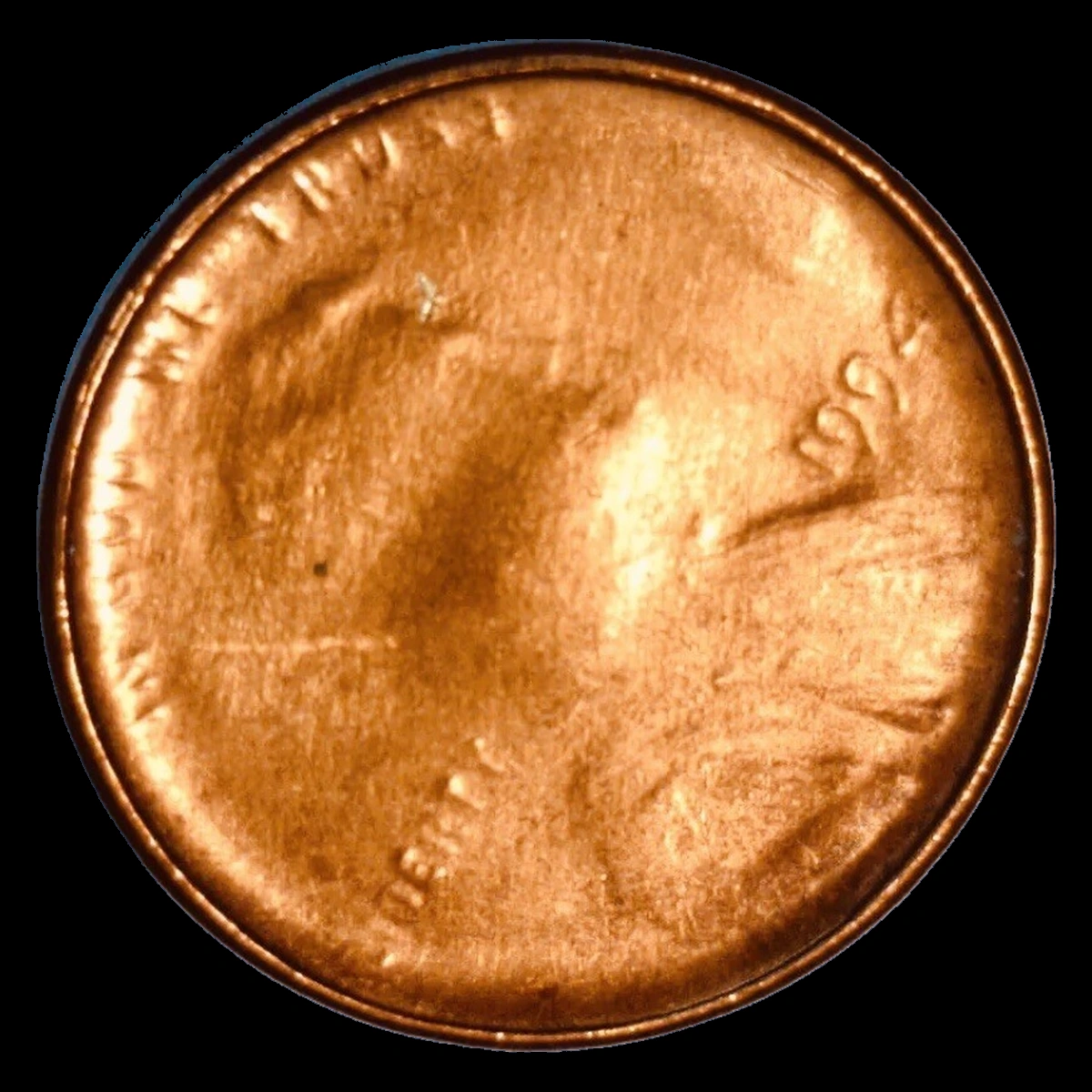
The cataloged 1994 example has weak backward details near 4:30 when the back is upright. Another struck coin pressed its design into this penny, making a recessed mirror image called a brockage.
About 60% of the normal back design remains. The same coin also spread outward and developed a high lip at the front’s upper right.
How to Identify
Inspect the lower-right back for recognizable sunken design rather than a second raised picture. An unexplained dent does not establish a brockage.
Check that the high front lip, spread, and reverse impression fit the same striking event. Later squeezing can create misleading impressions and should be excluded.
What It’s Worth
$100–$1,000 is the estimated range for an authenticated combination. The clarity of the backward detail affects where a coin fits.
A simpler 2001 partial-front brockage sold for $79 in March 2025. Its price illustrates why coverage and visibility matter; the weak details on the 1994 coin should not be described as stronger than they are.
9. 1994 Penny A Broken Remnant Retains a Cap Wall: Die-Cap Fragment Error
A cataloged 1994 front-cap fragment weighs 1.5 grams and is graded NGC MS63 Red and Brown. It survives from a coin reshaped around a die by repeated pressure.
The listing does not establish when the fragment broke away. Its light weight describes the remnant, not evidence of a lightweight foreign blank.
How to Identify
Examine the remaining wall and stretched design together. A flat clipped penny or a finished coin bent later has a different history.
Leave the broken boundary untouched and do not try to reconstruct the missing shape by bending it. The surviving cap structure is more meaningful than weight alone.
What It’s Worth
$100–$1,200 is the estimate for an authenticated fragment with readable identity and a clear cap shape. It values the surviving object as it exists.
A complete 2000 front cap brought $312 in June 2025. A full cap is a broad comparison, not a sale of the 1.5-gram 1994 remnant.
10. 1994 Penny Only Cent Designs Appear on Dime Metal: Wrong Blank Error
A smaller dime blank can receive a cent design without ever having been struck as a dime. The result can look crowded around the outer lettering.
A PCGS MS66 example and a separate NGC MS66 listing are recorded. The NGC description gives 2.28 grams, which should not be transferred to the PCGS coin.
How to Identify
A clad dime blank normally starts near 2.268 grams and 17.91 millimeters across. Its bonded outer layers around a copper center differ from a penny’s copper-coated zinc.
Check both faces for an older Roosevelt portrait, torch, or dime lettering. Those features would mean the starting object was a finished dime rather than an unused blank.
What It’s Worth
$350–$1,500 is the estimate for an authenticated cent on a dime blank. A readable date and an attractive, clearly identified example support the stronger end.
A 2007-D dime-blank cent sold for $600 in March 2023. The two 1994 MS66 descriptions do not establish one shared measurement or selling history.
11. 1994 Penny An Earlier Dime Picture Survives: Double Denomination Error
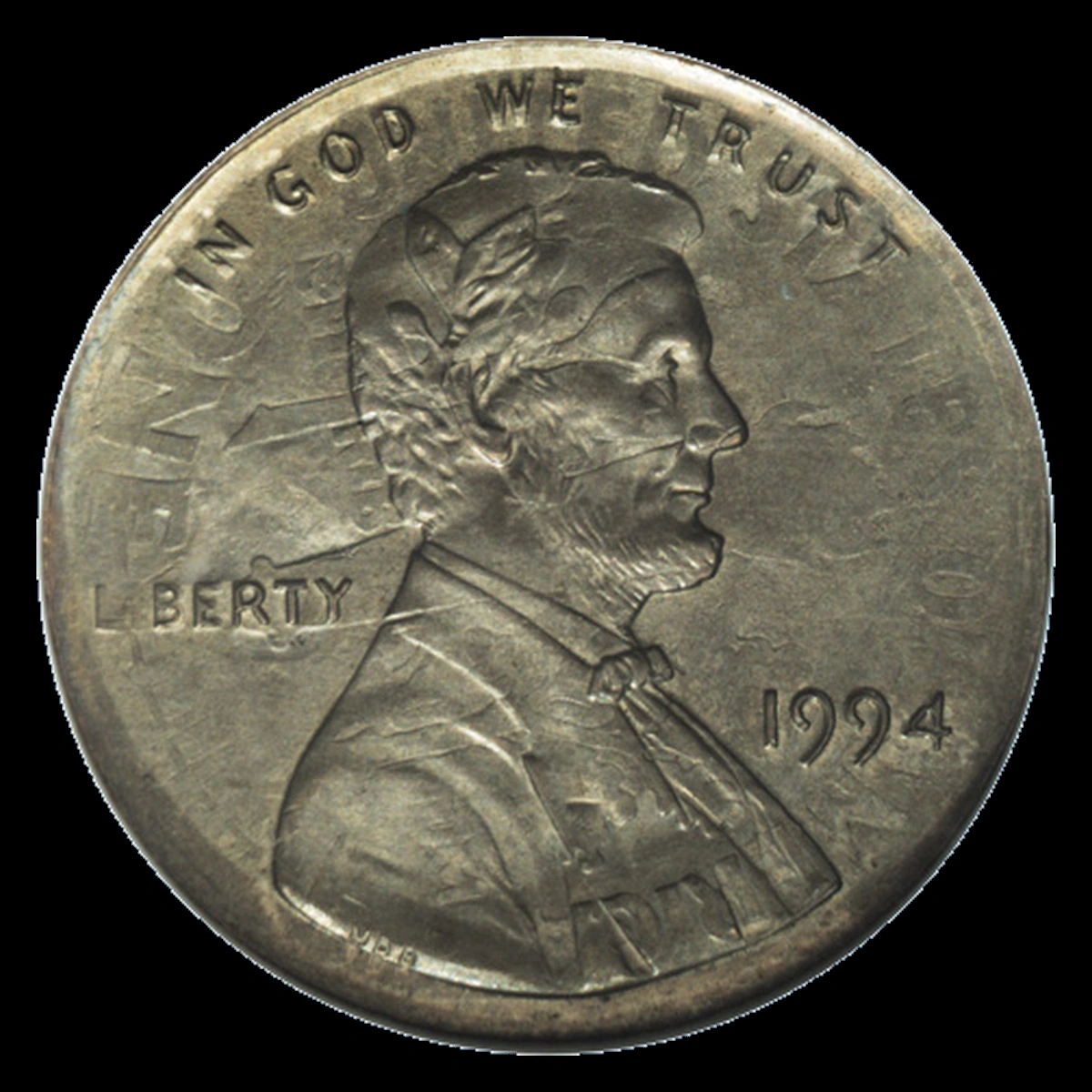
The finished dimes beneath recorded 1994 cent strikes include 1994-P, 1993, and 1969-D examples. The earlier coin does not have to share the later cent’s year.
On one 1994-P host, Lincoln was struck over the torch side, while the Memorial side retains part of the dime date and P. Other specimens have their own design positions.
How to Identify
Begin with an unmistakable dime detail, then follow the cent design across it. Read the earlier and later dates separately wherever they survive.
Do not supply a missing digit merely because a catalog attributes a host year. The layered metal and any surviving dime-edge grooves help support the starting coin’s identity.
What It’s Worth
$700–$4,000 is the estimate for identified 1994 cent-over-dime errors. Condition and readable pieces of both designs matter more than the age of the underlying dime alone.
The example over a 1993 dime, graded PCGS MS66, sold for $3,120 on June 17, 2024. That result belongs to that combination, not automatically to a 1969-D or 1994-P host.
Conclusion
Start a 1994 penny check with the right-hand Memorial columns, then inspect the coin as a whole. A turned back needs an alignment test, while a gray surface needs evidence about its metal and coating.
For fragments and overlapping designs, keep every readable clue attached to the actual specimen. A low weight, an older dime date, or several related errors can explain a coin without each adding a separate price.