Rare 1856 Flying Eagle Penny Errors (List & Pictures)
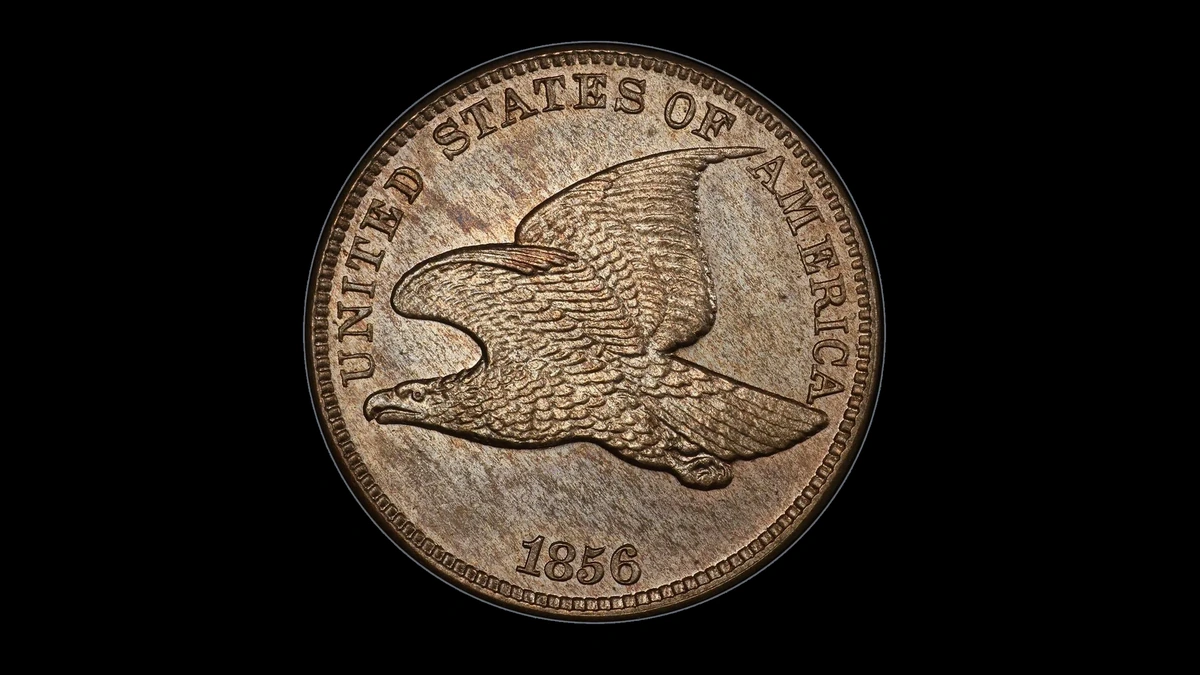
An MS65 Snow-3 cent sold for $94,000 at Heritage in January 2016. Among 1856 Flying Eagle penny errors, its repeated 5 is an identifying feature of an already rare experimental issue, with later pieces also made for collectors.
Estimated whole-coin values span $8,000–$100,000. Examine the date, surface layers, and interrupted design while keeping each coin’s grading label attached to its comparison.
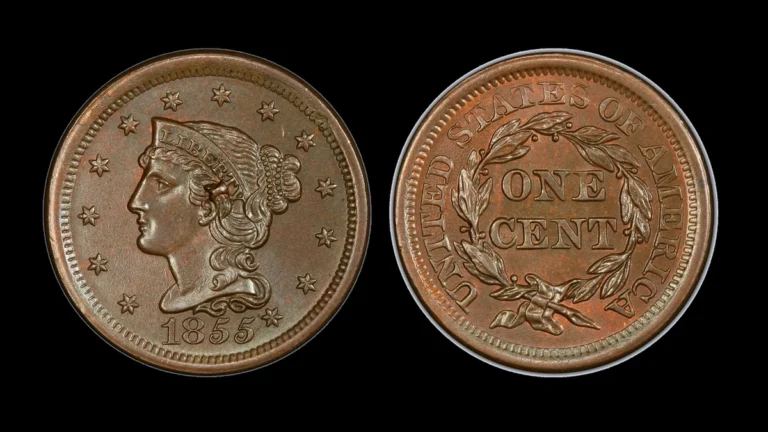
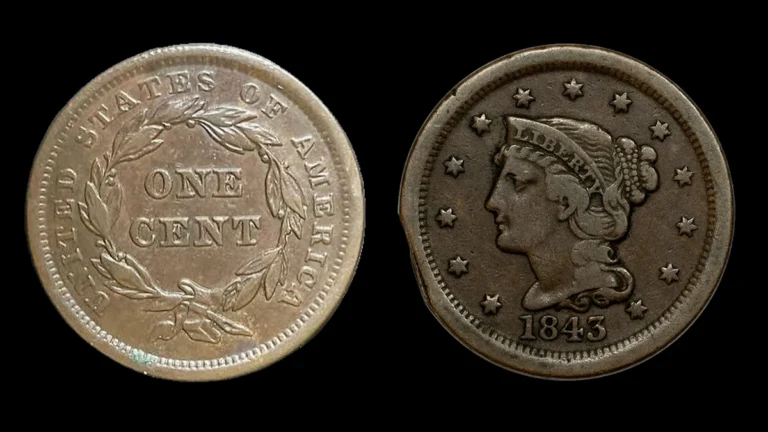
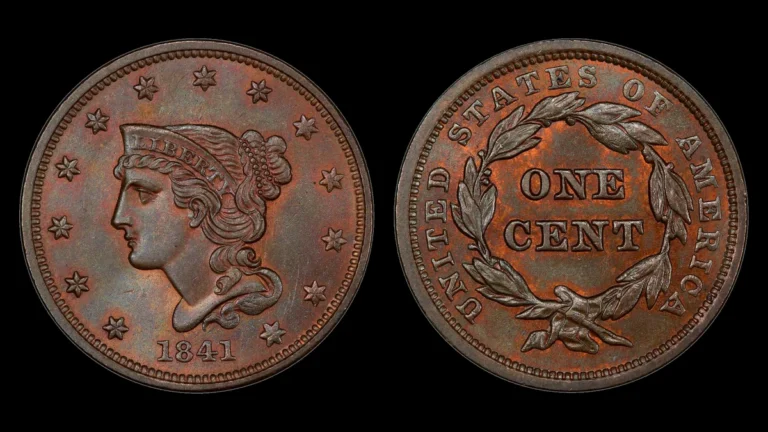
Normal specifications are approximately 4.67 grams and 19.05 mm. These are small cents, distinct from the larger Braided Hair cent.
1. 1856 Penny The 5 Has an Earlier Outline: Repunched Date Error
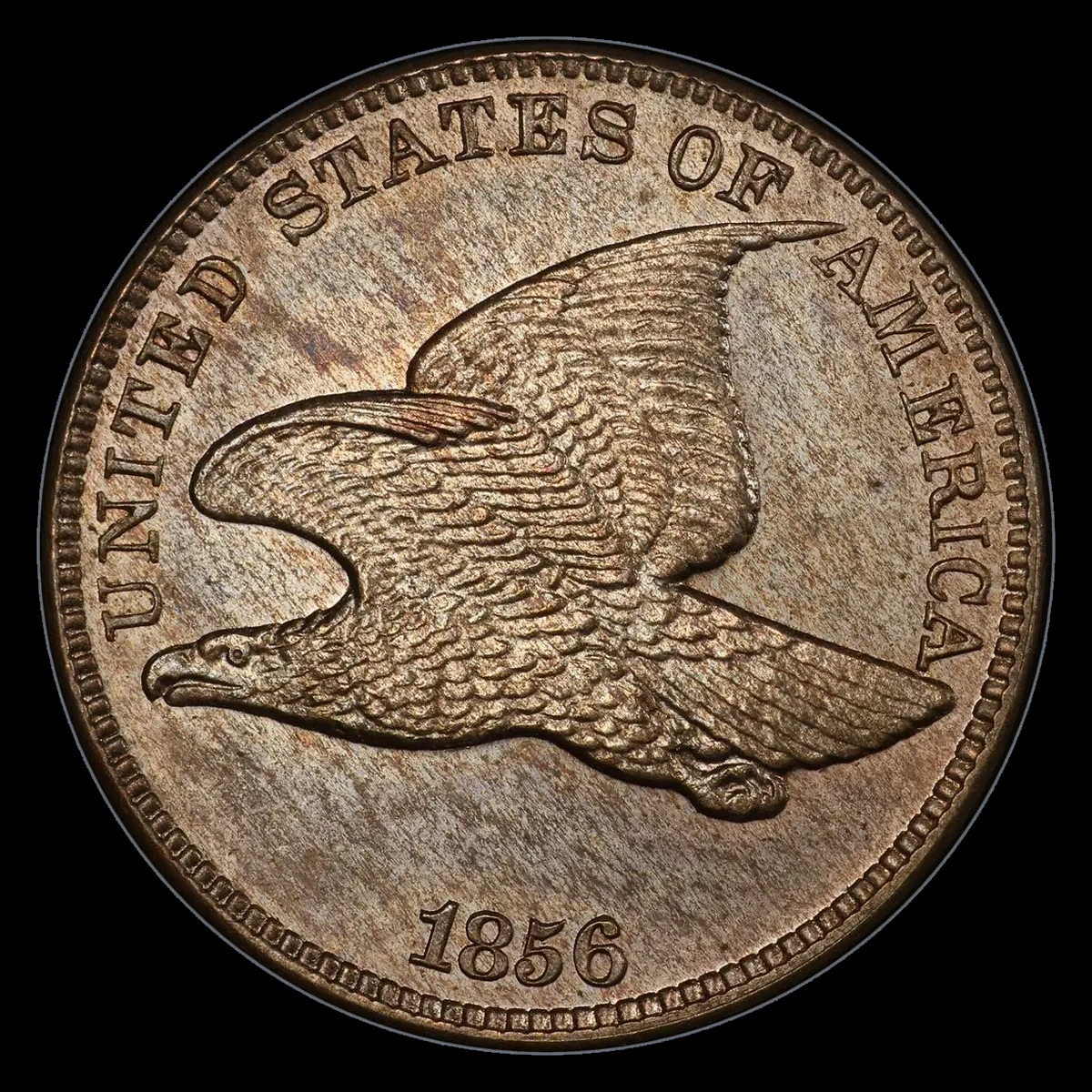
The Snow-3 variety carries a repeated 5 left by another application of the date punch to the die. The earlier impression remained partly visible beside the final numeral and was copied onto coins.
This marker does not independently determine how a particular 1856 cent was made. PCGS catalogs Snow-3 under regular strikes, while the Jules Reiver example was auctioned with an NGC PR65 Proof label.
How to Identify
Compare the entire date with the Snow-3 photographs, then follow the extra 5 outline. The trace should reproduce a numeral shape rather than merely thicken its normal edge.
Engraving grooves or disturbed metal can indicate an altered date. A low flat shelf from striking movement is also different from the earlier punched impression.
Keep the actual MS or Proof designation with the coin’s images. Neither the repeated digit nor surface shine is sufficient reason to change that classification.
What It’s Worth
The estimated whole-coin range is $8,000–$100,000 across worn and exceptional examples. Production classification, preservation, and the coin’s identity matter far more than treating the small remnant as an isolated price.
| Recorded example | Result | Context |
|---|---|---|
| Snow-3 MS65 | $94,000, January 2016 | Exceptionally preserved unworn example |
| Snow-3 MS62 | $20,872.50, August 2006 | Unworn, with different preservation |
| Reiver NGC PR65 | $27,600, July 2009 | Proof-labeled coin also carrying retained lamination |
The Reiver coin’s two features share one sale. A repeated 5 does not make another specimen equivalent to the MS65 record holder.
2. 1856 Penny A Fine Surface Layer Remains Attached: Retained Lamination Error
Heritage described a faint gray patch near 1 o’clock on the Jules Reiver Collection coin as retained lamination. An internal weakness allowed a thin layer to separate without falling away.
The example was graded NGC PR65 and also shows the Snow-3 repeated 5. The supplied auction wording does not name which face carries the patch.
How to Identify
View both faces upright and compare the actual Reiver photographs before assigning the 1 o’clock position to the eagle or wreath. A catalog direction without a named face cannot establish that choice.
Change the light to locate a physical layer boundary or slight separation rather than relying on gray color. Leave any attached metal untouched; a stained area alone does not demonstrate lamination.
Retained metal may leave weight and diameter close to normal. Keep a certified coin sealed and avoid putting pressure on a fragile surface if examining a loose example.
What It’s Worth
Comparable examples with an identifiable retained layer have an estimated whole-coin range of $15,000–$50,000 across suitable grades and conditions. This is not a lamination premium added to the normal value of an 1856 cent.
The NGC PR65 Reiver coin brought $27,600 in July 2009. Its high preservation, rare date, repeated 5, and subtle layer flaw all belong to that one purchase.
3. 1856 Penny A Hollow Interrupts the Design: Struck Through Material Error
The dealer-listed NGC PF40 example has a reverse strike-through, where material interfered with design formation during the blow. The dealer suggests metal as a possibility without conclusively identifying the object.
A separate year guide reports a front strike-through in PF61. PF denotes Proof, but the two faces and grades describe different specimens.
How to Identify
Check the affected face against the listing before focusing on the depression. The APMEX PF40 example places the obstruction on the wreath side.
Follow the design to the boundary of the hollow under side lighting. Fresh cuts or metal pushed over completed detail may indicate damage inflicted after striking.
A dark patch cannot name the obstruction, and neither supplied description establishes material still attached to the finished coin. Photograph the actual interruption rather than borrowing the separate example’s location or grade.
What It’s Worth
The estimated range is $8,000–$35,000 for worn or lower-Proof-grade examples. The rare date and the complete coin’s preservation account for much of that value.
No completed sale is assigned to either the PF40 reverse listing or the reported PF61 front example. The substantially worn PF40 coin needs a different condition comparison from the higher-graded report.
Conclusion
On an 1856 Flying Eagle cent, the date remnant, attached layer, and blocked design point to three separate processes. Verify the physical feature while preserving the specimen’s actual MS or Proof label.
The largest prices concern rare coins in exceptional condition, not a small mark considered alone. Where repunching and lamination share one piece, use one complete-coin comparison and keep the auction’s stated limits on location and material intact.