Rare 1881 Penny Errors (List & Pictures)
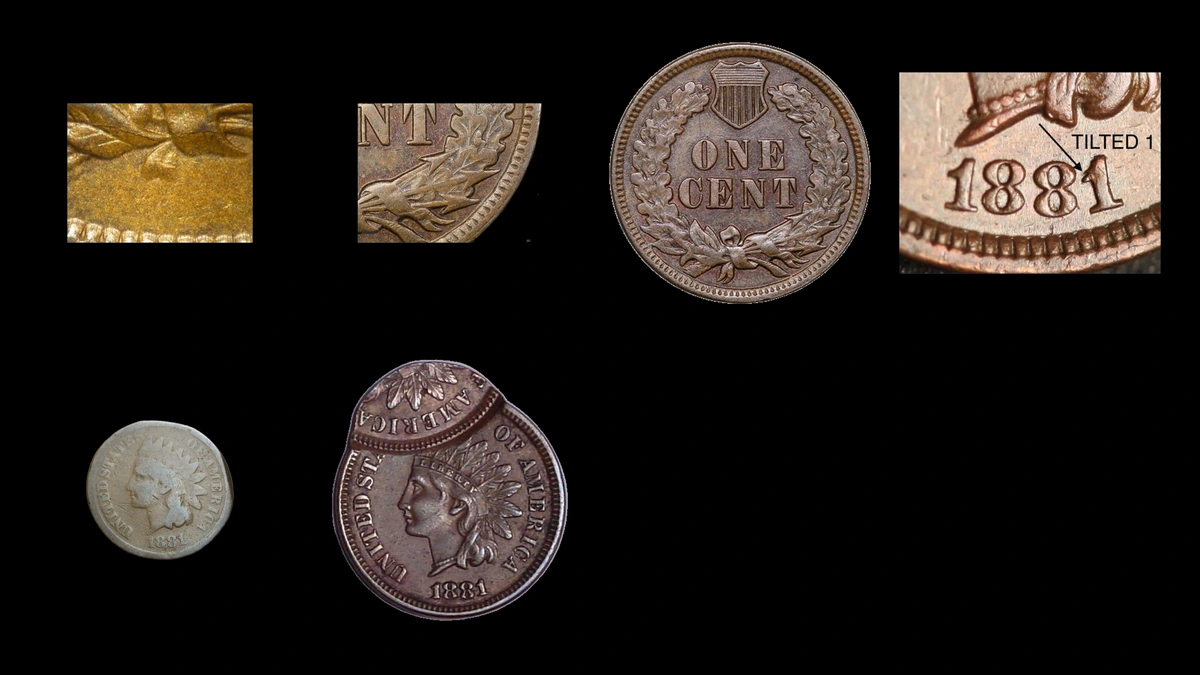
A penny can say ONE CENT and still use the wrong blank. An authenticated 1881 Indian cent on a three-cent nickel blank sold for $19,550 in June 2006.
Other 1881 Indian Head penny errors show much smaller clues, including a missing bow detail or a chip below the jaw. Estimated whole-coin values range from $5–$30,000; use the visible design and metal to choose the relevant comparison.
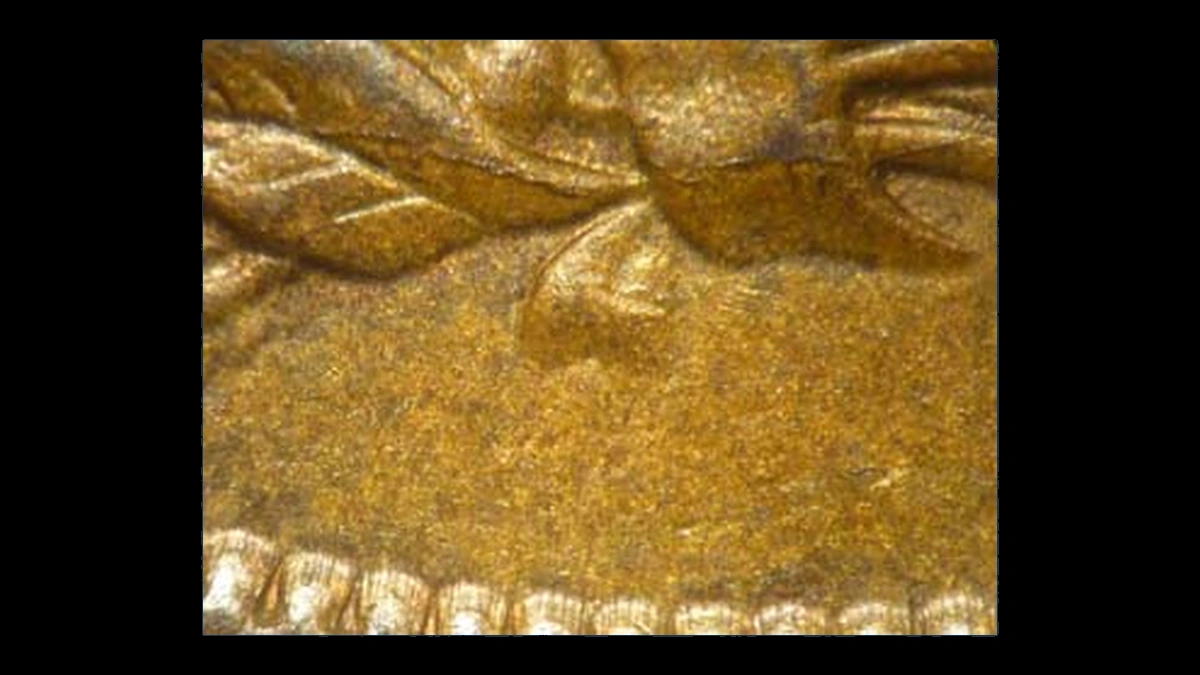
1. 1881 Penny Parts of the Bow Disappear: Overpolished Die Error
The documented back pattern loses detail from the left ribbon tail, knot, and right ribbon end. Excessive polishing removed shallow design from the die, so later coins could not receive it.
How to Identify
Compare the bow with a normal example while keeping nearby lettering in view. The particular missing parts should agree with the cataloged pattern beside clearer surrounding detail.
A whole wreath worn flat does not provide that same evidence. Cleaning lines cut across finished detail point toward treatment of the coin itself, rather than polishing of the die before striking.
What It’s Worth
$10–$300 is an estimate for a matched example with differing preservation. An indistinct bow on a heavily worn penny may offer little separate premium.
No specific sale is supplied for this pattern. The range values the complete coin rather than paying a fixed amount for each absent ribbon line.
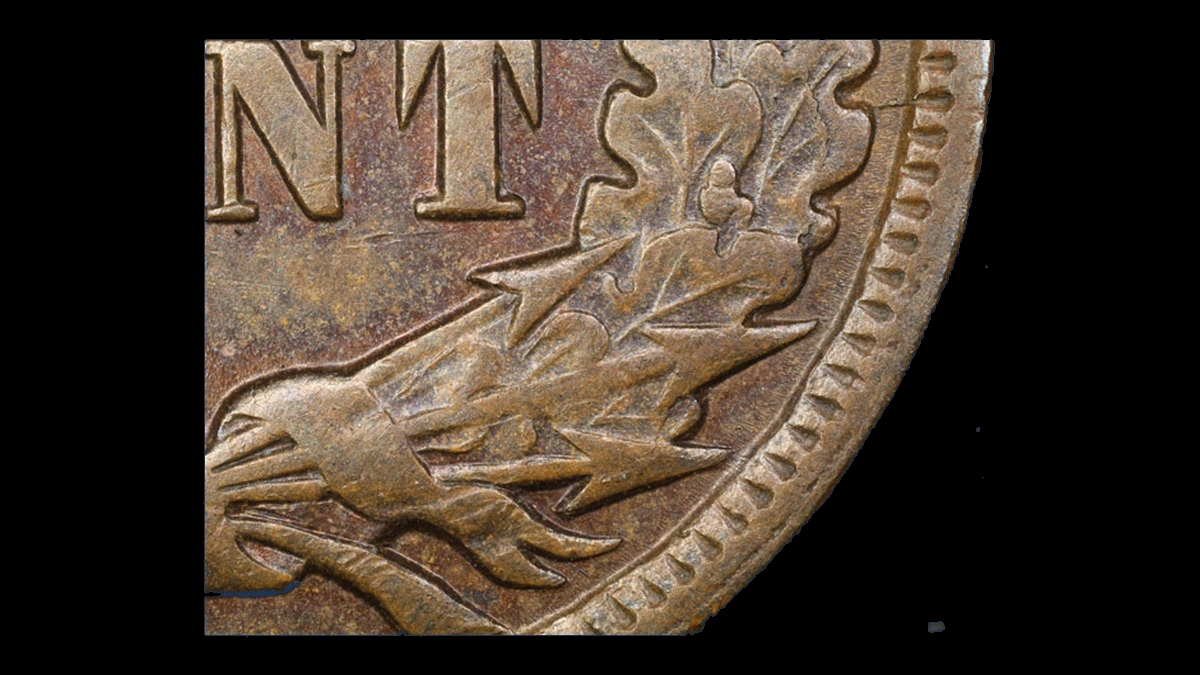
2. 1881 Penny A Small Patch or Line Stands above the Surface: Die Damage Error
Recorded features include a chip below the jaw, cracks by the back wreath, and larger rim breaks. Missing or cracked areas in the die let metal form raised shapes.
How to Identify
One front cud spans about nine to ten-thirty and replaces design with raised metal connected to the rim. A separate retained back break sits around eleven-thirty to twelve-thirty and can still show design inside it.
Keep those specimens distinct from the small jaw chip. A date defect does not establish the unrelated patch below the portrait.
Inspect the base of any lump for added material, and use light to distinguish a raised ridge from a scratch with pushed-up sides. Folded edge metal can also imitate a rim break.
What It’s Worth
$5–$150 is an estimate for modest chips or cracks, with stronger cuds and retained breaks around $50–$1,000. Each figure includes the underlying penny.
A 1946-S Lincoln cud sold for $288 in March 2021. That later bronze-cent result is context for a larger break, not a direct price for the 1881 jaw chip.
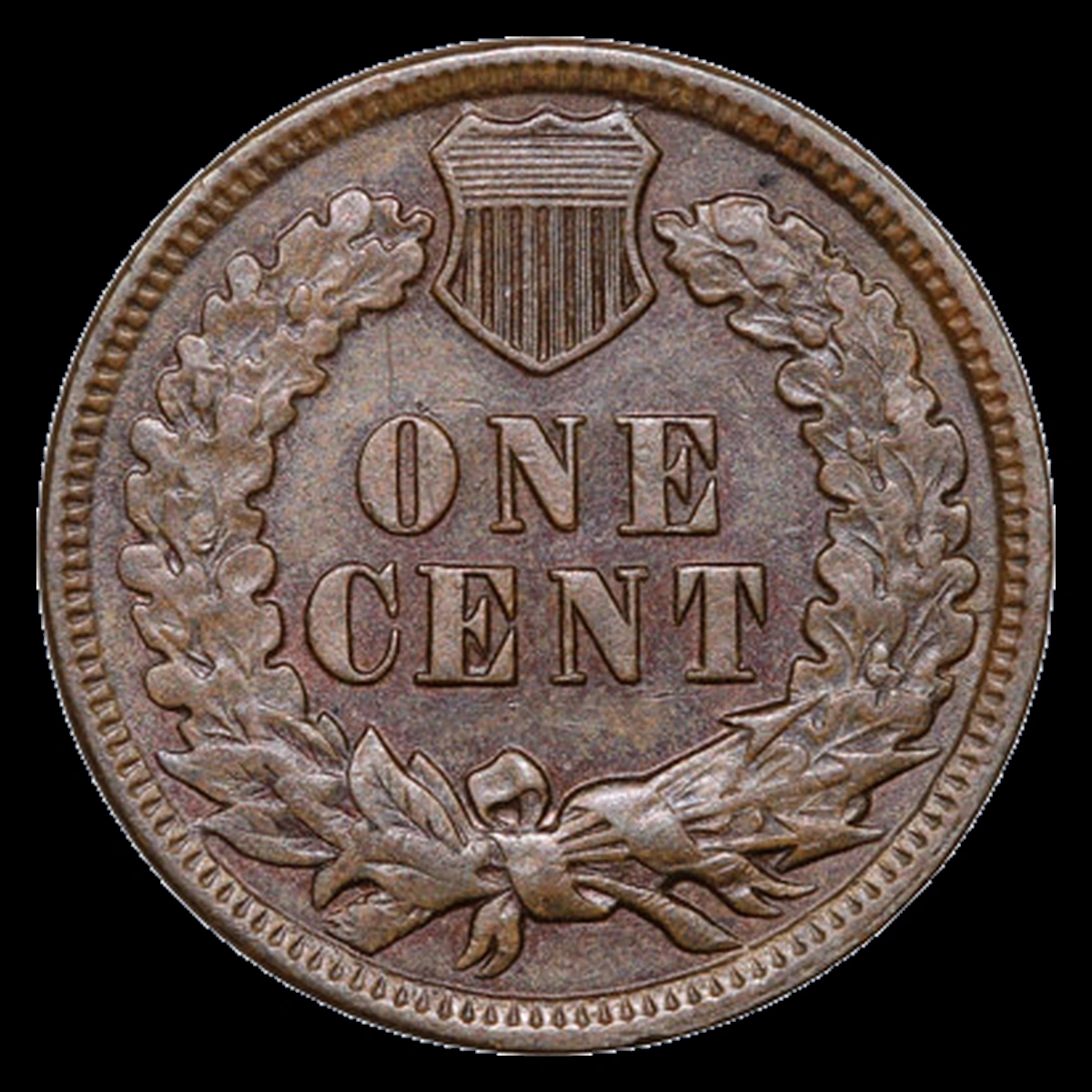
3. 1881 Penny A Portrait Trace Appears on the Back: Die Clash Error
The 1881 catalog records back clash marks on a die pair that also shows cracks. The dies contacted one another without a blank and later passed the unwanted marks to coins.
How to Identify
Compare the actual back outline with a recognizable part of the front design. A physical curve matters more than a shadow that seems to complete a hidden portrait.
Separate raised cracks from the transferred design even where they cross the same area. They can occur on one coin without having the same cause.
What It’s Worth
$15–$500 is an estimated range for recognizable 1881 clashes. Faint incomplete marks may add little beyond the normal coin value.
The catalog supplies the feature but no exact-pair sale used here. Compare the complete coin with its cracks and clash together rather than adding a price for each line.
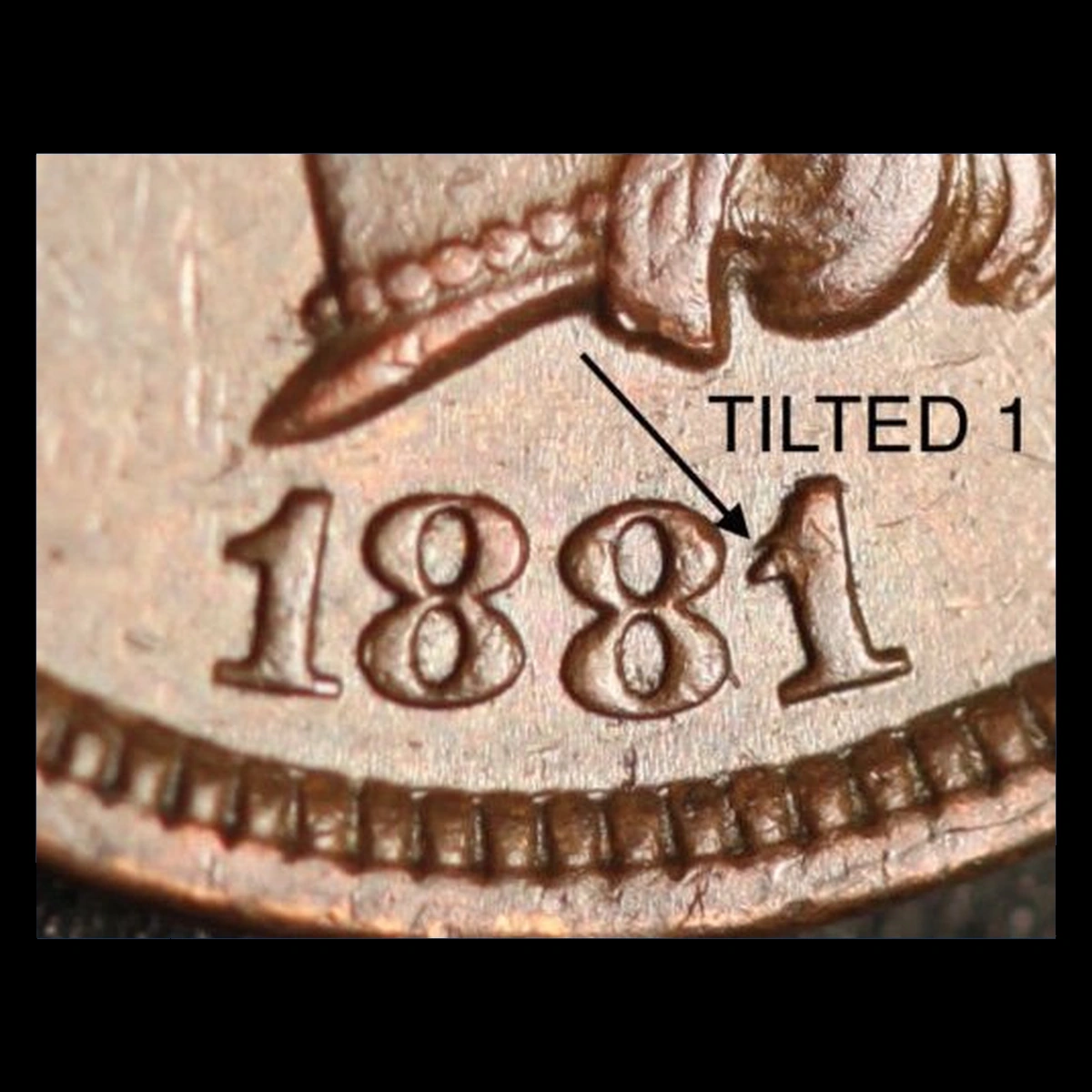
4. 1881 Penny Another Stroke Follows the Second 8 or Final 1: Repunched Date Error
An earlier date-punch position can remain visible after another impression is made in the die. One pattern repeats detail inside the second 8 and around the upper flag of the final 1.
How to Identify
Keep the date upright and compare the loops and flag with the same known variety. An isolated damaged corner is less useful than several matching remnants.
A flat shelf that narrows a numeral can come from movement during striking. With genuine date repunching, the portrait can remain single because the small date punch was separate from the rest of the design.
What It’s Worth
$10–$1,000 is an estimate for identified ordinary varieties across different conditions. Clear repeated shapes and original surfaces strengthen the comparison.
An 1889 repunched date graded MS64 has a recorded eBay result of $405 from May 2015. It is an unworn, different-year example, not a fixed price for every 1881 extra stroke.
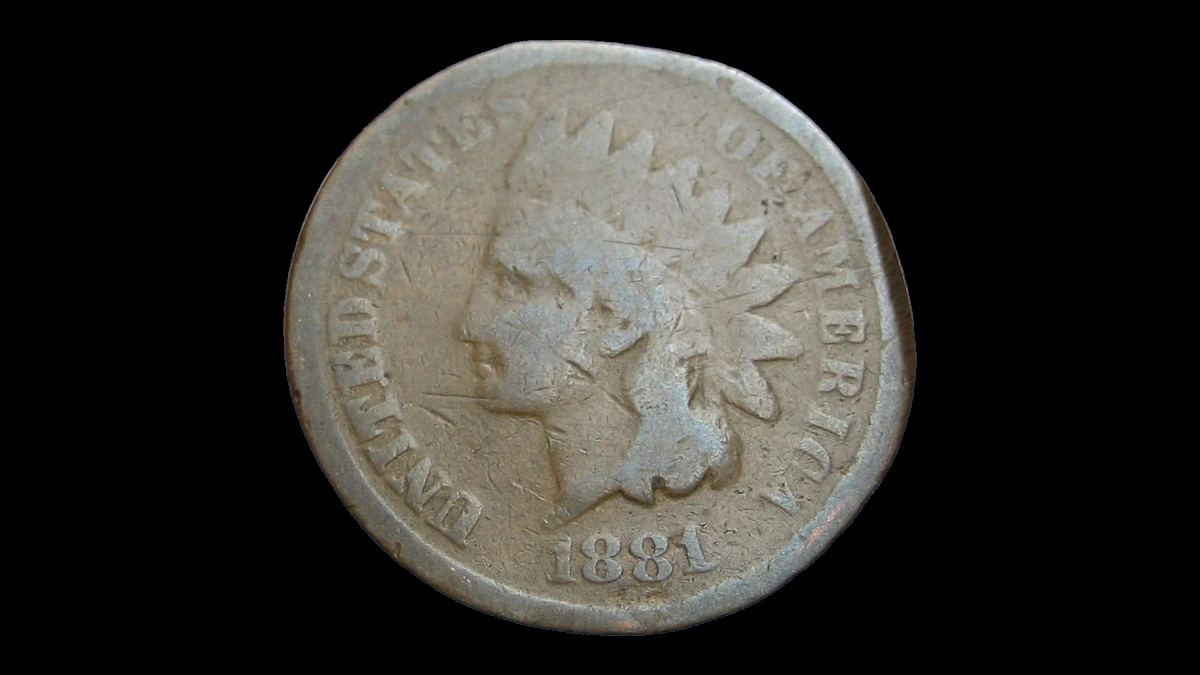
5. 1881 Penny A Section of the Edge Is Missing: Reported Clip Error
The supplied listing describes a heavily worn 1881 cent with a clipped blank. A genuine clip means the metal was absent before the design was struck.
How to Identify
Read the gap’s actual shape and position from the coin. The general label does not establish that it is curved, straight, or in any particular place.
Inspect how nearby design meets the missing section and look along the exposed edge for cutting or filing. Opposite-rim weakness can support some original clips, but is not a required clue in every case.
A normal bronze cent weighs about 3.11 grams and is 19.05 millimeters across. Low weight establishes missing metal, not when it disappeared.
What It’s Worth
$20–$400 is an estimated range after a clip is identified as an original blank defect. Size, shape, preservation, and boundary quality guide the comparison.
The seller’s report establishes neither a professional grade nor a completed sale. A sawed or filed notch can reduce value instead of earning a mint-error premium.
6. 1881 Penny One Design Sits beside an Unused Crescent: Off-Center Strike Error
A misplaced blank can receive only part of the intended picture. This leaves a single displaced design beside metal that remained unstruck.
How to Identify
The year report does not identify one fixed percentage or direction. Check the date and both faces, then describe the actual relationship between design and blank.
Look for a second border or portrait before deciding that the coin received only one blow. A front-only shift also differs from a whole blank misplaced between both dies.
The bare crescent should not show grinding that erased finished lettering. A complete blank can retain its metal even when much of the design missed it.
What It’s Worth
$100–$1,500 is a working estimate for genuine dated single off-center strikes. An 1897 example struck 10% off center and graded AU58 sold for $280.60 in March 2026.
That nearby-year coin offers a mechanism comparison. The $1,880 1881 sale in the next section includes a second strike and should not be presented as a plain off-center result.
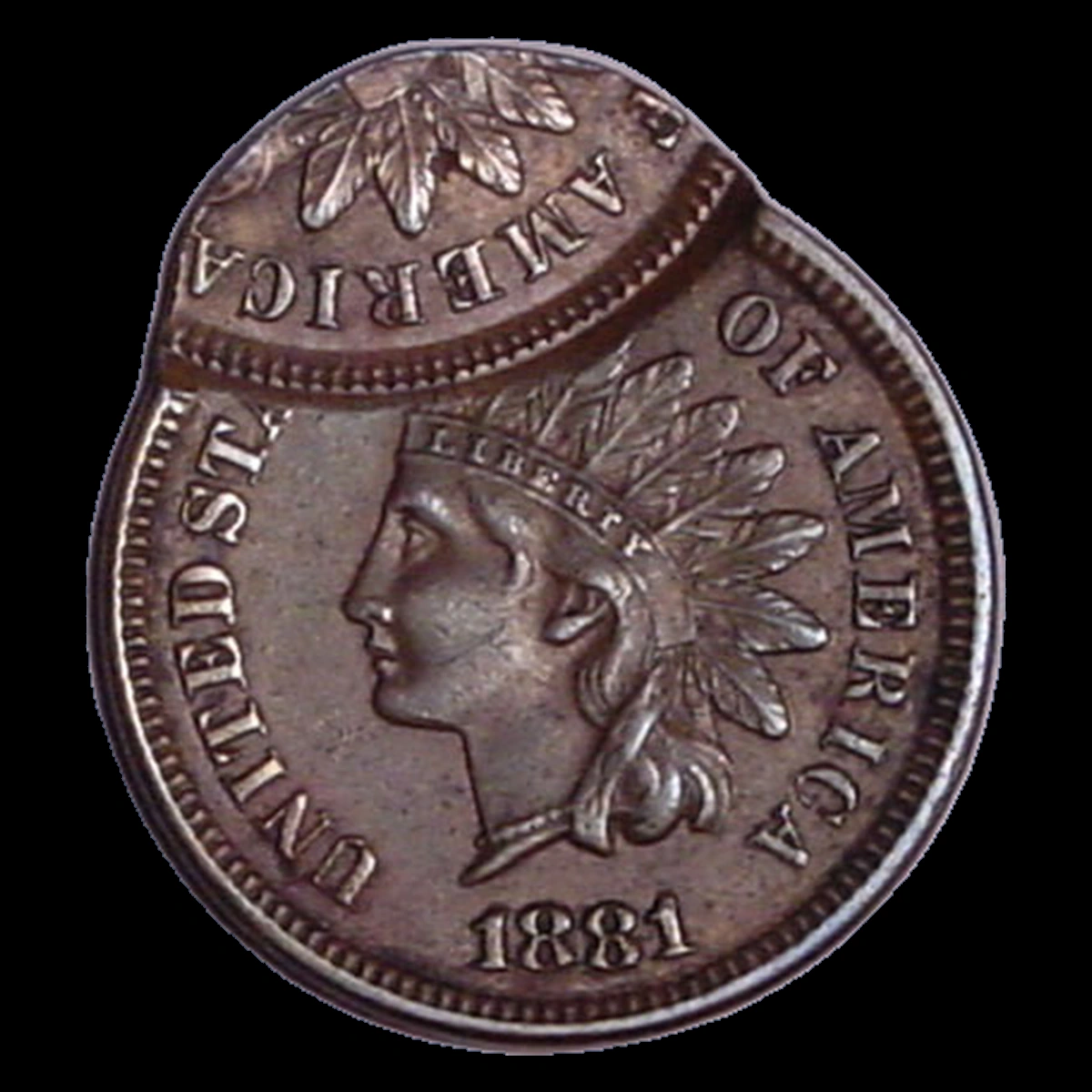
7. 1881 Penny A Second Portrait or Border Overlaps the First: Double Strike Error
A penny can move and receive another blow before leaving the press. The later impression covers part of its earlier design.
How to Identify
The PCGS MS64 Brown specimen has a second strike 70% off center. A separate NGC AU58 example has a 75% second strike near twelve o’clock.
Connect each portrait with its own lettering or border, then check whether the back supports the same movement. The two coins’ grades and percentages belong with their own photographs.
A repeated digit by itself cannot supply a second complete strike. Inspect the surrounding overlap and the edge for joins or later pressing.
What It’s Worth
$400–$5,000 is an estimate across different arrangements and conditions. The unworn PCGS MS64 Brown 70% example sold for $1,880 in August 2013.
That price is not assigned to the lightly worn AU58 75% coin. Clear surviving designs and original surfaces matter as much as the size of the displacement.
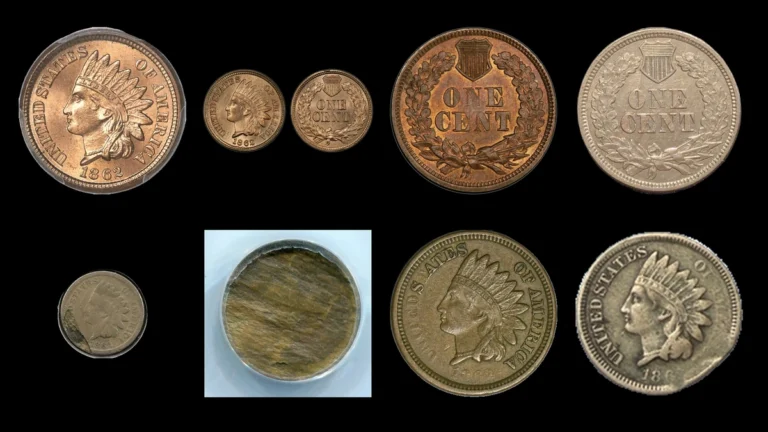
8. 1881 Penny Pale Copper-Nickel Carries the Cent Design: Three-Cent Blank Error
An authenticated 1881 cent uses a blank intended for a three-cent nickel. It received the Indian Head cent design on a smaller piece of different metal.
How to Identify
A three-cent nickel blank normally weighs about 1.94 grams and starts near 17.9 millimeters across. Those are denomination standards, not claimed measurements of the recorded error coin.
The expected mixture is 75% copper and 25% nickel. Compare recorded measurements and non-destructive metal testing, allowing for spreading under the cent dies.
Inspect the edge for coating or filing and check how the outer cent design fits the smaller blank. An ordinary three-cent nickel or a plated bronze penny does not have the same identity.
What It’s Worth
$8,000–$30,000 is an estimate for confirmed examples with differing preservation and surviving detail. NGC records the MS64 example’s $19,550 sale in June 2006.
The unusual blank must be established before using that range. A pale surface alone cannot turn a normal cent into this authenticated rarity.
Conclusion
Missing ribbon detail, a small jaw chip, and a second complete impression each point to a different part of the minting process. Start with the visible feature and keep the exact specimen’s grade and measurements beside it.
For the unusual three-cent blank, metal evidence is essential. For a clip or displaced strike, both faces and the edge help separate original minting features from later alterations.