Rare 1809 Penny Errors (List & Pictures)
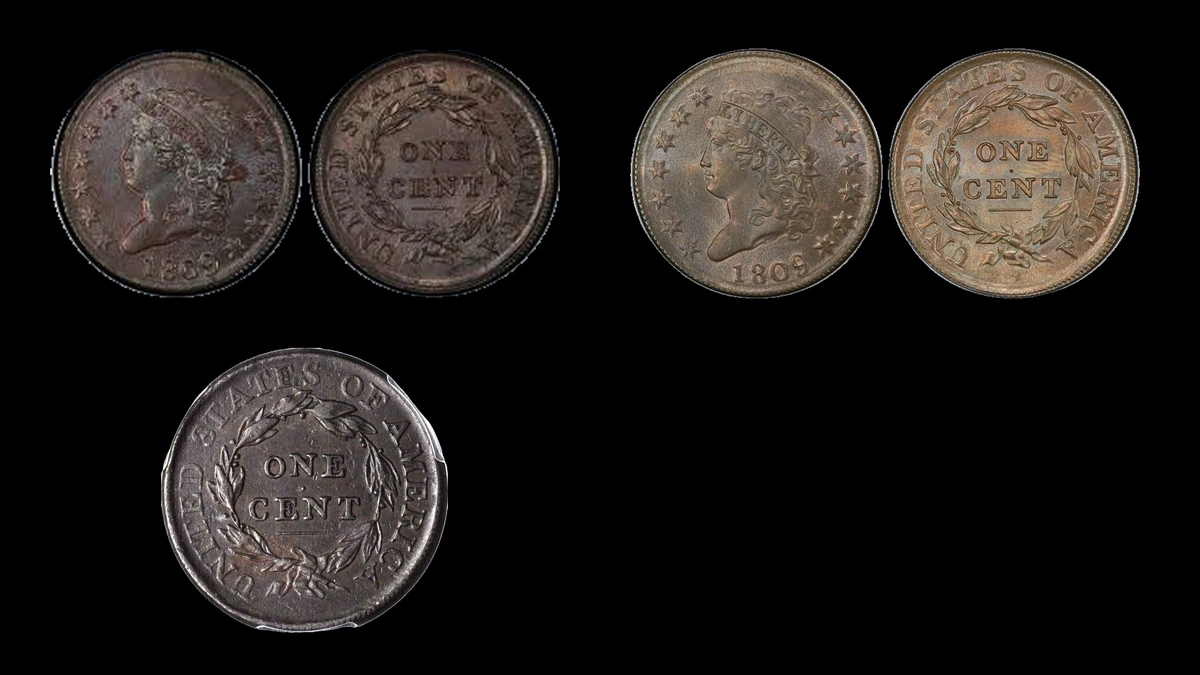
A shallow mark above CENT and a raised patch near the same word can have entirely different origins. Sorting those details is part of identifying 1809 penny errors, whose supplied whole-coin estimates range from $75 to $45,000.
The highest supplied sale, $43,200 in August 2020, belongs to an exceptionally preserved cent with several die features. Confirm the large-cent denomination first, then compare the date, outline, and whether an unusual area is raised, recessed, or separating.
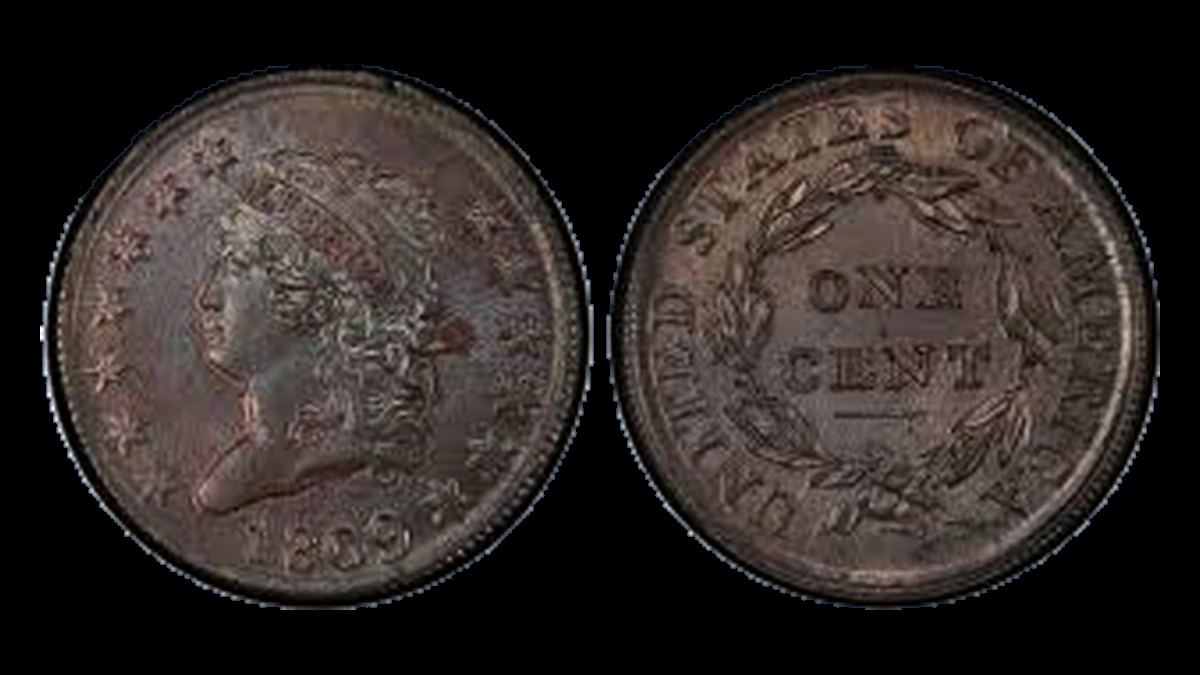
1. 1809 Penny The Final Digit Contains Another 9: Repunched Date Error
The final numeral can retain traces of a smaller 9 beneath the larger one. Both were punched into the die during its preparation, making this a repunched date rather than a different year over an earlier date.
The finished coin still reads 1809. Wear of the die and circulation of the coin can make the smaller numeral’s remnants difficult to see.
How to Identify
Confirm ONE CENT on the reverse before comparing the last digit. The smaller 1809 half cent and an 1810/09 cent require different references.
Photograph the entire date, then examine the 9 under magnification and changing light. An original raised remnant differs from a shadow, engraved cut, or metal pushed up by damage.
An intact large cent of this type began near 10.89 grams and roughly 28–29 millimeters, with a plain edge. Safe measurements can support identification, but do not clean inside the numeral or use tools against fragile copper.
What It’s Worth
$150–$800 for identifiable worn coins, $800–$4,000 for sharper examples, and $4,000–$45,000 for exceptional unworn cents are the supplied whole-coin estimates. Preservation explains much of the difference between those levels.
The repunched digit is part of the issue’s die history, not a newly discovered rarity each time it is found. The exceptional sale coin also has clash marks and die breaks, whose ranges must not be added to this one.
2. 1809 Penny A Small Edge Gap Lies by Star Nine: Clipped Planchet Error
Early Cents Auctions described a shallow clip beside the ninth star on an 1809 cent. The coin also has corrosion, especially around stars nine and ten and the lower reverse.
The clip refers to copper absent from the blank before striking. Corrosion is a separate surface problem, while cutting or filing after striking can imitate an incomplete outline.
How to Identify
Count stars from the lower left with Liberty upright to locate star nine. Examine the gap together with the neighboring design and corrosion rather than isolating its silhouette.
Follow the boundary for filing or cuts through completed details and inspect the opposite rim for supporting weakness. The recorded coin retains a readable date and legend, which should remain visible in the full photographs.
What It’s Worth
$75–$300 for worn genuine clips and $300–$1,000 for clearer, more attractive examples are the estimates. The catalog assessed its corroded example at G6; sharper underlying detail does not remove that surface problem.
An unworn 1852 clipped large cent brought $384 in June 2024. That later-year result is a comparison rather than a transaction for the star-nine 1809 specimen.
3. 1809 Penny The Design Misses Part of an Intact Blank: Off-Center Strike Error
A blank outside its intended position can receive only part of the design, leaving unused copper beside a cut-off impression. Walter Breen’s early-cent reference reports off-center examples for 1809 through 1812 without assigning one direction or percentage to all of them.
How to Identify
Use complete front and reverse photographs to check whether both designs reflect the same misplaced blank. A narrow border on one face alone may have a different cause.
The unused area should show original unstruck copper rather than erased lettering or grinding. Confirm ONE CENT, since an 1809 half-cent image cannot establish the dimensions or direction of a large-cent error.
What It’s Worth
$300–$1,500 for authenticated dated examples with ordinary wear and $1,500–$5,000 for stronger pieces are type estimates. No specific 1809 realized price is supplied for this report.
An undated cent attributed to 1808, struck 30% off center with very light wear, sold for $6,462.50 in February 2018. Its different year and condition make it a higher comparison, not a price to assign from a guessed 1809 percentage.
4. 1809 Penny Extra Curves Appear Behind Liberty and Beside ONE CENT: Die Clash Error
The recorded 1809 clash traces occur behind Liberty and on either side of ONE CENT. They are fragments acquired when the dies met without a blank and then transferred their contact marks to later coins.
Normal hair and wreath detail remain present around those traces. A clash does not require a second complete portrait or contact between two finished coins.
How to Identify
Compare the reverse fragments with the opposite portrait design before tracing the marks behind Liberty. Several related curves that fit an opposing feature are better evidence than one bright line.
Keep ordinary wreath leaves and hair visible in the comparison. Scratches, squeezing, and a joined object with an edge seam require different explanations.
What It’s Worth
$150–$700 for worn cents with recognizable traces, $700–$3,000 for sharper examples, and $3,000–$45,000 for outstanding unworn coins are the supplied estimates. The top range concerns the complete collectible cent.
The exceptional coin also carries repunching and die breaks. A small clash on a worn example does not create the preservation or value of that high-grade specimen.
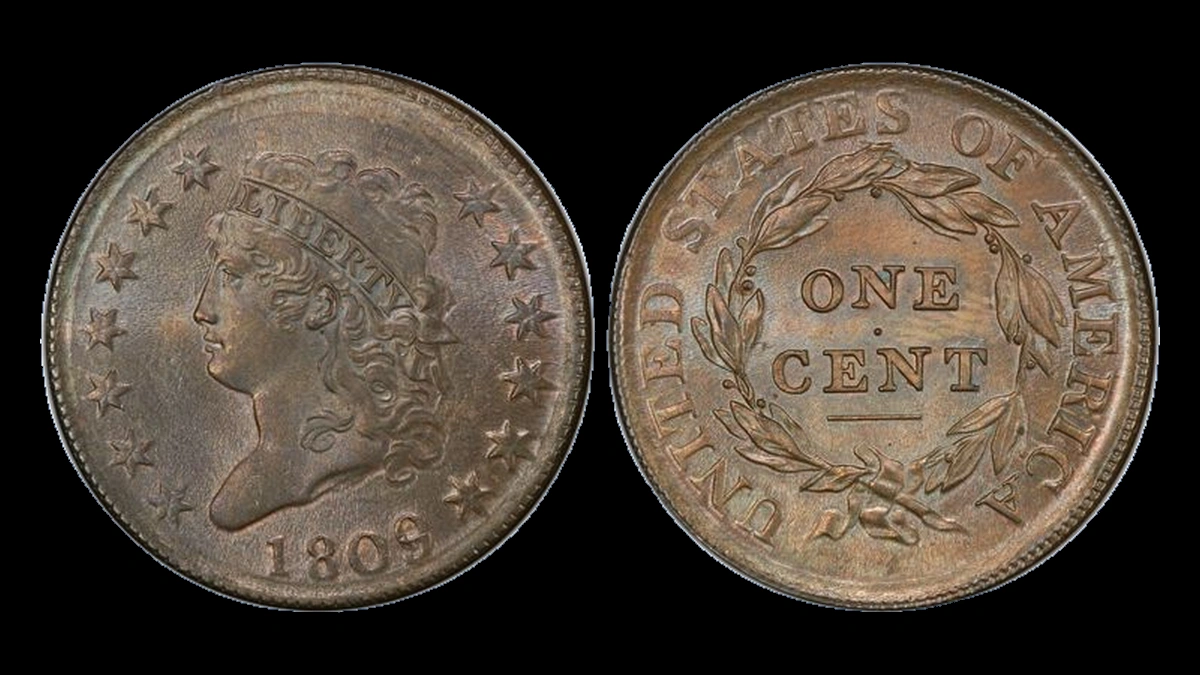
5. 1809 Penny Cracks Surround a Raised Interior Patch: Die Breaks Error
A raised patch below ES in STATES sits among cracks in the wreath on the recorded example. Other lines continue toward ONE, CENT, and the outer border.
Copper entered openings in the damaged die and reproduced them as raised metal. The auction calls the interior patch an “internal cud,” but it remains within the design rather than connecting to the rim like a rim cud.
How to Identify
Locate ES and follow the ridges toward E in ONE and the area above T in CENT. Their paths and disruption of the normal wreath help distinguish the break from ordinary raised leaves.
Look for a seam, different texture, or material covering finished detail that could indicate an added lump. Do not require this interior break to meet the rim, and do not confuse its raised relief with the shallow flaw on another coin discussed next.
What It’s Worth
$150–$750 for clear worn examples, $750–$4,000 for sharper coins, and $4,000–$45,000 for exceptional unworn pieces are estimated whole-coin ranges. They incorporate the quality of the copper and surviving detail.
The PCGS auction record lists $43,200 in August 2020 and $40,800 in January 2025 for the same MS64 Brown cent. Its unworn preservation explains much of those results, which are not separate values for each crack or patch.
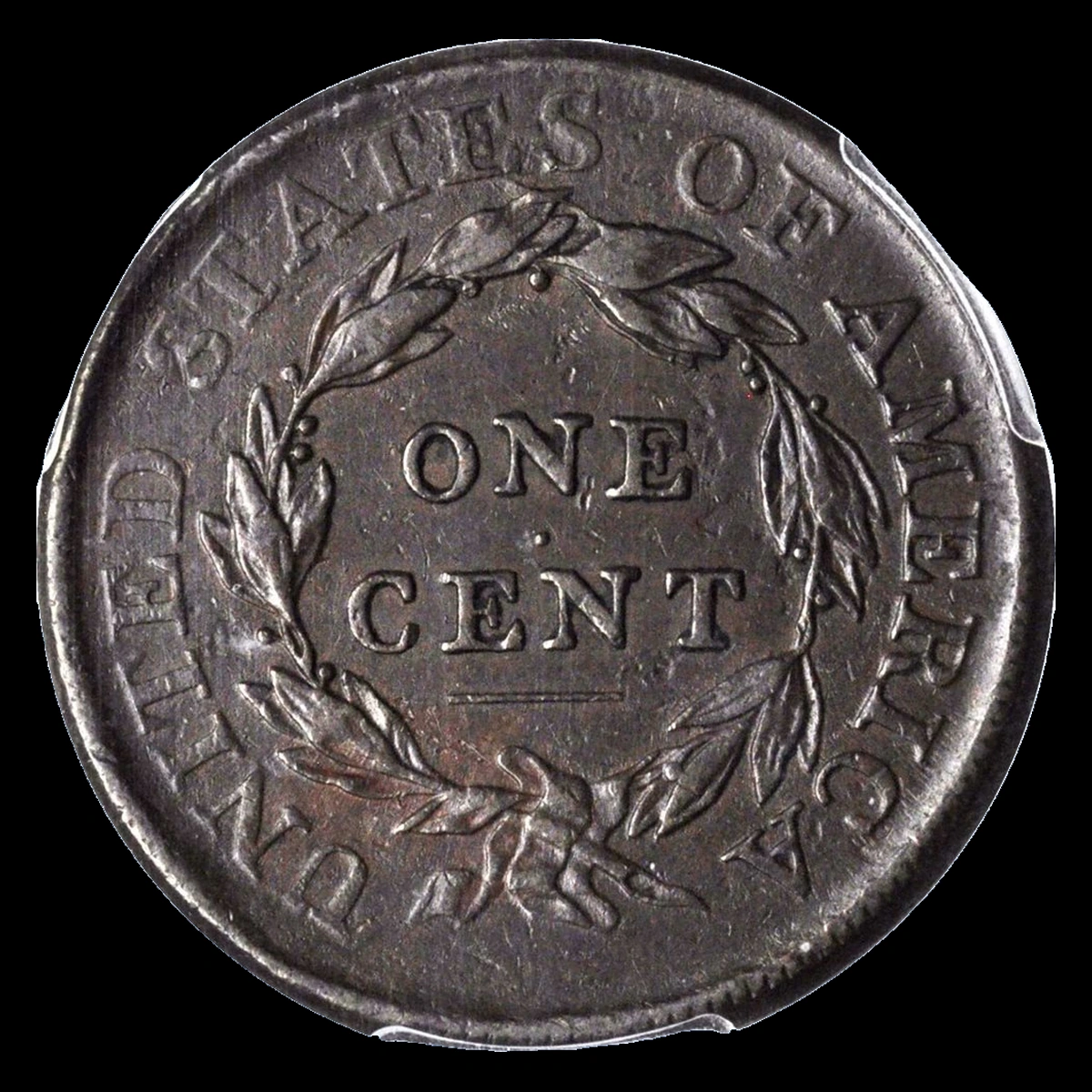
6. 1809 Penny A Shallow Patch Sits Above T in CENT: Defective Planchet Error
A different 1809 cent sold by Stack’s Bowers has a shallow patch above the T in CENT. The auction attributes it to a flaw in the original blank.
The description identifies neither an attached layer nor a particular obstructing object. It should therefore remain a planchet flaw rather than being automatically renamed lamination or struck through.
How to Identify
Examine the area above T under two lighting angles to establish its shallow depth and boundary. It is not the raised die-break feature seen on the exceptional coin.
A sharp cut with pushed copper suggests later damage, while nearby repeated pits may indicate corrosion. Inspect the reverse, opposite face, and edge together for evidence of a later blow.
What It’s Worth
$150–$800 for more worn examples and $800–$2,500 for appealing sharper coins are the estimates for genuine original blank flaws. The PCGS VF25 specimen, with moderate wear and clear detail, brought $1,680 in March 2019.
That was the whole cent’s price. Its color, marks, and general preservation contribute to the result; the shallow flaw itself should not be assigned the entire amount as an added premium.
7. 1809 Penny A Thin Copper Layer Lifts or Separates: Lamination Error
The reported 1809 lamination category concerns weakness within the copper that allows a thin layer to separate. It may leave an attached flap or a shallow exposed area where metal has detached.
The supplied year guide does not locate a particular specimen’s flaw. A coating, corrosion pit, or gouge does not establish the same cause, and a small flake does not imply that the whole blank split in two.
How to Identify
Inspect the boundary with low light and look for separation within the copper itself. Keep surrounding design visible so that a lifting layer can be distinguished from paint, added material, or a cut.
Leave attached metal untouched and avoid resting the coin against it. A retained flap may change weight very little, so an ordinary scale reading does not exclude a local lamination.
What It’s Worth
$100–$400 for worn examples and $400–$1,500 for sharper coins are the supplied estimates for an identifiable original lamination. An 1841 large cent with a front lamination sold for $564 in December 2021.
That different date supplies general context rather than an 1809 sale. Extensive corrosion can lower appeal even when it makes a flaw look dramatic.
Conclusion
On an 1809 cent, location alone is not enough: the area near CENT can contain a raised die break on one coin and a shallow blank flaw on another. Relief, boundaries, and surrounding details explain the difference.
Preserve the full coin’s identity and condition in photographs. When several die features coexist, describe each one while retaining a single whole-coin valuation, especially for exceptionally preserved early copper.