Rare 1906 Nickel Errors (List & Pictures)
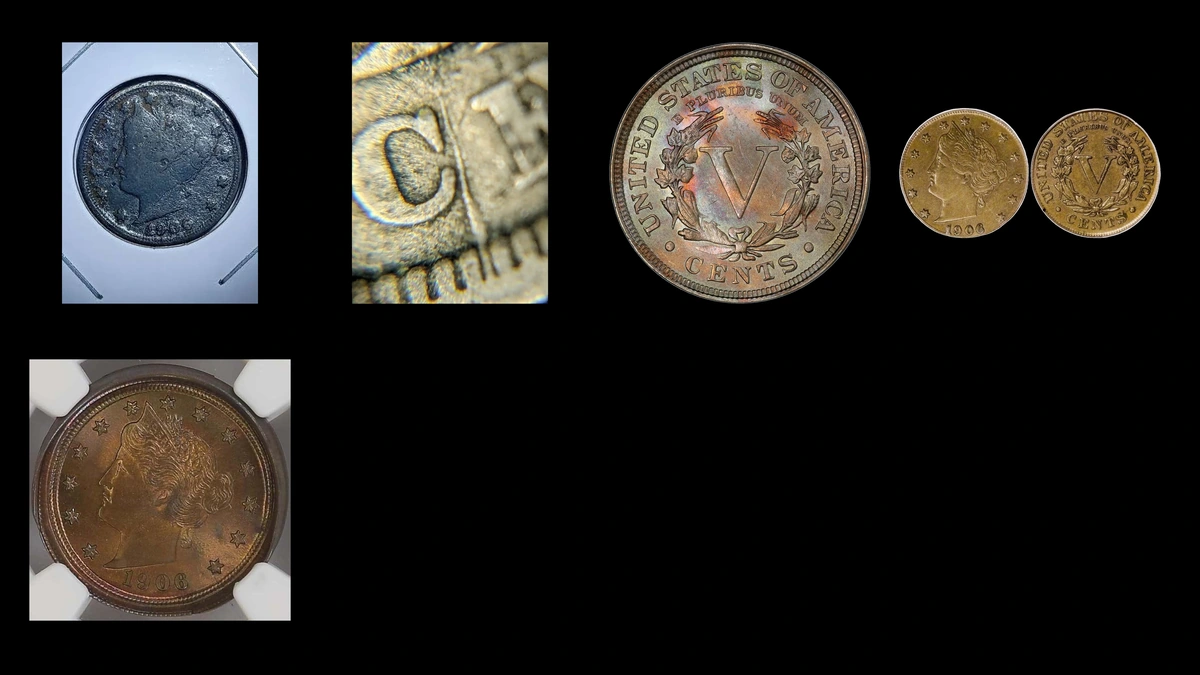
A missing V on the back of a 1906 nickel can mean another blank blocked the strike. A different error, using a cent blank, produced a coin that brought $4,887.50 in January 2010.
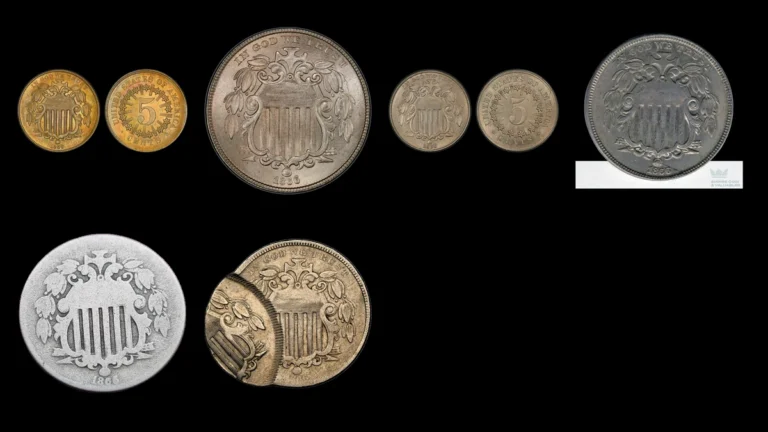
These 1906 nickel errors range from about $10–$30,000, including a rare copper piece shaped into a cap. Begin with both faces and the full outline before enlarging individual marks.
1. 1906 Nickel A Missing Back Design from a Blocked Strike Error
Two blanks can enter the press together, leaving the upper one with a strong portrait but no normal V on the back. The lower blank prevents the back die from reaching it.
The recorded upper coin was graded NGC AU58 and has thin raised rims on both sides. “Upper” refers to its place in the stack, not half of a split coin.
How to Identify
Compare the sharp front details with the naturally blocked back and intact borders. Grinding can remove a V too, but often leaves abrasive tracks or reduced rims.
A normal nickel is about 5 grams and 21.2 mm across, with a plain edge. A much lighter thin piece with an exposed rough interior may instead be a split fragment.
What It’s Worth
$300–$2,000 is the estimate for authenticated one-sided examples. The recorded AU58 upper coin sold for $632.50 in January 2010.
That result covered this coin alone, not a matching pair. The lower piece has not been identified in the supplied record.
2. 1906 Nickel A Shifted Portrait from an Off-Center Strike Error
The cataloged PCGS AU58 example is about 10% off center toward one-thirty. Its blank sat partly outside the dies, leaving bare metal beside a design that runs beyond the opposite edge.
How to Identify
Read the full date and compare the displacement on both faces. A complete design with only an uneven border suggests another striking problem.
Inspect the boundary of the bare crescent for grinding or cuts through finished letters. The reported direction belongs to the AU58 specimen, not every 1906 off-center coin.
What It’s Worth
$100–$1,500 covers dated examples according to displacement, preservation, and damage. No actual sale is supplied for the 10% AU58 coin.
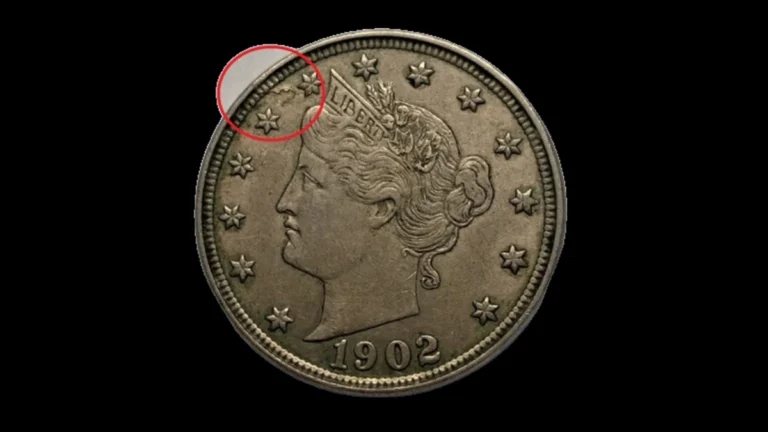
A 1902 Liberty nickel struck 20% off center and graded XF40 sold for $561.20 in March 2026. It provides a same-design comparison without creating a fixed price per percentage of offset.
3. 1906 Nickel A Small Edge Gap from a Clipped Blank Error
A recorded 1906 PCGS AU50 nickel has a clip of about 3%. Its metal disk was incomplete before the design was struck.
The record does not establish one gap shape or position for the whole category. Those details need to follow the actual specimen.
How to Identify
Study how the rim approaches both ends of the opening. Natural weakness or metal flow toward the gap can support a blank that was already clipped when struck.
Inspect the gap and edge for file marks, fresh cuts, or crushing. Opposite-rim weakness can help when present, but a clean curved outline alone is not proof.
What It’s Worth
$25–$300 is the estimated range for genuine 1906 clips. The small AU50 example provides a modest comparison without a supplied sale price.
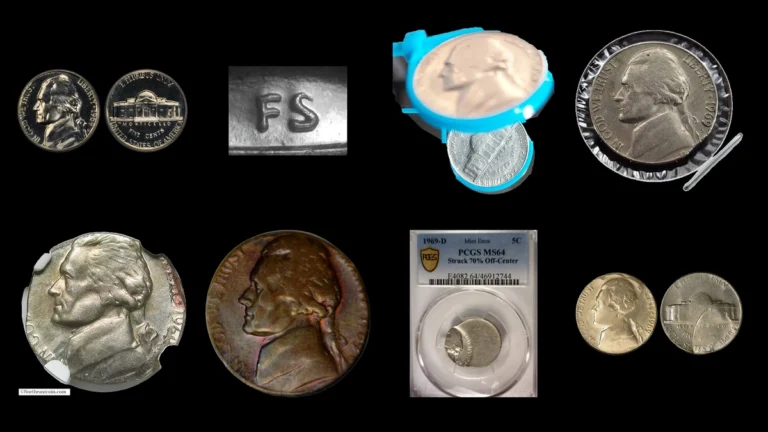
A much larger 20% clip on a 1997-P Jefferson nickel sold for $124 in March 2025. That different design and date illustrate the modest market for many clips rather than fixing the 1906 coin’s value.
4. 1906 Nickel A Lifted Layer from Lamination Error
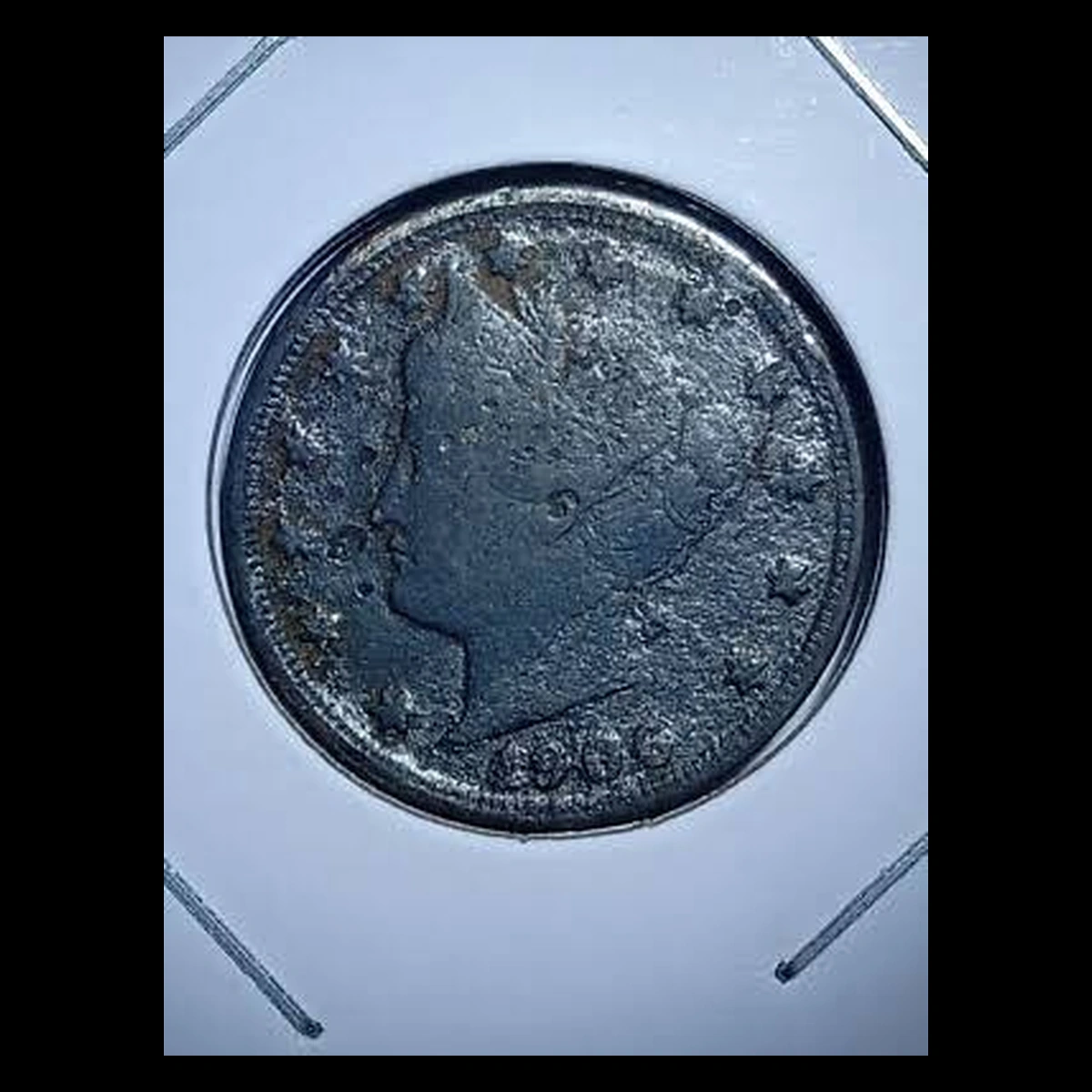
Weakness inside the nickel’s metal can leave a thin flap or shallow missing patch. Recorded 1906 locations include the portrait and part of the back on separate coins.
This process is called lamination. The nickel’s copper and nickel are mixed throughout, so an internal separation differs from paint or plating peeling off the top.
How to Identify
Use low side lighting to follow the thin layer boundary without lifting it. Look for how original design continues onto or ends beside the separated area.
Added material may sit across already finished letters, while a gouge cuts into them. An attached flap may leave the coin’s weight nearly unchanged.
What It’s Worth
$10–$250 is the estimate for ordinary genuine laminations. Small worn defects fit lower in the range than a clear flap on a well-preserved coin.
No individual sale is assigned to the reported forms here. Remaining design and original surface are more useful than simply counting peeling spots.
5. 1906 Nickel Raised Lines and Cuds from Broken Dies Error
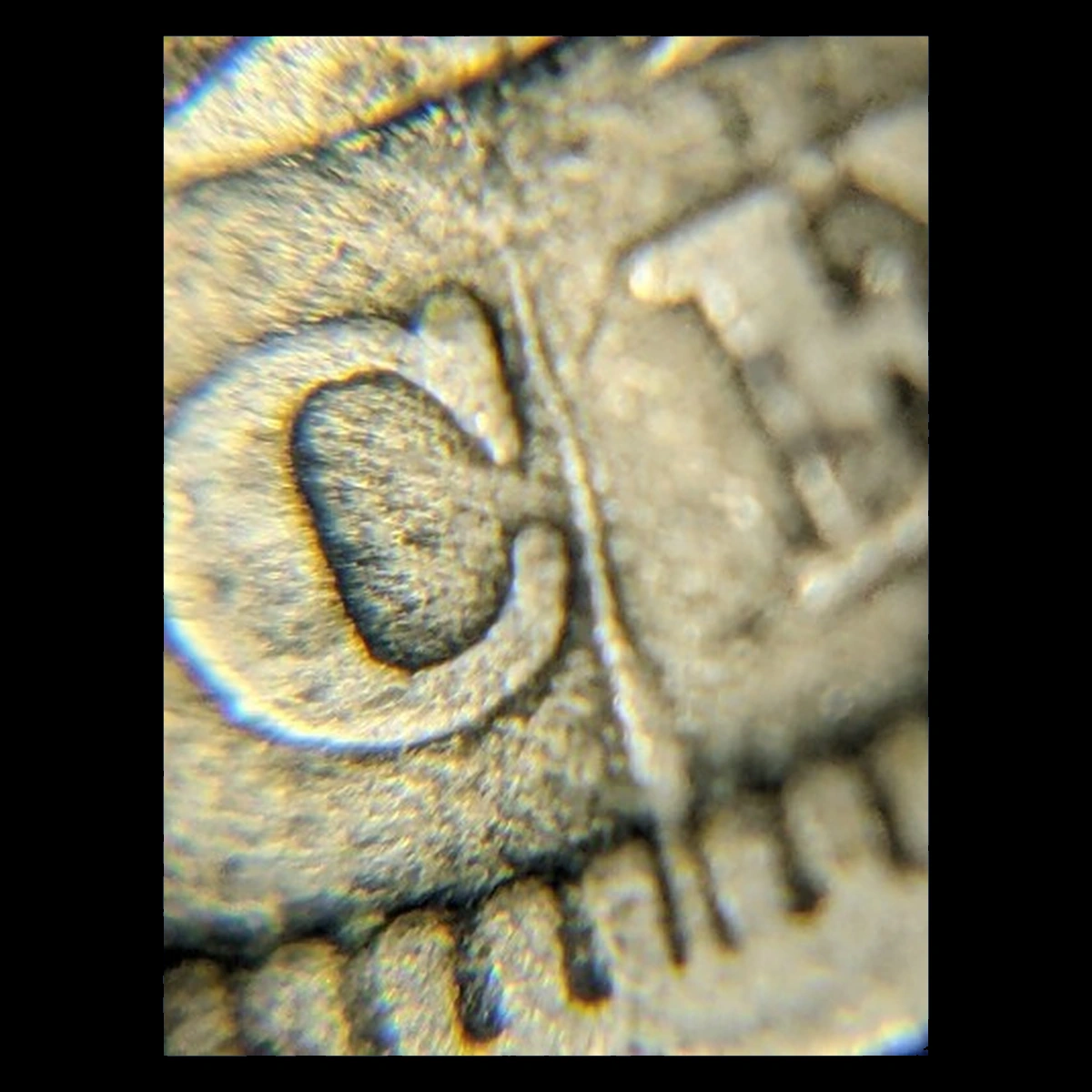
A cracked die leaves a raised line where coin metal fills the opening during striking. A larger broken section at the die’s edge can create a rim-connected patch called a cud.
These forms are reported for 1906 without one fixed path. A small interior bump is not automatically a rim break.
How to Identify
Compare the feature with an ordinary coin in the same light. Check whether a line has a raised center rather than the recessed center of a scratch.
Follow a larger patch to the rim and inspect the nearby edge for a dent or folded lip. Added metal may leave a seam instead of a continuous struck surface.
What It’s Worth
$10–$500 spans minor raised cracks around $10–$100 and clear rim-connected breaks around $100–$500. Size and condition affect the whole-coin estimate.
No specific 1906 sale is supplied for these reports. A faint line should not receive the premium of an assumed rare break pattern.
6. 1906 Nickel Extra Back Outlines from a Doubled Die Error
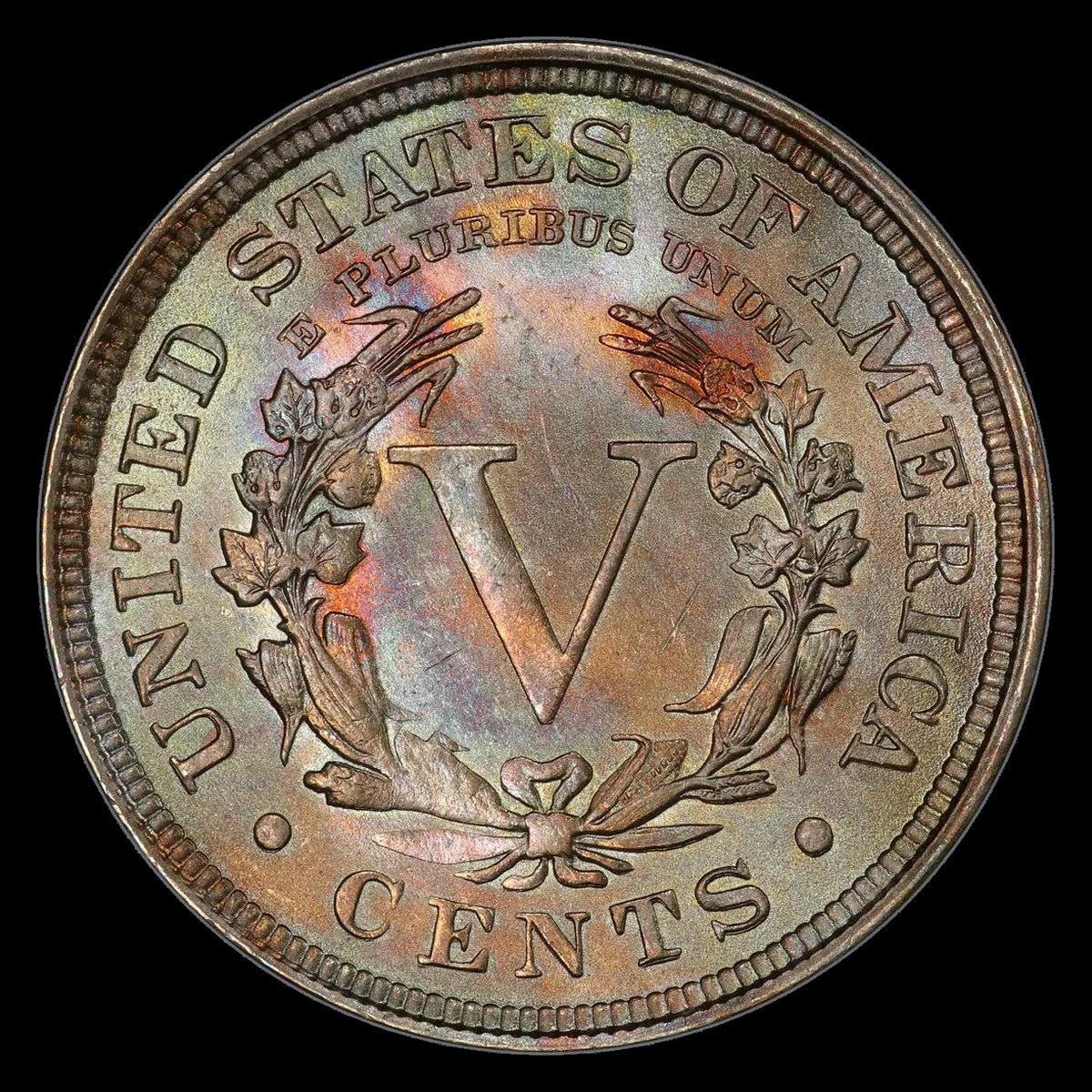
The 1906 FS-801 variety has a doubled back design. Extra outlines around lettering and wreath details came from the prepared die, rather than two separate strikes on a finished coin.
How to Identify
Place a matching FS-801 image beside the coin with both backs upright. Compare the actual letters and leaves across several points.
Move the light to separate shadows and flat shelves from rounded extra strokes. Wear that thickens an edge is not enough to match the whole pattern.
What It’s Worth
$40–$1,000 covers worn through attractive unworn examples with a clear identification. Both condition and readable doubling affect the value.
PCGS lists FS-801, but no individual auction amount is assigned here. The upper estimate requires more than one barely visible thick letter.
7. 1906 Nickel A Copper Disk from a Cent Blank Error
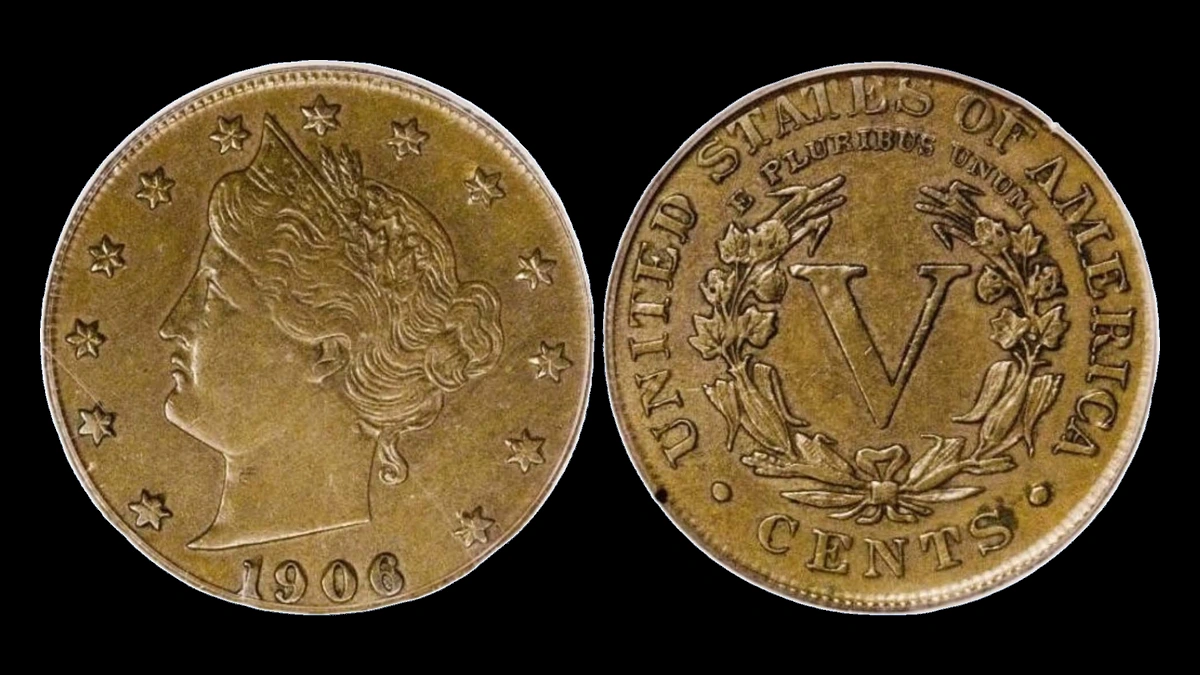
A cent blank sent to the nickel press produces a smaller copper-rich coin with crowded outer details. On one PCGS MS63 Brown example, the blank sat against the collar at six o’clock.
That coin retains most design but loses some border teeth at the upper front and lower back. A separate NGC MS61 Brown specimen has a recorded weight of 3.2 grams.
How to Identify
Compare weight with a period cent’s standard 3.11 grams and the nickel’s 5 grams. Keep the measured 3.2-gram figure attached to its particular specimen.
The cent blank begins near 19 mm across but may spread during striking. Look for naturally truncated design and inspect the edge for plating or deliberate trimming.
What It’s Worth
$2,000–$8,000 is the estimate for genuine 1906 cent-blank strikes. The PCGS MS63 Brown coin sold for $4,080 on September 18, 2020.
A separate AU50 example brought $4,887.50 in January 2010. The different results show that grade alone does not dictate an error coin’s auction price.
8. 1906 Nickel A Copper Cent Blank Shaped into a Die Cap Error
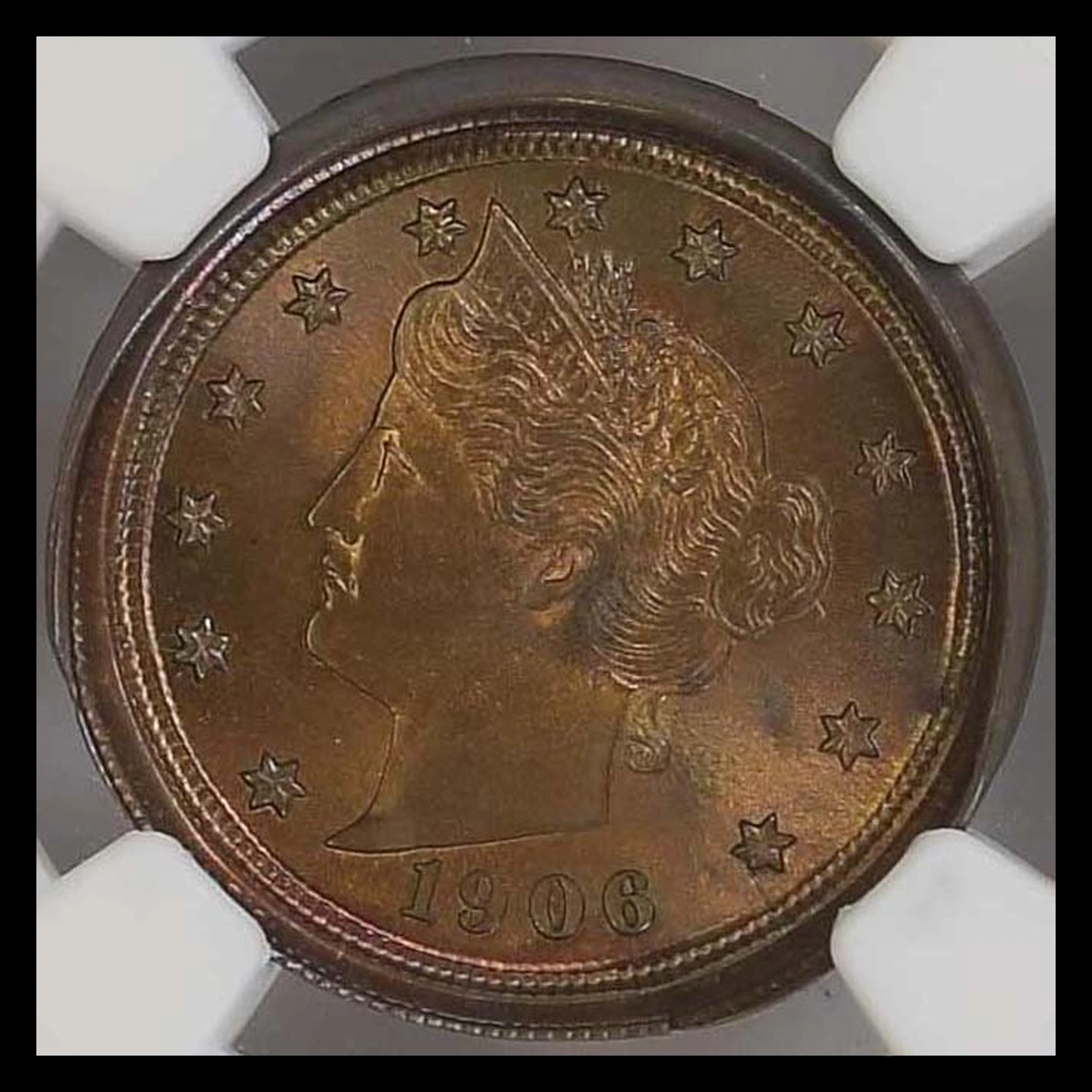
The recorded 1906 cap stayed attached to the portrait die while further blows pushed its sides upward and outward. It also began as a cent blank, combining the wrong blank with an unusual shape.
The reported weight is 3.1 grams and the grade is NGC MS65 Red and Brown. This is the cap itself, not a later coin struck through that cap.
How to Identify
View the walls from the side without pressing them down. Follow how the stretched metal relates to the struck portrait.
Inspect for later bending, heat damage, or tool marks that could create a homemade bowl shape. Record the spread and wall height carefully rather than forcing it to normal nickel dimensions.
What It’s Worth
$10,000–$30,000 is the whole-coin estimate for this unusual combination. The published cap report supplies its weight and grade without a transaction price.
The ordinary-shaped cent-blank coin sold for $4,080 in 2020 offers a lower comparison. The cap’s additional deformation and rarity support a higher estimate, rather than an invented sale result.
Conclusion
Both faces and a side view can answer questions that a close-up alone cannot on a 1906 nickel. A blocked back, clipped edge, and cap-shaped body each point to a different event.
For copper-colored examples, combine weight with the crowded design and original edge. Keep any raised walls or loose layers untouched, since altering them can remove the evidence that explains the error.