Rare 1898 Nickel Errors (List & Pictures)
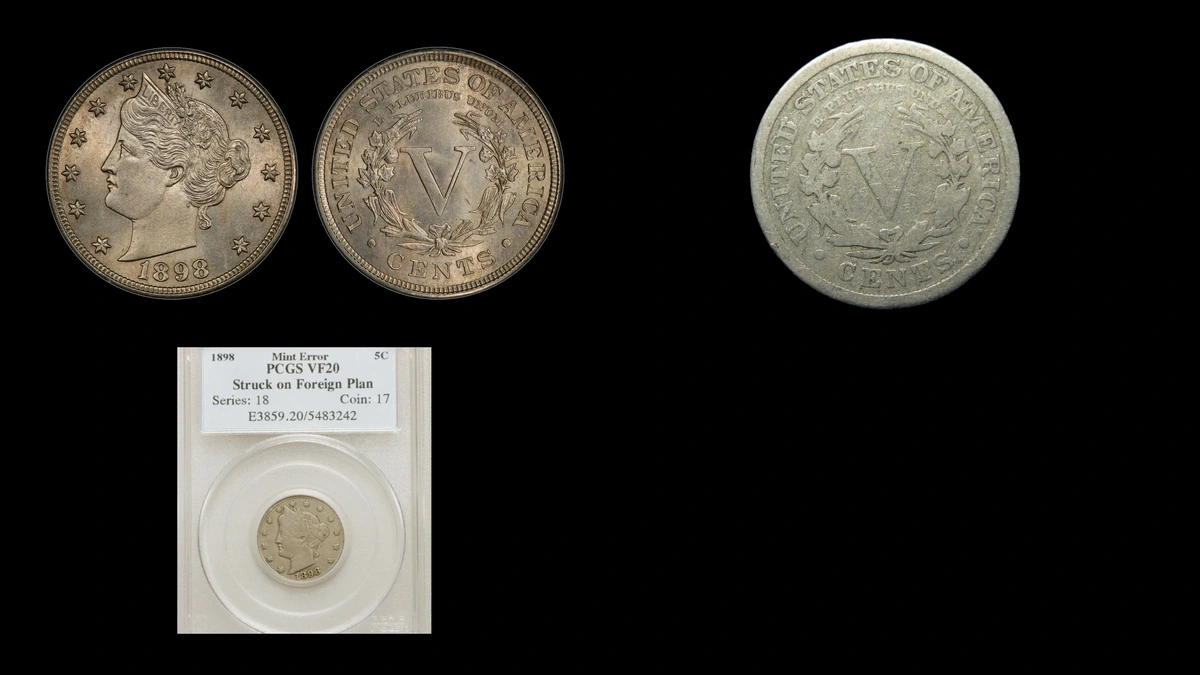
A foreign blank can look much like normal nickel metal. An 1898 Liberty nickel attributed to that error sold for $977.50 in a Heritage sale reported by Mint Error News.
These 1898 nickel errors have estimated whole-coin values of $10–$3,000. Start with the date and raised details, then compare any missing metal, displaced border, or unusual blank measurements.
1. 1898 Nickel Extra Digit Strokes from a Repunched Date Error
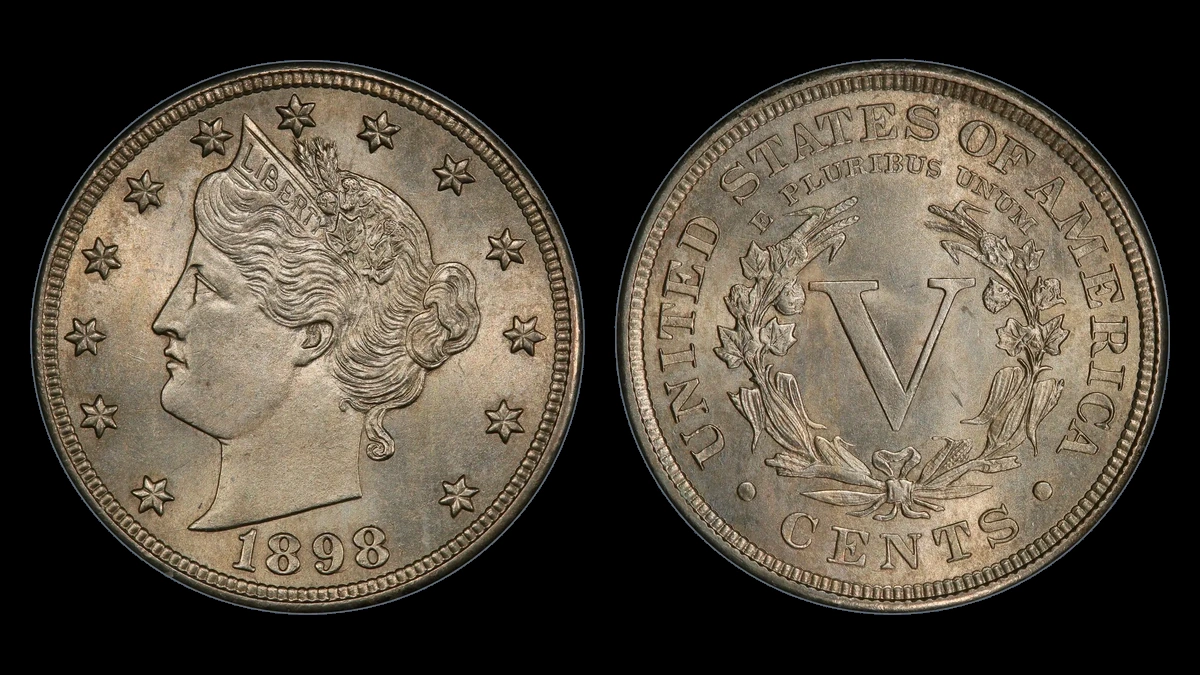
An earlier date punch can leave traces when the die receives another impression in a slightly different position. Reported clues occur below the 1, to the right of the lower first 8, and inside the 9’s tail.
The extra strokes were on the stamping tool before coins were made. A cataloged FS-302 specimen has an NGC Uncirculated Details grade, with a separate condition problem.
How to Identify
Compare the complete date with an identified example, keeping all three affected digits in view. The earlier outlines should follow parts of real numeral shapes.
Change the lighting to distinguish persistent rounded strokes from glare or flat shelves. A condition issue on a graded example is not another Mint error.
What It’s Worth
$40–$1,000 is the estimate for identified repunched dates across worn through attractive unworn condition. An ANACS AU58 FS-302 example sold for $528 in June 2019.
The auction record describes a lightly worn discovery example, separate from the NGC Details coin. Cleaning or other damage can reduce value even when the date remains sharp.
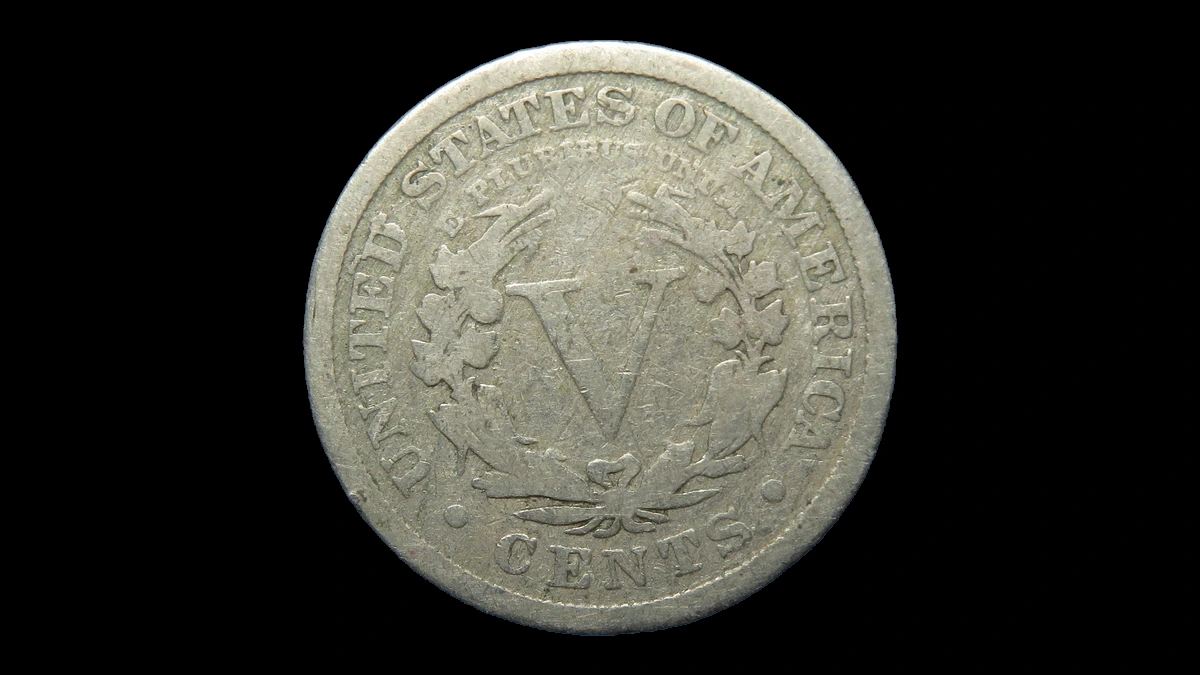
2. 1898 Nickel Raised Lines from Die Cracks Error
A crack in the die can fill with coin metal and leave a narrow ridge near stars, letters, or other details. The 1898 reports do not identify one required route across the design.
How to Identify
Inspect the line’s center in side light. A scratch usually has a groove, while a die crack leaves a continuous raised ridge.
Follow it across the surrounding surface and check for material added on top. An actual opening in the coin’s metal is a different finding from a copied crack in the stamping tool.
What It’s Worth
$10–$150 covers ordinary worn through attractive examples with a genuine raised crack. A faint line may contribute little beyond the underlying nickel’s value.
No particular 1898 crack has a supplied sale result here. Several branches from one cracked die remain features of one coin rather than separate full values.
3. 1898 Nickel A Peeling Layer from Lamination Error
A thin flap or shallow rough patch can come from separation inside the coin’s metal. This is lamination, not a normal outer coating coming off.
Liberty nickels contain copper and nickel mixed throughout. The reported 1898 category has no fixed location on either face.
How to Identify
Keep an attached flap untouched and use low lighting to follow its layer boundary. Scraping often leaves a gouge with a pushed-up lip instead.
Look where the opening meets original design and inspect the edge if it reaches that far. A retained layer may cause very little weight loss.
What It’s Worth
$15–$250 is the estimated whole-coin range for a genuine local peel. A clear attached flap on an attractive coin can draw more interest than a tiny rough spot.
No matched sale of a specific 1898 specimen is supplied. A small surface layer should also remain distinct from a major split through the entire blank.
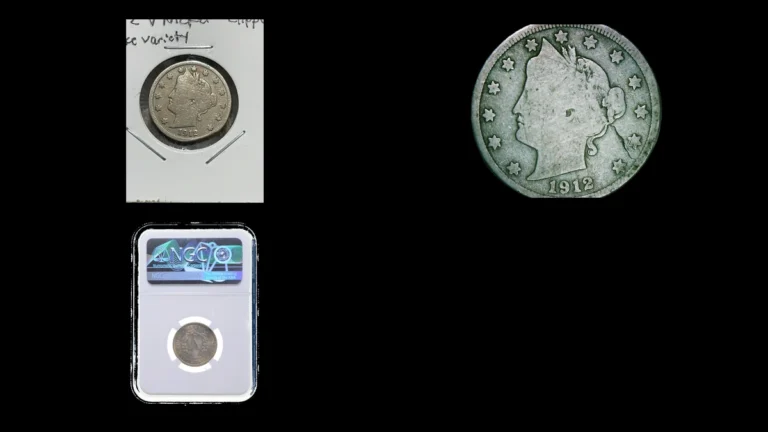
4. 1898 Nickel A Curved Gap from a Clipped Blank Error
Blank cutting can overlap an earlier hole in the metal strip, leaving an incomplete disk. The coin then receives its design around the missing arc.
Ordinary 1898 curved clips are reported without a shared percentage or clock position. A similar-looking cut made later needs to be ruled out.
How to Identify
Examine both ends of the gap where the struck rim approaches it. Natural flow and weakening can support metal that was absent before the strike.
Check the arc for saw or file marks and the opposite rim for possible weakness. A normal nickel starts near 5 grams and 21.2 mm, but reduced weight alone cannot identify when metal disappeared.
What It’s Worth
$25–$350 is the estimate for a confirmed curved clip. A readable date, original boundary, and better surfaces support stronger comparisons.
A 1997-P Jefferson nickel with a 20% clip sold for $124 in March 2025. That different-design result does not establish an 1898 clip’s size or individual value.
5. 1898 Nickel Missing Border Teeth from an Off-Center Strike Error
On the recorded PCGS MS64 example, CENTS remains complete even though some surrounding border teeth are lost. The strike is described as about 15% off center toward eleven o’clock.
The blank sat out of position beneath the dies. Modest offsets can remove border detail without removing an entire word.
How to Identify
Read CENTS and then follow the small teeth beyond it. Compare both faces and locate the unused metal opposite the shifted design.
An uneven rim on only one face can have another explanation. Inspect the edge and bare area for grinding, and do not demand missing letters on a specimen whose description says they survive.
What It’s Worth
$150–$2,000 covers genuine dated examples, with attractive unworn coins and clear displacement toward the higher end. The recorded MS64 coin has no sale amount assigned here.
A 1902 Liberty nickel struck 20% off center and graded XF40 brought $561.20 in March 2026. Its different date and wear make it a market comparison rather than an identical piece.
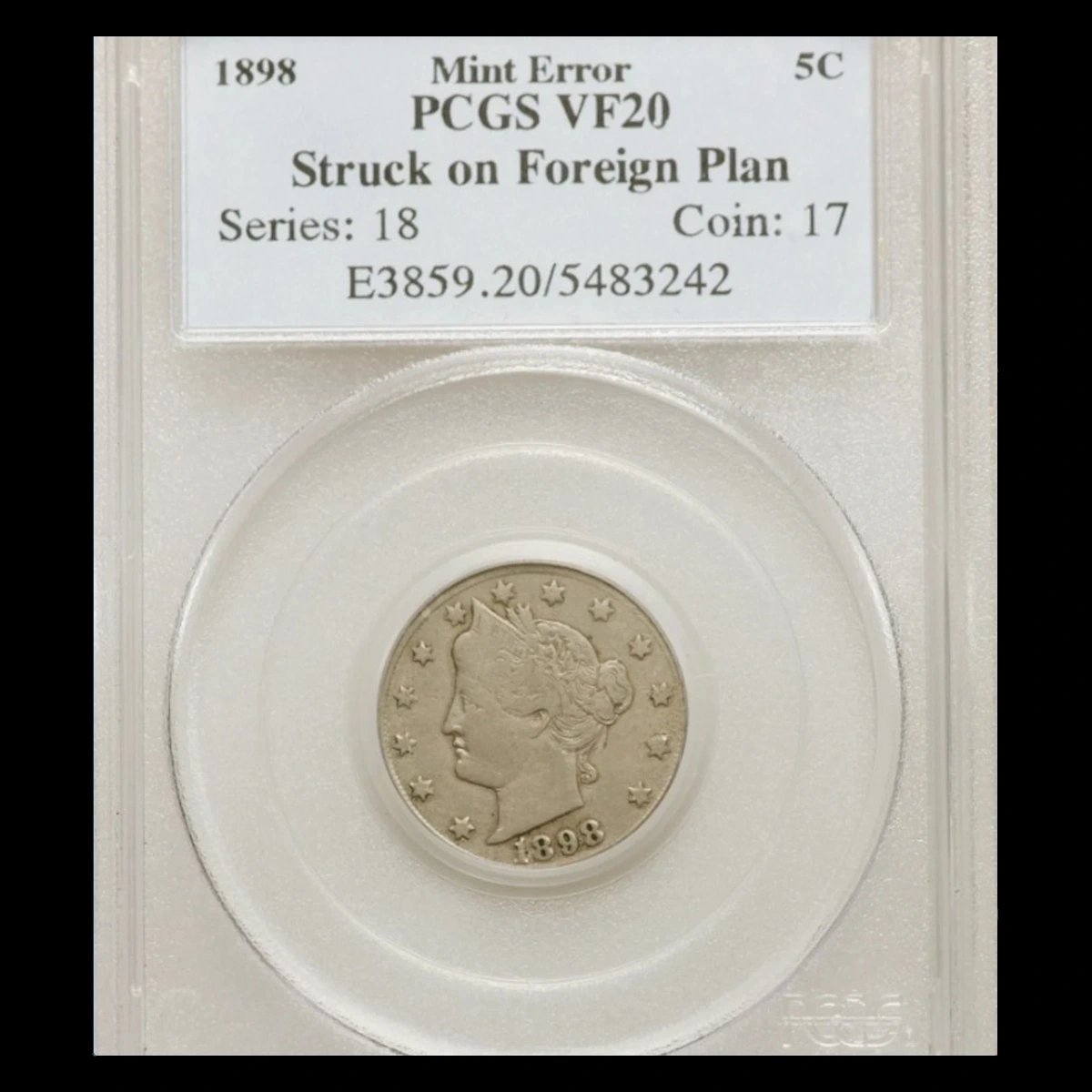
6. 1898 Nickel An Unusual Size from a Foreign Blank Error
A PCGS VF35 example was identified as struck on a Nicaragua five-centavo blank. A separate NGC AU55 foreign-blank nickel had Nicaragua suggested as its likely origin.
The reported blank is copper-nickel, so it can retain a silver-gray appearance. It should not be renamed a copper cent-blank strike simply because its dimensions differ.
How to Identify
Record actual weight and dimensions before drawing conclusions from color. Inspect the plain edge for filing or corrosion that could reduce a normal nickel.
Compare how the outer design approaches the outline and have the metal and measurements checked for the claimed host denomination. Weak design alone can also reflect wear or a poor strike.
What It’s Worth
$300–$3,000 is the estimated range for comparable authenticated foreign-blank examples. The NGC AU55 coin brought $977.50 in the Heritage sale reported by Mint Error News.
No exact weight or sale is assigned here to the separate PCGS VF35 specimen. The price concerns the complete nickel error, not an ordinary Nicaragua five-centavo coin.
Conclusion
The most useful first clue on an 1898 nickel may be a tiny old digit outline or a whole section of missing border. Keep those features distinct from peeling metal and cut-away edges.
For a possible foreign blank, size and color are starting observations rather than a country identification. Preserve the surfaces and connect the measurements, surviving design, and exact attribution before choosing a price comparison.