Rare 1888 Nickel Errors (List & Pictures)
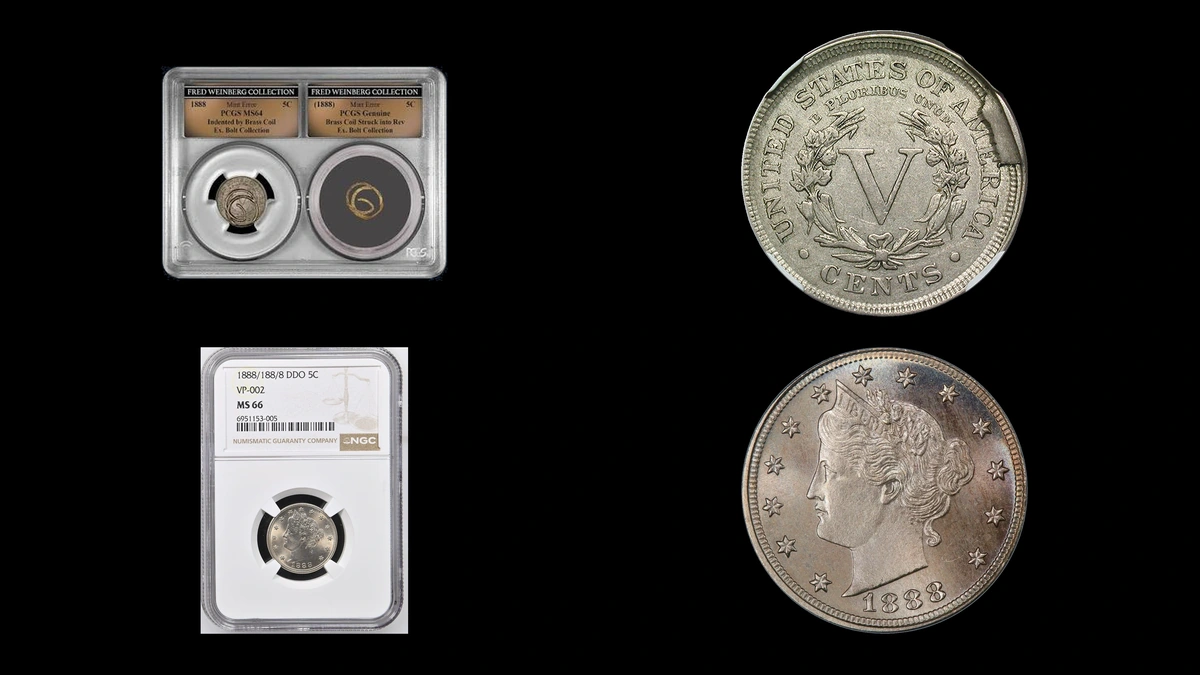
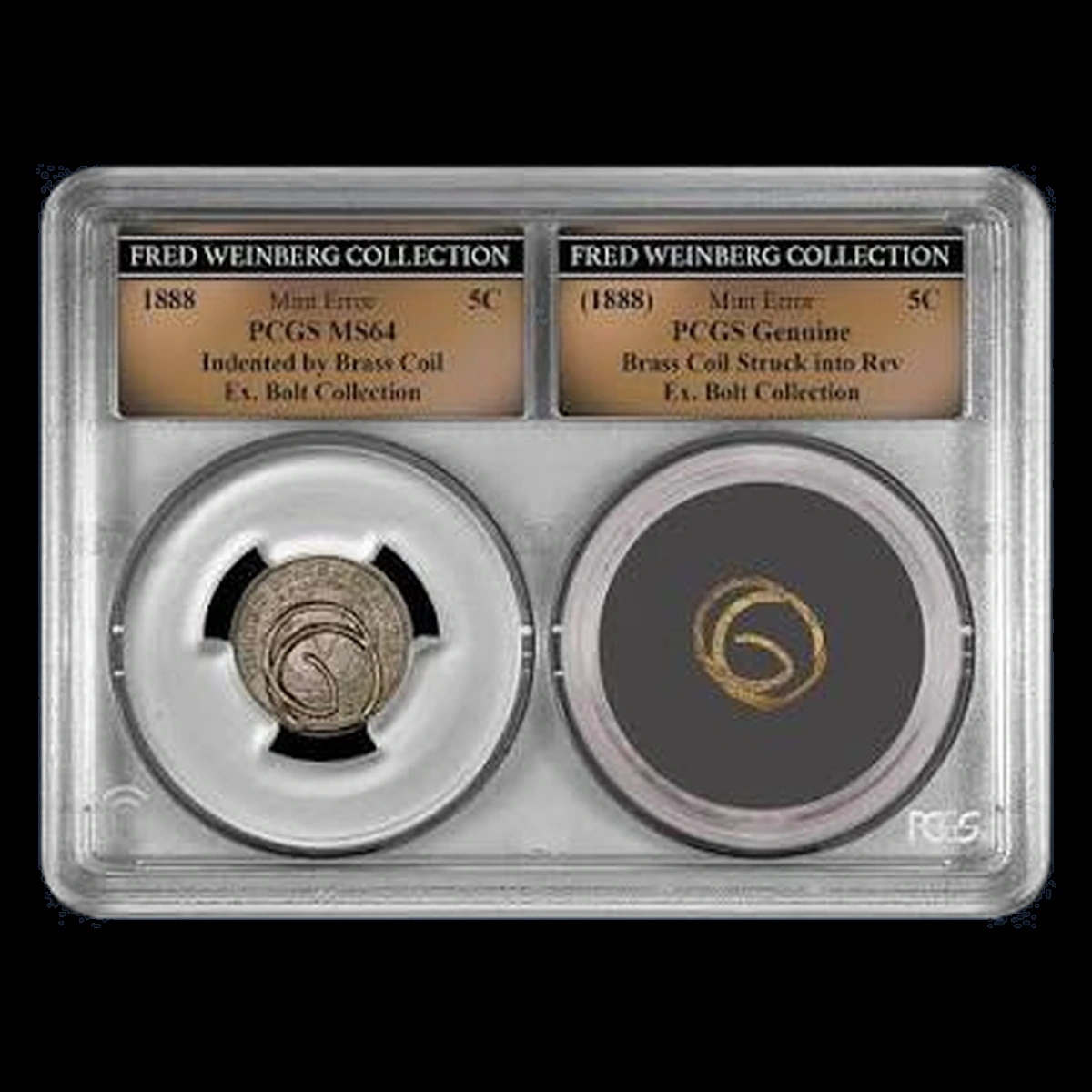
The object that caused an error can sometimes survive with the coin. An 1888 Liberty nickel and the brass coil pressed into its back sold together for $15,600 in May 2022.
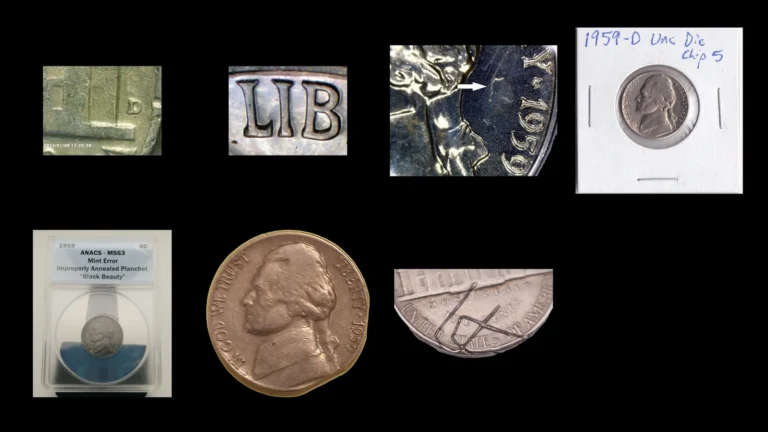
Estimated values for these 1888 nickel errors span $25–$20,000. Start with unusual surface marks, then use the date, ear, and complete outline to narrow the comparison.
1. 1888 Nickel Curved Recesses With the Original Object: Brass-Coil Strike-Through Error
A brass coil lay between the blank and the back die during this nickel’s strike. It left curved depressions and later fell free, but remained with the coin.
Parts of the wreath, V, CENTS, and CA in AMERICA were struck onto the coil. Those details connect the loose object with the interrupted design.
How to Identify
Compare photographs of the coil’s curves with the recesses on the nickel. Then look for the transferred letters and design on the coil itself.
Keep the object protected and separate; do not push it back into the coin. Reshaping it would damage evidence of the original fit.
The nickel was struck through brass, rather than made from a brass blank. Its documented PCGS MS64 grade describes an unworn coin with relatively few marks.
What It’s Worth
$10,000–$20,000 is an estimated range for this unusual kind of complete pairing. The original object and its readable impressions account for much of the interest.
The nickel with its accompanying coil brought $15,600 at Heritage in May 2022. The result covers the coin and coil together.
An ordinary dent or a small strike-through without its object is not an equivalent comparison. Losing the coil would remove an important part of this example’s appeal.
2. 1888 Nickel A Local Patch of Faint Detail: Filled Die Error
Grease or debris can fill part of a die and stop that area from forming its normal design. The die is the steel tool that stamps the coin.
An 1888 year guide reports a seller’s grease-filled-die example. It does not identify an exact missing letter or a certified specimen.
How to Identify
Compare the weak patch with nearby detail of similar height. Local missing design beside strong lettering deserves a different check from wear across all the high points.
Move the light across the patch to look for scraping or polishing. A naturally struck surface supports a blockage more than an area where finished detail was removed.
General softness can also come from a weak strike. Do not identify grease from one faint letter without considering the rest of the coin.
What It’s Worth
$25–$250 is an estimated range for a convincing original filled-die error. A clear interruption beside sharp detail is generally more interesting than slight overall weakness.
The supplied year guide reports a $227.74 asking price. That seller’s offer is not a completed transaction.
3. 1888 Nickel A Raised Patch on the Back: Reverse Die Break Error
A piece missing from a die leaves room for metal to rise during striking. The resulting patch replaces details that the tool could no longer shape.
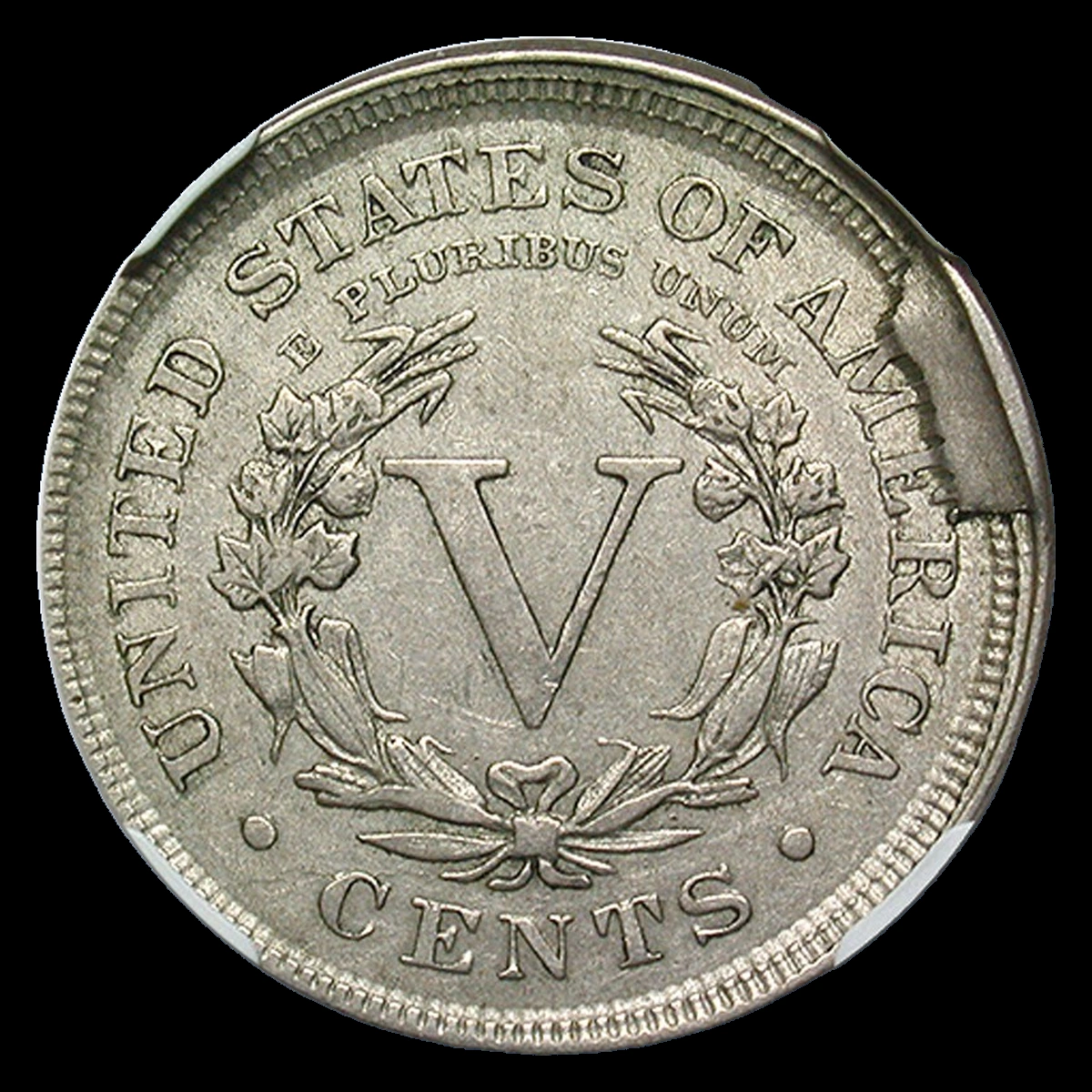
APMEX lists an 1888 example graded NGC XF40 with a reverse die break. XF40 describes a circulated coin with much of its finer detail remaining.
How to Identify
Inspect the patch’s boundary under side lighting. Look for a natural connection to the struck surface instead of a seam from added metal.
Follow the feature toward the rim before calling it a cud, the name for a rim-connected break. The supplied listing does not establish that connection or a precise location.
Dents, corrosion, and solder can create raised-looking areas too. A change in color or a fold of displaced metal needs closer examination.
What It’s Worth
$75–$400 is an estimated range for a visible break on a circulated 1888 nickel. Size, clarity, and the remaining condition help place a coin within it.
The NGC XF40 dealer listing supplies an example but no completed sale amount used here. Compare the actual raised feature rather than the label alone.
4. 1888 Nickel Earlier Digit Curves Around 1888: Repunched Date Error
Repeated use of the date punch could leave parts of an earlier impression in the die. Those extra number strokes then appear on coins struck from it.
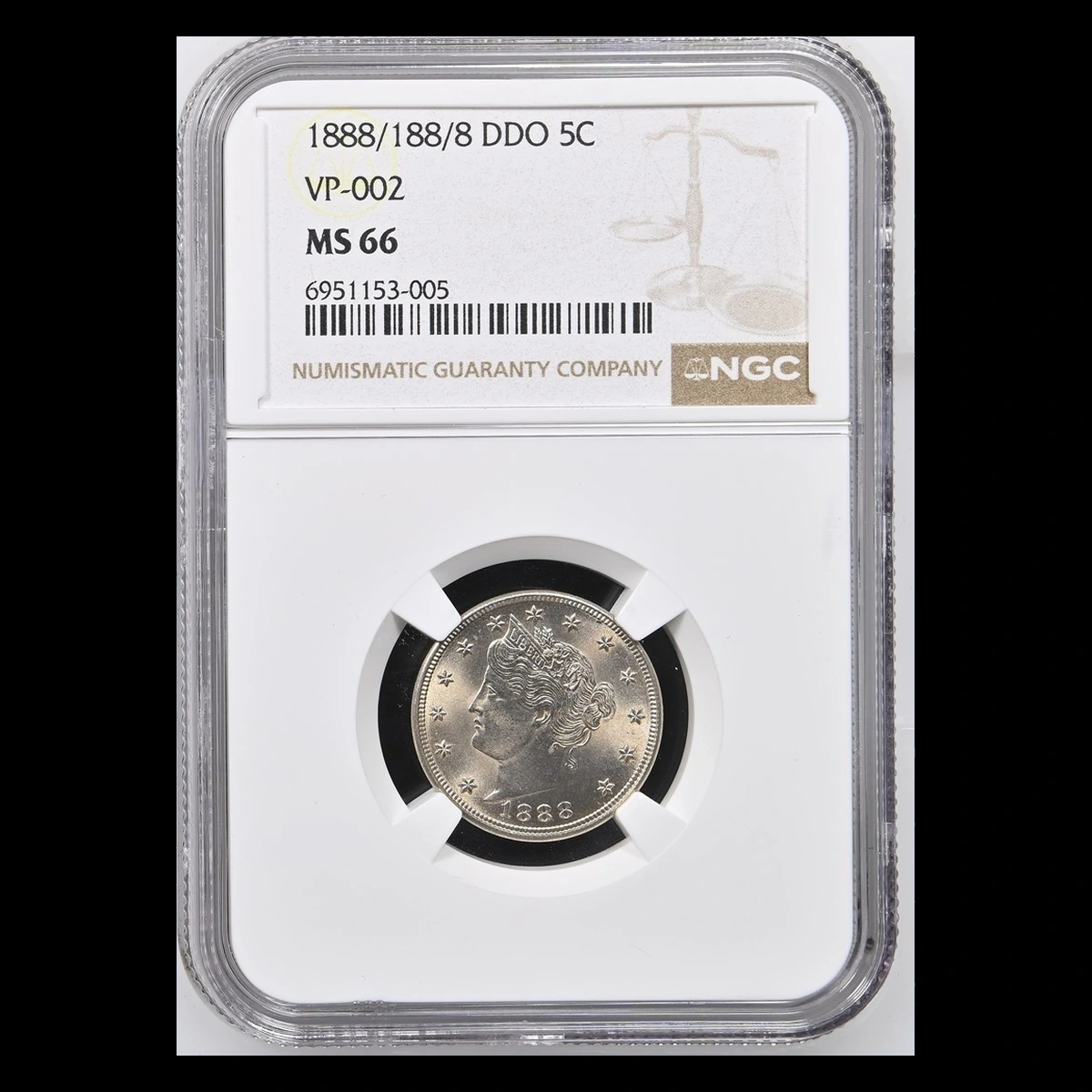
One cataloged nickel combines RPD-003, a repunched date, with DDO-002, a doubled front design. These are two features of the same coin.
How to Identify
Examine the complete date instead of one enlarged bump. The auction description notes repeated parts of 188 and an additional 1 impression.
Match those shapes with photographs of RPD-003. A scratch cuts into the surface, while a flat ledge beside a digit can come from movement during striking.
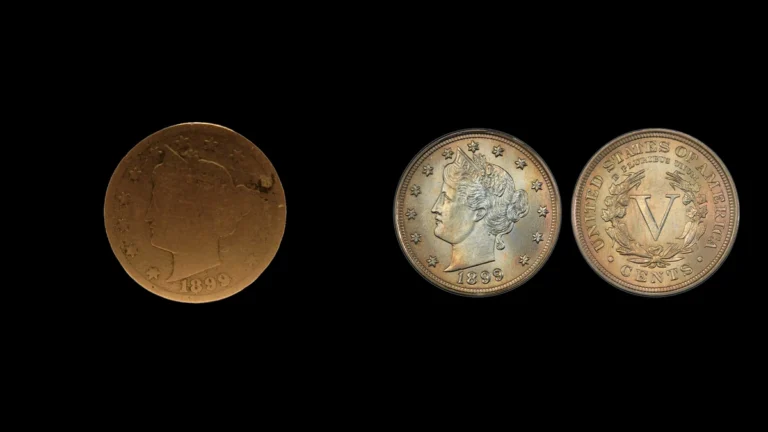
This Liberty nickel variety is different from the famous 1888/7 Indian cent. Confirm the large V and CENTS on the back before using a reference for another denomination.
What It’s Worth
$60–$1,000 is an estimated range for identified repunched-date nickels across circulated and lower unworn grades. Clear earlier digit strokes and original surfaces help the comparison.
The ANACS MS64 coin with both RPD-003 and DDO-002 sold for $552 at Heritage on March 4, 2024. That price covers its condition and both features together.
5. 1888 Nickel An Extra Ear Outline or Repeated Letters: Doubled Die Error
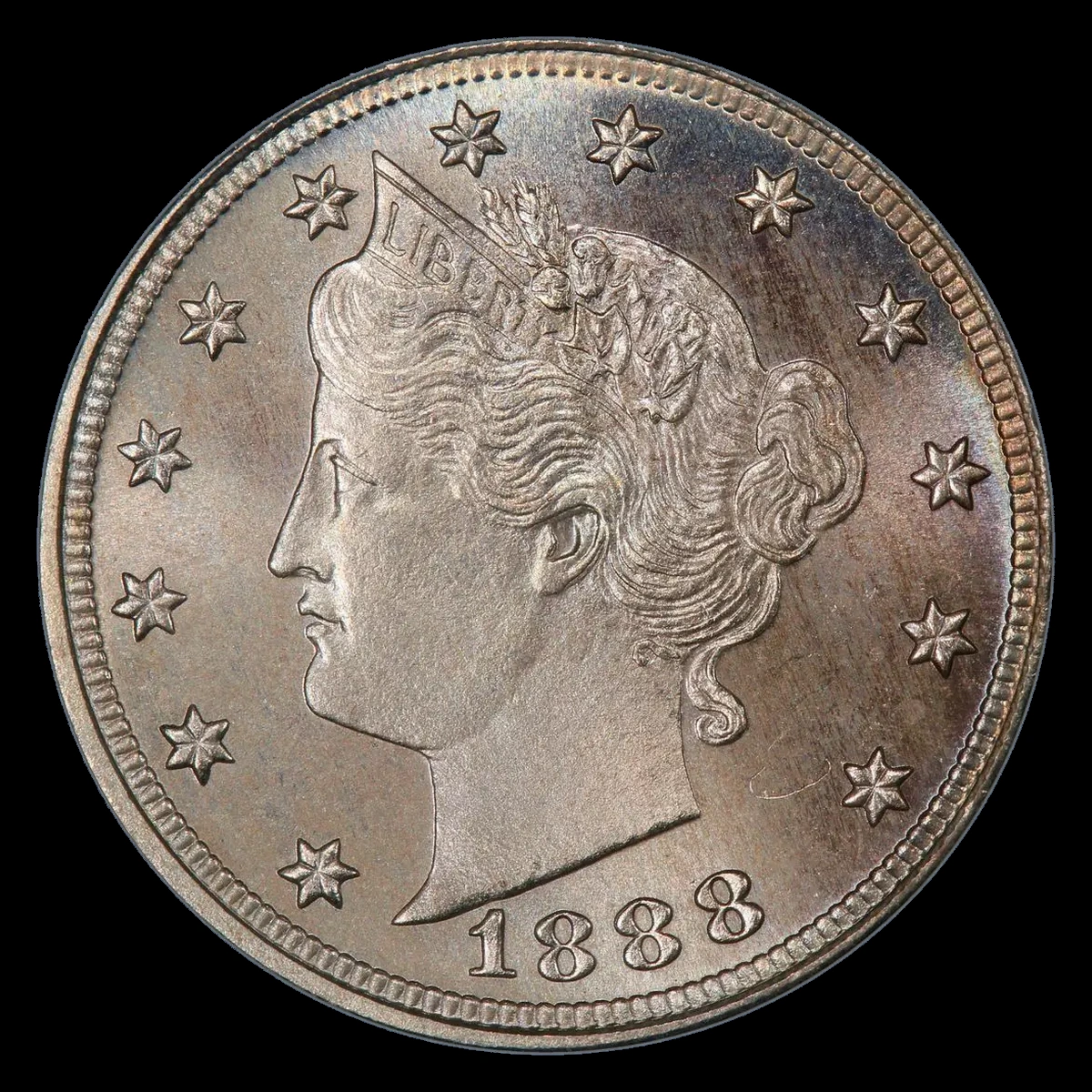
FS-101 has an extra contour beside Liberty’s ear. Another front variety affects the left stars, portrait, and LIBERTY and can occur with a repunched date.
A separate back variety has doubling on small dots, CENTS, RICA in AMERICA, and the lower wreath. Each pattern came from its own doubled die.
How to Identify
Choose the area that matches your coin before checking every listed feature. For FS-101, begin at the ear; for a back variety, follow the lettering and wreath.
Seek distinct repeated contours or matching split edges across the affected areas. Worn thick edges and flat shelves can imitate doubling without matching a known pattern.
A front variety need not have the back variety’s features. Nor does every front-doubled coin have the RPD-003 date.
What It’s Worth
$75–$2,000 is an estimated range for recognizable doubled dies in worn through attractive unworn condition. Bold, easily matched detail tends to be more appealing.
The $552 March 2024 sale noted above involved DDO-002 with a repunched date. It does not set a separate price for FS-101 or the back-doubled variety.
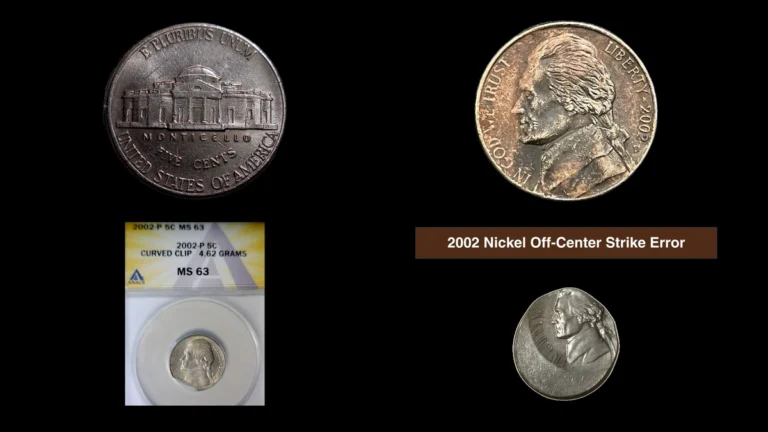
6. 1888 Nickel Bare Metal Beside a Shifted Design: Off-Center Strike Error
A blank out of position can leave the design cropped on one side and untouched metal on the other. Even a modest shift can be visible around the outer lettering.
The documented examples include a 5% off-center PCGS AU55 coin and a separate 10% NGC VG10 report. The first has light wear; the second is much more worn.
How to Identify
Compare both faces to see whether the same displacement affects them. One uneven border on only one face may come from a misaligned die.
Keep the full date visible and inspect the bare margin for filing or grinding. Original unstruck metal differs from a finished design removed later.
Neither percentage establishes a clock direction. Use the actual coin’s photographs rather than assigning one from another example.
What It’s Worth
$150–$800 is an estimated range for dated examples around the reported 5–10% shifts. Condition and the clarity of the blank area can matter as much as displacement.
The 5% PCGS AU55 nickel sold for $373.20 at Heritage on August 15, 2020. The larger shift on the VG10 report does not erase its much heavier wear.
7. 1888 Nickel An Unusually Light Coin: Cent or Foreign Blank Error
Two recorded 1888 nickels received their designs on metal intended for other coins. A bronze cent-blank example weighs 3.1 grams, while a separate foreign-blank coin weighs 3.2 grams.
The cent example is graded NGC MS64 Brown. The foreign example is NGC XF45, and its intended country and denomination are not specified.
How to Identify
A normal Liberty nickel weighs 5 grams and is about 21.21 millimeters across. Both reported error weights are much lower, but weight alone cannot distinguish their blank types.
A bronze cent blank starts at about 19.05 millimeters across and may spread under the nickel dies. Check how the design fills the metal, along with color and edge condition.
The foreign blank needs its own material and size assessment. Do not assign a country from its 3.2-gram weight or borrow the cent coin’s attribution.
Inspect for coatings, filing, or rough metal loss. An altered ordinary nickel may be light without having started on a wrong blank.
What It’s Worth
$700–$6,000 spans the estimated ranges for these separate blank types. Comparable cent-blank examples are estimated at $2,500–$6,000, while the reported foreign type and condition fit about $700–$1,800.
The 3.1-gram MS64 Brown cent-blank nickel sold for $4,743.75 in January 2007. The separate 3.2-gram XF45 foreign-blank coin brought $1,037 on June 29, 2026.
Keep each result with its own coin and attribution. Similar weight does not make the two examples equally valuable.
Conclusion
The brass-coil pair stands out because the original obstruction survives with readable parts of the design. Smaller discoveries need equally clear connections between the visible mark and the error being claimed.
Across an estimated $25–$20,000, identify the date pattern, doubled area, or wrong blank before choosing a price. A coin carrying two varieties still has one total value, while a documented coin-and-object pair should remain together.