Rare 1929 Nickel Errors (List & Pictures)
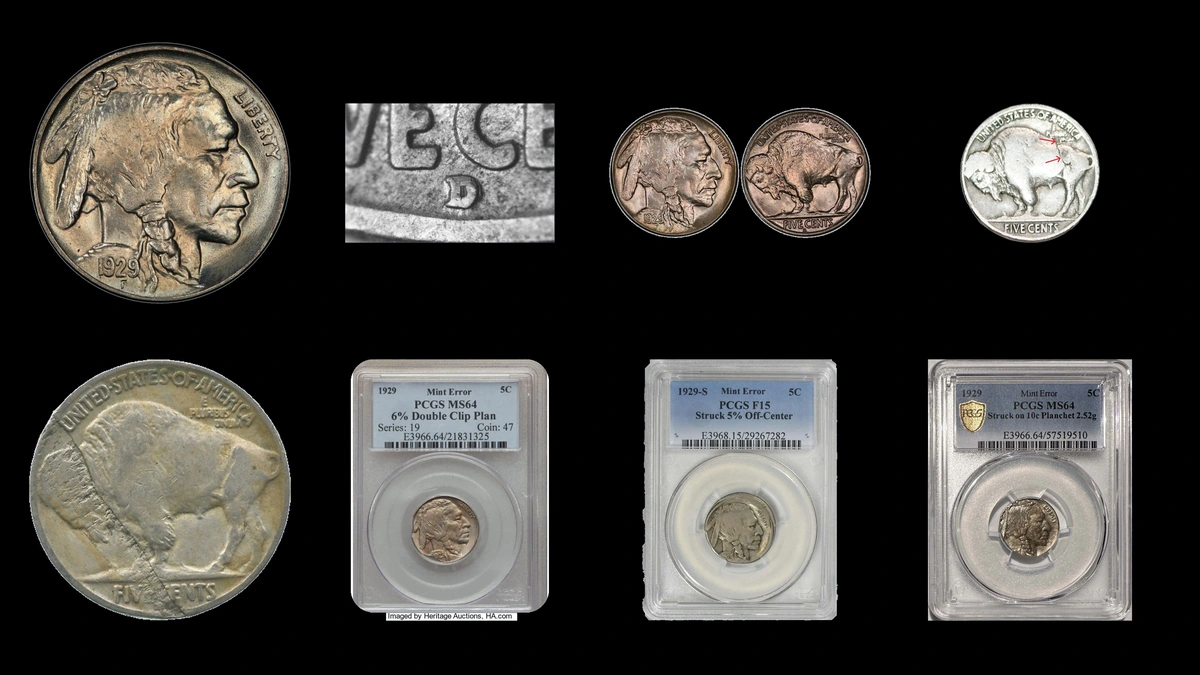
A missing feather, a doubled date, and an actual opening in the metal point to very different 1929 nickel errors. The examples below span roughly $20–$15,000, with a cent-planchet Buffalo nickel reaching $9,775 in January 2006.
Read the date and mintmark first, then examine the feathers, surface, and outline to choose the relevant section.
| What you notice | Possible explanation | Estimated value |
|---|---|---|
| Extra contours in the date or lettering | Doubled die | $25–$3,000 |
| A second part of D or S | Repunched mintmark | $20–$1,000 |
| The small third feather is absent | Two Feathers variety | $50–$3,000 |
| A raised line | Die crack | $30–$600 |
| A fracture through the coin | Cracked planchet | $40–$500 |
| A attached metal flap | Lamination | $30–$700 |
| One or more curved gaps | Clipped planchet | $50–$800 |
| The design misses part of the blank | Off-center strike | $100–$4,000 |
| Wrong size, weight, or metal | Wrong planchet | $2,000–$15,000 |
1. 1929 Nickel The Date or Lettering Has Extra Outlines: Doubled Die Error
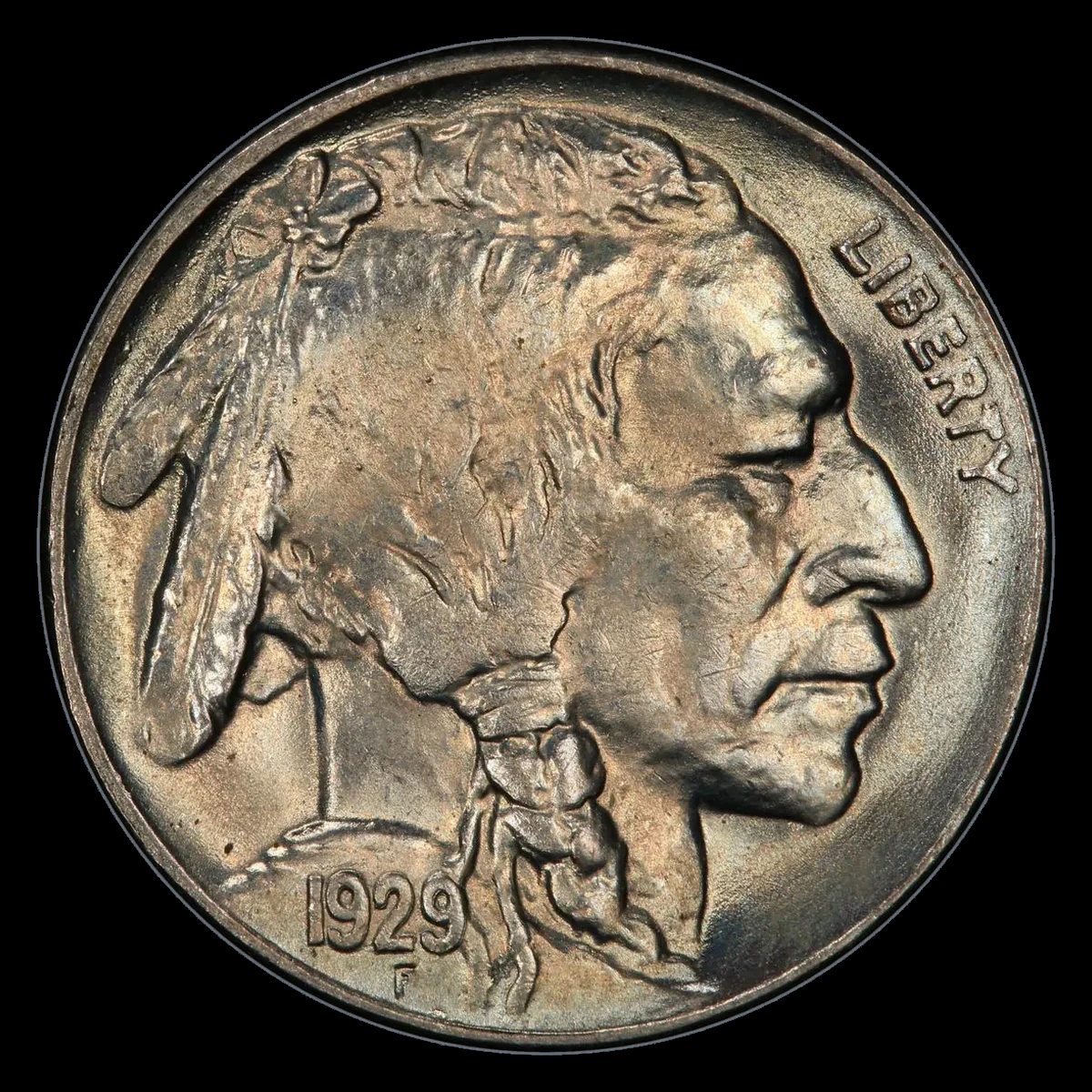
On the Philadelphia FS-101 variety, concentrate on the date and the braid in the portrait’s hair. Doubling is stronger there than on the face and feathers.
The extra detail was present on the die, so it repeats on coins struck from that particular tool. Three reverse patterns are also cataloged, involving the upper motto and other lettering, with additional detail on the buffalo’s head in one pattern.
How to Identify
Look for distinct, rounded contours that match a specific variety photograph. A flat shelf beside a letter can come from movement during the strike and does not establish a doubled die.
The front and back patterns are separate varieties, not four stages of one developing error. Check that the date is 1929 and that the mintmark area is intact before identifying a coin as a Philadelphia issue without D or S.
What It’s Worth
$25–$3,000 is an estimated range across the supplied varieties and conditions. Strong date-and-braid doubling should not set the price for a coin with only faint reverse doubling.
No completed sale was supplied for these individual patterns. Attribution and the amount of surviving detail matter more than the general word “doubled.”
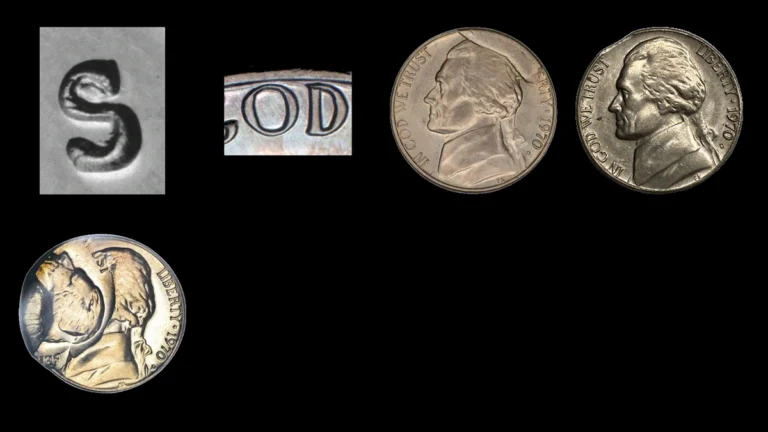
2. 1929 Nickel D or S Contains Another Letter Fragment: Repunched Mintmark Error
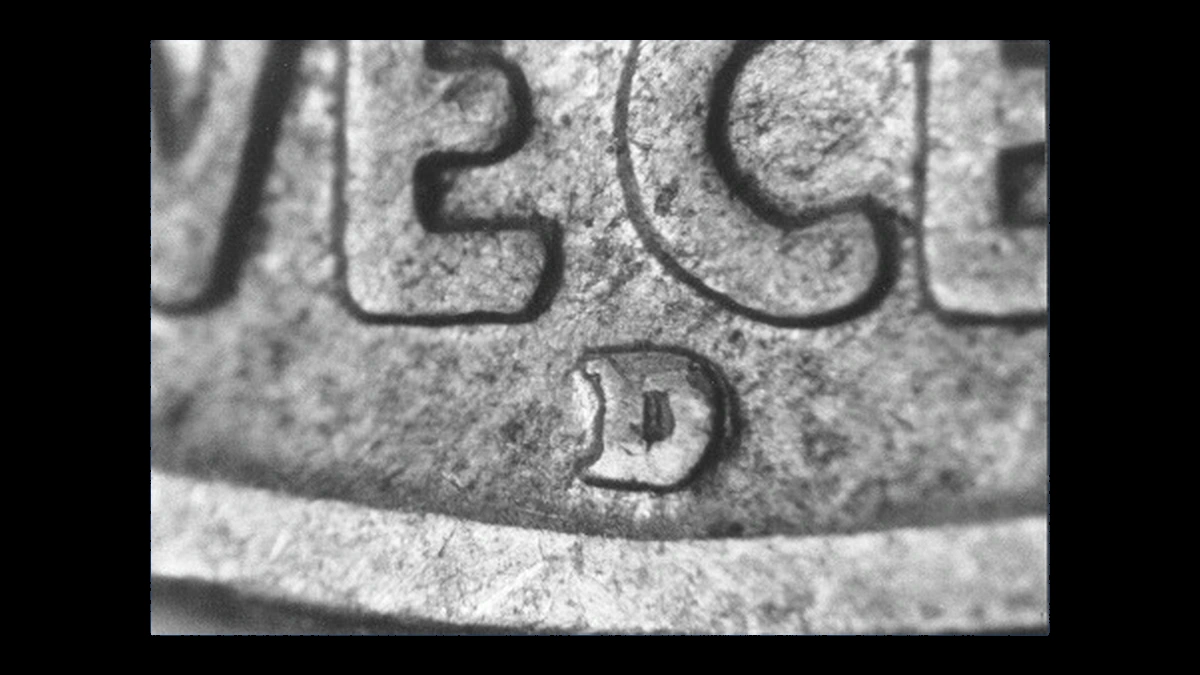
The mintmark sits below FIVE CENTS on the reverse. An earlier punch can leave a small curve or upright beside the final D or S when the mintmark was applied more than once.
Denver examples include a D to the right and a different pattern with an earlier D at the lower left. San Francisco varieties have remnants above, beside, or below the final S, and some involve more than two punches.
How to Identify
Compare the letter fragments with the relevant images in Wexler’s Buffalo nickel mintmark listings. Catalog numbers can overlap between reference systems, so the number alone is not a match.
Raised curves belonging to a second letter are useful evidence; random bumps, scratches, and a flattened edge are not. The F beneath the date is the designer’s initial and is not the mintmark.
What It’s Worth
$20–$1,000 is the estimated span for the listed repunched mintmarks. The supplied material does not document a completed sale that fixes a price for every pattern.
A clear, correctly attributed mintmark on a well-preserved nickel generally makes a stronger comparison than a worn coin with an uncertain extra mark.
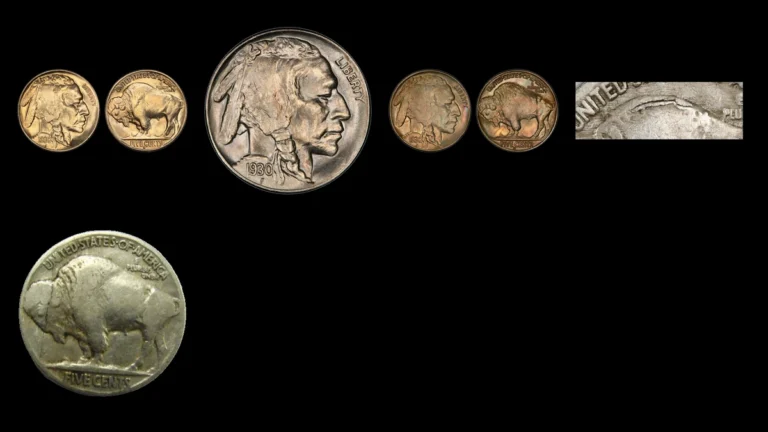
3. 1929 Nickel Only Two Feathers Remain in the Headdress: Two Feathers Variety Error
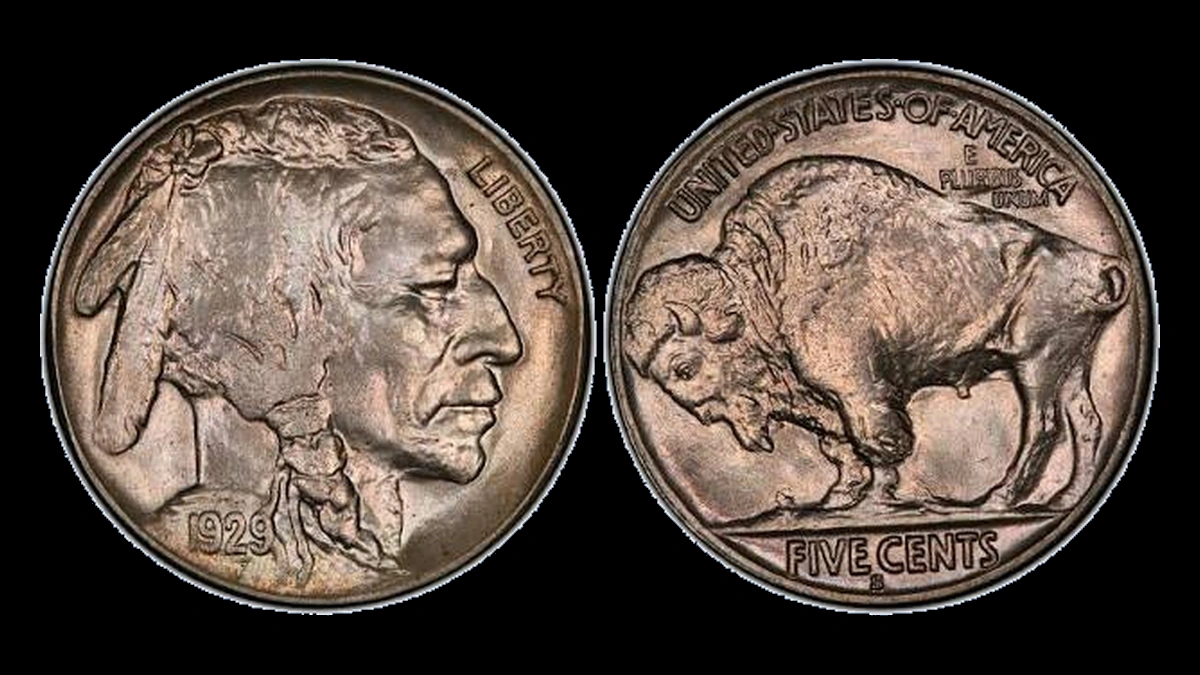
The 1929-S FS-401 variety lacks the small third feather behind the larger feathers. The omission belongs to the die rather than to an individual coin that lost detail in circulation.
How to Identify
Confirm the 1929 date and the S on the reverse, then inspect the expected position of the small feather. Compare the surrounding details with an attributed FS-401 example instead of counting only the two most obvious feathers.
Heavy wear can erase a faint feather while also flattening adjacent hair and headdress details. Scraping or polishing a coin can produce another misleading absence.
What It’s Worth
$50–$3,000 is the estimated range for genuine examples in different conditions. No completed auction result was supplied for this variety.
Clear attribution and preservation support the upper portion of the range. An indistinct third feather on a heavily worn, unattributed nickel does not justify the same price.
4. 1929 Nickel A Thin Line Stands above the Surface: Die Crack Error
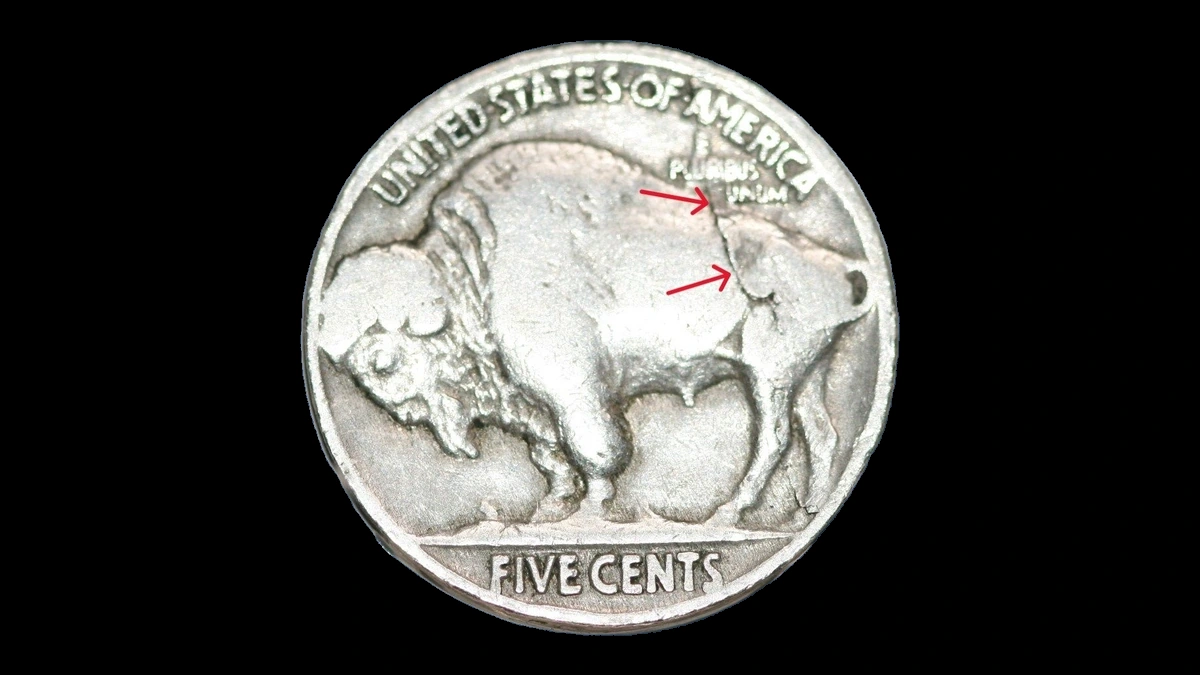
A reported 1929-S nickel graded PCGS VF35 has a front-side crack near the rim. It has been described as a pre-cud, meaning a cracked-die stage before a piece of the die breaks away.
Metal enters the crack during striking and leaves a raised line on the coin. A missing piece of die would instead produce the broader, relatively featureless raised area called a cud.
How to Identify
Use angled light to see whether the line rises above the surface. A scratch cuts down into it, while an edge impact may displace metal beside a dent.
The supplied description does not establish an exact route for the VF35 coin’s crack. Retained design beside a raised line is more informative than assuming that every rim-adjacent lump is a pre-cud.
What It’s Worth
$30–$600 is an estimated range for the reported die-crack category. The VF35 example provides an identification reference, but no completed sale was supplied.
Crack size, visibility, and the nickel’s own condition all contribute to the whole-coin value. A faint line does not warrant the price of a major die break.
5. 1929 Nickel The Coin Has a Real Fracture: Cracked Planchet Error
A cracked planchet has an opening in the metal itself. This differs from the raised copy of a die crack described above.
One supplied 1929 example was certified by ANACS with G4 details and damage noted. Its heavy wear and additional damage make it a limited comparison for a cleaner, more clearly preserved fracture.
How to Identify
Inspect both faces and the edge without bending the coin. An original blank defect must be distinguished from a split created by a later impact or other abuse.
The reference does not supply a dependable path or clock position for this fracture. Certification of the specific defect is especially useful when circulation and damage have obscured its origin.
What It’s Worth
$40–$500 is the estimated range for a genuine cracked-planchet example. The damaged ANACS G4-details coin sold for $84 in April 2022.
That result prices the complete worn and damaged coin. Later damage can reduce its appeal even when an original mint defect is also present.
6. 1929 Nickel A Metal Flap Remains Attached: Lamination Error
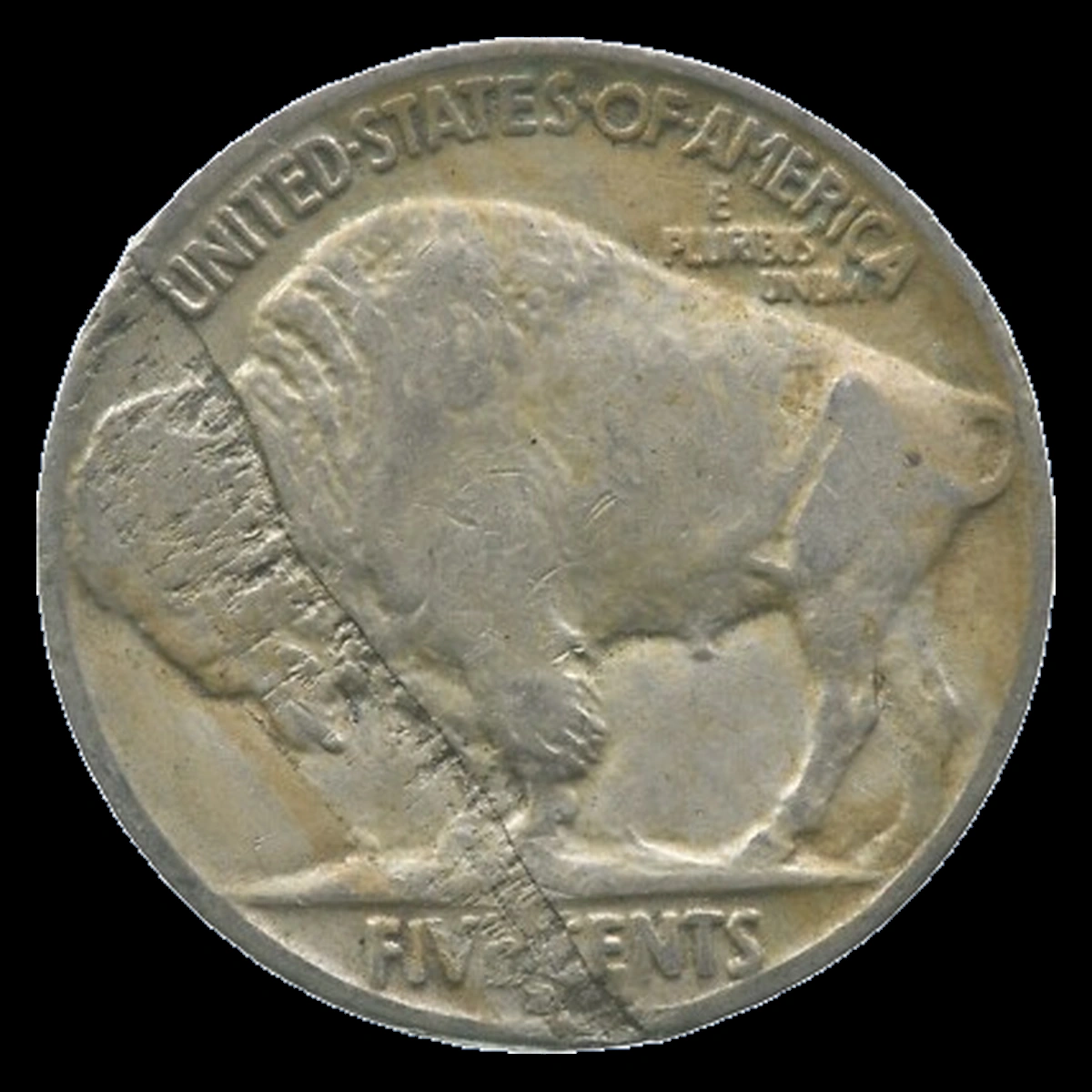
A 1929-S nickel graded PCGS MS64 shows a retained lamination on the reverse. A weak area within the alloy allowed part of the surface to separate while remaining attached.
Buffalo nickels are solid alloy coins, so this is not a silver coating peeling from a copper core. The flap’s boundary helps distinguish the defect from ordinary wear.
How to Identify
Look for a naturally separating sheet of metal and the texture beneath or around it. Do not lift an attached flap to investigate, because doing so changes the error.
A gouge can also create a loose sliver, but it commonly carries an impact track or displaced metal. The supplied MS64 description gives no exact clock position for its retained area.
What It’s Worth
$30–$700 is the estimated range for these laminations. The PCGS MS64 1929-S example realized $149.50 in April 2010.
That is the sale price of the entire nickel, including its date, mint, preservation, and lamination. It is not an additional amount to add to a normal MS64 coin’s value.
7. 1929 Nickel Curved Sections Are Missing from the Outline: Clipped Planchet Error
A blanking punch that overlaps a previously cut hole can produce an incomplete blank. After striking, the nickel retains a curved gap in its outline.
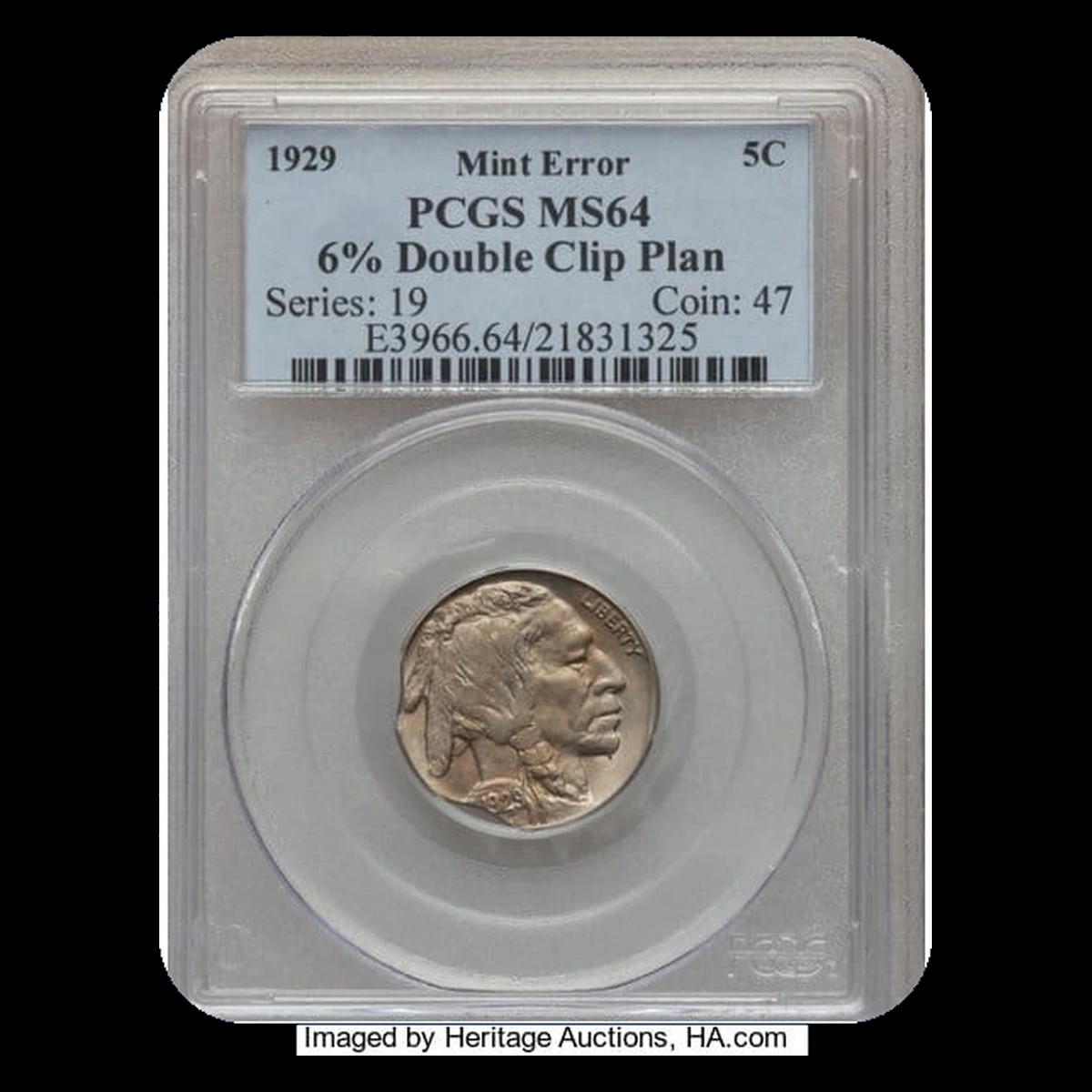
One 1929 example graded NGC MS62 has a 5% curved clip at about four o’clock. A separate MS64 reference describes a double clip totaling 6%, without establishing matching positions or shapes.
How to Identify
Examine the rim as it approaches each gap and look for metal flow consistent with striking an incomplete blank. A weaker rim opposite a clip can help, but its absence alone does not disprove the error.
Saw marks, filing, and sharp cutting burrs suggest later removal. Evaluate each gap on a double-clipped coin independently rather than assigning the single-clip example’s four-o’clock position to both.
What It’s Worth
$50–$800 is the estimated range for genuine clipped examples. The NGC MS62 nickel with the 5% clip sold for $168 in July 2021.
The separate MS64 double clip carried a $250 guide figure in 2015. That guide estimate is not a completed auction result.
8. 1929 Nickel Part of the Design Falls off the Blank: Off-Center Strike Error
A blank that is not fully beneath the dies receives only part of the design. The exposed, unstruck area and missing design should correspond on both faces.
A PCGS MS64 example was struck 40% off center toward two o’clock, losing much of the portrait’s profile and the mintmark area while retaining the date. Its mint cannot be identified from an area that was never struck.
How to Identify
Compare the blank crescent with the displaced design on both sides. A coin with an uneven border on only one face may have a different alignment error.
An intact ordinary Buffalo nickel weighs about 5 grams and measures 21.21 mm across, with a plain edge. An off-center strike can retain the proper weight because the metal was displaced rather than cut away.
A separate collector report of an approximately 25% eastward strike questions whether it is a Denver coin. Treat that mint attribution as unresolved.
What It’s Worth
$100–$4,000 is the estimated range, influenced by displacement, readable date, and preservation. The 40% off-center MS64 example brought $2,587.50 in September 2008.
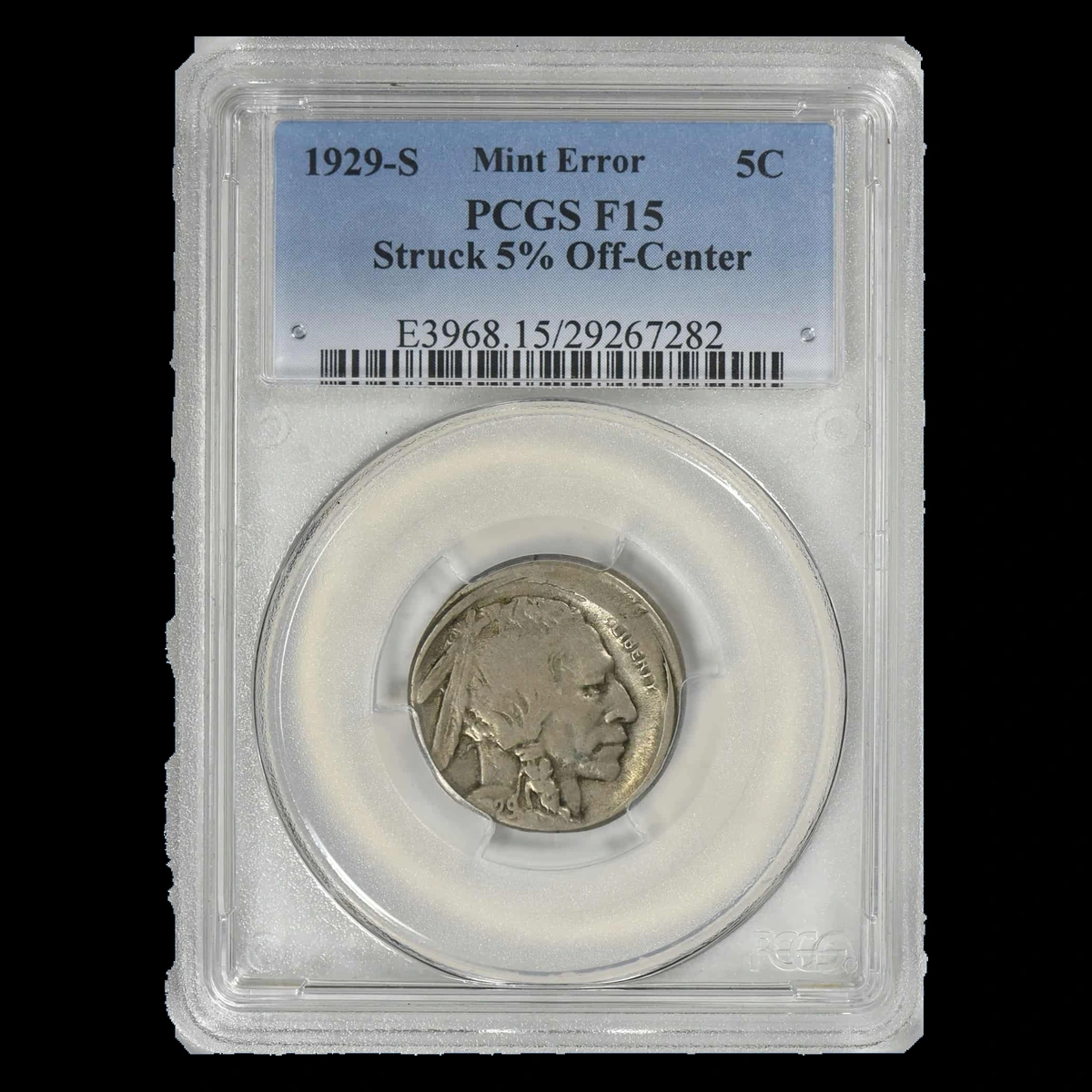
A separate 1929-S struck 5% off center sold for $312 in October 2022 with AU details and cleaning noted. These two results differ substantially in strike extent and condition.
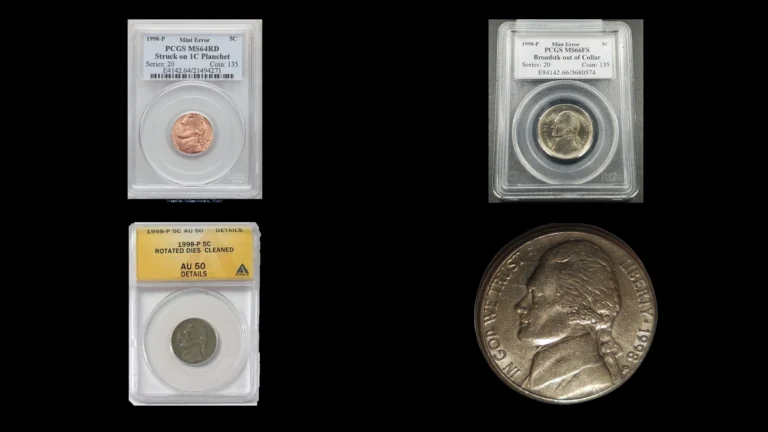
9. 1929 Nickel The Nickel Design Fits the Wrong Blank: Wrong Planchet Error
A Buffalo nickel struck on a cent blank can have brown or copper-toned surfaces and cramped lettering. On the documented MS64 Brown example, part of LIBERTY and the mintmark area fall outside the available metal.
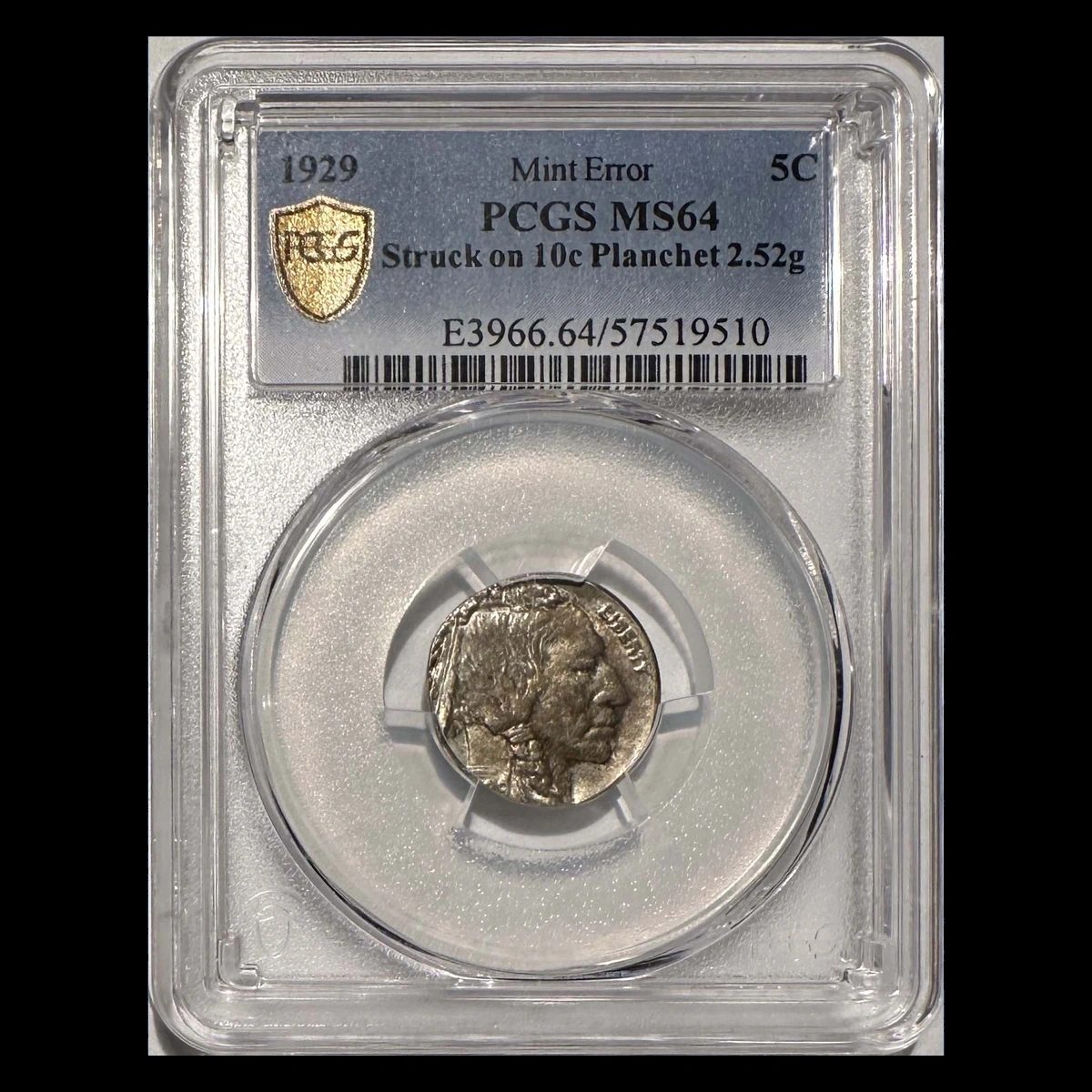
A separate collector report describes a 1929 nickel on a silver dime blank. Both errors require a blank intended for another denomination to enter the nickel press.
How to Identify
A normal contemporary cent blank is approximately 3.11 grams and 19.05 mm; a silver dime blank is approximately 2.5 grams and 17.91 mm. These are reference standards, not recorded measurements of the two reported specimens.
Weight, composition, and the way the design reaches the edge must agree with the attribution. A thinner blank can spread during striking, and a dime blank struck by nickel equipment does not necessarily acquire normal dime reeding.
Plating, trimming, and chemical alteration can mimic individual clues. The cent-planchet coin’s missing mintmark area also means its mint remains unknown, regardless of a general catalog number.
What It’s Worth
$3,000–$15,000 is the estimated range for a cent-planchet example, while $2,000–$8,000 is the supplied estimate for the silver-dime-planchet report. No completed sale was supplied for the latter.
The PCGS MS64 Brown cent-planchet nickel sold for $9,775 in January 2006. Its front has plum and olive tones, while the reverse retains brown surfaces with traces of red.
Conclusion
Read a 1929 nickel in stages: confirm its date and visible mintmark, study repeated die details, and then check the metal and outline. A missing mintmark area cannot establish a Philadelphia origin.
Keep raised die cracks separate from fractures through the coin, and distinguish absent design from later wear or removal. The closest price comparison should share the specific error, condition, and amount of readable design.