Rare 2015 Quarter Errors (List & Pictures)
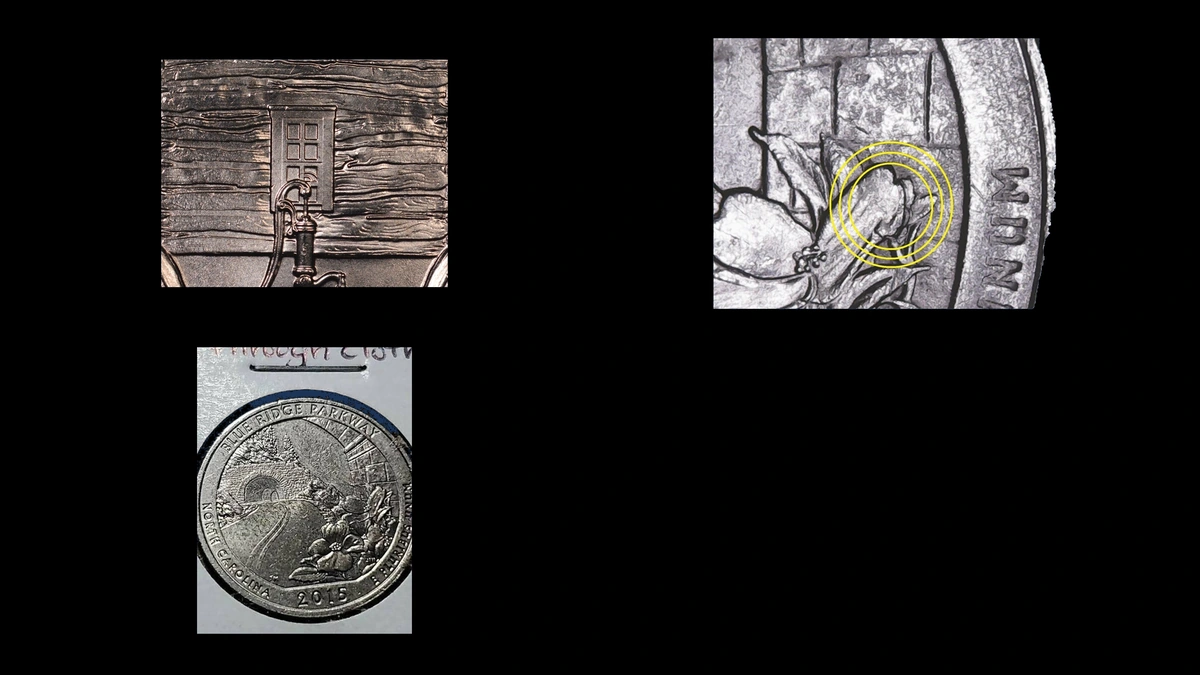
Homestead’s extra pump outline is one concrete starting point for 2015 quarter errors, while reports for other parks need their own evidence. Estimated values here span $0.25–$5,000, including ordinary doubled-looking mintmark look-alikes.
A different-year comparison, a 2022-P Sally Ride quarter on a nickel blank, sold for $10,181 in April 2023. Check each park’s local features before examining the coin’s outline and metal.
| What to inspect | Possible explanation | Estimated value |
|---|---|---|
| Extra pump or other repeated detail | Doubled die or look-alike | $0.25–$150 |
| Raised bucket, eye, roof, or scene mark | Die chip, crack, or cud | $2–$300 |
| One face displaced | Misaligned die | $10–$150 |
| Depressed or locally missing design | Struck through material | $20–$300 |
| Split metal plus another interruption | Reported combined error | $50–$600 if confirmed |
| Missing edge section | Clipped planchet | $30–$350 |
| Expanded outline and complete design | Broadstrike | $25–$300 |
| Blank crescent opposite cropped design | Off-center strike | $50–$1,000 |
| Copper exposed beneath absent layer | Missing cladding | $100–$1,500 |
| Design fits different metal or size | Reported wrong planchet | $500–$5,000 if authenticated |
1. 2015 Quarter An Extra Pump Shape Appears in a Window: Doubled Designs and Look-Alikes Error
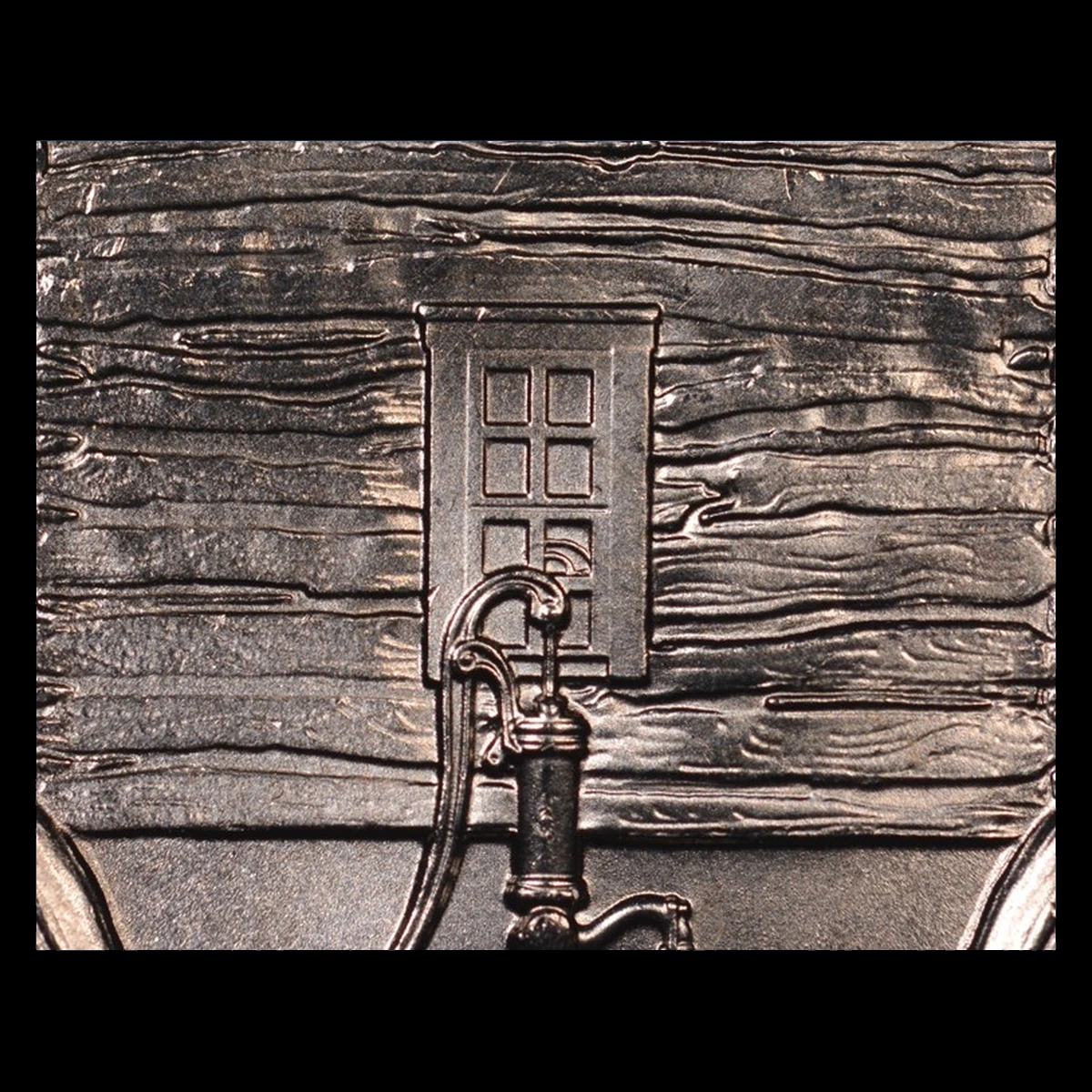
NGC documented a Philadelphia Homestead doubled reverse in 2015. An extra outline from the water pump’s top appears inside a right-side window pane.
Other reports concern Philadelphia Kisatchie’s LIBERTY, Denver Kisatchie’s motto and reverse lettering, and Saratoga reverse details. A doubled-looking Kisatchie P also needs examination, but modern mintmarks were part of the design rather than separately hand-punched.
How to Identify
For Homestead, compare the window with NGC’s illustrated pump-top variety. That reverse feature does not prove a doubled front on the same coin.
Keep the Kisatchie mints and Saratoga reports separate, matching the actual face and mintmark. Flat shelves beside letters can be mechanical doubling, and a repeated-looking P is not an old-style repunched mintmark.
What It’s Worth
$5–$150 is the estimate for clearly matched doubled designs, while an ordinary or mechanically doubled P may remain around $0.25–$2. No completed variety sale was supplied for these examples.
Visibility and preservation influence the comparison. Any confirmed front and reverse features belong to one whole-coin value.
2. 2015 Quarter Raised Metal Changes a Bucket, Eye, or Scene: Die Cracks and Chips Error
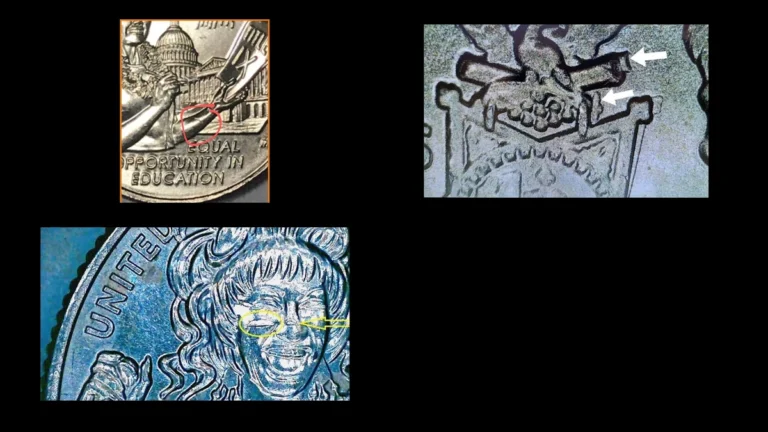
Homestead’s leaky-bucket appearance comes from raised metal beneath the bucket, with roof marks also reported. Bombay Hook has a lump behind the heron’s eye that can resemble a second eye.
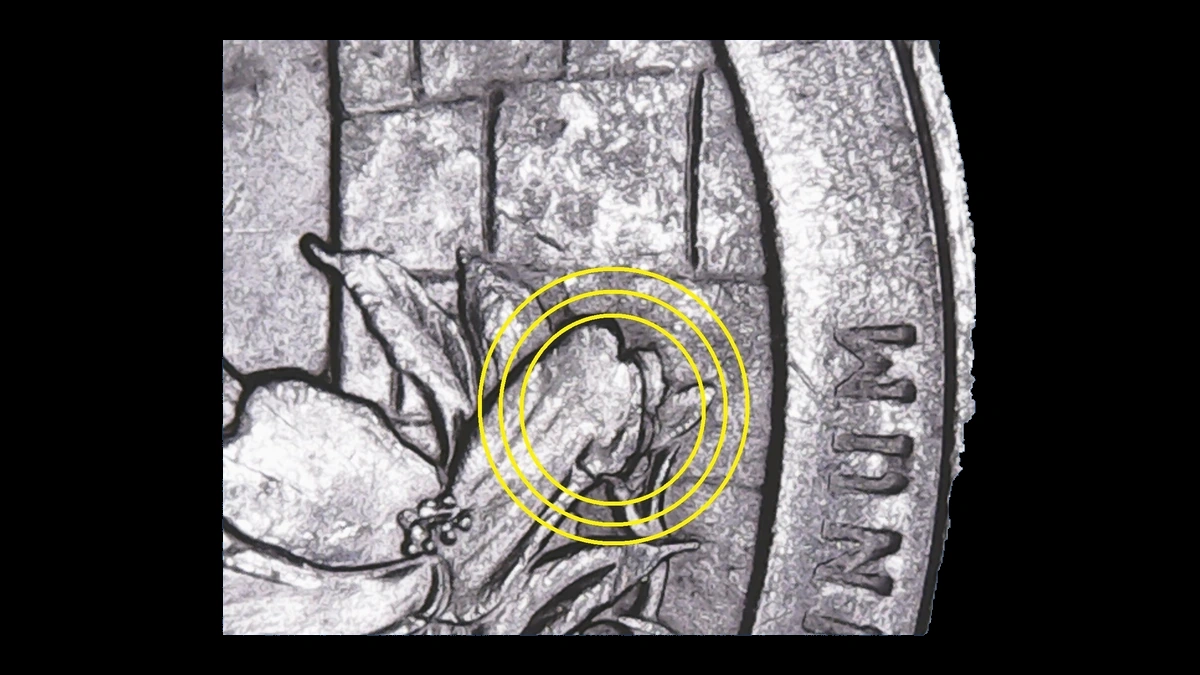
Blue Ridge reports involve the tunnel, blossoms, or leaves, while Saratoga has an interior lump. Cracked dies leave raised lines and chipped dies leave thicker patches; a substantial Homestead break connected to the rim is a cud.
How to Identify
Compare with an undamaged quarter of the same park and determine whether the feature is truly raised. Normal roof edges, leaves, or eye shadows can be misleading in blurred photographs.
Inspect the base for original struck metal rather than an added deposit or an impact lip. A Saratoga interior chip is not a rim cud, and different parks or mints require separate specimen matches.
What It’s Worth
$2–$30 is the estimate for small chips, with $30–$300 for larger visible breaks. Shape, condition, and collector interest matter more than the nickname.
The heron’s second-eye appearance can be recognizable without being a high-priced rarity. Corrosion or later damage does not share the mint-error range.
3. 2015 Quarter One Bombay Hook Design Sits too Close to the Rim: Misaligned Die Error
A guide reports a Denver Bombay Hook quarter with one misplaced design. A die shifted sideways can move its image while the opposite face stays centered.
That differs from an entire blank entering off center. An uneven rim alone does not establish either mechanism.
How to Identify
Photograph both faces straight on at comparable size and compare the lettering’s distance from the rim. The one-sided displacement should remain visible after correcting camera angle.
Check the edge for dents, squeezing, or filing that changed the outline later. Matching displacement on both faces calls for an off-center assessment instead.
What It’s Worth
$10–$150 is the estimate for a genuine one-face misalignment. No completed sale was supplied for the reported Denver coin.
A clear shift and readable park identity make the feature easier to demonstrate. A tiny border difference may attract little interest even on an attractive unworn quarter.
4. 2015 Quarter A Kisatchie Design Patch Is Depressed or Absent: Struck Through Material Error
A Denver Kisatchie report describes an obstruction during striking without naming its material or affected face. An object between the blank and die can prevent detail from forming or leave its own impression.
How to Identify
Trace the boundary where normal detail meets the affected area and compare it with wear on nearby high points. A local interruption beside sharp design can differ from broadly worn relief.
A later gouge cuts completed detail and may leave displaced metal at its edge. Preserve anything still attached, and identify cloth or wire only when its texture or shape supports that claim.
What It’s Worth
$20–$300 is the estimate for genuine local struck-through errors on ordinary clad coins. No completed price was supplied for the Denver report.
Size, recognizable texture, and undisturbed surrounding surfaces affect the comparison. A stain or later deposit is not equivalent to an original obstruction impression.
5. 2015 Quarter A Kisatchie Split Accompanies Another Mark: Reported Combined Error
A seller described a Kisatchie quarter as split and struck through material. The guide repeats that description without establishing a grading-service attribution.
The internal separation and claimed obstruction are two observations to test independently. A rough exposed layer alone cannot prove both.
How to Identify
Support any attached metal and inspect the natural layer boundary without prying. Photograph both the remaining connection and visible inner surface.
Then check whether the separate mark shows design blocked during striking rather than damage caused by separation. A complete attached split can retain near-normal mass, while lost metal can reduce it.
What It’s Worth
$50–$600 is the conditional estimate for a genuine split with a clear accompanying obstruction. A reported mid-2024 asking price was about $488.55.
That amount is not a completed sale or a grading-service confirmation. Both features contribute to one coin’s value rather than two full additive prices.
6. 2015 Quarter Part of the Blank Is Missing: Clipped Planchet Error
Homestead and Kisatchie have clipped-blank reports without a universal gap shape or position. A blanking punch can overlap an earlier hole, while other strip shortages can produce straighter or irregular gaps.
How to Identify
Inspect both endpoints of the gap for natural rim formation and metal flow. Saw tracks, filing, or severed finished lettering suggest later cutting.
An ordinary loose clad quarter is about 5.67 grams and 24.26 mm with a reeded edge. Reduced mass and possible opposite-rim weakness support examination but do not establish the clip on their own.
What It’s Worth
$30–$350 is the estimated range for genuine clad clips. No individual completed sales were supplied for the Homestead and Kisatchie reports.
A readable date, identifiable park, and original missing boundary help a larger clip display well. Neither park name proves that two specimens have the same shape or value.
7. 2015 Quarter A Wider Border Still Contains the Complete Design: Broadstrike Error
A broadstrike expands because the collar does not restrain the blank normally. Its intended design can remain complete within a wide or uneven border.
The 2015 year list names no particular park or mint for this category. Identification must come from the actual quarter.
How to Identify
Measure more than one width and trace all outer details on both faces. A large image on a screen cannot establish physical expansion.
Inspect edge formation and natural outward flow, excluding later hammering that crushes finished detail. A blank crescent opposite lost design belongs with the off-center comparison.
What It’s Worth
$25–$300 is the estimate for a genuine clad broadstrike. No specimen-specific result was supplied for the unnamed park report.
Readable identity, clear expansion, and original surfaces guide the comparison. A slightly uneven rim needs more evidence than a broadstrike label.
8. 2015 Quarter An Unstruck Crescent Adjoins a Cropped Park Scene: Off-Center Strike Error
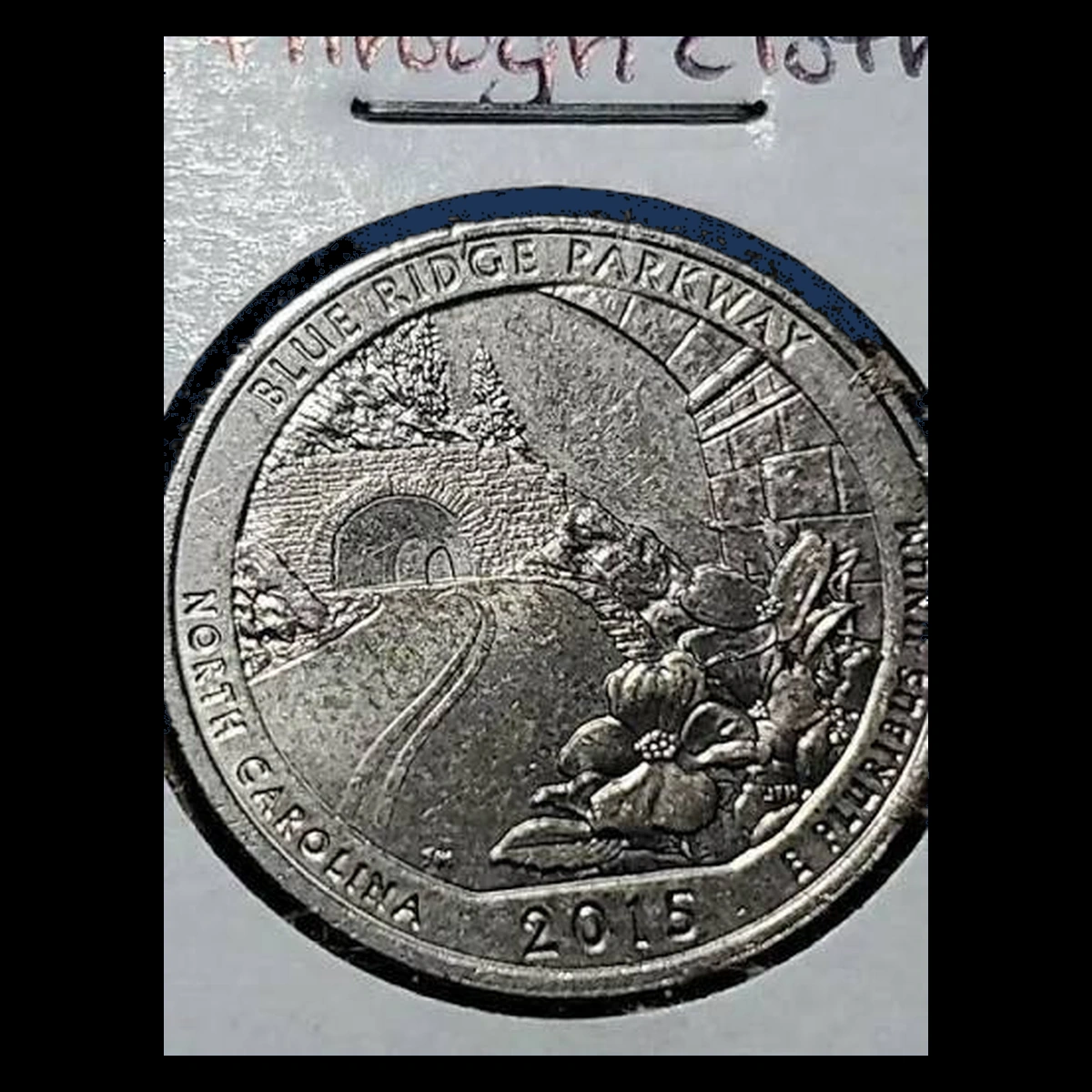
A guide describes a Philadelphia Blue Ridge Parkway quarter approximately 25% off center. Homestead is also reported without one fixed displacement or mint for every example.
The misplaced blank receives only the portion of the design that overlaps its metal. Both faces should record that same displaced position.
How to Identify
Read the surviving date, park name, and mintmark before estimating displacement. Compare untouched metal with lost design on both sides.
A centered opposite face can indicate a shifted die rather than an off-center blank. The 25% figure belongs to the Blue Ridge report and must not be applied to all Homestead examples.
What It’s Worth
$50–$1,000 is the estimate for genuine dated examples of varying displacement and condition. No completed price was supplied for the reported Blue Ridge piece.
A dramatic blank area is less useful if the coin loses nearly all identifying detail. Original surfaces and an undamaged boundary remain important.
9. 2015 Quarter Copper Appears beneath Missing Outer Metal: Clad-Layer Loss Error
Philadelphia Homestead reports describe partial exposure on Washington’s side. A separate Philadelphia Blue Ridge Parkway report concerns the reverse and was described as uncertified.
The ordinary clad quarter has pale outer layers over a copper core. A 2015 silver Proof instead contains 90% silver and does not use that core structure.
How to Identify
Establish the issue before weighing: a normal S silver Proof is about 6.25 grams. For a clad candidate, inspect the affected boundary and surviving layers at the edge rather than interpreting color alone.
Original detail should agree with a layer absent during manufacture, while scraping or chemicals can remove finished metal later. The Homestead front and uncertified Blue Ridge reverse require separate evidence.
What It’s Worth
$100–$1,500 is the estimate for genuine missing-layer errors, with partial and complete losses needing different comparisons. No completed sale was supplied for either report.
Apply the range to the Blue Ridge candidate only after authentication. The original surface and actual exposed area matter more than a brown appearance.
10. 2015 Quarter The Quarter Design Fits an Unexpected Blank: Reported Wrong Planchet Error
Homestead appears in a wrong-blank report, and a broader 2015 list gives the category without naming a park. Neither identifies a particular replacement denomination or alloy.
Differences in size, mass, composition, or design fit are possible clues. They are not recorded measurements of a specific confirmed 2015 specimen here.
How to Identify
Record the candidate’s dimensions and mass before choosing another blank type. Rule out normal silver Proofs and large five-ounce collector pieces, which are separate products rather than wrong-size circulation errors.
Inspect the design-to-edge relationship for original striking rather than trimming, filing, or plating. Nondestructive alloy testing should agree with the proposed blank.
What It’s Worth
$500–$5,000 is the conditional estimate for authenticated wrong-planchet 2015 quarters. The actual blank and preservation would determine the appropriate comparison.
A 2022-P Sally Ride quarter on a nickel blank sold for $10,181 in April 2023. That exceptionally well-preserved different-year coin does not establish nickel stock, a specimen identity, or the same price for any 2015 report.
Conclusion
Identify the park and mint before comparing a 2015 quarter’s unusual feature. Homestead’s documented pump outline, Bombay Hook’s heron chip, and a reported wrong blank have different evidence and value ranges.
Keep uncertain reports qualified, preserve attached metal, and compare both faces for displacement. The Kisatchie split listing’s $488.55 was an asking price, while the high Sally Ride auction comparison concerns a different year and confirmed blank.