Rare 1867 Quarter Errors (List & Pictures)
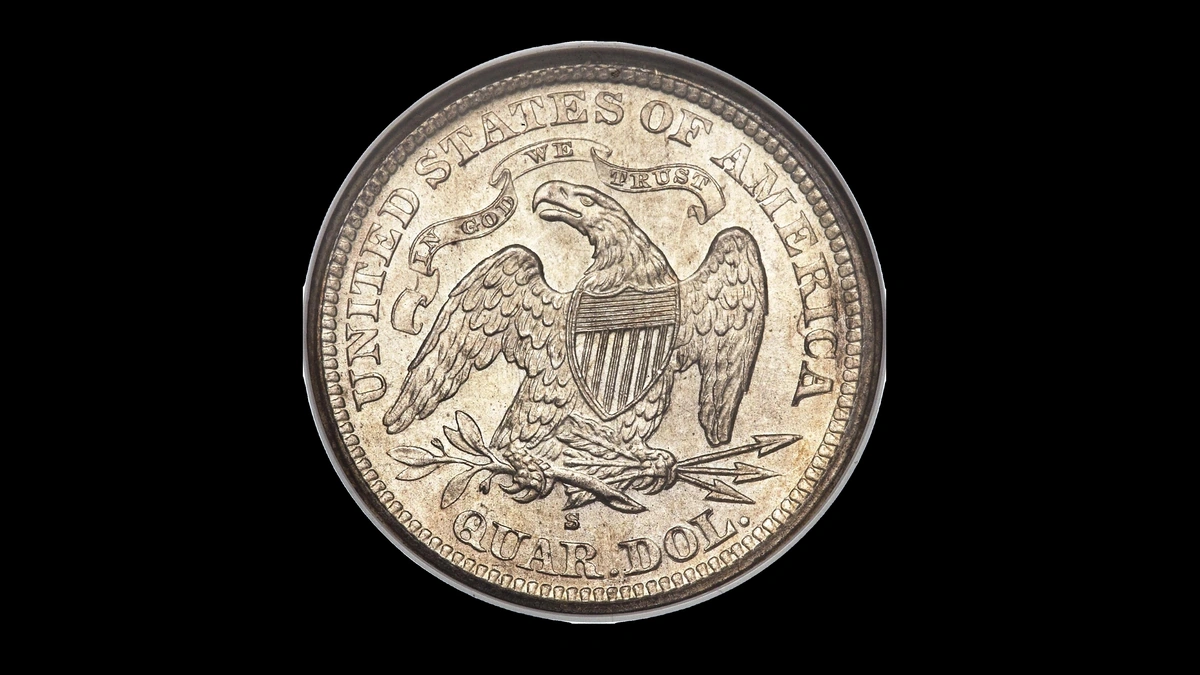
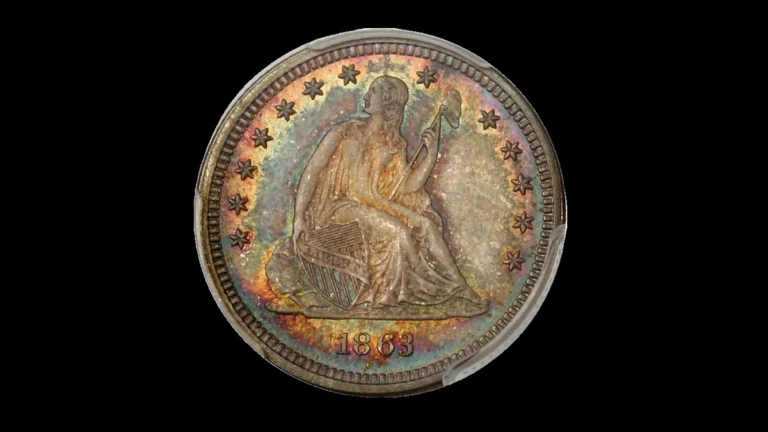
The $88,125 sale of an 1867-S quarter in May 2015 reflects a rare issue in exceptional condition, not a huge premium for its small flaws. This guide to 1867 quarter errors focuses on San Francisco examples and includes ordinary striking features and identifying die marks.
Estimated whole-coin values span $300–$100,000. Read the date and mintmark first, then distinguish marks repeated by a die from a flaw in one coin’s metal.
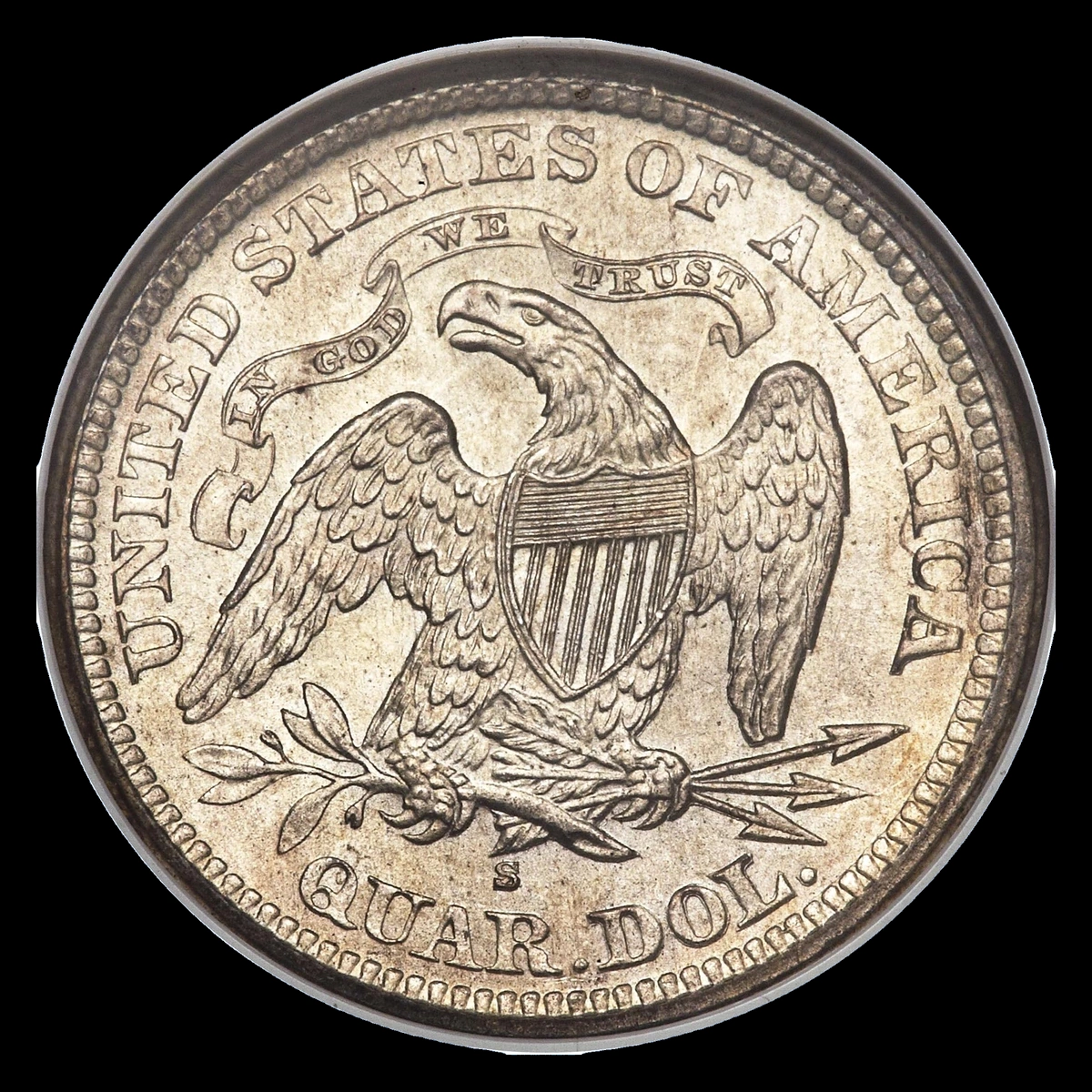
1. 1867 Quarter A Small Line inside the S: Die Scratch Marker Error
A sharp raised line inside the lower loop of the reverse S helps identify the Briggs 1-A die pair. It comes from a scratch in the steel die, rather than a scratch made directly on the coin.
The reverse die had also been used for 1866-S quarters. Its marker can therefore help identify the tool without establishing the date by itself.
How to Identify
Find the S below the eagle and examine its lower loop under magnification. Compare the complete letter and line with a Briggs 1-A reference while changing the light to confirm that the feature rises above the surface.
A later scratch cuts into the coin and may disturb metal along its edges. The short die line is also not proof of a repunched S, which would require recognizable remnants of another mint-letter impression.
Return to the front and read 1867 in full. A matching reverse marker alone cannot separate this issue from the previous year’s use of the same die.
What It’s Worth
$300–$100,000 is an estimated whole-coin range for genuine 1867-S quarters across very different conditions. The marker assists attribution rather than creating a separately priced rare mintmark error.
A PCGS MS63 sold for $20,700 in August 2011 at Stack’s Bowers. Its unworn but less pristine surfaces should be distinguished from the MS67 example discussed below.
2. 1867 Quarter A Faint Raised Line near the First 1: Die Crack Error
The Gardner NGC MS67 quarter has a fine line above and left of the first date digit. Metal entered a crack in the die during striking, leaving a raised trace on the coin.
This does not mean the quarter itself split. The line records a defect in the tool that formed its surface.
How to Identify
Keep the first 1 and adjacent design visible while directing light low across the surface. A faint ridge can become clearer when its shadow changes.
Compare the exact position with the Gardner example instead of accepting any scratch near the date. A deeper cut or a line elsewhere is not the same diagnostic, and cleaning can obscure the subtle original feature.
What It’s Worth
$300–$100,000 remains the estimated range for the complete 1867-S quarter, with preservation driving much of the difference. The fine crack does not carry an independent five-figure value.
It is one feature on the same Gardner coin that also has weak stars and a small metal flake. Those observations must not be turned into separate sale records or prices to add together.
3. 1867 Quarter A Tiny Missing Patch beside the 7: Planchet Flake Error
Immediately right of the final 7, the Gardner quarter has a small missing piece of surface metal. Its auction description attributes this to a flaw in the original blank, the disk that received the design.
A weak area in the blank can separate as a thin flake. Unlike a die marker copied onto multiple coins, this local flaw belongs to the individual specimen.
How to Identify
Locate the final digit and compare the opening beside it with the documented coin. Inspect the boundary without probing or pulling at any loose edge.
A gouge or scrape can leave tool tracks, displaced lips, or cuts through nearby finished detail. A different patch on another 1867-S needs its own assessment rather than inheriting the Gardner attribution.
What It’s Worth
$300–$100,000 is the broad whole-coin estimate, not a premium assigned to a small flake. The Gardner sale record identifies the flaw on the NGC MS67 that realized $88,125 on May 12, 2015.
That exceptional result reflects the rare issue and preservation. A flake on a worn, cleaned, or scratched example does not make it comparable in value.
4. 1867 Quarter Soft Outer Stars on Preserved Surfaces: Weak Strike Error
The outer stars may be less fully formed than Liberty at the center. Metal did not fill all the die’s small recesses equally during striking.
Weak stars are a familiar feature of the 1867-S issue, not evidence of a rare separate error. Even the highly preserved Gardner MS67 shows this contrast.
How to Identify
Compare the stars with the central figure and lettering before judging the entire coin worn. Original incomplete detail can remain soft while the surrounding surfaces show little or no circulation rubbing.
Look for smooth, dull patches on high points that would indicate later wear. Photographs of other 1867-S quarters provide a more appropriate strike comparison than a perfectly formed coin of another date.
What It’s Worth
$300–$100,000 covers estimated values for the whole 1867-S issue across conditions. Weak stars alone do not add an error premium, and the Gardner coin’s $88,125 sale should not be described as the price of faint stars.
Conclusion
The most useful first step is to establish the 1867 date and San Francisco mintmark, then examine each feature in its precise location. A shared die line, a crack, and a specimen-specific flake carry different kinds of evidence.
Judge the quarter’s rarity and preservation as a whole. The Gardner coin illustrates how several original imperfections can coexist with an exceptional grade without each imperfection becoming a separate valuable error.