Rare 1992 Quarter Errors (List & Pictures)
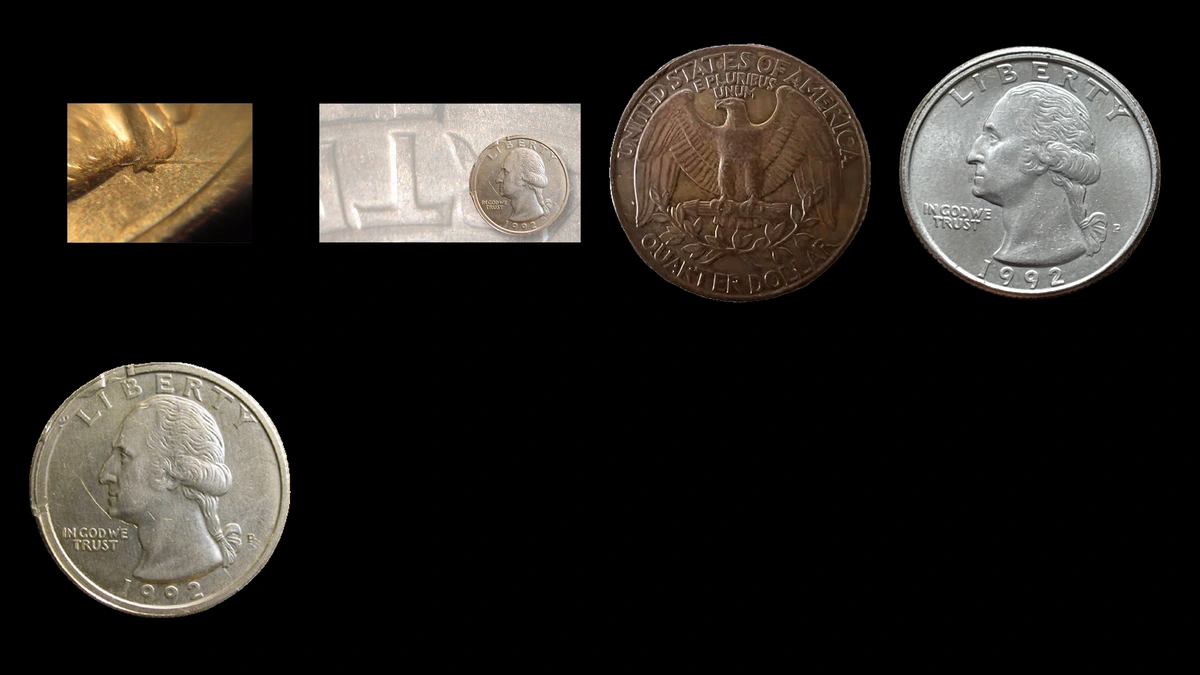
A light quarter is not automatically a quarter struck on a dime blank. One full-width 1992-P example weighed 4.3 grams because its blank was unusually thin, and it sold for $51 in February 2005.
Estimated values for these 1992 quarter errors span $5–$1,500. Follow the surface details first, then use the edge and measurements to separate similar-looking blank problems.
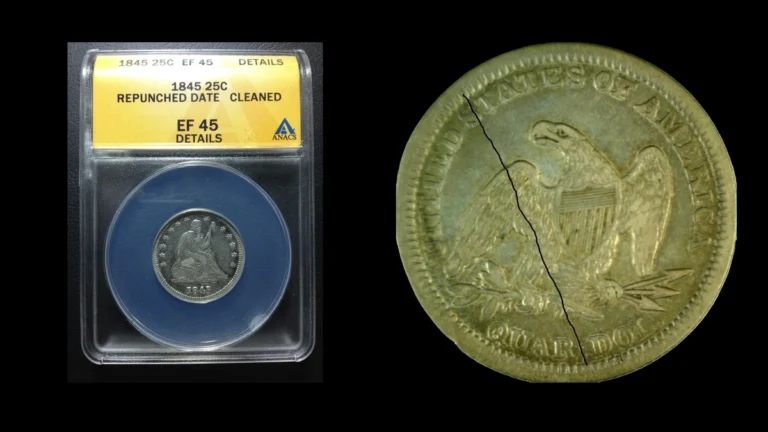
1. 1992 Quarter A Fine Line Stands above the Coin: Die Crack Error
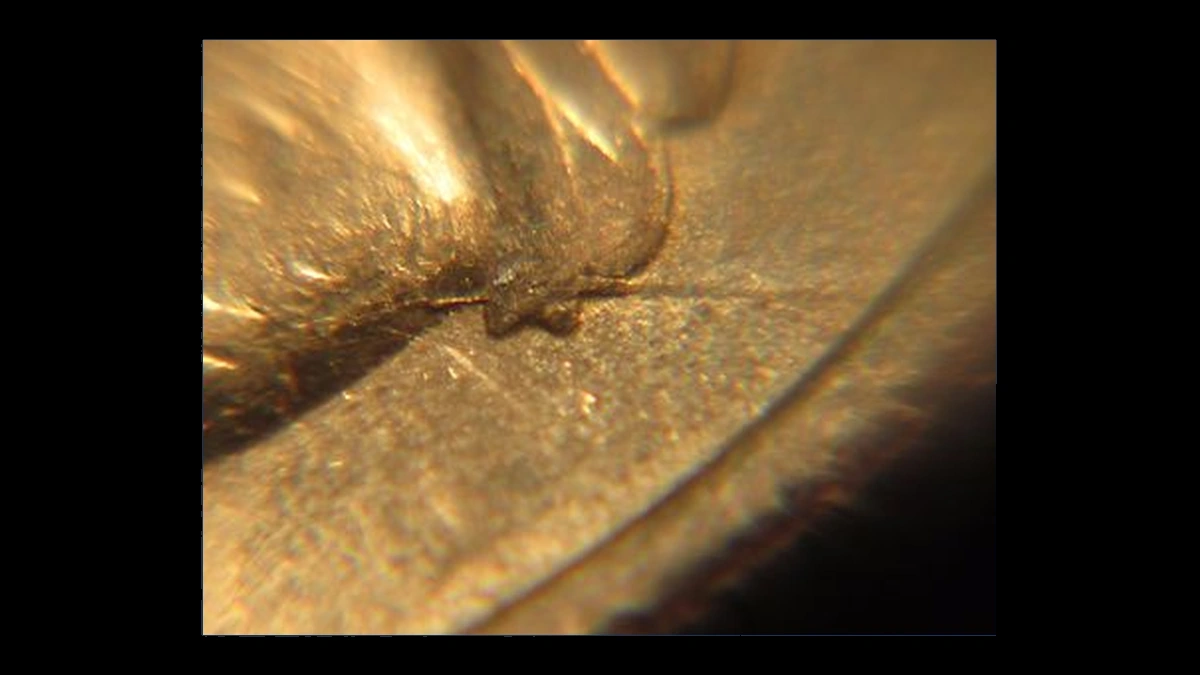
A crack in the stamping tool can fill with metal during a strike. It leaves a raised ridge across the coin’s design or background.
No single path or mint identifies every reported 1992 crack. Each coin needs its own location recorded.
How to Identify
Move the light across the line and inspect both sides of it. A crack rises above the surface; a scratch mainly forms a groove, even if it pushes up a small lip.
Follow the line through any letters or feathers it meets. Keep a full-face photograph with the close-up to preserve its position.
What It’s Worth
$5–$75 is the estimated range for small genuine cracks. An easy-to-see ridge on clean surfaces is more appealing than a faint line among scratches.
Most tiny cracks do not make a worn quarter highly valuable.
2. 1992 Quarter One Patch Is Weak or Missing: Struck Through Grease or Debris Error
Grease can block recessed parts of the tool, while other material can sit between the tool and blank. Both can interrupt the design.
The 1992 report does not establish one affected location or trapped substance. A local weak patch may be the visible clue.
How to Identify
Compare the weak area with sharp neighboring detail. General wear or scraping can also remove letters, but they leave different surface evidence.
If the mintmark seems absent, inspect the area right of Washington’s hair ribbon. A faint P does not establish a separate normal “No P” issue.
Only name a specific obstruction when its shape or texture supports that identification.
What It’s Worth
$10–$150 is the estimated range for clear Mint-made blocked areas. Broad missing detail beside sharp lettering is easier to display than a tiny weak stroke.
A missing-looking mintmark alone does not support the premium.
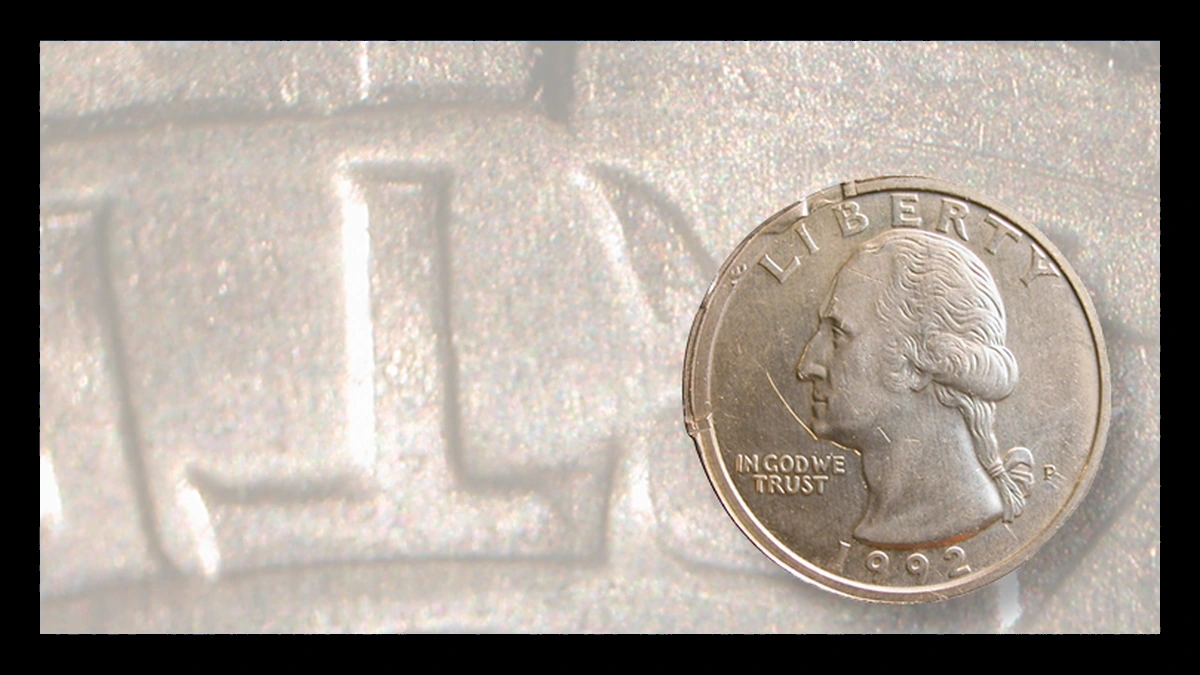
3. 1992 Quarter The Whole Strike Looks Shallow: Weak Strike Error
The cataloged example has weak design and very faint edge grooves. It was offered under the older label “die trial strike.”
That wording suggests testing, but appearance alone cannot establish the operator’s purpose. The visible feature is incomplete formation of the design.
How to Identify
Check the edge grooves as well as both faces. This example concerns broader weakness than one blocked letter.
Under low light, compare protected spaces with high points. Original texture differs from rubbing, chemical roughness, or metal removed later.
What It’s Worth
$40–$250 is the estimated range for an identified weak strike with original surfaces. The catalog gave a $65 minimum bid.
A minimum bid is an auction starting point, not a completed sale price.
4. 1992 Quarter Extra Edges on Letters or Digits: Reported Doubled Die Error
A doubled die contains a repeated image before it strikes the coin. The coin can receive extra outlines in one ordinary blow.
Front and back reports exist for 1992, but they do not establish both effects on the same specimen.
How to Identify
Compare several nearby details under magnification. The repeated shapes should stay in place as the lighting changes.
Flat shelves can come from movement during striking, and swollen edges may reflect tool wear. Match the actual pattern to an identified coin from the same mint and face.
What It’s Worth
$20–$200 is the estimated range for a correctly identified example. Clear separation and attractive surfaces improve the comparison.
A doubled-looking letter without a matched pattern should not be valued from the seller’s description alone.
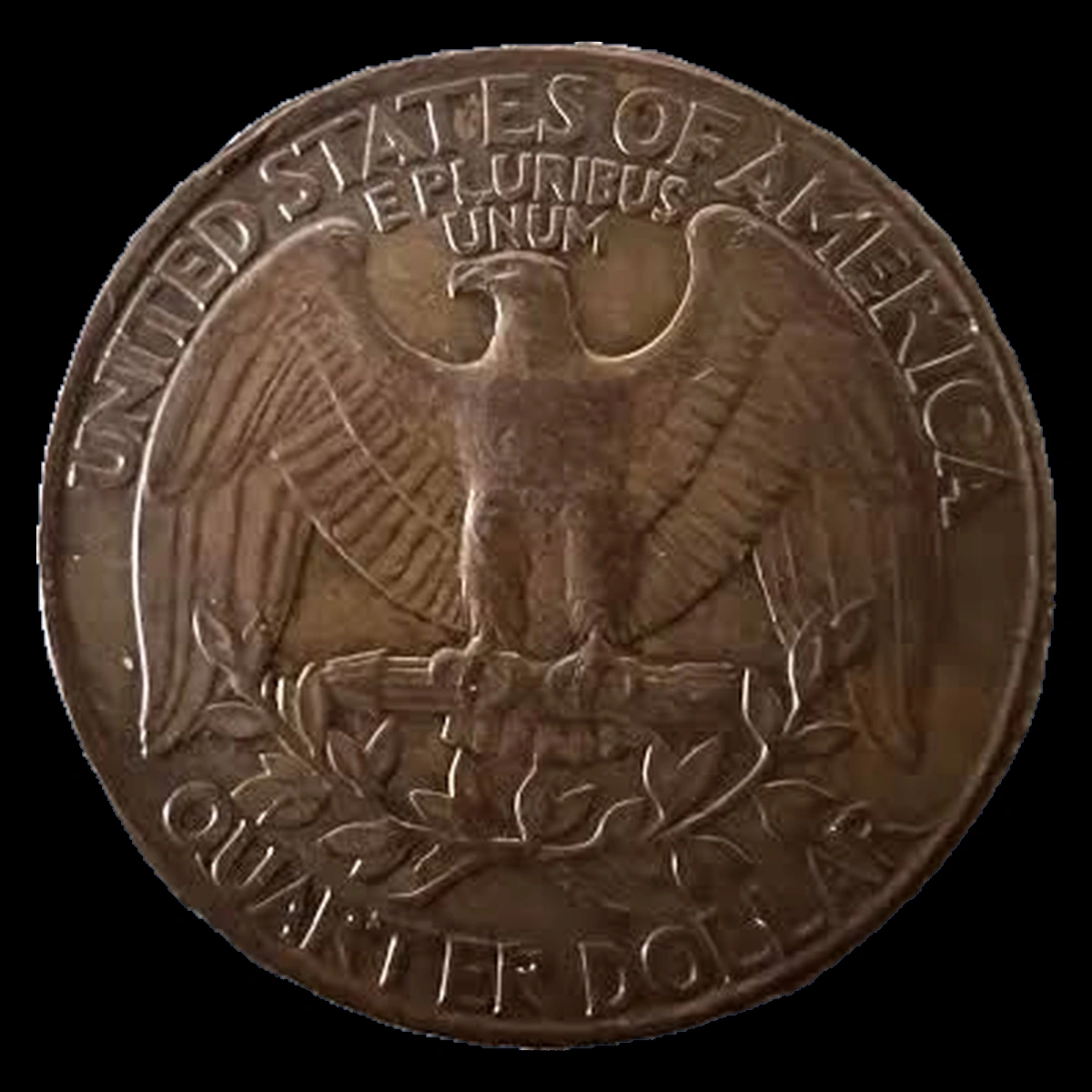
5. 1992 Quarter Copper or a Flap Breaks the Pale Surface: Clad-Layer Fault Error
A clad quarter has pale copper-nickel sheets around a copper center. A whole missing sheet can expose a copper face, while local separation may leave an attached flap.
The reports include a missing reverse layer and smaller separating patches. They need not describe the same coin.
How to Identify
Establish that the coin is clad first. The 1992-S Proof exists in clad and 90% silver versions, so S alone does not settle its composition.
For a flap, inspect the attachment without lifting it. For a copper face, check the edge structure and any reduction from the normal clad weight of 5.67 grams.
A stain changes color without removing the sheet. The layer boundary, weight, and original design should support the same explanation.
What It’s Worth
$35–$200 is the estimated range for local separation; an identified missing outer face may bring about $75–$500. Clear exposed metal or an intact flap makes the effect easier to understand.
Corrosion and later surface removal require a different assessment.
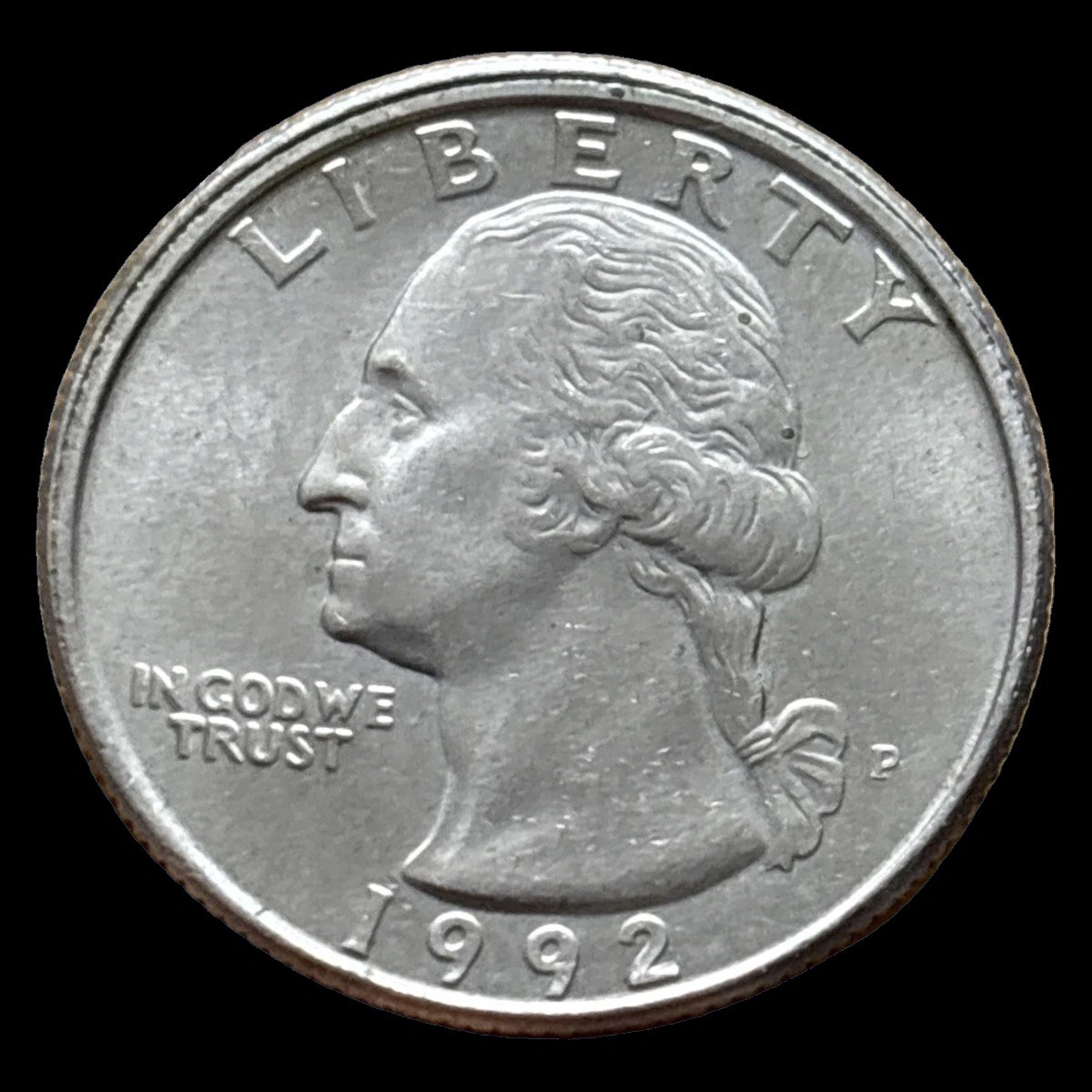
6. 1992 Quarter A Step with Grooves toward Washington: Reversed Partial Collar Error
Part of a blank can spread outside the collar while the rest receives normal edge grooves. This leaves a two-level edge.
Two Denver examples show the reversed arrangement, with the grooved band toward Washington’s side. “Reversed” concerns the tools’ upper and lower positions, not a sideways eagle.
How to Identify
Take an edge photograph that also shows which face is the front. Without orientation, two bands alone cannot establish the reversed arrangement.
Follow the grooved band beside the smoother expanded metal. The ANA’s die-installation explanation shows how that relationship reflects the tool setup.
What It’s Worth
$40–$300 is the estimated range for a clear reversed partial collar. An intact step is more convincing than a rim obscured by dents.
Exchanging the tools’ positions was not itself a mistake, so it does not add a separate error premium.
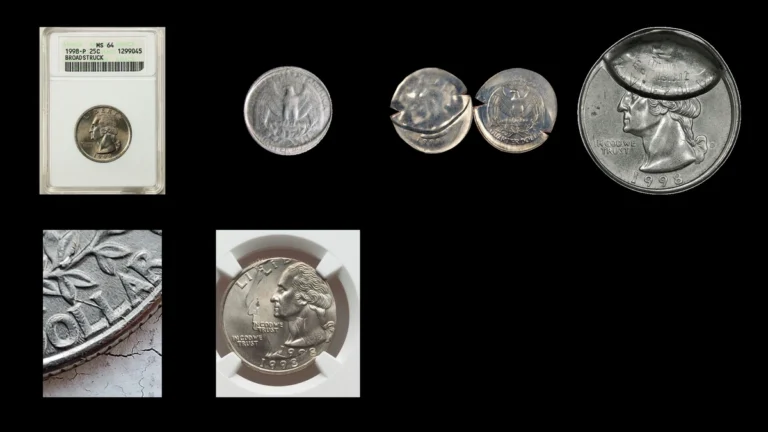
7. 1992 Quarter A Wide Outline around a Complete Design: Broadstrike Error
The collar normally controls the width of the coin during striking. If it fails to restrain the blank, metal can spread beyond the usual outline.
A Denver example was graded ICG MS63, meaning unworn with visible marks.
How to Identify
Check that the outer letters remain on the expanded metal. Compare several widths of a loose coin with the normal diameter of about 24.3 millimeters.
Examine the edge and design for natural spread. Crushed finished details or hammer marks can explain later enlargement instead.
What It’s Worth
$10–$200 is the estimated range. The Denver MS63 example sold for $11 in December 2008.
Mild expansion can be inexpensive, while a wider clean example may be easier to display.
8. 1992 Quarter Part of the Blank Was Missing: Clip Error
An incomplete section of strip can produce a blank with a gap before striking. Collectors often call it a clipped planchet, meaning a clipped prepared blank.
The reported category has no settled mint, shape, or percentage for one particular specimen. Clips do not all have the same curved outline.
How to Identify
Inspect where the rim and letters meet both ends of the gap. Look for original metal flow rather than fresh cuts through finished details.
Filing and bent edges can reveal later alteration. A weak opposite rim can help on some curved clips, but it is not required for every gap shape.
What It’s Worth
$20–$350 is the estimated range for genuine clips. Size, readable identity, and surface condition influence appeal.
A large gap made after minting does not qualify simply because much of the metal is absent.
9. 1992 Quarter The Design Runs off One Side: Off-Center Strike Error
A Philadelphia example is reported at about 10% off center and graded ANACS MS63. The blank’s sideways position left part of the intended design outside the metal.
The percentage does not identify the direction of movement. That must come from the specimen itself.
How to Identify
Locate the missing design and corresponding plain crescent on both faces. Complete lettering inside a wide border instead suggests a broadstrike.
Read the year and P if they survive, then inspect the struck boundary for sanding or erased details.
What It’s Worth
$50–$500 is the estimated range for identifiable examples. A complete date and clean remaining design can matter more than the largest blank crescent.
The reported 10% example represents a modest visual shift, not every coin within the category.
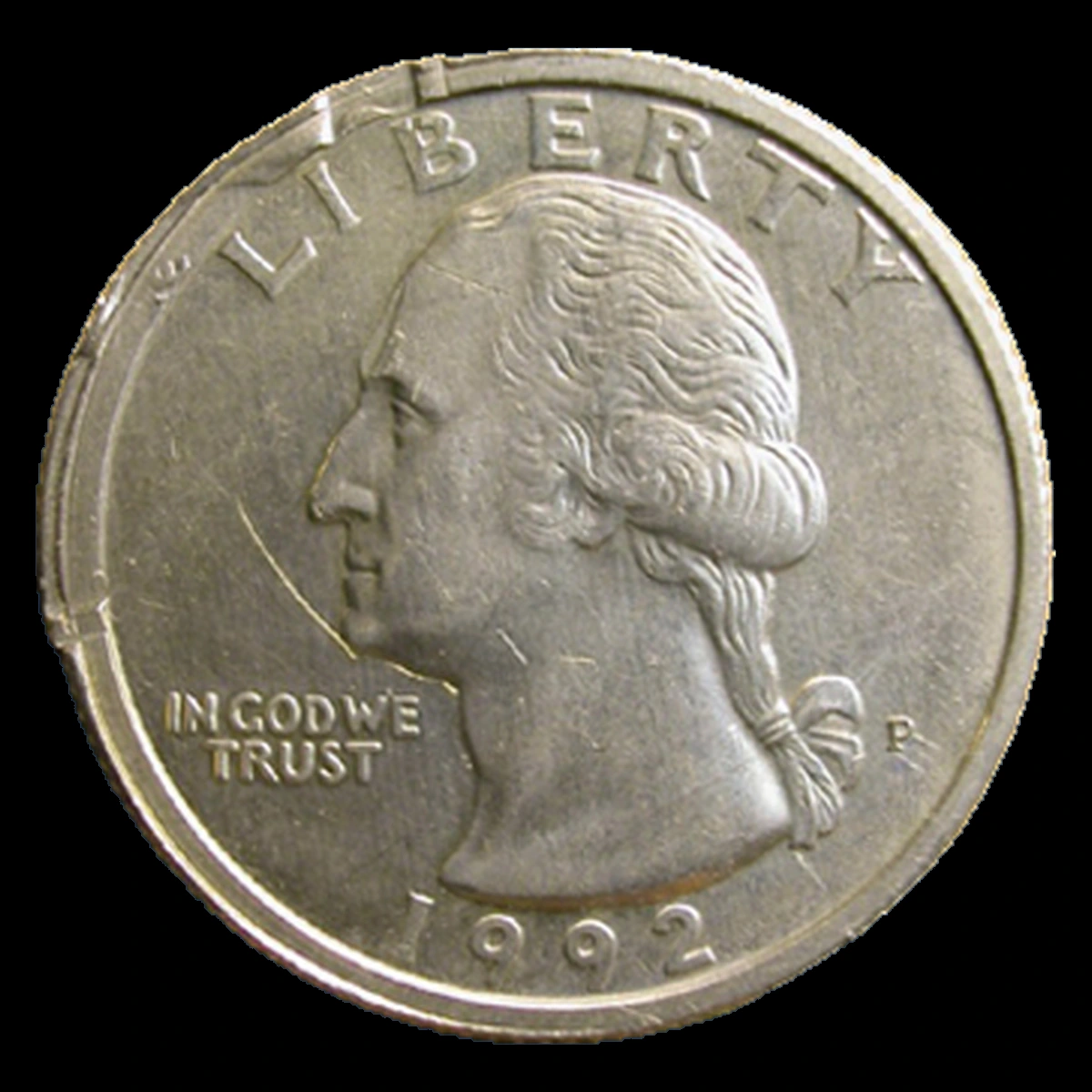
10. 1992 Quarter Only the Rim Records a Second Strike: Rim-Restricted Strike Error
The first strike on this Philadelphia coin formed a thin raised lip at the left rim. The coin then turned about 90 degrees clockwise and received a second strike roughly 75% off center.
The tools did not close far enough to reach most of the already struck surface. Both faces received the second strike, but the back shows only its rim impression.
How to Identify
Locate the strong first design, then follow the extra rim in its later position. Do not expect a full second portrait or eagle.
The illustrated example shows the paired evidence on both faces. A single shifted border line alone could have another cause.
What It’s Worth
$150–$750 is the estimated range for an identified rim-restricted second strike. Clear photographs help explain a sequence that may look subtle at first.
Damage hiding the small second-strike features can reduce appeal.
11. 1992 Quarter Normal Width but a Thin Edge: Thin-Stock Blank Error
The documented Philadelphia quarter keeps quarter diameter but weighs only 4.3 grams. Its catalog describes quarter width and dime thickness.
It has soft design, a difficult-to-see mintmark, and a small scratch. It is a full-sized thin blank, not a whole small dime blank.
How to Identify
Measure width before interpreting low weight, then compare thickness with a normal quarter. Check the faces for grinding or chemical metal loss.
The recorded scratch near 4 o’clock is later damage, not the cause of the thin stock. Reduced thickness should fit the coin’s original structure.
What It’s Worth
$50–$350 is the estimated range for comparable identifiable thin-stock quarters. The NGC MS64 example sold for $51 on February 28, 2005.
A price for a whole dime-blank strike cannot be transferred to this full-diameter coin.
12. 1992 Quarter Quarter Details on a Smaller Blank: Wrong Denomination Blank Error
A recorded Philadelphia quarter on a nickel blank weighs 5.02 grams and is graded PCGS AU55, indicating light wear. Its smaller metal cannot hold all the outer quarter design.
A separate report mentions a whole dime blank. That claim needs its own specimen rather than the full-width 4.3-gram coin above.
How to Identify
A nickel blank starts near 21.21 millimeters and five grams. A clad dime blank starts near 17.91 millimeters and 2.268 grams.
Use weight, width, and the edge together because striking can change the outline. Nickel metal is solid alloy; a dime blank retains layered construction.
Look for quarter details meeting a natural small edge instead of a later cut-down perimeter.
What It’s Worth
$150–$800 is the estimated range for comparable nickel-blank quarters. The documented 5.02-gram example was offered at $350, an asking price.
An independently identified whole dime-blank quarter is conditionally estimated at $400–$1,500. That range is neither a recorded sale nor a price for the thin-stock example.
Conclusion
A full-width light quarter and a small wrong-blank quarter require different measurements. Likewise, an expanded border differs from missing design, and a second rim impression need not include another portrait.
Keep both faces and the edge in the evidence. That approach makes it easier to choose a matching example and avoid applying a price to a coin with a different cause.