Rare 1946 Quarter Errors (List & Pictures)
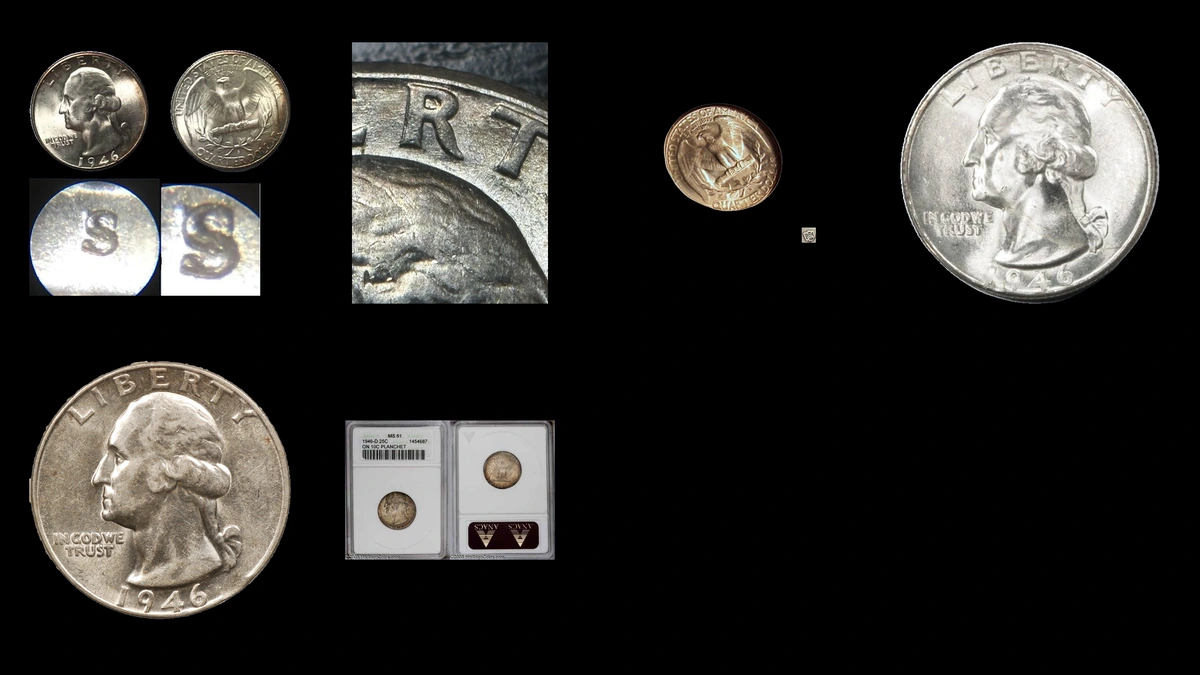
Condition can outweigh the visual size of an error on a 1946 quarter. Supplied estimates for 1946 quarter errors and die varieties range from $20 to $4,000.
An exceptional 1946-S/S graded MS67+ sold for $3,819 in July 2013, while a tapered and cracked MS65 quarter later brought $45. Start with the mint letter and repeated design details, then examine the blank and strike.
| Feature | Identification | Estimated value |
|---|---|---|
| Another S or D outline | Repunched mint mark | $25–$4,000 |
| Repeated letters or eagle details | Doubled die | $25–$1,500 |
| Weak local detail on both faces | Reported grease obstruction | $20–$500 |
| Peeling metal | Lamination | $20–$400 |
| Thickness tapers toward a crack | Tapered and cracked planchet | $40–$750 |
| Partly developed edge-cut feature | Reported start of clip | $25–$300 |
| Full design on expanded metal | Broadstrike | $50–$500 |
| Design displaced off the blank | Off-center strike | $50–$1,500 |
| Quarter design on dime-sized silver | Wrong planchet | $800–$3,500 |
1. 1946 Quarter An Earlier Letter Remains beside S or D: Repunched Mint Mark Error
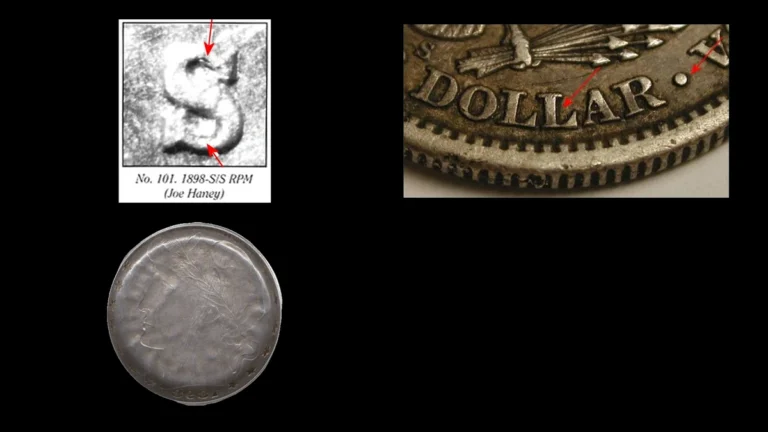
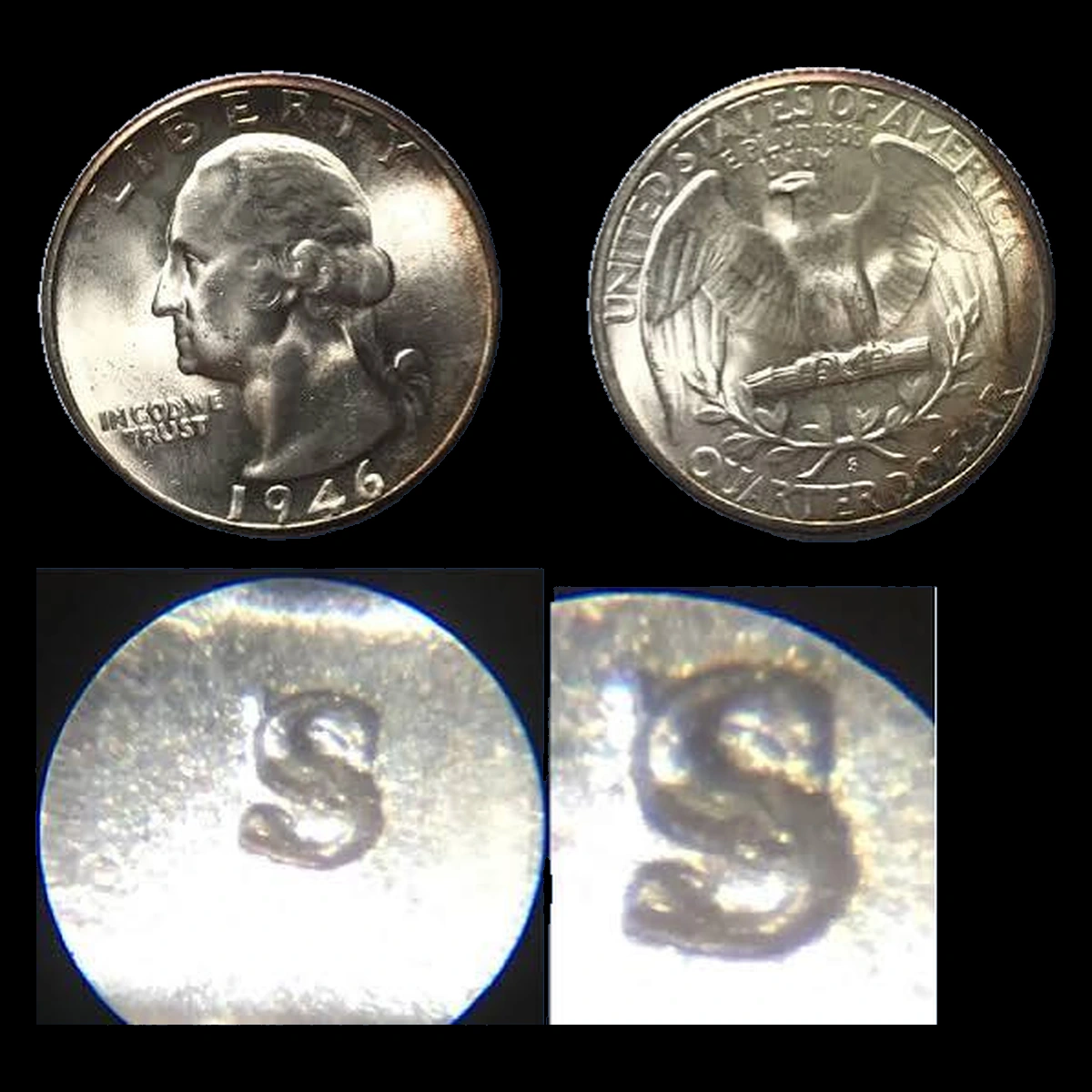
The mint letter beneath the eagle was punched into the die separately. A second impression in a slightly shifted position could leave another letter outline on the struck coin.
The 1946-S variety has an earlier S trace toward the top. Denver D-over-D reports concern a separate pattern.
How to Identify
Trace the final S and compare the surviving upper curve with an attributed 1946-S/S photograph. A thick letter or bright reflection is not sufficient.
A Denver coin needs a Denver reference rather than the S variety’s direction. Check the surrounding field for scratches and displaced metal that could imitate another raised stroke.
What It’s Worth
$25–$4,000 is the supplied estimate for confirmed examples, with exceptional preservation required near the top. The 1946-S/S FS-501 graded MS67+ sold for $3,819 in July 2013.
An older dealer listing asked $40 for an MS65 Denver D/D. That was an asking price for a different variety, not a completed sale or a comparison to the exceptionally preserved S/S on grade alone.
2. 1946 Quarter Repeated Outlines Extend beyond the Mint Letter: Doubled Die Error
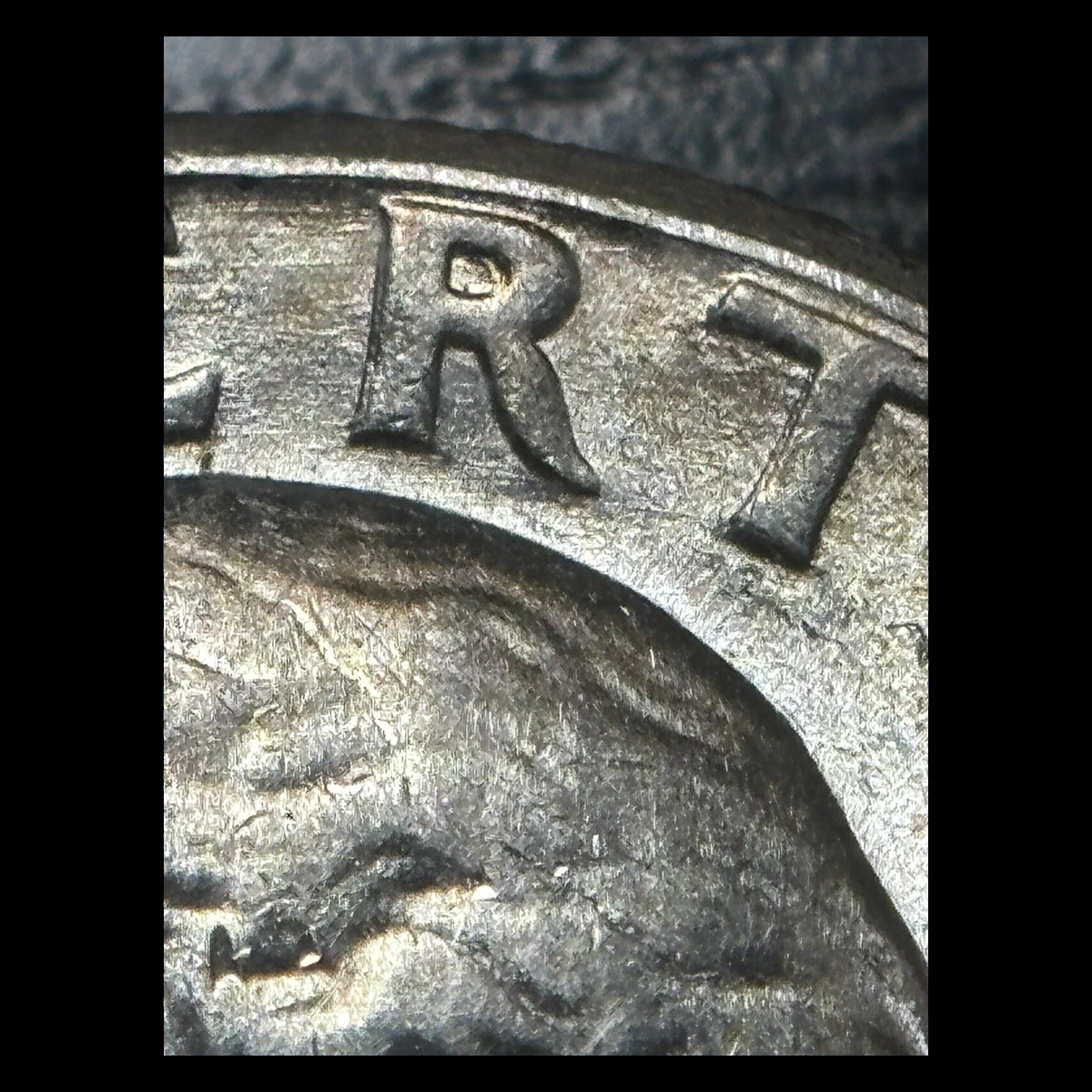
Philadelphia reports include obverse patterns in IN GOD WE TRUST and LIBERTY and reverse patterns in the country name, denomination, and eagle details. The repeated design existed in the die before it struck a blank.
Denver doubled dies are also reported, but their precise features require separate references. The Philadelphia observations do not establish one coin doubled on both faces.
How to Identify
Select the correct mint and face before comparing the repeated shapes. Look for consistent separation across several details rather than one thick letter.
Change the lighting to distinguish fixed raised outlines from glare or a flat strike-related shelf. A Denver attribution cannot be made by transferring Philadelphia diagnostic locations.
What It’s Worth
$25–$1,500 is the estimated range for confirmed doubled-die varieties. A Philadelphia reverse doubled die graded MS65 sold for $1,260 in July 2018.
That result concerns its particular reverse pattern and preservation. Wear or surface problems can reduce both the visible doubling and the coin’s broader appeal.
3. 1946 Quarter Some Details Fade while Neighbors Stay Sharp: Grease-Obstructed Strike Error
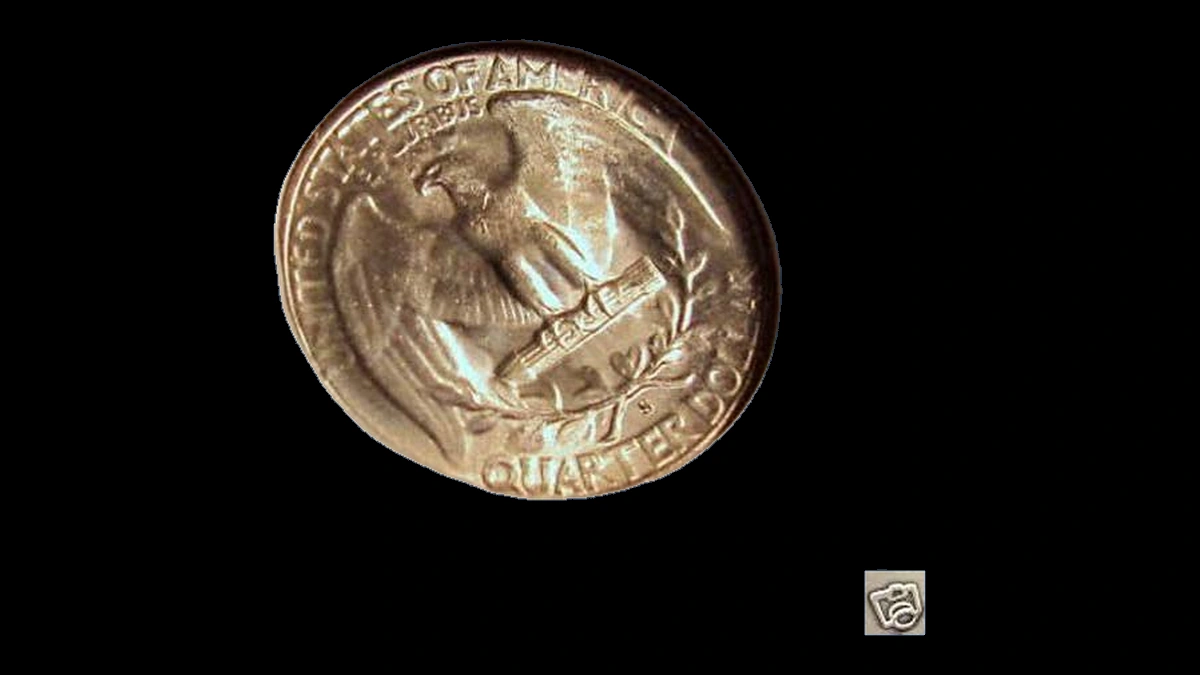
A seller describes a 1946-S quarter with grease-obstructed detail on both faces and assigns it MS67. That is a seller’s condition claim, not established independent certification.
Grease or similar soft material can fill a die’s recesses and prevent parts of the design from forming. The actual affected locations must be checked on this specimen.
How to Identify
Compare weak patches with neighboring letters and the high points of Washington and the eagle. General wear usually affects exposed details differently from a localized blocked recess.
Inspect both faces for scraping, smoothing, or chemical changes that might have removed finished detail. Preserve the reverse S in the documentation and assess the grade separately from the error claim.
What It’s Worth
$20–$500 is the estimate for a genuine grease-obstructed strike. Modest interruptions generally belong below a conspicuous original pattern.
A 1954-S quarter struck through string sold for $186 in July 2021. Its shaped obstruction differs from grease-softened detail and does not establish the seller-described 1946-S coin’s value.
4. 1946 Quarter A Thin Flake Separates from the Silver: Lamination Error
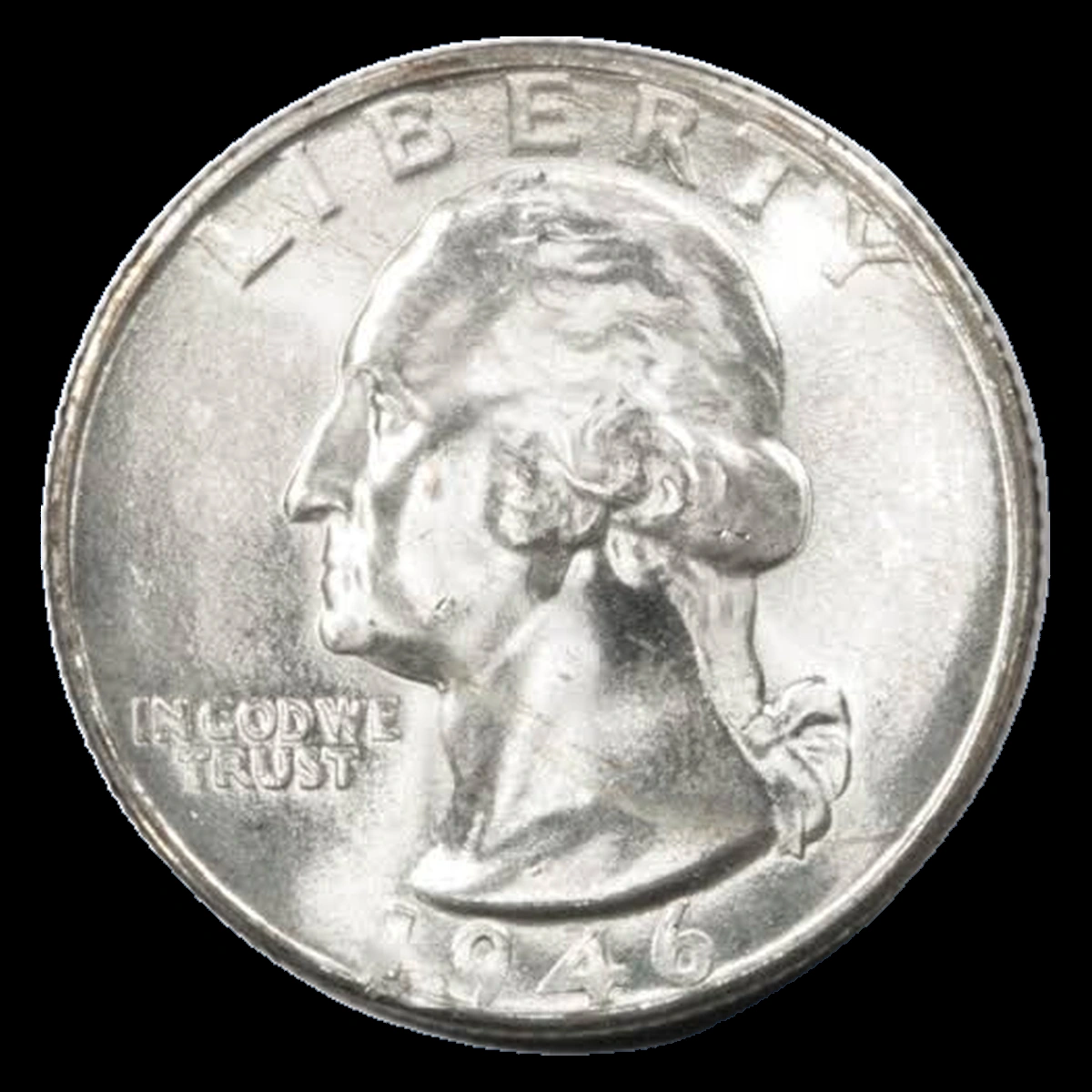
A weak area within the blank can peel upward or leave a recess when a flake separates. This is lamination, reported generally for 1946 without a single affected face or location.
The quarter is a 90% silver alloy rather than a modern copper-core clad coin. Its peeling requires an explanation within that original metal structure.
How to Identify
Follow the boundary into the surrounding design and check whether struck detail continues onto an attached flap. Leave the flap still rather than pressing or lifting it.
If metal has detached, inspect the recess for natural separation versus gouging or corrosion. Low weight after loss of a flake cannot establish lamination by itself.
What It’s Worth
$20–$400 is the estimated range for authenticated small through larger visible laminations. Original flaps and readable surrounding design can improve collector interest.
A large rough opening is not automatically worth more. Cleaning and later damage still affect the entire coin’s appeal.
5. 1946 Quarter An Unevenly Thick Blank Opens at the Right: Taper and Planchet Crack Error
The documented NGC MS65 quarter combines a tapered blank with a crack at three o’clock. Its metal becomes thinner toward part of the edge rather than maintaining even thickness.
The opening is a crack in the coin itself. It is different from a raised line copied from a fractured die.
How to Identify
Use side views to inspect the right-hand opening and compare thickness around the edge. Do not flex the coin or clamp the damaged area to test it.
Examine the strike beside the thinner metal and check for filing, cutting, or impacts that could cause a later break. The thickness change and original crack should explain one blank-defect combination.
What It’s Worth
$40–$750 is the estimate for comparable authenticated combinations. The NGC MS65 tapered-and-cracked example sold for $45 in July 2021.
Two defects do not guarantee a high result. Visibility, appearance, and buyer interest matter, and the two features must be valued as one coin.
6. 1946 Quarter The Edge Shows an Incomplete Cutting Feature: Reported Start of Clip Error
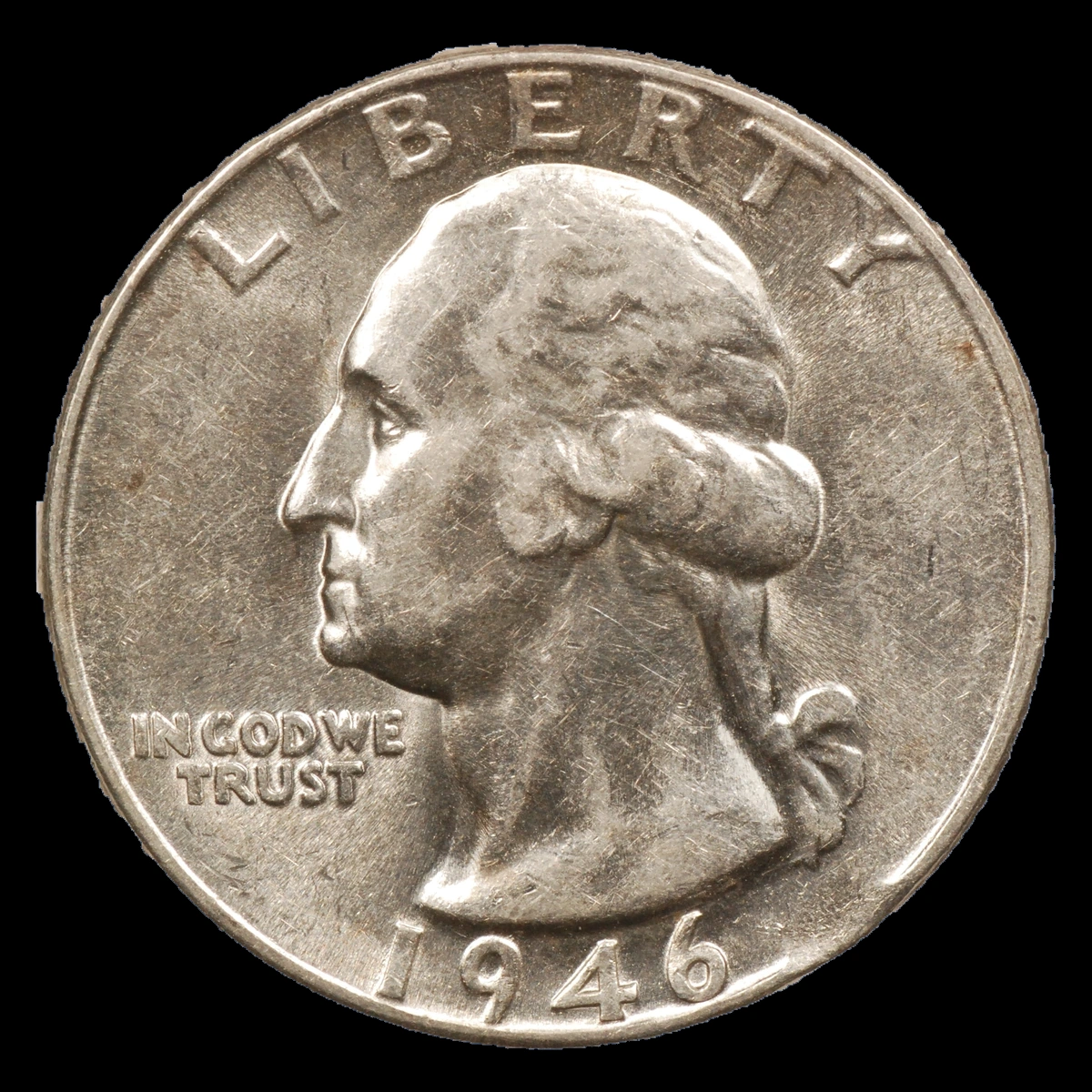
A dealer inventory describes a Philadelphia quarter as “Start of Clip” and assigns it MS63. The short label suggests a partly developed blank-cutting feature without establishing a large missing section.
How to Identify
Examine a side view to determine whether metal is absent or an incomplete-cut mark remains. Compare its boundary with the rim and adjacent design formed during striking.
Look for later filing, cuts, and crushed metal before expanding the label into a more specific diagnosis. The dealer grade does not establish independent certification or a clip percentage.
What It’s Worth
$25–$300 is the conditional estimate for a genuine original blank-cutting feature of this kind. A clearly interpretable boundary is more useful than an isolated rim nick.
The estimate concerns the actual coin and its condition. A later dent does not qualify merely because it resembles the dealer’s wording.
7. 1946 Quarter The Full Design Occupies a Wider Disk: Broadstrike Error
A broadstrike can form when the collar ring fails to contain the blank normally. Metal spreads outward, sometimes unevenly, while the intended design remains on the coin.
How to Identify
Compare the outline with the standard 24.3-millimeter quarter diameter and trace the complete outer lettering on both faces. Inspect the edge grooves alongside the expanded border.
Hammering can widen a silver quarter while crushing its finished design. Original artwork and edge formation should support expansion during striking rather than afterward.
What It’s Worth
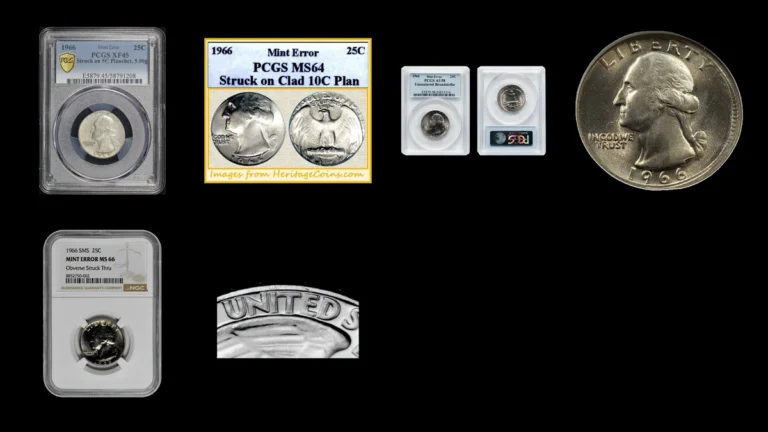
$50–$500 is the supplied estimate for a confirmed 1946 broadstrike. Clear spreading around intact design is more persuasive than a slight rim imbalance.
A 1966 clad uncentered broadstrike sold for $222 in June 2024. That later composition and date make it context rather than a sale record for 1946 silver.
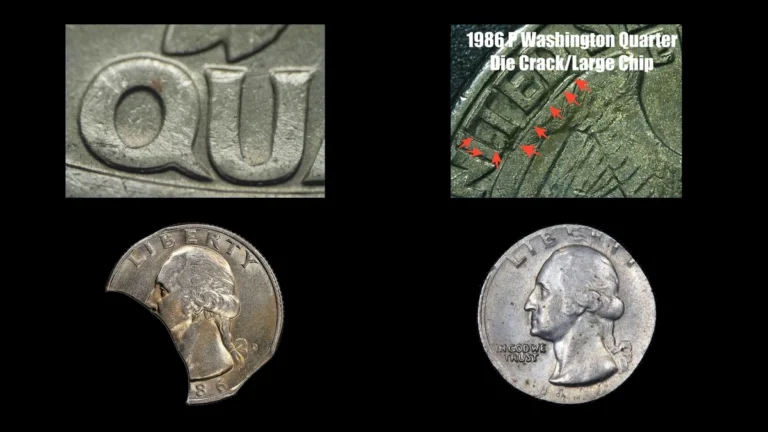
8. 1946 Quarter Blank Metal Remains Opposite Missing Design: Off-Center Strike Error
A blank positioned away from the center can receive only part of the quarter design. The remainder stays unstruck while intended details miss the opposite edge.
How to Identify
Read the surviving date, then compare both faces to determine whether their boundaries fit one displaced disk. Do not infer missing year digits from the shape of the crescent.
Check the mint-letter area below the eagle only if it was struck. An absent area cannot prove Philadelphia, and the general report supplies no fixed mint or percentage.
Inspect plain metal for erased lettering, grinding, or seams from an added ring. The unstruck area should belong to the original blank.
What It’s Worth
$50–$1,500 is the estimated range for authenticated 1946 off-center quarters. Readable identity and undamaged surfaces remain important on dramatic shifts.
A 1943-S silver quarter struck 35% off center sold for $2,640 in July 2022. Its date, mint, and displacement belong to that separate comparison.
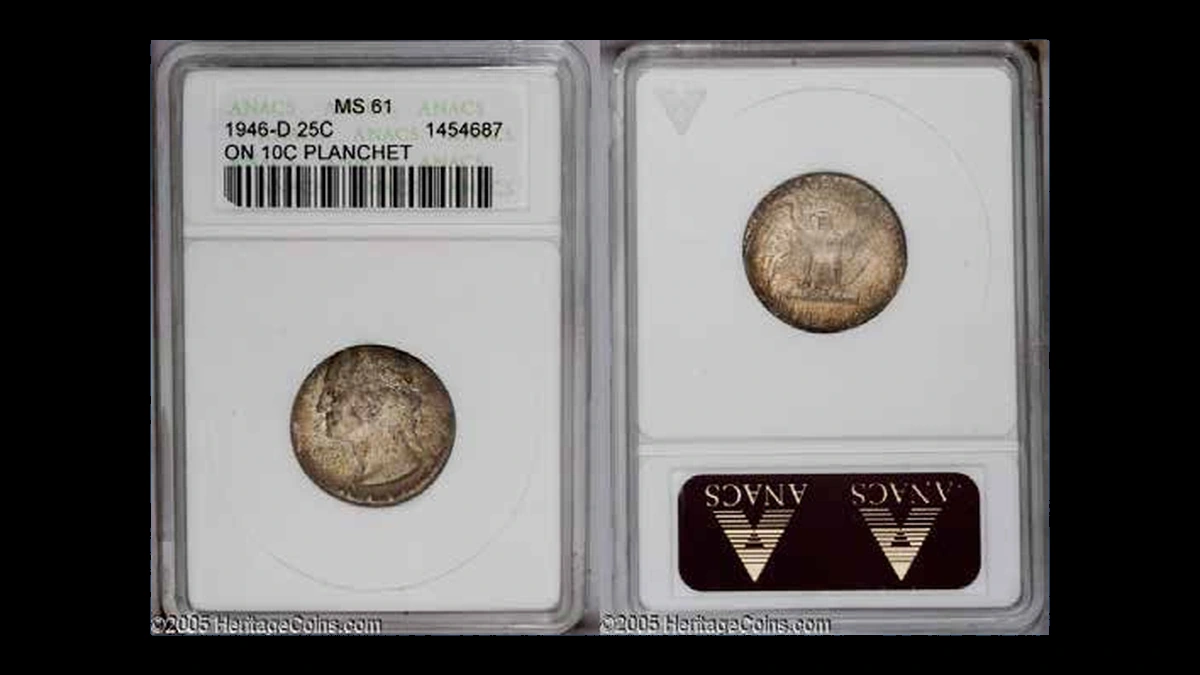
9. 1946 Quarter A Small Silver Blank Cannot Hold the Outer Words: Dime Planchet Error
The PCGS MS64 Denver example places the quarter design on a silver dime blank. Washington and the eagle are centered, but LIBERTY and the denomination fall beyond the available metal.
Only the upper half of the date survives, while the reverse D is complete. These details belong to the documented specimen and should not be replaced with an imagined full date.
How to Identify
Compare the remaining date tops with the original specimen and retain the full reverse D in photographs. Follow the design’s natural termination at the undersized boundary.
A silver dime blank normally starts near 2.50 grams and 17.9 millimeters, compared with a quarter’s 6.25-gram standard. Those are blank standards, and spreading during the error strike may alter the diameter.
Examine the edge for trimming or filing of a normal quarter. Silver color alone cannot distinguish these two silver blank types.
What It’s Worth
$800–$3,500 is the estimate for comparable authenticated Denver dime-planchet strikes. The PCGS MS64 example sold for $2,115 in April 2015.
The centered main designs and complete D help explain the small coin despite its partial date. Its value depends on original construction, not merely a small outline.
Conclusion
The 1946 records show why an error’s size or complexity does not determine its value alone. An exceptionally preserved S/S sold far above the tapered-and-cracked coin, while dealer-described pieces still require confirmation of their features and grades.
Match each mint and design pattern before comparing prices. For blank errors, preserve fragile edges and distinguish documented measurements from normal standards, especially when only part of the date remains.