Rare 1971 Dime Errors (List & Pictures)
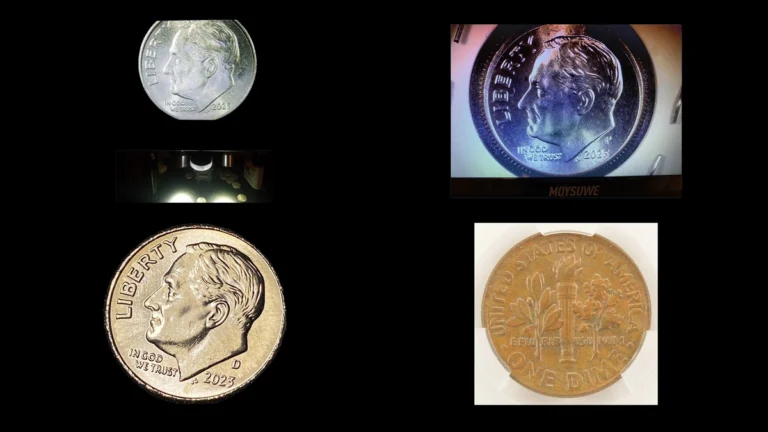
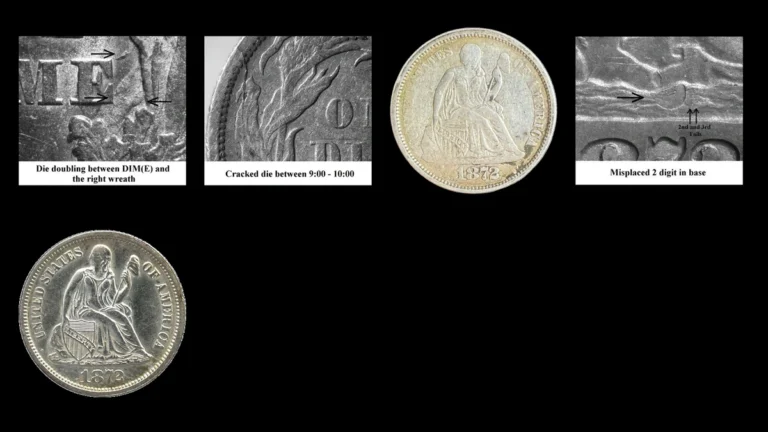
No mintmark is normal on a Philadelphia 1971 dime. That simple fact helps separate ordinary coins from the 1971 dime errors below, whose estimated values span $2–$2,500.
A Denver oval-blank example sold for $460 in July 2002, with a scrape noted on its back. Check the mint area first, then the surface, outline, and any overlapping images.
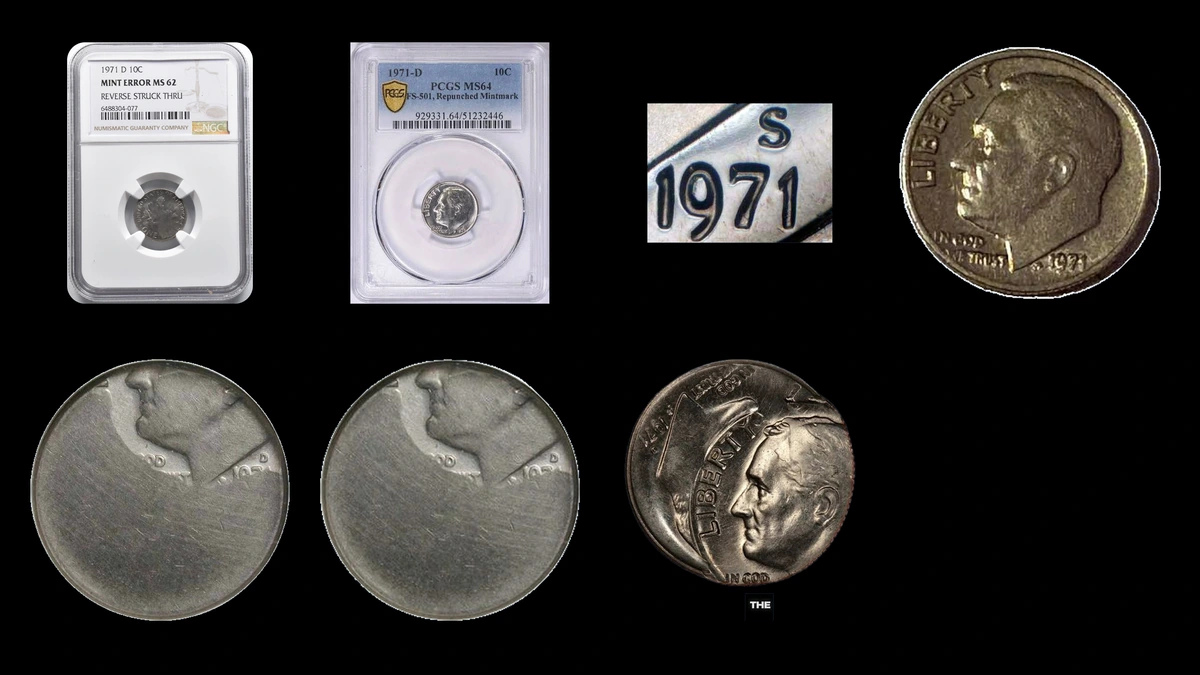
1. 1971 Dime A D Is Faint or Missing: Blocked Mintmark Detail Error
Grease in the D-shaped recess of a stamping tool can prevent the letter from forming fully. Tool wear or polishing could also weaken it, so the cause needs its own evidence.
This report concerns Denver coins. It is unrelated to the separate 1971 No S nickel.
How to Identify
Look above the date for surviving parts of the D, such as its straight stroke or curved side. Check the same area for a scrape or hollow from later removal.
If no D remains, a blank space alone does not establish Denver origin. A matched Denver coin from the same tool would be needed to support that claim.
What It’s Worth
$2–$50 is the estimated range for an identified Denver dime with genuinely blocked D detail. A sharp surrounding design and visible letter traces help.
An ordinary Philadelphia dime with no mintmark does not receive this error premium.
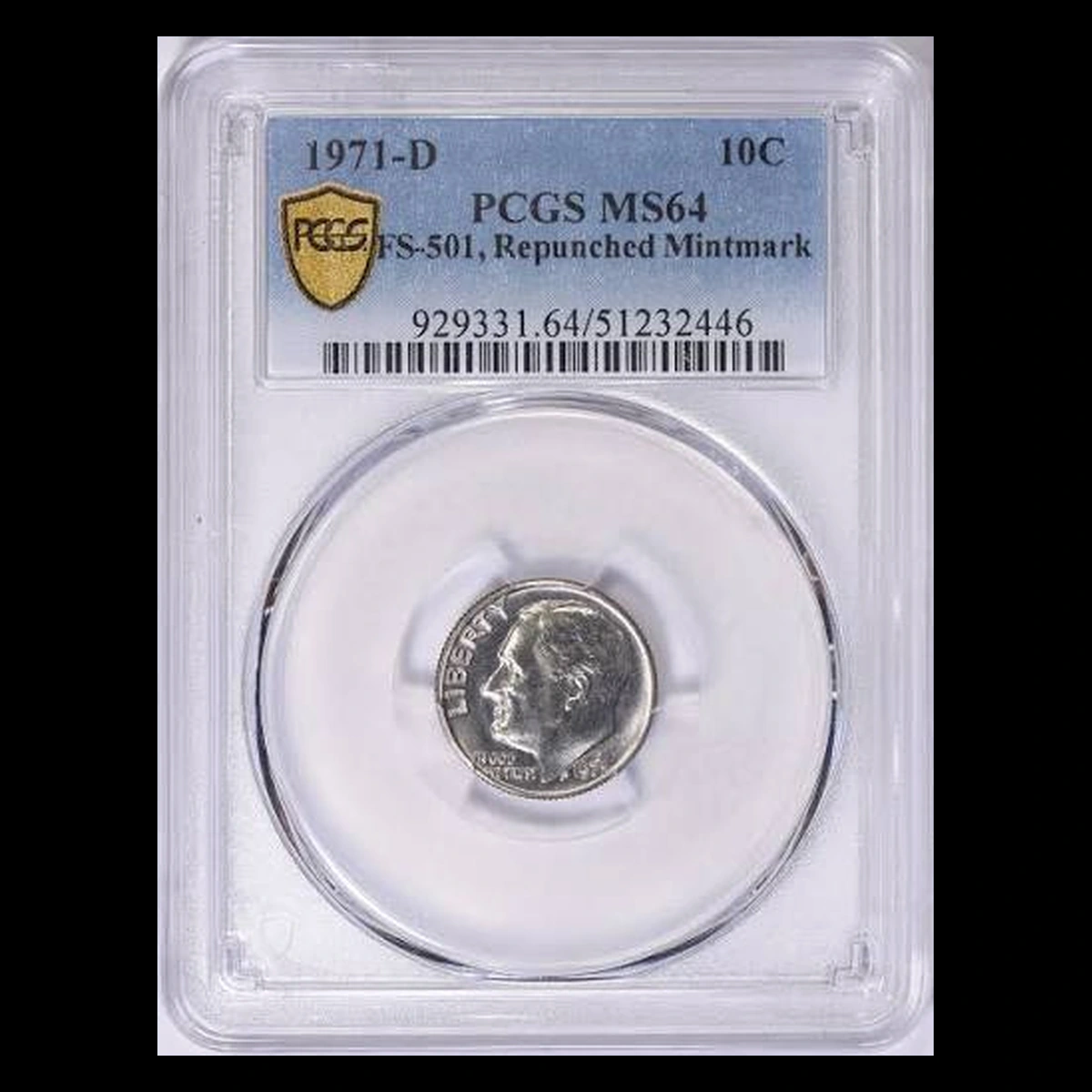
2. 1971 Dime Extra Parts beside D or S: Repunched Mintmark Error
Workers punched mint letters separately into the tool. Repeating the punch in another position could leave parts of the earlier letter visible.
Denver FS-501 has an earlier D below the main D. San Francisco Proofs have several separate S patterns, including sideways, downward, and rotated impressions.
How to Identify
The Denver FS-501 reference provides the specific D/D comparison. Examine the lower edge of the D for raised earlier-letter shapes.
On a Proof S, compare both curved ends with one identified pattern. Two varieties can point in the same general direction while leaving different fragments.
Keep the whole letter in the photograph. A flat shelf or a ridge beside damage can imitate an extra curve.
What It’s Worth
$15–$300 is the estimated range for identified Denver D/D coins. Repeated-S Proofs are estimated at $20–$400.
Clear surviving letter parts, wear, and the condition of the reflective Proof surface influence the comparison.
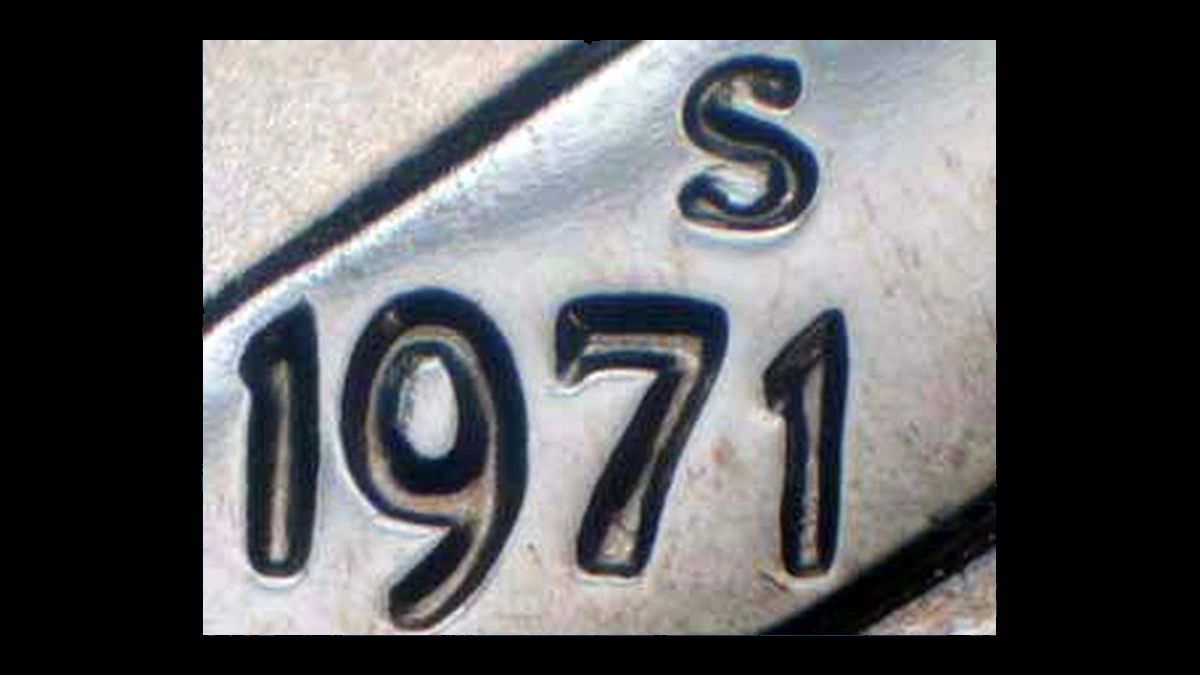
3. 1971 Dime Repeated Design Edges: Doubled Die Error
A die is the steel tool that stamps the design. If its image is doubled, one strike can leave repeated details on a coin.
The reported 1971-S Proof front variety affects the date, JS initials, and motto. A separate back variety involves STATES OF AMERICA, flame tips, and the right-side leaves.
How to Identify
Choose the face and mint before comparing close-ups. On reflective Proofs, move the light to separate fixed extra outlines from glare.
A separate Denver report concerns the lips and chin, without a matched tool number. It cannot be identified using the San Francisco lettering and leaf pattern.
Rounded separation should be compared with an identified example. A flattened edge is not enough to establish a doubled tool.
What It’s Worth
$20–$300 is the estimated range for identified minor doubled-die Proofs. An authenticated minor Denver lip-and-chin example is estimated at $10–$150.
The Denver range assumes genuine tool doubling, rather than ordinary machine doubling or a reflection.
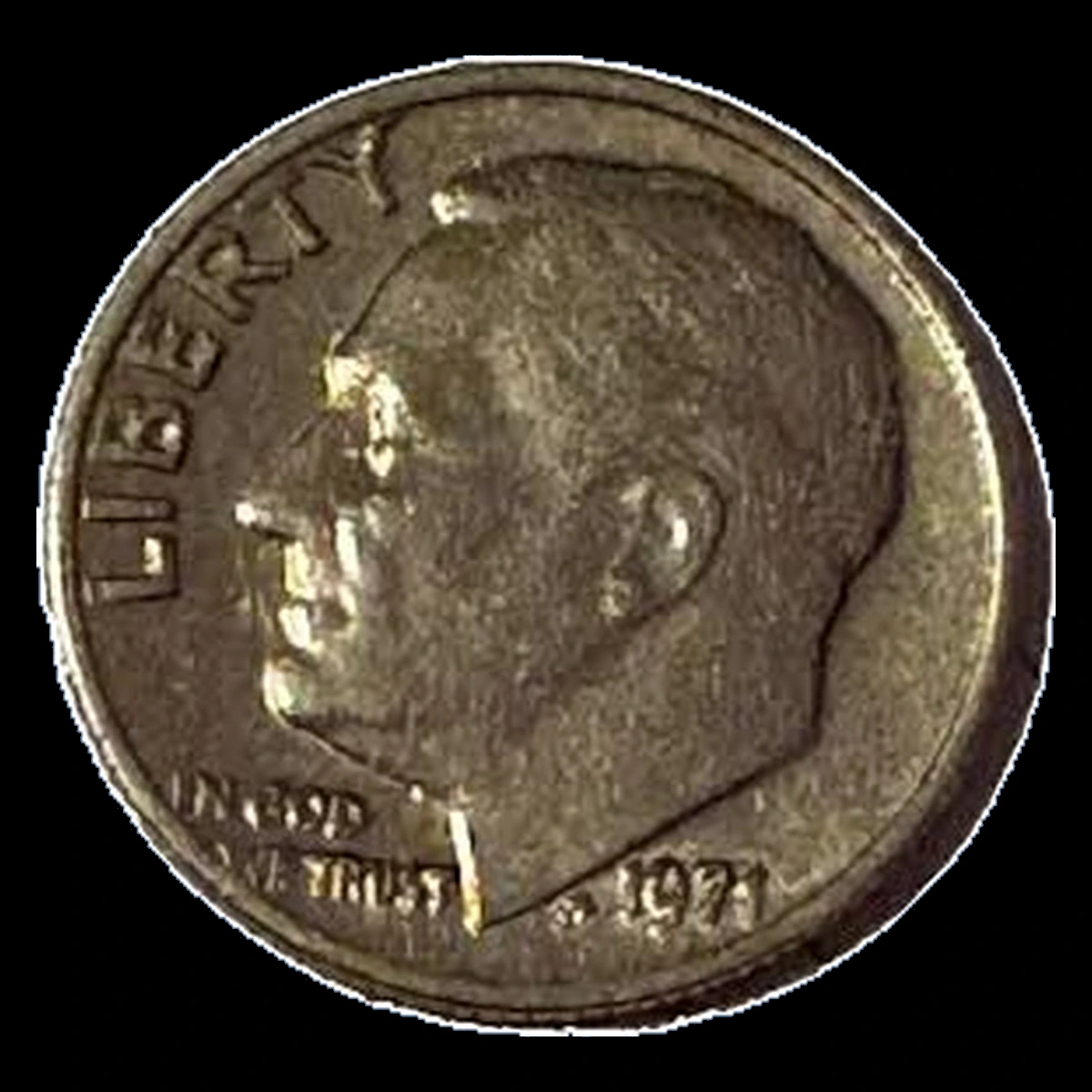
4. 1971 Dime Raised Ridges or a Rim Patch: Die Cracks and Breaks Error
Metal entering a cracked tool can leave a raised line. A larger missing piece of the tool can leave a raised patch instead.
These categories are reported without a fixed mint or location. A large break joined to the rim is called a cud.
How to Identify
Compare with a normal dime first, since the hair and torch already contain narrow raised lines. Then use side lighting to check the extra feature’s height.
A cud must connect to the original rim. A dent can push metal upward nearby without involving a broken die.
What It’s Worth
$2–$30 is the estimated range for small cracks; clear larger breaks may fall around $30–$200. These ranges value the whole coin.
Worn or damaged boundaries make the feature harder to show and can reduce interest.
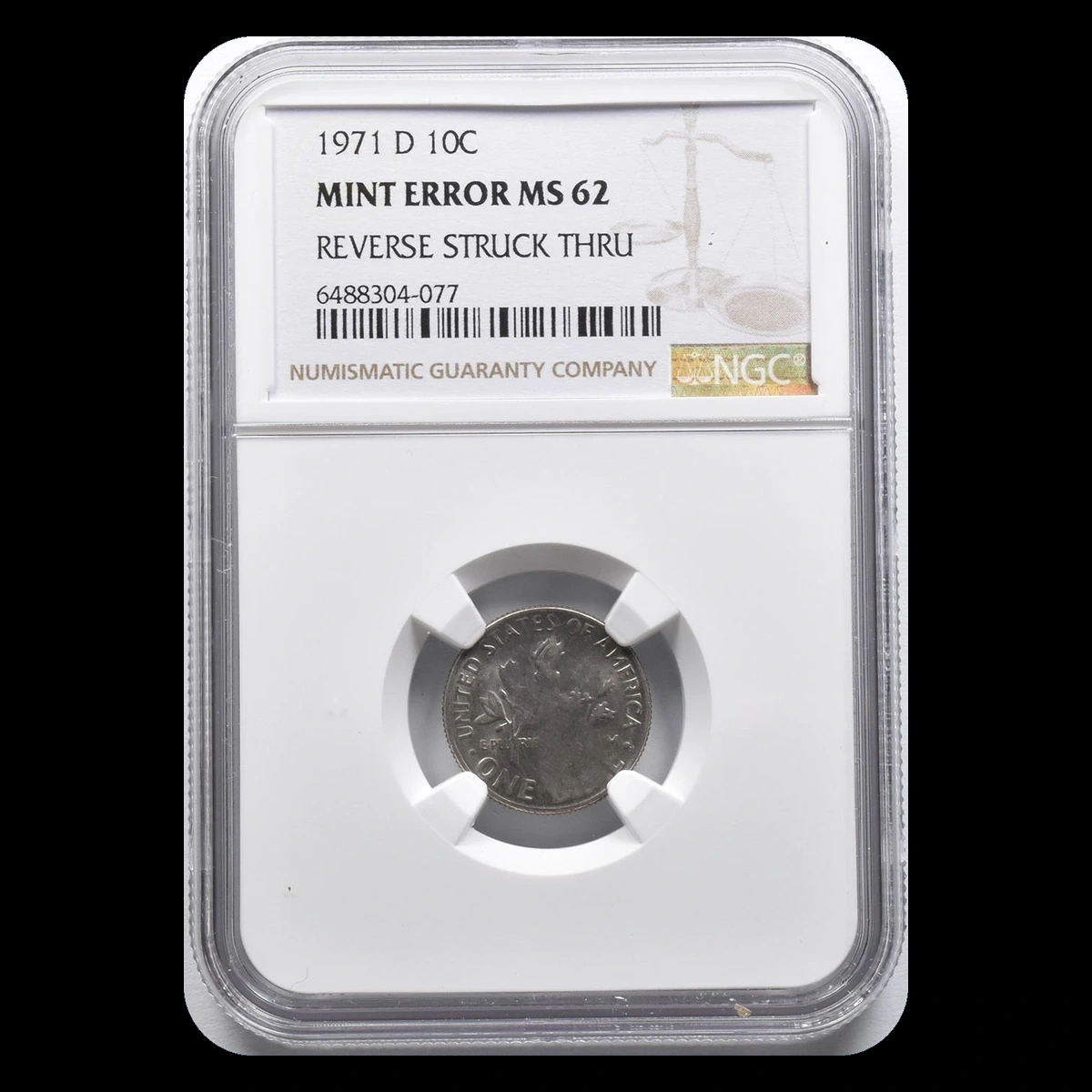
5. 1971 Dime Copper Shows through Part of the Front: Missing Clad Layer Error
A dime’s pale outer sheets cover a copper center. A 1971-D example has part of the front covering missing, exposing the metal underneath.
The documented NGC MS65 coin weighs 1.8 grams. Its grade means unworn with relatively few marks.
How to Identify
Find where the pale sheet ends and copper begins. Follow that boundary and compare the design on both surfaces.
The normal clad weight is 2.268 grams, but different amounts of layer loss produce different weights. Look for scraping or pits that could reveal later stripping.
A stain changes color without exposing a lower metal level.
What It’s Worth
$50–$600 is the estimated range for comparable genuine partial-layer-loss dimes. The MS65 coin sold for $186 in December 2022.
A clear boundary and original design on the exposed copper help explain the error to buyers.
6. 1971 Dime Metal Extends around a Full Picture: Broadstrike Error
The collar is the ring that limits outward spread during striking. When it fails to contain the blank, the result can be a wider coin with its intended design still complete.
This is a broadstrike. The 1971 report does not identify one mint or measured width for the category.
How to Identify
Trace the outer words on both sides and inspect the edge where the metal expanded. A normal dime is 17.91 millimeters wide, useful for comparison with a loose specimen.
Look for crushed portrait or torch details that could result from later hammering. Width alone does not prove a broadstrike.
What It’s Worth
$20–$300 is the estimated range for a genuine simple broadstrike. Obvious natural spread around a complete design is more attractive than a barely uneven border.
Heavy marks or flattening can hide the original effect.
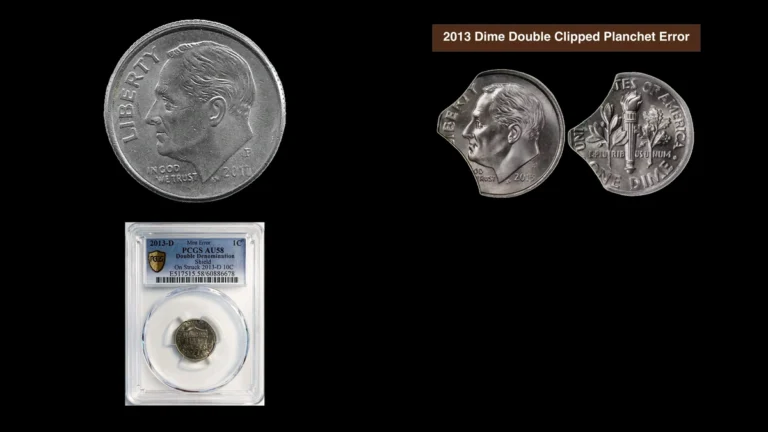
7. 1971 Dime The Blank Is Oval or Clipped: Incomplete Blank Error
Overlapping cuts in the metal strip can leave an oval blank or a disk with a missing edge. The later strike puts a design on only the metal available.
The Denver oval example preserves lower-front and upper-back details. A scrape crosses the right side of its back.
How to Identify
Trace the full outline before looking for a bite-shaped gap. The oval coin differs from a round coin with an unstruck crescent.
Check the edge for filing or fresh cuts through finished letters. Keep later scrapes separate from the original blank shape.
A different Denver coin graded ANACS MS65 has a clipped edge. Its description does not include the oval coin’s outline or back scrape.
What It’s Worth
$20–$150 is the estimated range for modest clips, while unusual identified oval blanks may fall around $150–$800. The PCGS MS63 oval coin sold for $460 in July 2002.
The separate MS65 clip was in a three-coin lot sold for $31 in July 2021. That total also covered 1966 and 1980-P dimes.
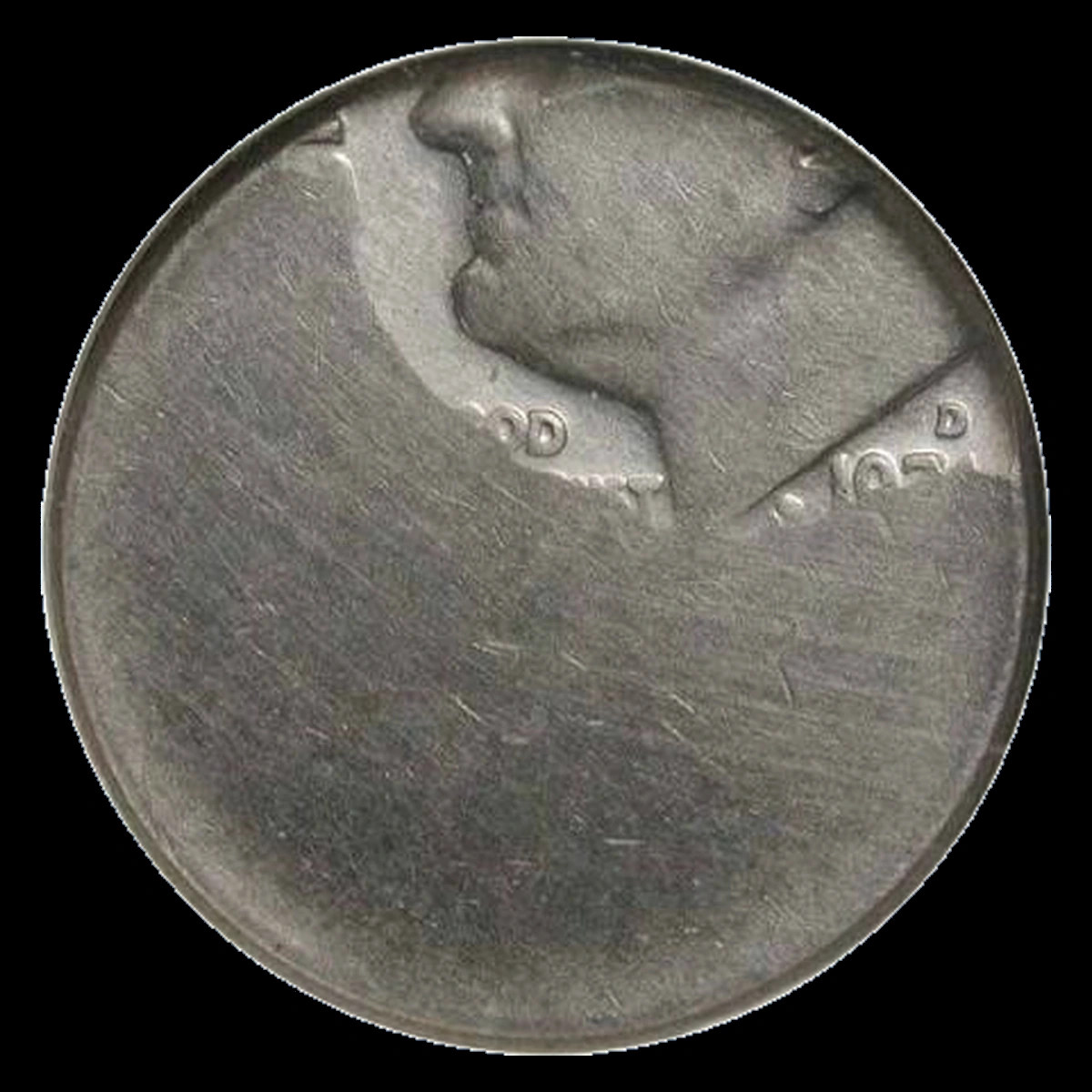
8. 1971 Dime A Plain Crescent beside the Design: Off-Center Strike Error
An off-center strike leaves part of a round blank outside the tools. The unused area remains as solid plain metal beside an incomplete design.
Examples are reported for Philadelphia and Denver without one required direction or percentage.
How to Identify
Find the struck boundary on both faces and confirm that they fit one misplaced blank. A centered back behind only a shifted front suggests a tool-alignment issue instead.
Read the year and D directly if they survive. If the mintmark area missed the strike, an absent letter cannot establish Philadelphia origin.
What It’s Worth
$30–$800 is the estimated range for genuine dated examples. A complete year and clean unstruck area make the coin easier to identify.
For a different-year comparison, a 1981-P dime struck 55% off center and graded ANACS MS64 sold for $49 in January 2022.
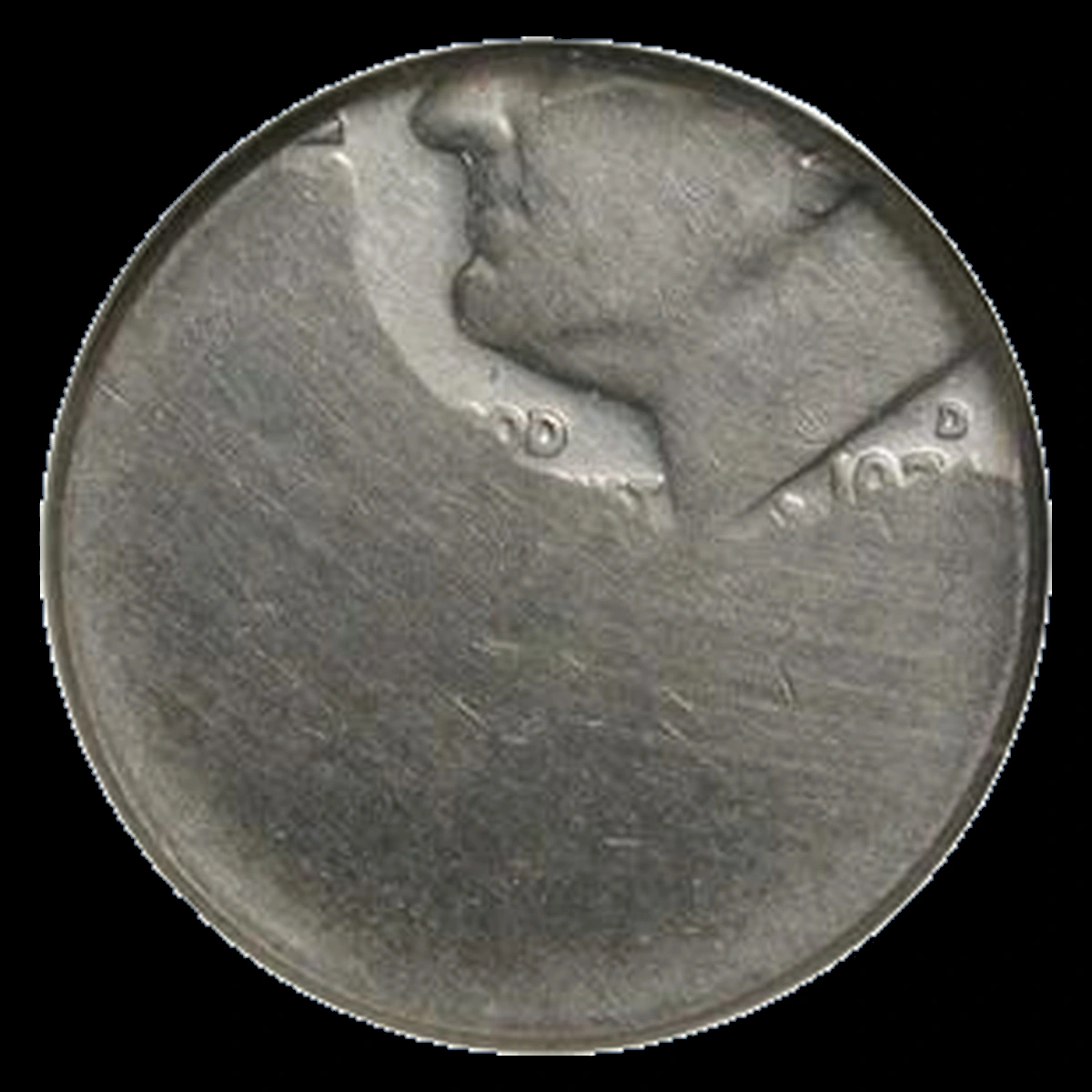
9. 1971 Dime Half the Design Is Displaced and Faint: Off-Center Weak Strike Error
A collector display records a Denver dime as 50% off center with very weak detail. Its label uses the older term “die adjustment strike.”
The weak design does not prove the press was deliberately being tested. The reported NGC PrAg assessment describes very little remaining detail.
How to Identify
Inspect protected spaces in the shallow design for original texture. That helps separate incomplete formation from a coin worn or polished nearly smooth.
The blank crescent explains the off-center position; the faint struck half records the weak impression. Both features should remain together in photographs.
What It’s Worth
$100–$1,000 is the estimated range for an authenticated off-center and low-pressure combination. Recognizable identity and original shallow detail help support the comparison.
This is one combined coin, not two error prices to add together.
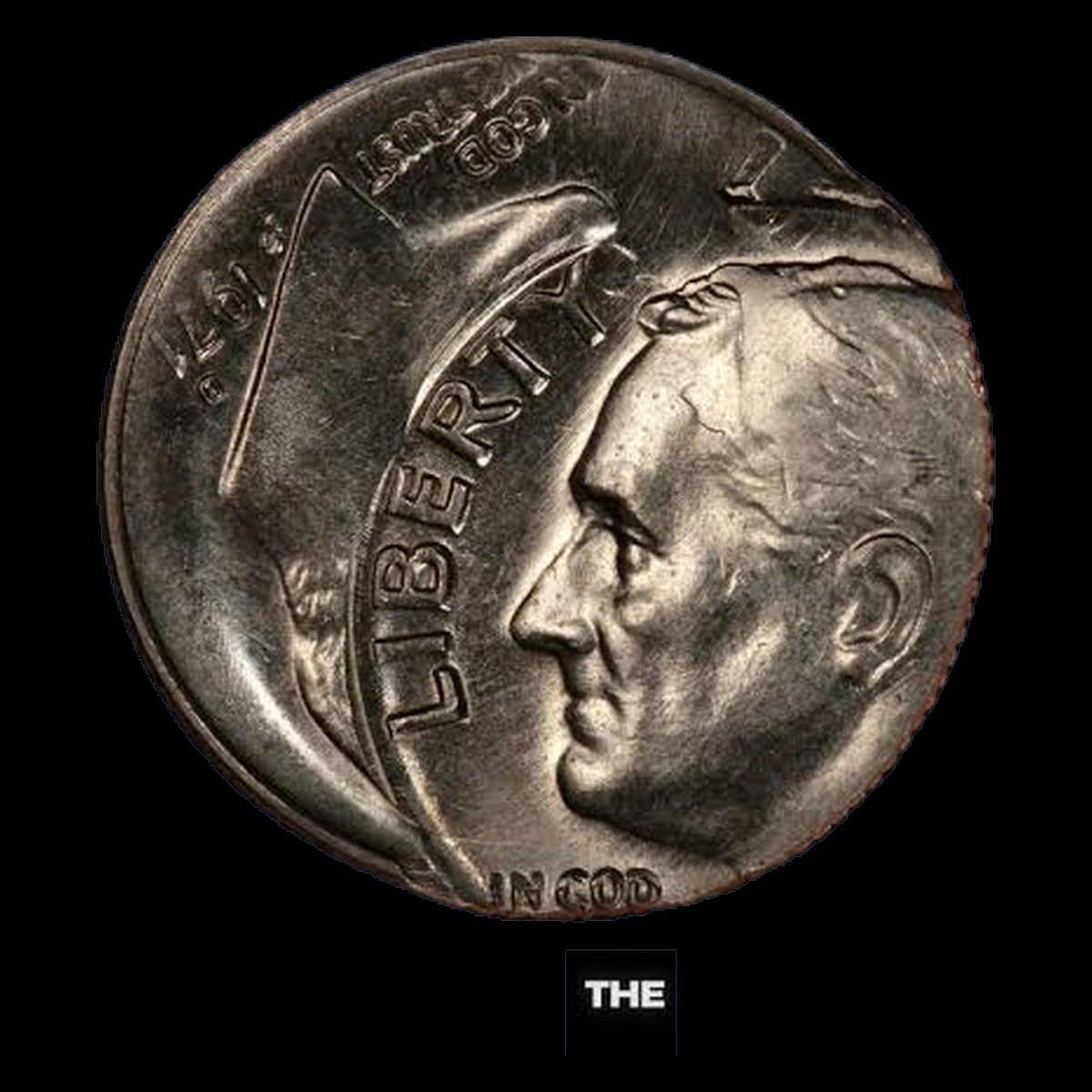
10. 1971 Dime A Sunken Backward Picture: Brockage Error
A finished coin can press a reversed copy of its design into another blank. This sunken transfer is called a brockage.
One Denver MS64 coin has a partial front brockage from an interfering off-center coin. Another Denver coin has two strikes, a 35% off-center second strike, and back brockage.
How to Identify
Look inside the affected patch for connected backward letters or portrait details. Side lighting should show that they sink into the surface.
For the double-struck PCGS MS62 example, trace the original picture and then the second position. Its 35% figure describes the second strike, not the size of the back transfer.
A plain hollow lacks the copied design needed for a brockage identification.
What It’s Worth
$100–$1,000 is the estimated range for clear partial brockages. The NGC MS64 front-brockage coin sold for $204 in July 2021.
A confirmed double-strike and back-brockage combination is estimated at $300–$2,000. That range describes the separate, more complex coin.
11. 1971 Dime A Dime Design on Cent Metal: Wrong-Blank Candidate Error
A cent-blank claim is reported for 1971 without a matched specimen. It would require Roosevelt’s design on a genuine period cent blank.
A normal 1971 cent blank starts wider and heavier than a dime blank. Brown color or an unusually low weight does not establish this proposed error.
How to Identify
A period cent blank weighs 3.11 grams and starts 19.05 millimeters wide. Its copper-based metal differs from the layered construction of a normal dime.
Have the composition and strike examined together, checking for plating, trimming, or joined pieces. Final width can change during striking.
A Lincoln cent on a dime blank is the reverse combination and cannot prove this dime claim.
What It’s Worth
$500–$2,500 is the conditional estimated range for an authenticated 1971 dime on a period cent blank. It is not a recorded sale of a confirmed candidate.
The price comparison requires genuine wrong metal and an identifiable Roosevelt strike.
Conclusion
Do not begin by treating a blank mintmark area as rare: Philadelphia dimes normally have no letter in 1971. Look for evidence that explains the actual feature, from a surviving D fragment to a clear backward image.
Keep different specimens separate in your comparisons. A clipped coin, an oval blank, and a low-pressure off-center strike can all lose visible detail for different reasons.