Rare 1860 Quarter Errors (List & Pictures)
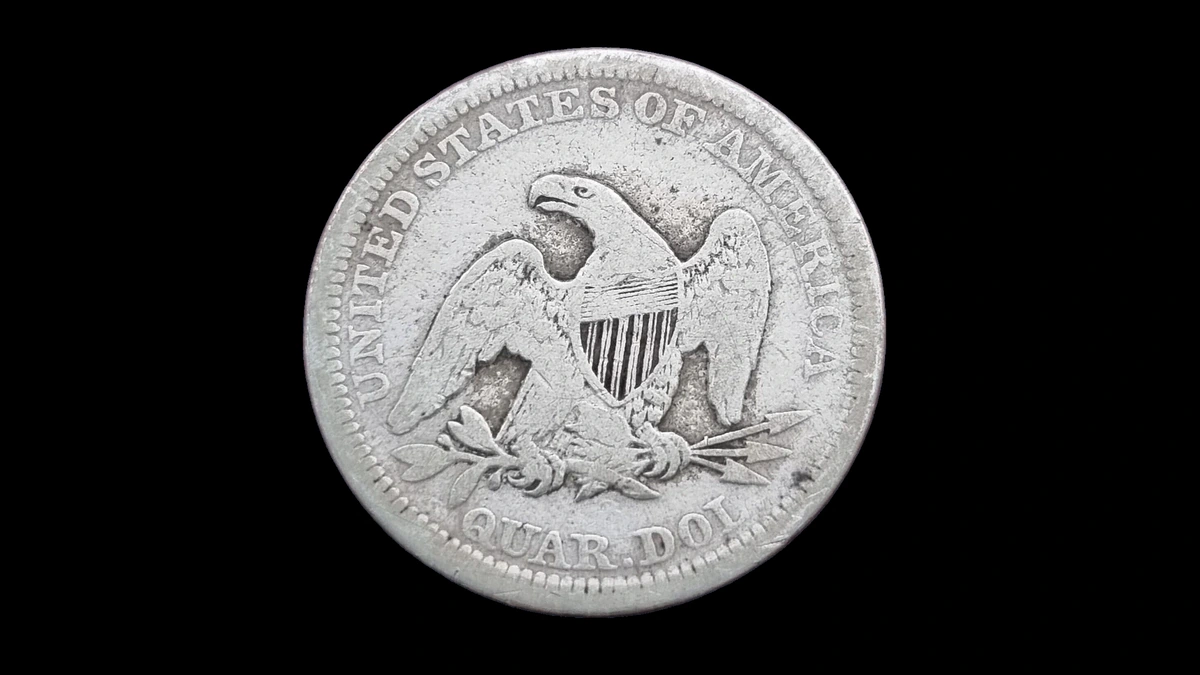
An 1860 quarter that seems to have no mintmark may need another look below the eagle. A faint O can identify New Orleans, but a shadow cannot.
This guide to 1860 quarter errors covers the reported weak O, with estimated whole-coin values of $100–$6,000 in worn through lower unworn grades. An exceptional 1860-O sold for $28,200 in October 2021, a condition result rather than an established weak-letter premium.
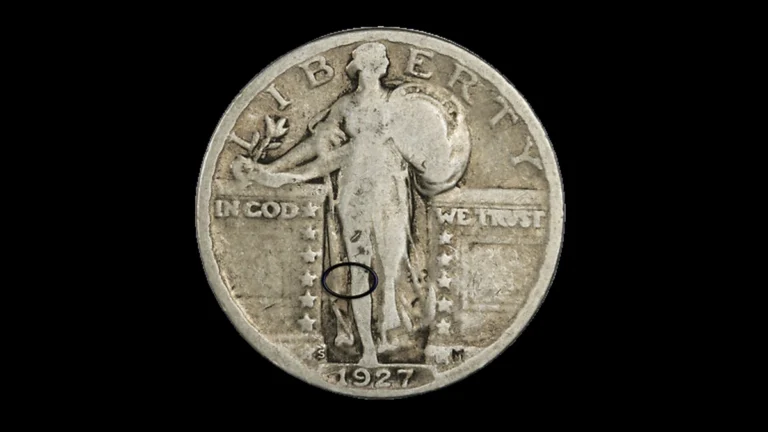
1860 Quarter A Faint O below the Eagle: Weak New Orleans Mintmark Error
The O identifies New Orleans. On some 1860 quarters, it is faint enough to make the coin resemble a Philadelphia issue, which normally has no mint letter.
The weak appearance is associated with particular stamping tools and stages of their use. Those tools are called dies.
The supplied record does not establish grease as the cause in every case. Wear or cleaning can also make an already shallow O harder to read.
An LSCC study of weak mintmarks discusses the identification problem and the danger of misleading shadows. The useful feature is surviving letter shape, not simply a dark circle.
How to Identify
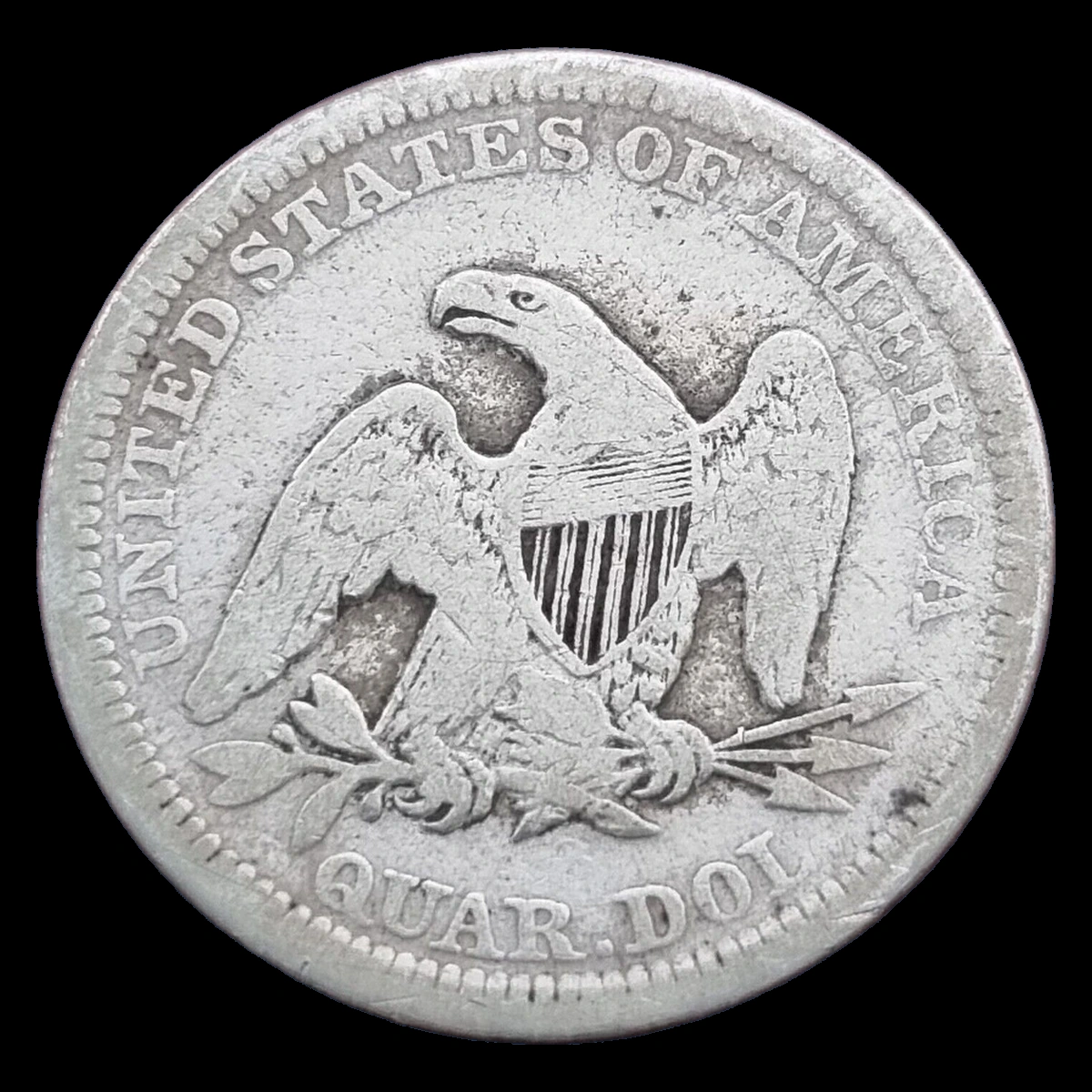
Photograph the area below the eagle with the light coming from two different directions. Look for a fixed raised outline that can be followed as part of O.
A toning ring may change contrast without showing actual raised metal. Do not assume it is a mintmark because it looks round in one picture.
Examine the surrounding surface for scraping, smoothing, or a depression where metal was removed. Leave the area untouched rather than rubbing it to make the letter brighter.
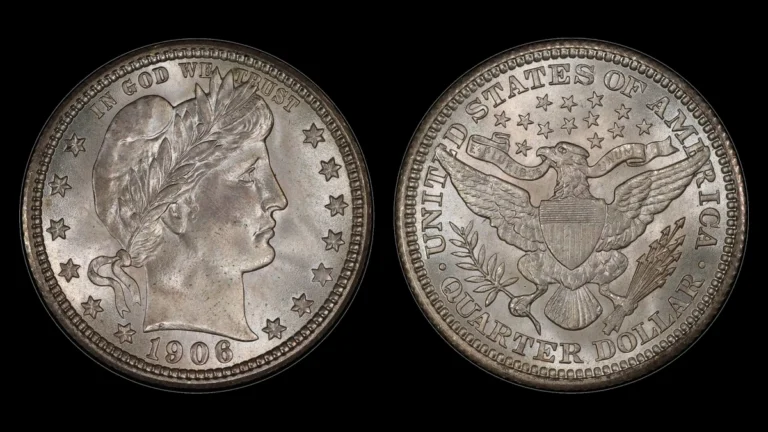
If the O remains difficult to read, compare the complete front and back with identified 1860-O examples. Other matching features from the same tools can help establish identity.
Published edge studies offer another check for a specialist. The grooves on the side are different from the tiny tooth-shaped border marks on the faces.
Keep a graded coin sealed during the examination. A full set of photographs is more useful than damaging its surface to expose one faint line.
What It’s Worth
$100–$6,000 is the estimated whole-coin range for worn through lower-grade unworn New Orleans pieces. The main value comes from correctly identifying the issue and assessing its condition.
PCGS lists an MS64 sale at $3,055 in July 2015. MS64 describes an unworn coin with some visible marks.
A faint letter does not automatically make a coin worth more than a bold-letter example. Original surfaces, remaining design, and a secure mint identification matter more.
The exceptional $28,200 result belongs to a higher condition comparison. It should not be assigned to an ordinary worn coin just because its O is hard to see.
Conclusion
Test the faint O with lighting, surface examination, and full-coin comparisons. A dark ring or an apparently blank mintmark area is not enough to name the mint.
When the letter remains ambiguous, matching the tools through other details is more useful than making the same close-up brighter. The estimate values the identified New Orleans quarter as a whole, not faintness as an independent rarity.