Rare 1906 Quarter Errors (List & Pictures)
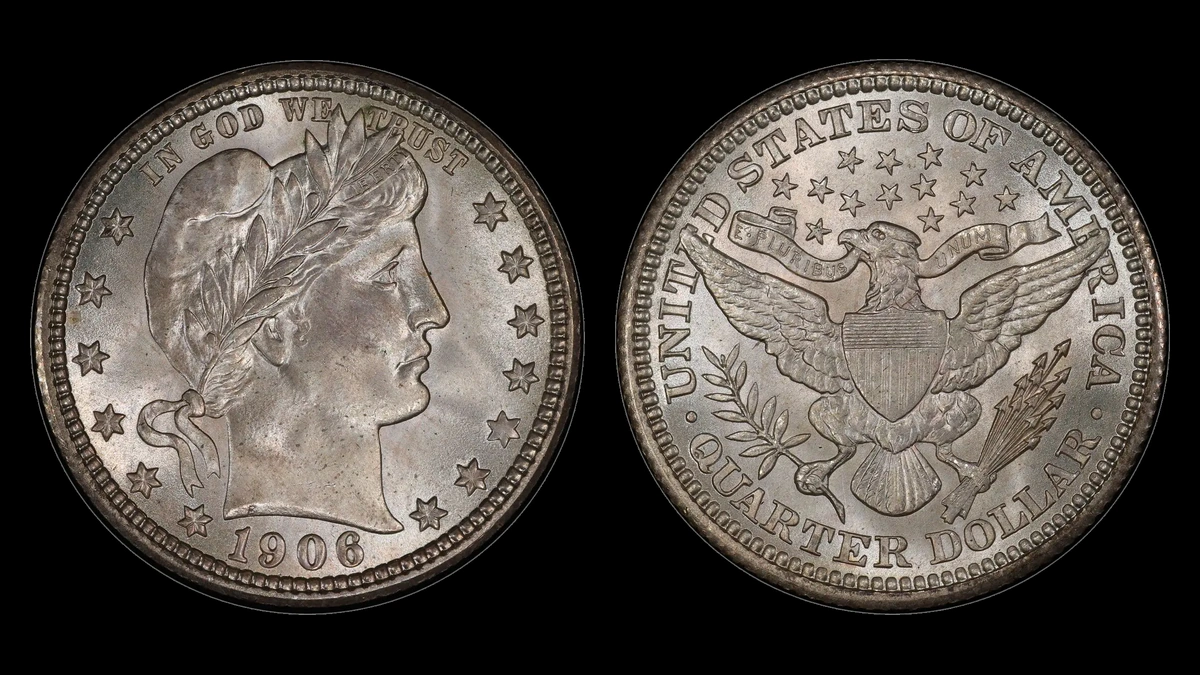
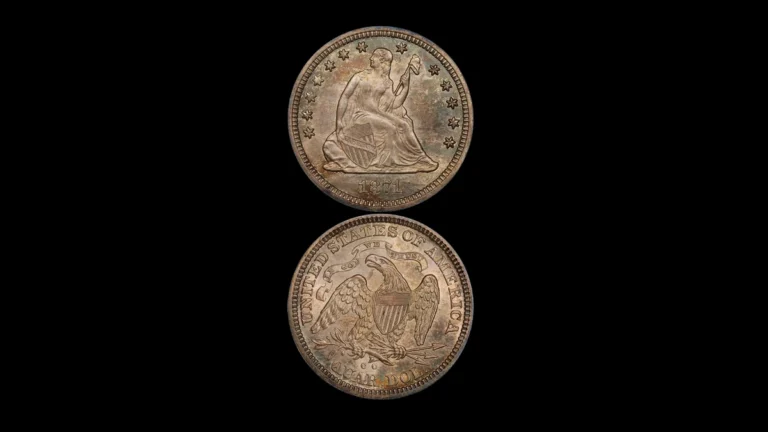
An extra digit need not sit against the normal date: one Philadelphia variety has part of a misplaced 9 among the border beads. That cleaned example supplied the highest completed transaction in this 1906 Barber quarter error guide, selling for $139 in March 2024.
Whole-coin estimates range from $30 to $3,000. Identify the reverse mintmark first, then compare the date punches, repeated Denver D, or reported New Orleans reverse doubling.
| Mint | Feature | Estimated value |
|---|---|---|
| Philadelphia or Denver | Repeated date strokes; Philadelphia misplaced 9 | $40–$1,500 |
| Denver | Earlier D outline above main mintmark | $30–$1,000 |
| New Orleans | Reported doubled reverse | $75–$3,000 after confirmation |
1. 1906 Quarter Extra digits appear beside the date or in the border: repunched and misplaced dates Error
Different date-punch patterns occupy different positions on 1906 quarters. Philadelphia reports place an earlier 6 to the right or an earlier 19 below the main digits, while Denver has a separate leftward 19.
Philadelphia MPD-001 is more distant: the top of an earlier 9 appears among the border beads below and left of the normal 9. These features originated while the die was prepared, rather than through two strikes of the finished quarter.
How to Identify
Check for D or no mintmark before selecting a date comparison. The Denver leftward 19 does not share the Philadelphia patterns’ positions.
For Philadelphia repeated digits, inspect the right side of 6 and the area below 19 as separate possibilities. Do not combine them into one variety unless the actual reference supports that match.
To examine MPD-001, include the border below and left of 9 in the same photograph as the whole date. The extra curve must fit the top of the misplaced digit rather than an unrelated scratch among the beads.
Matching mint, digit, and direction is more useful than calling the date thick. Lighting changes can also reveal whether an apparent stroke is real metal or reflection.
What It’s Worth
$40–$1,500 is the supplied estimate for matched date-punch varieties from worn through attractive unworn condition. The different patterns need not command identical premiums.
The Philadelphia MPD-001 at Heritage sold for $139 in March 2024. Its ANACS description retained Uncirculated detail but gave a net AU50 assessment because of cleaning.
The problem designation belongs with the price. Sharp extra strokes help identification without erasing cleaning or scratches elsewhere on the coin.
2. 1906 Quarter Another D outline lies above the mintmark: repunched D Error
The recorded Denver variety retains a portion of an earlier D above the final mintmark. “North” describes that extra impression’s direction when the reverse is upright.
The Barber Coin Collectors’ Society survey records the feature. It arose when the mintmark punch shifted between applications to the die.
How to Identify
Locate the D under the eagle and trace its normal straight upright and curved side. Then inspect the metal above it for remnants that fit another D.
The finished letter simply sitting high is not the same observation. An isolated dot, damaged corner, or normal variation in mintmark position does not establish repunching.
Compare multiple parts of the outline under changing light. A flat shelf produced during striking may widen the letter without preserving the earlier punch’s shape.
What It’s Worth
$30–$1,000 is the estimated whole-coin range for identifiable examples from worn through pleasing unworn condition. A clear surviving earlier D makes the attribution easier to show.
No individual completed sale is supplied for this mintmark variety. The portrait, eagle, and original surfaces still contribute to the total rather than an unexplained bump determining it alone.
3. 1906 Quarter Eagle-side details have matching extra outlines: reported doubled die Error
A doubled reverse die can reproduce repeated shapes during a single normal strike. The supplied report concerns the 1906-O quarter.
It does not establish one feather or letter as a universal diagnostic. The O beneath the eagle selects the issue to compare, but the actual doubled pattern still needs a confirmed match.
How to Identify
Choose photographs of an identified 1906-O doubled reverse before assigning a variety name. Another Barber year may show repeated detail in entirely different areas.
Compare the same parts at equal magnification while keeping the O and surrounding design in context. Several coherent repeated shapes provide stronger evidence than one bright edge.
Move the lighting to separate reflections from raised metal, and compare flat shelves with normal strike-related doubling. Doubtful outlines need specialist examination against an attributed example.
What It’s Worth
$75–$3,000 is the conditional estimate for a confirmed matching doubled reverse across worn through attractive unworn examples. Clear repetition and strong preservation are necessary for an upper-range comparison.
The ordinary New Orleans quarter’s value remains part of this range. Cleaning, damage, and wear can lower interest even when a genuine repeated pattern survives.
Conclusion
The mintmark directs three different examinations: Philadelphia’s date and border, Denver’s date or repeated D, and New Orleans’ reported reverse doubling. Match the actual extra shape and direction before assigning a catalog label.
The $139 misplaced-date result includes a cleaning problem, while the broader estimates cover many conditions. Preserve that distinction and compare the complete quarter’s surfaces alongside its small diagnostic feature when judging another example.