Rare 1997 Quarter Errors (List & Pictures)
Some 1997 quarter errors combine more than one problem on the same coin. A clipped blank may also have a stepped edge or a missing outer layer, so the features need to stay together.
Estimated values range from $2–$2,500. For wrong-blank context, a 1988-P quarter on nickel metal sold for $852 in October 2021; it was a different-year example.
Start with the lettering and surface, then examine missing metal, shape, and size.
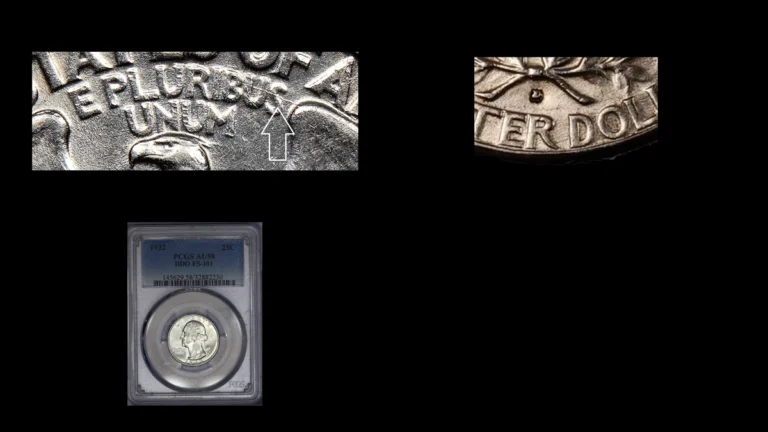
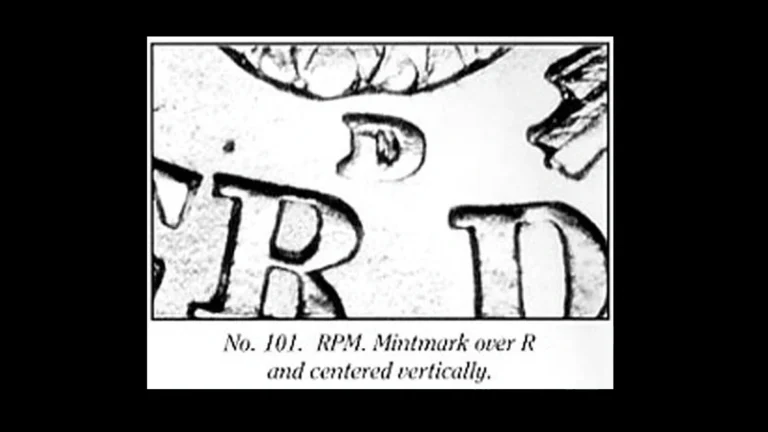
1. 1997 Quarter Two Raised Edges in the Design: Doubled Die Error
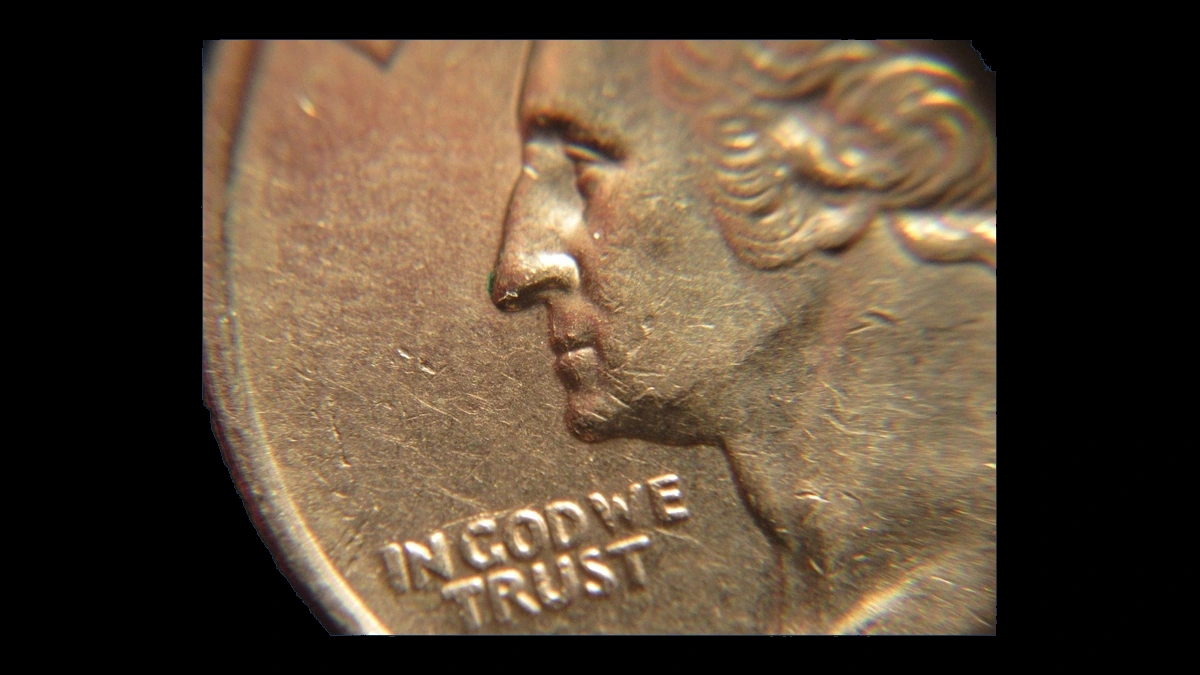
The 1997 reports include front and back doubling without one established mint or exact die pattern. A doubled die carries repeated design detail before it strikes any coins.
Front lettering and the motto are useful search areas, as are reverse letters and eagle details. They are places to inspect, not proof that every thick letter is a variety.
How to Identify
Choose one apparent repeated edge and move the light across it. Look for real raised separation that continues in a recognizable pattern.
Flat shelves can come from movement during striking, and worn dies can widen letters. Keep the date, mintmark, and both faces in your photographs when seeking an exact match.
What It’s Worth
$5–$300 is an estimate for a confirmed doubled-die variety. Clear separation on an unworn surface supports more interest than a vague thick spot.
The estimate does not apply automatically to strike doubling or every reported candidate.
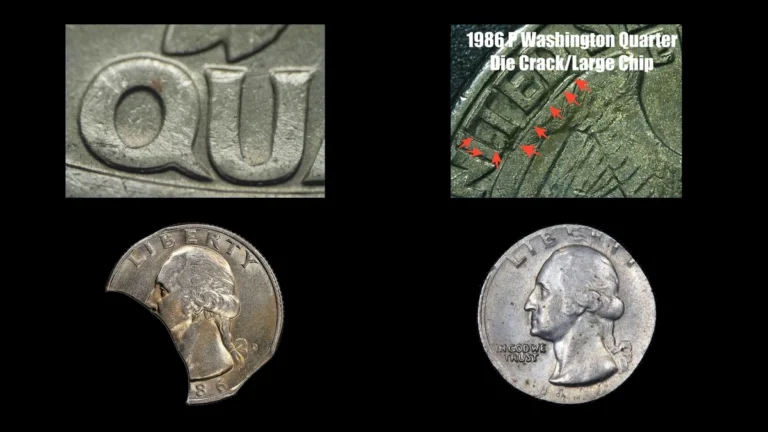
2. 1997 Quarter A Raised Line or Rim Patch: Die Cracks and Cuds Error
Metal entering a split in a die becomes a raised line on the coin. If a larger piece breaks away at the tool’s edge, the resulting rim-connected blob is called a cud.
No single path or mint is established for all the 1997 reports. The visible feature must therefore provide the starting evidence.
How to Identify
For a fine line, use low light to see whether it rises above the surface. Crossing a letter does not settle the question, because scratches can cross letters too.
For a large patch, locate its connection to the rim and see which design details it replaces. An isolated interior lump does not have the same structure as a cud.
What It’s Worth
$2–$300 spans small cracks through stronger rim breaks. Minor lines may bring $2–$25, while clearer cuds can fit $25–$300.
A visible patch replacing part of the edge design usually displays better than a hairline requiring heavy magnification.
3. 1997 Quarter A Recessed Patch or Weak Detail: Strike-Through Error
Material trapped between a blank and die can keep part of the design from forming. Grease may leave soft detail, while a firmer object can leave a clearer impression.
The supplied 1997 report does not name the material or affected face. A particular depression must be judged on its own features.
How to Identify
Compare the patch boundary with the nearest intact letters or feathers. Check how the original design meets the interrupted area.
A later impact can flatten finished detail and push metal aside, while corrosion often produces pitting. An empty depression also does not prove that foreign material remains in the coin.
Leave any attached object untouched. Scraping inside a mark can erase evidence and make identification harder.
What It’s Worth
$10–$1,000 is the working estimate. Slight weakness belongs nearer the low end; a large, convincing impression on a well-preserved coin may draw much more interest.
Do not use a retained-object estimate for an empty mark with no material still present.
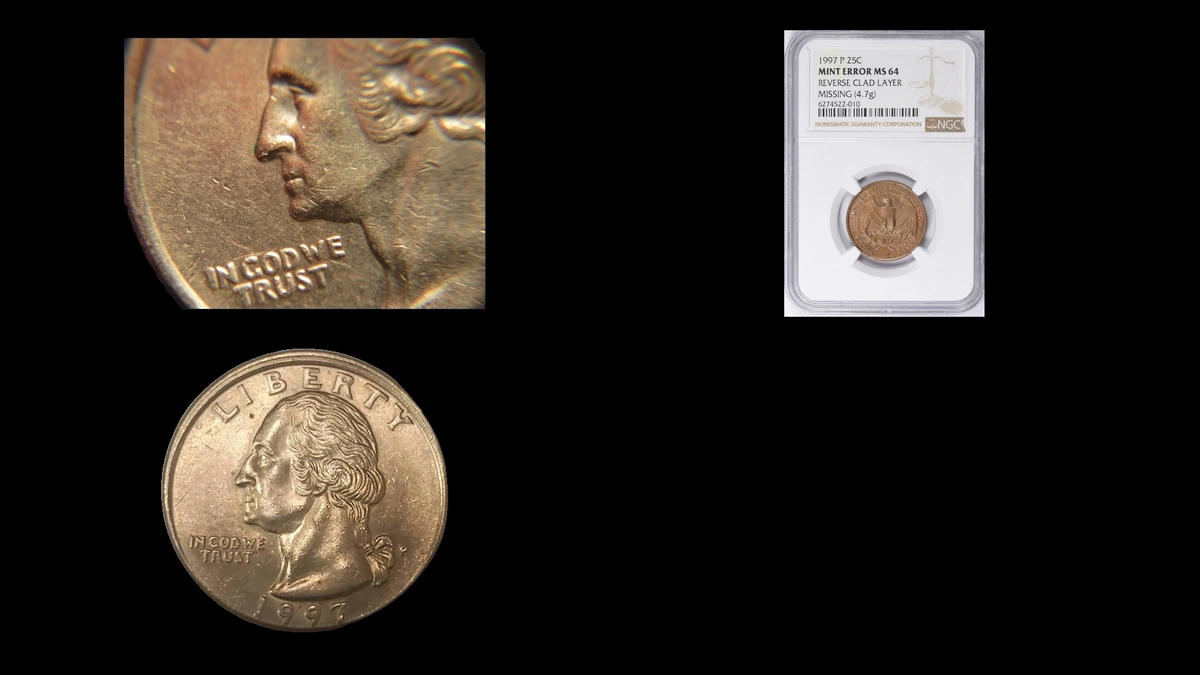
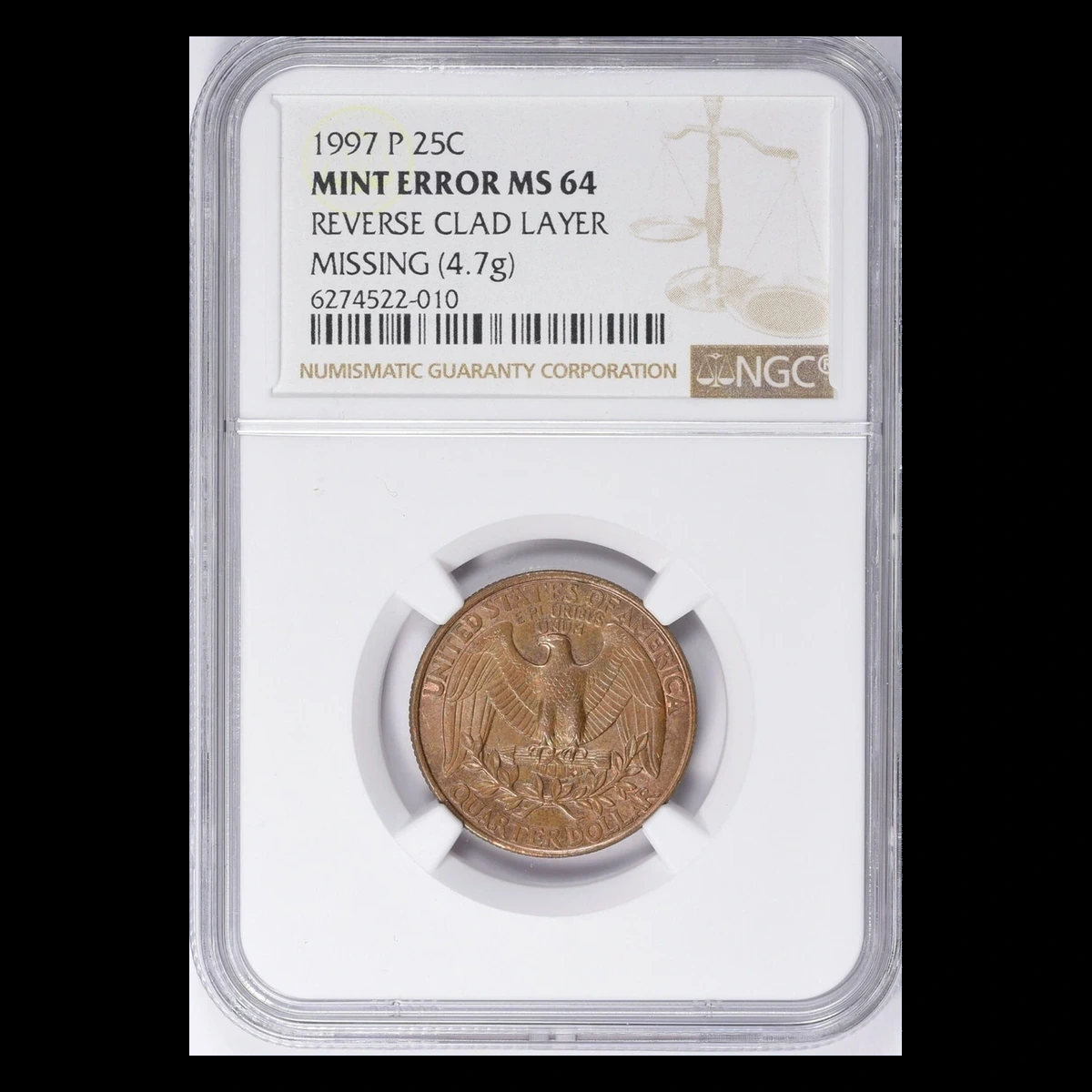
4. 1997 Quarter Exposed Copper on a Face: Missing Clad Layer Error
A reported 1997-P quarter is missing about 80% of its front outer layer. A separate Denver piece combines front-layer loss with a curved clip near eight-thirty.
Another example, graded PCGS MS63, has reverse-layer loss but no established mint in the supplied record. These descriptions belong to different coins.
How to Identify
Look for a real boundary between exposed copper and the surviving pale outer layer. Brown color alone may come from staining, paint, or later chemical treatment.
A normal clad quarter weighs about 5.67 grams, so a lower weight can support metal loss. Chemical stripping can also reduce weight, making the surface boundary important.
Copper visible along the normal edge is expected. The 1997-S silver Proof is a different normal product and should not be measured against the clad-layer construction.
What It’s Worth
$50–$1,000 is the estimate for genuine partial or complete outer-layer loss. A large original copper area with struck detail generally shows the error more clearly than a small patch.
The Denver coin’s clip and missing layer form one combined example. Their separate guide ranges should not be added together.
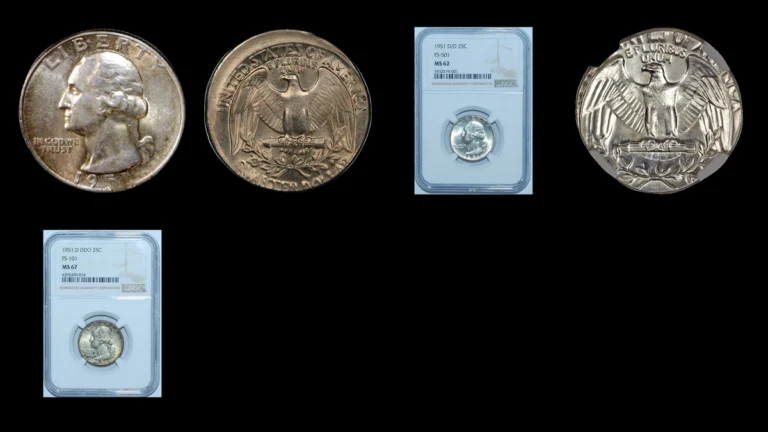
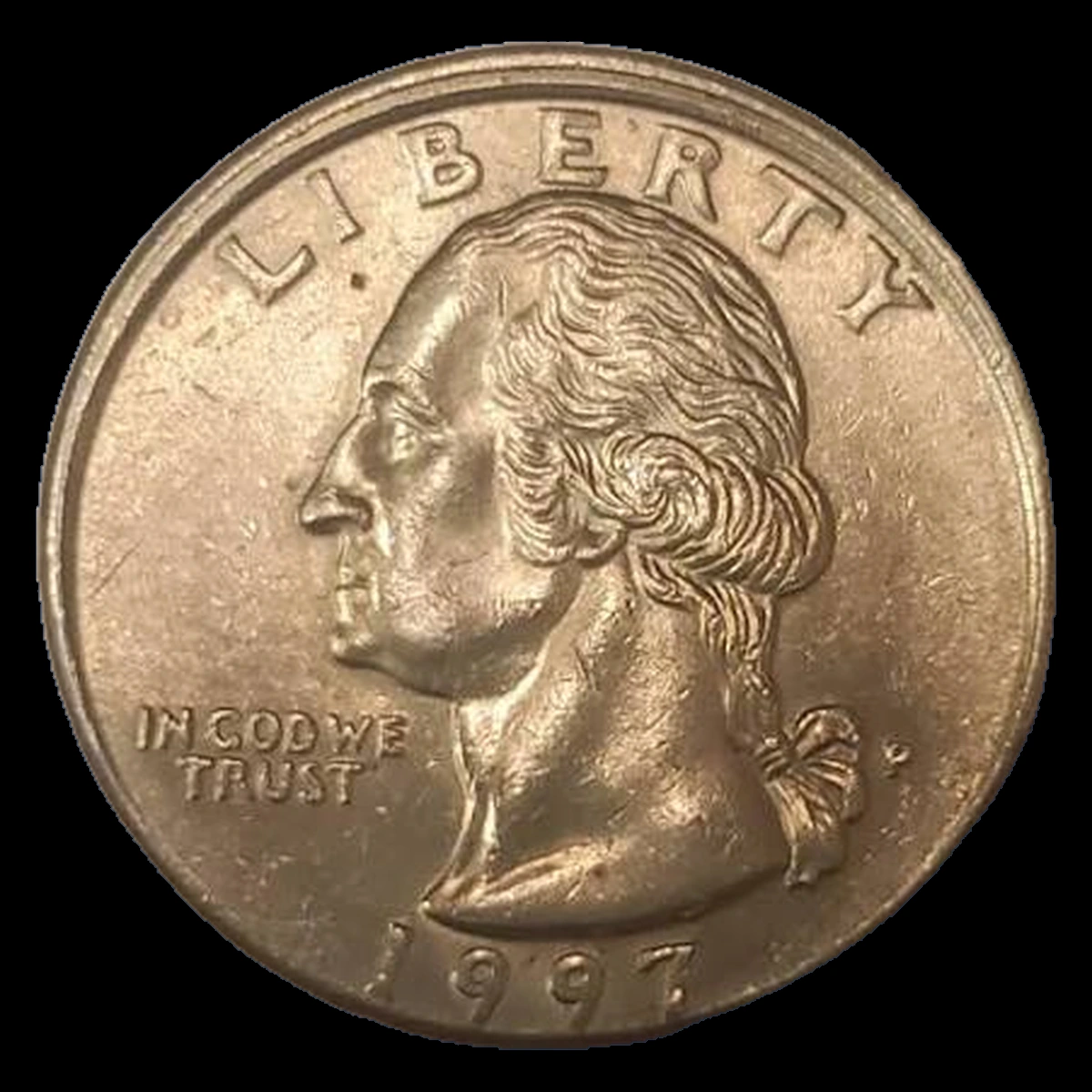
5. 1997 Quarter A Large Curve or Straight Gap: Clipped Blank Error
One 1997-P quarter has a 31% curved clip and an edge step from partial contact with the collar. The collar is the ring that controls a coin’s shape during striking.
A different Philadelphia coin has a 21% straight end clip and a broadstrike, meaning it spread without normal collar support. These are separate combinations, not two descriptions of one coin.
How to Identify
Inspect where the original rim approaches the gap. Fresh cuts or squeezed metal can expose a notch made after striking.
On the 31% curved example, a side view should show the step between restrained and expanded edge metal. The 21% straight-clip example instead needs the wider outline and remaining design checked for broadstriking.
An older three-clip, off-center claim remains unconfirmed. It should not inherit either documented coin’s measurements or other details.
What It’s Worth
$25–$1,500 covers simple clips through larger combinations. Ordinary clips can fit $25–$300, while large clips with clear partial-collar or broadstrike features can reach $300–$1,500.
The percentage of missing metal is not a price multiplier. Preservation and the clarity of the whole combination matter too.
6. 1997 Quarter A Shifted Design with Connected Scrapes: Damage during Striking Error
A documented Philadelphia quarter has a small off-center shift and a compressed lip near two-thirty on the front. Its disturbed areas show contact both before or during striking and after some details had formed.
This sequence is called trans-strike damage. It describes damage spanning the strike rather than assuming every scrape occurred later in circulation.
How to Identify
Begin at the compressed lip and trace the disturbance toward the blank crescent. Compare the last letters of LIBERTY with the lighter scrapes across Washington and the nearby surface.
The opposite border near DOLLAR helps show how the metal was compressed. Keep both faces together when following this sequence.
Mike Diamond’s illustrated account supplies the specific comparison. The exact machine part is not established, so matching the connected evidence is more useful than guessing what struck it.
What It’s Worth
$150–$1,500 is the estimated range for a confirmed coin with this combined pattern. It is not a reported sale result for the pictured specimen.
A small off-center shift alone does not explain the entire example. An ordinary scratched quarter also should not receive this estimate because a few marks point in the same direction.
7. 1997 Quarter The Quarter Design on Different Metal: Wrong Planchet Error
A planchet is the blank ready to be struck. If the wrong one enters the press, the quarter’s design can end up on a disc with the wrong size or composition.
Two 1997-P nickel-blank examples were cataloged at ANACS AU58, a grade with slight wear. A separate dime-blank coin graded NGC MS66 weighs 2.2 grams.
An NGC MS64 example attributed to a foreign blank weighs 4.66 grams and has a rose-colored edge. Its country and exact alloy are not established.
How to Identify
Check how the outer quarter design fits the available metal. The smaller dime-blank coin has crowded or missing border details around the surviving central picture.
A normal nickel blank weighs 5 grams and lacks a clad quarter’s copper-colored center at the edge. Neither reported AU58 coin has that exact weight confirmed in the supplied record.
Keep the foreign coin’s 4.66-gram weight and rose edge separate from the nickel and dime examples. Testing may help identify its metal, but color alone cannot establish a country.
Look for filing or other edge alteration before treating a small, light quarter as a wrong-blank error. Size, weight, composition, and the way the design formed should support the same explanation.
What It’s Worth
$150–$2,500 is the estimated range for genuine 1997 wrong-blank quarters. The blank type, readable identity, and preservation all affect demand.
A 1988-P nickel-blank quarter graded NGC MS66 brought $852 in October 2021. It was a different year and grade from the two 1997 AU58 pieces.
The 4.66-gram foreign-blank coin was unsold in its May 2004 auction. That listing provides no winning price.
Conclusion
The strongest 1997 examples often make sense only when their features are viewed together. A clip, edge step, missing layer, or scrape can be part of a larger sequence on one coin.
Preserve that connection in photographs and avoid combining measurements from separate specimens. Start with both complete faces, then add a close view of the edge or affected area before considering the appropriate whole-coin estimate.