Rare 1951 Quarter Errors (List & Pictures)
A quarter struck over a finished 1951 Lincoln cent has a reported auction result of $3,335. Estimated values across 1951 quarter errors range from $20–$6,000, including modest alloy flaws and recognized mintmark varieties.
This guide explains how to match the small details and distinguish unused wrong blanks from a coin carrying two denominations’ designs.
| Category | Estimated value |
|---|---|
| Lamination | $20–$200 |
| Clipped blank | $25–$250 |
| Broadstrike | $50–$400 |
| Off-center strike | $75–$750 |
| Repunched D or S | $30–$900 |
| Reported silver dime blank | $600–$2,000 |
| Denver doubled front | $75–$3,000 |
| Quarter over a finished cent | $2,500–$6,000 |
1. 1951 Quarter Lamination Flaws Error
A thin flap or shallow patch can form when a weak layer separates within the silver alloy. The 1951 report does not establish one mint or fixed location for this feature.
The coin’s metal is silver mixed with copper throughout. It does not have the bonded outer sheets found on later clad quarters.
How to Identify
Follow the boundary between intact design and the separated metal. A natural seam can continue beneath a lifting layer, while scraping or corrosion may leave different marks.
Leave attached metal in place and photograph the full face with the flaw. Moving a flap can destroy the connection that explains its origin.
What It’s Worth
Genuine laminations have estimated values of $20–$200. An obvious original layer beside preserved design can be easier to collect than a thin seam lost among wear and scratches.
This is a category estimate, not a sale of a particular identified 1951 specimen. The rest of the coin’s condition remains part of the value.
2. 1951 Quarter Clipped Blanks Error
A seller has offered a San Francisco quarter as a clipped error, and clips also appear in year guides. The seller’s description does not independently establish when the metal went missing.
A genuine clip begins with an incomplete blank. Its design then forms around an existing gap rather than being cut through afterward.
How to Identify
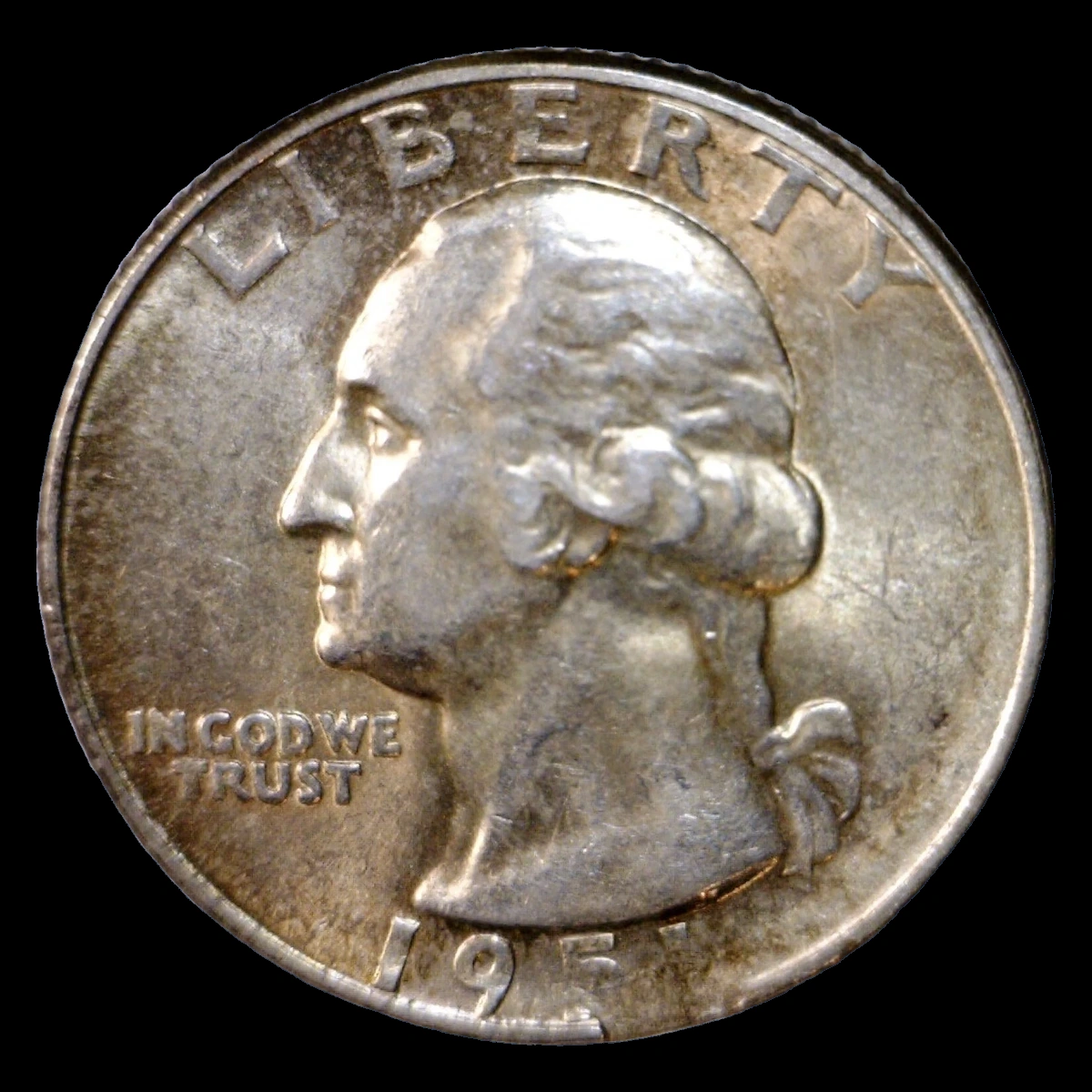
Confirm S in the reverse mintmark area when comparing the reported coin. Inspect both ends of the gap and the exposed edge for original formation rather than tool grooves or burrs.
A normal silver quarter weighs 6.25 grams and measures about 24.3 millimeters across. Reduced weight and possible weakness opposite the gap support examination but cannot prove an original clip on their own.
What It’s Worth
Authenticated clips have estimated values of $25–$250. The reported San Francisco example has no confirmed individual auction result in the supplied description.
Preservation and the clearly original boundary matter alongside size. A dramatic fresh cut does not receive the same premium.
3. 1951 Quarter Broadstrikes Error
A broadstrike retains the main design inside an expanded outline. The metal spread beyond its normal width because the collar did not restrain it properly during striking.
The 1951 report does not establish a particular mint, certified specimen, or measured diameter. Those details must come from the actual candidate.
How to Identify
Trace all intended outer lettering and design before judging the enlarged border. If some image falls beyond the available metal, investigate an off-center strike instead.
Compare the edge and surface for original expansion versus hammering that crushed completed details. Width alone does not establish a broadstrike.
What It’s Worth
Genuine broadstrikes have estimated values of $50–$400. Clear outward flow and attractive remaining design support stronger comparisons.
No particular 1951 broadstrike auction result is supplied. A small shape change mixed with damage should not inherit the upper estimate.
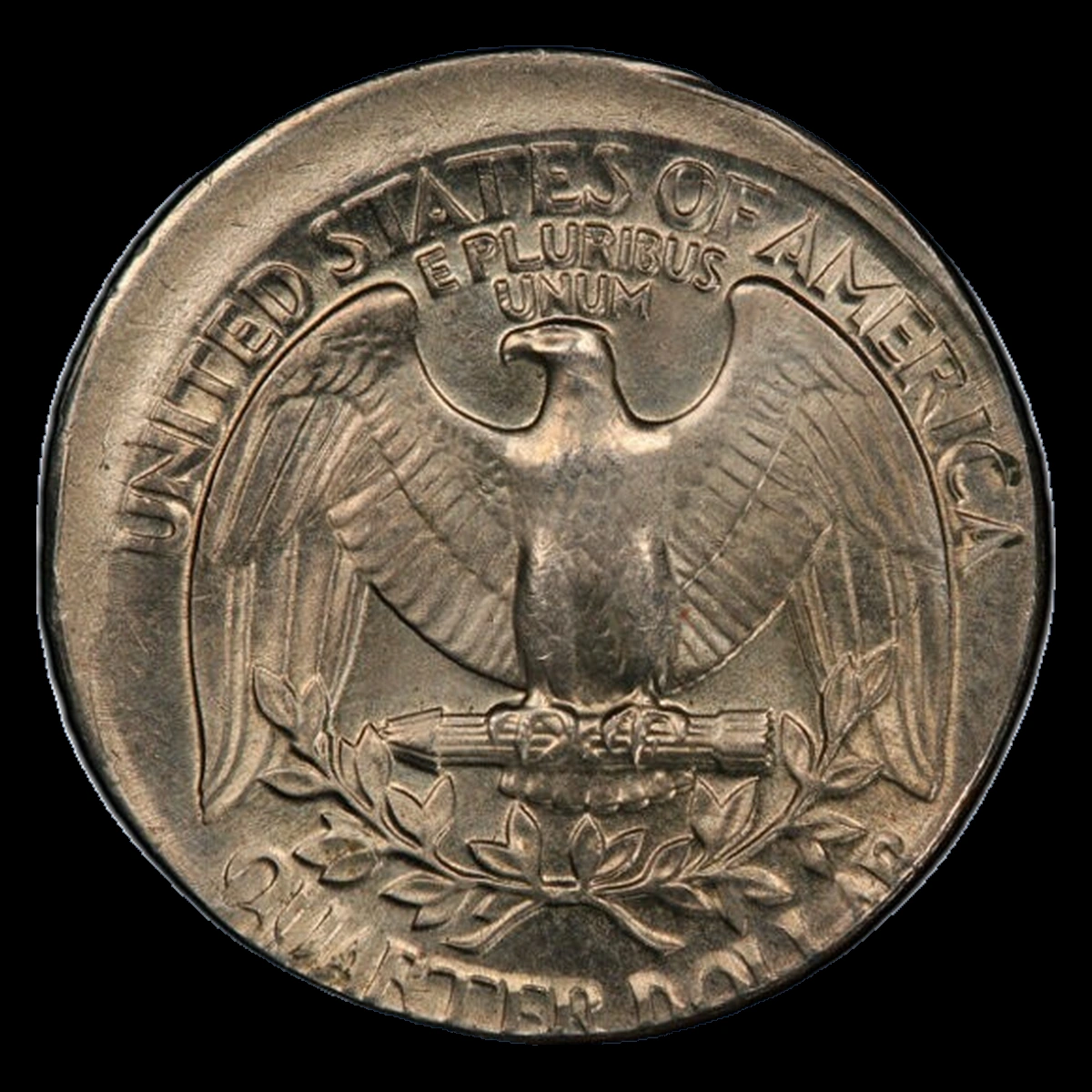
4. 1951 Quarter Off-Center Strikes Error
A misplaced blank can receive an incomplete portrait and eagle while retaining unstruck metal elsewhere. This differs from a complete design surrounded by expansion.
The year report does not establish authenticated examples from every mint. Each candidate needs its own year, mint evidence, and original blank surface.
How to Identify
Compare both faces to see whether the designs fit the same displaced disc. A one-sided shift opposite a centered design may reflect die alignment instead.
Inspect the blank crescent for scraping or erased lettering and read the actual date. A dramatic error with its year missing cannot automatically be assigned to 1951.
What It’s Worth
Genuine dated off-center examples have estimated values of $75–$750. Condition, surviving identity, and clear displacement affect the comparison.
A different 1988-P quarter struck thirty percent off center, graded ANACS MS63, brought $109 in January 2022. That later clad coin is not a sale record for a silver 1951 example.
5. 1951 Quarter Repunched D and S Mintmarks Error
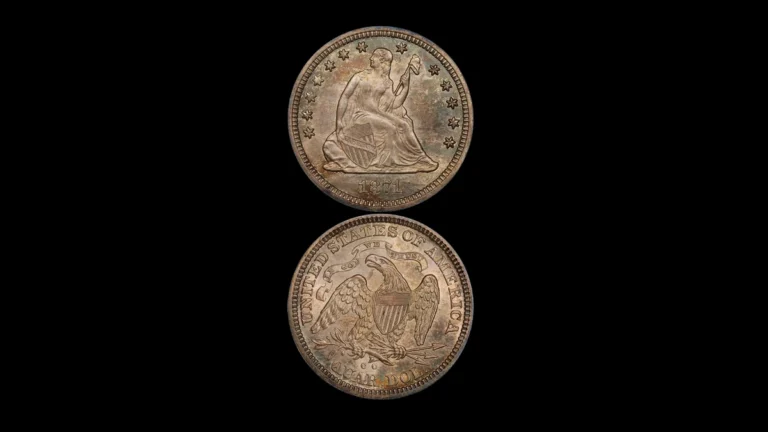
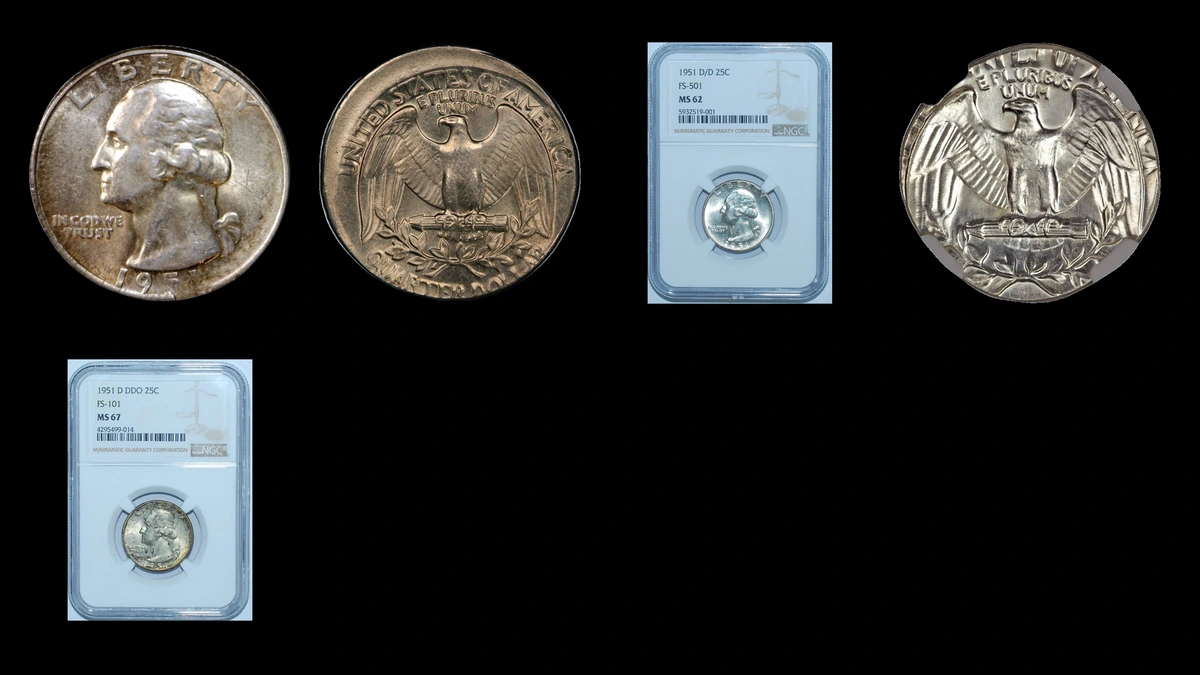
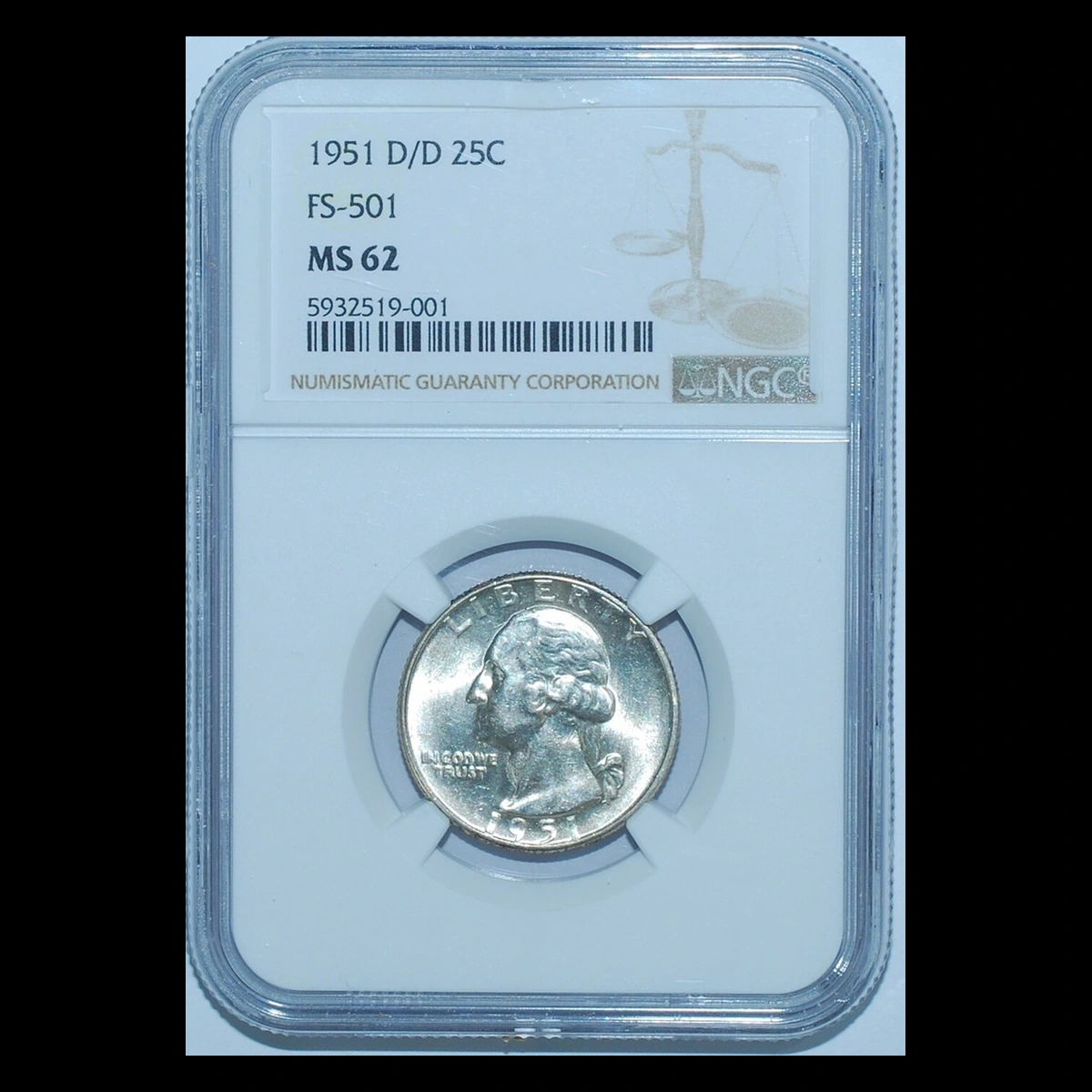
PCGS recognizes both Denver and San Francisco repunched mintmarks for this year. Even when each uses the catalog number FS-501, their different letters require different reference matches.
The extra strokes originated when a mintmark punch entered the die in more than one position. Coins struck from that tool reproduced the surviving earlier outline.
How to Identify
Locate D or S on the reverse above QUARTER DOLLAR and trace its main shape. Then compare the extra curves or uprights with the correct same-year, same-mint variety.
A hit can move a letter edge without creating a true second letter. Flat shelves from striking movement and general thickness also need to be distinguished from repeated punch remnants.
What It’s Worth
Identified Denver examples have estimated values of $40–$900, while the separate San Francisco pattern has an estimated range of $30–$400. The extra letter and whole-coin preservation must both be considered.
PCGS records a Denver MS66 result of about $858 on eBay in December 2020. That high-grade D variety result does not establish a price for S/S.
6. 1951 Quarter Reported Strike on a Silver Dime Blank Error
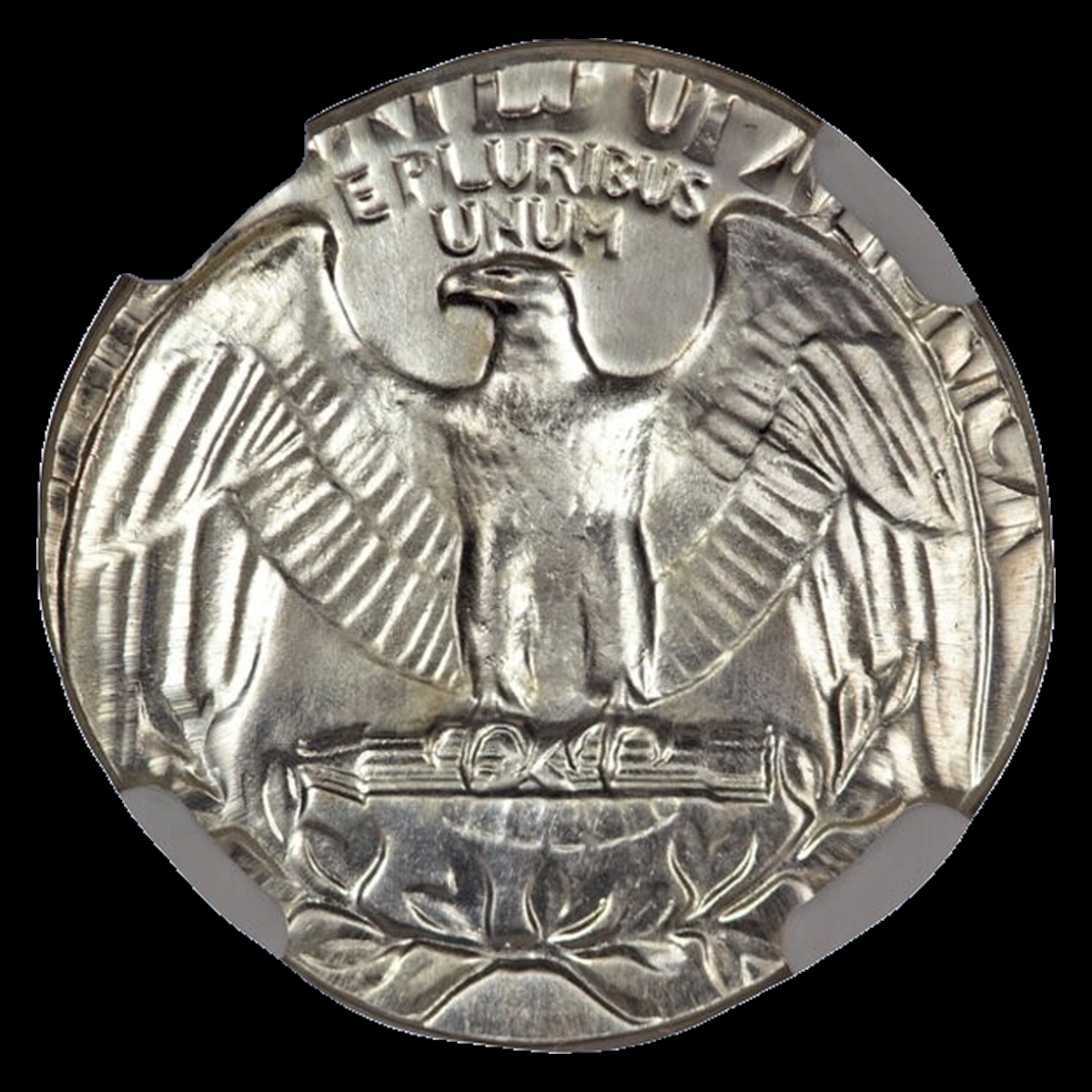
A Philadelphia quarter on a silver dime blank appears in a year-specific error report without a particular certified specimen being established. The small blank could not hold the intended quarter design completely.
Both normal quarters and dimes used ninety-percent silver in 1951. Their similar color makes measurements and original design fit more informative than appearance alone.
How to Identify
A silver dime blank normally begins at about 2.50 grams and 17.9 millimeters across. Striking can spread it, so assess actual size and weight with the crowded quarter design.
Inspect the edge for trimming and search for any older dime image. Earlier host design would indicate a finished coin struck again, rather than the unused blank described here.
What It’s Worth
A verified 1951 dime-blank quarter has an estimated range of $600–$2,000. A different 1963 example graded PCGS AU55 sold for $675.63 in October 2016.
That lightly worn coin offers a mechanism comparison. It does not authenticate the reported 1951 category or establish its individual sale price.
7. 1951 Quarter Denver Doubled Front Lettering Error
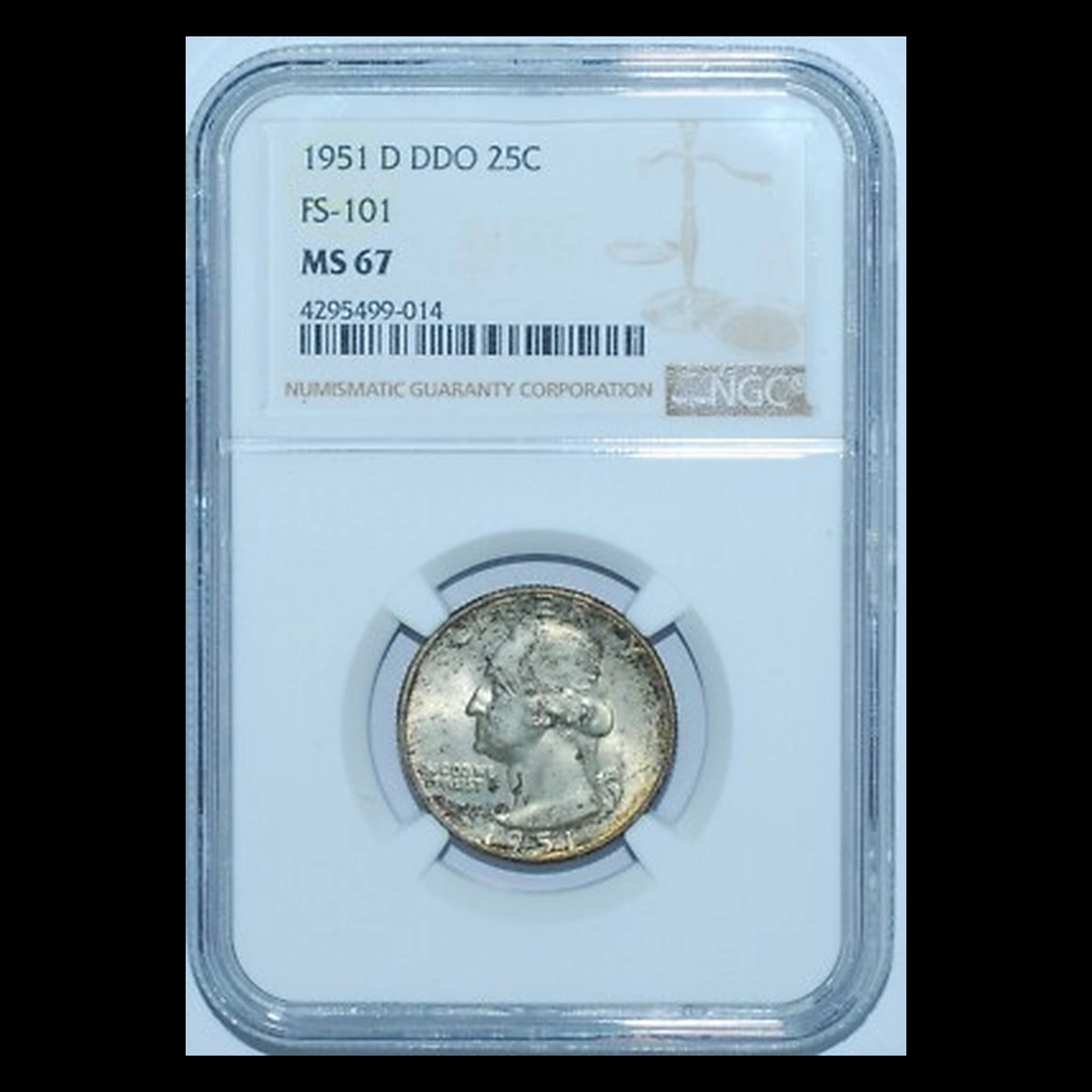
Denver FS-101 involves repeated front details requiring comparison in IN GOD WE TRUST, LIBERTY, and the date. The die carried the extra design before it struck the blank.
One blow could therefore create those repeated outlines. A flat shelf from movement during striking does not establish the same variety.
How to Identify
Confirm the reverse D, then compare several affected front areas with the same FS-101 reference. The shape and spacing of the extra outlines should agree rather than forming unrelated thick letters.
Use consistent light and magnification for the motto, LIBERTY, and date. Rounded original contours provide different evidence from glare or a thin lowered shelf.
What It’s Worth
Matched Denver doubled fronts have estimated values of $75–$3,000. PCGS lists an MS67 eBay auction result of about $2,612 in October 2020.
That exceptional unworn grade should not be assigned as a price comparison for every worn example. Clear attribution and original preservation remain essential.
8. 1951 Quarter Quarter Struck over a Lincoln Cent Error
The NGC MS66 Brown example preserves wheat lines and cent lettering beneath the quarter design. Its host was already a finished 1951 Lincoln cent.
This double-denomination error differs from a quarter on an unused cent blank. Surviving portions of the earlier image establish the extra step in its history.
How to Identify
On the eagle side, look for the cent’s 51 near the viewer-right wingtip and a faint Y from LIBERTY above the arrowheads. On Washington’s side, wheat traces appear above IN GOD WE TRUST and toward the right edge.
Connect several remnants into the recognizable cent design instead of relying on one scratch-like line. A period copper cent normally weighed 3.11 grams, but that is a standard rather than a reported measurement of this error.
What It’s Worth
A comparable authenticated overstrike has an estimated range of $2,500–$6,000. Mint Error News reported a $3,335 auction result for the NGC MS66 Brown quarter over a 1951 cent.
The amount values one complete copper coin carrying both designs. Brown describes copper color and does not, by itself, mean cleaning or circulation wear.
Conclusion
Keep small tool varieties separate from the physical history of a blank or host coin. A repeated D, natural silver separation, and surviving wheat ears each demand different evidence before their estimates apply.
Compare the correct mint and condition, preserve original surfaces, and document the entire coin. For the cent overstrike, recognizable older design is essential; copper color or a small outline alone cannot establish two denominations on the same piece.