Rare 1916 Barber Quarter Errors (List & Pictures)
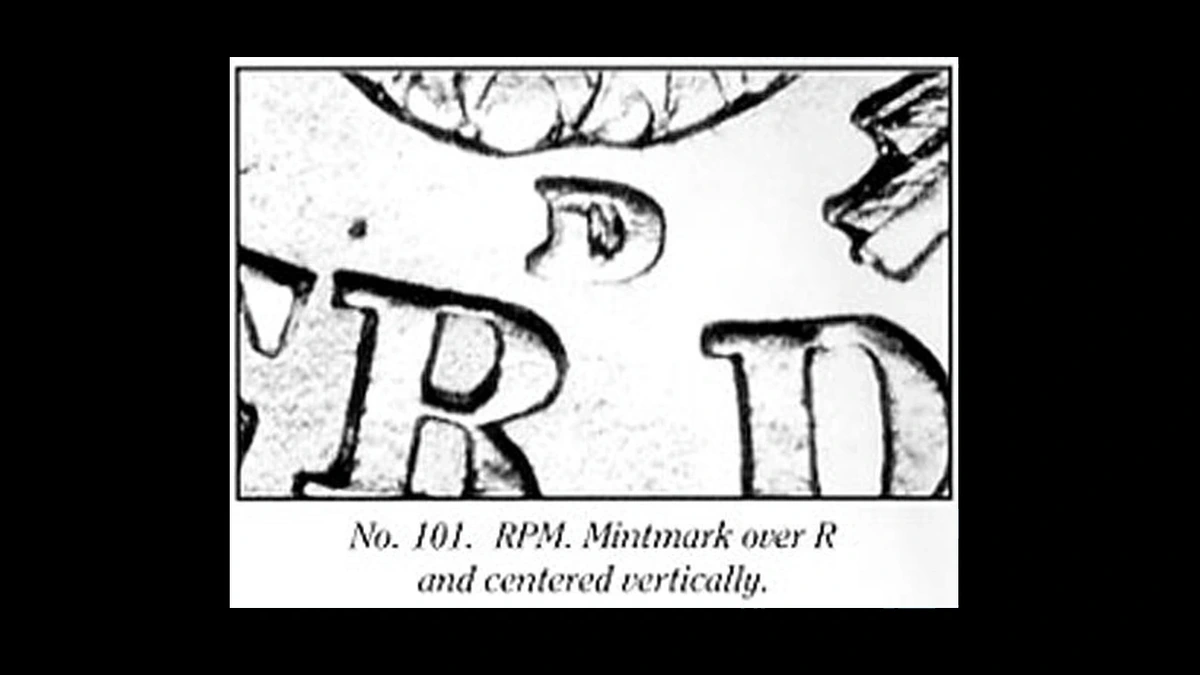
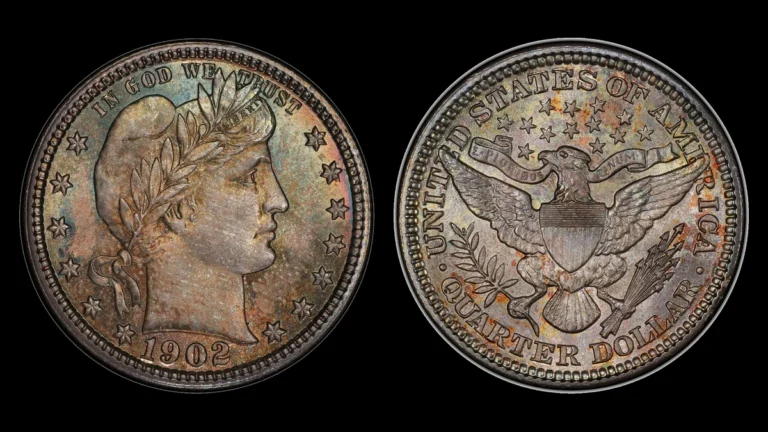
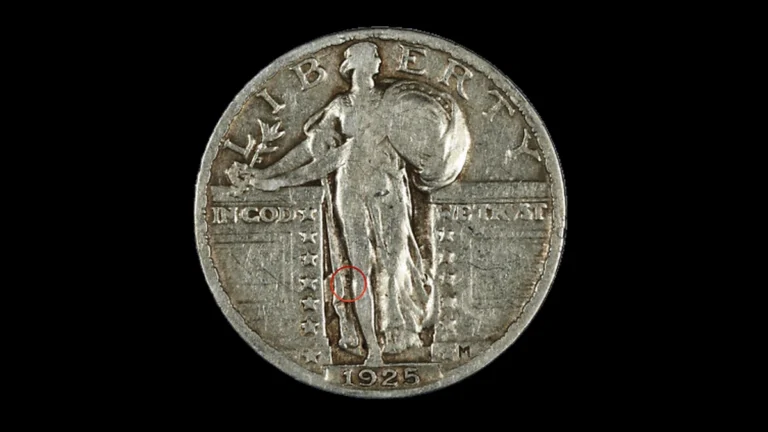
In 1916, the familiar Barber quarter and the new Standing Liberty quarter shared a date. The 1916 Barber quarter errors here belong to the older Liberty-head design.
Estimated whole-coin values run from $35–$3,000. A Denver repunched-mintmark example brought $149 in December 2021, giving the small repeated D a documented price comparison.
There are three useful checks: the lower date edges, the mintmark below the eagle, and the complete shape of the strike.
1. 1916 Quarter An Extra Trace below the Numbers: Reported Date Variety Error
The older Barber Coin Collectors’ Society survey describes a Denver date feature as RPD-S. In that listing, the name means a repunched date toward the south, or below the main numbers.
The entry does not say which numeral carries the trace. Its label records the report without proving the exact way the feature formed.
How to Identify
Read the full date and confirm the D below the eagle. The report concerns a Denver Barber quarter, not every 1916 coin with thick numbers.
Inspect the lower edge of each digit with a magnifier. Keep one photograph of the entire date alongside the close-up so the extra shape has a clear location.
Try two light angles to see whether the trace is raised, flat, or cut into the surface. A scratch or shelf from striking can look like another digit without being the reported variety.
An identified comparison is needed before assigning the survey’s name. Do not supply a specific numeral or a stronger production claim that the record does not establish.
What It’s Worth
$35–$400 is the estimated whole-coin range for a confirmed match. It includes the underlying value of the Denver quarter.
A cleanly visible feature on an attractive coin offers more than a faint shadow on a worn date. This range is an estimate, not a documented auction result for the reported date pattern.
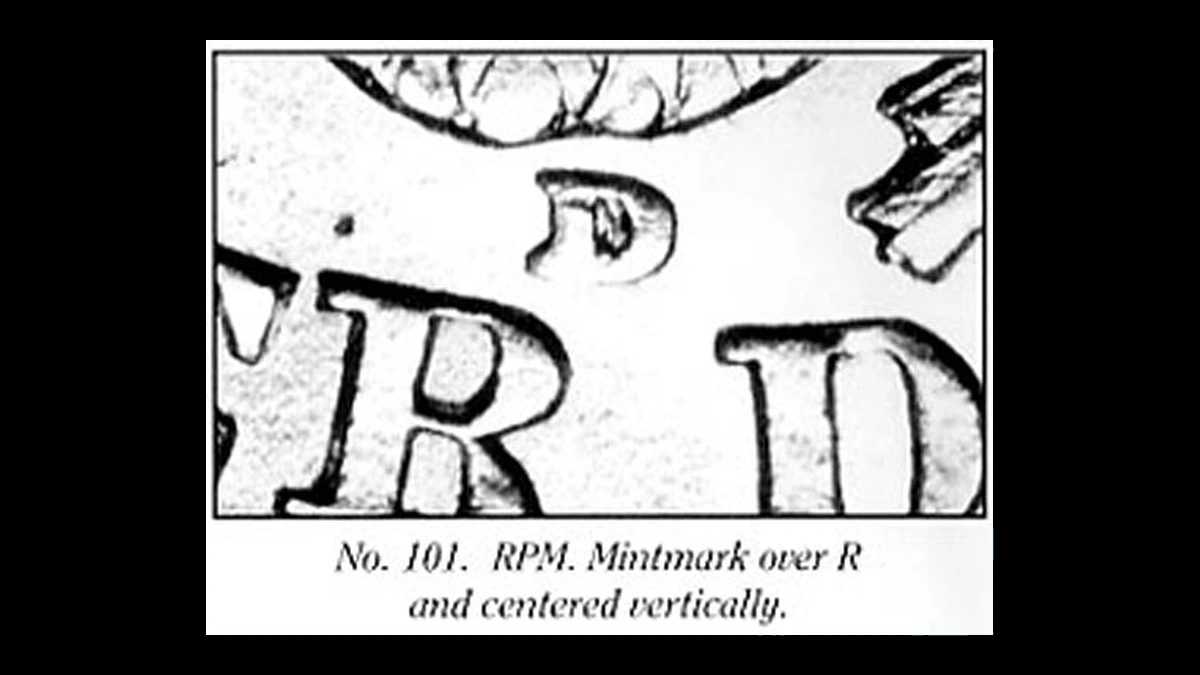
2. 1916 Quarter Part of Another D beside the Mintmark: Repunching Error
Some Denver Barber quarters have an earlier D outline near the final mintmark. The letter was punched into the die by hand, and a change in position could leave part of the first impression behind.
The survey lists several directions, including an earlier outline above the D and a smaller D beneath a larger one. These are different patterns within the same broad error group.
How to Identify
Find the D below the eagle’s tail, then follow its straight stem and rounded side. A second punch should leave part of a letter shape rather than an unrelated blob.
Check above, beside, and below the main mark because the patterns differ. For the large-over-small form, compare the smaller lower outline with an authenticated example.
Look for altered metal, cuts, or attached material at the letter’s base. The small size of an earlier D does not by itself prove that a dime mintmark punch was used.
What It’s Worth
$40–$600 is the estimated range for comparable repunched-mintmark pieces across different conditions. Clear separation and original surfaces make the feature easier to appreciate.
A 1916-D/D quarter graded ANACS AU50 sold for $149 in December 2021. AU50 means the coin has light wear with substantial detail remaining.
That sale is a useful starting point, but it does not give every Denver pattern the same price. Match the actual extra D and the condition of the whole coin.
3. 1916 Quarter A Blank Crescent and Missing Design: Off-Center Strike Error
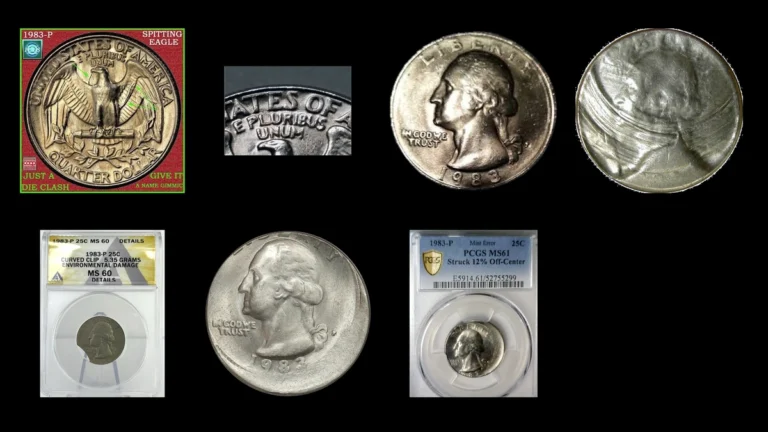
A blank placed too far to one side can miss part of the design. Liberty and the eagle appear shifted, with unstruck metal beside them and some details lost beyond the opposite edge.
Year-specific reports cover Philadelphia and Denver Barber quarters. They do not establish one direction or percentage for a named 1916 specimen.
How to Identify
Confirm the Liberty-head portrait and QUARTER DOLLAR on the back. A Barber dime or a Standing Liberty quarter needs a different comparison.
Follow the outer design until it runs beyond the original metal edge, then compare the other face. A complete design inside an expanded outline instead suggests broadstriking.
Examine the blank crescent for grinding and flattened letter remnants. Removing finished detail after minting can imitate an empty area without creating a genuine off-center strike.
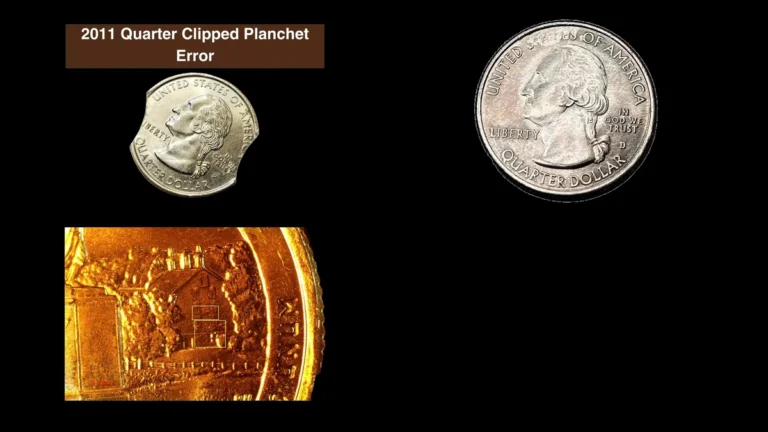
A normal silver quarter is about 24.3 millimeters wide and weighs 6.25 grams. These are reference measurements, not dimensions that every error must match exactly.
What It’s Worth
$150–$3,000 is the estimate for an authenticated 1916 Barber off-center quarter with a readable date. A small shift on a worn coin belongs below a dramatic example with attractive surfaces.
The surviving design should establish the coin’s date and type clearly. This is a guide range rather than a quoted sale for a particular 1916 off-center specimen.
Conclusion
The repeated D has a documented sale, while the lower-date report needs a careful match to the actual feature. An off-center claim requires both faces to explain where the blank sat during striking.
Keep the Barber identity visible in every full-coin photograph. That protects the comparison from the easily confused 1916 Standing Liberty quarter and helps connect each close-up to the correct date, mint, and denomination.