Rare 1909 Quarter Errors (List & Pictures)
A doubled-looking letter does not always mean the same thing on a 1909 quarter. A second Denver mintmark, a reported Philadelphia motto variety, and disputed New Orleans reverse doubling require different checks.
The conditional whole-coin estimates for 1909 quarter errors span $40–$2,000. A different-year 1916-D repunched-mintmark quarter sold for $149 in December 2021, providing one same-series comparison.
Find the mintmark before choosing which detail to inspect.
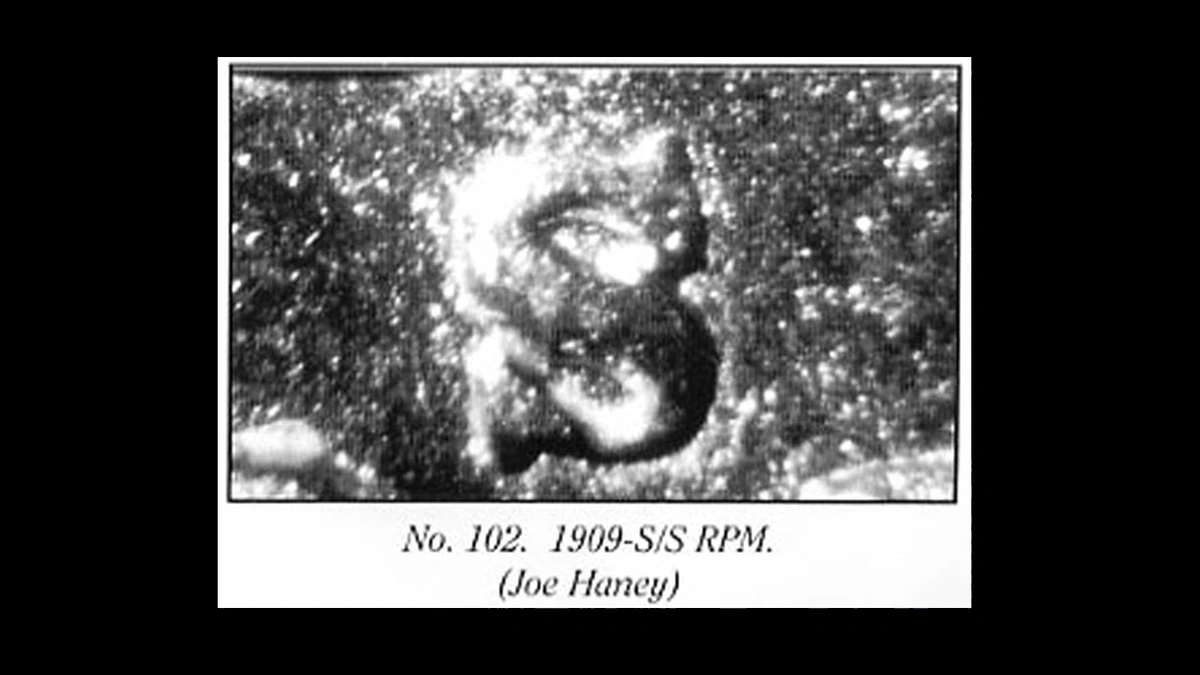
1909 Quarter A Partial Second D: Denver Repunched Mintmark Error
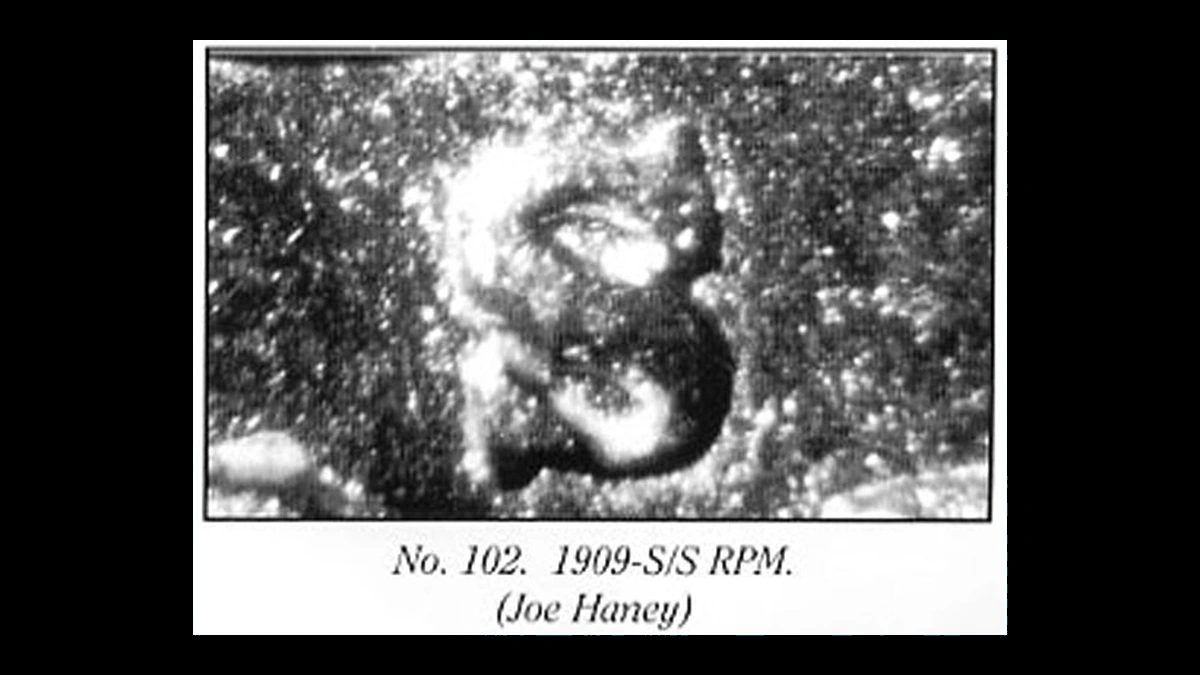
Look below the eagle for the Denver D. A reported repunched mintmark has part of an earlier letter beside or beneath the final one.
Workers added mintmarks to the steel die by hand. If a second punch did not cover the first impression, both could leave traces on coins made with that tool.
The repeated mark therefore began on the die, not from a second blow to the finished quarter. A neighboring lump still needs a recognizable letter shape before it supports this explanation.
How to Identify
Use a magnifier to trace the main D and the extra metal around it. Part of a curved side or a short letter end is more informative than an irregular bump.
Keep the entire mintmark and nearby design in your photograph. A close-up cropped too tightly can hide how the two shapes relate.
Change the light direction and compare a known example of the same pattern. Corrosion can make rough edges, while a small broken area in a die can produce a lump without any second-letter outline.
A low, flat shelf beside D does not establish repunching either. The shape and location of the earlier letter need to agree with the claimed variety.
What It’s Worth
$40–$1,500 is the whole-coin estimate for an authenticated example. Wear, surface quality, and the clarity of the extra D affect its position within that range.
A 1916-D repunched-mintmark quarter graded ANACS AU50 brought $149 in December 2021. AU50 describes light circulation wear.
That sale concerns another year and is not a recorded 1909 result. A sharp unworn 1909 piece would need a closer condition comparison before using an upper-end estimate.
1909 Quarter Repeated Motto or Reverse Edges: Doubled-Die Reports Error
The reported Philadelphia variety draws attention to IN GOD WE TRUST above Liberty. A doubled die is a tool that already carries a doubled part of the design when it strikes the coin.
Older accounts also describe repeated edges on the New Orleans reverse, including QUARTER, UNITED, and eagle details. That O-mint case has a different explanation in the supplied expert source.
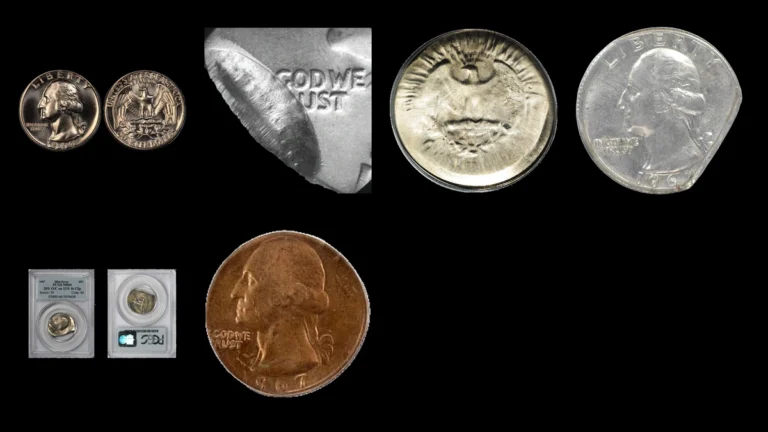
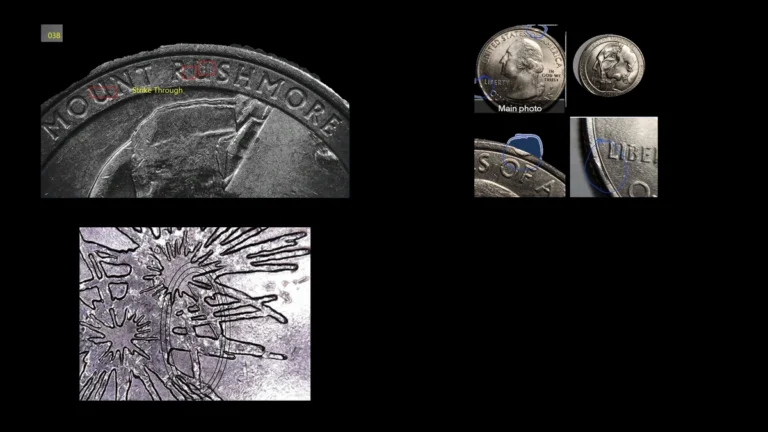
NGC identifies the illustrated New Orleans example as strike doubling. Movement during the strike can leave flat ledges beside letters without a true doubled die.
How to Identify
For the Philadelphia report, confirm that there is no mintmark beneath the eagle. Then examine the front motto one letter at a time, especially its corners and ends.
Look for raised separation that follows the lettering rather than simple thickening. Rounded repeated edges and low flattened shelves should not be treated as interchangeable.
If the back has an O, move to the reverse letters and wing details mentioned in that report. Do not apply a Philadelphia front-side description to the New Orleans coin.
Wear and reflections can hide the difference, so photograph the edges under more than one light angle. Have the actual pattern checked before paying a doubled-die premium for the disputed reverse.
What It’s Worth
$40–$2,000 is the conditional estimate for an authenticated Philadelphia doubled die, from worn to attractive unworn condition. It is not a verified auction range for that reported variety.
Clearly separated details on an original surface support a stronger comparison than slight widening blurred by wear. Cleaning can reduce appeal even when the underlying attribution is correct.
The New Orleans strike-doubled example receives no assumed doubled-die premium. Its ordinary date, mint, and condition value must be assessed separately.
Conclusion
The mintmark decides where this search begins: D leads to the small letter below the eagle, while the Philadelphia report concerns the front motto. The disputed O-mint reverse needs the strike-doubling distinction kept intact.
Match the shape of an extra edge before considering its price. A partial letter, a rounded repeated design, and a flat shelf can look alike at first glance but do not establish the same error.