Rare 1891 Dollar Errors (List & Pictures)
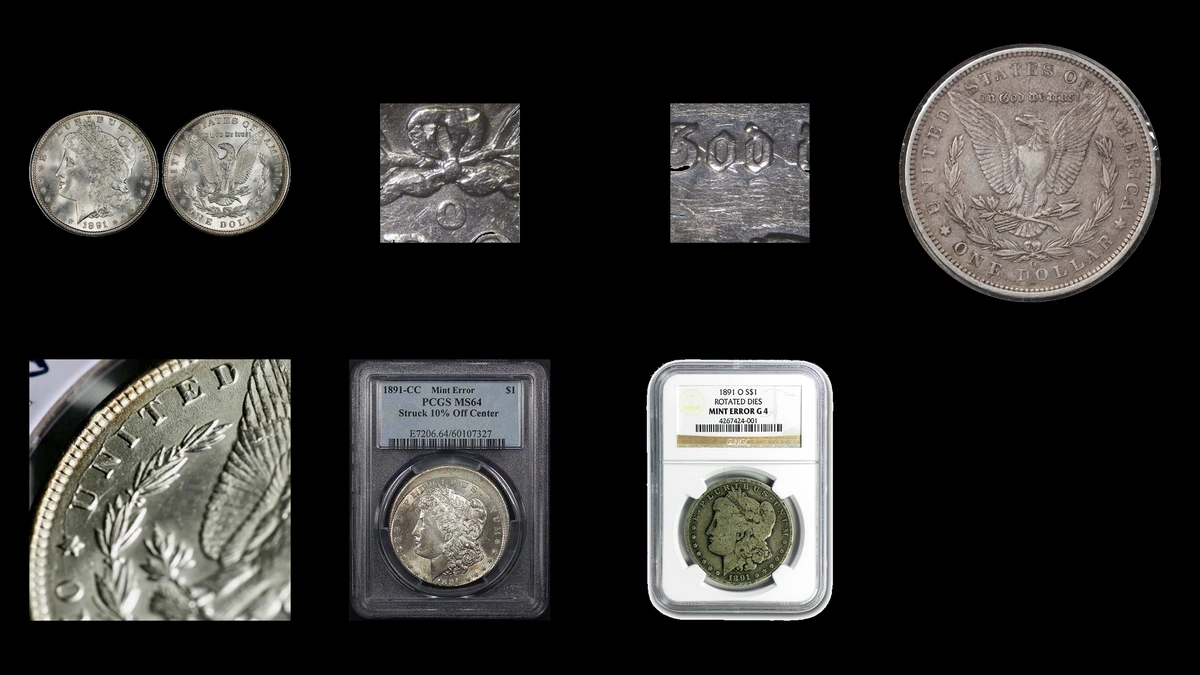
A doubled ear, a lip-area lump, and a transferred letter can occur on related dies without having the same cause. Correctly sorting 1891 Morgan Dollar errors requires the mint and the full variety pattern, not a nickname alone.
Supplied whole-coin estimates span $75–$45,000, with a Carson City Spitting Eagle realizing $40,800 in August 2019. Start at Liberty’s ear and mouth, then examine the reverse texture, letter traces, rim, and alignment.
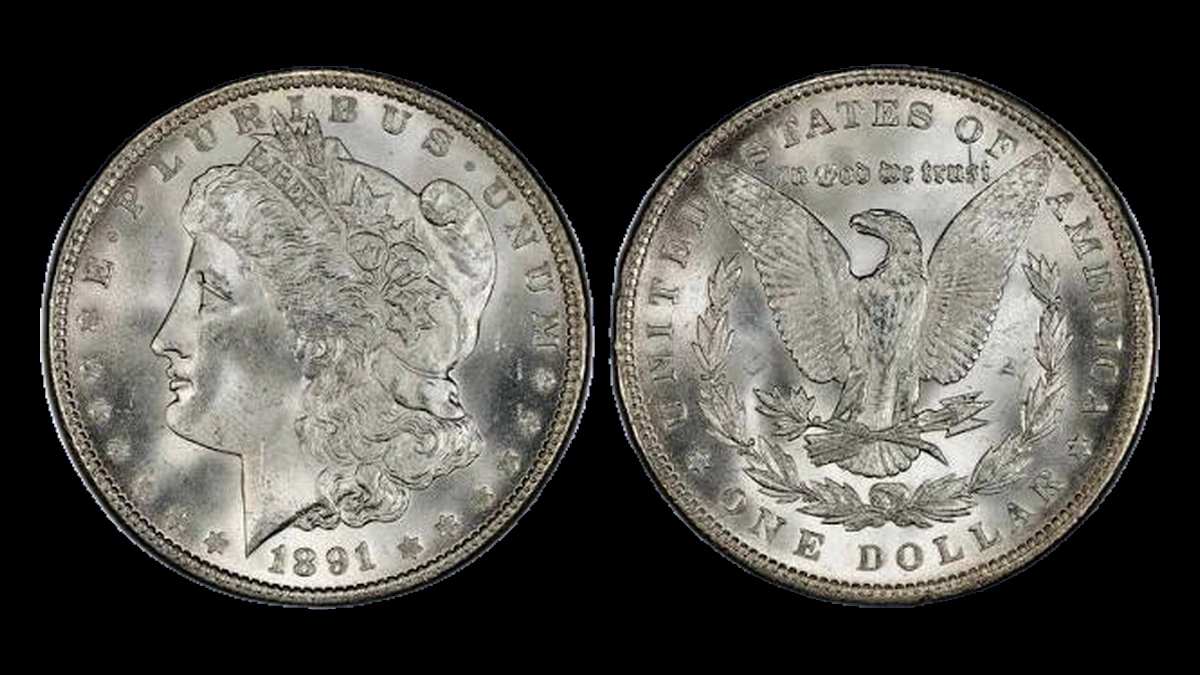
1. 1891 Dollar Two Contours beneath the Earlobe: Doubled Dies Error
Philadelphia’s doubled-ear design repeats the lower earlobe outline and the lower edge of the hair immediately above it. The duplicate detail existed in the die before striking.
VAM-2 and VAM-2B share that ear feature, with VAM-2B adding a separate clashed N near the neck. San Francisco VAM-3 instead has doubled front stars, requiring a different comparison.
How to Identify
Read the mintmark area beneath the wreath: Philadelphia has no letter, while S identifies San Francisco. Compare the ear and hair on Philadelphia coins and several corresponding star points on the S-mint variety.
Look for repeated contours following the original shapes rather than flat shaved-looking ledges. If VAM-2B is claimed, verify its neck-area N independently instead of treating that transferred letter as part of the ear doubling.
What It’s Worth
$100–$7,000 is estimated across the specified varieties and conditions. A Philadelphia VAM-2 in MS65 brought $2,760 in January 2019, while a VAM-2B in MS64 realized $780 in February 2026.
Those separate transactions do not price San Francisco’s doubled stars. Unusually reflective or exceptionally preserved examples need a closer finish-and-grade comparison than ordinary worn pieces.
2. 1891 Dollar Raised Metal at the Upper Lip: Moustache Die Damage Error
Philadelphia VAM-2A has a raised patch beside Liberty’s upper lip that resembles a moustache. It developed through damage to the die rather than another strike on the mouth.
The same variety has the doubled ear, but that earlier duplicated design and the later lip damage have different origins. Plain VAM-2 does not require the moustache, and VAM-2B is distinguished by its clashed N.
How to Identify
Inspect the lip patch under side lighting and compare its shape with an attributed VAM-2A. It should be part of the original raised silver rather than grime, a cut, or metal displaced by an impact.
Confirm the associated doubled earlobe and hair edge. A bump in roughly the right mouth location cannot substitute for the combined die match.
What It’s Worth
$150–$2,500 is estimated for authenticated Moustache examples from worn through modest unworn grades. The $780 February 2026 VAM-2B sale is a related comparison, not a transaction for VAM-2A’s lip feature.
3. 1891 Dollar Extra Date Strokes and Several Reverse Markers: Repunched Date Error
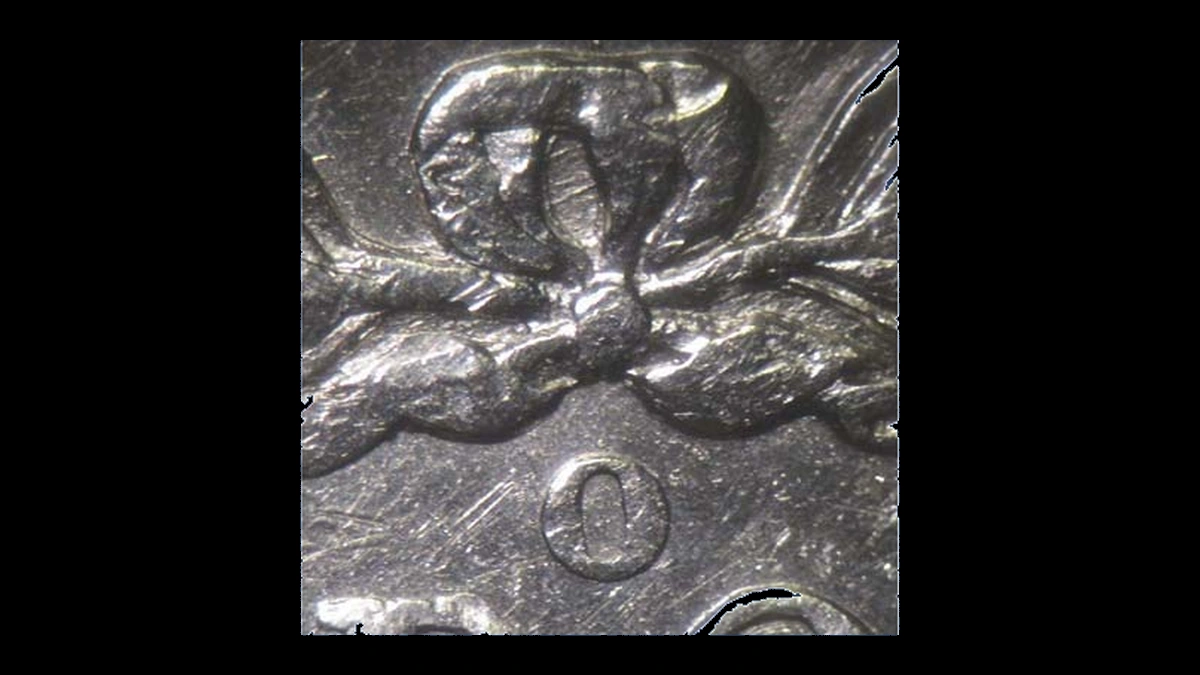
On New Orleans VAM-20, all four numerals show repunching, most clearly inside the upper loop of 8. The same combination also has slight doubling inside the top of the reverse wreath bow.
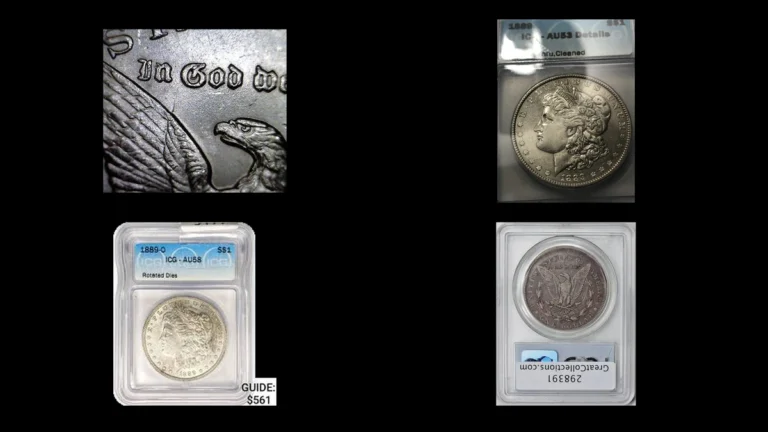
Another event, die clashing, transferred portrait outlines across IN GOD WE TRUST and Morgan’s initial M below D in GOD. These features coexist without sharing one manufacturing cause.
How to Identify
Begin with the upper loop of 8 and compare the other numerals using the VAM-20 study. Its reverse tool also served VAM-14A, so the back alone cannot settle the complete attribution.
Then examine the bow’s top, portrait traces across the motto, and separate M below D. A matching date and reverse together distinguish the pairing from another coin sharing only the reverse marks.
What It’s Worth
$100–$1,200 is estimated for VAM-20 in ordinary worn through modest unworn condition. An 1891-O Clashed E in AU53 realized $780 in November 2020, but that is a different variety rather than a VAM-20 sale.
Price the complete combination once. Repunched numerals, doubled bow detail, and clash traces do not create separate coins whose estimates should be added.
4. 1891 Dollar An E or Portrait Outline in the Wrong Place: Die Clash Error
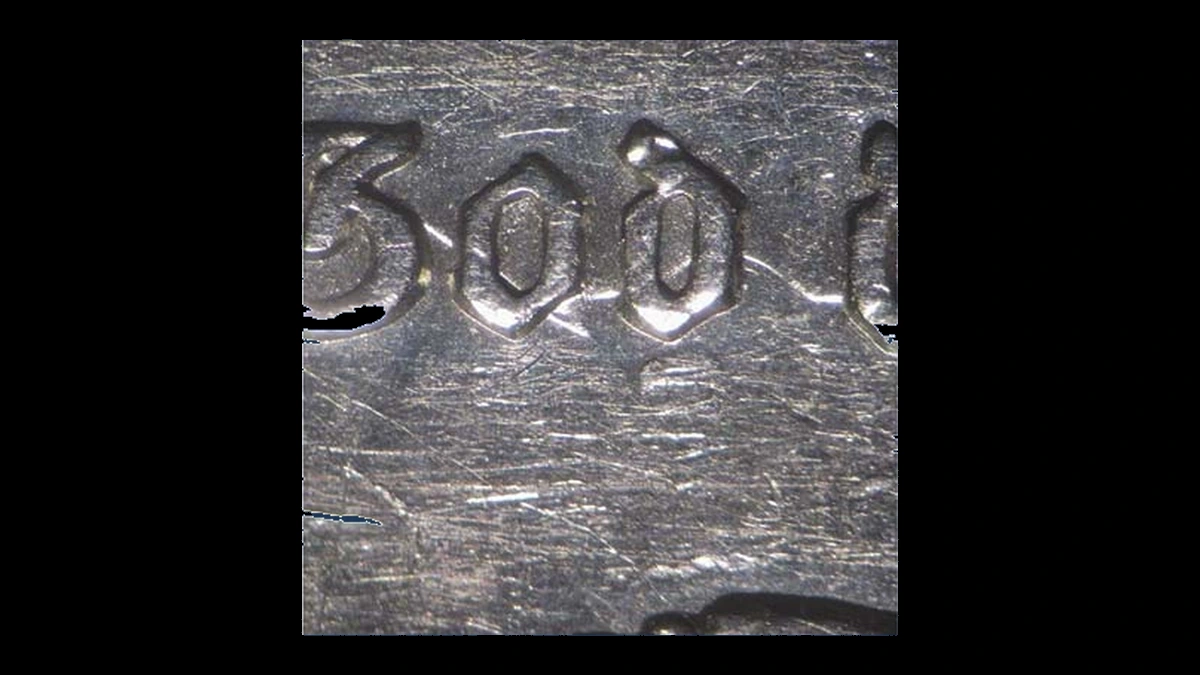
New Orleans VAM-1A carries an E transferred from LIBERTY below the eagle’s tail, while VAM-3A has a separate weak-E pattern. VAM-14A involves portrait traces across the reverse motto.
Contact between dies without a blank transferred these unwanted design traces into the tools. Later coins could receive them alongside their intended images.
How to Identify
Select the E or motto-area comparison appropriate to the suspected variety. Trace recognizable pieces of the transferred shape rather than collecting stray lines as evidence.
Compare both faces, because a reverse die can be paired with more than one front. A matching back may identify the tool without resolving the final variety number.
What It’s Worth
$100–$1,500 is estimated for the identified New Orleans clash varieties across ordinary worn and modest unworn grades. PCGS records VAM-1A in AU53 at $780 in November 2020.
That result values a specific Clashed E coin. It should not become a fixed price for every 1891-O line under the tail or around the motto.
5. 1891 Dollar Small Raised Spots on the Back: Pitted Reverse Die Error
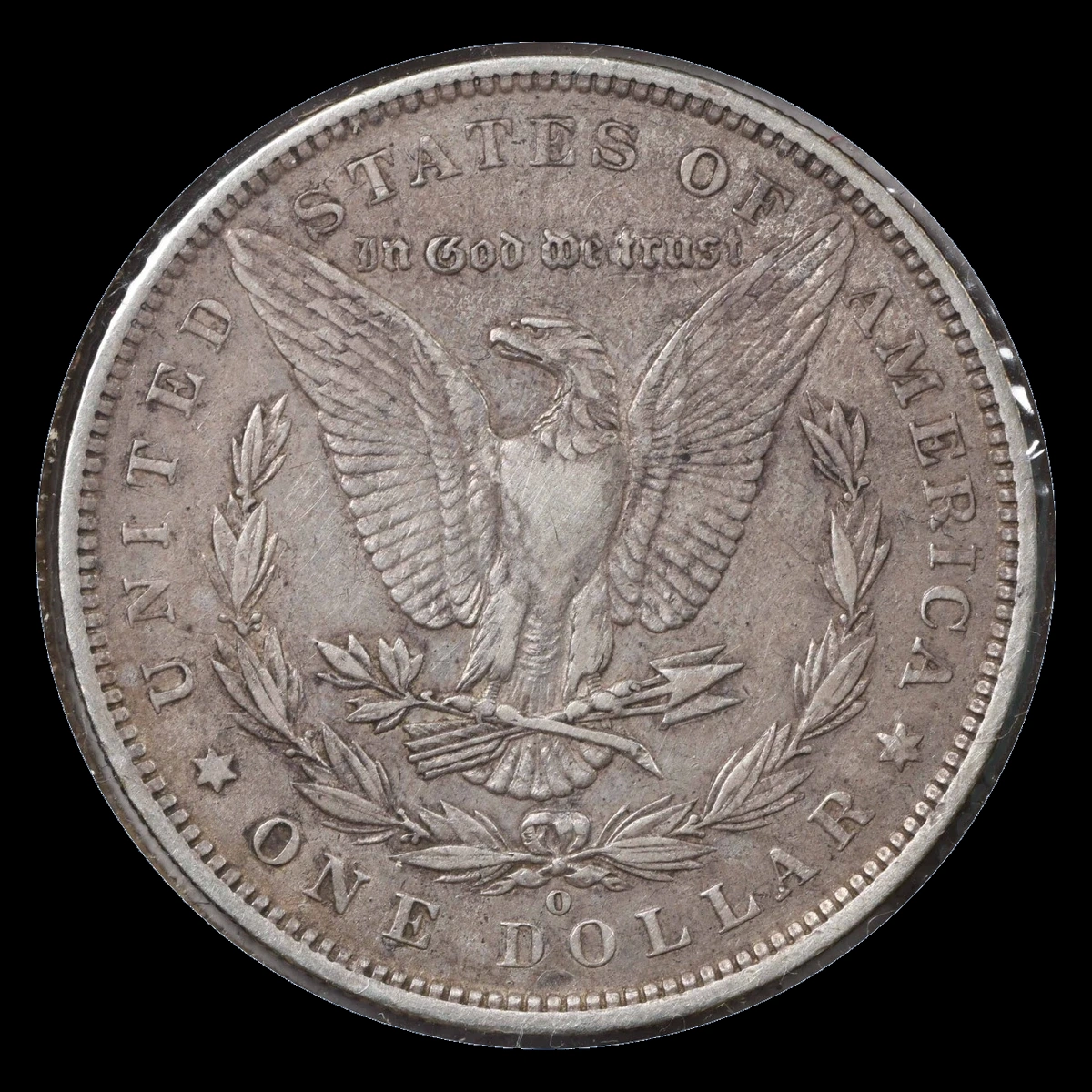
VAM-1B on 1891-O is called Pitted Reverse, but the hollows were in the die. Silver filling those small depressions produced raised spots on the dollar.
Corrosion eating holes into the coin’s surface has the opposite relief. General roughness cannot establish this variety by itself.
How to Identify
Confirm 1891 and O, then light the reverse from several directions to distinguish bumps from pits. Compare the arrangement of a small raised cluster and nearby design with an attributed VAM-1B.
Do not assign an exact location from a nickname alone when the source gives no fixed landmark. Disturbed silver or added material around bumps can invalidate a superficial pattern match.
What It’s Worth
$100–$1,000 is estimated for correctly matched VAM-1B examples in ordinary worn through modest unworn grades. PCGS records an AU53 eBay result of $775 in August 2019.
6. 1891 Dollar A Raised Mark before the Beak: Spitting Eagle Error
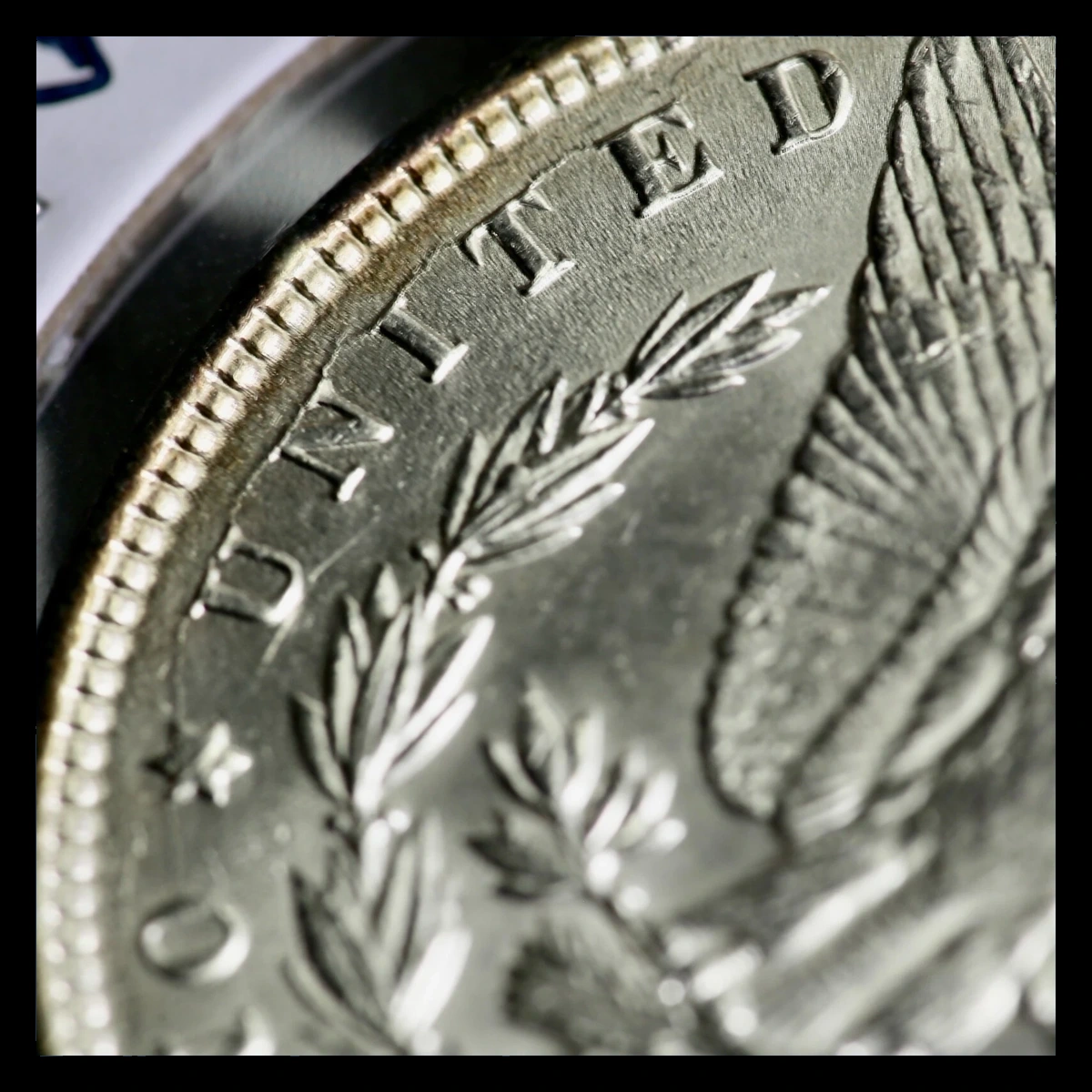
On the Carson City Spitting Eagle, silver filled a gouge in the die and left a small raised mark in front of the beak. The nickname describes the mark’s appearance rather than a second eagle design.
VAM-3 and VAM-7 both carry the name but are separate tool combinations. Their shared feature cannot establish which number applies without the rest of the coin.
How to Identify
Confirm CC and examine the beak-area feature for original raised metal. Dirt, a dent, or added material can resemble the nickname without matching the variety.
Compare both faces with attributed VAM-3 and VAM-7 examples. Side lighting helps distinguish the gouge-derived lump from an incised scratch or displaced metal around a hit.
What It’s Worth
$150–$45,000 is estimated across worn through exceptional Spitting Eagle dollars. A VAM-3 in MS66+ realized $40,800 in August 2019, while PCGS records VAM-7 in MS63 at $1,825 through eBay in March 2019.
Different die combinations and preservation explain why those results are not one standard premium. The scarce Carson City coin and its surfaces remain part of each whole-coin price.
7. 1891 Dollar A Wide Rim with Incomplete Edge Grooves: Partial Collar Error
The recorded Carson City PCGS MS64 from Leroy Van Allen’s collection has expansion at the upper front and lower reverse. Its edge received only part of the normal grooves.
The collar retained some of the metal while leaving another portion free to spread. That partial restraint differs from a fully unconstrained broadstrike.
How to Identify
Compare the broad face-on rim with an edge view showing the incomplete grooves. Both features should fit the same original strike rather than later flattening.
Inspect the transition for file marks or scraping, using angled photographs through any holder. Normal references of 38.1 millimeters and 26.73 grams support loose-coin examination but cannot alone establish partial collar restraint.
What It’s Worth
$1,000–$8,000 is estimated for genuine 1891-CC partial-collar dollars. The documented PCGS MS64 sold for $2,013 on January 15, 2026.
8. 1891 Dollar Blank Silver Left of Crowded Design: Off-Center Strike Error
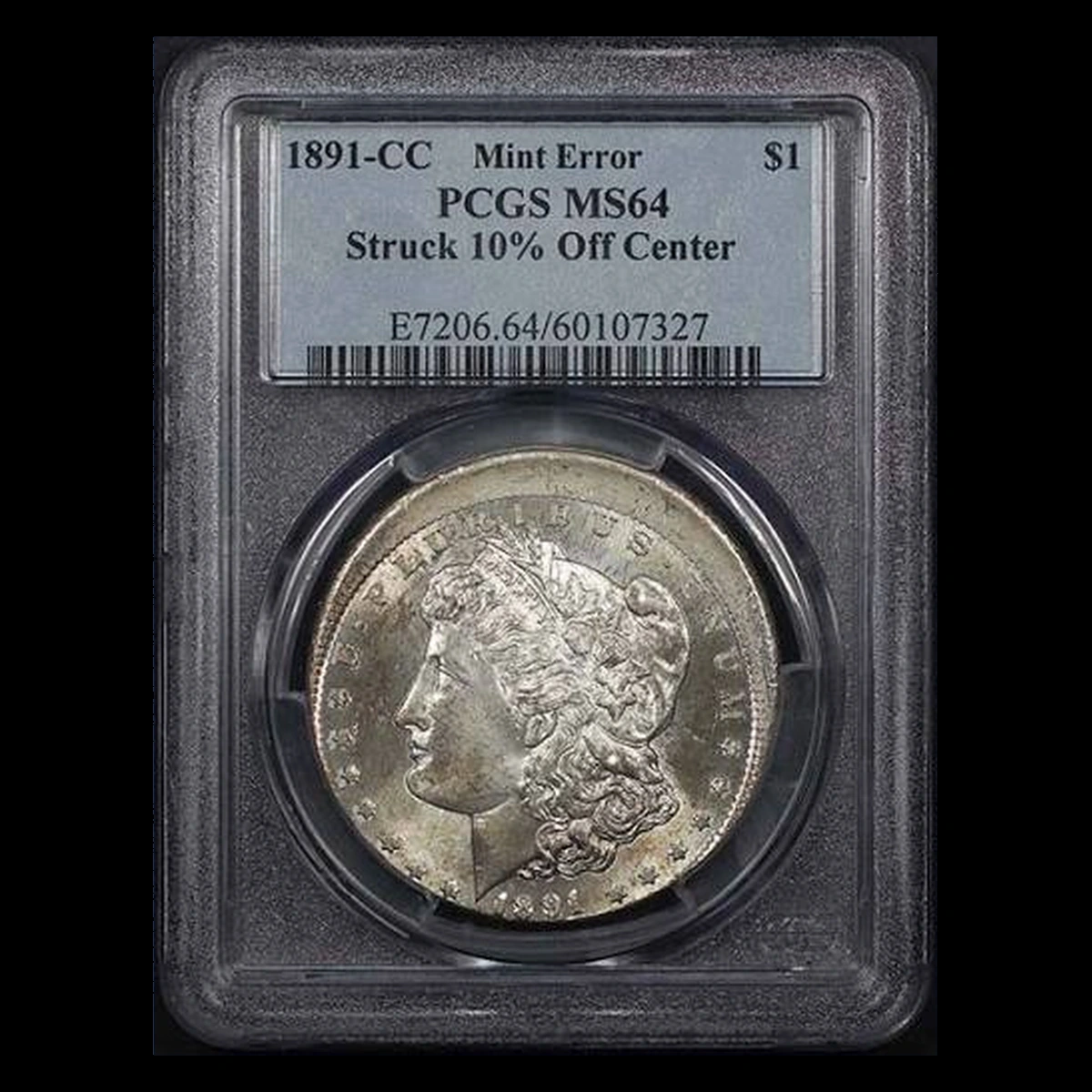
The photographed Philadelphia PCGS XF40 was cataloged 5% off center toward 3 o’clock. Right-side letters and stars approach the edge while unstruck silver remains along the left.
A separate 1891-CC report describes about 10% displacement without a stated direction. The Philadelphia view cannot establish that Carson City coin’s appearance.
How to Identify
Read the date and mintmark before interpreting the shifted picture. Compare the crowded right design and bare left area on the Philadelphia specimen, then check the reverse and original outline.
A one-sided shift or an expanded coin retaining its complete design may require a different explanation. For Carson City, use the actual specimen rather than importing the Philadelphia clock direction.
What It’s Worth
$1,500–$20,000 is estimated for authentic 1891 off-center dollars. The Philadelphia XF40 realized $1,920 on September 29, 2025.
The upper estimate allows for a confirmed Carson City example with a larger displacement. It is not a supplied sale result for the reported CC coin.
9. 1891 Dollar The Reverse Returns at an Angle: Rotated Dies Error
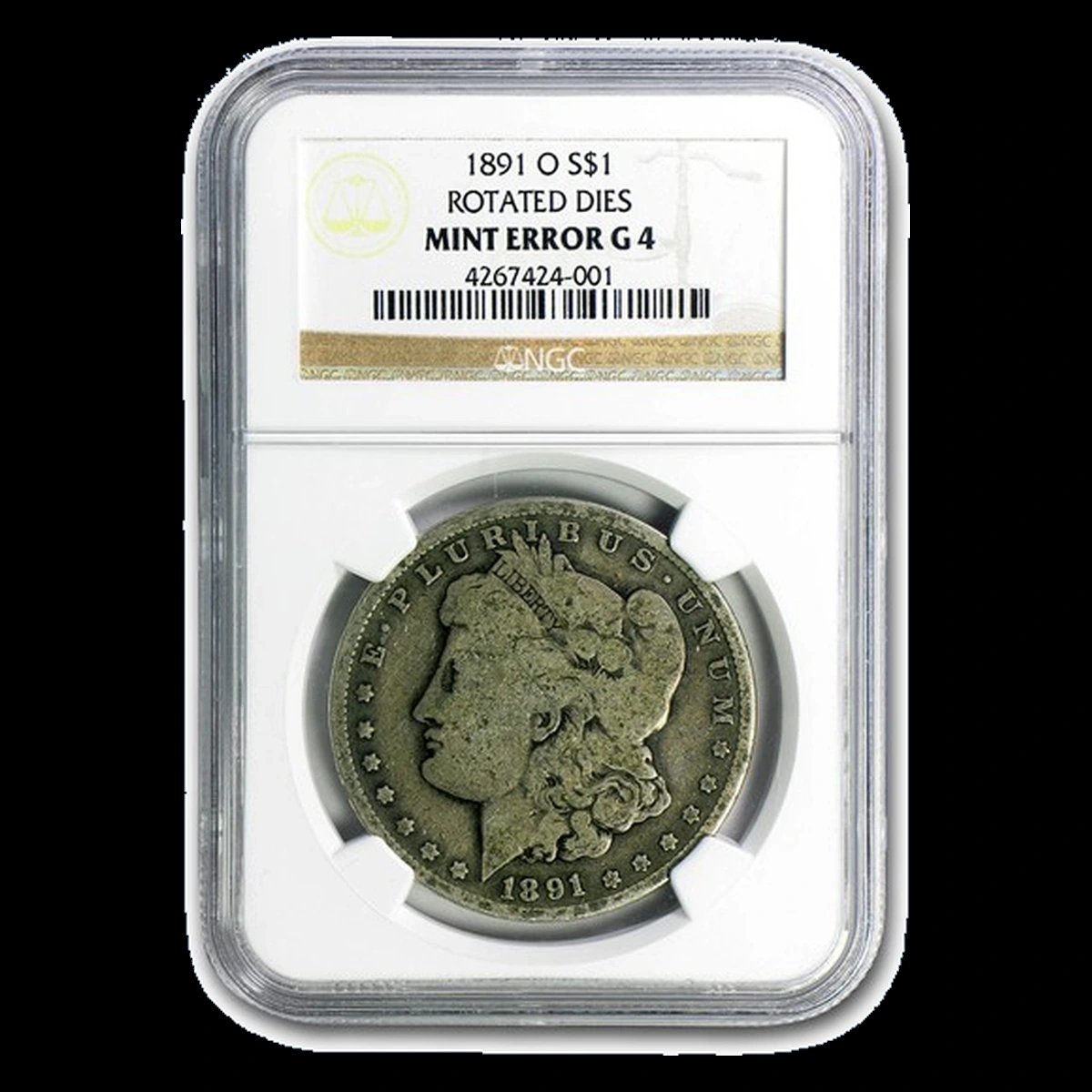
A reported New Orleans example in AG3 has a reverse turned about 60 degrees counterclockwise. Although heavily worn, enough eagle and wreath detail can remain to demonstrate the face-to-face angle.
The orientation concerns the dies rather than mintmark placement. Separate photographs rotated upright would hide the relationship.
How to Identify
Hold Liberty upright and flip top to bottom without sideways twisting. A normal eagle finishes upright, whereas the reported example retains a roughly 60-degree counterclockwise tilt.
Repeat with the same grip and camera reference, or record a short continuous view. Turn the whole holder if encapsulated and confirm the tilt is fixed rather than caused by the coin shifting inside.
What It’s Worth
$75–$800 is estimated for authenticated 1891-O rotations. The heavily worn reported example belongs toward the modest end, and no completed-sale amount is provided for it.
Conclusion
The same die can contribute to several combinations, so a familiar reverse mark may leave the full variety unresolved. Match the date, mint, and both faces before choosing between related VAM numbers.
For edge and alignment errors, preserve the original physical relationship in photographs. High-grade Carson City prices reflect whole rare coins, while a worn New Orleans example or a different die state requires its own comparison.