Rare 1857 Quarter Errors (List & Pictures)
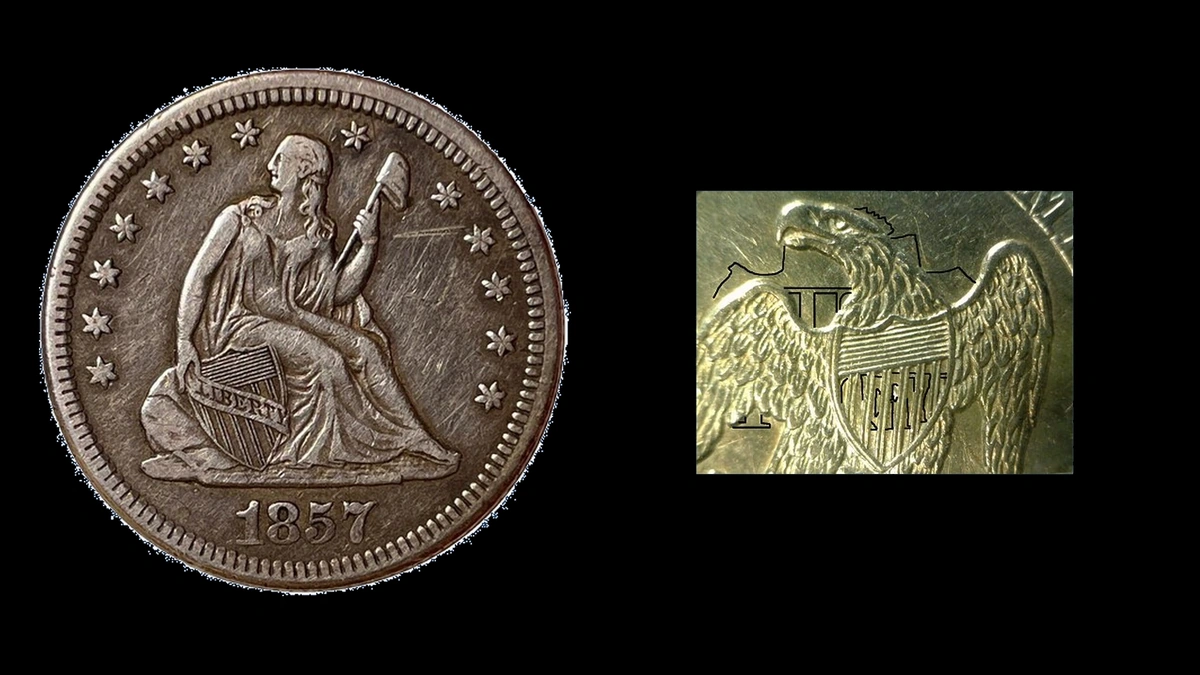
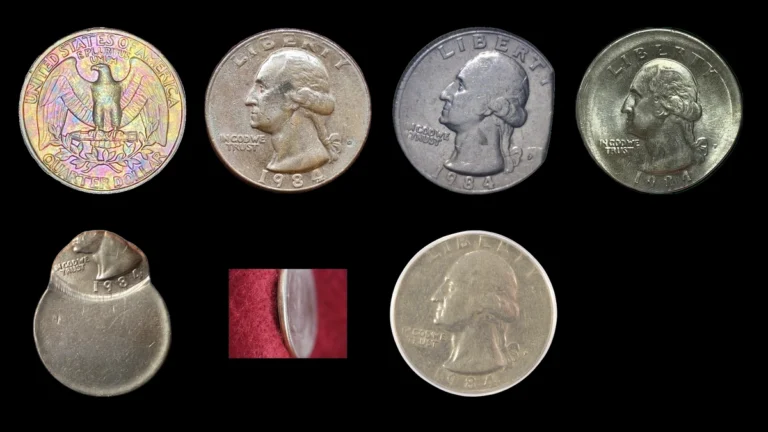
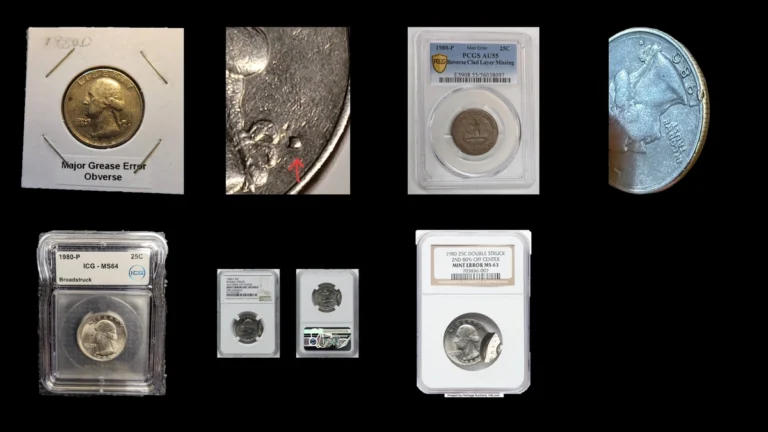
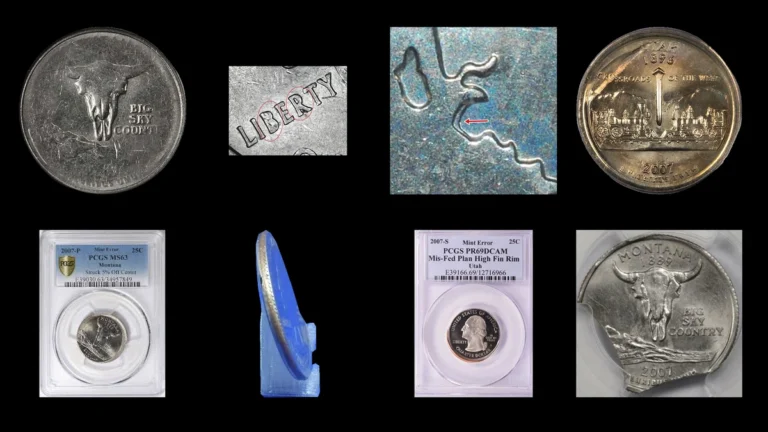
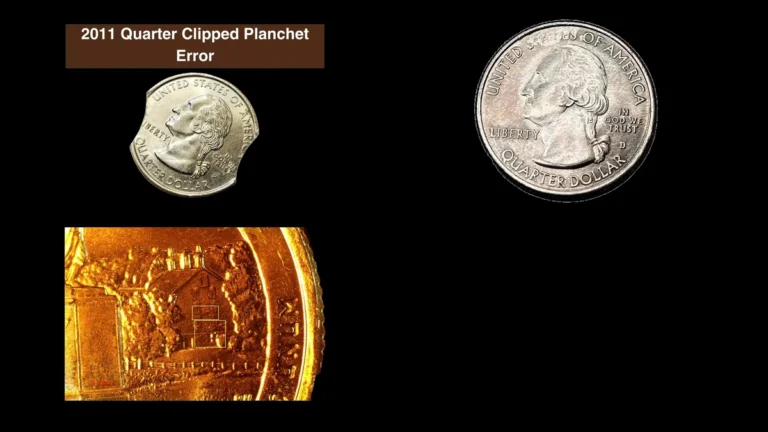
A short line at Liberty’s hand and faint wreath traces near the eagle identify two very different 1857 quarter errors. Supplied whole-coin estimates range from $75–$4,000.
No completed sale price is provided for these examples; the documented 3% off-center quarter was offered at $550 with a plugged hole and other damage. Examine the hand, reverse traces, and outline separately, keeping guide values and asking prices distinct.
| Area | Feature | Estimated value |
|---|---|---|
| Liberty’s left hand | Smoking Liberty die gouge, FS-401 | $75–$1,000 |
| Around the reverse eagle | Flying Eagle cent die clash, FS-901 | $150–$4,000 |
| Outer design and blank margin | Small off-center strike | $300–$1,500 |
1. 1857 Quarter A Diagonal Projection at the Hand: Smoking Liberty Die Gouge Error
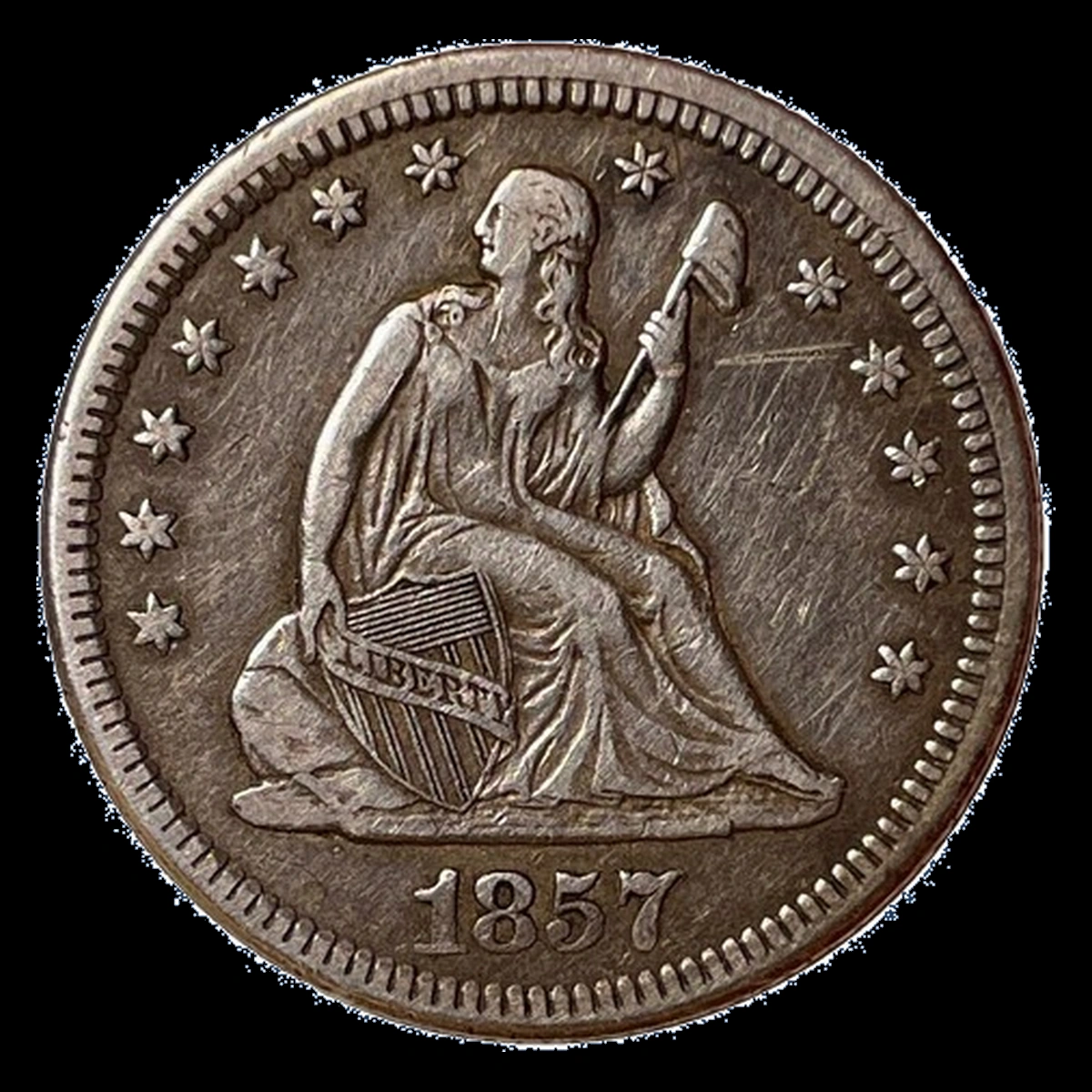
The Smoking Liberty nickname refers to a short raised line beside Liberty’s left hand. It resembles an object being held, but was not an intended part of the artwork.
A recessed gouge in the die filled with silver during striking, creating the raised mark on the coin. FS-401 identifies this specific variety.
How to Identify
Locate Liberty’s left hand before increasing magnification. Keep the hand and the full short diagonal projection together in a close-up so the position remains unambiguous.
At about 10× magnification, compare the feature with an identified FS-401 example. Its shape and relationship with the hand should match, rather than merely showing a line somewhere on the figure.
Move the light from one side to the other to reveal whether the line stands above the surface. An ordinary scratch cuts into the coin, although it can push small ridges up beside its groove.
Inspect both endpoints and the center for disturbed silver. The existence of one raised edge does not establish a die gouge if the rest of the feature shows a later cut.
What It’s Worth
$75–$1,000 is the supplied estimate for recognizable examples from heavily worn through lower unworn grades. The thin projection’s preservation is more important than the nickname alone.
The specialist Top 25 guide lists $150 at VF20 and $500 at AU50 for original problem-free coins. These are guide figures, not disclosed transactions.
Gerry Fortin’s 2022 auction catalog described a PCGS AU55 example with the diagonal gouge. That establishes a lightly worn specimen but supplies no sale result here.
Scratches across the hand, cleaning, or wear that nearly erases the feature make the coin less useful as a variety example.
2. 1857 Quarter Wreath Traces Around the Eagle: Flying Eagle Cent Die Clash Error
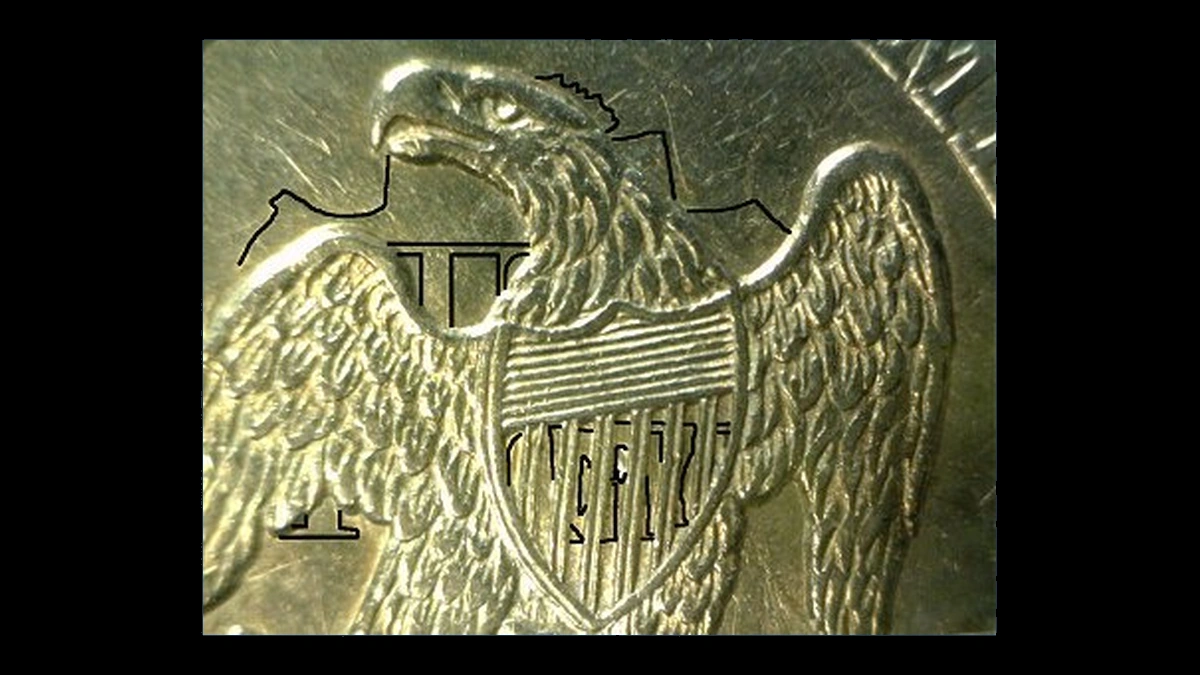
The quarter’s reverse die contacted the reverse die for a Flying Eagle cent without a blank between them. Shallow marks left by that collision then appeared on quarters struck from the affected tool.
The resulting variety is Briggs 6-F, also called FS-901. Its traces include parts of the cent’s reverse wreath, while the quarter retains its normal silver blank and quarter designs.
How to Identify
Let light skim across the reverse while checking above and below the eagle’s left wing and just to the right of its neck. The shallow transferred shapes may become visible at one angle and fade at another.
After locating the traces, compare them under magnification with a known FS-901 and the Flying Eagle cent wreath. A coherent group of matching shapes is stronger evidence than one stray line near the eagle.
Greg Johnson’s illustrated study uses drawn lines to clarify the pattern. Those annotations explain the traces but must remain distinct from the unaltered coin photograph.
Do not interpret the clash as a quarter struck on a cent or over a finished cent. It records contact between two dies, not a smaller underlying coin.
What It’s Worth
$150–$4,000 is the supplied estimate for identifiable worn examples through the lower unworn grades. Stronger surviving clash detail can make a meaningful difference between similarly preserved coins.
The specialist Top 25 quarter guide lists $450 at VF20, $800 at EF40, and $2,000 at AU50. These are condition-based guide values rather than individual auction results.
Dirt or heavy wear can hide the faint design traces. Cleaning to expose them risks harming the original surface instead of improving the coin’s value.
3. 1857 Quarter A Small Part of the Design Beyond the Edge: Off-Center Strike Error
A documented 1857 quarter carries a PCGS description of 3% off-center. The blank sat slightly outside its intended position, causing a little design loss and unused space opposite it.
The particular specimen received Fine Details and has a plugged hole, cleaning, and minor damage described by the dealer. Those later problems are separate from the original displaced strike.
How to Identify
Compare both complete faces for intended detail running past the metal and a corresponding original blank area. A wide border alone is insufficient.
If only one design is displaced, investigate a misaligned die instead. The blank’s position should explain what happened on both faces.
A normal 1857 quarter began near 6.22 grams and 24.3 millimeters. A loose candidate can be compared with those standards, but a plugged hole may alter measurements and needs its own boundary inspection.
Rotate the coin under light to separate the strike boundary from cleaning lines and scratches. Confirm original missing design before estimating the shift’s size.
What It’s Worth
$300–$1,500 is the supplied estimate for a small identifiable 1857 off-center strike in circulated condition. An intact coin with original surfaces is a stronger comparison than a repaired and cleaned specimen.
Sullivan Numismatics listed the Fine Details example at $550. That asking price does not prove that a buyer paid it.
Substantially greater displacement or better preservation would require a different comparison. The documented coin’s repair and damage must remain part of its description.
Conclusion
The three 1857 features demand different evidence: a raised diagonal mark at the hand, transferred cent-wreath traces around the eagle, or design loss from a displaced blank. Match the complete pattern before using a variety name.
Keep later cleaning and repairs separate from the Mint-made feature when assessing condition. The supplied figures are estimates, guide values, or a dealer asking price, so none should be presented as a completed auction result.