Rare 1861 Quarter Errors (List & Pictures)
An 1861 quarter can be unusual because of a tiny repeated 6, the designs paired on its two faces, or a whole strike placed off-center. These features need different comparisons.
The 1861 quarter errors below have estimated whole-coin values of $50–$10,000. A lightly worn example struck 15% off-center sold for $3,450 in January 2009.
Compare the design types first, then the date and other small details before checking overall strike placement.
1. 1861 Quarter A New Front with an Older Eagle: Mixed Design Pairing Error
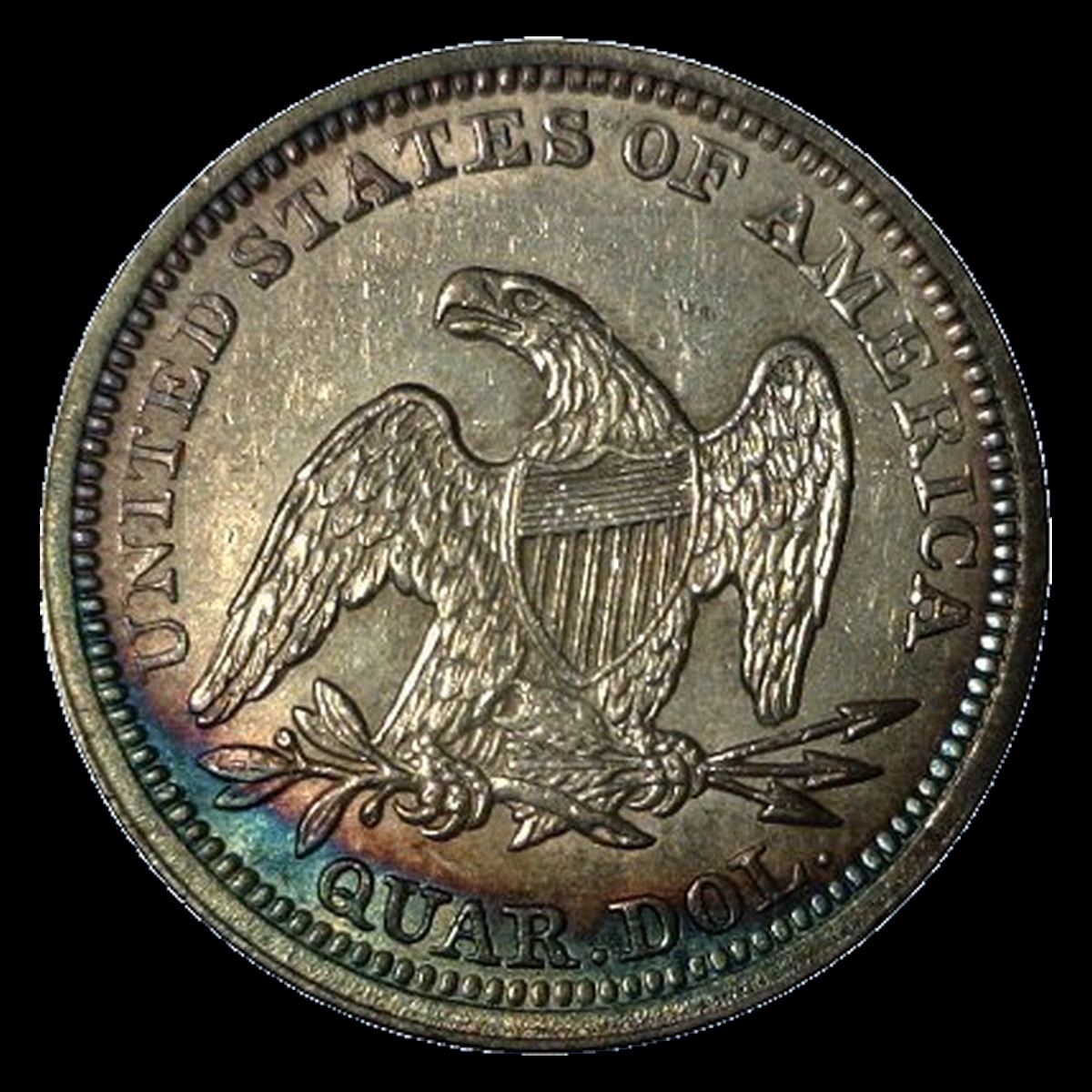
This variety pairs the newer Type II front with the older Type I reverse. The names describe two generations of the coin’s design.
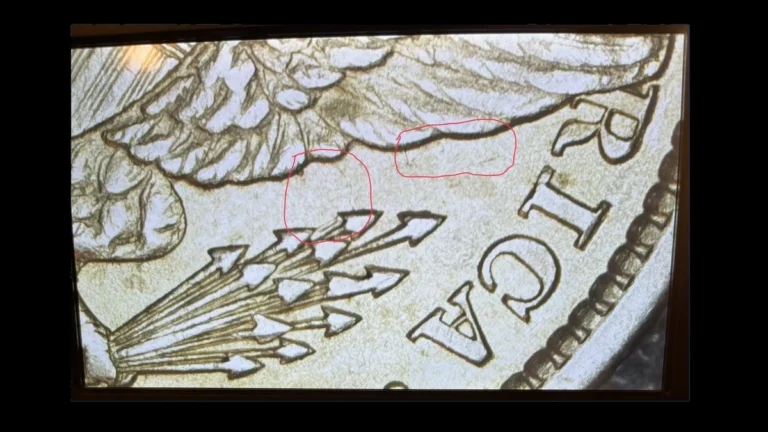
The front has shield lines above the E in LIBERTY. The older eagle side has a recessed eye and a final A in AMERICA that sits lower than its neighbors.
Collectors sometimes call the combination a mule. The pairing is established, but its existence alone does not prove that workers installed the dies by accident.
How to Identify
Check the eagle’s eye and the height of the last A first. Both should fit the earlier reverse design.
Then inspect the front shield for the lines above LIBERTY’s E. The specialist variety guide connects this newer front with the older reverse features.
Photograph all three points on the same coin. Wear can soften the eye and shield lines, so a normal comparison of similar condition is helpful.
Specialists identify two working-die pairs for the combination. The broad design match comes first; it should not be replaced with a single isolated eye detail.
What It’s Worth
$150–$5,000 is the estimate for correctly identified worn through modest unworn examples. Enough detail must survive on both sides to show the pairing.
This is a whole-coin guide rather than a recorded sale for every die pair. Heavy wear or altered surfaces limit comparisons with sharper, more attractive coins.
2. 1861 Quarter An Earlier Outline beside the 6: Repunched Date Error
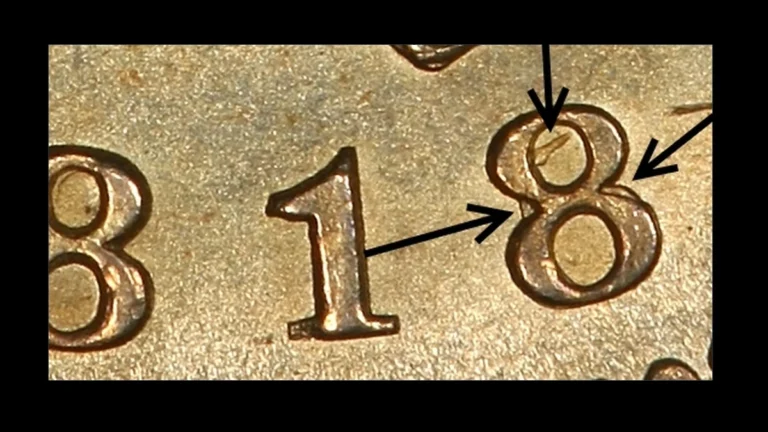
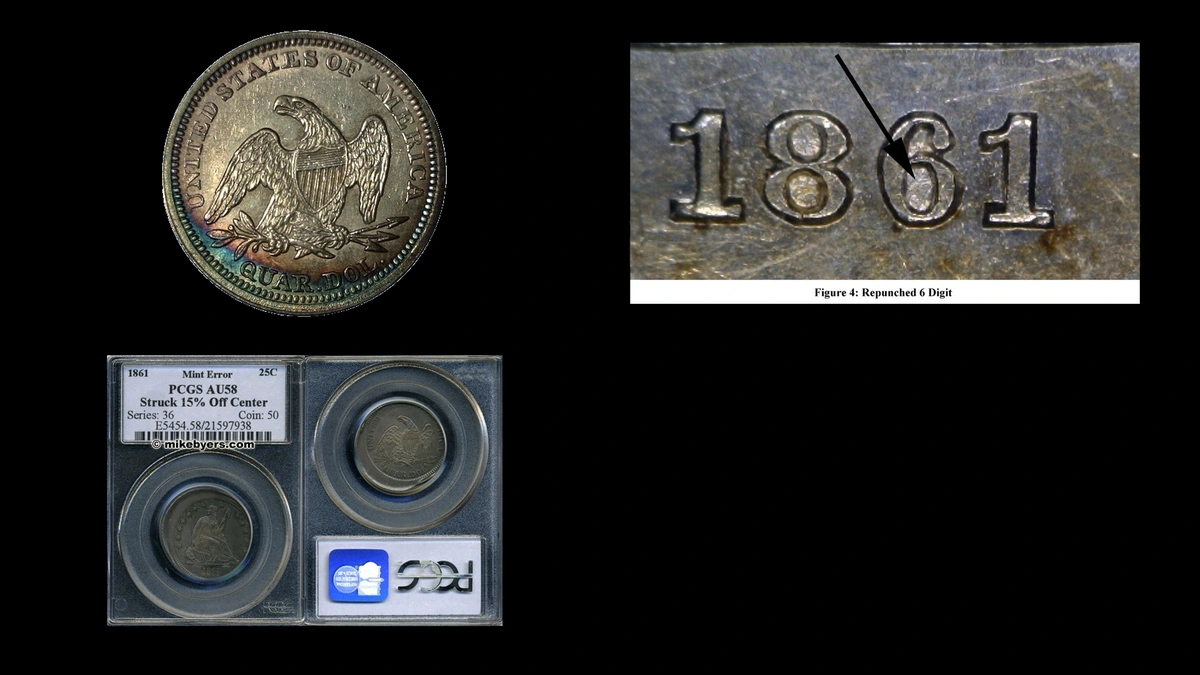
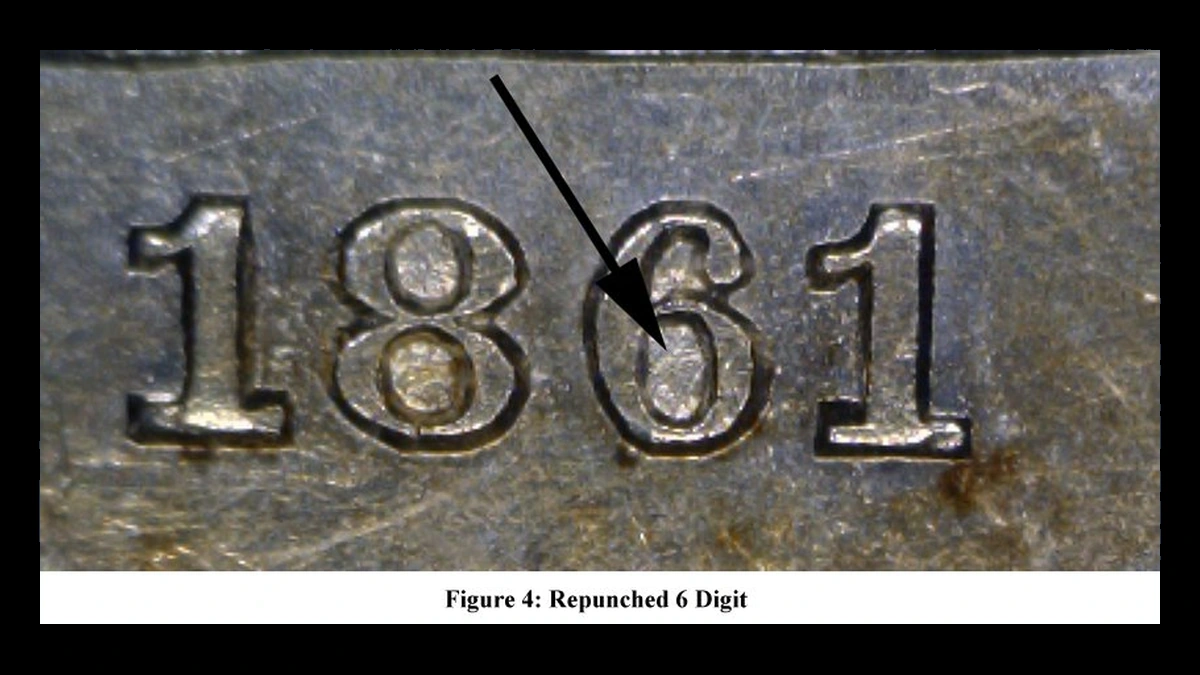
The 6 on the documented Briggs 4-C variety retains part of an earlier impression. Workers entered the numeral again in the die, leaving an outline the later impression did not cover.
Greg Johnson’s study illustrates this as a repunched 6. The written description does not establish a direction for the extra mark.
How to Identify
Find the 6 between the 8 and final 1, then follow its whole outline under magnification. Keep a second photograph showing the complete date.
Compare the remnant with Figure 4 in Johnson’s study of repunched and misplaced 6s. Let the actual matching shape establish its location instead of guessing above, below, or beside the digit.
A scratch, reflection, or small lump can sit next to a number without being an earlier numeral. Check the shape under different light angles and look for original raised detail.
What It’s Worth
$50–$1,500 is the estimated range for matching worn through lightly worn examples. Clear date remnants and undamaged surfaces make the feature easier to collect.
The range is not a recorded sale for Johnson’s illustrated coin. Exceptional unworn pieces need their own condition comparisons.
3. 1861 Quarter Repeated Raised Details: The FS-101 Doubled-Design Report Error
The Philadelphia circulation variety called FS-101 has conflicting catalog names. PCGS describes a doubled reverse, while another catalog calls it a doubled front.
This is one reported variety with disagreement about the named face. It should not become two separate errors simply because the labels differ.
A doubled die carries repeated detail before striking. Movement during a strike can instead flatten an edge into a shelf.
How to Identify
Photograph both complete faces and compare an identified specimen. Do not choose the inspection side solely from one catalog title.
Examine the suspected extra outline and nearby details for a consistent raised pattern. A flat ledge, scratch, or thick worn letter needs a different explanation.
The PCGS variety entry records the reverse label. An exact photograph or specialist comparison is still needed to resolve the physical pattern on a candidate.
What It’s Worth
$75–$2,500 is the estimate for a confirmed doubled-design variety from worn through modest unworn condition. A recognizable match and the coin’s preservation support the price.
The FS-101 name alone does not give an unclear doubled-looking letter a premium. Compare the actual separation before judging condition within the range.
4. 1861 Quarter The Design Shifted toward Four O’Clock: Off-Center Strike Error
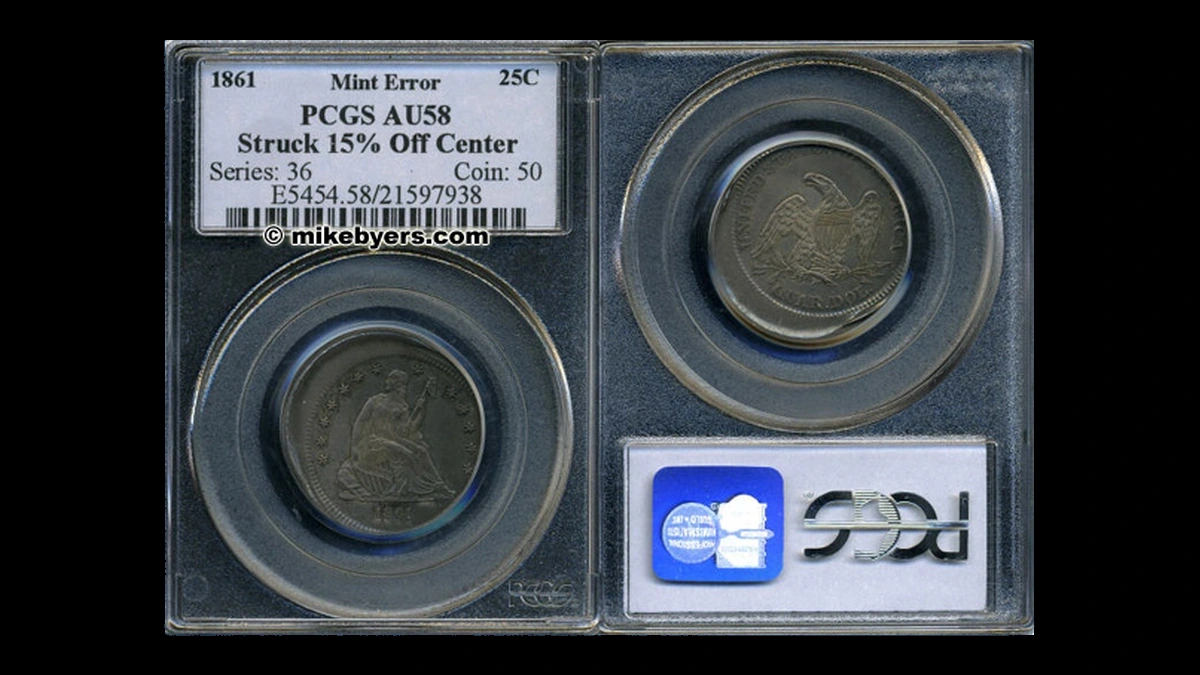
A documented Philadelphia quarter was struck 15% off-center toward four o’clock. Its blank sat out of position, leaving unused metal on the opposite side.
The full date and much of the design remain visible. PCGS graded the dark gray, strongly struck example AU58, meaning it has very light circulation wear.
How to Identify
Hold the front upright and compare the four-o’clock side with the blank crescent opposite it. Intended design should run beyond the original edge in the direction of the shift.
Turn to the reverse without losing track of that crescent. Both faces should agree with the same misplaced blank; a shift limited to one face may come from a misaligned die.
Inspect the bare area for later cuts or flattened design remnants. The readable date must belong to the same coin as the displaced picture.
Normal reference measurements are about 6.22 grams and 24.3 millimeters. They help assess a loose candidate, but the original strike boundary remains the main visual evidence.
What It’s Worth
$1,000–$10,000 is the estimate for genuine examples of comparable early silver off-center striking. Preservation, readable identity, and the overall appearance of the shift matter alongside its percentage.
Heritage sold the AU58 example for $3,450 on January 10, 2009. A cleaned or damaged coin is a weaker comparison than that original, lightly worn piece.
Conclusion
The mixed design pairing needs evidence from both faces, while the repunched 6 needs an exact date match. The doubled-design listing also requires care because its front-versus-back labels conflict.
A major displaced strike offers a different kind of evidence: missing intended design beside original blank metal. Keep each explanation connected to its own photographs and whole-coin estimate rather than treating every unusual 1861 quarter alike.